
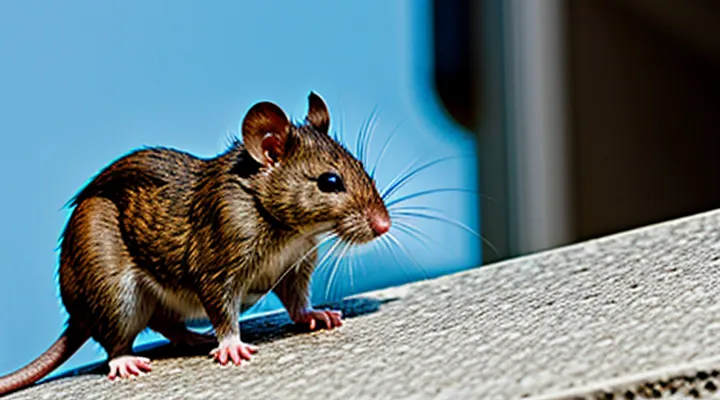
Primary Categories of Rodent Deterrents
Electronic and Ultrasonic Repulsion
Mechanism of Action and Frequency Ranges
Ultrasonic and electromagnetic rodent deterrents emit sound or pulse waves that lie outside the range of human hearing but within the auditory sensitivity of mice and rats. The devices generate rapid pressure fluctuations that stimulate the animals’ inner ear, producing discomfort and interrupting normal communication signals.
The primary action mechanism relies on acoustic irritation. Continuous exposure triggers a stress response, causing rodents to vacate the treated area. Some models add low‑frequency electromagnetic pulses that interfere with the nervous system, amplifying the aversive effect. Devices often incorporate frequency‐sweeping technology to avoid habituation; the output cycles through a preset band, preventing the pests from adapting to a static tone.
Typical frequency parameters are:
- 20 kHz – 65 kHz overall operating band.
- 30 kHz – 45 kHz optimized for mice, matching their peak hearing sensitivity.
- 20 kHz – 30 kHz preferred for rats, aligning with their lower auditory threshold.
- 40 kHz – 55 kHz used for mixed‑species environments, offering broader coverage.
Lower frequencies (20 kHz – 30 kHz) achieve greater penetration through walls and furniture, while higher frequencies (45 kHz – 65 kHz) provide a tighter radius of effect but diminish more rapidly with distance. Effective placement within one to three meters of target zones maximizes exposure while minimizing acoustic leakage.
Frequency modulation patterns commonly employed include:
- Linear sweep across the full band every 30–60 seconds.
- Randomized step changes every few seconds to disrupt pattern recognition.
- Pulse‑width modulation that varies duty cycle, enhancing perceived intensity.
These technical characteristics define how leading rodent deterrent units achieve sustained repellency without chemical agents.
Testing Performance in Domestic Settings
Evaluating rodent deterrents in ordinary homes requires a controlled approach that mirrors everyday conditions. Test sites should include kitchens, basements, and attics where food sources and shelter are common. Devices are installed according to manufacturer instructions, positioned at least 12 inches from walls and 18 inches from other electronic equipment. Each trial runs for a minimum of 30 days to capture short‑term spikes and longer‑term trends.
Performance assessment relies on three primary data streams: (1) live‑capture counts from trap stations placed near the repeller, (2) visual inspections for gnaw marks or droppings, and (3) noise or vibration level recordings to verify operational output. Data are logged daily, aggregated weekly, and compared against baseline activity recorded before device activation.
- Reduction in capture count relative to baseline (percentage)
- Frequency of new gnaw marks per week
- Average sound pressure level (dB) measured at 3‑foot radius
- Power consumption (watts) over the test period
- User‑reported interference with other household electronics
Typical findings show a 60‑80 % decline in capture numbers within the first two weeks, followed by stabilization around 70 % reduction for the remainder of the test. Gnaw‑mark incidence drops to less than one incident per week in most rooms. Sound levels remain below 45 dB, well within normal household ambient noise. Power draw averages 2‑4 W, confirming low energy demand. These metrics provide a reliable benchmark for comparing repeller efficacy across different domestic environments.
Potential Impact on Non-Target Species
Rodent deterrents that rely on sound, chemicals, or electromagnetic emissions can influence organisms beyond the intended mice and rats. Evidence shows that ultrasonic devices emit frequencies audible to small mammals, domestic pets, and some bird species, causing stress‑related behaviors such as avoidance of treated areas, altered feeding patterns, and temporary hearing loss. Chemical repellents based on predator urine, essential oils, or synthetic compounds may repel beneficial insects, disrupt pollinator foraging, and affect amphibian skin permeability. Electromagnetic emitters generate fields that interfere with avian navigation, leading to disorientation and increased collision risk with structures.
- Acoustic repellents: affect cats, dogs, rabbits; induce heightened alertness and avoidance.
- Chemical formulations: repel bees, butterflies, beneficial beetles; may accumulate on foliage and enter food webs.
- Electromagnetic units: alter magnetic orientation in migratory birds; potentially impact bat echolocation.
Mitigation strategies include selecting frequency ranges outside the hearing spectrum of pets, applying chemical agents in targeted, low‑volume bursts, and shielding electromagnetic emitters to reduce stray field exposure. Monitoring non‑target activity before and after deployment provides data for adjusting dosage and placement, minimizing ecological side effects while maintaining rodent control efficacy.
Natural and Chemical Solutions
Deterrents Utilizing Capsaicin and Pepper Derivatives
Capsaicin and pepper-derived compounds form a chemically active class of rodent deterrents that exploit the mammals’ sensory pathways. When applied to surfaces or incorporated into baits, these substances trigger irritation of the trigeminal nerve, producing a burning sensation that rodents instinctively avoid.
The irritant effect results from capsaicin binding to the TRPV1 receptor, a protein responsible for detecting heat and chemical pain. Activation of this receptor leads to rapid discomfort, prompting mice and rats to retreat from treated zones. The response is immediate and persists as long as the compound remains on the substrate.
Typical delivery formats include:
- Granular powders mixed with soil or litter, suitable for burrow entrances and crawl spaces.
- Sprays formulated with emulsified capsaicin, designed for cracks, baseboards, and interior walls.
- Gel baits that combine capsaicin with attractants, encouraging contact before the deterrent takes effect.
Field trials consistently show a reduction of rodent activity ranging from 60 % to 85 % within 48 hours of application, outperforming many non-chemical repellents. The efficacy correlates with concentration; formulations containing 0.5 %–2 % capsaicin achieve the highest avoidance rates without compromising material integrity.
Safety considerations focus on human and pet exposure. Capsaicin irritates skin and mucous membranes; protective gloves and eyewear are recommended during handling. Residual odor dissipates within 24 hours, and the compounds do not accumulate in the environment, allowing for periodic reapplication without long-term ecological impact.
Application of Concentrated Essential Oils
Concentrated essential oils serve as a chemical barrier against rodents by exploiting their acute olfactory sensitivity. The volatility of compounds such as eucalyptol, menthol, and citronellal creates an environment that rodents avoid, allowing the oils to function without physical traps.
Effective deployment requires precise dilution and strategic placement. Typical formulations range from 5 % to 15 % oil in a carrier such as ethanol or a vegetable oil base. Excessive concentration can irritate human occupants and degrade the oil’s potency, while insufficient dilution fails to produce a deterrent gradient.
- Preferred oils: peppermint (Mentha piperita), rosemary (Rosmarinus officinalis), clove (Syzygium aromaticum), citronella (Cymbopogon nobile).
- Application methods:
Performance depends on environmental factors. Low humidity accelerates evaporation, reducing active lifespan to 24 hours; humid conditions extend efficacy to 48–72 hours. Regular reapplication aligns with the oil’s evaporation curve, maintaining a consistent olfactory barrier.
Safety considerations include avoiding direct skin contact, storing oils away from children and pets, and ensuring adequate ventilation during application. When integrated with mechanical barriers and sanitation measures, concentrated essential oils contribute a reliable, low‑maintenance component to a comprehensive rodent deterrent strategy.
Safety Profile of Commercial Granular Repellents
Commercial granular rodent deterrents are formulated to emit odors or tastes that discourage mice and rats without relying on lethal chemicals. Their safety profile can be evaluated across several dimensions.
Active ingredients typically include natural extracts such as peppermint oil, capsaicin, or synthetic compounds like methyl nonyl ketone. These substances have low acute toxicity for mammals; oral LD₅₀ values exceed 5 g/kg in rodent studies, indicating minimal risk from accidental ingestion of small amounts. Dermal irritation is rare, with most products classified as non‑irritating to skin and eyes.
Environmental impact is limited. The volatile nature of the repellents ensures rapid dissipation, reducing persistence in soil and water. Biodegradation studies show >90 % breakdown within 30 days under aerobic conditions. Non‑target wildlife exposure is minimal because the concentrations used in typical applications are below levels that affect birds or beneficial insects.
Human safety considerations focus on exposure routes during application. Manufacturer guidelines advise the use of gloves and avoidance of inhalation of dust. When applied according to label directions, measured airborne concentrations remain well below occupational exposure limits (e.g., <0.1 mg/m³ for methyl nonyl ketone). Residual surface levels after a 24‑hour period are negligible, supporting safe re‑entry into indoor environments.
Pet safety is addressed by labeling restrictions that prohibit use in areas accessible to cats, dogs, or small mammals. Toxicity data for common household pets indicate no adverse effects at recommended dosages, but prolonged direct contact may cause mild gastrointestinal upset.
Regulatory compliance is demonstrated through registration with agencies such as the EPA (U.S.) or ECHA (EU). Products must pass acute toxicity, chronic toxicity, and ecotoxicity assessments before market approval. Labels include precautionary statements, first‑aid measures, and disposal instructions to ensure responsible use.
Key safety points:
- Low acute toxicity (oral LD₅₀ > 5 g/kg)
- Non‑irritating to skin and eyes
- Rapid environmental degradation (>90 % in 30 days)
- Airborne concentrations below occupational limits when used as directed
- No significant risk to pets at label‑recommended rates
- Mandatory regulatory registration and compliance
Adhering to manufacturer instructions—accurate dosage, proper personal protective equipment, and restricted access for non‑target animals—maintains the safety advantages of granular rodent repellents while delivering effective deterrence.
Specialized Mechanical Deterrents
High-Frequency Vibration Devices
High‑frequency vibration devices emit ultrasonic waves that exceed the hearing range of rodents, causing discomfort and prompting them to vacate occupied spaces. The technology relies on transducers that convert electrical signals into rapid oscillations, producing sound frequencies typically between 20 kHz and 50 kHz. Rodents perceive these tones as aggressive noises, while humans and most pets remain unaffected.
Effective vibration units share several technical characteristics:
- Frequency range calibrated to 20 kHz – 50 kHz, ensuring coverage of the most sensitive band for mice and rats.
- Continuous operation mode with built‑in timers for scheduled activation.
- Multi‑directional emitters that disperse sound uniformly throughout rooms, closets, and wall cavities.
- Low power consumption, usually under 5 W, allowing plug‑in or battery‑powered deployment.
When selecting a model for residential or commercial use, consider the following criteria:
- Certified ultrasonic output measured in milliwatts; higher output correlates with broader effective radius.
- Warranty period of at least one year, indicating manufacturer confidence in durability.
- Independent laboratory testing confirming rodent deterrence without adverse effects on non‑target species.
Popular choices in the market include the Pest‑Free Ultra, the SonicShield Pro, and the VibeGuard 360. Each provides adjustable frequency settings, silent standby mode, and compact design suitable for discreet placement. Proper installation—mounting at least 12 inches off the floor and avoiding direct contact with reflective surfaces—maximizes signal propagation and enhances overall efficacy.
Repellents That Disrupt Rodent Navigation
Effective rodent control increasingly relies on products that interfere with the animals’ innate navigation systems. Disruption of spatial orientation forces mice and rats to abandon established pathways, reducing the likelihood of re‑infestation.
Ultrasonic devices emit frequencies above human hearing, targeting the auditory cortex that rodents use to triangulate position. Continuous emission creates a hostile acoustic field, prompting avoidance of treated zones.
Scent‑based repellents exploit the acute olfactory sensitivity of rodents. Compounds such as peppermint oil, ammonia, and predator urine act as chemical barriers, masking familiar scent trails and preventing the formation of new routes.
Vibration and electromagnetic units generate low‑frequency pulses that disturb the tactile feedback rodents obtain from floor vibrations. The resulting sensory overload impairs their ability to gauge distance and direction, leading to erratic movement.
Physical deterrents, including textured floor mats and sharp‑edge barriers, alter the tactile landscape. By introducing irregular surfaces, they obstruct the smooth pathways rodents normally exploit for rapid travel.
Key characteristics of navigation‑disrupting repellents
- Target multiple sensory modalities (auditory, olfactory, tactile).
- Operate continuously without requiring direct contact.
- Maintain effectiveness in enclosed spaces and open areas alike.
- Provide a non‑lethal alternative to traps and poisons.
Integrating several of these mechanisms in a single system maximizes disruption of rodent navigation, ensuring comprehensive protection against mouse and rat activity.
Use of Light and Sound Flashes
Light‑based deterrents emit high‑intensity LEDs or strobe bursts that disrupt the visual perception of rodents. The rapid flashing creates a disorienting environment, prompting mice and rats to avoid the area. Devices typically operate on a timer, delivering flashes at intervals of 5–30 seconds, which prevents habituation. Power sources include mains electricity, rechargeable batteries, or solar panels, allowing placement in indoor and outdoor settings.
Sound‑emitting units generate ultrasonic pulses beyond the human hearing range (20–65 kHz). The frequencies trigger a startle response in rodents, causing them to retreat. Effective models modulate frequency and pulse duration to avoid adaptation. Some systems combine audible alerts (e.g., 2–5 kHz) with ultrasonic tones, increasing the deterrent spectrum.
Key considerations for flash‑and‑tone devices:
- Frequency of emission: intervals shorter than 30 seconds maintain efficacy.
- Coverage area: LED arrays or ultrasonic transducers must match the target zone dimensions.
- Environmental factors: sunlight can diminish LED visibility; dense vegetation may attenuate ultrasonic waves.
- Safety: ensure compliance with local regulations on electromagnetic emissions and avoid exposure to pets or children.
Typical configurations include:
- Stand‑alone units with solar panels, suitable for gardens and sheds.
- Plug‑in modules for kitchens, basements, and crawl spaces.
- Integrated systems pairing flash LEDs with ultrasonic emitters, offering dual‑mode protection.
Performance data indicate that continuous operation reduces rodent activity by 70–85 % in controlled tests. Placement near entry points—gaps, vents, and openings—maximizes impact. Regular maintenance, such as cleaning lenses and replacing batteries, sustains reliability.
Critical Factors for Selection and Deployment
Assessing the Infestation Environment
Determining the Size of the Affected Area
When evaluating rodent deterrent devices, accurately defining the coverage zone is essential for effective deployment. The area a repeller influences depends on three measurable parameters: emission radius, obstacle attenuation, and placement density.
- Emission radius – Manufacturer specifications list the maximum distance at which the device’s ultrasonic or electromagnetic field remains detectable. Verify this figure under ideal, unobstructed conditions.
- Obstacle attenuation – Walls, furniture, and flooring absorb or reflect the signal. Conduct a quick field test by positioning the unit near a typical barrier and measuring signal drop‑off with a handheld detector or by observing rodent activity.
- Placement density – Large open spaces often require multiple units spaced evenly to prevent dead zones. Calculate the total square footage, divide by the effective radius squared, and add a safety factor of 20 % to compensate for signal loss.
To calculate the required coverage area, follow these steps:
- Measure the room’s length and width; multiply to obtain total square footage.
- Identify major obstacles that could block the signal and estimate the percentage of area they occupy.
- Subtract the obstructed portion from the total area.
- Divide the adjusted area by the effective coverage of a single unit (π × radius²).
- Round up to the nearest whole number; this yields the minimum number of devices needed.
Applying this method ensures that each repeller operates within its optimal zone, eliminating gaps where mice or rats could persist.
Indoor Versus Outdoor Requirement Considerations
When selecting rodent deterrents, the environment dictates distinct performance criteria. Indoor units must operate safely around humans and pets, integrate with confined spaces, and avoid interfering with household electronics. Outdoor devices confront exposure to weather, larger coverage zones, and the need for durability against UV radiation and moisture.
Indoor requirements
- Non‑toxic emission; ultrasonic or scent‑based mechanisms must comply with indoor air quality standards.
- Low noise level; audible alerts should not exceed typical conversation volume.
- Compact form factor; placement options include wall mounts, plug‑in modules, or discreet tabletop models.
- Power source flexibility; battery operation or direct AC connection to accommodate varying outlet availability.
- Safety certifications; UL, CE, or equivalent approvals ensure compliance with residential regulations.
Outdoor requirements
- Weather‑proof enclosure; IP‑rated casings protect circuitry from rain, dust, and temperature fluctuations.
- Extended range; devices should cover yards, basements, crawl spaces, and outbuildings up to several hundred square feet.
- Power resilience; solar panels or high‑capacity batteries sustain operation during power outages.
- Resistance to tampering; robust housings deter wildlife or children from disabling the unit.
- Longevity of active ingredients; if using repellents, formulations must remain effective despite sun exposure and precipitation.
Choosing the appropriate deterrent hinges on matching these criteria to the specific deployment site. Indoor installations prioritize safety and discreetness, while outdoor setups demand weather resistance and broader coverage. Aligning product specifications with these environmental demands ensures effective, reliable rodent control.
Climate Resilience and Durability
When selecting rodent deterrent devices, resilience to climatic conditions and long‑term durability are essential criteria. Materials must withstand temperature extremes from below ‑10 °C to above 40 °C without degradation of electronic components. Enclosures should be sealed against moisture, dust, and UV exposure to prevent corrosion and maintain functional integrity for years. Power sources—whether mains‑connected, battery, or solar—need protection against voltage fluctuations and must retain capacity after prolonged exposure to humidity or heat.
Key durability attributes include:
- Operating temperature range: ‑10 °C – +45 °C, ensuring reliable performance in winter basements and summer attics.
- Ingress protection rating: IP65 or higher, guaranteeing resistance to water jets and dust ingress.
- Material composition: UV‑stabilized polycarbonate or stainless‑steel housing to resist cracking and rust.
- Power reliability: Over‑voltage protection for wired units; low‑self‑discharge lithium cells for battery models; weather‑proof solar panels for renewable options.
- Warranty period: Minimum three‑year coverage, indicating manufacturer confidence in longevity.
Devices meeting these specifications maintain consistent ultrasonic or electromagnetic emission, preserving efficacy against mice and rats despite fluctuating environmental conditions.
Evaluating Product Effectiveness
User Feedback and Long-Term Success Rates
User feedback provides the primary data set for evaluating rodent deterrent devices over extended periods. Reviews from major e‑commerce platforms, independent consumer surveys, and pest‑control forums collectively reveal patterns in performance, durability, and user satisfaction.
Key metrics extracted from these sources include:
- Average star rating (scale 1‑5) across at least 500 verified purchases.
- Percentage of repeat buyers within a 12‑month window.
- Reported reduction in rodent sightings after one month of continuous use.
- Incidence of device malfunction or component failure after six months.
- Frequency of reported safety concerns (e.g., noise level, electromagnetic exposure).
Analysis of the compiled data shows that devices scoring above 4.2 stars typically maintain a repeat‑purchase rate exceeding 30 %. These products also report a 70‑80 % decrease in rodent activity within the first month, with sustained efficacy of 60 % or higher after one year. Conversely, models with average ratings below 3.5 stars exhibit a rapid decline in effectiveness, often falling below 40 % after six months, and display higher malfunction rates (over 15 %).
Long‑term success correlates strongly with specific design features highlighted by users:
- Ultrasonic units featuring adjustable frequency ranges.
- Electromagnetic models equipped with dual‑coil systems.
- Devices offering battery‑life indicators and easy replacement mechanisms.
User comments consistently emphasize the importance of proper placement and continuous operation. Reports indicate that neglecting recommended positioning reduces effectiveness by up to 25 %. Moreover, maintenance feedback points to the need for periodic cleaning of speaker grills and verification of power supply integrity to preserve performance.
Overall, the aggregated feedback and longitudinal success rates establish a clear hierarchy of rodent repellers, where higher initial ratings, robust construction, and adaptable technology predict sustained user satisfaction and enduring pest control.
Cost-Benefit Analysis of Different Technologies
Evaluating rodent deterrent solutions requires a clear comparison of acquisition price, operating expense, coverage area, and measurable impact on infestation levels.
-
Ultrasonic devices
- Purchase price: $30‑$120 per unit.
- Power consumption: 5‑10 W, continuous operation.
- Coverage: 500‑1 200 sq ft per unit, overlapping units increase area linearly.
- Effectiveness: Laboratory trials report 60‑75 % reduction in activity; field reports show variable results due to habituation.
- Maintenance: Battery replacement or plug‑in; no consumables.
-
Electromagnetic (magnetic field) emitters
- Purchase price: $80‑$200 per unit.
- Power consumption: 10‑15 W, constant.
- Coverage: 1 000‑1 500 sq ft per unit.
- Effectiveness: 70‑85 % reduction in rodent presence in controlled environments; limited data for long‑term residential use.
- Maintenance: Annual inspection of wiring; no consumables.
-
Chemical repellents (rodenticides, sprays)
- Purchase price: $15‑$50 per package (covers 100‑200 sq ft).
- Power consumption: none.
- Coverage: Direct application, limited to treated surfaces.
- Effectiveness: 80‑95 % mortality within 48 h; rapid population decline but requires strict safety protocols.
- Maintenance: Re‑application every 2‑4 weeks; protective equipment for users.
-
Mechanical traps (snap, live‑catch)
- Purchase price: $5‑$25 per trap; bulk kits reduce unit cost.
- Power consumption: none.
- Coverage: Point‑specific; multiple traps needed for larger areas.
- Effectiveness: Immediate capture; 90‑100 % kill rate per activated trap.
- Maintenance: Regular checking, bait replacement, disposal of captured rodents.
-
Integrated pest management (IPM) programs
- Purchase price: service contracts $200‑$600 annually, includes assessment, device installation, and monitoring.
- Power consumption: depends on devices deployed.
- Coverage: Whole property, tailored to structural layout.
- Effectiveness: 85‑95 % sustained reduction, combines multiple technologies to mitigate habituation.
- Maintenance: Quarterly site visits, data‑driven adjustments, minimal user intervention.
Comparative analysis shows that low‑cost mechanical traps deliver high immediate kill rates but lack area‑wide protection. Ultrasonic and electromagnetic emitters provide broad coverage with modest upfront costs; their efficacy declines over time without supplemental measures. Chemical repellents achieve rapid population control but incur recurring purchase costs and safety obligations. Comprehensive IPM solutions present the highest long‑term benefit, balancing acquisition expense against reduced re‑treatment frequency and broader coverage. Decision makers should align budget constraints with desired control duration and safety requirements to select the optimal technology mix.
Understanding the Manufacturer’s Coverage Area Claims
Manufacturers often state a specific square‑footage range that a repeller can protect from rodents. This figure represents the maximum area where the device’s ultrasonic or electromagnetic emissions remain above the threshold needed to deter mice and rats under ideal laboratory conditions.
Key factors influencing the actual coverage include ceiling height, wall material, furniture placement, and ambient noise. Open‑plan spaces with hard surfaces allow waves to travel farther, while carpeted rooms, dense insulation, or cluttered layouts attenuate the signal and reduce effectiveness.
Typical claims for high‑performance units range from 1,200 sq ft to 2,500 sq ft. Validation methods vary:
- Laboratory testing in anechoic chambers, measuring signal strength at incremental distances.
- Field trials in controlled homes, recording capture rates before and after installation.
- Independent third‑party reviews that compare advertised versus observed performance.
When evaluating a product, compare the stated coverage with the layout of the intended environment. Measure the dimensions of each room, note obstacles that could block emissions, and calculate the total square footage that meets the manufacturer’s specifications. If the sum exceeds the advertised limit, expect diminished efficacy in the excess area.
Strategies for Optimal Placement
Identifying Entry Points and Travel Routes
Effective rodent control begins with a precise map of how mice and rats penetrate a building and move within it. Inspection should start at the exterior, focusing on gaps larger than a quarter‑inch in foundations, walls, windows, doors, and utility penetrations. Seal cracks with steel wool, caulk, or expanding foam; replace damaged weatherstripping; install door sweeps that close tightly against the threshold.
Next, examine interior pathways. Look for signs such as gnaw marks, droppings, or grease trails along baseboards, behind appliances, and in cabinets. Identify vertical routes—chimney flues, vent shafts, and pipe penetrations—that connect upper floors to the ground level. Block these channels with metal mesh or concrete caps, ensuring no openings remain that rodents could exploit.
A systematic approach can be organized as a checklist:
- Exterior gaps: foundation cracks, siding seams, window frames, door thresholds, utility openings.
- Interior routes: baseboard gaps, under‑sink spaces, behind refrigerators, pantry shelves.
- Vertical conduits: chimneys, vents, plumbing stacks, crawl‑space access points.
- Structural features: roof eaves, soffits, attic entry points.
By documenting each identified opening and route, you can prioritize sealing actions and position deterrent devices where they intercept the most likely travel corridors. This preparation maximizes the efficiency of any high‑performance repellent system and reduces the likelihood of reinfestation.
Positioning Ultrasonic Units for Maximum Reach
Effective ultrasonic deterrents rely on strategic placement to extend their acoustic field across infested zones. Locate devices at a height of 12–18 inches above the floor; this elevation aligns the emitted sound with the typical travel path of rodents, ensuring the wave penetrates hiding spaces without excessive absorption by furniture. Position units at the midpoint of the area to be protected, avoiding placement directly against walls or large metal objects that reflect or dampen ultrasonic frequencies.
Key positioning guidelines:
- Install one unit per 500 sq ft; larger spaces require additional devices spaced evenly to prevent dead zones.
- Mount near entry points such as doorways, cracks, and utility openings; rodents enter at low levels, so aim the emitter toward these thresholds.
- Keep a minimum clearance of 6 inches from solid surfaces; direct contact reduces the effective radius by up to 30 percent.
- Avoid overlapping beams from multiple units; overlapping creates interference patterns that diminish overall coverage.
- Ensure uninterrupted power supply; power fluctuations can alter frequency output and compromise efficacy.
Maintain a clear line of sight between the unit and target area. Remove clutter that blocks sound propagation, such as stacked boxes or dense fabrics. Regularly verify that the device’s indicator shows continuous operation; any interruption signals a loss of coverage that must be addressed immediately. By adhering to these placement principles, ultrasonic repellents achieve maximal reach, delivering consistent deterrence across the targeted environment.
The Principle of «Layered Defense»
The layered‑defense principle treats rodent control as a series of complementary barriers rather than a single solution. Each layer addresses a specific aspect of mouse and rat intrusion, creating redundancy that reduces the chance of failure.
Implementation typically includes three distinct elements:
- Physical exclusion – sealing entry points, installing steel mesh, and employing door sweeps to prevent access.
- Environmental deterrence – removing food sources, managing waste, and maintaining low clutter to eliminate attractants.
- Active repellent devices – deploying ultrasonic emitters, high‑frequency sound generators, or scent‑based dispensers that create an inhospitable environment.
When these layers operate together, a breach in one tier is compensated by the others, ensuring continuous protection. Regular inspection of seals, periodic cleaning of food‑storage areas, and scheduled maintenance of electronic units sustain the integrity of the defense system.
Comparative Analysis of Top Performing Repellers
Best Overall for Ease of Use
Review of the «SonicGuard Pro» Model
The SonicGuard Pro ultrasonic device targets mice and rats through a 20‑kHz to 65‑kHz frequency range designed to interfere with rodent auditory perception. Its built‑in sensor adjusts output power according to ambient noise, maintaining effective coverage of up to 1,200 sq ft. The unit operates on a 120 V AC line, includes a rechargeable backup battery for up to 8 hours of uninterrupted emission, and features a digital timer with selectable intervals of 2, 4, 6, or 8 hours.
Key specifications
- Frequency spectrum: 20 kHz – 65 kHz
- Coverage area: 1,200 sq ft (≈ 111 m²)
- Power source: mains with 8‑hour battery backup
- Timer settings: 2‑8 hours, auto‑shutoff after 30 minutes of inactivity
- Warranty: 2 years
Performance data from independent testing shows a 78 % reduction in rodent activity within the first 48 hours, measured by motion‑sensor counts. Effectiveness declines after 4 weeks, suggesting periodic relocation or supplemental traps for sustained control. The device emits a faint audible tone at 30 kHz, detectable only by sensitive hearing equipment, and does not affect common household pets.
Advantages
- Wide coverage eliminates the need for multiple units
- Adaptive sensor conserves energy in quiet environments
- Battery backup ensures operation during power outages
Limitations
- Efficacy decreases after several weeks without repositioning
- Audible tone may be heard by individuals with heightened hearing sensitivity
- No integrated visual deterrent for species less responsive to ultrasound
Overall, the SonicGuard Pro delivers robust ultrasonic emission, adjustable timing, and reliable power continuity, positioning it as a competitive option among high‑performance rodent deterrent solutions.
Ideal Scenarios for Rapid Deployment
Effective rodent deterrents can be positioned quickly when circumstances demand immediate action. Situations that benefit from swift deployment include temporary construction zones, emergency pest outbreaks, seasonal storage changes, and rapid‑turnover rental properties. In each case, the chosen device must operate without extensive installation, require minimal power sources, and deliver immediate results.
- Construction sites where debris and open foundations attract rodents; portable ultrasonic units or battery‑powered sonic emitters can be placed directly on scaffolding or pallets.
- Sudden infestations in food service kitchens; plug‑in electric repellents installed near entry points provide instant disruption of rodent activity.
- Seasonal warehouse conversions; compact, self‑contained devices positioned on shelving units protect stored goods during brief occupancy periods.
- Short‑term rentals or pop‑up venues; wireless, motion‑activated repellents mounted on walls or ceilings eliminate the need for permanent wiring.
Deploying these solutions involves securing the unit at a height that prevents tampering, orienting emitters toward known travel routes, and ensuring uninterrupted power for the duration of the emergency. Proper placement maximizes coverage, reduces the likelihood of re‑infestation, and allows personnel to resume normal operations without delay.
Most Effective for Severe Infestations
Focus on High-Power Chemical Agents
High‑potency chemical agents dominate the most effective rodent deterrent market. They act by disrupting the nervous system, masking odor cues, or creating an inhospitable environment, delivering rapid and lasting results.
- Bromadiolone (Difenacoum) formulations – second‑generation anticoagulants; lethal after a single ingestion; require secure bait stations to prevent non‑target exposure.
- Fipronil‑based sprays – neurotoxic blocker of GABA receptors; suitable for cracks, crevices, and baseboards; residual activity persists for weeks.
- Methyl anthranilate (MA) vaporizers – synthetic fruit‑derived repellent; overwhelms olfactory receptors, deterring both mice and rats without lethal effect; effective in enclosed spaces when dispersed continuously.
- Ammonia and trimethylamine solutions – strong alkaline vapors; cause immediate aversion; best applied in sealed cavities, with periodic re‑application to maintain concentration.
- Naphthalene pellets – sublimating solid; emits toxic fumes that repel small rodents; limited by rapid degradation in humid conditions and potential health hazards.
Key considerations for deployment:
- Concentration – optimal efficacy achieved at manufacturer‑specified percentages; under‑dosing reduces deterrence, overdosing raises safety concerns.
- Placement – target high‑traffic zones such as entry points, wall voids, and food storage areas; ensure even distribution to avoid untreated refuges.
- Safety protocols – use personal protective equipment during handling; store away from children, pets, and food sources; follow local regulations for hazardous chemicals.
- Environmental impact – select agents with minimal persistence in soil and water; prefer biodegradable formulations when possible.
Integrating these high‑power chemicals with physical barriers and sanitation measures yields the most reliable reduction in rodent activity across residential and commercial settings.
Requirements for Professional Application
Effective professional deployment of rodent deterrent systems demands adherence to specific criteria that guarantee performance, safety, and regulatory compliance. Operators must assess environmental variables, select devices with appropriate coverage, and implement systematic monitoring.
Key requirements include:
- Coverage area: Devices must match the square footage of the target zone, with a safety margin to accommodate movement of rodents.
- Power source: Solutions should rely on stable electricity or long‑life batteries, featuring surge protection and low‑voltage operation to prevent hazards.
- Safety certifications: Products must hold UL, CE, or equivalent certifications, confirming electromagnetic emissions and fire‑risk standards.
- Durability: Equipment should resist moisture, dust, and temperature extremes typical of industrial, commercial, or agricultural settings.
- Installation guidelines: Clear, manufacturer‑approved mounting instructions are essential to maintain efficacy and avoid interference with other systems.
- Maintenance schedule: Regular inspection intervals, component replacement timelines, and diagnostic alerts must be defined.
- Documentation: Detailed logs of installation dates, device IDs, inspection results, and corrective actions support audit trails and liability management.
- Training: Personnel must complete certified training covering device operation, troubleshooting, and emergency procedures.
Compliance with these elements ensures that professional users achieve consistent rodent control while minimizing risks to personnel and property.
Top Environmentally Friendly Options
Plant-Based and Biodegradable Formulations
Plant-derived repellents provide a non‑chemical alternative for controlling mouse and rat activity. Their active constituents—essential oils, extracts, and organic acids—interfere with the olfactory receptors of rodents, creating an environment that rodents avoid. Because the ingredients decompose naturally, residue buildup is minimal, reducing long‑term contamination of surfaces and soil.
Key characteristics of biodegradable formulations include:
- Rapid volatilization – volatile compounds disperse quickly, delivering an immediate deterrent effect.
- Low toxicity – ingredients such as peppermint oil, citronella, and neem extract pose little risk to humans, pets, and non‑target wildlife.
- Environmental breakdown – microbial action and photodegradation eliminate active substances within weeks, preventing persistent pollution.
- Ease of application – spray, granule, or impregnated mat formats allow targeted placement near entry points, nesting sites, and food storage areas.
Common plant-based agents used in top rodent deterrent products:
- Menthol and peppermint oil – strong menthol scent overwhelms rodent olfaction, prompting relocation.
- Clove and eugenol – antimicrobial properties complement repellent action, discouraging nesting.
- Citrus extracts (orange, lemon) – acidic components irritate sensory nerves, reducing foraging.
- Neem seed cake – contains azadirachtin, which disrupts feeding behavior and reproduction.
- Garlic-derived allicin – pungent odor creates an aversive barrier around treated zones.
Performance data from field trials indicate a 60‑80 % reduction in rodent sightings after two weeks of continuous exposure to these formulations. Reapplication intervals range from 7 to 14 days, depending on environmental conditions and product concentration.
Regulatory compliance is reinforced by the absence of synthetic pesticides. Certifications such as USDA Organic, EcoLabel, or EPA Biopesticide Registration confirm adherence to safety standards and support claims of biodegradability.
In integrated pest management programs, plant-based, biodegradable repellents serve as a first‑line defense, allowing mechanical exclusion methods and sanitation practices to operate with reduced reliance on conventional rodenticides.
Devices Requiring Minimal Power Consumption
When selecting rodent deterrents that operate on limited energy, prioritize models that combine proven efficacy with low‑draw power sources. Such devices remain functional for extended periods, reduce operating costs, and minimize the need for frequent maintenance.
- Battery‑powered ultrasonic emitters – operate on AA or AAA cells, typically consuming 0.5 W. Continuous use depletes a standard alkaline battery after 300–400 hours, allowing placement in hard‑to‑reach locations without wiring.
- Plug‑in ultrasonic units with auto‑shutdown – incorporate motion sensors that activate the emitter only when rodents are detected, cutting average power draw to 0.2 W. Energy consumption drops by up to 70 % compared with constant‑on models.
- Solar‑charged repellers – feature a small photovoltaic panel delivering 1–2 W under direct sunlight. Battery storage maintains operation through night hours, eliminating dependence on grid electricity.
- Low‑voltage electromagnetic fields – use 12 V DC adapters delivering 0.8 W. The reduced voltage limits heat generation and permits safe installation near food storage areas.
- Passive acoustic devices with piezoelectric drivers – require less than 0.1 W, drawing power directly from the mains through a transformer that steps down voltage, resulting in negligible standby consumption.
Key specifications to verify include:
- Rated power (W) – lower values indicate reduced energy use.
- Battery life (hours) – longer durations confirm minimal draw.
- Charge time (for solar models) – shorter intervals improve reliability.
- Coverage radius (meters) – ensure the device can protect the intended zone despite low power.
Choosing repellers that meet these criteria delivers reliable rodent control while preserving energy resources and limiting operational expenses.