
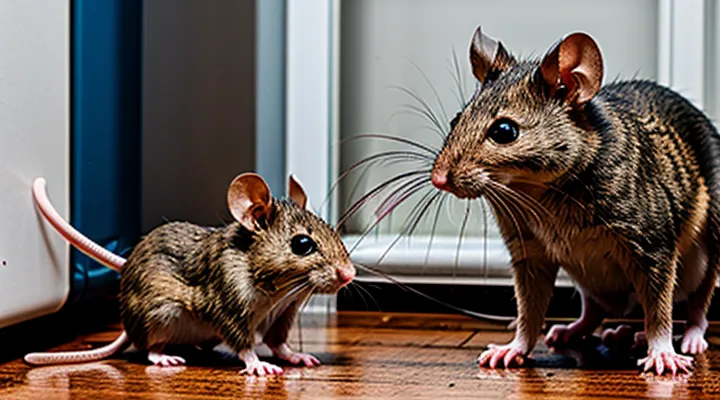
Understanding the Mouse Problem in Apartments
Signs of an Infestation
Droppings and Urine Smells
Droppings appear as small, dark, pellet‑shaped fragments, typically 3‑5 mm long, with a slightly pointed tip. Fresh deposits are moist and may exhibit a faint sheen; older ones dry and crumble easily. Their presence confirms active foraging and breeding activity within walls, cabinets, or concealed spaces.
These fecal particles and urine residues contain pathogens such as hantavirus, salmonella, and leptospira. Direct contact or inhalation of aerosolized dust from disturbed droppings can trigger respiratory illnesses, fever, or gastrointestinal distress. Prompt identification and removal reduce exposure risk for occupants.
Visual inspection, ultraviolet light, and scent detection are reliable identification techniques. Under UV illumination, fresh droppings fluoresce with a subtle blue‑green hue, facilitating detection in dimly lit corners. Urine odor, described as a sharp, ammonia‑like scent, intensifies in humid conditions and often permeates adjacent fabrics and carpets.
Effective cleaning follows a systematic protocol:
- Wear disposable gloves, N‑95 respirator, and protective eyewear.
- Saturate droppings with a disinfectant solution (e.g., 10 % bleach) and let stand for at least 5 minutes to inactivate pathogens.
- Scrape debris into a sealed bag, avoiding disturbance of settled dust.
- Wash the area with hot, soapy water, then rinse with the bleach solution.
- Dispose of all contaminated materials in a double‑bagged, sealed container; discard according to local hazardous waste guidelines.
Odor control requires neutralization rather than masking. Apply enzymatic cleaners specifically formulated for rodent urine; these agents break down odor‑causing compounds at the molecular level. For persistent smells, place activated charcoal or zeolite sachets near the source for several days, replacing them regularly until the scent dissipates.
Gnaw Marks and Damage
Mice leave unmistakable evidence through gnaw marks and structural damage, which serve as primary indicators for any control strategy in a residential setting. Recognizing these signs enables timely intervention, prevents escalation, and protects property integrity.
Typical gnaw marks include:
- Smooth, crescent-shaped holes in wood, plastic, or electrical wiring, often 2–4 mm in diameter.
- Parallel scratches on the edges of furniture, cabinets, and baseboards.
- Nibbled insulation around outlets and conduit.
Damage patterns extend beyond visible bites:
- Compromised electrical insulation can cause short circuits or fire hazards.
- Severed wiring may lead to intermittent appliance failure.
- Chewed plumbing seals result in leaks and water damage.
- Burrowed passages behind walls weaken structural support and facilitate further infestation.
Identifying the location and extent of gnaw marks directs placement of traps, bait stations, and exclusion measures. Sealing entry points around compromised materials eliminates access routes, while reinforcing vulnerable structures reduces future losses. Continuous monitoring of these indicators confirms the efficacy of the chosen eradication methods.
Scratches and Scurrying Noises
Scratches and scurrying noises are primary indicators of rodent activity within a dwelling. They appear on walls, baseboards, and ceiling joists where mice travel, and they often precede visual sightings. Recognizing these sounds allows occupants to pinpoint entry points, nesting sites, and feeding routes, which is essential for selecting appropriate control measures.
When noises are detected, follow a systematic approach:
- Conduct a focused inspection of the areas where sounds originate; listen for repetitive patterns during night hours.
- Identify fresh gnaw marks, shredded insulation, or droppings near the source; these confirm active passageways.
- Seal gaps larger than ¼ inch with steel wool, caulk, or metal flashing to block further ingress.
- Install snap traps or electronic bait stations along the confirmed travel routes; position devices perpendicular to walls where scurrying is heard.
- Apply a targeted, low‑toxicity rodenticide in concealed bait stations if traps alone do not reduce activity within 48 hours.
Continuous monitoring of auditory cues after implementing these steps verifies the effectiveness of the chosen eradication techniques and indicates whether additional interventions are required.
Why Mice are Attracted to Apartments
Food Sources
Mice persist in apartments primarily because they locate and exploit accessible food. Eliminating these resources cuts the incentive to stay and reduces the likelihood of breeding.
Typical food sources include:
- Open pantry containers without airtight seals.
- Uncovered cereal, pet kibble, and snack packages.
- Crumbs on countertops, floors, and under appliances.
- Spilled liquids that attract insects, which in turn draw rodents.
- Trash cans without tight-fitting lids.
Effective control measures:
- Transfer all dry goods to glass or heavy‑plastic containers equipped with lockable lids.
- Store pet food in sealed containers and feed only the portion needed for each meal.
- Clean surfaces after each use; sweep or vacuum floors daily, and wipe under appliances weekly.
- Dispose of waste in containers that close securely; empty them regularly.
- Inspect for and repair any gaps around cabinets, pipes, or vents that allow food particles to escape.
By systematically removing these sustenance points, the environment becomes inhospitable, forcing mice to seek food elsewhere and facilitating the success of additional eradication tactics.
Shelter and Warmth
Mice are attracted to apartments that provide secure shelter and consistent warmth. Removing these incentives reduces the likelihood of infestation and enhances the efficacy of control measures.
Secure shelter is eliminated by sealing all potential entry points. Use steel wool or copper mesh to fill gaps around pipes, vents, and utility openings, then apply a durable caulk. Replace damaged weatherstripping on doors and windows. Reduce interior hiding places by storing items in sealed plastic containers and keeping storage areas free of cardboard or fabric piles.
Warmth is managed by minimizing heat sources that mice can exploit. Adjust thermostat settings to avoid excessive ambient temperature, especially in unused rooms. Insulate exposed wiring and appliances to prevent localized heating that may attract rodents. Ensure that heating vents are not obstructed by furniture or debris, which can create hidden warm niches.
Practical actions:
- Inspect exterior walls and foundation for cracks; fill with expanding foam or concrete.
- Install door sweeps on all exterior doors.
- Keep pantry goods in airtight containers; discard expired food promptly.
- Remove clutter from closets, basements, and attics; organize items on shelves rather than floor.
- Maintain a clean kitchen; wipe down counters and clean under appliances regularly.
- Limit indoor plant watering to prevent damp, warm soil that can serve as a secondary shelter.
By systematically denying mice access to shelter and warmth, the overall success of mouse eradication efforts in a residential unit increases markedly.
Access Points
Access points constitute the primary pathways through which mice infiltrate residential units. Identifying and eliminating these openings prevents re‑entry after treatment and reduces the likelihood of infestation recurrence.
Typical entry routes include:
- Gaps around exterior doors and windows, especially where weather‑stripping is worn or missing.
- Cracks and holes in foundation walls, crawl‑space vents, and utility penetrations.
- Openings around plumbing, electrical, and cable conduits that lack proper sealing.
- Unscreened or damaged vent covers, dryer exhaust ducts, and chimney flues.
- Gaps beneath cabinets, baseboards, and flooring joints where flooring materials have shifted.
Effective sealing involves:
- Inspecting the interior and exterior envelope with a flashlight and a thin piece of wire to expose hidden fissures.
- Applying steel wool or copper mesh to fill larger openings, then covering with a durable sealant such as silicone caulk, expanding foam, or cement‑based mortar.
- Installing metal flashing or hardware cloth (1/4‑inch mesh) over vents and utility openings before applying sealant to maintain airflow while blocking rodents.
- Replacing damaged weather‑stripping on doors and windows with high‑quality, compressible material that conforms to frame contours.
- Securing all pipe sleeves and conduit gaps with a combination of foam insulation and acrylic caulk to create a continuous barrier.
Routine verification of sealed points is essential. Conduct monthly visual checks, especially after seasonal temperature changes, and repair any deterioration promptly. Consistent maintenance of access point integrity complements other control measures, ensuring long‑term rodent‑free living spaces.
Preventive Measures
Sealing Entry Points
Inspecting Walls and Floors
Inspecting walls and floors is a prerequisite for any successful mouse control program in an apartment. Mice use concealed pathways behind drywall, under baseboards, and between floor joists to move undetected; without locating these routes, bait and traps remain ineffective.
Visible signs of activity include fresh droppings (approximately 3‑5 mm long, dark), gnaw marks on wood or plastic, oily smears along walls, and shredded material such as paper or fabric. Concentrations of these signs point to entry points or nesting sites that require immediate attention.
Inspection procedure
- Begin at each exterior wall, work clockwise around the unit.
- Use a high‑intensity flashlight to illuminate seams, corners, and gaps.
- Examine the underside of baseboards and the top of floor coverings for droppings or chew marks.
- Probe small openings with a thin probe or a flexible inspection camera.
- Record the location of each finding on a floor plan for targeted treatment.
Essential tools
- Flashlight with adjustable focus.
- Flexible inspection camera (preferably with LED illumination).
- Small mirror for hard‑to‑reach areas.
- Disposable gloves and a sealed bag for sample collection.
Conduct a thorough wall‑and‑floor inspection at move‑in, after any confirmed mouse sighting, and at least quarterly thereafter. Document each inspection to track recurring problem areas and to evaluate the effectiveness of subsequent control measures.
Repairing Gaps and Cracks
Repairing gaps and cracks eliminates the primary entry points that mice exploit to access an apartment. Small openings around pipes, vents, baseboards, and window frames often go unnoticed, yet they provide sufficient space for rodents to infiltrate living areas.
To seal these openings effectively, follow a systematic approach:
- Inspect all interior and exterior walls, focusing on areas where utilities penetrate the structure.
- Use a flashlight and a mirror to detect hidden fissures behind appliances and under cabinets.
- Clean each opening of debris, dust, and grease to ensure proper adhesion of sealants.
- Choose appropriate materials:
- Expandable polyurethane foam for gaps larger than ¼ inch.
- Steel wool or copper mesh for holes up to ½ inch, then cover with caulk.
- Silicone or acrylic caulk for cracks narrower than ¼ inch.
- Apply the selected filler, compressing it to fill the void completely.
- Allow the sealant to cure according to manufacturer specifications before exposing the area to moisture or movement.
Regularly revisit repaired sections after seasonal temperature changes, as expansion and contraction can reopen seams. Maintaining a sealed envelope around the apartment reduces the likelihood of rodent infestation and supports the overall effectiveness of control measures.
Protecting Vents and Drains
Mice can travel through building ventilation shafts and plumbing openings, using them as hidden pathways to reach kitchens, storage areas, and sleeping quarters. Blocking these routes eliminates a major access point and reduces the likelihood of re‑infestation.
- Install fine‑mesh stainless‑steel screens (¼‑inch or smaller) over all external vent covers. Secure the mesh with stainless‑steel screws to prevent removal by gnawing.
- Fit removable metal caps on interior vent registers. Choose caps with a tight seal that can be opened for cleaning without compromising protection.
- Seal gaps around vent ducts with high‑temperature silicone caulk. Apply the sealant in thin, continuous lines to fill cracks without creating new voids.
- Place stainless‑steel drain covers on floor and wall drains. Ensure the covers have a tight fit and are bolted in place to resist chewing.
- Use expandable foam sealant formulated for pest control to fill larger openings around pipe penetrations. Trim excess foam after curing to maintain a smooth surface.
- Conduct quarterly inspections of all vent and drain protections. Replace any damaged mesh or cap immediately, and re‑apply sealant where wear is evident.
By implementing these measures, residents create a physical barrier that limits rodent movement, complements other control strategies, and sustains a mouse‑free living environment.
Eliminating Food and Water Sources
Proper Food Storage
Proper food storage eliminates the primary attraction that draws rodents into a living space. Seal all consumables in airtight containers made of glass, metal, or heavy‑wall plastic; this prevents scent leakage and blocks access. Store dry goods such as grains, cereals, and pasta away from floor level, preferably on shelves that are not directly adjacent to walls. Keep pet food in sealed bins and remove leftovers from cages immediately.
Maintain a strict routine for waste management. Transfer kitchen trash to a sealed bin each night and dispose of it outside the building. Rinse dishes promptly; residual crumbs create a feeding source. Refrigerate or freeze perishable items within two hours of preparation; this reduces odor buildup that can guide mice to hidden food caches.
Key practices for securing food supplies:
- Use containers with snap‑tight lids or locking mechanisms.
- Label containers with inspection dates; rotate stock to avoid spoilage.
- Place containers on elevated surfaces, at least 12 inches above the floor.
- Inspect pantry and cabinets weekly for torn packaging or spills.
- Eliminate standing water; dry any condensation inside storage areas.
Regular Cleaning and Sanitization
Regular cleaning eliminates food residues that attract rodents, thereby reducing the likelihood of infestation. Store all edible items in airtight containers, and discard waste in sealed bags before it accumulates. Sweep floors, vacuum carpets, and wipe countertops after each meal to remove crumbs and spills that could serve as a food source.
Sanitization targets the environments where mice establish nests. Disinfect surfaces with an appropriate household cleaner, focusing on kitchen counters, sink edges, and appliance exteriors. Dry any standing water, fix leaks, and keep the bathroom and utility areas free of excess moisture, as rodents are drawn to humid conditions.
A systematic approach ensures consistency:
- Food management – seal pantry items, rotate stock, and avoid leaving pet food out overnight.
- Waste control – use trash cans with tight‑fitting lids, empty them daily, and clean the interior regularly.
- Surface hygiene – wipe down tables, cabinets, and shelves with a disinfectant solution at least once a week.
- Floor care – vacuum or sweep daily; mop floors with a mild bleach solution weekly.
- Decluttering – remove cardboard boxes, paper piles, and unused fabrics that provide nesting material.
Implementing these practices creates an environment where mice find neither nourishment nor shelter, significantly enhancing the overall effectiveness of any pest‑control program in an apartment setting.
Addressing Leaks
Leaks generate moisture and food residues that sustain mouse populations. Persistent drips behind appliances, under sinks, or along baseboards provide drinking water and attract insects, which in turn become prey for rodents. Eliminating these sources removes a critical incentive for infestation.
Identify water intrusion by inspecting all plumbing connections, checking for condensation on pipes, and monitoring for discoloration or mold growth. Use a moisture meter to locate hidden damp spots behind walls and under flooring. Record each finding before proceeding with repairs.
Repair process:
- Shut off the water supply to the affected area.
- Replace cracked or corroded fittings with sealed, pressure‑rated components.
- Apply waterproof sealant to joints, gaps, and penetrations in walls, floors, and ceilings.
- Install splash guards beneath sinks and appliances to direct runoff into drains.
- Verify the repair by running water and confirming the absence of new moisture.
After sealing leaks, integrate rodent control measures such as snap traps, bait stations, and exclusion devices. A dry environment reduces mouse activity, enhances the effectiveness of traps, and prevents re‑infestation. Continuous monitoring of moisture levels ensures long‑term protection.
Decluttering and Organization
Reducing Hiding Spots
Eliminating potential shelters deprives rodents of safe areas, forcing them into exposed zones where traps and baits operate effectively.
Common concealment points include piles of newspapers or clothing, gaps behind appliances, unsecured cabinet backs, and cracks around pipes or vents. Seal openings with steel wool and caulk, relocate stored items onto open shelves, and install tight-fitting door sweeps on entryways.
- Inspect walls, floors, and ceilings for holes larger than ¼ inch; fill with rodent‑grade sealant.
- Attach mesh or metal flashing to the underside of cabinets and pantry shelves.
- Store food in airtight containers; remove crumbs and spills promptly.
- Keep furniture away from walls to eliminate narrow passages.
- Regularly check the exterior of the building for damaged weather stripping or vent covers and repair as needed.
Consistent removal of these refuge areas reduces population growth, limits breeding sites, and enhances the overall efficacy of control measures in an apartment setting.
Outdoor Area Maintenance
Effective rodent control in apartments begins with proper upkeep of the surrounding outdoor space. Neglected yards, trash piles, and vegetation provide shelter and food sources that attract mice, increasing the likelihood of indoor intrusion.
Key maintenance actions include:
- Trimming shrubs, grass, and tree branches to create a clear perimeter at least three feet from the building foundation.
- Removing leaf litter, compost, and debris that can serve as nesting material.
- Storing garbage in sealed containers and locating waste bins away from building entrances.
- Inspecting and sealing cracks, gaps, and holes in exterior walls, foundation, and utility penetrations.
- Ensuring proper drainage to prevent standing water and damp conditions that encourage rodent activity.
Each measure reduces the attractiveness of the property to mice and eliminates common pathways through which they enter apartments. By maintaining a tidy, obstacle‑free exterior, residents limit the population pressure on the indoor environment, thereby enhancing the reliability of any indoor eradication strategy.
Eradication Methods
Trapping Solutions
Snap Traps: Pros and Cons
Snap traps provide a mechanical solution for mouse control in residential units. They function by delivering an instantaneous lethal force when a rodent triggers the trigger mechanism, eliminating the need for chemical agents.
Advantages
- Immediate result; the mouse dies on contact.
- No residual toxins; safe for subsequent food storage.
- Low purchase price; widely available in various sizes.
- Reusable after resetting; minimal ongoing expense.
- Silent operation; does not produce audible alarms.
Disadvantages
- Requires careful placement to avoid accidental activation by humans or pets.
- Visible dead rodents may cause distress for occupants.
- Effectiveness depends on correct bait selection and positioning.
- Single‑use nature; each trap handles only one mouse before resetting.
- Disposal of carcasses must follow local sanitary regulations.
When choosing a snap trap, assess the layout of the apartment, the presence of non‑target species, and the willingness to handle deceased rodents. Proper deployment can make snap traps a reliable component of an integrated pest‑management strategy.
Live-Catch Traps: Humane Options
Live‑catch traps capture rodents without killing them, offering a humane alternative for apartment pest control. The devices consist of a compartment with a trigger mechanism that closes the entry point once a mouse enters, preventing escape. Construction typically involves sturdy plastic or metal housing, a sensitive pressure plate, and a smooth interior to discourage injury.
Key advantages of live‑catch traps include:
- Immediate containment of the mouse, eliminating the risk of disease spread through droppings.
- Reusability after thorough cleaning, reducing long‑term expenses.
- Compatibility with apartment regulations that prohibit lethal methods.
- Minimal noise and visual disturbance compared to snap or poison devices.
Effective deployment requires the following steps:
- Position traps along walls, behind appliances, and near known activity zones, as mice prefer established travel routes.
- Bait each trap with attractive foods such as peanut butter, chocolate, or dried fruit; apply a small amount to the trigger area.
- Check traps at least twice daily to prevent prolonged stress on captured animals.
- Release captured mice at least one mile from the building, preferably in a wooded or rural area, and ensure the release point complies with local wildlife regulations.
- Clean and disinfect the trap after each use, using hot water and a mild detergent, then sanitize with a diluted bleach solution before resetting.
When integrated with other control measures—such as sealing entry points, maintaining cleanliness, and eliminating food sources—live‑catch traps provide a reliable, humane component of a comprehensive mouse management program for apartment dwellers.
Electronic Traps: Effectiveness and Safety
Electronic traps deliver rapid, humane elimination of mice without chemical residues. When a rodent enters the device, a sensor detects its presence and releases a high‑voltage shock that kills instantly. Laboratory tests show mortality rates above 95 % within seconds, outperforming traditional snap traps that rely on precise positioning. The absence of bait reduces the risk of accidental poisoning for children and pets, as the lethal circuit activates only when a sufficient body mass contacts the trigger plates.
Safety considerations focus on electrical isolation, placement, and maintenance. Key guidelines include:
- Install units away from water sources and on stable, non‑conductive surfaces.
- Use models certified by recognized safety standards (e.g., UL, CE).
- Disconnect power before cleaning; dispose of dead rodents in sealed containers.
- Verify that the device’s voltage does not exceed specifications for domestic use (typically 110‑240 V AC with internal step‑down converters).
Properly deployed, electronic traps provide a reliable, low‑toxicity solution for apartment mouse infestations while minimizing health hazards for occupants.
Trap Placement Strategies
Effective trap placement maximizes contact between mice and the device while minimizing exposure to humans and pets. Identify high‑traffic zones by observing droppings, gnaw marks, and food spillage. Position traps along these pathways to intercept movement.
- Place traps perpendicular to walls, with the trigger side facing the wall; mice typically run close to surfaces.
- Position traps near known entry points such as gaps under doors, utility openings, and vent shafts.
- Install a series of traps at 1‑ to 2‑foot intervals along established runways; a staggered line creates a barrier.
- Use a combination of snap and electronic traps in areas where rapid kill is essential, reserving live‑catch models for rooms with children or pets.
- Set traps at night when mouse activity peaks; check and reset them in the early morning before they become disturbed.
- Keep traps away from clutter that could impede access; a clear line of sight encourages approach.
Strategic placement reduces the number of devices needed and shortens the eradication timeline. Regular monitoring and adjustment based on capture data ensure that traps remain effective throughout the control effort.
Baits and Repellents
Rodenticides: Risks and Precautions
Rodenticides are chemical agents formulated to kill rodents, commonly employed when other control methods fail to reduce mouse populations in residential units. Their effectiveness derives from rapid action after ingestion, making them a practical option for severe infestations.
Risks associated with rodenticide use include:
- Acute toxicity to children and pets who may mistake bait for food.
- Secondary poisoning of predatory species that consume poisoned rodents.
- Development of resistance in mouse populations, reducing long‑term efficacy.
- Environmental contamination through improper disposal or runoff.
- Legal penalties for misuse, as many jurisdictions restrict certain active ingredients.
Precautions to mitigate these hazards:
- Select products labeled for indoor residential use and verify active ingredients.
- Place bait within tamper‑resistant stations, positioned out of reach of non‑target animals.
- Store unused bait in sealed containers, away from food preparation areas.
- Wear disposable gloves when handling, and wash hands thoroughly afterward.
- Keep living spaces well ventilated during application to reduce inhalation risk.
- Follow local regulations regarding quantity limits, reporting requirements, and disposal procedures.
- Combine chemical control with exclusion techniques, sanitation, and trapping to minimize reliance on poisons.
Integrating rodenticides responsibly within a comprehensive pest‑management plan preserves effectiveness while protecting occupants and the surrounding ecosystem.
Natural Repellents: Essential Oils and Home Remedies
Essential oils provide a direct, odor‑based deterrent that mice avoid. Peppermint oil contains menthol, a compound that interferes with rodents’ olfactory receptors. Apply 10–15 drops to cotton balls and place them in corners, behind appliances, and near entry points. Replace the cotton balls every three days to maintain potency. Eucalyptus oil, rich in eucalyptol, produces a similarly repellent scent; a mixture of 5 ml oil with 100 ml water sprayed onto baseboards and shelving creates a persistent barrier. Clove oil, high in eugenol, can be diluted to a 2 % solution and applied with a spray bottle to cracks and gaps where mice may travel.
A systematic approach enhances effectiveness.
- Identify all potential ingress routes—vent openings, pipe gaps, and door thresholds.
- Seal obvious openings with steel wool or caulk before deploying repellents.
- Distribute oil‑treated cotton or spray applications evenly across identified zones.
- Monitor activity for two weeks; increase concentration or frequency if signs persist.
Home‑based remedies complement oils. A solution of equal parts white vinegar and water, sprayed on surfaces, disrupts scent trails left by mice, discouraging repeated use of the same pathways. Ground cayenne pepper or crushed dried mint leaves, spread thinly along baseboards, create an irritant barrier that rodents find uncomfortable. Ensure that any powdered substance remains dry; moisture reduces its repellent properties.
Safety considerations are mandatory. Essential oils can irritate skin and respiratory passages; wear gloves and work in a well‑ventilated area. Keep all preparations out of reach of children and pets, as ingestion may cause adverse reactions. Store unused oil in sealed containers away from direct sunlight to preserve chemical stability.
When integrated with structural exclusion measures, natural repellents form a reliable, non‑chemical component of a comprehensive mouse‑control strategy in residential settings.
Ultrasonic Repellents: Fact vs. Fiction
Ultrasonic repellents emit high‑frequency sound waves that rodents cannot consciously hear. Manufacturers claim the devices deter mice by causing discomfort, forcing them to leave the premises.
Scientific findings
- Laboratory tests show that mice exhibit brief avoidance when exposed to frequencies above 30 kHz, but habituation occurs within hours.
- Field studies in residential units report no statistically significant reduction in mouse activity compared to untreated apartments.
- Independent reviews note that sound attenuation by furniture, walls, and flooring limits the effective coverage area to a few square feet.
Practical considerations
- Devices require continuous power; a power outage nullifies any effect.
- Placement must be central to the target area; multiple units increase cost without guaranteeing broader coverage.
- No adverse health effects for humans or pets have been documented at the advertised output levels.
Conclusion
Current evidence suggests ultrasonic repellents provide only a temporary, localized disturbance that mice quickly adapt to. Relying on these devices as a primary control method is unsupported by rigorous data; they may serve as a supplementary measure but should not replace proven strategies such as sealing entry points and using snap traps or bait stations.
Professional Pest Control
When to Call an Exterminator
If mice infestation persists despite traps, bait stations, and sealing entry points, professional intervention becomes necessary. The following indicators signal that a licensed exterminator should be contacted:
- Multiple active mouse sightings in separate rooms within a week.
- Evidence of gnaw damage to wiring, insulation, or structural components.
- Presence of droppings or urine stains exceeding 10 cm² in any area.
- Failure of DIY control measures after three consecutive attempts.
- Health concerns, such as allergic reactions or respiratory issues triggered by rodent allergens.
- Rental agreements or building policies that require professional pest management.
Timing matters. When any of the above conditions appear, schedule an exterminator promptly to prevent disease transmission, property damage, and escalation of the problem. Delaying treatment increases the risk of rapid population growth, as mice reproduce every 20‑30 days under favorable conditions.
Before the service, prepare the apartment by removing food sources, securing trash, and providing clear access to infested zones. This preparation enhances the effectiveness of the professional treatment and reduces the number of visits required.
What to Expect from a Professional Service
A professional rodent‑control service begins with a thorough inspection of the entire apartment. Technicians identify entry points, nesting sites, and evidence of activity, then produce a written assessment that outlines the scope of the problem.
The service provider presents a detailed treatment plan. The plan specifies the type of control methods—such as bait stations, snap traps, or exclusion techniques—selected for safety, efficacy, and compliance with local regulations. All products used are approved for indoor environments and pose minimal risk to residents and pets.
Implementation follows the plan precisely. Technicians place devices in concealed locations, seal gaps in walls, floors, and utility penetrations, and apply any necessary sanitation measures to remove attractants. Work is completed during hours agreed upon with the tenant to minimize disruption.
After treatment, the provider schedules a follow‑up inspection, typically within two weeks, to verify that mouse activity has ceased. If signs of re‑infestation appear, additional measures are applied at no extra charge, as stipulated in the service agreement.
Key expectations from a reputable service include:
- Written inspection report and treatment proposal
- Use of licensed, pest‑control‑certified personnel
- Transparent pricing, with all fees disclosed before work begins
- Compliance with health‑ and safety standards
- Guaranteed results, often backed by a written warranty
- Documentation of all actions taken, including device placement maps and product labels
Clients receive a final report summarizing findings, actions performed, and recommendations for long‑term prevention, such as regular sealing of openings and proper food storage practices. This documentation serves as a reference for future maintenance and may be required for insurance or rental compliance purposes.
Post-Eradication Monitoring
Effective post‑eradication monitoring confirms the success of a mouse‑control program and prevents reinfestation. Continuous observation identifies residual activity, validates treatment efficacy, and signals the need for additional action before a new population establishes.
Key elements of a monitoring protocol include:
- Scheduled inspections: Conduct visual checks of entry points, nesting sites, and food storage areas at least weekly for the first month, then bi‑weekly for the next two months.
- Passive traps: Place snap or electronic traps in concealed locations; record captures daily to detect any surviving rodents.
- Evidence tracking: Document droppings, gnaw marks, and urine stains; a decline to zero over consecutive inspections indicates elimination.
- Environmental controls: Maintain sanitation, seal cracks, and store food in sealed containers to reduce attractants during the monitoring phase.
Maintain a log that records dates, locations, trap counts, and observed signs. If any indicator reappears, initiate a targeted retreat within 48 hours. Consistent documentation provides a clear audit trail and supports long‑term pest‑free conditions.
Post-Eradication Management
Cleaning and Sanitizing Affected Areas
Disinfecting Surfaces
Disinfecting surfaces eliminates pathogens left by rodents and removes scent markers that encourage further infestation.
- Remove visible debris, droppings, and gnawed material with disposable towels.
- Wash the area with hot, soapy water; scrub corners and crevices where residue accumulates.
- Apply an EPA‑registered disinfectant suitable for indoor use. Follow the product’s label for the required contact time, typically 5–10 minutes.
- Rinse with clean water if the disinfectant specifies a post‑application rinse, then dry thoroughly.
Preferred disinfectants include:
- Quaternary ammonium compounds at 200–400 ppm.
- Sodium hypochlorite solution diluted to 1 % (approximately 1 part bleach to 9 parts water).
- Hydrogen peroxide formulations at 3 % concentration.
Safety measures: wear disposable gloves and eye protection, ensure adequate ventilation, and keep pets and children away until the surface is dry. Dispose of contaminated towels in sealed bags to prevent secondary spread.
Integrating surface disinfection with sealing entry points, bait placement, and trapping creates a comprehensive approach that reduces mouse populations and prevents re‑infestation.
Removing Contaminated Materials
Removing contaminated materials eliminates food sources, nesting substrates, and disease vectors that sustain rodent populations. Begin by identifying any items that have been exposed to rodent urine, droppings, or gnaw marks. Discard compromised food, damaged packaging, and porous objects such as cardboard boxes, paper towels, and fabric that cannot be thoroughly sanitized. Seal waste in double‑layered bags before disposal to prevent secondary contamination.
The decontamination process follows a strict sequence:
- Isolate the area – close doors, seal vents, and restrict access to prevent spread of pathogens.
- Collect – wear disposable gloves and a mask; place all suspect items in sealed containers.
- Dispose – transfer sealed containers to an outdoor trash bin that is serviced regularly.
- Sanitize – clean surfaces with a rodent‑approved disinfectant, maintaining a contact time of at least five minutes.
- Inspect – verify that no residual contamination remains before re‑occupying the space.
Completing these steps removes the immediate health hazards associated with mouse activity and creates an environment where remaining control measures—traps, baits, and exclusion techniques—can operate without interference.
Ongoing Prevention Strategies
Regular Inspections
Regular inspections are a cornerstone of any effective rodent control strategy in a flat. They provide early detection of activity, allowing swift intervention before populations expand.
During each inspection, focus on the following indicators:
- Gnaw marks on wood, plastic, or wiring
- Droppings near food storage, cabinets, or hidden corners
- Grease trails along walls or baseboards
- Presence of nests made from shredded paper, fabric, or insulation
- Unexplained odors resembling ammonia or urine
Inspectors should examine common entry points, including:
- Gaps around pipes, vents, and electrical conduits
- Cracks in foundation walls, window frames, and door thresholds
- Openings beneath sinks, appliances, and cabinets
- Roof and attic penetrations, especially where ducts exit
A systematic approach improves consistency. Follow this routine for each inspection:
- Walk the perimeter, using a flashlight to reveal shadows and crevices.
- Scan interior rooms, paying special attention to storage areas and behind furniture.
- Record findings in a log, noting location, type of evidence, and severity.
- Seal identified gaps with steel wool, caulk, or metal flashing before re‑checking for signs of new activity.
- Schedule the next inspection based on observed risk: weekly in high‑infestation periods, monthly when conditions are stable.
Documented inspections create a data set that reveals trends, such as recurring entry points or seasonal spikes. This information guides targeted treatments, reduces reliance on indiscriminate measures, and sustains a mouse‑free environment over the long term.
Maintaining a Clean Environment
A spotless living space eliminates food sources, nesting sites, and travel routes that attract rodents. Regularly sweeping floors, wiping countertops, and promptly disposing of waste remove crumbs and residues that sustain mice populations.
- Store pantry items in sealed containers; glass or heavy‑plastic jars prevent gnawing.
- Clean under appliances and furniture weekly; hidden debris often goes unnoticed.
- Empty trash bins daily, using liners that seal tightly to block scent trails.
- Repair leaks and dry damp areas; moisture encourages mouse activity and softens building materials for burrowing.
- Vacuum carpets and upholstery frequently; vacuum bags should be discarded outside the building.
By denying access to nutrition and shelter, cleanliness reduces the likelihood of infestation and enhances the effectiveness of traps, baits, and exclusion measures employed in apartment rodent control.