
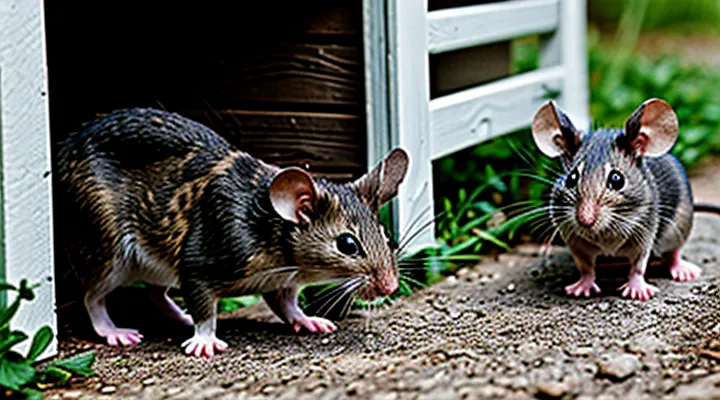
Understanding the Mouse Problem at the Dacha
Signs of Mouse Infestation
Mice leave unmistakable evidence that signals a growing problem. Fresh droppings, typically 3‑5 mm long, darkened at the tips, appear along walls, under appliances, and near food sources. Gnaw marks on wood, plastic, or wiring indicate the species’ constant need to file teeth; the bite pattern is shallow, crescent‑shaped, and often found on edges of cabinets or structural beams.
Footprints become visible when dust, flour, or powdered chalk is spread across suspected pathways; the prints display a characteristic four‑toed imprint with a distinct heel pad. Audible activity, such as scratching or scurrying, intensifies at night and can be heard within walls, ceilings, or crawl spaces.
Nesting material—soft fibers, shredded paper, or insulation—accumulates in concealed corners, behind appliances, or inside stored boxes. Food containers show signs of tampering: torn seals, chewed corners, or spillage of crumbs and powder.
Damage to wiring or insulation, though less obvious, presents as frayed cords or exposed copper, posing fire hazards. Identifying these indicators promptly enables targeted control measures, ensuring that any chosen rodent toxin is applied where it will be most effective.
Risks Associated with Mice in Dacha
Health Hazards
Mouse poisons used on a dacha present several health hazards that demand careful consideration. Acute toxicity is the most immediate risk; compounds such as anticoagulants, bromethalin, and zinc phosphide can cause rapid onset of internal bleeding, neurological damage, or respiratory failure in humans who ingest even small amounts. Symptoms appear within minutes to hours and may require emergency medical intervention.
Secondary poisoning occurs when non‑target animals—cats, dogs, birds, or wildlife—consume poisoned mice. The toxin can accumulate in the predator’s body, leading to organ damage or death. This chain effect extends the danger beyond the intended pest.
Residues on surfaces and foodstuffs create chronic exposure possibilities. Persistent chemicals may remain on countertops, garden produce, or stored grain, resulting in low‑level ingestion over time. Long‑term effects include liver and kidney impairment, hormonal disruption, and increased cancer risk for individuals with repeated contact.
Environmental contamination is another concern. Leaching of toxic agents into soil and water sources can affect beneficial insects, soil microbes, and aquatic life. Even biodegradable formulations may alter microbial ecosystems, reducing soil fertility.
Safety measures mitigate these hazards:
- Store poisons in locked, child‑proof containers away from food and animal feed.
- Wear disposable gloves and protective eyewear when handling or applying products.
- Keep bait stations out of reach of children, pets, and wildlife; use tamper‑resistant designs.
- Dispose of dead rodents and unused bait according to local hazardous waste regulations.
- Document the type, concentration, and location of each application for emergency reference.
Understanding and managing these health risks ensures that mouse control remains effective while protecting human health, domestic animals, and the surrounding ecosystem.
Property Damage
Mice on a dacha cause structural and material losses that directly affect the owner’s investment. Their gnawing habit compromises wooden beams, insulation, wiring, and plumbing, leading to costly repairs and increased risk of fire or water damage. Food stores and packaging are shredded, resulting in waste and contamination that forces replacement of consumables and can attract secondary pests.
Key damage categories include:
- Structural components: gnawed joists, floorboards, and support columns weaken load‑bearing capacity.
- Electrical systems: chewed insulation on cables creates short circuits, overloads, and potential fire hazards.
- Plumbing: damaged seals and tubing cause leaks, corrosion, and mold growth.
- Stored goods: perforated bags and containers contaminate grain, cereals, and canned products, rendering them unusable.
Effective rodent control agents reduce these losses by eliminating the population before damage escalates. Fast‑acting anticoagulant baits, when placed in concealed stations, deliver lethal doses after a single ingestion, limiting repeated gnawing incidents. Secondary‑action poisons, such as bromethalin, cause rapid neurological failure, preventing survivors from further damaging property. Placement strategies—targeting runways, nesting sites, and food storage areas—ensure maximum exposure while minimizing non‑target risks.
Choosing a proven poison, deploying it according to manufacturer guidelines, and monitoring activity with snap traps or motion sensors create a comprehensive defense. This approach curtails ongoing structural degradation, protects electrical and plumbing integrity, and preserves stored provisions, ultimately safeguarding the dacha’s value.
Types of Mouse Poisons
Anticoagulant Rodenticides
First-Generation Anticoagulants
First‑generation anticoagulant rodenticides (FGARs) remain a primary option for controlling house mice in garden outbuildings. Their effectiveness derives from inhibition of vitamin K recycling, which prevents blood clotting and leads to fatal hemorrhage after several days of ingestion.
Active compounds commonly formulated for dacha use include:
- Warfarin – earliest anticoagulant, low toxicity to non‑target mammals at recommended concentrations.
- Chlorophacinone – slightly more potent, effective against populations with low resistance.
- Diphacinone – broad‑spectrum toxicity, useful where warfarin resistance is documented.
Application guidelines:
- Distribute bait in tamper‑resistant stations placed along mouse pathways, near walls, and in concealed corners.
- Load each station with 0.005 %–0.025 % active ingredient, depending on local resistance patterns.
- Replace stations every 2–3 weeks or after observed depletion.
Safety considerations:
- Position stations out of reach of children, pets, and wildlife; use sealed containers to limit accidental exposure.
- Monitor for secondary poisoning by removing carcasses promptly; predators may ingest residual anticoagulant.
- Observe local regulations, as some jurisdictions restrict FGARs due to environmental concerns.
Resistance management:
- Rotate FGARs with second‑generation anticoagulants or non‑anticoagulant baits when efficacy declines.
- Conduct periodic field assessments to detect reduced susceptibility, adjusting formulations accordingly.
Overall, FGARs provide reliable control of mouse infestations on country properties when deployed with proper dosage, secure bait stations, and vigilant disposal practices.
Second-Generation Anticoagulants
Second‑generation anticoagulants are synthetic compounds that interrupt the vitamin K cycle, preventing blood clotting in rodents after a single ingestion. Their high affinity for hepatic enzymes yields prolonged activity, allowing lethal effects with one bait piece.
- Brodifacoum – 0.005 % concentration, LD₅₀ ≈ 0.2 mg/kg for mice.
- Difenacoum – 0.005 % concentration, LD₅₀ ≈ 0.3 mg/kg.
- Bromadiolone – 0.005 % concentration, LD₅₀ ≈ 0.4 mg/kg.
- Difethialone – 0.005 % concentration, LD₅₀ ≈ 0.1 mg/kg.
These agents achieve >90 % mortality within 48 hours when mice consume the recommended dose. Their efficacy persists despite documented resistance to first‑generation anticoagulants, because the molecular target differs sufficiently to bypass common detoxification pathways.
Safety measures include:
- Wearing gloves and masks during bait preparation.
- Placing baits in tamper‑proof stations to limit exposure of non‑target species.
- Observing withdrawal periods before harvesting garden produce, as residues may accumulate in predator tissue.
- Complying with local pesticide regulations, which often restrict concentration and require signage.
For dacha application, follow a systematic approach:
- Survey activity corridors and identify feeding sites.
- Install bait stations at 2–3 m intervals along walls, under sheds, and near compost piles.
- Load each station with a single 0.5 g pellet containing the chosen anticoagulant.
- Replace baits every 7 days until no new signs of mouse activity appear.
- Conduct a final inspection to remove remaining bait and clean stations.
When used correctly, second‑generation anticoagulants provide rapid, reliable control of mouse infestations on a dacha, while minimizing risk to humans and wildlife.
Non-Anticoagulant Rodenticides
Cholecalciferol-Based Poisons
Cholecalciferol, a synthetic form of vitamin D₃, is a widely accepted rodent toxin for garden and country‑house settings. The compound disrupts calcium metabolism, causing rapid hypercalcemia and fatal cardiac failure within 24–48 hours after ingestion. Its single‑ingredient composition eliminates the need for complex bait formulations, simplifying storage and handling.
Effectiveness stems from low bait aversion; mice readily accept sweetened or grain‑based pellets containing 0.025 %–0.05 % cholecalciferol. Field trials report mortality rates above 90 % when bait is placed along established runways and near nesting sites. The delayed action reduces bait shyness, allowing secondary consumption by other rodents before the toxin takes effect.
Key considerations for safe deployment:
- Use tamper‑resistant stations to protect non‑target wildlife and children.
- Position bait 1–2 m from structures to limit accidental contact.
- Replace stations every 5–7 days during peak activity periods.
- Observe local regulations; some jurisdictions require licensing for vitamin D₃ rodenticides.
Compared with anticoagulants, cholecalciferol presents a lower risk of secondary poisoning because the toxin is metabolized quickly and does not accumulate in predator tissues. It also avoids the resistance issues that have emerged with first‑generation warfarin derivatives.
Recommended products for dacha use include:
- 0.025 % cholecalciferol soft baits, flavored with fruit or honey.
- Granular formulations with 0.05 % concentration for outdoor placement.
- Pre‑filled, lock‑box stations meeting EU safety standards.
Proper rotation with alternative active ingredients, such as bromadiolone or zinc phosphide, prevents habituation and sustains long‑term control. Continuous monitoring of mouse activity and periodic bait adjustment ensure the toxin remains the most reliable option for protecting a country‑house garden.
Zinc Phosphide Poisons
Zinc phosphide stands out as a widely documented rodent control agent for country‑house environments. The compound releases phosphine gas when it contacts the acidic fluids in a mouse’s stomach, causing rapid systemic toxicity. Laboratory and field trials consistently demonstrate mortality rates exceeding 95 % when the bait is correctly formulated and placed.
Effective deployment requires strict adherence to dosage guidelines and bait placement strategies:
- Use commercial formulations that specify a concentration of 2–3 % zinc phosphide by weight.
- Position bait stations near known pathways, entry points, and feeding sites; avoid open placement to limit non‑target exposure.
- Refresh bait every 7–10 days during peak activity periods to maintain potency.
- Record locations and dates of placement for monitoring and regulatory compliance.
Safety considerations are paramount. Phosphine gas is lethal to humans and domestic animals if inhaled in confined spaces. Operators must wear protective gloves, goggles, and a respirator, and ensure that bait stations are sealed against accidental access. Ventilation of the area during and after application reduces residual risk.
Legal restrictions vary by jurisdiction; many regions classify zinc phosphide as a restricted pesticide. Users must verify licensing requirements, maintain documentation of purchase and use, and follow disposal protocols for unused product and contaminated materials. Compliance prevents penalties and protects surrounding wildlife.
Criteria for Selecting Effective Mouse Poison
Safety Considerations
Pet and Child Safety
Choosing a rodent control product for a country house demands strict attention to the well‑being of children and pets. Toxic baits that contain anticoagulants, such as brodifacoum or bromadiolone, present a high risk of accidental ingestion; even minute amounts can cause severe bleeding in small animals and young children. Products formulated with low‑toxicity active ingredients—e.g., zinc phosphide, diphacinone in reduced concentrations, or bait stations using mechanical traps—provide effective mouse reduction while minimizing hazardous exposure.
Implementing safety measures reduces the likelihood of accidental poisoning:
- Install tamper‑resistant bait stations at least 2 m above ground and out of reach of non‑target species.
- Place stations along walls, behind sheds, and in concealed corners where children and pets rarely travel.
- Use baits that emit a bittering agent to deter ingestion by animals that might chew the material.
- Label each station with clear, durable warnings and keep the area around the stations clean of food debris.
- Conduct regular inspections; remove any damaged or expired bait promptly.
When a child or pet is suspected of consuming rodent poison, initiate emergency protocols without delay: contact local poison control, provide the product label, and follow instructions for induced vomiting or activated charcoal administration if advised. Maintaining a secure environment, selecting low‑risk products, and enforcing disciplined placement are the core strategies for protecting vulnerable household members while achieving reliable rodent control.
Environmental Impact
Effective rodent control agents used on a dacha can introduce hazardous substances into the surrounding ecosystem. Acute toxicity affects birds, beneficial insects, and small mammals that may ingest bait directly or consume contaminated prey. Chronic exposure can accumulate in soil, altering microbial activity and reducing nutrient cycling efficiency.
Secondary contamination occurs when poisoned rodents decompose, releasing anticoagulant residues into the ground. These residues may leach into groundwater, posing risks to aquatic organisms and potentially entering the food chain. Persistent compounds can remain detectable for months, limiting the suitability of adjacent garden beds and orchards.
Regulatory guidelines often restrict the use of second‑generation anticoagulants in residential areas due to their extended half‑life and higher secondary poisoning rates. Compliance requires:
- Selection of baits with rapid degradation profiles.
- Placement of traps away from non‑target habitats.
- Proper disposal of dead rodents in sealed containers.
Integrated pest management (IPM) reduces environmental burden. Strategies include:
- Habitat modification to eliminate shelter and food sources.
- Physical barriers such as metal mesh around storage areas.
- Use of snap traps calibrated for humane, immediate kill.
When chemical control is unavoidable, opt for products labeled as low‑toxicity, biodegradable, and with documented minimal impact on non‑target species. Follow manufacturer instructions for dosage and application frequency to prevent excess accumulation.
Monitoring soil and water samples after treatment provides data on residual contamination, enabling timely remediation measures such as soil flushing or organic amendment to restore microbial balance.
Efficacy and Speed of Action
Effective rodent control on a dacha hinges on two measurable factors: the proportion of exposed mice that die (efficacy) and the interval between ingestion and death (speed of action). Laboratory and field data provide clear benchmarks for the most reliable products.
- Bromadiolone‑based blocks – mortality exceeds 95 % at a single 0.025 % concentration; average time to death 12–24 hours. Residual potency persists for up to six months, allowing continued protection without re‑application.
- Diphacinone pellets – lethal dose 0.5 mg per mouse; 90–94 % kill rate within 24 hours. Action slows in colder weather, extending to 36 hours. Effectiveness declines after three months.
- Cholecalciferol (vitamin D3) bait – 85 % mortality at 0.075 % formulation; death occurs 48–72 hours post‑consumption. Low secondary poisoning risk makes it suitable near livestock or pets.
- Zinc phosphide sachets – 99 % kill rate; onset 2–4 hours, reaching peak lethality by 8 hours. Gas release requires airtight placement; effectiveness diminishes after two months due to phosphide degradation.
- Anticoagulant gels (e.g., difethialone) – 93 % mortality; time to death 18–30 hours. Gel application on gnaw points provides targeted exposure, but moisture reduces potency after four weeks.
Speed of action influences how quickly a mouse population collapses, while efficacy determines the overall reduction in numbers. Products delivering rapid mortality (zinc phosphide, bromadiolone) are preferable for acute infestations; those with slower onset but lower non‑target risk (cholecalciferol) suit environments with vulnerable animals. Selecting a formulation that aligns with the infestation severity and safety constraints ensures optimal control on a country property.
Ease of Use and Application
Ease of use determines how quickly a dacha owner can implement a rodent control program and maintain consistent pressure on mouse populations. Products that require minimal preparation, clear dosage instructions, and straightforward placement reduce the time spent on setup and lower the risk of misuse.
Common formulations include pre‑measured bait stations, ready‑to‑apply gel blocks, and pellet dispensers. Bait stations arrive sealed with a single dose; the user opens the latch, places the station near activity zones, and closes it. Gel blocks require a small amount of water to soften the matrix, after which the user spreads a thin layer along walls or under appliances. Pellet dispensers consist of a plastic tube pre‑filled with calibrated pellets; the user removes the cap and positions the tube at ground level.
- Bait station: open, place, close; no mixing, no measuring.
- Gel block: add water, stir for 30 seconds, apply a 1‑cm stripe.
- Pellet dispenser: remove cap, set tube on flat surface, monitor for depletion.
Safety and environmental resilience are integral to application. All products feature child‑proof closures and weather‑resistant packaging, allowing placement outdoors or in damp sheds without loss of potency. Users must wear disposable gloves when handling bait, store unused portions in sealed containers, and keep stations at least 1 m from food preparation areas.
Regular inspection ensures effectiveness. Check each station weekly for consumption, replenish according to the manufacturer’s dosage chart, and rotate locations to prevent bait shyness. Documentation of placement dates and observed activity assists in evaluating control progress and adjusting strategies promptly.
Proven Solutions: Recommended Poisons and Strategies
Bait Stations: A Safe and Effective Method
Bait stations concentrate rodenticide in a sealed container, preventing accidental contact with children, pets, and non‑target wildlife. The design isolates the poison while allowing mice to enter through small entry holes, feed, and exit, minimizing exposure risk.
Key advantages include:
- Controlled dosage: each station delivers a measured amount of anticoagulant or bromethalin, ensuring lethal intake for a single mouse.
- Weather resistance: durable plastic or metal housings protect the bait from rain, snow, and UV degradation, maintaining potency throughout the season.
- Easy monitoring: transparent lids or removable trays allow quick inspection of consumption levels and prompt replacement of depleted units.
Effective deployment follows a systematic pattern. Place stations along established mouse pathways—near walls, under cabinets, and adjacent to food storage areas. Space units 10–15 feet apart to create overlapping zones of coverage. Secure stations to the ground or a fixed surface to prevent displacement by wind or other animals.
Maintenance protocol:
- Inspect stations weekly for signs of tampering, moisture ingress, or reduced bait.
- Refill or replace bait when consumption exceeds 50 % of the original load.
- Record dates of service and observed activity to track efficacy and adjust placement as needed.
When selecting bait, choose products approved for indoor use on dachas, such as first‑generation anticoagulants (warfarin, diphacinone) for low‑resistance populations, or second‑generation agents (bromadiolone, difethialone) for established infestations. Pairing the appropriate poison with a well‑designed bait station maximizes kill rates while preserving environmental safety.
Overall, bait stations deliver a reliable, low‑risk solution for mouse control on a country house, combining precise dosing, durability, and straightforward management to achieve consistent results.
Granular Poisons and Their Application
Granular rodent poisons provide a practical method for treating large outdoor areas typical of a country garden. The formulation usually contains anticoagulant compounds such as brodifacoum or difethialone, which interfere with blood clotting after a single ingestion. Because the active ingredient is mixed with inert carrier material, the product can be spread evenly across soil, mulch, or under vegetation without the need for precise placement.
Application begins with a thorough inspection of the property to identify high‑traffic zones, burrow entrances, and feeding sites. Once these points are mapped, the granules are calibrated to a rate of 0.5–1 kg per 100 m², depending on the concentration listed by the manufacturer. The material is then broadcast using a hand‑held spreader or a walk‑behind applicator, ensuring a thin, uniform layer that remains visible to rodents but concealed from non‑target animals.
After distribution, the area should be watered lightly to activate the poison and reduce dust. Monitoring continues for 48–72 hours; dead rodents are removed promptly to prevent secondary poisoning of predators. Re‑application is required only when new activity is detected or after heavy rainfall has diluted the initial dose.
Key considerations for safe and effective use:
- Choose a product labeled for outdoor rodent control and verified by regulatory agencies.
- Wear protective gloves and a dust mask during handling.
- Keep granules out of reach of children, pets, and wildlife by applying them away from pathways and using barriers where necessary.
- Store remaining product in a sealed container, away from foodstuffs and moisture.
When executed correctly, granular poisons deliver sustained suppression of mouse populations on a dacha, minimizing damage to stored produce and garden infrastructure.
Blocks and Pellets: Advantages and Disadvantages
Blocks and pellets are common formulations used to control mice on a dacha. They differ in composition, deployment, and risk profile, which determines their suitability for various situations.
Blocks consist of a compact matrix that incorporates anticoagulant or neurotoxic agents. Advantages include:
- High concentration of active ingredient per unit weight, allowing fewer units to cover a large area.
- Low dust generation, reducing the likelihood of accidental inhalation by non‑target species.
- Greater resistance to weathering; the solid form remains effective after exposure to rain or humidity.
Disadvantages of blocks are:
- Limited placement flexibility; they must be positioned where mice can gnaw directly, which may be difficult in tight crawl spaces.
- Higher initial cost per kilogram compared to granular forms.
- Potential for secondary poisoning if a predator consumes a partially eaten block.
Pellets are small, granular doses of poison, typically coated with attractants. Their strengths include:
- Easy distribution; pellets can be scattered along mouse pathways, behind appliances, or in bait stations.
- Lower price per unit, making them economical for extensive infestations.
- Quick consumption by mice due to attractive flavors, leading to faster onset of lethal effects.
Drawbacks of pellets involve:
- Susceptibility to moisture; rain or condensation can dissolve the coating, diminishing potency.
- Increased risk of non‑target exposure, as pellets may be mistaken for food by pets or wildlife.
- Greater chance of dispersal by wind or cleaning activities, requiring more frequent re‑application.
Choosing between blocks and pellets depends on the specific layout of the dacha, the presence of non‑target animals, and the desired balance between durability and ease of use.
Integrated Pest Management for Long-Term Control
Sanitation Practices
Effective rodent control on a dacha depends on rigorous sanitation. Eliminating food sources removes the primary attraction for mice and enhances the potency of any toxic bait.
- Store grains, seeds, and pet food in airtight containers made of metal or heavy‑wall plastic.
- Clean kitchen surfaces, floors, and storage areas daily; sweep debris, wipe spills, and vacuum corners where crumbs accumulate.
- Dispose of waste in sealed bins; replace liners regularly to prevent odors that draw rodents.
- Remove standing water; fix leaks in pipes, gutters, and irrigation systems to deny mice a reliable hydration point.
- Seal gaps around doors, windows, vents, and utility penetrations with steel wool, caulk, or metal flashing; mice cannot bypass solid barriers.
Proper bait placement complements sanitation. Position poison stations along walls, behind appliances, and near known activity zones. Keep stations out of reach of children and non‑target animals, using tamper‑proof containers where required. Rotate bait locations every few weeks to prevent habituation.
Monitoring completes the cycle. Inspect stations for consumption, replace depleted baits promptly, and record signs of activity such as droppings or gnaw marks. Correlate findings with sanitation actions; a decline in evidence indicates that hygiene measures are supporting the toxic control strategy.
Exclusion Techniques
Effective mouse management on a dacha requires preventing access before deploying toxic baits. Exclusion techniques focus on eliminating pathways that rodents use to enter structures, storage sheds, and gardens. By removing entry routes, the reliance on poison diminishes and the risk of secondary poisoning drops dramatically.
- Inspect foundations, walls, and roof for gaps larger than 6 mm.
- Apply steel wool or copper mesh to seal cracks around pipes, vents, and utility lines.
- Install weather‑stripping on doors and windows; use door sweeps on all exterior doors.
- Fit tight‑fitting screens on vents, chimneys, and crawl‑space openings.
- Replace deteriorated siding, siding nails, and damaged roofing material.
Implementation follows a clear sequence. First, conduct a systematic walkthrough to map all potential ingress points. Second, select durable, rodent‑resistant materials such as galvanized steel flashing, heavy‑duty mesh, and silicone sealant. Third, apply chosen barriers with attention to overlapping joints to avoid gaps. Fourth, schedule quarterly inspections to verify integrity and repair any wear caused by weather or animal activity.
Integrating exclusion with baiting creates a layered defense. Once entry is blocked, any remaining individuals encounter poisoned stations placed along established travel routes, increasing consumption rates while limiting exposure to non‑target species. Regular maintenance of exclusion measures sustains their effectiveness and reduces long‑term costs associated with repeated poison applications.
Safe Handling and Disposal of Mouse Poisons
Personal Protective Equipment
When applying rodent control agents on a dacha, the operator must protect skin, respiratory system, and eyes from toxic exposure. Proper personal protective equipment (PPE) prevents accidental poisoning and maintains safety standards during preparation, placement, and disposal of baits.
Essential PPE components include:
- Chemical‑resistant gloves (nitrile or neoprene) that cover wrists and prevent direct contact with poison.
- Full‑face respirator or particulate mask equipped with a filter rated for organic vapors.
- Safety goggles or a face shield to block splashes and aerosolized particles.
- Disposable coveralls or a lab coat with sealed cuffs, paired with boot covers to avoid contaminating clothing and footwear.
- Heavy‑duty gloves for handling bait stations and waste, changed after each use.
Before work begins, inspect each item for damage, ensure proper fit, and verify that filters are within service life. After handling poison, remove PPE in a designated decontamination area, place contaminated items in sealed bags, and wash hands thoroughly with soap and water. Document PPE usage in a log to track compliance and identify any gaps in protection.
Consistent use of the listed equipment eliminates most routes of exposure, allowing safe implementation of proven rodent control methods on a countryside garden.
Proper Placement and Monitoring
Position bait stations where mice travel most often. Typical locations include the edges of walls, behind stored items, under kitchen cabinets, and near garbage containers. Avoid open areas exposed to wind or rain, as moisture degrades active ingredients.
- Place stations 2–3 feet apart along established pathways.
- Keep each station at least 6 inches off the ground to prevent accidental contact by pets.
- Use tamper‑resistant containers when children or non‑target animals are present.
Monitoring requires regular inspection and record‑keeping. Check each station at least once daily for signs of consumption, damage, or non‑target interference. Replace depleted or compromised baits promptly. Document the date, location, and observed activity to identify high‑traffic zones and adjust placement accordingly.
- Record the number of bait removals per station.
- Note any dead rodents and their positions.
- Remove and dispose of carcasses according to local regulations to prevent disease spread.
Consistent placement and systematic monitoring maximize the efficacy of rodent control measures on a dacha property.
Disposal of Baits and Carcasses
Effective disposal of rodent bait containers and dead mice is essential for safety, regulatory compliance, and prevention of secondary poisoning. After applying a proven mouse control product on a dacha, follow a strict protocol to eliminate residual hazards.
- Place used bait packets in a sealed, puncture‑resistant bag.
- Add a small amount of absorbent material (e.g., sawdust) to prevent leakage.
- Store the sealed bag in a locked container until it can be delivered to an authorized hazardous‑waste facility.
For carcasses, act promptly to reduce disease risk and deter scavengers:
- Wear disposable gloves and a mask.
- Wrap each dead mouse in a double layer of biodegradable paper, then seal in a plastic bag.
- Disinfect the exterior of the bag with a diluted bleach solution (1 part bleach to 9 parts water).
- Place the sealed bag in a designated refuse bin for incineration or arrange collection by a licensed pest‑removal service.
Document each disposal event, noting date, location, and method, to maintain records required by local health authorities.