
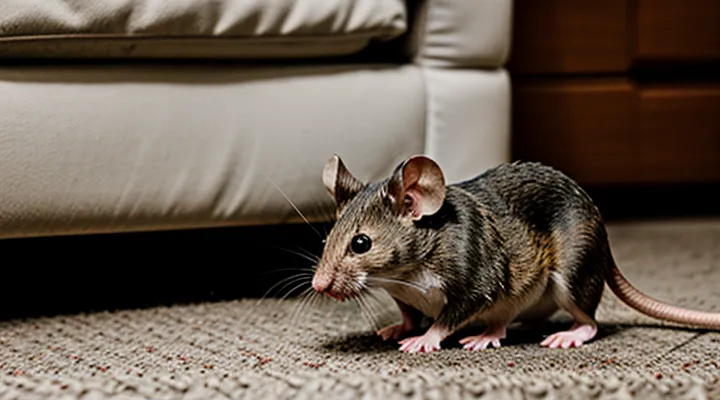
Understanding the Mouse Problem in Private Homes
Signs of Mouse Infestation
Common Entry Points for Mice
Mice gain access to homes through the smallest openings, often unnoticed during routine cleaning. Recognizing these pathways allows homeowners to eliminate the primary source of infestation before deploying traps or bait.
- Gaps around utility penetrations (pipes, wires, cables) that are less than ¼ inch wide.
- Cracks in foundation walls, especially where concrete meets soil.
- Openings beneath doors and windows, including worn weatherstripping.
- Unsealed holes around vents, exhaust fans, and dryer ducts.
- Gaps around cabinets, especially where they meet the floor or wall.
- Holes left by rodents themselves, which can expand into larger passages.
Inspect each potential entry point regularly, using a flashlight and a thin probe to confirm dimensions. Apply steel wool, caulk, or expanding foam to seal gaps, and install metal flashing around vulnerable areas. After sealing, monitor for new activity and maintain a sealed environment to sustain effective rodent control.
Risks Associated with Mice in Homes
Health Hazards
Effective rodent management inside a residence carries several health risks that influence the choice of control technique. Understanding these hazards is essential for protecting occupants while eliminating infestations.
- Disease transmission: Mice shed pathogens such as Hantavirus, Salmonella, and Leptospira through urine, feces, and saliva; direct contact or inhalation of contaminated dust can cause severe illness.
- Allergic reactions: Rodent dander and droppings trigger asthma attacks and hypersensitivity in susceptible individuals.
- Chemical exposure: Insecticide baits, sprays, and foggers contain anticoagulants, neurotoxins, or pyrethroids; accidental ingestion, skin contact, or inhalation may produce nausea, neurological symptoms, or organ damage.
- Secondary poisoning: Pets that consume poisoned rodents can suffer toxic effects, requiring veterinary intervention.
- Environmental contamination: Improper disposal of dead mice or used traps can spread contaminants throughout the home, increasing exposure risk for residents and cleaning staff.
Mitigation measures include: selecting low‑toxicity bait formulations, placing traps in inaccessible locations for children and pets, wearing protective gloves and masks during cleanup, and conducting thorough sanitation after removal to eliminate residual pathogens. Regular inspection and preventive sealing of entry points reduce reliance on chemical controls, thereby limiting associated health hazards.
Property Damage
Rodents cause structural compromise, electrical faults, and contamination of stored goods. Damage often appears as gnawing of insulation, breach of wiring, and loss of food integrity.
Typical manifestations of property damage include:
- Chewed electrical cords creating fire hazards
- Burrowed insulation reducing thermal efficiency
- Punctured drywall exposing interior surfaces
- Contaminated pantry items leading to waste
- Stained fabrics and upholstery from urine and feces
Effective residential rodent management reduces these risks by targeting entry points, limiting food access, and employing proven eradication techniques. Key actions are:
- Seal gaps larger than ¼ inch with steel wool or caulk.
- Store dry goods in airtight containers.
- Deploy snap traps or electronic devices in identified pathways.
- Use low‑toxicity bait stations placed away from children and pets.
- Conduct regular inspections to verify trap success and re‑seal any new openings.
Implementing the above measures prevents further deterioration of building components and preserves household assets. Continuous monitoring ensures that damage does not recur after the initial control effort.
Prevention: The First Line of Defense
Sealing Entry Points
Inspecting the Exterior
Inspecting the exterior of a dwelling is the first actionable step in any residential rodent management plan. A thorough visual survey reveals entry points, harborage sites, and environmental conditions that attract mice.
- Walk the perimeter at ground level, noting gaps larger than ¼ inch in walls, foundation cracks, and damaged siding.
- Examine utility penetrations, such as pipe sleeves, vent pipes, and cable entries; seal any openings with steel wool, copper mesh, or silicone caulk.
- Check the roofline for missing shingles, damaged flashing, and eaves that provide shelter; repair or replace as needed.
- Inspect doors and windows for worn weatherstripping or misaligned frames; install tight-fitting seals to eliminate drafts that also serve as pathways.
- Review landscaping features that contact the house: trim overgrown shrubs, remove debris piles, and keep firewood stored away from the foundation.
Identifying and eliminating these vulnerabilities reduces the likelihood of mice gaining access, thereby strengthening the overall control strategy for a private residence.
Interior Vulnerabilities
Effective rodent management in a residence depends on identifying and eliminating interior weaknesses that allow mice to survive and reproduce.
Common structural openings include gaps around pipe penetrations, unsealed holes in baseboards, and cracks in foundation walls. Even openings as small as a quarter‑inch permit entry; sealing them with steel wool, caulk, or expanding foam removes the primary pathway.
Food accessibility drives infestation. Uncovered trash cans, pet food left out overnight, and crumbs on countertops create a reliable food supply. Store dry goods in airtight containers, clean surfaces after meals, and schedule regular waste removal to deny rodents sustenance.
Shelter opportunities arise from cluttered storage areas, unused appliances, and loose insulation. Decluttering closets, sealing appliance openings, and repairing damaged insulation reduce available nesting sites.
Electrical wiring and conduit can conceal pathways. Inspect junction boxes and conduit runs for gaps, and apply rodent‑resistant sleeves where necessary to prevent access.
A concise action plan:
- Inspect perimeter walls, floor joists, and ceiling spaces for openings; seal all detected gaps.
- Audit food storage practices; implement airtight containers and immediate cleanup protocols.
- Reduce clutter; keep storage areas organized and limit concealed spaces.
- Examine wiring routes; install protective barriers around vulnerable sections.
- Conduct periodic visual checks to verify that previously sealed points remain intact.
Addressing these interior vulnerabilities creates an environment where mouse populations cannot establish, thereby enhancing the overall efficacy of any control method employed in a private home.
Maintaining a Clean Environment
Food Storage Best Practices
Effective rodent deterrence in a residence begins with proper food storage. Secure containers eliminate easy access points, reducing the likelihood of infestation. Seal all pantry items in airtight, rigid jars or heavy‑duty plastic bins; avoid open bags or cardboard boxes that can be torn. Store bulk goods on upper shelves, away from floor level where rodents travel.
Maintain a clean environment to complement storage measures. Promptly clean crumbs, spills, and food residues from countertops, floors, and appliances. Empty trash cans daily, use lids that close tightly, and keep outdoor garbage bins far from entry doors.
Key practices for food storage:
- Use containers with snap‑tight lids or silicone seals.
- Label containers with purchase dates; rotate stock to consume older items first.
- Keep pet food in sealed bins; do not leave bowls unattended overnight.
- Store cereals, grains, and dried goods in metal or thick plastic containers, not in original packaging.
- Inspect containers regularly for damage; replace compromised units immediately.
Implementing these steps removes primary food sources, directly supporting any mouse control strategy employed in a private home.
Eliminating Clutter
Effective rodent management in a private residence begins with the removal of unnecessary items that provide shelter and concealment for mice. Clutter creates hidden pathways, nesting sites, and easy access to food residues, all of which encourage infestation. By eliminating excess materials, homeowners deny mice the conditions needed for survival and reproduction.
Practical steps for decluttering:
- Conduct a room‑by‑room inventory; discard or store items that are not used regularly.
- Organize storage areas with sealed containers; avoid cardboard boxes that can be chewed.
- Clear floor space beneath appliances, furniture, and sofas; vacuum or sweep to expose any hidden debris.
- Remove piles of newspapers, magazines, or fabric scraps that could serve as bedding.
- Keep closets and cabinets orderly; use shelves that leave no gaps between stored objects.
Each action reduces the number of potential hideouts, simplifies inspection, and facilitates the placement of traps or bait stations. A tidy environment also improves the efficacy of other control measures, such as sealing entry points and maintaining cleanliness, ultimately leading to a sustainable reduction in mouse activity.
Landscaping Considerations
Trimming Vegetation
Trimming vegetation around a private residence reduces the likelihood of mouse infestation by removing shelter and food sources. Dense shrubs, tall grass, and overgrown ground cover create pathways that enable rodents to approach the building unnoticed.
Effective trimming follows three principles:
- Maintain a clearance of at least 18 inches between the house foundation and any plants or mulch.
- Cut back shrubs and trees so that branches do not touch the roof or walls.
- Remove leaf litter, fallen fruit, and compost piles that are within the cleared zone.
Regular maintenance, performed at least quarterly, sustains the barrier and discourages mouse activity. Implementing these measures integrates seamlessly with other rodent‑deterrent strategies, such as sealing entry points and managing indoor food storage.
Storing Firewood
Storing firewood improperly creates a shelter and food source for mice, undermining any rodent deterrence plan in a residence. Positioning the woodpile away from the house, elevating it above ground level, and shielding it from moisture limit the habitat and access points that rodents seek.
- Locate the wood stack at least 3 meters (10 feet) from the building foundation.
- Place the pile on a pallet, concrete slab, or metal platform to keep it off soil.
- Cover the top with a waterproof tarp, securing the edges to prevent entry.
- Arrange logs in a loose, breathable configuration; avoid tight stacking that traps heat and moisture.
- Inspect the wood regularly for signs of gnawing, droppings, or nesting material; remove compromised pieces promptly.
Integrating disciplined firewood storage with other rodent control measures—such as sealing gaps, maintaining clean interiors, and deploying traps—creates a comprehensive strategy that reduces mouse activity throughout the home.
Control Methods: A Comparative Analysis
Trapping Methods
Snap Traps
Snap traps provide immediate, lethal control of mice in residential settings. The mechanism consists of a spring‑loaded bar that releases when a rodent triggers a sensitive trigger plate, delivering a swift impact that kills the animal instantly. This method eliminates prolonged suffering and prevents the spread of disease associated with live or poison‑based solutions.
Key considerations for effective use include:
- Design selection – Choose models with a sturdy base, a wide trigger plate, and a high‑force spring; these features increase capture reliability across various mouse sizes.
- Bait choice – Peanut butter, dried fruit, or small pieces of meat attract mice more consistently than generic commercial lures.
- Placement strategy – Position traps along walls, behind appliances, and near known gnawing sites; mice travel close to baseboards, so aligning traps with these pathways maximizes encounter rates.
- Safety measures – Mount traps out of reach of children and pets, or use lockable housings; inspect the surrounding area to avoid accidental contact.
- Disposal protocol – After a capture, wear disposable gloves, place the dead mouse in a sealed bag, and discard according to local regulations; clean the trap with alcohol before reuse.
Regular monitoring—checking traps daily and resetting or relocating as needed—maintains pressure on the mouse population and reduces the likelihood of reinfestation. When integrated with sanitation practices that remove food sources and seal entry points, snap traps constitute a highly efficient solution for homeowners seeking decisive rodent management.
Live-Catch Traps
Live‑catch traps provide a practical solution for residential rodent management, allowing capture without lethal harm. The devices consist of a sealed chamber triggered by the mouse’s entry, ensuring containment until release.
Effective deployment relies on strategic placement. Recommended locations include:
- Along walls where mice travel, typically within 12 inches of baseboards.
- Near identified droppings, gnaw marks, or food sources.
- In concealed areas such as behind appliances, under sinks, and within cabinetry.
Each trap should be positioned perpendicular to the wall, entry side facing the expected travel route. Bait selection—peanut butter, dried fruit, or small pieces of cheese—enhances attraction, but avoid overly aromatic substances that may deter other household members.
After capture, relocate the mouse at least 200 feet from the residence, releasing it into a wooded or field environment. Clean the trap with mild detergent and disinfectant before reuse to prevent disease transmission. Inspect traps daily; prompt removal of caught rodents reduces stress and maintains trap efficiency.
Comparative studies show live‑catch systems achieve capture rates of 70‑85 % when placed according to the guidelines above, outperforming passive glue boards and matching the efficacy of snap traps while preserving humane standards. Their reusability and minimal chemical exposure make them cost‑effective for long‑term home use.
Electronic Traps
Electronic traps provide a rapid, humane solution for eliminating mice in residential settings. The device delivers a high‑voltage shock that kills the rodent instantly, preventing suffering and eliminating the need for poison or snap mechanisms. Sensors detect the presence of a mouse, close the circuit, and the kill event is recorded on an internal counter, allowing owners to monitor activity without direct observation.
Key characteristics of effective electronic traps include:
- Voltage output: Minimum 2,500 V ensures immediate lethality.
- Sensor type: Infrared or pressure‑sensitive plates reduce false triggers from debris.
- Capacity: Ability to store multiple kills before requiring emptying.
- Power source: Battery‑operated models offer flexibility; mains‑plugged units guarantee continuous operation.
- Safety features: Insulated housing and child‑proof locks prevent accidental contact.
Installation guidelines:
- Position traps along established mouse pathways, such as behind appliances, near wall baseboards, and in concealed corners.
- Place devices no higher than 12 inches off the floor to align with typical rodent travel routes.
- Ensure a clear line of sight for sensor activation; avoid clutter that may block detection.
- Connect battery units to a fresh power source and test functionality before deployment.
Maintenance requirements are minimal. Empty the kill compartment after each recorded event, clean the interior with a mild disinfectant, and replace batteries or check the power cord monthly. Regular inspection confirms sensor integrity and prevents buildup of debris that could impair performance.
Cost considerations favor electronic traps over repeated purchases of bait or snap traps. Although the initial outlay is higher, the extended lifespan, reduced labor, and documented kill count deliver superior long‑term value for homeowners seeking an efficient, low‑maintenance rodent control method.
Glue Traps: Ethical Considerations
Glue traps raise serious ethical concerns when used for residential rodent management. They cause prolonged suffering because captured mice remain immobilized, unable to escape, and often die from dehydration, starvation, or internal injuries. The lack of a rapid, humane death distinguishes glue traps from lethal devices designed to kill instantly.
Key ethical issues include:
- Sustained distress – immobilization induces panic, pain, and exhaustion.
- Non‑target capture – insects, small reptiles, or pets may become entangled inadvertently.
- Irreversibility – once trapped, the mouse cannot be released without causing further trauma.
- Regulatory scrutiny – several jurisdictions have banned or restricted glue traps due to animal welfare standards.
Alternatives that align with humane principles and maintain efficacy in a private home comprise snap traps with quick‑kill mechanisms, electronic devices delivering instantaneous shock, and exclusion methods that seal entry points. Selecting a method that eliminates rodents rapidly while minimizing suffering satisfies both control objectives and ethical responsibilities.
Baits and Rodenticides
Types of Baits
Effective mouse control in a residence relies heavily on bait selection. Proper bait choice determines attraction rate, consumption, and ultimately population reduction.
Common bait categories include:
- Food‑based baits – grain, peanuts, or dried fruit provide familiar nutrition that encourages rapid ingestion.
- Protein‑rich baits – canned fish, meat scraps, or boiled eggs supply amino acids that attract mice during breeding cycles.
- Synthetic rodenticides – anticoagulant pellets, bromethalin blocks, or zinc phosphide present lethal doses while mimicking natural food textures.
- Hybrid baits – combinations of food attractants with low‑dose poison allow initial interest followed by delayed mortality, reducing bait shyness.
- Non‑poisonous traps – scented cotton balls, citrus peels, or strong menthol oils act as repellents rather than attractants, useful for monitoring or humane capture.
Selection criteria focus on freshness, palatability, and environmental safety. Rotate bait types weekly to prevent habituation. Position baits along walls, near entry points, and in concealed corners where mice travel. Regularly inspect and replace baits to maintain potency.
Safe Rodenticide Placement
Safe rodenticide placement is a critical component of an effective home mouse control program. Position baits where mice travel but humans and pets cannot reach them. Install bait stations behind appliances, inside wall voids, and under cabinets, ensuring the openings are no larger than a quarter‑inch to prevent accidental access.
- Use tamper‑resistant containers that lock securely.
- Anchor stations to the floor or a solid surface to avoid displacement.
- Place stations at least 12 inches from food preparation areas, countertops, and open containers.
- Keep bait stations at least 18 inches above the floor when pets are likely to jump.
Select baits with low secondary toxicity. Verify the product label for EPA registration and follow the manufacturer’s recommended dosage per station. Do not exceed the specified amount; over‑application does not increase efficacy and raises health risks.
Label each station with a clear, durable warning indicating the presence of poison. Record the installation date and the type of bait used in a logbook kept in a secure location. Review the log weekly to identify stations that need replacement or repositioning.
Maintain ventilation in areas where baits are placed. Avoid sealing stations in airtight enclosures, as limited airflow can increase the concentration of volatile compounds and pose inhalation hazards.
Regularly inspect stations for signs of tampering, depletion, or non‑target animal interference. Replace compromised stations immediately and adjust placement if patterns of mouse activity shift.
By adhering to these placement guidelines, homeowners achieve reliable mouse control while minimizing risks to family members, pets, and the environment.
Risks to Pets and Children
Effective rodent management in a residential setting often involves toxic baits, snap traps, and electronic devices. While these tools reduce infestations, they introduce hazards for non‑target occupants, particularly animals and young children.
- Ingestion of anticoagulant or neurotoxic baits can cause internal bleeding, seizures, or death in pets and toddlers who mistake pellets for food.
- Snap traps pose a risk of severe lacerations or amputations if a curious animal or child triggers the mechanism.
- Electronic traps emit high‑voltage shocks; accidental contact may result in burns or cardiac arrhythmia.
- Residual chemicals on surfaces can be transferred to food or grooming areas, leading to chronic exposure.
- Improper placement near play zones or feeding stations increases the probability of accidental encounters.
Mitigation strategies include securing baits within tamper‑proof containers, positioning snap and electronic traps behind furniture or in inaccessible corners, using child‑proof bait stations, and selecting non‑chemical alternatives such as ultrasonic repellents or catch‑and‑release traps. Regular inspection of trap locations and prompt removal of dead rodents further reduce secondary poisoning risks.
Repellents
Ultrasonic Devices
Ultrasonic devices emit high‑frequency sound waves that rodents cannot tolerate, creating a hostile environment without physical traps or chemicals. The emitted frequencies range from 20 kHz to 60 kHz, a band audible only to mice and other small pests. When positioned correctly, continuous operation drives mice away from living spaces, storage areas, and food preparation zones.
Installation requires placement at ceiling height or on a wall, facing open pathways such as gaps under doors, vents, or baseboards. Devices should cover a radius of 30–40 feet; overlapping zones ensure comprehensive coverage in larger rooms. Power sources include mains electricity with battery backup, guaranteeing uninterrupted operation during outages.
Effectiveness is supported by multiple field studies showing a reduction of mouse activity by 70 %–90 % within 48 hours of activation. Success factors include:
- Correct frequency selection for target species
- Strategic positioning to avoid sound‑absorbing obstacles
- Continuous operation without frequent deactivation
Limitations involve diminished performance in heavily furnished rooms where furniture absorbs ultrasonic energy, and reduced impact on rodents that have become habituated to the sound after prolonged exposure. Periodic relocation of devices or integration with complementary methods—such as sealing entry points—mitigates habituation.
Safety considerations confirm that ultrasonic emissions are inaudible to humans and most domestic pets, though some small animals (e.g., hamsters, gerbils) may experience discomfort. Manufacturers recommend keeping devices out of reach of curious pets and verifying that no hearing‑impaired individuals reside in the treated area.
Maintenance consists of cleaning the speaker grille quarterly to prevent dust buildup and replacing the unit according to the manufacturer’s lifespan, typically every 2–3 years. Regular inspection of power cords and battery compartments ensures reliable operation.
When deployed as part of an integrated pest‑management plan, ultrasonic devices provide a non‑lethal, low‑maintenance solution that aligns with residential requirements for cleanliness, safety, and long‑term rodent control.
Natural Repellents
Natural repellents provide a non‑chemical avenue for managing mouse activity inside a private residence. Their effectiveness relies on sensory irritation, habitat disruption, and predator mimicry, which deter rodents without introducing toxins into living spaces.
Common natural repellent categories include:
- Plant extracts such as peppermint oil, clove oil, and citrus peels, which contain volatile compounds that overwhelm mouse olfactory receptors.
- Predator‑derived scents like urine from cats, foxes, or owls, which trigger innate avoidance behavior.
- Herbal sachets containing dried mint, rosemary, or lavender, placed in concealed corners to maintain a persistent odor barrier.
- Physical deterrents such as steel wool or copper mesh, which create an uncomfortable passage for rodents while remaining environmentally benign.
Application guidelines:
- Saturate cotton balls or cloth pads with 10–15 ml of essential oil, then position them near entry points, pantry shelves, and under appliances. Replace every 2–3 days to sustain potency.
- Refresh predator scent products according to manufacturer recommendations, typically every week, to prevent habituation.
- Distribute herbal sachets in hidden crevices; replace monthly or when scent diminishes.
- Combine repellents with structural exclusion measures—seal gaps, install door sweeps, and maintain a clean environment free of accessible food waste.
Limitations:
- Repellents address attraction but do not eliminate existing infestations; severe cases may require trapping or professional intervention.
- Effectiveness declines as rodents acclimate to consistent odors; rotating scents or integrating multiple repellent types mitigates this risk.
- Environmental conditions such as high humidity can reduce volatility of essential oils, necessitating more frequent reapplication.
When integrated with rigorous sanitation and physical barriers, natural repellents constitute a reliable component of a comprehensive mouse management plan for homeowners seeking low‑toxicity solutions.
Integrated Pest Management (IPM) for Mice
Combining Prevention and Control
Strategic Trap Placement
Effective rodent control in a residence hinges on the precise positioning of traps. Identify high‑traffic zones by tracking droppings, gnaw marks, and food residues. Place traps perpendicular to walls, with the trigger end facing the suspected travel route, because mice prefer to run along edges. Ensure each device is situated 1–2 feet from the wall and 2–3 inches from the baseboard, where the animal’s nose can detect bait without exposing the trigger to accidental disturbance.
Key actions for optimal placement:
- Survey the entire floor plan, marking all visible signs of activity.
- Prioritize locations near entry points, pantry shelves, and concealed pathways.
- Deploy a minimum of two traps per identified corridor to create a barrier effect.
- Use snap or electronic traps for immediate termination; reserve live‑catch traps for humane removal when required.
- Select bait that matches the mouse’s diet—peanut butter, dried fruit, or small meat fragments—applied sparingly to avoid contamination of surrounding surfaces.
After installation, monitor traps daily. Replace captured devices promptly and rotate positions to prevent mouse habituation. Record capture locations to refine future placements, concentrating effort on persistent hotspots. Maintain a clean environment by sealing gaps, storing food in airtight containers, and removing clutter that could conceal secondary pathways. Consistent application of these placement principles maximizes the efficacy of any rodent management strategy in a private household.
Ongoing Monitoring
Continuous observation of rodent activity provides the data needed to adapt control measures in real time. Sensors placed near entry points, food storage areas, and known pathways record movement patterns, allowing homeowners to identify hotspots before infestations expand.
Key elements of an effective monitoring system include:
- Motion‑activated cameras or infrared detectors that log detections with timestamps.
- Smart‑plugged traps that transmit status updates to a mobile app.
- Environmental sensors measuring temperature and humidity, factors that influence mouse behavior.
- Centralized software that aggregates data, flags abnormal activity, and suggests corrective actions.
Data should be reviewed at least once daily. Immediate alerts trigger targeted bait placement or trap repositioning, reducing the window for population growth. Historical logs enable trend analysis, informing long‑term prevention strategies such as sealing gaps or adjusting sanitation practices.
Integration with automated devices minimizes manual checks. When a trap reports a catch, the system can automatically deactivate nearby baits to prevent overexposure and schedule a replacement cycle. Continuous feedback loops keep the control program responsive and efficient, ensuring sustained protection for the residence.
When to Seek Professional Help
Signs of a Severe Infestation
Recognizing a severe mouse infestation is a prerequisite for implementing the most efficient rodent management strategy in a household. Accurate identification prevents wasted effort and ensures that control measures address the full scope of the problem.
Typical indicators of a serious mouse problem include:
- Multiple droppings scattered across countertops, cabinets, and floorboards, especially in clusters.
- Gnaw marks on wiring, furniture, and structural components, extending beyond isolated areas.
- Visible nests composed of shredded paper, fabric, or insulation, often found behind appliances or within wall cavities.
- Persistent, high‑frequency scratching or scurrying sounds emanating from walls, ceilings, or attics, especially at night.
- Unexplained food contamination, such as gnawed packaging, spillage, or unusual odors.
- Presence of live or dead mice in visible locations, indicating a population that has expanded beyond hidden zones.
Each of these signs reflects a breeding population capable of causing structural damage, health risks, and rapid spread. Prompt documentation and assessment of these symptoms enable the selection of targeted, effective control methods that eliminate the infestation and prevent recurrence.
Benefits of Professional Extermination
Professional extermination delivers decisive results for household rodent issues. Certified technicians assess infestation levels, identify entry points, and apply treatments calibrated to the specific environment.
- Comprehensive inspection eliminates hidden colonies.
- Targeted baits and traps reduce mouse populations faster than DIY methods.
- Regulatory‑compliant chemicals protect occupants and pets.
- Integrated pest‑management plans prevent re‑infestation through sealing and sanitation recommendations.
- Health hazards, such as salmonella and hantavirus, diminish with expert removal.
- Ongoing monitoring confirms sustained control and adjusts tactics as needed.
Implementing expert services enhances the overall effectiveness of mouse management in private residences, delivering rapid reduction, lasting protection, and minimized health risks.