
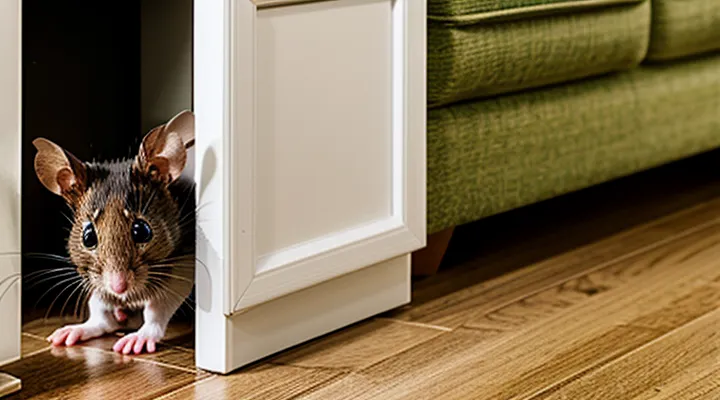
Identifying a Mouse Infestation
Common Signs of Mice
Mice leave unmistakable evidence that signals an infestation. Recognizing these indicators early prevents damage and health risks.
- Droppings: small, dark, rice‑shaped pellets found along walls, behind appliances, or in pantry corners.
- Gnaw marks: fresh, clean cuts on wood, plastic, or wiring, typically ¼‑inch wide.
- Nests: shredded paper, fabric, or insulation gathered in concealed areas such as wall cavities, attics, or under furniture.
- Scratching sounds: nocturnal scurrying in ceilings, walls, or floor voids, audible when the house is quiet.
- Odor: a strong, musky scent emanating from urine or secretions, especially near entry points.
Additional clues include tracks in dusty surfaces, grease smears along baseboards, and occasional sightings of live or dead rodents near food sources. Identifying these signs promptly guides the selection of the most effective mouse control strategy for a private residence.
Where Mice Hide
Understanding where mice conceal themselves is essential for any successful control effort. Mice seek shelter that offers food, warmth, and protection from predators. Identifying these locations allows targeted treatment and prevents reinfestation.
- Wall voids and insulation cavities: empty spaces behind drywall, between studs, and within attic insulation provide hidden pathways and nesting sites.
- Under appliances: refrigerators, stoves, and dishwashers create warm, concealed areas near power sources and food spillage.
- Cabinets and pantry shelves: gaps behind stored items, especially where crumbs accumulate, attract foraging rodents.
- Basement and crawl spaces: low‑light environments with exposed wiring and stored boxes serve as secure hideouts.
- Behind furniture: sofas, bookcases, and mattresses conceal small openings that mice can exploit for entry and retreat.
- Pipe and conduit openings: gaps around plumbing, electrical conduits, and vent shafts connect interior rooms with exterior walls.
- Floor joist spaces: gaps beneath flooring boards and between joists offer easy movement between rooms and access to structural voids.
Each of these sites offers the moisture, temperature stability, and proximity to food that mice require. Regular inspection of these areas, combined with sealing entry points and eliminating food sources, forms the foundation of an effective eradication strategy.
Prevention: The First Line of Defense
Sealing Entry Points
Sealing entry points prevents mice from accessing a residence, eliminating the primary source of infestation.
Begin by locating potential openings. Inspect the building envelope, including walls, foundation, roof, and utility penetrations. Common gaps range from ¼ inch to several inches and appear around pipes, vents, cable conduits, and door frames.
Use appropriate materials for each location:
- Steel wool or copper mesh for irregular gaps around plumbing.
- Expanding polyurethane foam for larger voids, applied in thin layers to avoid excess expansion.
- Cement‑based mortar or concrete for cracks in foundations and exterior walls.
- Self‑adhesive metal flashing for gaps around vents and exhaust fans.
- Weather‑stripping or door sweeps for gaps beneath exterior doors.
Apply sealants after cleaning surfaces to remove debris, dust, or gnaw marks. Ensure a tight fit; any residual space can become a new entry. For high‑traffic areas, reinforce with hardware cloth (½‑inch mesh) secured by screws or nails.
After sealing, conduct a follow‑up inspection within 48 hours to verify integrity. Repair any newly discovered openings promptly. Regular maintenance—checking for wear, settlement cracks, or damaged weather‑stripping—maintains an impenetrable barrier and sustains long‑term mouse control.
Eliminating Food Sources
Mice persist when food remains accessible; removing edible attractants deprives them of sustenance and forces relocation.
- Store dry goods in airtight containers made of metal or thick plastic.
- Transfer pantry items to shelves without gaps; seal cracks behind jars and cans.
- Keep countertops clear; wipe crumbs immediately after meals.
- Dispose of garbage daily in bins with tight‑fitting lids; avoid leaving food waste in open receptacles.
- Eliminate pet food leftovers by feeding pets at set times and storing portions in sealed containers.
Consistent elimination of all potential food sources reduces the likelihood of infestation and supports long‑term control of rodent activity within the residence.
Maintaining a Clean Home
A clean residence deprives mice of the resources they need to survive, making sanitation a primary barrier against infestation. Regular removal of food residues, proper storage of perishables, and immediate cleanup of spills eliminate attractants that encourage rodents to enter living spaces.
- Store dry goods in airtight containers; discard expired items promptly.
- Sweep, vacuum, and mop floors daily; focus on corners, under appliances, and behind furniture.
- Empty trash cans each night; use bins with tight‑fitting lids and keep them away from walls.
- Wash dishes immediately; avoid leaving dishes or crumbs on countertops.
- Inspect pantry shelves for spills; wipe down surfaces after each use.
Maintaining order in closets, basements, and garages further reduces hiding places. Declutter storage areas, keep boxes off the floor, and eliminate piles of fabric or paper that can serve as nesting material. Together, disciplined housekeeping creates an environment where mice find no food, shelter, or pathways, thereby supporting the most effective strategy for rodent elimination in a private dwelling.
Effective Elimination Strategies
Trapping Methods
Effective rodent control in a residence relies heavily on proper trapping techniques. Selecting the appropriate trap type and employing it correctly reduces mouse populations quickly while minimizing risk to occupants and pets.
- Snap traps: mechanical devices that deliver an instantaneous lethal force; ideal for high‑traffic areas where rapid kill is desired.
- Live‑catch traps: cages with a trigger mechanism that confine the animal unharmed; suitable for humane removal and relocation.
- Electronic traps: battery‑powered units that electrocute upon entry; provide quick results and easy disposal of carcasses.
- Glue boards: adhesive surfaces that immobilize rodents; useful for monitoring but less effective for large infestations.
Placement guidelines: position traps along walls, behind appliances, and near known gnaw points; mice travel close to edges and avoid open spaces. Use a small amount of attractive bait—peanut butter, dried fruit, or cheese—applied directly to the trigger mechanism. Set multiple traps at 1‑ to 2‑foot intervals to increase capture probability.
Safety measures: keep traps out of reach of children and non‑target animals; wear gloves when handling captured mice to prevent disease transmission. Dispose of dead rodents in sealed bags, then place them in an outdoor trash receptacle. For live‑catch traps, release captured mice at least 200 feet from the residence, preferably in a rural area.
Regular maintenance: inspect traps daily, reset or replace as needed, and clean the area to remove scent trails that may discourage further activity. Consistent application of these methods yields a rapid decline in mouse presence within a private home.
Snap Traps
Snap traps provide immediate, lethal control of mice without chemicals. The mechanism consists of a spring‑loaded bar that releases with a trigger, delivering a swift blow to the rodent’s neck. This method eliminates the pest instantly, preventing disease transmission and further damage to property.
Effective use requires strategic placement, appropriate bait, and safe handling. Follow these steps:
- Position traps along walls, behind appliances, and in dark corners where mice travel; align the trigger end toward the wall.
- Use high‑protein bait such as peanut butter, cheese, or cooked meat; apply a pea‑sized amount to the trigger plate.
- Set traps just before nightfall; mice are most active after dark.
- Check traps daily; remove and dispose of dead rodents in sealed bags to avoid odor and secondary infestations.
- Reset or replace traps after each capture to maintain continuous pressure on the population.
Maintenance includes inspecting the spring for wear, cleaning the trigger plate with alcohol to remove residue, and storing unused traps in a dry container. Proper disposal of captured mice and regular trap rotation ensure long‑term effectiveness and reduce the likelihood of mouse habituation.
Live Traps
Live traps provide a humane alternative for removing mice from a residence while preserving the possibility of release. The devices consist of a cage or tube that closes automatically when a mouse triggers a latch, preventing injury and allowing safe transport to an outdoor location.
Effective use of live traps depends on several factors:
- Selection: Choose traps made of sturdy metal or heavy‑duty plastic with a secure locking mechanism. Models with a clear front panel allow visual monitoring without opening the cage.
- Bait: Use high‑protein foods such as peanut butter, cheese, or cooked bacon. Apply a small amount to the trigger area to encourage entry.
- Placement: Position traps along walls, behind appliances, and near known droppings. Mice travel close to surfaces; aligning the trap with these pathways increases capture rates.
- Timing: Check traps at least twice daily. Prompt removal reduces stress on the animal and prevents escape.
- Release: Transport captured mice at least 100 meters from the home, preferably into a wooded or field area with adequate cover. Release them at dusk to improve survival chances.
- Sanitation: After each capture, clean the trap with a mild disinfectant to eliminate scent trails that could deter further activity.
Integrating live traps with preventive measures—sealing entry points, reducing food sources, and maintaining clutter‑free environments—enhances overall control. While live traps do not eradicate an infestation alone, they contribute to a comprehensive strategy that removes mice without lethal methods.
Electronic Traps
Electronic traps deliver a rapid, humane solution for rodent control in residential settings. The devices emit a high‑voltage shock that instantly kills a mouse upon contact with the metal plates. Power sources include rechargeable batteries or direct‑current adapters, allowing placement in any room without reliance on disposable chemicals.
Key characteristics of electronic traps:
- Immediate lethality – a single contact results in death, preventing prolonged suffering.
- Containment – the interior chamber locks after activation, keeping the carcass sealed until disposal.
- Safety features – voltage is insulated behind a protective grille, reducing risk of accidental shock to humans or pets.
- Reusability – the unit can be reset after each capture, eliminating recurring purchase costs.
- Silent operation – no audible snap or rattling, suitable for bedrooms and living areas.
Effective deployment follows a systematic approach:
- Identify high‑traffic zones by observing droppings, gnaw marks, and pathways along walls.
- Position traps perpendicular to the wall, with the entry side facing the expected travel direction.
- Ensure a clear line of sight to the trap’s indicator light, confirming power status.
- Replace batteries or verify adapter connection weekly to maintain consistent voltage output.
- Dispose of captured rodents in sealed bags, then clean the interior with a mild disinfectant.
When comparing electronic traps to snap traps, glue boards, and poison baits, several advantages emerge. Snap traps require manual resetting after each kill and pose a higher accidental‑contact risk. Glue boards cause prolonged distress and may trap non‑target species. Poison baits introduce secondary poisoning hazards for pets and children. Electronic traps combine rapid mortality with minimal exposure risk and lower long‑term expense.
Cost considerations include an upfront purchase price ranging from $30 to $80 per unit, plus periodic battery replacement if not using a mains adapter. The cumulative expense remains lower than continuous replenishment of disposable traps or poison formulations.
Maintenance involves emptying the kill chamber after each use, wiping the interior with an alcohol‑based solution, and inspecting the conductive plates for corrosion. Regular cleaning preserves the electrical efficiency and extends device lifespan.
In summary, electronic traps provide a precise, repeatable method for eradicating mice from private dwellings. Their operational simplicity, safety mechanisms, and cost‑effectiveness make them a leading choice for homeowners seeking a reliable, humane control strategy.
Baits and Poison
Bait stations and rodenticides provide a direct method for reducing mouse populations inside a residence. Commercial products contain anticoagulants, neurotoxins, or metal phosphides, each delivering a lethal dose after ingestion. Anticoagulants such as bromadiolone and difenacoum interfere with blood clotting, causing death within several days. Neurotoxic agents like bromethalin disrupt nerve function, producing rapid mortality. Metal phosphides release phosphine gas in the stomach, resulting in swift organ failure.
- Choose a formulation approved for indoor use.
- Verify that the active ingredient matches the target species.
- Store all products out of reach of children and pets.
Placement determines effectiveness. Position stations along walls, behind appliances, in cabinets, and near known runways. Maintain a minimum distance of 10 feet from food preparation surfaces and 5 feet from food storage. Replace stations when evidence of consumption appears or after the manufacturer’s recommended exposure period.
Safety protocols include wearing disposable gloves during handling, sealing used stations in plastic bags, and disposing of them according to local hazardous waste guidelines. Monitor for non‑target exposure by inspecting for dead rodents and signs of secondary poisoning in pets.
Regular assessment of activity—track droppings, gnaw marks, and sightings—to decide whether to continue baiting, switch to an alternative method, or terminate treatment. Properly executed bait and poison programs can achieve rapid population decline while minimizing risk to occupants.
Understanding the Risks of Poisons
Chemical rodenticides are widely used to suppress mouse populations, yet they present significant hazards that extend beyond the target pests.
- Acute toxicity can affect humans, especially children, who may mistake pellets for candy.
- Pets such as cats and dogs are vulnerable to accidental ingestion or secondary poisoning after consuming a poisoned mouse.
- Resistant mouse strains reduce efficacy, prompting higher doses that increase exposure risk.
- Improper placement near food preparation areas contaminates surfaces and utensils.
- Legal regulations restrict certain anticoagulant formulations, requiring documentation and training for purchase and application.
Mitigation measures include sealing entry points to prevent infestations, deploying snap traps or electronic devices that eliminate rodents without chemicals, and, when poisons are unavoidable, selecting low‑risk baits, labeling them clearly, storing them out of reach, and monitoring for non‑target exposure. Continuous assessment of bait effectiveness and adherence to safety protocols protect household members while maintaining control over mouse activity.
Safe Placement of Baits
Place rodent bait where mice naturally travel, typically along walls, behind appliances, and near concealed entry points. Position stations at a maximum height of 12 inches from the floor to align with rodent pathways while staying out of reach of children and pets. Use tamper‑resistant containers that lock securely, preventing accidental exposure.
- Locate baits at least 18 inches from food preparation surfaces, countertops, and stored pantry items.
- Install stations in dark, undisturbed corners; avoid bright, high‑traffic areas where non‑target animals may investigate.
- Space multiple stations 10–15 feet apart to cover the entire infestation zone without creating overlapping attractant zones.
- Inspect stations weekly; replace depleted baits promptly and rotate placement to disrupt habituation.
Maintain a clean environment around bait stations: remove crumbs, seal food containers, and repair structural gaps. Documentation of station locations and inspection dates supports systematic monitoring and ensures compliance with safety standards.
Professional Pest Control Services
Professional pest control services provide a systematic approach to eradicating mouse populations in residential settings. Trained technicians conduct a thorough inspection, identify entry points, and assess the extent of activity before selecting an appropriate intervention.
The intervention typically includes one or more of the following measures:
- Placement of bait stations designed to attract and eliminate rodents while minimizing risk to occupants and pets.
- Installation of snap traps or electronic devices in concealed locations to target high‑traffic pathways.
- Application of rodent‑specific gel or dust formulations in wall voids, attics, and crawl spaces.
- Sealing of gaps, cracks, and openings using durable materials such as steel wool, caulk, or expanding foam.
After treatment, technicians schedule a follow‑up visit to verify removal success, replace depleted devices, and advise on preventive actions. Recommendations often cover sanitation practices, proper food storage, and regular maintenance of exterior barriers.
Choosing a licensed provider ensures compliance with local regulations, access to EPA‑approved products, and accountability through documented service reports. While upfront costs exceed DIY alternatives, the long‑term reduction in property damage, health risks, and repeated infestations justifies the investment.
When to Call an Exterminator
Mice infestations that resist basic prevention and trapping measures require professional intervention. When the following conditions appear, contact a licensed exterminator without delay.
- Multiple active droppings in several rooms, indicating a population that exceeds a few individuals.
- Evidence of gnaw damage to wiring, insulation, or structural elements, which poses fire or collapse hazards.
- Persistent odors or sightings after a week of using snap traps, glue boards, or bait stations.
- Signs of disease transmission risk, such as contamination of food storage areas or presence of parasites.
- Inability to locate entry points after a thorough inspection of walls, foundations, and utility penetrations.
Professional services provide comprehensive assessment, identification of hidden access routes, and application of rodenticide or exclusion techniques that comply with safety regulations. Delay beyond the initial signs often leads to rapid colony growth, increased property damage, and higher health risks. Prompt engagement with an exterminator ensures effective eradication and long‑term protection for the household.
What to Expect from Professionals
When a homeowner contracts a qualified pest‑control service for mouse removal, the provider follows a standardized sequence that guarantees safety, effectiveness, and regulatory compliance.
- The technician conducts a thorough inspection, locating entry points, nesting sites, and signs of activity. Documentation includes photographs and a written report.
- Based on the findings, a customized treatment plan is presented. The plan specifies the type of bait, traps, or exclusion measures, along with any required chemical applications and their legal restrictions.
- Execution involves the placement of approved devices, sealing of structural gaps, and, when necessary, the application of low‑toxicity rodenticides. All actions are performed according to industry best practices and local health codes.
- After treatment, the service schedules a follow‑up visit to verify eradication, remove used equipment, and assess whether additional measures are needed. Guarantees or warranty terms are explained clearly.
- The contractor provides the homeowner with preventive recommendations, such as sanitation improvements, landscaping adjustments, and regular maintenance checks, to reduce the likelihood of recurrence.
The entire process is documented, with invoices and service records supplied for future reference. Compliance with licensing requirements and insurance coverage is confirmed before work begins, ensuring accountability and protection for the property owner.
Post-Extermination Measures
Cleaning and Sanitization
Cleaning and sanitization directly reduce the resources mice need to survive in a residence. By removing food residues, crumbs, and spilled liquids, the environment becomes unattractive to rodents that constantly search for nourishment.
Eliminating potential nesting material further deters infestation. Discarded paper, fabric scraps, and accumulated dust provide shelter; their removal leaves no viable sites for breeding or hiding.
- Sweep and vacuum floors daily, focusing on corners, under appliances, and behind furniture.
- Store all food in sealed containers made of glass, metal, or heavy‑duty plastic.
- Dispose of garbage in bins with tight‑fitting lids; empty them at least nightly.
- Keep pet feeding areas clean; wash bowls after each use.
- Repair leaks promptly; dry any moisture‑prone areas such as basements and bathrooms.
Sanitization targets the remnants that may attract mice after cleaning. Apply an EPA‑approved disinfectant to countertops, cabinets, and pantry shelves. Use a diluted bleach solution (1 part bleach to 9 parts water) on surfaces that have come into contact with food. After cleaning, allow surfaces to air‑dry completely before restocking supplies.
Consistent execution of these practices removes the food and shelter that sustain rodent populations, thereby enhancing the overall effectiveness of any mouse‑control strategy in a private home.
Continuous Monitoring and Prevention
Effective rodent control in a residence relies on ongoing observation and proactive barriers rather than a single intervention. Continuous monitoring provides real‑time data on mouse activity, enabling timely adjustments to control measures before infestations expand.
Implement a detection system that includes:
- Snap or electronic traps placed along walls, behind appliances, and near known entry points; check and reset them daily.
- Motion‑activated sensors or infrared cameras to record movement in hidden areas such as basements, attics, and crawl spaces.
- Bait stations equipped with tamper‑proof containers; replace consumables according to manufacturer guidelines.
Regular inspections complement these tools. Conduct a thorough sweep of the interior and exterior at least once a week, looking for fresh droppings, gnaw marks, and nesting material. Document findings in a log to identify patterns and prioritize high‑risk zones.
Preventive actions must be sustained:
- Seal gaps larger than ¼ inch with steel wool, caulk, or metal flashing; focus on utility penetrations, foundation cracks, and door thresholds.
- Maintain a clean environment: store food in airtight containers, promptly clean crumbs, and eliminate standing water.
- Manage vegetation by trimming shrubs and removing debris within a two‑foot perimeter of the building, reducing shelter for rodents.
By integrating constant surveillance with systematic exclusion and sanitation, homeowners create a hostile environment that deters mice and minimizes the need for reactive extermination. This layered strategy delivers consistent results and reduces long‑term costs associated with pest damage.
Addressing Specific Challenges
Dealing with Repeat Infestations
Mice return when initial control measures fail to address the underlying conditions that attract them. Persistent access points, abundant food sources, and inadequate sanitation create a cycle that allows new rodents to enter even after traps or baits have been deployed.
- Conduct a thorough inspection of the exterior and interior, marking every gap larger than ¼ inch. Seal openings with steel wool, caulk, or hardware cloth.
- Eliminate food residues by storing pantry items in airtight containers, cleaning crumbs promptly, and securing garbage bins with tight‑fitting lids.
- Reduce clutter in storage areas, basements, and attics; clutter provides hiding places and nesting material.
- Deploy a combination of snap traps and bait stations along established runways, checking and resetting them daily for at least two weeks.
- Install motion‑activated monitoring devices to verify activity levels and adjust placement of control devices as needed.
- Schedule quarterly inspections to confirm that seals remain intact and that no new entry points have formed.
If infestations persist despite these actions, engage a licensed pest‑management professional. They can perform rodent‑proofing upgrades, apply rodenticides safely, and provide a long‑term monitoring plan that integrates structural repairs with ongoing sanitation practices. Consistent adherence to these steps breaks the recurrence cycle and sustains a mouse‑free home.
Mouse-Proofing Difficult Areas
Mice exploit gaps around utility penetrations, recessed cabinets, and attic hatches, making these zones critical targets for exclusion.
Typical vulnerabilities include pipe sleeves, electrical conduit openings, vent ducts, and the space behind appliances such as refrigerators and dishwashers. Small cracks in foundation walls, gaps under door thresholds, and unsealed crawl‑space vents also provide entry points that are difficult to detect without systematic inspection.
Effective sealing requires the following steps:
- Inspect all exterior and interior walls for openings larger than ¼ inch; use a flashlight and mirror to view concealed areas.
- Apply steel wool or copper mesh to fill gaps around pipes and wiring, then seal with silicone‑based caulk or expanding polyurethane foam to prevent re‑entry.
- Install metal flashing or hardware cloth (1 mm mesh) over vent openings, chimney flues, and attic access panels; secure with stainless‑steel screws.
- Replace damaged weatherstripping on doors and windows with compression‑fit seals; ensure the bottom sweep overlaps the threshold by at least ½ inch.
- Fit tight‑closing cabinet doors with magnetic latches; add trim to eliminate gaps between the cabinet frame and wall.
After completion, schedule quarterly checks to verify that seals remain intact and that no new openings have formed due to building settlement or wear. Prompt repair of compromised areas sustains the barrier and reduces the likelihood of re‑infestation.