
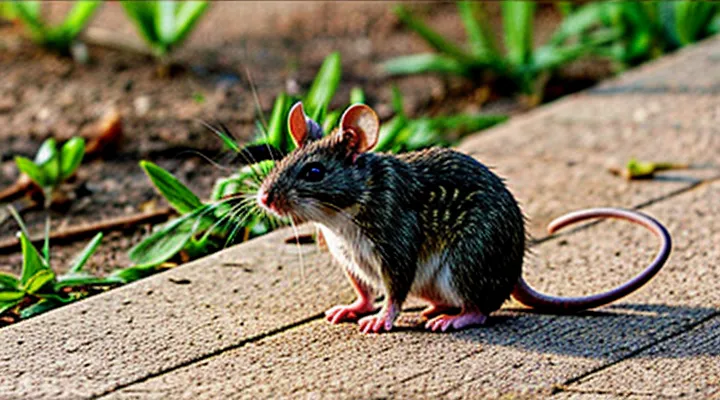
Beyond the Cute Image: Understanding Wild Rodents
Common Species and Their Characteristics
The following species represent the most frequently encountered wild rodents that provoke fear due to their behavior, size, or disease‑carrying potential.
- Norway rat (Rattus norvegicus): Large body (up to 500 g), robust skull, aggressive when cornered, nocturnal activity, known vector for leptospirosis and hantavirus.
- Black rat (Rattus rattus): Slimmer build (up to 250 g), excellent climbers, rapid reproduction, carrier of plague bacteria and murine typhus.
- House mouse (Mus musculus): Small size (15–30 g), high adaptability to human dwellings, prolific breeding cycles, transmitter of LCMV (lymphocytic choriomeningitis virus).
- Deer mouse (Peromyscus maniculatus): Medium size (20–30 g), strong hind limbs for jumping, primary reservoir of Sin Nombre hantavirus, prefers rural and forested habitats.
- Field vole (Microtus agrestis): Compact body (10–30 g), burrowing habit, population spikes cause agricultural damage, can spread tularemia.
- Wood mouse (Apodemus sylvaticus): Agile climber, omnivorous diet, occasional carrier of hantavirus strains, found in woodland margins and gardens.
These rodents share traits that increase human risk: rapid reproductive rates, proximity to food sources, and the ability to transmit pathogens. Recognizing their physical identifiers and typical habitats aids in assessing encounter severity and implementing control measures.
Habitats and Behaviors
Wild rodents occupy a range of environments that support their survival and reproduction. Agricultural fields provide abundant grain and shelter among crop residues. Deciduous and coniferous forests offer leaf litter, fallen logs, and dense underbrush for nesting and protection from predators. Urban settings present sewers, abandoned structures, and stored food waste, creating micro‑habitats that sustain high population densities. Riparian zones supply moist soil and vegetation, facilitating burrow construction and access to water sources.
Key behavioral patterns enable these mammals to thrive in diverse locations.
- Nocturnal activity reduces exposure to daylight predators and human disturbance.
- Opportunistic foraging allows consumption of seeds, insects, carrion, and human refuse.
- Territorial marking through urine and scent glands establishes dominance hierarchies.
- Aggressive defensive displays, including rapid lunges and vocalizations, deter intruders.
- Seasonal breeding cycles synchronize offspring emergence with peak resource availability.
- Dispersal flights, often triggered by population pressure, expand range and colonize new habitats.
Understanding these ecological niches and conduct patterns is essential for assessing risk and developing effective management strategies.
When Rodents Become Terrifying
Disease Vectors: The Invisible Danger
Wild rodents carry pathogens that spread without visible signs, turning ordinary encounters into health threats. Pathogens persist in saliva, urine, feces, and ectoparasites, allowing transmission through inhalation, ingestion, or direct contact.
Common diseases transmitted by these animals include:
- Hantavirus pulmonary syndrome – inhaled aerosol from dried droppings.
- Leptospirosis – skin contact with contaminated water or soil.
- Plague – flea bites after rodents serve as reservoirs.
- Salmonellosis – consumption of food tainted by fecal material.
- Lymphocytic choriomeningitis – exposure to infected secretions.
Transmission pathways are limited to:
- Airborne particles generated when droppings dry and are disturbed.
- Direct bites or scratches during aggressive encounters.
- Contamination of surfaces, food, and water sources.
Preventive measures focus on habitat control, sealing entry points, and proper protective equipment when cleaning infested areas. Immediate decontamination of exposed skin and prompt medical evaluation after potential exposure reduce infection risk.
Hantavirus: A Deadly Threat
Hantavirus is a zoonotic pathogen carried by various rodent species, including the deer mouse, white‑footed mouse, and rice rat. The virus resides in the animals’ saliva, urine, and feces; humans become infected when aerosolized particles are inhaled, or when the virus contacts broken skin or mucous membranes.
Clinical presentation
- Incubation period: 1–5 weeks.
- Early symptoms: fever, muscle aches, dizziness, gastrointestinal upset.
- Progression: rapid onset of pulmonary edema (hantavirus pulmonary syndrome) or, less commonly, hemorrhagic fever with renal syndrome.
- Mortality rates: 30–50 % for pulmonary syndrome, up to 15 % for renal form.
Epidemiology
- Cases cluster in rural or semi‑rural areas where human activity disturbs rodent habitats.
- Seasonal peaks correspond with increased rodent breeding and indoor migration during colder months.
- Reported incidents in North America exceed 600 confirmed infections since 1993; European and Asian reports number several hundred annually.
Prevention measures
- Seal entry points to homes, barns, and storage facilities.
- Store food in rodent‑proof containers; eliminate spillage.
- Wear protective masks and gloves when cleaning infested areas.
- Wet down dust before sweeping or vacuuming to reduce aerosolization.
- Dispose of rodent carcasses with sealed bags and avoid direct handling.
Medical management
- No specific antiviral therapy; supportive care with oxygen, mechanical ventilation, and fluid management improves survival.
- Early recognition and hospitalization are critical; clinicians should consider hantavirus in patients with acute respiratory distress and a history of rodent exposure.
Understanding the link between aggressive mouse encounters and hantavirus transmission underscores the necessity of rigorous habitat control and prompt medical response.
Leptospirosis: Waterborne Peril
Leptospirosis is a bacterial infection transmitted through water contaminated by the urine of infected rodents. The disease spreads when skin abrasions or mucous membranes contact polluted water, soil, or food. Wild mice, especially those that frequent streams and floodplains, serve as primary reservoirs, shedding the pathogen in large quantities.
Clinical presentation ranges from mild flu‑like symptoms to severe organ dysfunction. Early signs include high fever, headache, muscle pain, and chills. Progression may involve jaundice, renal failure, hemorrhagic complications, or meningitis. Laboratory confirmation relies on serologic testing (MAT) or polymerase chain reaction (PCR) of blood or urine samples.
Effective management combines prompt antibiotic therapy—typically doxycycline or ceftriaxone—and supportive care for organ impairment. Delay in treatment increases risk of irreversible damage and mortality.
Prevention measures:
- Avoid drinking or swimming in water sources that show signs of contamination or wildlife activity.
- Wear protective gloves and waterproof footwear when handling soil, mud, or standing water in rodent‑infested areas.
- Apply rodent control programs to reduce population density near water bodies.
- Ensure pets are vaccinated and receive regular veterinary check‑ups to limit zoonotic transmission.
Awareness of leptospirosis risk is essential for anyone encountering wild rodents in aquatic environments, as prompt recognition and intervention can prevent severe outcomes.
Other Zoonotic Diseases
Wild rodents frequently carry pathogens that affect human health, extending the danger beyond the well‑known hantavirus infections associated with frightening mouse encounters.
- Leptospirosis – bacterial disease transmitted through contact with urine‑contaminated water or soil; symptoms range from mild flu‑like illness to severe kidney or liver failure.
- Salmonellosis – caused by Salmonella bacteria; infection occurs after ingestion of food or water contaminated by rodent droppings, leading to gastroenteritis and, in vulnerable individuals, bloodstream invasion.
- Lymphocytic choriomeningitis (LCM) – viral illness spread by rodent excreta; can produce meningitis, encephalitis, or mild flu‑like symptoms, with higher mortality in immunocompromised patients.
- Tularemia – Francisella tularensis infection acquired through bites, handling of infected rodents, or inhalation of aerosolized particles; presents as ulcerating skin lesions, pneumonia, or systemic illness.
- Plague – Yersinia pestis persists in wild rodent populations; transmission via flea bites or direct contact can cause bubonic, septicemic, or pneumonic forms, each with high fatality if untreated.
Transmission routes include direct contact with rodent saliva, urine, or feces; inhalation of aerosolized particles; and bites from ectoparasites that have fed on infected animals. Environments with abundant food waste, standing water, or structural gaps facilitate rodent intrusion and increase exposure risk.
Preventive actions consist of sealing building entry points, maintaining rigorous sanitation, using traps or professional pest control, and wearing protective equipment when handling rodents or cleaning contaminated areas. Prompt medical evaluation after suspected exposure improves outcomes for all listed diseases.
Structural Damage: More Than Just Nuisance
Wild rodents can compromise building integrity through gnawing, nesting, and burrowing activities. Their incisors continuously grow, prompting relentless chewing on wood, insulation, and wiring. Repeated damage weakens load‑bearing elements, creating safety hazards that extend beyond mere inconvenience.
Structural consequences include:
- Compromised framing: Chewed joists and studs lose tensile strength, increasing the risk of collapse under normal loads.
- Degraded insulation: Nesting material displaces or contaminates insulation, reducing thermal performance and promoting moisture buildup.
- Compromised utilities: Exposed or severed electrical cables create fire hazards; damaged plumbing leads to leaks and mold growth.
- Foundation undermining: Burrowing rodents erode soil support around footings, causing settlement cracks and uneven flooring.
Repair costs often surpass simple pest‑control fees. Early detection and integrated mitigation—combining exclusion measures, habitat reduction, and structural reinforcement—prevent escalation from nuisance to costly structural failure.
Chewing Through Wires: Fire Hazards
Wild rodents frequently enter residential and commercial buildings, seeking shelter and food. Their continuously growing incisors compel them to gnaw on available materials, and electrical wiring presents an attractive target because of its softness and heat‑conducting properties.
Chewing of insulated cables creates exposed conductors, reduces insulation thickness, and generates friction heat. These actions produce three primary fire‑related risks:
- Short‑circuit formation that disables protective devices.
- Sparking that can ignite nearby combustible materials.
- Overheating of circuit components leading to thermal runaway.
Preventive measures rely on early detection and physical barriers. Recommended practices include:
- Regular visual inspection of conduit and cable bundles, especially in attics, crawl spaces, and basements.
- Installation of steel‑mesh or concrete encasement around high‑risk wiring.
- Use of rodent‑resistant cable sheathing, such as metal‑clad or hardened polymer jackets.
- Deployment of sealed bait stations and humane traps to reduce rodent populations near electrical installations.
- Integration of motion‑activated deterrents (ultrasonic or vibration devices) in vulnerable zones.
Implementing these steps minimizes the probability of wire damage, curtails fire ignition sources, and enhances overall electrical safety in environments prone to rodent activity.
Contamination of Food and Property
Wild rodents infiltrate homes and storage areas, leaving behind droppings, urine, and hair that directly compromise food safety and structural integrity. Pathogenic bacteria such as Salmonella, E. coli, and Listeria thrive in contaminated debris, creating a high risk of foodborne illness when products are exposed to these residues. Viral agents, including Hantavirus, can be transmitted through aerosolized particles of dried urine and feces, further endangering consumers.
Physical contamination occurs when rodents gnaw packaging, exposing food to external contaminants and encouraging pest proliferation. Chemical contamination arises from the rodents’ consumption of poisoned baits, which may leach into food supplies if not properly sealed. Both forms reduce product quality and may trigger costly recalls.
Property damage extends beyond visible gnaw marks. Rodents chew electrical wiring, increasing fire hazards and necessitating expensive repairs. Insulation and structural components suffer from moisture accumulation caused by urine, leading to mold growth and weakened building materials. Accumulated debris attracts additional pests, amplifying the threat to property value.
Preventive actions:
- Seal entry points with steel wool or metal flashing.
- Install snap traps or electronic deterrents in high‑traffic zones.
- Store food in airtight containers made of glass or heavy‑duty plastic.
- Conduct quarterly inspections of wiring, insulation, and storage areas.
- Employ professional pest‑management services for comprehensive eradication and monitoring.
Psychological Impact: Fear and Phobia
Encountering feral rodents that exhibit aggressive or unpredictable behavior triggers a measurable increase in acute stress markers. Heart rate and cortisol levels rise sharply within minutes of sighting, confirming the body's fight‑or‑flight activation. The visual cue of a mouse with unusually large teeth or erratic movements intensifies the response, because the threat is perceived as both immediate and uncontrollable.
Repeated exposure to such incidents shapes long‑term anxiety patterns. Individuals develop heightened vigilance toward small, fast‑moving animals, often misinterpreting benign movements as hostile. This hypervigilance manifests as:
- Persistent dread when entering basements, attics, or storage areas
- Intrusive thoughts about being bitten or chased
- Avoidance of environments where rodents are likely to appear
- Physical reactions such as sweating, trembling, or shortness of breath at the mere suggestion of a mouse
When avoidance extends beyond rational precaution, the condition meets criteria for musophobia‑related phobia. Diagnostic assessments reveal that avoidance behavior interferes with daily routines, including reluctance to use public restrooms or to accept deliveries that could conceal pests. Cognitive‑behavioral therapy combined with exposure techniques reduces symptom severity in controlled studies, indicating that the fear response is modifiable despite its origin in real, dangerous encounters.
Real-Life Encounters: Stories of Confrontation
Home Invasions: Unexpected Guests
Wild rodents can breach residential barriers, turning ordinary living spaces into sites of unexpected intrusion. These incursions often occur when structural gaps, inadequate sealing, or seasonal migrations intersect with the animal’s search for shelter and food. The result is a sudden presence that challenges occupants’ sense of security and raises immediate health concerns.
Typical indicators of a rodent breach include:
- Fine droppings along baseboards, in cabinets, or near food storage.
- Gnawed edges on insulation, wiring, or wooden framing.
- Scratching sounds within walls or ceiling voids, especially at night.
- Unexplained odors resembling ammonia or decayed matter.
Effective response requires a systematic approach:
- Seal all exterior openings larger than a quarter inch, focusing on foundation cracks, vent covers, and utility penetrations.
- Install metal mesh or hardware cloth over drainage gaps and chimney flues to prevent re‑entry.
- Deploy snap traps or electronic devices in high‑activity zones, positioning them perpendicular to walls for optimal contact.
- Conduct thorough sanitation: remove food residues, store perishables in airtight containers, and eliminate clutter that offers nesting material.
- Engage professional pest‑control services for persistent infestations, ensuring compliance with local wildlife regulations.
Prompt identification and decisive action reduce the risk of structural damage, disease transmission, and psychological distress associated with these uninvited guests.
Outdoor Encounters: Wilderness Woes
Wild rodents present a persistent hazard for hikers, campers, and field researchers. Encounters often occur near food caches, burrow entrances, or dense underbrush where mice and voles forage. Their small size enables rapid infiltration of tents and gear, while their nocturnal activity increases the likelihood of surprise contact after dark.
Key characteristics that amplify risk:
- Aggressive territorial displays when cornered, including biting and rapid lunges.
- Ability to gnaw through synthetic fabrics, compromising sleeping bags and food containers.
- Propensity to carry zoonotic pathogens such as hantavirus and leptospirosis, which transmit through saliva, urine, or aerosolized droppings.
Preventive measures for wilderness excursions:
- Store all food in sealed, rodent‑proof containers; avoid open‑air caches.
- Elevate sleeping platforms at least 30 cm above ground and use mesh screens on all openings.
- Inspect campsites for fresh burrow activity; clear debris and maintain a cleared perimeter around shelters.
- Wear gloves when handling equipment or collecting specimens; wash hands thoroughly afterward.
- Carry a compact first‑aid kit with antiseptic wipes and a documented protocol for bite treatment.
If a rodent breach occurs, immediate actions include:
- Securing the area to prevent further ingress.
- Removing contaminated bedding and disposing of it in a sealed bag.
- Disinfecting surfaces with a solution containing at least 70 % isopropyl alcohol.
- Monitoring for signs of infection, such as fever or respiratory distress, and seeking medical evaluation promptly.
Understanding the behavior patterns and environmental triggers of wild mice reduces the frequency of unexpected confrontations and safeguards both personnel and equipment during outdoor activities.
Case Studies: Lessons Learned
Real-world encounters with aggressive wild rodents reveal patterns that inform safety protocols and response strategies. In a suburban garden, a 12‑inch field mouse attacked a gardener’s hand, causing deep lacerations and infection. The incident highlighted the necessity of protective gloves and immediate wound care. In a rural grain storage facility, a swarm of mice chewed through electrical wiring, triggering a fire that destroyed nearby equipment. The case demonstrated the importance of regular rodent inspections and the installation of metal‑mesh barriers around vulnerable infrastructure. A third example occurred near a construction site where a lone mouse entered a worker’s helmet, leading to a panic‑induced fall from a scaffold. This event underscored the need for personal protective equipment that includes secure headgear and routine checks for animal intrusion.
Key lessons extracted from these incidents include:
- Mandatory use of gloves, helmets, and other protective gear when working in rodent‑prone environments.
- Scheduled inspections of storage areas, wiring, and structural openings to detect and seal entry points.
- Immediate medical treatment for bites or scratches to prevent infection and reduce recovery time.
- Training programs that teach workers how to recognize rodent behavior and respond without compromising safety.
Implementing these measures reduces the risk of injury, equipment damage, and operational downtime. Continuous monitoring and adaptation of protocols ensure that organizations remain prepared for unexpected rodent threats.
Prevention and Mitigation Strategies
Securing Your Home: Fortifying Defenses
Wild rodents can infiltrate residential structures through tiny openings, compromising sanitation and safety. Effective protection requires a systematic approach that eliminates entry points, reduces attractants, and implements barriers.
Identify and seal gaps larger than a quarter‑inch. Apply steel wool or copper mesh to vents, pipe sleeves, and foundation cracks before covering with caulk or expanding foam. Install door sweeps on all exterior doors and repair damaged weatherstripping.
Control interior conditions that draw rodents. Store food in airtight containers, dispose of garbage daily, and keep compost bins sealed. Eliminate standing water and trim vegetation that contacts the building envelope.
Implement physical deterrents. Place heavy-gauge hardware cloth around crawl spaces and attics, ensuring no gaps exceed a half‑inch. Fit metal flashing on the underside of eaves and soffits to block climbing routes.
Maintain regular inspections. Conduct a quarterly walkthrough to detect new openings, gnaw marks, or droppings. Record findings and address deficiencies promptly.
Key actions
- Seal all exterior penetrations larger than 0.25 in.
- Install door sweeps and repair weatherstripping.
- Store consumables in sealed containers; manage waste daily.
- Use steel wool, copper mesh, or hardware cloth for gaps.
- Fit metal flashing on eaves, soffits, and roof edges.
- Perform quarterly visual inspections and remediate immediately.
Consistent execution of these measures creates a robust defensive envelope, reducing the likelihood of rodent intrusion and mitigating associated health risks.
Sealing Entry Points
Sealing entry points eliminates the primary pathway that wild mice use to infiltrate homes and buildings. Identifying gaps, cracks, and openings is the first step; common locations include foundation walls, utility penetrations, roof eaves, and vent ducts. Once detected, apply the following measures:
- Install steel wool or copper mesh in small holes, then cover with caulk or expanding foam to prevent gnawing.
- Use cement‑based sealant for larger cracks in concrete or brickwork, smoothing the surface to create a durable barrier.
- Fit metal flashing around pipe entries and vent stacks, securing with screws and silicone sealant for a weather‑tight fit.
- Replace damaged weatherstripping on doors and windows with heavy‑duty, low‑profile strips that compress firmly against the frame.
- Cover crawl‑space vents with hardware cloth of ¼‑inch mesh, securing the perimeter with stainless‑steel staples.
Regular inspection after weather events or renovations is essential; re‑seal any newly formed openings promptly. Maintaining a sealed envelope around the structure dramatically reduces the likelihood of encounters with aggressive, disease‑carrying rodents.
Proper Food Storage
Proper food storage is a critical defense against wild rodents that seek easy nourishment. Secure containers eliminate the primary attractant that drives mouse incursions into homes and storage areas.
- Use airtight, hard‑shelled containers for grains, cereals, nuts, and pet food. Plastic bags with zip closures are insufficient; they can be pierced or torn.
- Store bulk items in metal or thick‑wall plastic bins equipped with lockable lids. Ensure lids fit tightly and seal completely.
- Position containers on elevated shelves, away from floor level and wall gaps where rodents can gnaw or climb.
- Implement a “first‑in, first‑out” rotation system. Remove older supplies promptly to prevent spoilage that generates strong odors.
- Keep the storage environment dry and well‑ventilated. Moisture encourages mold, which attracts mice and other pests.
Cleanliness reinforces physical barriers. Sweep crumbs, spills, and food residues daily. Dispose of waste in sealed bins and remove trash from the premises at least once a week. Regularly inspect storage areas for signs of gnaw marks or droppings; early detection allows immediate remediation before infestations spread.
By combining airtight containers, strategic placement, disciplined inventory management, and rigorous housekeeping, the likelihood of rodent intrusion drops dramatically, safeguarding both food quality and occupant safety.
Professional Pest Control: When to Call for Help
Professional pest control becomes necessary when a wild mouse poses a health or safety risk that exceeds the capacity of DIY measures. Signs that warrant immediate assistance include visible damage to structural components, contamination of food storage areas, rapid population growth indicated by multiple sightings or droppings, and aggressive behavior that endangers occupants, especially children or pets.
Typical thresholds for contacting a licensed exterminator are:
- Evidence of gnawing on electrical wiring or insulation.
- Accumulation of urine or feces in living spaces that could spread disease.
- Persistent odor or nesting material in concealed locations such as wall cavities.
- Failure of over‑the‑counter traps after a reasonable trial period (48–72 hours).
Once a professional is engaged, the process generally follows these steps: inspection of all potential entry points, identification of species and activity patterns, implementation of integrated pest management (IPM) techniques, and post‑treatment monitoring. Certified technicians employ a combination of sealed bait stations, live‑capture devices, and targeted exclusion methods to eradicate the infestation while minimizing non‑target impact.
Preventive actions that complement professional intervention include sealing gaps larger than ¼ inch, maintaining clean food storage practices, and installing deterrent devices near vulnerable openings. Regular property audits help detect early signs of rodent intrusion before a full‑scale response becomes necessary.
Personal Safety: Protecting Yourself
Wild rodents can transmit pathogens, inflict bites, and trigger panic. Direct contact increases the likelihood of infection and injury, demanding immediate precaution.
When a feral mouse appears:
- Freeze, assess distance, and avoid sudden movements.
- Retreat to a secure location without chasing the animal.
- If the rodent approaches, use a sturdy object to create a barrier.
- Call local wildlife control or emergency services if the animal shows aggressive behavior.
Long‑term protection relies on environmental control:
- Seal cracks, gaps, and openings in walls, foundations, and doors.
- Store food in airtight containers and remove crumbs promptly.
- Maintain clean outdoor areas, eliminating debris, compost, and standing water that attract rodents.
- Install motion‑activated lights or ultrasonic deterrents in high‑risk zones.
- Wash the wound with soap and water for at least one minute.
- Apply an antiseptic and cover with a sterile dressing.
- Seek medical evaluation within 24 hours to assess the need for antibiotics or rabies prophylaxis.
Coexistence and Control: A Balanced Perspective
Understanding Rodent Ecology
Rodent ecology determines the conditions under which wild mice become a threat to humans. Species such as Peromyscus and Apodemus occupy diverse habitats, from forest understories to urban fringe gardens. Their success stems from flexible diet, rapid reproductive cycles, and territorial adaptability.
Key ecological attributes include:
- Habitat selection: Preference for dense ground cover, proximity to food sources, and shelter from predators.
- Dietary breadth: Consumption of seeds, insects, fungi, and anthropogenic waste, allowing survival in fluctuating environments.
- Reproductive strategy: Breeding seasons that can produce multiple litters of 4–8 offspring, with gestation periods under a month.
- Population regulation: Predation pressure, disease outbreaks, and resource scarcity create cyclical fluctuations observable in longitudinal field studies.
- Disease vector potential: Carriers of hantavirus, leptospirosis, and salmonella, with transmission facilitated by direct contact or contaminated materials.
Understanding these factors clarifies why encounters with wild mice can rapidly shift from incidental sightings to hazardous incidents. Habitat fragmentation, climate variability, and increased food availability in human dwellings amplify rodent densities, raising the probability of aggressive behavior and pathogen exposure. Effective management therefore requires habitat modification, waste control, and monitoring of population dynamics to mitigate risk.
Ethical Considerations in Rodent Management
Rodent encounters that provoke fear demand management strategies that respect animal welfare while protecting human safety. Ethical assessment begins with clear criteria that balance these interests.
Key principles include:
- Recognition of each animal as a sentient being.
- Application of the least harmful method capable of achieving the objective.
- Limitation of interventions to situations where risk or damage is demonstrable.
- Commitment to avoid unnecessary suffering.
Preferred techniques prioritize non‑lethal outcomes. Options such as live‑capture devices, structural exclusion, and habitat alteration reduce contact without killing. Chemical agents or lethal traps are reserved for cases where alternative measures have failed and a credible threat persists.
Compliance with legislation shapes ethical practice. Federal animal welfare statutes, wildlife protection regulations, and municipal ordinances define permissible actions, impose reporting duties, and establish penalties for violations. Professionals must verify that each intervention aligns with current legal standards.
Responsibility extends across all parties involved. Property owners must maintain environments that discourage intrusion. Certified pest‑control operators are obligated to document methods, justify choices, and disclose risks. Researchers studying wild rodents must obtain institutional review approval, ensure humane handling, and limit sample sizes to the minimum required for scientific validity.
Continuous oversight safeguards integrity. Detailed logs of interventions, outcomes, and any adverse effects support periodic review. When evidence reveals excessive harm or ineffective results, protocols must be revised promptly.