
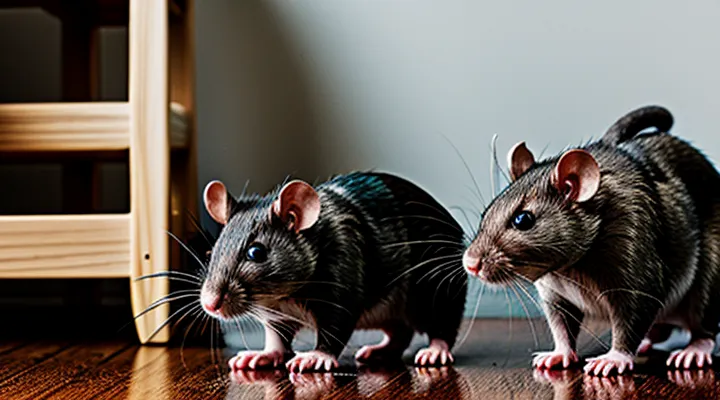
Why Rats Need Toys
Mental Stimulation and Enrichment
Rats require regular cognitive challenges to maintain neural health and prevent boredom. Enrichment items that demand problem‑solving, exploration, or manipulation engage the species’ natural curiosity and enhance learning capacity.
Effective mental stimulation can be provided through:
- Puzzle feeders that release treats only after a specific sequence of actions.
- Foraging tubes filled with shredded paper or dried vegetables, requiring the animal to extract food.
- Adjustable maze sections that can be rearranged to create new pathways.
- Interactive wheels with variable speeds and directional changes.
- Chewable tunnels constructed from safe hardwood, promoting tactile investigation.
Each item should be constructed from non‑toxic materials, free of small detachable parts, and sized to allow comfortable passage. Rotation of toys on a weekly schedule prevents habituation and maximizes cognitive engagement. Monitoring the rat’s interaction time offers measurable indicators of enrichment effectiveness.
Physical Exercise and Health Benefits
Pet rats require regular physical activity to maintain cardiovascular function, muscle tone, and joint flexibility. Without adequate movement, they develop obesity, reduced stamina, and skeletal weakness.
Common exercise‑focused items include:
- Running wheels – provide continuous aerobic activity; appropriate diameter (≥ 7 in) prevents spinal curvature.
- Climbing frames – encourage vertical locomotion, strengthening forelimb muscles and enhancing balance.
- Tunnel systems – stimulate rapid sprinting and directional changes, supporting agility and coordination.
- Puzzle feeders – combine foraging with movement, increasing heart rate while promoting problem‑solving skills.
- Chew stations with dangling elements – motivate reaching and twisting motions, aiding dental wear and forelimb dexterity.
Physical engagement through these devices yields measurable health outcomes: improved heart and lung capacity, lower body fat percentage, stronger bone density, and reduced incidence of stress‑related behaviors. Continuous activity also stabilizes metabolic rate, facilitating efficient nutrient utilization.
Effective implementation requires safety checks: ensure wheels rotate freely without resistance, avoid wire mesh that can trap paws, and select materials free of toxic coatings. Rotate toys regularly to prevent habituation and maintain enthusiasm for exercise.
Preventing Boredom and Destructive Behavior
Rats experience rapid mental fatigue when environmental variety is lacking; the resulting boredom frequently manifests as excessive gnawing, tunnel digging, or attempts to escape their enclosure. Providing a rotating selection of enrichment items interrupts repetitive behavior patterns and sustains natural foraging instincts.
- Chew blocks of wood, mineral, or safe plastics
- Multi‑level tunnels and PVC maze sections
- Climbing ladders and rope bridges for vertical exploration
- Foraging wheels with concealed compartments
- Treat‑dispensing puzzles that require manipulation to access food
- Soft hammocks or nest pads for resting and nesting
Effective use of these items involves a predictable schedule: introduce a new object every two to three days, remove the previous one for a brief rest period, and observe the rat’s interaction to identify preferred textures and challenges. Clean each item regularly to prevent bacterial buildup, and replace damaged pieces promptly to maintain safety. Consistent variation and monitoring reduce destructive tendencies while promoting healthy activity levels.
Types of Suitable Toys
Chew Toys
Wood and Cardboard
Wood and cardboard provide cost‑effective, safe options for enriching the environment of pet rats. Both materials are readily available, easy to shape, and allow for tactile exploration that supports natural chewing behavior.
Rats chew continuously to maintain dental health; untreated wood supplies the necessary abrasion, while cardboard offers a softer texture that encourages gnawing without risking tooth damage. Untreated hardwood such as maple, birch, or apple is preferred because it contains low levels of tannins and lacks chemical treatments. Soft‑wood branches can be cut into manageable lengths, sanded to remove splinters, and bundled into climbing structures. Cardboard can be folded, rolled, or layered to create tunnels, hideouts, and puzzle feeders.
Key considerations when selecting wood and cardboard items:
- Verify that wood is untreated, free of paint, varnish, or sealants.
- Avoid soft woods like pine or cedar, which contain aromatic oils that may irritate the respiratory system.
- Inspect cardboard for staples, adhesives, or printed inks; these can be toxic if ingested.
- Replace any piece that shows signs of mold, rot, or excessive wear.
- Rotate toys regularly to sustain interest and prevent habituation.
Practical applications include:
- Chew sticks – short, thick hardwood dowels placed horizontally across the cage floor.
- Climbing frames – stacked wooden blocks with drilled holes for rope or zip‑tied cardboard platforms.
- Tunnel systems – corrugated cardboard tubes connected end‑to‑end, secured with non‑toxic twine.
- Puzzle feeders – cardboard boxes with concealed compartments, filled with small treats to motivate problem‑solving.
Monitoring rats during interaction with wooden and cardboard toys helps identify any adverse reactions early. Consistent cleaning with warm water and mild soap removes debris without compromising material integrity. By adhering to these guidelines, owners provide durable, stimulating enrichment that aligns with the physiological and behavioral needs of rats.
Edible Chews
Edible chews serve a dual purpose for pet rats: they provide gnawing stimulation and deliver nutrition. The natural instinct to gnaw protects teeth from overgrowth, while the palatable texture encourages regular use, reducing boredom and stress.
Key advantages of chewable treats include:
- Dental health: constant chewing wears down incisors, preventing sharp edges.
- Enrichment: varied flavors and consistencies keep rats engaged.
- Nutrient intake: ingredients such as dried fruits, vegetables, and fortified grains contribute vitamins and minerals.
- Safety: edible items eliminate the risk of ingestion of non‑food materials.
When selecting appropriate chew toys, consider the following criteria:
- Ingredient quality – opt for products free from artificial preservatives, excessive sugar, and toxic additives.
- Size and hardness – pieces should be large enough to avoid accidental swallowing yet soft enough to be broken apart by a rat’s jaws.
- Digestibility – choose fibers that are easily processed; high‑fiber blends support gastrointestinal function.
- Source transparency – manufacturers should disclose origin of raw materials and production standards.
Regularly inspect chews for mold, crumbling, or foreign particles. Replace items that become overly soft or contaminated. Incorporating a rotating selection of edible chews alongside other enrichment tools promotes a balanced, stimulating environment for rats.
Foraging Toys
DIY Foraging Ideas
Providing rats with self‑made foraging challenges satisfies their instinct to search for food while keeping them mentally active. Simple, low‑cost constructions can be assembled from household items and safely introduced into any cage.
- Hide small pieces of seed, dried fruit, or pellets inside a hollowed‑out cardboard tube; seal both ends with removable tape so the animal can manipulate the closure.
- Create a “puzzle box” by cutting a shallow plastic container into sections, covering each compartment with a thin layer of paper, and placing treats beneath the paper for the rat to uncover.
- Use a clean, empty toilet paper roll, fill it with a mixture of oats and shredded paper, then fold the ends inward. The rat must roll the tube to release the contents.
- Assemble a foraging ball by drilling several small holes in a plastic tennis ball, inserting treats, and resealing the ball with non‑toxic glue; the animal must nudge and bite to extract the food.
- Construct a layered foraging tray by stacking sheets of non‑woven fabric, each containing hidden morsels, and securing the stack with a rubber band; the rat works through the layers to reach the reward.
Materials must be free of toxic chemicals, smooth‑finished, and sized to prevent choking. Rotate the designs regularly to prevent habituation and maintain engagement. Monitoring the rat’s interaction ensures the items remain safe and effective for enrichment.
Commercial Foraging Toys
Commercial foraging toys provide rats with opportunities to locate hidden food, encouraging natural digging and problem‑solving behaviors. These products typically consist of durable containers, tunnels, or pads with compartments that can be sealed with treats, prompting the animal to manipulate the toy until the reward is released.
Key characteristics to evaluate when selecting a commercial foraging toy for rats include:
- Material safety: non‑toxic, chew‑resistant plastics or untreated hardwoods that withstand gnawing without splintering.
- Size compatibility: openings large enough for a rat’s paws but small enough to prevent accidental ingestion of toy fragments.
- Complexity level: adjustable difficulty, such as interchangeable lids or sliding panels, to match the skill level of the individual animal.
- Cleaning ease: smooth surfaces or removable parts that allow thorough sanitation to prevent bacterial buildup.
- Durability: construction that endures repeated handling and exposure to moisture without degrading.
When integrating these toys into a rat’s environment, maintain a balanced feeding schedule; treat foraging items as enrichment rather than primary nutrition. Rotate different models regularly to avoid habituation and to stimulate continual exploration. Monitor each session for signs of stress or frustration, and replace any damaged components promptly to preserve safety.
Climbing and Exploration Toys
Hammocks and Tunnels
Hammocks and tunnels provide climbing, nesting, and concealment opportunities that match rats’ natural behaviors. Their inclusion in a rat’s environment supports physical activity, mental stimulation, and stress reduction.
- Material safety: Opt for food‑grade plastics, untreated natural fibers, or stainless steel. Avoid toxic paints, adhesives, or soft plastics that can be chewed and ingested.
- Dimensions: Hammocks should span at least 6 inches wide and 8 inches long to accommodate an adult rat comfortably. Tunnels must have an internal diameter of 2 inches or more to prevent constriction.
- Design features: Closed‑end tunnels encourage burrowing, while open‑ended tubes facilitate rapid movement. Hammocks with detachable straps simplify repositioning and cleaning.
- Attachment method: Use stainless‑steel hooks or reinforced zip ties that can bear the weight of an active rat without slipping.
Maintenance guidelines
- Clean hammocks and tunnels weekly with warm, mild soap; rinse thoroughly to remove residue.
- Inspect for frayed edges, cracks, or sharp points before each cleaning cycle.
- Rotate placement within the cage every few days to create novel pathways and prevent habituation.
- Replace any component showing signs of wear to maintain structural integrity.
Integrating well‑chosen hammocks and tunnels into a rat’s habitat creates a dynamic environment that mirrors the species’ instinctual need for vertical and concealed spaces, thereby promoting overall health and behavioral wellbeing.
Ladders and Ropes
Ladders and ropes provide vertical climbing opportunities that satisfy a rat’s natural instinct to explore height. Their inclusion in a cage enhances physical activity and mental stimulation, contributing to overall health.
Materials should be sturdy, non‑toxic, and easy to clean. Untreated natural wood, food‑grade acrylic, and natural fiber rope (e.g., sisal) meet these criteria. Avoid painted or chemically treated surfaces that could leach harmful substances.
Size matters for safe use. Rungs spaced 1–2 inches apart allow comfortable foot placement; overall ladder length should not exceed the cage height, leaving at least 2 inches of clearance from the top. Rope diameter of ½–¾ inch supports gripping without causing strain.
Safety checks are essential. Inspect for splinters, frayed fibers, or loose connections before each use. Secure attachments to the cage frame with stainless‑steel hardware to prevent detachment during vigorous climbing.
Practical guidelines:
- Install ladders on opposite walls to create a continuous climbing circuit.
- Hang ropes at varying heights to encourage diverse movement patterns.
- Rotate or reposition structures weekly to maintain novelty.
- Clean wooden components with a damp cloth; replace rope sections showing wear.
Proper selection and maintenance of ladders and ropes create a dynamic environment that promotes natural behavior and reduces stress in pet rats.
Interaction Toys
Puzzle Toys
Puzzle toys provide essential mental stimulation for pet rats, preventing boredom and encouraging natural foraging behavior. These devices require the animal to solve a problem to access a reward, thereby engaging problem‑solving skills and promoting cognitive development.
When selecting a puzzle toy, consider the following criteria:
- Size appropriate for a rat’s small body and delicate paws
- Durable construction from non‑toxic, chew‑resistant materials
- Simple mechanisms that can be adjusted for increasing difficulty
- Easy cleaning to maintain hygiene
Common designs include:
- Tube mazes with removable barriers that hide treats
- Sliding lid boxes where a rat must push or pull to reveal food
- Rotating discs that dispense pellets when turned correctly
Introduce the toy gradually, allowing the rat to explore without pressure. Place a small amount of favorite food inside to motivate interaction, then monitor for signs of frustration or injury. Rotate different puzzles regularly to sustain interest and prevent habituation. Properly maintained puzzle toys contribute significantly to the overall well‑being of a rat, supporting both mental health and physical activity.
Ball and Rolling Toys
Ball toys provide a safe outlet for a rat’s natural urge to explore confined spaces. The spherical design encourages the animal to push, roll, and navigate, thereby exercising hind‑limb muscles and enhancing coordination. When selecting a ball, prioritize transparent or semi‑transparent polycarbonate shells that resist chewing and allow visual monitoring of the occupant. Diameter should range from 6 to 8 inches for adult rats; smaller sizes increase the risk of spinal stress, while larger balls may impede natural movement.
Rolling toys, such as track‑mounted cylinders and wooden tunnels, complement ball play by offering horizontal motion. These devices stimulate spatial awareness and encourage the use of whiskers for navigation. Effective rolling toys share the following characteristics:
- Durable construction: hardwood or high‑density plastic that withstands gnawing.
- Smooth surface: prevents paw abrasions during continuous motion.
- Secure bearings: maintain consistent rotation without wobble.
- Easy assembly: detachable components allow cleaning and inspection.
Safety considerations apply to both categories. Ensure all openings are larger than 0.5 cm to prevent accidental entrapment. Inspect for cracks or loose parts before each session. Supervise initial use to verify that the rat can exit the ball or rolling apparatus without assistance. Limit continuous play to 15–20 minutes; prolonged activity may lead to overheating or fatigue.
Integrating ball and rolling toys into a rat’s enrichment program supports physical health, mental stimulation, and natural foraging behavior. Regular rotation of toys preserves novelty and reduces the likelihood of habituation.
Safety Considerations
Non-Toxic Materials
Rats chew constantly; the substances that compose their toys directly affect health. Selecting items made from non‑toxic materials prevents digestive problems, dental wear and long‑term organ damage.
- Untreated natural wood (e.g., apple, birch, maple)
- Food‑grade silicone
- Unpainted, BPA‑free hard plastic
- Natural fibers such as untreated cotton, hemp or sisal rope
- Uncoated, kiln‑dried pine or cedar (free of preservatives)
Materials to avoid include:
- Soft PVC or vinyl
- Painted or lacquered surfaces containing lead or phthalates
- Treated lumber with chemicals, pesticides or fire retardants
- Foam products that release toxic fumes when chewed
- Metal components with sharp edges or rust
When evaluating a product, verify that the manufacturer lists food‑grade certification or provides a material safety data sheet. Test the toy for loose parts, sharp edges or splintering before introducing it to the cage. Replace any item that shows wear beyond normal chewing. Maintaining a supply of toys constructed from the approved materials ensures continuous enrichment without compromising rat welfare.
Appropriate Size and Durability
When choosing play items for pet rats, size and durability determine safety and longevity.
Rats are small, agile rodents; a toy must accommodate their body length (approximately 3‑5 inches) and allow full movement without risk of entrapment. Items that are too large become obstacles, while those that are too small can be swallowed or lodged in the mouth. Measure the toy’s length, width, and height; ensure each dimension exceeds the rat’s body size by at least 1 inch, providing clearance for climbing, chewing, and nesting.
Durability hinges on material resistance to constant gnawing. Ideal toys are constructed from:
- Solid hardwood (e.g., beech, maple) or untreated bamboo, which withstands frequent chewing without splintering.
- Food‑grade plastics specifically rated for rodent use; avoid brittle or thin shells that crack under pressure.
- Metal components (e.g., stainless‑steel ladders) that retain shape after prolonged use.
Additional durability considerations:
- No loose or detachable parts that a rat could detach and ingest.
- Surface finish free of sharp edges, splinters, or rough patches that could injure paws or mouths.
- Resistance to moisture and urine; materials should not warp, swell, or degrade when exposed to a cage environment.
By matching toy dimensions to the animal’s size and selecting materials designed for heavy gnawing, owners ensure that play items remain functional and safe throughout the rat’s lifespan.
Avoiding Small Parts and Choking Hazards
Rats can easily swallow or become lodged on tiny components, making the elimination of small parts a critical safety requirement for any enrichment item.
When evaluating a potential toy, verify that every element exceeds the animal’s head width by at least a factor of two. Items smaller than this threshold pose a choking risk and should be rejected.
Choose products made from solid, non‑fracturing materials such as untreated hardwood, thick natural rope, or reinforced silicone. Toys that splinter, crack, or shed fragments create additional ingestion hazards and must be avoided.
Inspect each item before introduction and perform regular checks for wear, loose joints, or emerging cracks. Replace any object that shows signs of degradation, and discard toys that have been chewed into pieces smaller than the recommended size.
Safe‑design characteristics include:
- No detachable accessories or screws.
- Rounded edges and smooth surfaces.
- Thickness sufficient to resist gnawing into bite‑size fragments.
- Durable construction that maintains integrity under repeated chewing.
Consistent application of these criteria ensures that enrichment objects support healthy activity without exposing rats to choking or internal injury.
Regular Inspection and Cleaning
Regular inspection and cleaning are essential for maintaining safe, functional play items for pet rats. Routine checks identify wear, broken components, and potential hazards before they cause injury or illness.
Inspect each toy at least once a week. Look for cracked plastic, loose wires, frayed fabric, and sharp edges. Remove any item that shows damage, and replace it with a new, chew‑resistant alternative.
Cleaning should be performed weekly for reusable toys. Follow these steps:
- Disassemble removable parts when possible.
- Rinse under warm running water to remove debris.
- Soak in a solution of one part white vinegar to three parts water for ten minutes.
- Scrub with a soft brush to eliminate biofilm.
- Rinse thoroughly and air‑dry completely before reassembly.
For toys made of natural materials such as wood or untreated wicker, use a mild, unscented soap solution, rinse well, and allow full drying. Avoid harsh chemicals, bleach, or scented cleaners that may irritate a rat’s respiratory system.
Maintain a log of inspection dates, findings, and cleaning actions. Recording this information helps track the lifespan of each item and ensures consistent hygiene standards.
Toy Rotation and Enrichment Strategies
Keeping Things Fresh
Rats thrive on variety; stale toys lose appeal quickly and can harbor bacteria. Regularly replace or rotate items to maintain novelty and hygiene.
- Wash fabric toys in warm, mild detergent; rinse thoroughly and dry completely before returning them to the cage.
- Disinfect plastic accessories with a diluted bleach solution (1 part bleach to 9 parts water) or a veterinary‑approved sanitizer; rinse and air‑dry.
- Inspect wooden chew blocks for splintering; sand rough edges and replace when cracks appear.
- Introduce a new puzzle or tunnel each week; remove the previous one to prevent clutter and keep the environment stimulating.
A schedule of weekly cleaning and bi‑weekly toy rotation ensures rats encounter fresh challenges while minimizing health risks.
Observing Your Rat's Preferences
Observing a rat’s interaction with play objects reveals the most engaging options and helps refine the selection of appropriate enrichment items.
When a rat repeatedly returns to a particular toy, shows vigorous chewing, or carries it around the cage, these behaviors indicate strong preference. Conversely, toys that are ignored, left untouched, or quickly discarded suggest low interest.
Key indicators to watch:
- Frequency of use: Count how many times the rat picks up or manipulates the item within a typical observation period.
- Duration of engagement: Note the length of each play session; longer periods reflect higher attraction.
- Physical response: Observe signs of excitement such as rapid whisker movement, elevated posture, or vocalizations.
- Manipulation style: Determine whether the rat prefers climbing, chewing, nesting, or carrying the toy, which guides future purchases.
Document observations in a simple log, recording date, toy type, and the metrics above. Patterns emerging over several days reveal the rat’s true preferences and allow owners to prioritize toys that stimulate natural behaviors while discarding ineffective ones. This systematic approach ensures the enrichment environment remains stimulating, safe, and tailored to each individual rat.
Homemade Toy Ideas
Rats thrive on stimulation that mimics natural foraging and climbing behaviors. Homemade toys can provide such enrichment while remaining affordable and easy to replace.
Materials should be non‑toxic, sturdy, and free of loose parts that could be swallowed. Cardboard, untreated wood, natural fibers, and safe plastics meet these criteria. All items must be inspected regularly for wear and broken pieces.
- Cardboard roll tunnel: cut a toilet‑paper tube lengthwise, insert a series of holes, and secure with non‑adhesive tape. Rats chew, explore, and hide inside.
- Chew sticks: soak untreated pine or apple wood dowels in a 1 % diluted apple cider vinegar solution for 24 hours, then dry. The sticks satisfy gnawing urges and help keep teeth trimmed.
- Treat dispenser puzzle: drill a small hole in a clean plastic bottle, fill with favorite pellets, and seal the cap. Rats must roll the bottle to release food.
- Paper maze: fold sheets of plain, unprinted paper into a multi‑level maze, securing layers with a few staples. The structure encourages climbing and problem‑solving.
- Fabric pull toy: stitch a small loop of cotton fabric onto a wooden dowel, attach a thin rope, and anchor the dowel to the cage wall. Rats pull the rope to receive a treat attached at the end.
Cleaning procedures involve washing items with warm water and mild dish soap, then rinsing thoroughly. Replace any toy that shows signs of splintering or excessive wear. Consistent rotation of homemade toys maintains novelty and supports healthy activity levels.