
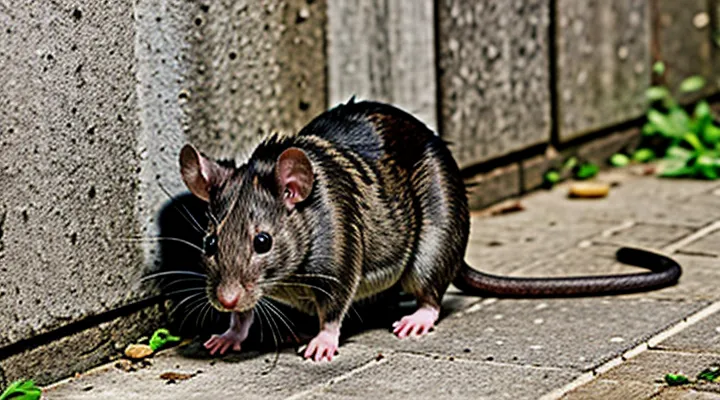
Understanding Sudden Death in Rats
Defining Sudden Death in Rats
Sudden death in rats refers to an unexpected, non‑traumatic fatal event that occurs within a brief interval—typically less than one hour—after the onset of any observable abnormality. The condition is distinguished from progressive disease by the absence of a prolonged pre‑terminal phase and by the lack of external injuries that could account for mortality.
Key criteria for classifying an incident as sudden death include:
- Occurrence of death within ≤ 60 minutes from the first detectable sign of distress.
- Absence of a discernible chronic pathology on necropsy that could explain a gradual decline.
- Lack of external trauma or experimental manipulation directly causing lethal injury.
- Presence of acute internal lesions (e.g., myocardial infarction, pulmonary embolism) that can be identified only through histopathological examination.
These parameters enable researchers to differentiate true sudden death from other lethal outcomes, ensuring consistent reporting and facilitating the investigation of underlying mechanisms.
Why Sudden Death is a Concern
Sudden, unexplained mortality in laboratory rats poses a serious challenge for biomedical research. Unexpected loss of subjects disrupts experimental timelines, compromises data integrity, and raises ethical questions regarding animal welfare. The phenomenon also generates financial strain through the need to replace animals and repeat procedures.
Key concerns include:
- Loss of experimental continuity, leading to incomplete or biased results.
- Increased variability in study outcomes, reducing statistical power.
- Ethical implications related to the humane treatment of research animals.
- Elevated operational costs associated with animal procurement and housing.
- Difficulty in identifying underlying pathological mechanisms, hindering preventive measures.
Recognizing the impact of abrupt fatality in rats encourages implementation of rigorous health monitoring, environmental controls, and early‑detection protocols. Proactive management reduces the probability of unexpected deaths, thereby safeguarding scientific validity and responsible animal use. «Effective surveillance and preventative strategies are essential for maintaining colony stability».
Common Causes of Sudden Death
Cardiovascular Issues
Heart Disease
Heart disease constitutes a primary factor in unexpected mortality among laboratory rats. Cardiovascular pathology often manifests as myocardial infarction, arrhythmia, or congestive failure, each capable of precipitating rapid death without preceding clinical signs.
Common etiologies include:
- Genetic predisposition, especially in strains carrying mutations that affect ion channel function or myocardial contractility.
- Dietary imbalances, notably excessive saturated fat or sodium, which accelerate atherosclerotic changes and hypertension.
- Environmental stressors such as chronic noise, temperature fluctuations, or overcrowding, which elevate catecholamine levels and provoke electrical instability.
- Toxic exposure to substances like heavy metals or certain pharmaceuticals that impair cardiac electrophysiology.
Preventive measures focus on risk mitigation and early detection:
- Implement balanced rodent chow with controlled lipid and electrolyte content; monitor feed intake to avoid overconsumption.
- Maintain stable housing conditions: constant temperature, adequate ventilation, and minimal acoustic disturbance.
- Conduct routine electrocardiographic screening for high‑risk strains; record baseline intervals and compare with periodic assessments.
- Apply genetic screening to identify carriers of deleterious cardiac mutations; segregate or exclude affected individuals from breeding programs.
- Limit exposure to known cardiotoxic agents; substitute safer alternatives when feasible.
Effective integration of these strategies reduces the incidence of fatal cardiac events, thereby enhancing the reliability of experimental outcomes and animal welfare.
Strokes
Strokes represent a major vascular event that can precipitate rapid fatality in laboratory rats. The abrupt interruption of cerebral blood flow, whether by arterial occlusion or intracerebral hemorrhage, leads to extensive neuronal injury and can culminate in death within minutes to hours.
Two principal categories are recognized. Ischemic strokes arise from thrombotic or embolic blockage of major cerebral arteries, producing a core of irreversibly damaged tissue surrounded by a penumbra of salvageable cells. Hemorrhagic strokes result from rupture of cerebral vessels, causing intracranial pressure elevation and direct tissue destruction. Both mechanisms trigger systemic responses, including autonomic dysregulation and severe metabolic derangements, that accelerate mortality.
Key predisposing factors include sustained hypertension, high‑salt or high‑fat diets, genetic strains with vascular fragility, and chronic exposure to stressors such as overcrowding or temperature fluctuations. Elevated systolic pressure alone can double the incidence of cerebrovascular rupture in susceptible cohorts.
Preventive measures focus on stabilizing vascular health and monitoring early indicators. Effective interventions comprise:
- Regular non‑invasive blood pressure assessments and pharmacologic control with angiotensin‑converting enzyme inhibitors or calcium channel blockers.
- Dietary modification to reduce sodium intake and incorporate omega‑3 fatty acids, supporting endothelial function.
- Genetic screening to identify high‑risk strains and implement targeted breeding strategies.
- Continuous telemetry for real‑time detection of abnormal heart rate variability, enabling prompt therapeutic action.
Implementation of these protocols markedly reduces the frequency of fatal cerebrovascular events, thereby improving overall survival outcomes in rodent research colonies.
Respiratory Problems
Pneumonia
Pneumonia in rats is an acute inflammatory disease of the lower respiratory tract, frequently caused by bacterial agents such as Streptococcus pneumoniae, Klebsiella pneumoniae, and Mycoplasma pulmonis. Viral pathogens, including Sendai virus, can predispose to secondary bacterial infection, accelerating tissue damage and fluid accumulation.
Rapid progression of pulmonary inflammation compromises gas exchange, leading to hypoxia, systemic shock, and unexpected mortality. Clinical presentation often includes tachypnea, labored breathing, nasal discharge, and reduced activity; death may occur within hours of symptom onset when respiratory failure is not promptly addressed.
Diagnosis relies on necropsy findings of consolidated lung tissue, histopathological evidence of alveolar exudate, and microbiological culture or PCR identification of the causative organism. Radiographic imaging can reveal infiltrates, but post‑mortem analysis remains definitive for confirming pneumonia as the fatal factor.
Prevention measures:
- Maintain cage humidity between 40 % and 60 % to limit aerosolized pathogen load.
- Implement routine health monitoring with periodic microbiological screening of breeding colonies.
- Provide high‑quality, autoclaved bedding and feed to reduce environmental contamination.
- Enforce strict quarantine for new arrivals, accompanied by respiratory pathogen testing.
- Use prophylactic vaccination where commercially available, targeting prevalent bacterial strains.
Effective implementation of these strategies reduces the incidence of lethal pulmonary infections and contributes to overall stability of rat colonies.
Tumors Affecting Lungs
Lung neoplasms represent a significant factor in unexpected mortality among laboratory rats, frequently manifesting without preceding clinical signs and culminating in abrupt death. Pathological examination often reveals extensive tumor burden within the pulmonary parenchyma, which can compromise respiratory function instantaneously.
Common tumor types identified in the rat lung include:
- Bronchioloalveolar carcinoma
- Pulmonary adenoma
- Metastatic carcinoma originating from extrathoracic sites
- Fibrosarcoma
These lesions induce rapid physiological collapse through mechanisms such as airway occlusion, intrapulmonary hemorrhage, pleural effusion, and severe hypoxemia. Necropsy typically shows enlarged, firm lungs with nodular masses, hemorrhagic infiltrates, and fluid accumulation in the thoracic cavity.
Diagnostic protocols emphasize early detection to mitigate sudden loss:
- Routine observation for subtle respiratory distress (e.g., tachypnea, audible wheezing)
- Periodic thoracic imaging (radiography or micro‑CT) to identify occult masses
- Histopathological analysis of lung tissue following euthanasia or spontaneous death
Preventive measures focus on reducing tumor incidence and limiting fatal outcomes:
- Maintain low‑density housing to decrease stress‑related immunosuppression
- Provide a diet free of known carcinogens and supplemented with antioxidants
- Implement genetic screening programs to exclude strains with high tumor susceptibility
- Conduct scheduled health surveillance, including lung imaging and biomarker assessment
Adherence to these strategies lowers the probability of lethal pulmonary neoplasia, thereby enhancing overall colony stability and experimental reliability. «Lung neoplasms are a leading cause of abrupt mortality in rodent colonies.»
Neurological Conditions
Seizures
Seizures constitute a major physiological trigger of unexpected mortality in laboratory rats. Abrupt, uncontrolled neuronal discharges generate systemic disturbances that can culminate in fatal outcomes within minutes.
Key pathophysiological events during a seizure episode include:
- Massive release of excitatory neurotransmitters, particularly glutamate, leading to excitotoxic injury.
- Hyperactivation of the sympathetic nervous system, causing severe hypertension and tachyarrhythmia.
- Rapid depletion of cerebral ATP, resulting in loss of ion‑gradient maintenance and cellular swelling.
- Compromise of respiratory centers, producing apnea or hypoventilation.
Preventive strategies focus on minimizing seizure incidence and mitigating their lethal sequelae:
- Genetic screening to exclude strains with known epileptogenic mutations.
- Environmental control that eliminates stressors such as excessive noise, temperature fluctuations, and abrupt lighting changes.
- Implementation of continuous video‑EEG monitoring for early detection of subclinical seizure activity.
- Administration of prophylactic antiepileptic agents (e.g., phenobarbital, levetiracetam) at doses validated for rodent models.
- Provision of supplemental oxygen and immediate access to emergency resuscitation equipment during high‑risk procedures.
By integrating rigorous monitoring, optimized husbandry, and targeted pharmacological intervention, the likelihood of seizure‑related sudden death in rats can be substantially reduced.
Brain Tumors
Brain neoplasms constitute a recognized factor in unexpected mortality among laboratory rats. Tumor development in cerebral tissue can progress rapidly, compromising vital functions such as respiration and cardiovascular regulation, leading to abrupt death without preceding overt signs.
Common malignant forms include gliomas, astrocytomas, and oligodendrogliomas. These lesions often arise from spontaneous genetic mutations or exposure to carcinogenic agents. Rapid intracranial pressure increase, hemorrhage, and disruption of the brainstem nuclei are primary mechanisms precipitating fatal outcomes.
Clinical observation may reveal subtle behavioral changes, loss of righting reflex, or seizures shortly before collapse. Post‑mortem examination typically shows enlarged, infiltrative masses, peritumoral edema, and secondary necrosis. Advanced imaging techniques, such as magnetic resonance tomography, provide early detection when applied routinely.
Preventive actions focus on minimizing tumor incidence and early identification:
- Maintain a pathogen‑free environment and control exposure to known carcinogens.
- Implement genetic screening programs to exclude strains with high predisposition to neuro‑oncogenic mutations.
- Conduct regular health assessments, including neurological examinations and periodic imaging for high‑risk colonies.
- Apply standardized dietary regimens free of contaminants that may promote mutagenesis.
Adherence to these measures reduces the probability of brain‑derived sudden death and enhances overall colony stability.
Infectious Diseases
Bacterial Infections
Bacterial infections represent a principal source of abrupt mortality in laboratory rats, often manifesting without preceding clinical signs. Rapid progression results from toxins, septicemia, or overwhelming inflammation that compromises vital organ function within hours.
Common bacterial agents linked to sudden death include:
- Clostridium perfringens producing lethal exotoxins; - Streptococcus pneumoniae causing fulminant septicemia; - Yersinia pestis leading to hemorrhagic shock; - Salmonella enterica serovar Typhimurium inducing endotoxin‑mediated collapse; - Pseudomonas aeruginosa generating exotoxin A and extensive tissue necrosis.
Pathogenic mechanisms converge on systemic inflammatory response, vascular leakage, and myocardial depression, which together precipitate rapid cardiovascular failure. Absence of overt illness complicates early detection, emphasizing the need for stringent control measures.
Effective prevention relies on integrated biosecurity and health‑management practices:
1. Maintain barrier housing with filtered air and sterilized bedding. 2. Implement routine microbiological screening of colonies and incoming animals. 3. Apply prophylactic antimicrobial regimens only when justified by susceptibility data. 4. Enforce strict personnel hygiene, including hand washing and dedicated equipment. 5. Sanitize cages, feed, and water systems using validated disinfectants.
Adherence to these protocols minimizes bacterial exposure, reduces incidence of lethal infections, and supports the stability of experimental outcomes.
Viral Infections
Viral infections represent a significant source of unexpected lethal events in laboratory rats, often occurring without preceding clinical signs. Rapid mortality can compromise experimental outcomes and animal welfare, necessitating precise identification of causative agents.
- Rat coronavirus (RCV) — causes severe enteric disease, leading to dehydration and circulatory collapse.
- Hantavirus — induces hemorrhagic fever with pulmonary syndrome, resulting in abrupt respiratory failure.
- Lymphocytic choriomeningitis virus (LCMV) — produces encephalitis that may culminate in sudden cardiac arrest.
- Sendai virus — triggers severe pneumonia, precipitating hypoxia and rapid death.
Pathological mechanisms include viral replication in critical organs, disruption of endothelial integrity, and induction of cytokine storms that precipitate shock. Direct myocardial infection can cause arrhythmias, while neurotropic viruses may trigger seizures that culminate in fatal outcomes.
Preventive strategies focus on biosecurity and health monitoring:
- Implement strict quarantine for new arrivals, with serological testing for common rodent viruses.
- Maintain barrier housing equipped with HEPA filtration to limit aerosol transmission.
- Conduct routine necropsy and PCR screening of sentinel animals to detect subclinical infections.
- Apply validated vaccination protocols where available, ensuring proper storage and administration.
Adherence to these measures reduces the incidence of viral‑induced sudden death, supporting reliable research data and ethical standards.
Toxicity and Poisoning
Ingested Toxins
Ingested toxins constitute a frequent and lethal factor in rapid rat mortality. Toxic substances enter the gastrointestinal tract through contaminated feed, water, bedding, or accidental chewing of hazardous materials. Once absorbed, they trigger systemic failure that can culminate in death within minutes to hours.
Common toxic agents include:
- Heavy metals such as lead, mercury, and arsenic
- Pesticide residues, particularly organophosphates and carbamates
- Anticoagulant rodenticides (e.g., brodifacoum, warfarin)
- Certain plant materials containing alkaloids or saponins (e.g., nightshade, oleander)
- Mycotoxins produced by mold‑contaminated grains
These agents disrupt cellular metabolism, impair coagulation pathways, or induce neurotoxicity. Rapid onset of shock, hemorrhage, or respiratory paralysis is typical, leaving little opportunity for therapeutic intervention.
Preventive actions focus on eliminating exposure sources. Key measures are:
- Secure storage of chemicals and feed in sealed, labeled containers
- Routine testing of food and water for contaminants
- Use of non‑toxic bedding and chewable enrichment items
- Regular inspection of cages for signs of mold or rodenticide residues
- Immediate removal of hazardous plants from the animal’s environment
Implementation of strict hygiene protocols and environmental monitoring reduces the risk of accidental ingestion and supports overall colony health.
Environmental Toxins
Environmental toxins represent a significant factor in unanticipated mortality among laboratory rats. Exposure to hazardous chemicals, heavy metals, and volatile organic compounds can trigger rapid physiological collapse, often without preceding clinical signs.
Key toxin categories include:
- Pesticides (organophosphates, carbamates)
- Heavy metals (lead, mercury, cadmium)
- Industrial solvents (benzene, toluene)
- Mycotoxins (aflatoxin, ochratoxin)
- Airborne pollutants (carbon monoxide, ozone)
Toxic mechanisms that precipitate sudden death involve:
- Acute inhibition of acetylcholinesterase, leading to uncontrolled neuromuscular activation
- Disruption of mitochondrial respiration, causing energy failure and cardiac arrhythmia
- Direct cardiotoxic effects, resulting in ventricular fibrillation
- Severe electrolyte imbalance, inducing fatal seizures or respiratory arrest
Preventive measures focus on environmental control and monitoring:
- Implement sealed ventilation systems to limit airborne contaminant accumulation
- Use certified, toxin‑free bedding and feed, verified by analytical testing
- Conduct regular water quality assessments for heavy‑metal contamination
- Install real‑time gas detectors calibrated for carbon monoxide and ozone thresholds
- Establish standard operating procedures for chemical handling, including spill containment and personal protective equipment
Adherence to these protocols reduces the incidence of abrupt lethal events attributable to environmental toxins in rat colonies.
Environmental Factors and Stress
Temperature Extremes
Temperature extremes constitute a direct threat to rodent survival, capable of inducing rapid fatal outcomes through disruption of physiological homeostasis. Exposure to temperatures above the thermoregulatory ceiling precipitates hyperthermia, characterized by uncontrolled rise in core temperature, protein denaturation, and failure of cardiovascular and neural functions. Conversely, temperatures below the thermoregulatory floor cause hypothermia, leading to slowed metabolism, impaired coagulation, and eventual cardiac arrest.
Preventive measures focus on maintaining ambient conditions within the species‑specific thermal comfort zone and include:
- Installation of calibrated heating and cooling systems to sustain stable room temperature.
- Continuous monitoring of cage temperature with digital sensors linked to alarm thresholds.
- Gradual acclimatization protocols when introducing animals to new temperature settings.
- Provision of nesting material and insulated housing to allow self‑regulated microclimate control.
- Regular inspection of ventilation and humidity levels to avoid compounding thermal stress.
Implementation of these controls reduces the incidence of temperature‑induced mortality, supporting overall experimental reliability and animal welfare.
Poor Cage Conditions
Poor cage conditions represent a significant contributor to unexpected rat mortality. Overcrowding increases stress, compromises immune function, and accelerates the spread of pathogens. Inadequate ventilation creates accumulation of ammonia and carbon dioxide, leading to respiratory distress. Accumulated waste and damp bedding promote bacterial growth, while extreme temperature fluctuations impair thermoregulation. Materials that leach chemicals, such as certain plastics or adhesives, introduce toxic exposure.
Research indicates a direct relationship between environmental deficiencies and rapid fatal outcomes. Controlled experiments demonstrate that rats housed in cages lacking proper airflow and hygiene exhibit higher rates of acute death compared to those maintained under optimal conditions. Epidemiological surveys of laboratory facilities corroborate these findings, identifying cage quality as a primary risk factor for sudden loss of subjects.
Preventive measures focus on maintaining a stable, clean, and well‑ventilated environment:
- Limit occupancy to the recommended number of animals per cage, ensuring adequate space for movement.
- Install high‑efficiency ventilation systems that exchange air regularly and filter contaminants.
- Replace bedding frequently, using absorbent, low‑dust substrates and disposing of soiled material promptly.
- Monitor temperature and humidity, maintaining them within species‑specific ranges.
- Select cage components certified as non‑toxic, avoiding materials that release volatile compounds.
Implementation of these protocols reduces the incidence of rapid, unexplained deaths and supports the overall health and reliability of rat colonies.
Social Stress
Social stress arises when rats are housed in overcrowded or hierarchically unstable groups, leading to chronic activation of the hypothalamic‑pituitary‑adrenal axis and heightened sympathetic tone. Persistent elevations in corticosterone and catecholamines increase cardiac arrhythmia susceptibility, impair myocardial oxygen utilization, and predispose animals to fatal ventricular events. Inter‑individual aggression, limited access to resources, and frequent social re‑ordering intensify these physiological disruptions, directly linking social tension to unexpected lethal outcomes in laboratory rats.
Preventive actions focus on stabilizing the social environment and mitigating stress‑induced autonomic disturbances:
- Maintain group sizes within species‑specific recommendations to avoid overcrowding.
- Establish consistent cage mates for extended periods to reduce hierarchy turnover.
- Provide surplus nesting material and enrichment objects, ensuring equitable distribution.
- Monitor aggressive encounters daily; separate persistently dominant or submissive individuals when necessary.
- Implement routine measurement of corticosterone levels or heart rate variability as early indicators of stress escalation.
- Apply environmental controls (stable temperature, low noise) to minimize additional stressors.
By enforcing these measures, researchers can lower the incidence of abrupt mortality associated with social stress in rat colonies.
Genetic Predisposition
Genetic predisposition refers to inherited variations that increase the likelihood of acute fatal events in rats. Specific alleles of ion‑channel genes, mitochondrial DNA mutations, and defects in metabolic enzymes have been linked to spontaneous death without preceding clinical signs.
These genetic factors can trigger lethal arrhythmias, severe hypoglycemia, or catastrophic failure of cellular respiration. Pathological studies frequently reveal myocardial fibrosis, ventricular conduction abnormalities, or depleted ATP reserves in affected individuals.
Detection of at‑risk animals relies on molecular screening techniques. Polymerase chain reaction assays identify known pathogenic mutations; whole‑genome sequencing uncovers novel variants; pedigree analysis highlights hereditary patterns. Early identification permits targeted intervention before clinical manifestation.
Preventive strategies focus on eliminating or mitigating the influence of harmful genotypes:
- Implement breeding programs that exclude carriers of lethal alleles.
- Apply CRISPR‑based gene editing to correct pathogenic mutations in embryonic lines.
- Maintain environmental conditions (temperature, diet, stress levels) that reduce physiological stress on genetically vulnerable strains.
- Conduct regular genetic audits of colony stock to monitor allele frequencies.
Adopting these measures reduces the incidence of unexpected mortality and improves overall colony health.
Unforeseen Accidents
Unforeseen accidents represent a significant proportion of lethal incidents in laboratory rats, often occurring without prior indication and bypassing typical disease‑related pathways. These events include equipment failure, power outages, cage collapse, and accidental exposure to toxic substances. Their sudden nature complicates detection, leading to rapid mortality that may be misattributed to natural causes.
Key characteristics of such accidents:
- Immediate onset of fatal outcome, leaving little time for intervention.
- Absence of prodromal signs in affected animals.
- Potential to affect multiple individuals simultaneously, especially in shared housing systems.
Prevention strategies focus on risk identification, system redundancy, and procedural safeguards:
- Regular maintenance and calibration of ventilation, heating, and lighting systems to eliminate mechanical failures.
- Installation of backup power supplies for critical equipment, ensuring uninterrupted operation during outages.
- Secure cage design and routine inspection for structural integrity to prevent collapse or escape.
- Implementation of double‑check protocols for chemical handling, including proper labeling, storage, and spill containment.
- Staff training on emergency response procedures, emphasizing rapid isolation of affected cages and immediate reporting mechanisms.
Monitoring systems, such as continuous environmental sensors and video surveillance, provide real‑time data that can alert personnel to abnormal conditions before they become fatal. Integration of these technologies with automated alarm triggers enhances early detection, reducing the likelihood that unforeseen accidents result in sudden rat mortality.
Prevention Strategies
Regular Veterinary Check-ups
Early Detection of Illnesses
Early identification of pathological conditions significantly reduces the incidence of unexpected mortality in laboratory rats. Detectable indicators include reduced food intake, altered grooming behavior, decreased locomotor activity, and subtle changes in body temperature. Systematic observation of these parameters enables timely intervention before progression to fatal outcomes.
Effective monitoring strategies comprise:
- Daily recording of body weight and food consumption; a decline of more than 5 % within 48 hours signals possible disease onset.
- Automated activity tracking; a drop in wheel rotations or open‑field movement beyond baseline variance warrants further assessment.
- Thermal imaging; localized hypothermia or hyperthermia detected by infrared cameras correlates with infection or inflammation.
- Periodic sampling of blood or urine; elevated cytokine levels, abnormal hematocrit, or presence of pathogens identified through polymerase chain reaction provide biochemical confirmation.
Preventive actions following early detection involve:
- Isolation of affected individuals to limit pathogen spread.
- Administration of targeted antimicrobial or anti‑inflammatory therapy based on diagnostic results.
- Adjustment of environmental conditions, such as humidity and bedding, to mitigate stress‑related susceptibility.
- Revision of husbandry protocols, including enrichment and sanitation schedules, to address identified risk factors.
Integrating these practices into routine colony management creates a proactive health surveillance framework that curtails the frequency of acute lethal events among rats.
Routine Health Screenings
Routine health screenings constitute a proactive measure against unexpected mortality in laboratory rats. Regular physical examinations identify abnormalities in posture, coat condition, and behavior that often precede fatal events. Weight monitoring detects rapid loss or gain, both associated with metabolic disturbances.
Key diagnostic procedures include:
- Hematology and serum chemistry panels to reveal electrolyte imbalances, renal insufficiency, or hepatic dysfunction.
- Electrocardiography for arrhythmias or conduction defects that may trigger acute cardiac failure.
- Thoracic radiography or ultrasound to assess pulmonary congestion, pleural effusion, or neoplastic growths.
- Fecal analysis for parasitic infestation, which can precipitate severe gastrointestinal hemorrhage.
Screening intervals should correspond to the animal’s age and experimental demands. Young rats benefit from monthly assessments, whereas mature cohorts may require bi‑monthly evaluations, with additional checks after any environmental change or experimental manipulation.
Early detection through these examinations enables timely therapeutic intervention, reduces the incidence of sudden fatal outcomes, and supports the reliability of scientific data derived from rodent models.
Optimal Diet and Nutrition
Balanced Diet Recommendations
A balanced diet reduces the incidence of rapid, unexplained mortality in laboratory rats by supporting cardiovascular stability, electrolyte equilibrium, and metabolic health.
Adequate macronutrient distribution is essential. Protein should represent 18‑22 % of total calories, derived from high‑quality animal or soy sources. Fat content must remain between 4‑6 % of calories, emphasizing unsaturated fatty acids while limiting saturated fats. Carbohydrate provision should supply the remainder of energy needs, using complex grains and avoiding excessive simple sugars.
Micronutrient levels require precise formulation. Calcium and phosphorus must be maintained at a ratio of approximately 1.2:1 to prevent skeletal and renal complications. Sodium and potassium concentrations should stay within 0.2‑0.4 % and 0.6‑0.8 % of diet weight, respectively, to sustain cardiac conductance. Magnesium, zinc, selenium, and vitamin E should meet established rodent nutritional standards to protect against oxidative stress.
Feeding practices influence diet effectiveness. Provide fresh feed daily to prevent nutrient degradation. Store rations in airtight containers at controlled temperature to avoid mold growth. Offer water ad libitum, ensuring filtration to remove chlorine and heavy metals. Monitor individual intake; adjust portions for growth stage, sex, and experimental load.
Key recommendations:
- Formulate feed with 18‑22 % protein, 4‑6 % fat, remainder complex carbohydrates.
- Maintain calcium : phosphorus ratio near 1.2 : 1.
- Keep sodium at 0.2‑0.4 % and potassium at 0.6‑0.8 % of diet weight.
- Include magnesium, zinc, selenium, and vitamin E at levels meeting NRC guidelines.
- Supply fresh feed and filtered water each day; store under optimal conditions.
- Record daily consumption; modify rations according to physiological demands.
Implementing these nutritional standards contributes directly to the prevention of sudden, fatal events in rat colonies.
Avoiding Harmful Foods
Avoiding toxic dietary components is essential for preventing acute mortality in laboratory and pet rodents. Certain food items contain compounds that can trigger rapid cardiovascular collapse, severe metabolic disturbance, or lethal organ failure in rats.
Common harmful foods include:
- Chocolate and cocoa products, which contain theobromine and caffeine at concentrations that exceed the rat’s tolerance threshold.
- Grapes, raisins, and related extracts, associated with acute kidney injury and fatal renal failure.
- Onion, garlic, and other Allium species, rich in organosulfur compounds that cause hemolytic anemia and cardiovascular instability.
- High‑fat processed snacks, especially those with trans‑fat and excessive salt, leading to sudden arrhythmias and myocardial infarction.
- Fermented or mold‑contaminated feed, producing mycotoxins such as aflatoxin that precipitate rapid liver necrosis.
Preventive measures focus on strict dietary control. Provide a nutritionally balanced rodent chow formulated to meet species‑specific requirements. Store supplemental foods in sealed containers, away from moisture and light, to inhibit mold growth. Implement routine inspection of all feed items for signs of spoilage, discoloration, or foreign substances. Educate caretakers on the risks associated with human food items and enforce a policy prohibiting unauthorized treats.
Monitoring protocols should include daily observation of feeding behavior and immediate removal of any uneaten or suspect food. Periodic health assessments, including blood chemistry panels, can detect early signs of organ stress before fatal outcomes occur. By eliminating exposure to identified toxic foods and maintaining rigorous feed management, the incidence of sudden, diet‑related deaths in rats can be markedly reduced.
Maintaining a Healthy Environment
Proper Cage Size and Enrichment
Adequate cage dimensions directly affect physiological stability in laboratory rats. Insufficient floor space limits movement, impairs thermoregulation, and increases the likelihood of traumatic injuries that can culminate in rapid mortality.
- Minimum floor area: 0.05 m² per adult rat; larger groups require proportionally greater space.
- Height: at least 0.30 m to allow upright posture and climbing.
- Vertical enrichment: shelves or platforms must not obstruct ventilation.
Enrichment components mitigate stress‑induced pathologies that contribute to sudden death. Providing nesting material, chewable objects, and complex tunnel systems encourages natural behaviors, reduces hyperactivity, and stabilizes hormone levels.
- Nesting substrate: 5 g per rat, replaced weekly.
- Chewable items: wooden blocks, untreated cardboard, rotated every 48 hours.
- Structural complexity: interconnected tunnels covering 30 % of cage floor area.
Implementation guidelines for animal facilities include regular inspection of cage integrity, systematic rotation of enrichment to prevent habituation, and documentation of space allocation per cage. Compliance with these standards correlates with measurable declines in unexpected rat fatalities. «Adequate space reduces mortality».
Cleanliness and Hygiene
Cleanliness and hygiene directly influence the incidence of unexpected mortality in laboratory rats. Accumulated waste, contaminated bedding, and improperly sterilized equipment create environments where pathogenic bacteria, fungi, and parasites proliferate. These microorganisms can induce septicemia, respiratory distress, or gastrointestinal perforation, each capable of causing rapid death without preceding clinical signs.
Effective preventive measures include:
- Daily removal of soiled bedding and droppings; replace with fresh, low‑dust material.
- Weekly deep cleaning of cages with an approved disinfectant, followed by thorough rinsing to eliminate chemical residues.
- Regular testing of water systems for microbial load; employ filtration and UV treatment where feasible.
- Implementation of a strict personal‑protective‑equipment protocol for personnel handling animals; gloves and lab coats must be changed between cages.
- Routine monitoring of room temperature and humidity to deter mold growth and limit pathogen survival.
Maintaining a sterile work surface and ensuring that feed is stored in airtight containers further reduces exposure to contaminants. Documentation of cleaning schedules and audit trails supports compliance with institutional animal‑care standards and facilitates rapid identification of lapses that could precipitate fatal events.
Temperature and Humidity Control
Maintaining stable temperature and humidity is critical for preventing unexpected mortality in laboratory rats.
Rats tolerate a narrow thermal window; ambient temperature between 20 °C and 24 °C supports normal metabolic function. Temperatures below 15 °C increase metabolic demand, leading to hypothermia, while temperatures above 28 °C accelerate respiration and can precipitate heat‑induced shock.
Relative humidity should remain within 40 %–60 %. Values under 30 % cause rapid evaporative water loss, resulting in dehydration and electrolyte imbalance. Humidity above 70 % promotes respiratory pathogen proliferation and reduces heat dissipation, raising core temperature.
Effective environmental control includes:
- Continuous monitoring with calibrated digital sensors for temperature and humidity.
- Automated climate‑control systems programmed to trigger heating, cooling, humidification, or dehumidification as needed.
- Daily verification of sensor accuracy against reference standards.
- Immediate corrective action when readings deviate beyond ±1 °C or ±5 % relative humidity.
Implementing these measures minimizes physiological stress and reduces the incidence of sudden, unexplained deaths in rat colonies.
Stress Reduction Techniques
Adequate Socialization
Adequate socialization reduces stress‑induced physiological disruptions that often precede abrupt fatal events in rats. Group housing, consistent handling, and exposure to benign conspecific interactions promote stable autonomic regulation and mitigate hyper‑adrenergic responses linked to sudden mortality.
Key practices for effective socialization:
- Maintain stable cohorts of compatible individuals; avoid frequent reshuffling of cage mates.
- Provide daily gentle handling sessions lasting 2–3 minutes per animal to habituate to human contact.
- Enrich the environment with nesting material and shelters that enable natural social behaviors.
- Monitor hierarchy formation; intervene when aggressive dominance patterns emerge that could elevate cortisol levels.
- Record behavioral indicators such as grooming frequency and locomotor activity to detect early signs of distress.
Implementing these measures supports physiological homeostasis, thereby decreasing the incidence of unexpected lethal outcomes in rat populations.
Providing Hiding Spots
Providing suitable hiding spots reduces stress‑induced mortality in laboratory rats. When rats can retreat to concealed areas, they exhibit lower levels of corticosterone, which correlates with decreased incidence of sudden fatal events. Adequate shelters also limit exposure to aggressive conspecifics, thereby minimizing trauma‑related deaths.
Effective implementation includes:
- Installing opaque tubes or PVC pipes of 2–3 cm diameter, positioned horizontally within the cage.
- Adding nest boxes made of untreated wood or plastic, with entrance holes no larger than 1 cm to prevent predator‑like intrusion.
- Placing shredded paper or cloth piles in corners, ensuring they are not so dense as to impede cleaning.
- Using stacked ceramic tiles with small gaps, creating a maze‑like environment that encourages exploration while offering refuge.
Maintenance considerations:
- Replace soiled or damaged shelters weekly to prevent bacterial growth.
- Rotate the location of hiding structures periodically, preventing habituation and encouraging natural foraging behavior.
- Verify that all materials are autoclavable or chemically resistant to standard disinfection protocols.
By integrating these measures, facilities can substantially lower the risk of unexpected lethal outcomes associated with environmental stressors, enhancing overall animal welfare and experimental reliability.
Minimizing Sudden Changes
Maintaining physiological equilibrium reduces the risk of unexpected mortality in laboratory rats. Rapid fluctuations in temperature, humidity, or nutrition create stress that can trigger fatal cardiac or respiratory events. Identifying and controlling these variables is essential for reliable experimental outcomes.
Common sources of abrupt alterations include:
- Sudden changes in ambient temperature or lighting cycles.
- Immediate replacement of feed with a formulation of different composition.
- Unpredictable handling techniques that cause acute stress responses.
- Rapid shifts in water availability or electrolyte balance.
Mitigation measures focus on gradual adaptation and continuous monitoring:
- Implement stepwise temperature adjustments, altering ambient conditions by no more than 2 °C per hour.
- Transition dietary regimens over a minimum of five days, mixing old and new feed in increasing proportions.
- Standardize handling protocols, using low‑stress techniques and limiting the frequency of disturbances.
- Employ automated water delivery systems that maintain consistent flow and mineral content.
Regular health assessments, including heart rate and respiratory monitoring, provide early detection of destabilizing trends. Prompt corrective action based on these data further minimizes the likelihood of sudden, lethal events.
Biosecurity Measures
Quarantine for New Rats
Quarantine of newly acquired rats is a critical control measure to reduce the risk of rapid, unexplained mortality in established colonies. Isolation for a minimum of two weeks allows detection of latent infections, parasitic infestations, and stress‑related disorders that can precipitate fatal events. During this period, animals should be housed in separate cages with dedicated enrichment, bedding, and feeding supplies to prevent cross‑contamination.
Key practices during quarantine include:
- Daily health checks for signs of respiratory distress, diarrhea, or abnormal behavior.
- Strict sanitation of cages, water bottles, and feeding devices using approved disinfectants.
- Monitoring of weight and food intake to identify early metabolic or nutritional problems.
- Veterinary evaluation if any clinical symptoms appear, with appropriate diagnostic testing (e.g., PCR for viral agents, fecal flotation for parasites).
Implementing these protocols creates a barrier against pathogens that often trigger sudden death, supports early intervention for health issues, and preserves the overall stability of the rat population.
Handwashing and Disinfection
Hand hygiene directly influences the incidence of lethal infections in laboratory rodents. Pathogens introduced through contaminated gloves or surfaces can cause rapid systemic failure, leading to unexpected mortality in rat colonies. Effective handwashing and surface disinfection interrupt this route, thereby reducing the frequency of fatal events.
Key elements of an effective handwashing routine:
- Wet hands with running water, apply sufficient antimicrobial soap.
- Scrub palms, backs of hands, between fingers, and under nails for at least 20 seconds.
- Rinse thoroughly, ensuring removal of all soap residues.
- Dry with disposable, lint‑free towels or air dryer.
- Apply alcohol‑based hand rub if immediate re‑contamination risk exists.
Critical disinfection practices for the animal facility:
- Clean work surfaces with a detergent solution before applying a disinfectant.
- Use EPA‑registered broad‑spectrum disinfectants, maintaining contact time as specified by the manufacturer.
- Disinfect cages, feeding equipment, and water bottles after each use.
- Sterilize reusable tools by autoclaving or chemical immersion, following validated cycles.
- Verify efficacy through routine surface swab testing and microbiological analysis.
«Hand hygiene reduces pathogen transmission» encapsulates the preventive impact of these measures on unexpected rat deaths. Consistent implementation of the outlined protocols sustains colony health and safeguards experimental integrity.
Breeding Considerations
Avoiding Inbreeding
Inbreeding intensifies homozygosity, which reduces the population’s capacity to counteract genetic defects. Elevated homozygosity in laboratory rats correlates with higher incidence of cardiac malformations, metabolic disorders, and immune deficiencies—conditions that frequently culminate in unexpected mortality.
Key mechanisms linking inbreeding to sudden death include:
- Accumulation of deleterious recessive alleles that impair heart muscle function.
- Diminished heterozygosity, limiting physiological resilience to environmental stressors.
- Increased prevalence of metabolic anomalies that destabilize electrolyte balance, precipitating arrhythmias.
Effective strategies to mitigate these risks involve systematic breeding management:
- Implement a rotational mating scheme that pairs individuals from distinct lineages every generation.
- Maintain detailed pedigree records to identify and avoid matings between close relatives.
- Conduct periodic genetic screening for markers associated with cardiac and metabolic disorders.
- Introduce outbred stock periodically to replenish genetic diversity and restore heterozygosity.
Adhering to these practices minimizes the probability of lethal genetic events, thereby reducing the frequency of unexplained fatalities within rat colonies.
Screening for Genetic Conditions
Screening for hereditary abnormalities is essential when addressing unexpected mortality in laboratory rats. Genetic predispositions, such as mutations affecting cardiac ion channels, metabolic enzymes, or coagulation factors, can trigger abrupt lethal events without prior clinical signs. Early identification of these risk alleles enables targeted interventions that reduce fatal outcomes.
Effective screening protocols include:
- Polymerase chain reaction (PCR) assays targeting known pathogenic variants.
- Whole‑exome sequencing to uncover rare mutations in candidate genes.
- Quantitative PCR for copy‑number variations associated with arrhythmic susceptibility.
- In‑silico predictive tools that assess the functional impact of identified variants.
Implementation of routine genetic testing before breeding or experimental use allows researchers to exclude high‑risk individuals, adjust colony composition, and apply prophylactic measures such as tailored diet, environmental enrichment, or pharmacological modulation. Consistent documentation of genotypic data facilitates longitudinal analysis of mortality patterns and supports the refinement of preventive strategies.
Emergency Preparedness
Recognizing Warning Signs
Recognizing early indicators of impending fatal events in laboratory rats is essential for effective intervention. Observable changes precede acute collapse and can be grouped into physiological, behavioral, and environmental categories.
- Rapid weight loss exceeding 10 % of baseline within a short interval.
- Persistent hypothermia, with rectal temperature consistently below 35 °C.
- Marked decrease in locomotor activity, including prolonged periods of immobility.
- Abnormal respiratory patterns such as tachypnea, irregular breaths, or audible wheezing.
- Visible cyanosis of extremities or mucous membranes.
- Unexplained anorexia coupled with reduced water intake.
- Sudden onset of seizures or tremors without an apparent trigger.
- Elevated heart rate measured by telemetry, surpassing normal resting values by 20 % or more.
In addition to these signs, laboratory staff should monitor cage conditions. Accumulation of ammonia, excessive humidity, or temperature fluctuations can exacerbate stress and mask early symptoms. Regular inspection of bedding, water bottles, and food supply helps differentiate environmental factors from intrinsic health decline.
Prompt documentation of any warning sign, followed by immediate veterinary assessment, reduces the likelihood of unexpected mortality. Early therapeutic measures, such as fluid replacement, temperature support, or targeted pharmacological intervention, are most effective when applied at the first indication of distress.
Contacting a Veterinarian Promptly
Prompt veterinary consultation saves lives when rats exhibit acute distress. Rapid identification of critical signs—such as sudden lethargy, respiratory difficulty, uncontrolled bleeding, or unexplained collapse—requires immediate communication with a qualified professional. Delays increase the risk of irreversible organ failure and reduce the chance of successful intervention.
Key actions when contacting a veterinarian:
- Describe the rat’s recent environment, diet, and any recent changes in housing.
- Report observed symptoms with precise timing (e.g., onset of labored breathing 2 hours ago).
- Provide details of any recent exposures to toxins, predators, or stressful events.
- Follow the specialist’s instructions regarding emergency transport, supportive care, and potential diagnostic tests.
Early professional involvement allows rapid administration of life‑saving treatments, accurate diagnosis of underlying causes, and implementation of preventive measures to protect the remaining colony.
What to Do After a Sudden Death
Post-Mortem Examination
Importance of Necropsy
Necropsy provides the definitive means of determining the cause of unexpected rat fatalities. By examining the entire organism, investigators obtain direct evidence that cannot be inferred from clinical observations alone.
Key contributions of post‑mortem examination include:
- Identification of pathological lesions that explain rapid demise.
- Differentiation between infectious agents, toxic exposures, and metabolic disturbances.
- Generation of data that inform husbandry adjustments, dietary formulations, and environmental controls.
- Documentation of findings that support reproducibility and regulatory compliance.
The procedure follows a systematic sequence: external inspection, organ removal, macroscopic evaluation, tissue sampling for histopathology, and collection of specimens for microbiological and toxicological analysis. Each step adheres to standardized protocols, ensuring consistency across laboratories.
Incorporating necropsy into routine investigations of acute rat mortality enhances the accuracy of etiological attribution and enables the implementation of targeted preventive strategies.
What a Necropsy Can Reveal
Necropsy provides a direct assessment of the physiological and pathological state of a rat that has died unexpectedly. By examining organ morphology, tissue integrity, and fluid composition, investigators obtain concrete evidence that distinguishes between natural disease processes and extrinsic insults.
Key observations obtainable through necropsy include:
- Gross lesions in the heart, lungs, liver, and kidneys that indicate organ failure or hemorrhage.
- Microscopic evidence of bacterial, viral, or fungal infection revealed by culture, staining, or polymerase chain reaction.
- Presence of toxic substances in blood, urine, or tissue samples, identified by chromatographic or spectrometric analysis.
- Signs of malnutrition or vitamin deficiency, such as hepatic lipidosis or skeletal muscle wasting.
- Evidence of traumatic injury, including fractures, bruising, or peritoneal rupture.
- Genetic abnormalities detectable through histopathology or molecular testing.
- Environmental contaminants, for example, mold spores or rodenticide residues, discovered during environmental sampling.
Each finding guides targeted preventive measures. Detection of infectious agents prompts quarantine, vaccination, and enhanced barrier protection. Identification of toxicants leads to review of water and feed quality, as well as evaluation of cage cleaning agents. Recognition of nutritional deficits drives formulation adjustments and supplementation protocols. Documentation of trauma informs cage design improvements and handling practices. Genetic insights support selective breeding to reduce susceptibility to hereditary disorders. Environmental contamination results in facility ventilation upgrades and pest management revisions.
Systematic necropsy, performed promptly after death, establishes a reliable baseline for mortality surveillance. Integration of necropsy data into health‑monitoring programs reduces the incidence of unexplained fatalities and safeguards the integrity of experimental outcomes.
Grief and Coping
Sudden loss of laboratory rats triggers a measurable grief response among researchers and animal‑care staff. Observable signs include reduced motivation, heightened anxiety, and diminished performance in subsequent experiments. The emotional impact correlates with the perceived value of the animal model and the effort invested in its maintenance.
Physiological stress markers rise after unexpected mortality, reflecting activation of the hypothalamic‑pituitary‑adrenal axis. Elevated cortisol levels and altered heart‑rate variability have been documented in personnel experiencing acute bereavement. Persistent stress can compromise data integrity and increase the risk of occupational burnout.
Effective coping strategies encompass:
- Structured debriefing sessions within 24 hours, allowing expression of observations and emotions.
- Access to professional counseling services, emphasizing evidence‑based grief therapy.
- Implementation of peer‑support networks, facilitating shared experiences and mutual reassurance.
- Routine reflection journals, encouraging systematic processing of loss and identification of actionable lessons.
- Scheduled breaks from animal‑handling duties, reducing immediate exposure to stressors.
Institutional policies that promote transparent incident reporting and provide clear guidelines for post‑mortem analysis contribute to reduced uncertainty and faster emotional recovery. Proactive training on resilience and stress management further equips staff to handle abrupt animal deaths without compromising scientific rigor.
Future Prevention for Remaining Pets
Future prevention for remaining pet rats requires systematic measures that address health, environment, and genetics. Regular veterinary examinations detect early signs of disease, allowing timely intervention. A balanced diet rich in fiber, low in excess fats, and supplemented with appropriate vitamins supports digestive and cardiovascular health. Clean, well‑ventilated cages reduce the risk of respiratory infections; bedding should be dust‑free and changed frequently. Stress minimization through consistent handling, stable social groups, and enrichment objects prevents immunosuppression and sudden collapse. Genetic screening of breeding stock identifies carriers of hereditary conditions, enabling selective breeding to eliminate lethal traits. Quarantine of new arrivals for at least two weeks prevents introduction of pathogens to established colonies.
Key preventive actions:
- Schedule biannual health checks with a qualified exotic‑animal veterinarian.
- Provide fresh water daily and monitor consumption for anomalies.
- Maintain cage temperature between 18 °C and 24 °C; avoid drafts and direct sunlight.
- Replace bedding weekly; use paper‑based or aspen material to limit inhalation hazards.
- Rotate enrichment items to stimulate natural foraging behavior and reduce boredom.
- Record weight, food intake, and activity levels; investigate deviations promptly.
Implementing these protocols reduces the likelihood of unexpected fatalities and promotes long‑term wellbeing for the remaining pet rats.