
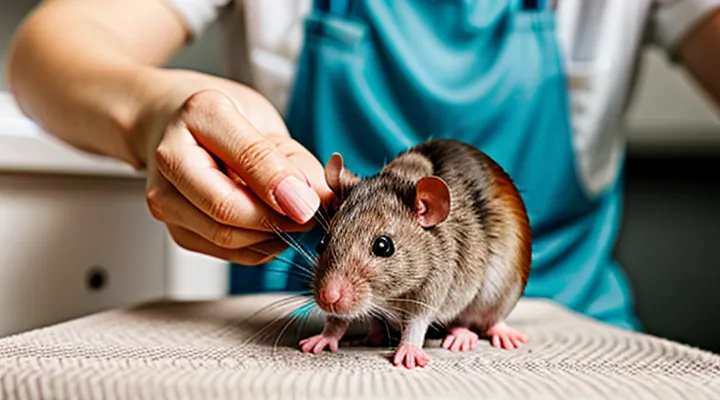
Understanding Subdermatitis in Rats
What is Subdermatitis?
Clinical Signs and Symptoms
Clinical presentation of subdermal inflammation in laboratory rats includes distinct dermatological and systemic manifestations. Cutaneous lesions typically appear as localized erythema, progressing to edema and papular eruptions. Alopecia frequently accompanies the inflammatory process, particularly in areas of intense scratching. Pruritus manifests as repetitive grooming or scratching behaviors, often resulting in secondary ulceration and crust formation. Lesions may coalesce, forming larger erosive areas with necrotic tissue. Exudate, when present, is serous to purulent, indicating possible secondary infection.
Systemic signs reflect the severity of the condition. Affected rats commonly exhibit reduced food intake, leading to measurable weight loss. Lethargy and decreased locomotor activity are observed, alongside altered posture to minimize discomfort. Fever may be detected through rectal temperature elevation, correlating with extensive inflammatory response. Monitoring these clinical parameters provides essential data for evaluating therapeutic efficacy.
Causes and Contributing Factors
Subdermal inflammation in laboratory rats arises from a combination of intrinsic and extrinsic elements that predispose the skin to pathological changes. Genetic susceptibility, particularly in strains with compromised barrier function, creates a baseline vulnerability. Hormonal fluctuations, especially elevated glucocorticoid levels, diminish immune regulation and facilitate lesion development. Nutritional imbalances, such as deficiencies in essential fatty acids and vitamins A and E, impair epidermal repair mechanisms and exacerbate inflammatory responses.
External contributors intensify the condition:
- Mechanical irritation from bedding materials, cage fixtures, or handling devices.
- Chemical exposure to disinfectants, solvents, or residual feed contaminants.
- Parasitic infestations, including mites and fleas, that trigger secondary dermatitis.
- Environmental stressors, notably temperature extremes, high humidity, and poor ventilation, which alter skin microclimate and promote microbial overgrowth.
Microbial agents, primarily opportunistic Staphylococcus spp. and Pseudomonas aeruginosa, colonize compromised skin, accelerating tissue damage. Immunological dysregulation, manifested by altered cytokine profiles (elevated IL‑1β, TNF‑α) and reduced lymphocyte activity, further impedes resolution of inflammation. Recognizing these causative and contributory factors is essential for devising effective therapeutic protocols.
Diagnosis of Subdermatitis
Initial Assessment
The first step in managing cutaneous inflammation in laboratory rats involves a systematic clinical evaluation. Examination begins with observation of the animal’s general condition, including activity level, grooming behavior, and body weight. Any deviation from normal patterns may indicate systemic involvement.
Physical inspection focuses on the affected area. Key observations include:
- Redness and edema extent
- Presence of crusts, exudate, or ulceration
- Lesion distribution (localized vs. multifocal)
- Temperature of the skin surface
- Pain response upon palpation
Documentation of these parameters provides a baseline for therapeutic monitoring.
A quantitative scoring system enhances objectivity. Typical scales assign numeric values to erythema, swelling, discharge, and lesion size, producing a composite score that reflects severity. Consistent use of the same scale across studies facilitates comparison of treatment outcomes.
Laboratory diagnostics complement visual assessment. Samples for analysis may comprise:
- Skin biopsies for histopathology, revealing epidermal hyperplasia, inflammatory infiltrates, or bacterial colonies
- Swabs for microbiological culture, identifying opportunistic pathogens such as Staphylococcus spp. or Pseudomonas aeruginosa
- Blood panels measuring leukocyte count, acute‑phase proteins, and serum chemistry to detect systemic inflammation
These investigations help differentiate primary dermatitis from secondary infections or allergic reactions.
Finally, differential diagnosis must consider alternative conditions that mimic subdermal inflammation, including fungal dermatitis, ectoparasite infestation, and nutritional deficiencies. Excluding these possibilities ensures that subsequent therapeutic interventions target the correct etiology.
Diagnostic Procedures
Skin Scrapes and Cytology
Skin scrapes provide a rapid, minimally invasive means of obtaining epidermal material from rats exhibiting subdermal inflammation. The procedure begins with gentle fixation of the affected area, followed by application of a sterile scalpel blade or curette to collect superficial cells. Immediate transfer of the specimen onto a glass slide, fixation in methanol, and staining with May‑Grünwald‑Giemsa or Wright’s stain enable visualization of cellular morphology.
Cytological evaluation of the scraped material yields diagnostic information essential for guiding therapeutic decisions. Key observations include:
- Presence of neutrophilic infiltrates indicating acute bacterial involvement.
- Abundant eosinophils suggesting hypersensitivity or parasitic etiology.
- Keratinocyte degeneration and spongiosis reflecting epidermal barrier disruption.
- Detection of fungal hyphae or yeast forms when appropriate stains are employed.
Interpretation of these findings allows differentiation between infectious, allergic, and idiopathic causes of the condition, thereby informing the selection of antimicrobial agents, anti‑inflammatory drugs, or immunomodulatory therapies. Repeated sampling at defined intervals monitors treatment efficacy, with a shift toward normal keratinocyte architecture and reduced inflammatory cell counts signifying successful intervention.
Standardization of the scraping technique—consistent pressure, defined sampling area, and uniform staining protocol—ensures reproducibility across studies and enhances comparability of results. Integration of cytological data with clinical signs and histopathological confirmation forms a comprehensive diagnostic framework for managing cutaneous inflammation in laboratory rats.
Biopsy and Histopathology
Biopsy provides definitive tissue confirmation of cutaneous inflammation in laboratory rats, distinguishing infectious, allergic, or autoimmune origins. Specimens are typically collected from the affected dermal region under anesthesia, using a 4‑mm punch or scalpel incision to obtain full‑thickness skin sections. Immediate fixation in 10 % neutral‑buffered formalin preserves cellular architecture for subsequent analysis.
Histopathology evaluates fixed samples through routine hematoxylin‑eosin staining, supplemented by special stains (e.g., Masson’s trichrome) and immunohistochemistry when required. Microscopic assessment focuses on epidermal hyperplasia, dermal infiltrates, vasculitis, and fibrosis. Quantitative scoring systems grade inflammation severity, enabling objective comparison across treatment groups.
Interpretation of histopathological patterns informs therapeutic decisions. Predominant neutrophilic infiltrates suggest bacterial involvement and justify antimicrobial regimens; lymphocytic dominance indicates immune‑mediated processes, supporting immunosuppressive protocols. Fibrotic remodeling signals chronicity and may necessitate adjunctive anti‑fibrotic agents.
Standardized reporting of biopsy findings, including lesion location, depth, cellular composition, and grading, enhances reproducibility of experimental outcomes and facilitates cross‑study meta‑analysis.
Treatment Approaches for Subdermatitis
General Management Strategies
Environmental Control
Effective management of the disease in laboratory rodents requires strict control of the surrounding environment. Temperature should be maintained within the optimal range of 20‑24 °C, with fluctuations limited to ±1 °C to prevent stress‑induced skin irritation. Humidity levels between 40 % and 60 % reduce desiccation of the dermal layer and inhibit opportunistic fungal growth.
Bedding material must be low‑dust, absorbent, and free of chemical additives that could provoke allergic reactions. Regular replacement of soiled bedding prevents accumulation of excreta and microbial contaminants. Ventilation systems should provide at least 10 air changes per hour, using filtered air to remove airborne particulates and maintain consistent gas concentrations.
Lighting cycles of 12 hours light/12 hours dark support circadian rhythm stability, which influences immune function. Ultraviolet exposure should be avoided, as it can exacerbate skin lesions.
Sanitation protocols include daily cleaning of cages with mild, non‑irritating disinfectants, followed by thorough rinsing to eliminate residue. Personal protective equipment for handlers minimizes cross‑contamination between animals.
Key environmental parameters:
- Temperature: 20‑24 °C, ±1 °C stability
- Relative humidity: 40 %‑60 %
- Bedding: low‑dust, absorbent, chemical‑free
- Air changes: ≥10 h⁻¹, HEPA‑filtered
- Light cycle: 12 h light/12 h dark, no UV
- Cleaning agents: mild, residue‑free
Adherence to these controls reduces the incidence and severity of dermal inflammation, supporting therapeutic interventions and improving overall experimental reliability. «Consistent environmental conditions are essential for reproducible outcomes in rodent dermatological studies».
Nutritional Support
Nutritional management is a pivotal component of therapeutic protocols for rats suffering from subdermal inflammation. Adequate protein intake supports dermal repair by supplying essential amino acids for collagen synthesis. Diets enriched with high‑quality casein or soy protein provide the necessary building blocks for tissue regeneration.
Key micronutrients that influence skin health include:
- Vitamin A – promotes epithelial cell differentiation and barrier function.
- Vitamin E – functions as an antioxidant, limiting oxidative damage in inflamed tissue.
- Vitamin C – essential for hydroxylation of pro‑collagen, facilitating stable collagen formation.
- Zinc – required for enzymatic processes involved in wound healing.
- Omega‑3 fatty acids – modulate inflammatory pathways, reducing cytokine‑mediated edema.
Hydration status directly affects skin turgor and cellular metabolism; providing ad libitum access to clean water prevents dehydration‑induced exacerbation of lesions. Caloric density should be adjusted to maintain body weight, as weight loss impairs immune competence and delays recovery.
Feeding schedules that distribute nutrient intake throughout the day minimize post‑prandial spikes in glucose, which can otherwise aggravate inflammatory responses. Monitoring body condition score and adjusting diet composition based on weight trends ensures that nutritional support remains aligned with therapeutic goals.
When formulating a diet, consider the following practical steps:
- Select a base laboratory chow with documented macro‑nutrient balance.
- Supplement with a vitamin‑mineral premix calibrated to deliver 150 % of the recommended daily allowance for the listed micronutrients.
- Incorporate a measured amount of fish oil or flaxseed oil to achieve an omega‑3 to omega‑6 ratio of approximately 1:4.
- Verify palatability through pilot feeding trials to confirm adequate consumption.
Continuous assessment of lesion severity, together with regular weight measurements, allows rapid modification of the nutritional regimen. This systematic approach integrates dietary optimization into the broader therapeutic strategy for managing subdermal inflammation in laboratory rats.
Medical Treatments
Topical Medications
Topical agents constitute the primary therapeutic approach for managing subdermal skin inflammation in laboratory rats. Formulations are selected based on anti‑inflammatory potency, antimicrobial spectrum, and compatibility with the rodent’s epidermal barrier.
Commonly employed preparations include:
- Corticosteroid ointments (e.g., 0.1 % dexamethasone) applied twice daily to reduce edema and erythema.
- Non‑steroidal anti‑inflammatory gels (e.g., 1 % diclofenac) providing analgesic relief without systemic exposure.
- Antiseptic creams containing chlorhexidine or povidone‑iodine, effective against secondary bacterial colonization.
- Combination products that integrate a corticosteroid with an antimicrobial agent, offering simultaneous anti‑inflammatory and infection‑control actions.
Dosage regimens depend on lesion severity and surface area. Standard practice involves applying a thin layer to the affected region, allowing absorption for 5–10 minutes before the animal resumes normal activity. Re‑evaluation after 48 hours determines the need for dosage adjustment or transition to systemic therapy.
Key considerations for topical treatment include:
- Ensuring the preparation is free of irritants that could exacerbate the condition.
- Monitoring for signs of systemic absorption, particularly with high‑potency steroids.
- Maintaining a dry environment to enhance drug penetration and prevent maceration.
- Documenting application times and observed responses to support reproducibility in experimental protocols.
Systemic Antibiotics
Systemic antibiotics constitute a primary therapeutic avenue for managing subdermal inflammatory lesions in laboratory rats. Their ability to reach deep tissue layers after oral or parenteral administration ensures effective bacterial eradication beyond the surface of the skin.
Selection of an appropriate antimicrobial agent depends on bacterial spectrum, pharmacokinetic profile, and safety margin in rodents. Agents with proven efficacy against common Gram‑positive and Gram‑negative pathogens, minimal impact on gut flora, and predictable plasma concentrations are preferred. Dosage regimens are derived from established rodent pharmacology data, adjusting for body weight and infection severity.
Typical systemic antibiotics employed include:
- Enrofloxacin – broad‑spectrum fluoroquinolone with high tissue penetration.
- Amoxicillin‑clavulanate – β‑lactam combination targeting β‑lactamase‑producing organisms.
- Trimethoprim‑sulfamethoxazole – synergistic sulfonamide effective against diverse bacterial strains.
- Doxycycline – tetracycline class with anti‑inflammatory properties.
Administration routes comprise oral gavage, subcutaneous injection, or intraperitoneal infusion, selected according to drug formulation and study design. Therapeutic monitoring involves serial clinical examinations, measurement of lesion size, and, when feasible, bacterial culture from biopsy specimens to confirm eradication.
Resistance development mandates periodic susceptibility testing and, where necessary, rotation of antimicrobial classes. Integration of systemic therapy with supportive care—such as wound cleaning, anti‑inflammatory agents, and environmental hygiene—optimizes recovery outcomes.
Anti-inflammatory Drugs
Subdermal inflammation in laboratory rats requires pharmacological control to prevent tissue damage and to maintain experimental integrity. Anti‑inflammatory agents reduce edema, leukocyte infiltration, and cytokine production, thereby accelerating lesion resolution.
Key drug categories applied in rodent models include:
- Non‑steroidal anti‑inflammatory drugs (NSAIDs) such as ibuprofen, meloxicam, and carprofen; inhibit cyclo‑oxygenase enzymes, decrease prostaglandin synthesis, and provide analgesia.
- Glucocorticoids, exemplified by dexamethasone and prednisolone; suppress multiple inflammatory pathways, reduce vascular permeability, and modulate immune cell activity.
- Selective cyclo‑oxygenase‑2 (COX‑2) inhibitors, for instance celecoxib; offer anti‑inflammatory potency with reduced gastrointestinal toxicity compared with non‑selective NSAIDs.
- Immunomodulatory agents, including thalidomide and pentoxifylline; interfere with tumor necrosis factor‑α and other cytokines, supporting chronic inflammation management.
Dosage selection follows established rodent pharmacokinetic data: oral administration of meloxicam at 1–2 mg kg⁻¹ day⁻¹, subcutaneous dexamethasone at 0.1–0.5 mg kg⁻¹ day⁻¹, and oral celecoxib at 10 mg kg⁻¹ day⁻¹ are common regimens. Adjustments account for strain‑specific metabolism, lesion severity, and study duration. Monitoring includes daily measurement of lesion size, histopathological assessment, and serum markers such as C‑reactive protein.
When choosing a therapeutic agent, prioritize agents with rapid onset for acute inflammation, and agents with minimal immunosuppression for studies involving immune parameters. NSAIDs provide sufficient control for mild to moderate lesions, whereas glucocorticoids are reserved for severe or refractory cases, acknowledging their broader systemic effects.
Advanced Therapies
Surgical Interventions
Surgical management of subdermal dermatitis in laboratory rats focuses on eliminating infected tissue, reducing inflammation, and preventing recurrence. Direct access to the affected area allows precise removal of necrotic material and drainage of purulent collections, thereby accelerating healing.
Typical procedures include:
- Incision and drainage: sterile cut over the lesion, evacuation of exudate, followed by regular irrigation and wound packing.
- Excisional debridement: removal of necrotic skin and subcutaneous tissue with sharp instruments; margins are assessed for viability before closure.
- Laser ablation: controlled thermal destruction of inflamed tissue; minimal collateral damage and reduced postoperative pain.
- Cryosurgery: application of extreme cold to induce localized necrosis; useful for small, well‑demarcated lesions.
- Flap reconstruction: creation of a vascularized skin flap to cover extensive defects after debridement; ensures adequate blood supply and promotes graft acceptance.
Anesthesia protocols must provide analgesia and maintain physiological stability. Commonly, inhalational agents such as isoflurane are combined with injectable analgesics (e.g., buprenorphine) to achieve balanced sedation and pain control. Post‑operative monitoring includes temperature, respiratory rate, and wound assessment at regular intervals.
Closure techniques vary with defect size. Simple interrupted sutures or tissue adhesives suffice for minor incisions, whereas layered closure with absorbable sutures is preferred for larger resections. Sterile dressings protect the site and facilitate observation of healing progress.
Complication prevention relies on strict aseptic technique, prophylactic antibiotics when indicated, and early detection of infection signs. Documentation of each surgical event, including lesion dimensions, instruments used, and postoperative outcomes, supports reproducibility and refinement of therapeutic protocols.
Laser Therapy
Laser irradiation has been evaluated as a non‑pharmacological approach for managing subdermal inflammation in laboratory rats. The method delivers focused light energy to affected skin layers, promoting cellular regeneration and reducing edema without systemic drug exposure.
Key procedural elements include:
- Wavelength selection: 810 nm or 1064 nm continuous‑wave lasers provide optimal penetration depth for dermal tissues.
- Power density: 50–150 mW cm⁻² achieves therapeutic photobiomodulation while avoiding thermal injury.
- Exposure duration: 2–5 minutes per lesion, repeated three times weekly, yields measurable improvement in lesion size.
- Beam delivery: Spot size of 5 mm ensures uniform coverage of the inflamed area.
Outcomes reported in controlled studies demonstrate decreased erythema, accelerated re‑epithelialization, and lowered histological markers of inflammation. Laser treatment also minimizes the risk of secondary infections associated with topical ointments, offering a sterile alternative for chronic cases.
Prognosis and Prevention
Monitoring Treatment Efficacy
Monitoring the effectiveness of therapeutic interventions for subdermal skin inflammation in rodent models requires systematic collection of quantitative and qualitative data. Baseline measurements should be obtained before treatment initiation to establish reference values for each animal.
Key assessment parameters include:
- Lesion dimensions (length, width, depth) measured with calibrated calipers or high‑resolution imaging.
- Erythema and edema scoring using standardized visual scales.
- Histopathological indices such as inflammatory cell infiltrate density, epidermal thickness, and collagen deposition.
- Biomarker concentrations (e.g., cytokines IL‑1β, TNF‑α) determined by ELISA or multiplex assays in tissue homogenates or serum.
- Behavioral indicators of discomfort, recorded via automated activity monitoring or nociceptive tests.
Data collection intervals typically follow a schedule of daily observation during the acute phase (days 1–7) and bi‑weekly assessments during the chronic phase (up to day 28). Consistency in timing reduces variability and improves comparability across treatment groups.
Statistical analysis should employ repeated‑measures ANOVA or mixed‑effects models to evaluate temporal trends and inter‑group differences. Effect size calculation and confidence interval reporting provide insight into clinical relevance beyond p‑values.
Documentation of adverse events, such as ulceration or systemic toxicity, must accompany efficacy data to support risk‑benefit evaluation. Integration of these metrics yields a comprehensive efficacy profile, guiding dose optimization and translational decision‑making.
Long-Term Care
Long‑term management of subdermal inflammation in laboratory rats requires continuous attention to dermatological health, systemic stability, and environmental conditions.
Consistent observation of skin integrity is essential. Daily inspection for erythema, ulceration, or exudate allows early detection of relapse. Any deviation from baseline should trigger immediate reassessment of therapeutic protocol.
Nutritional support contributes to tissue repair. Diets enriched with omega‑3 fatty acids, vitamin E, and zinc enhance collagen synthesis and reduce oxidative stress. Water must remain uncontaminated; automatic dispensers should be cleaned weekly to prevent secondary infection.
Environmental parameters influence healing. Cage bedding should be low‑dust, absorbent, and replaced at least twice weekly. Ambient temperature must stay within the species‑specific thermoneutral zone (20‑26 °C) to avoid vasoconstriction that impedes circulation. Relative humidity should be maintained between 45 % and 55 % to prevent skin desiccation.
Pharmacological maintenance includes:
- Topical antiseptic ointments applied every 12 hours to prevent colonisation.
- Systemic anti‑inflammatory agents administered according to weight‑adjusted dosing schedules, with periodic blood‑work to monitor hepatic and renal function.
- Probiotic supplementation to sustain gut microbiota balance, indirectly supporting immune response.
Record‑keeping is critical for longitudinal assessment. Each animal’s health log should contain:
- Date of initial diagnosis.
- Treatment regimen details (drug names, dosages, routes).
- Weekly skin scores.
- Laboratory results (CBC, serum chemistry).
- Adjustments made to housing or nutrition.
When remission persists for three consecutive weeks, consider tapering systemic medication while maintaining topical care. Continue environmental and nutritional measures indefinitely to minimise recurrence risk.
Regular training of personnel in aseptic techniques and proper handling reduces stress‑induced immunosuppression, thereby supporting sustained recovery.
Preventing Recurrence
Effective control of subdermal inflammation in laboratory rodents requires a systematic approach to avoid disease return after therapeutic intervention. Preventing «recurrence» depends on eliminating the underlying triggers and maintaining a stable physiological environment.
Key preventive components include:
- Environmental stability – maintain constant temperature (20‑22 °C) and humidity (45‑55 %). Use bedding made of low‑dust, hypoallergenic material and replace it regularly to reduce irritant exposure.
- Nutritional adequacy – provide a balanced diet enriched with essential fatty acids and antioxidants; these nutrients support skin barrier integrity and modulate inflammatory pathways.
- Hygienic practices – implement daily cage cleaning, disinfect surfaces with agents proven non‑irritating to rodent skin, and avoid harsh chemicals that may compromise epidermal protection.
- Prophylactic medication – administer low‑dose topical or systemic anti‑inflammatory agents only when risk assessment indicates a high probability of flare‑up; schedule dosing to prevent tolerance development.
- Health monitoring – conduct weekly visual inspections for erythema, edema, or lesions; record findings in a centralized log to identify patterns and adjust preventive measures promptly.
Consistent application of these strategies reduces the likelihood of disease re‑emergence, supports animal welfare, and enhances the reliability of experimental outcomes.