
Understanding Sticky Traps
What Are Sticky Traps?
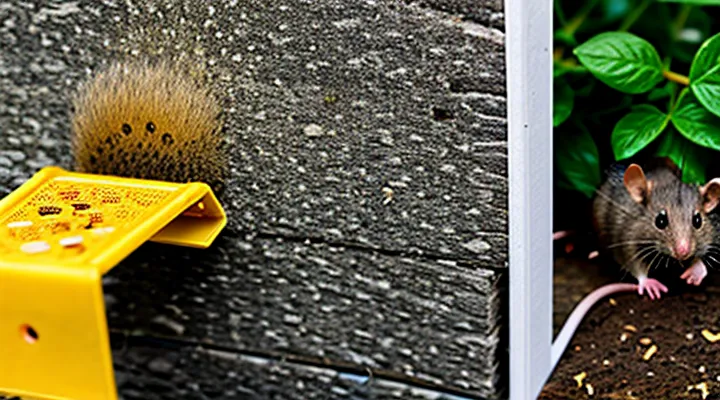
Components of a Sticky Trap
Sticky traps consist of several distinct elements that together ensure effective rodent capture. The primary component is a high‑adhesion surface coated with a non‑toxic, fast‑acting glue. This adhesive layer is typically applied to a flexible polymer film that provides durability and resistance to tearing.
A protective backing, often a thin paper or plastic sheet, shields the adhesive until deployment. Once the trap is positioned, the backing is removed to expose the sticky surface. Optional attractants, such as grain or pheromone‑based lures, are incorporated in a small sachet or applied directly to the adhesive to increase detection rates.
The mounting system includes pre‑drilled holes or adhesive strips that allow secure placement on walls, floors, or equipment. Some designs feature a hinged release tab that facilitates safe handling and disposal after capture. Safety features may consist of a low‑visibility edge to reduce accidental contact and clear labeling indicating hazardous material.
The complete assembly is typically packaged in a sealed, moisture‑resistant pouch to preserve adhesive potency during storage. The combination of these components creates a reliable, low‑maintenance solution for controlling mouse and rat populations.
How They Work
Sticky traps are adhesive devices engineered to capture rodents by immobilizing them the moment their paws or tail touch the coated surface. The adhesive layer consists of a viscous, non‑drying polymer that remains tacky for extended periods, ensuring that any contact results in immediate adherence.
The capture process follows a clear sequence:
- Placement near established rodent pathways or near food sources creates a high‑probability encounter.
- When the animal steps onto the board, the adhesive bonds instantly to the fur and skin.
- The bond prevents the animal from withdrawing its limbs, effectively restricting movement.
- Inability to escape leads to exhaustion, dehydration, or exposure to predators, culminating in mortality.
Design parameters influence effectiveness. Surface area must accommodate the size of target species; larger boards capture rats, while smaller formats suit mice. Some models incorporate scent attractants—synthetic or natural—to increase encounter rates. Positioning at ground level or along walls aligns with typical rodent travel routes.
Safety considerations mandate sealed disposal after capture. Enclosing the trapped rodent within a rigid container prevents accidental release and minimizes exposure to pathogens. Proper handling protocols recommend wearing gloves and using a dedicated waste bag for disposal.
Advantages of Using Sticky Traps
Ease of Use
Sticky traps designed for rodent control require minimal preparation. The device arrives pre‑baited, eliminating the need for separate attractants. Placement involves pressing the adhesive surface onto a flat surface, then positioning the trap in known activity zones. No tools, no assembly, and no calibration are necessary.
Key aspects that enhance practical handling:
- Simple activation: removal of a protective film reveals the sticky layer instantly.
- Compact dimensions: traps fit into confined spaces such as wall cavities, under appliances, or inside cabinets.
- Immediate indication: captured rodents remain visible, allowing rapid assessment of effectiveness.
- Safe disposal: after use, the entire unit can be sealed in a plastic bag and discarded according to local waste guidelines, reducing exposure risk.
These characteristics streamline implementation, allowing users to deploy rodent control measures quickly and with confidence.
Non-Toxic Nature
Adhesive traps for rodents rely on a strong, non‑lethal adhesive surface to capture mice and rats. The capture mechanism contains no chemical poisons, eliminating the risk of secondary poisoning.
The adhesive matrix consists of food‑grade polymers that remain inert under normal conditions. No insecticides, rodenticides, or volatile compounds are incorporated, ensuring that the trap itself does not introduce toxins into the environment.
Human safety is enhanced by the absence of hazardous substances. Children, household staff, and non‑target animals are protected because the trap does not emit or release toxic residues. Disposal involves sealing the trap in a bag and discarding it according to local waste guidelines, without the need for decontamination procedures.
Environmental impact remains minimal. The product degrades without releasing harmful chemicals, complying with regulations that restrict the use of poison‑based control methods.
Key advantages of the non‑toxic design:
- No risk of accidental ingestion of poison by pets or wildlife.
- Compatibility with organic and integrated pest‑management programs.
- Simplified compliance with health‑ and safety legislation.
- Reduced liability for property owners and pest‑control operators.
Regulatory statements support the safety profile: «Adhesive rodent traps are classified as non‑poisonous devices, suitable for use in residential and commercial settings without additional protective measures».
Overall, the non‑toxic nature of glue‑based rodent traps provides an effective, safe, and environmentally responsible alternative to chemical control methods.
Cost-Effectiveness
Adhesive traps for rodents present a financially efficient solution for pest management. The initial purchase price of a single trap ranges from a few cents to a couple of dollars, considerably lower than the cost of electronic devices or professional extermination services. Because traps require no electricity, no chemical bait, and minimal handling, ongoing expenses remain negligible.
Key economic advantages include:
- Low unit cost permits extensive coverage of large infested areas without substantial budget impact.
- Absence of recurring consumables eliminates the need for regular replenishment of poison or attractants.
- Immediate disposal of captured pests reduces labor time; no additional equipment or training is necessary.
- Shelf life extends several years when stored in sealed packaging, preventing waste and further lowering long‑term expenditure.
When compared with alternative methods, adhesive devices consistently deliver a higher return on investment. Chemical baits involve regulatory compliance, safety equipment, and potential liability, all of which increase total cost. Mechanical snap traps, while inexpensive per unit, often require frequent resetting and present higher labor demands. Consequently, adhesive traps achieve the optimal balance of purchase price, maintenance simplicity, and operational effectiveness, establishing them as a cost‑effective component of integrated rodent control programs.
Disadvantages and Ethical Considerations
Animal Welfare Concerns
Adhesive traps for rodents generate significant animal welfare concerns. The glue surface immobilizes captured individuals, causing prolonged stress, respiratory distress, and potential injury from attempts to escape. Physical trauma may include torn limbs or severe skin damage when the animal struggles against the adhesive.
Non‑target species are frequently caught unintentionally. Small birds, reptiles, and beneficial insects can become entangled, resulting in unnecessary suffering and ecological disruption. The inability to differentiate species at the moment of capture increases the risk of collateral harm.
Release of trapped rodents is impractical. Once adhered, the animal cannot be safely removed without inflicting additional injury. Even if removal is attempted, the glue often remains on fur, leading to continued discomfort and possible infection after release.
Regulatory frameworks in many jurisdictions classify adhesive devices as inhumane. Legislation may restrict or prohibit their use, requiring pest managers to adopt alternative methods that align with humane standards.
Potential mitigation strategies include:
- Implementation of live‑capture traps that allow safe release after humane euthanasia.
- Deployment of exclusion techniques such as sealing entry points and habitat modification.
- Use of bait stations with rodenticides approved for minimal non‑target impact, combined with strict monitoring protocols.
Overall, the welfare implications of glue‑based rodent control demand careful assessment and consideration of more humane, effective alternatives.
Potential for Non-Target Catches
Sticky traps designed to capture rodents inevitably present a risk of catching non‑target species. Small mammals, ground‑dwelling birds, reptiles, and insects may become entangled when they encounter the adhesive surface while foraging or moving through the environment.
Factors that increase the likelihood of incidental captures include:
- Placement near vegetation, mulch, or debris where non‑target organisms are active.
- Use of highly attractive baits that appeal to a broad range of animals.
- Deployment in habitats with high biodiversity, such as gardens, orchards, and woodland edges.
- Absence of physical barriers or exclusion devices that limit access to the adhesive surface.
Mitigation measures focus on reducing exposure without compromising efficacy against mice and rats:
- Position traps along established rodent pathways, away from plant cover and nesting sites of beneficial wildlife.
- Employ bait stations that restrict access to target species by size or behavior, such as narrow entry holes.
- Install protective guards or mesh screens that allow rodents to reach the adhesive while preventing larger animals from contacting it.
- Conduct regular inspections, removing captured non‑target individuals promptly to prevent suffering and secondary predation.
- Limit the number of traps per area to the minimum required for effective control, thereby decreasing overall trap density.
By applying these practices, pest managers can achieve reliable rodent suppression while minimizing unintended impacts on surrounding fauna.
Limitations in Severe Infestations
Adhesive devices offer a quick, low‑cost option for rodent control, yet their performance deteriorates when infestations reach substantial levels. In such circumstances the traps encounter several practical constraints.
- Limited capture capacity: each unit can secure only a few individuals before the adhesive surface becomes saturated, reducing effectiveness in dense populations.
- Placement challenges: high‑traffic zones and concealed nesting sites often remain inaccessible, leaving a significant portion of the colony untreated.
- Non‑selectivity: unintended capture of non‑target wildlife or domestic pets can arise, creating additional management and ethical concerns.
- Hygiene considerations: accumulation of dead rodents on the glue surface poses health risks and necessitates frequent removal, increasing labor.
- Regulatory restrictions: some jurisdictions impose limits on the use of adhesive traps for pest control, requiring compliance documentation.
- Overwhelming numbers: when rodent density exceeds the combined capacity of available traps, population decline stalls, and the infestation may persist despite extensive deployment.
«Efficacy of glue traps declines in high‑density rodent populations» illustrates the correlation between trap saturation and reduced mortality rates. Consequently, severe infestations demand an integrated approach that combines adhesive devices with methods such as bait stations, exclusion techniques, and habitat modification. This layered strategy addresses the shortcomings of any single tactic and enhances overall control outcomes.
Proper Placement and Usage
Identifying High-Traffic Areas
Effective deployment of adhesive traps depends on precise placement within rodent pathways. Locating zones where mice and rats travel most frequently maximizes capture rates and reduces the number of traps required.
Common high‑traffic locations include:
- Along walls where rodents run close to structural supports.
- Near entry points such as doorways, windows, and utility openings.
- Around food storage areas, including pantries, cabinets, and kitchen countertops.
- Beneath appliances and equipment that create shelter, for example refrigerators, dishwashers, and heating units.
- In crawl spaces, basements, and attics where darkness and concealment are abundant.
- Adjacent to plumbing fixtures, especially sinks and drains that provide water sources.
Verification of activity can be achieved by inspecting for:
- Droppings of consistent size and shape.
- Gnaw marks on wires, wood, or insulation.
- Smear marks or urine stains along walls.
- Fresh footprints in dust or loose debris.
Targeting these identified pathways ensures that adhesive traps intercept rodents during natural movement, delivering a reliable control solution without excessive resource expenditure.
Best Practices for Setup
Effective rodent control using adhesive devices depends on precise installation. Correct placement maximizes capture rates while minimizing non‑target exposure.
- Identify high‑traffic zones by inspecting droppings, gnaw marks, and nesting material.
- Position traps perpendicular to the wall, with the adhesive surface facing the expected line of travel.
- Secure traps on flat, dry surfaces; avoid placement on textured or moist materials that reduce adhesion.
- Maintain a minimum distance of 12 inches between individual traps to prevent overlapping fields.
- Use protective backing until the trap is ready for deployment, reducing premature contact.
Safety measures require sealing traps in areas inaccessible to children and pets. Store unused devices in locked containers, and wear disposable gloves when handling captured specimens.
Regular inspection, at least once daily, ensures timely removal of trapped rodents and replacement of saturated traps. Prompt disposal prevents odor buildup and maintains the effectiveness of remaining devices.
Maintenance and Disposal
Proper upkeep of adhesive devices ensures sustained efficacy against rodent incursions. Routine inspection should occur at least once daily; any compromised or saturated units must be replaced promptly. Clean surfaces around traps to prevent dust accumulation that could diminish adhesive strength. Record inspection dates and trap conditions in a log for traceability.
Safe removal procedures protect personnel and prevent accidental release of captured pests. Wear disposable gloves, detach the trap from its mounting point, and seal it within a rigid, puncture‑resistant container. Label the container with hazard warnings and store it in a locked area pending disposal.
Disposal actions must comply with local regulations governing pest control waste. Follow these steps:
- Transfer sealed containers to a designated hazardous‑waste collection service.
- Verify that transport vehicles meet containment standards.
- Document the transfer, including date, quantity, and receiving agency.
- Retain disposal certificates for audit purposes.
Environmental stewardship requires that adhesive residues not enter waterways. Choose biodegradable trap models when available, and dispose of them in accordance with municipal composting guidelines if approved. Regular maintenance coupled with compliant disposal minimizes health risks and sustains the reliability of the control program.
Alternatives to Sticky Traps
Snap Traps
Snap traps remain a cornerstone of rodent management, offering rapid elimination without reliance on adhesive surfaces. Their mechanical action delivers immediate lethality, reducing the risk of prolonged suffering and eliminating the need for continuous monitoring.
Key characteristics of snap traps include:
- Spring‑loaded bar that releases with calibrated force, ensuring fatal impact on mice and rats.
- Compact design allowing placement in concealed locations such as wall voids, cabinets, and behind appliances.
- Reusability after each capture, minimizing recurring expenses.
- Compatibility with various bait options, from grain to synthetic attractants, to match target species preferences.
When integrated with sticky‑based control strategies, snap traps address limitations inherent to adhesive devices. While sticky surfaces provide passive capture, they may retain live rodents, leading to health hazards and odor issues. Snap traps complement this approach by delivering definitive removal, particularly in high‑traffic zones where swift action is required.
Effective deployment follows a systematic protocol: identify activity pathways, position traps perpendicular to travel routes, and maintain bait freshness. Regular inspection ensures traps remain functional and allows timely disposal of captured rodents, preserving sanitary conditions and preventing secondary infestations.
Live Traps
Live traps provide a humane alternative to adhesive devices for managing rodent populations. These cages capture mice and rats without causing injury, allowing for relocation or euthanasia according to local regulations. Construction typically involves a metal or plastic enclosure with a trigger mechanism that closes a door when the animal enters. Bait such as peanut butter, grain, or dried fruit increases capture efficiency.
Key advantages include:
- Preservation of target animal life, suitable for environments where killing is prohibited.
- Ability to monitor captured individuals, facilitating disease surveillance.
- Reusability after proper cleaning and disinfection, reducing long‑term costs.
Limitations to consider:
- Requirement for regular inspection to prevent stress or mortality inside the trap.
- Necessity of secure containment during transport to avoid escape.
- Potential for non‑target captures if bait attracts other wildlife.
Integration with adhesive control methods enhances overall effectiveness. While sticky boards deliver rapid reduction of active foragers, live traps address ethical concerns and provide data on species composition. Proper placement—along walls, near gnaw marks, and within established runways—optimizes capture rates for both approaches.
Professional Pest Control Services
Professional pest‑control operators integrate adhesive traps into comprehensive rodent‑management programs. These traps provide immediate detection, reduce population density, and limit secondary contamination in residential, commercial, and industrial environments.
Adhesive traps deliver several operational advantages. They require minimal installation time, generate verifiable capture records, and function without chemical exposure. Their discreet design prevents visual intrusion while maintaining efficacy against both mice and rats.
Typical service components include:
- Site assessment to identify infestation hotspots and determine optimal trap placement.
- Deployment of calibrated adhesive devices calibrated for target species and activity patterns.
- Ongoing monitoring with photographic documentation of captures for client reporting.
- Safe removal and disposal of trapped rodents in compliance with health‑regulatory standards.
- Post‑treatment evaluation to verify reduction thresholds and recommend preventive measures.
Professional providers combine technical expertise with regulatory knowledge, ensuring that adhesive‑trap interventions meet safety standards and achieve sustained rodent control.
Legal and Regulatory Aspects
Regional Regulations on Trap Usage
Adhesive rodent traps are subject to distinct legal frameworks that vary by region, influencing their permissible use, placement, and disposal. Regulatory bodies aim to balance effective pest control with animal welfare, environmental protection, and public health concerns.
In North America, individual states and provinces impose specific conditions. Some jurisdictions classify adhesive devices as “restricted traps,” requiring a pest‑control license for deployment. Others mandate clear labeling that includes hazard warnings, expiration dates, and instructions for humane removal of captured animals. European Union member states follow the Directive on the Protection of Animals Used for Scientific Purposes, which extends to certain lethal devices; national legislation often demands pre‑approval of trap designs and prohibits placement in areas accessible to non‑target wildlife. Australian states enforce the Animal Welfare Act, which restricts adhesive traps to indoor settings and obliges users to report incidents of accidental capture of protected species.
Typical regulatory requirements include:
- Mandatory registration of the trap model with the appropriate agricultural or environmental agency.
- Specification of allowable locations, excluding food‑handling areas, schools, and public parks unless a permit is obtained.
- Requirement for a visible warning label in the official language of the jurisdiction, detailing risks to non‑target organisms.
- Documentation of disposal procedures that prevent secondary poisoning or environmental contamination.
- Periodic inspection by a certified pest‑control professional to verify compliance with placement and maintenance standards.
Compliance strategies focus on thorough record‑keeping, staff training on legal constraints, and selection of trap products that carry recognized certification marks. Operators should integrate regulatory checks into routine pest‑management plans, ensuring that each deployment aligns with local statutes and that captured specimens are handled according to prescribed humane practices. Failure to observe these rules can result in fines, revocation of licensing, or civil liability for wildlife harm.
Ethical Guidelines for Pest Control
Ethical pest‑control practices require adherence to established humane standards, legal obligations, and professional responsibility. Operators must prioritize the welfare of target animals while ensuring effective management of rodent populations.
Key principles include:
- Necessity: intervention only when rodent activity poses a clear health, safety, or structural risk.
- Proportionality: selection of control methods that achieve the objective with the least possible distress.
- Alternatives: assessment of non‑lethal options, such as exclusion, sanitation, and habitat modification, before employing adhesive devices.
- Compliance: alignment with local animal‑protection legislation and industry guidelines.
- Documentation: recording of justification, placement strategy, monitoring results, and disposal procedures.
Implementation steps:
- Conduct a site inspection to identify infestation level and entry points.
- Evaluate non‑lethal measures; proceed to adhesive traps only if they represent the most appropriate solution.
- Choose traps designed to minimize suffering, featuring smooth surfaces and rapid immobilization.
- Position traps in locations that limit accidental capture of non‑target species, using barriers or bait specificity.
- Monitor traps at intervals that prevent prolonged entrapment; remove captured rodents promptly.
- Dispose of captured animals according to humane guidelines, employing methods that avoid unnecessary pain.
- Review outcomes and adjust the control plan to reduce future reliance on lethal devices.
«The humane use of traps requires that the animal’s distress be minimized and that the method be justified by a demonstrable need». Compliance with this directive safeguards ethical integrity while maintaining effective rodent management.