
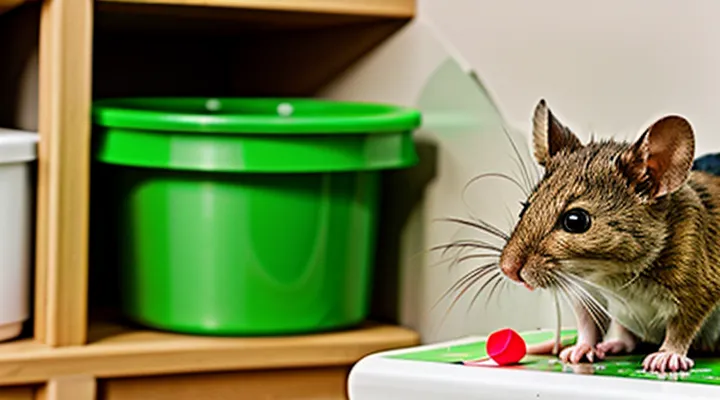
Understanding Mouse Infestations
Common Signs of Mice Presence
Droppings and Urine Trails
Droppings and urine trails provide the most reliable indicators of mouse activity, allowing precise placement of adhesive traps. Fresh droppings appear as small, dark pellets about 3‑5 mm long; older deposits turn lighter and may crumble. Urine trails are invisible to the naked eye but can be detected by a faint, damp odor or by using a black light, which makes the residue fluoresce.
Identifying these signs enables targeted deployment of sticky tape, increasing capture rates while minimizing waste. Follow these steps:
- Inspect corners, cabinets, and behind appliances for droppings; note the direction of accumulation.
- Use a handheld UV flashlight to reveal urine stains on surfaces such as countertops, baseboards, and walls.
- Mark the highest concentration points with a temporary, non‑permanent indicator.
- Position adhesive strips perpendicular to the identified pathways, ensuring the sticky side faces outward.
- Replace strips after each capture or when the adhesive surface becomes contaminated.
Consistent monitoring of droppings and urine trails also reveals changes in rodent movement, allowing adjustments to trap locations before infestations spread. Maintaining a clean environment reduces alternative food sources, making the adhesive solution the primary deterrent.
Gnaw Marks and Damage
Mice leave distinctive gnaw marks on wood, plastic, cables and insulation. Cuts are typically clean, V‑shaped, and appear at predictable entry points such as gaps under doors, behind appliances or along baseboards. The size of the bite correlates with the rodent’s age; larger incisors indicate mature individuals.
These marks serve as primary evidence of infestation and reveal the extent of structural compromise. Continuous chewing can sever electrical wiring, undermine support beams and expose insulation, creating fire hazards and escalating repair costs. Early identification of gnaw damage limits secondary problems and informs targeted control measures.
Adhesive traps positioned near observed gnaw sites intercept mice before they enlarge openings or damage critical components. The tape’s transparent surface allows visual confirmation of capture without disturbing surrounding materials. Regular inspection of trap locations also highlights new gnaw activity, prompting immediate remedial action.
Typical damage associated with mouse gnawing:
- Exposed copper or aluminum wiring
- Frayed insulation on cables
- Cracked or splintered wooden frames
- Punctured plastic piping
- Chewed foam or rubber seals
Effective management requires a systematic approach: survey premises for fresh gnaw marks, install adhesive traps at identified hotspots, check traps daily, and repair or replace compromised elements promptly. Consistent monitoring reduces the likelihood of extensive damage and maintains structural integrity.
Nests and Hiding Spots
Adhesive mouse traps rely on accurate placement, which in turn depends on understanding where rodents build nests and conceal themselves. Mice typically select locations that provide warmth, food proximity, and protection from predators. Identifying these areas maximizes trap efficiency and reduces unnecessary exposure of non‑target organisms.
Common nesting and hiding sites include:
- Wall voids and gaps behind baseboards.
- Underneath appliances such as refrigerators, stoves, and dishwashers.
- Inside storage boxes, cardboard cartons, and paper piles.
- Within insulation cavities and ceiling joists.
- Beneath furniture legs, especially in corners where debris accumulates.
Each site offers a predictable travel route. Positioning adhesive strips along these pathways intercepts mice as they move between food sources and shelter. Ensure the tape contacts the surface directly, avoiding smooth finishes that diminish adhesion. Replace strips regularly, as moisture or debris can compromise stickiness.
By targeting the specific environments where rodents establish nests and concealment points, the sticky‑tape approach resolves the infestation with minimal effort and maximum effectiveness.
Reasons for Mouse Infestations
Food Sources and Attractants
Effective mouse capture with adhesive traps depends on selecting food sources that trigger strong foraging behavior. Mice prefer high‑energy, carbohydrate‑rich items and will investigate any scent that suggests a readily available meal. The most reliable attractants include:
- Peanut butter – dense, aromatic, and difficult for rodents to ignore.
- Sunflower or corn seeds – natural grain preferences, easily detectable by scent.
- Chocolate or caramel bits – sweet, high‑calorie profiles that stimulate rapid approach.
- Commercial rodent lures – formulations containing powdered cheese, bacon flavor, or synthetic pheromones designed for rapid detection.
When applying these baits, place a minimal amount directly on the adhesive surface to avoid excessive smearing, which can reduce trap effectiveness. Position the trap along established mouse pathways—near walls, behind appliances, and close to known food storage areas—to increase encounter probability. Regularly inspect and replace traps after several captures or when bait loses potency, ensuring consistent attraction and optimal trap performance.
Entry Points and Vulnerabilities
Adhesive traps rely on precise placement at locations where rodents naturally seek shelter, food, or passage. Identifying these entry points and the weaknesses they expose is essential for an effective control strategy.
Mice exploit structural gaps, utility penetrations, and interior clutter. Typical vulnerabilities include:
- Gaps under doors and windows larger than ¼ inch.
- Openings around pipes, cables, and vent ducts.
- Cracks in foundation walls or floorboards.
- Unsealed openings at the backs of appliances and cabinets.
- Stacked items that create concealed pathways.
To maximize capture rates, position sticky strips directly over these weak spots. Align the adhesive surface perpendicular to the expected travel direction, ensuring the trap is flush with the substrate to prevent avoidance. In high‑traffic zones, such as along baseboards or beneath shelving, use overlapping strips to eliminate any bypass corridor. Regular inspection of the traps allows prompt replacement before loss of adhesion reduces effectiveness.
By targeting the specific routes and structural deficiencies that mice habitually use, adhesive solutions become a focused, low‑maintenance method for eliminating infestations.
Sticky Tape as a Solution
How Sticky Traps Work
Adhesive Mechanism
Adhesive mechanisms in mouse‑capture tape rely on pressure‑sensitive polymers that bond instantly under light pressure. The polymer matrix, typically a blend of acrylic or rubber compounds, provides high tack while maintaining enough flexibility to conform to the animal’s fur and skin. When the tape contacts a mouse, molecular attraction between the adhesive and the surface creates a rapid bond that resists peeling forces generated by the animal’s movements.
The adhesive layer is engineered for a specific balance of peel strength and shear resistance. Peel strength determines how firmly the tape adheres at the moment of contact; a high value ensures the mouse cannot detach with a single pull. Shear resistance governs the ability of the bond to hold under sustained tension, preventing escape as the mouse struggles. Adjusting the polymer composition and the degree of cross‑linking tailors these properties to the target pest’s size and activity level.
Surface energy of the tape backing influences adhesion. Low‑energy substrates, such as polyethylene film, reduce unwanted sticking to non‑target surfaces while preserving contact with the mouse’s fur, which presents a relatively high surface energy. The backing also contributes to durability, protecting the adhesive from environmental degradation.
Environmental factors affect performance. Elevated temperature lowers the adhesive’s viscosity, increasing tack but potentially reducing shear resistance. High humidity can cause moisture absorption, altering surface energy and weakening the bond. Manufacturers compensate by adding stabilizers and moisture‑resistant additives to maintain consistent behavior across typical indoor conditions.
Effective mouse‑capture tape incorporates:
- A pressure‑sensitive acrylic or rubber adhesive with calibrated peel and shear values.
- A low‑energy, flexible backing that shields the adhesive and limits accidental sticking.
- Additives that stabilize performance against temperature fluctuations and humidity.
These design elements combine to create a reliable trapping solution that immobilizes rodents quickly and securely, minimizing escape risk and simplifying pest‑control operations.
Trap Placement Strategies
Adhesive tape traps capture mice effectively when placed according to rodent movement patterns and environmental cues. Successful placement minimizes escape routes and maximizes contact with the baited surface.
Position traps along established pathways. Mice travel near walls, under furniture, and through concealed openings. Align the sticky surface parallel to the wall, within 2–3 inches of the baseboard, to intersect natural travel routes.
Target high‑traffic zones. Identify areas with droppings, gnaw marks, or food residue. Place traps directly beneath these signs, ensuring the adhesive side faces upward and is free of dust or debris.
Secure traps near entry points. Seal gaps around doors, windows, and utility penetrations, then position a tape trap immediately inside each opening. This creates a barrier that intercepts mice before they infiltrate interior spaces.
Use multiple traps in clusters. Arrange three to five traps spaced 12–18 inches apart in a line that follows the suspected route. The arrangement increases the probability of capture while allowing rodents to encounter at least one adhesive surface.
Maintain trap integrity. Replace traps when the adhesive loses tackiness or after a capture to prevent secondary escape. Regular inspection every 24 hours ensures consistent effectiveness.
By aligning placement with rodent behavior, focusing on concealed pathways, and maintaining trap condition, sticky tape solutions achieve reliable mouse control with minimal effort.
Advantages of Using Sticky Traps
Non-Toxic and Chemical-Free
The adhesive surface used to trap rodents can be manufactured without toxic substances, ensuring safety for humans, pets, and the environment. Formulations rely on natural polymers such as cellulose or biodegradable starch derivatives, eliminating the need for synthetic resins, solvents, or pesticide residues. This approach prevents accidental ingestion or skin irritation, a common concern with conventional rodent control products that contain anticoagulants or neurotoxins.
Key advantages of a non‑toxic, chemical‑free sticky trap include:
- Human health protection: No hazardous chemicals are released into indoor air, reducing respiratory risks.
- Pet safety: Animals that may inadvertently contact the trap are not exposed to lethal compounds.
- Environmental impact: Biodegradable materials break down naturally, minimizing landfill waste.
- Regulatory compliance: Products meet strict safety standards in regions that restrict rodent control chemicals.
Implementation requires proper placement to maximize capture efficiency while maintaining the non‑toxic integrity of the adhesive. Regular monitoring and prompt disposal of trapped rodents prevent secondary contamination. By selecting an adhesive based on natural, inert ingredients, users achieve effective rodent management without compromising health or ecological standards.
Easy to Set Up and Dispose Of
The adhesive trap consists of a thin, transparent strip coated with a high‑strength, non‑toxic glue. The strip can be cut to any length, allowing placement in narrow passages where rodents travel. No tools beyond scissors are required; the user simply removes the protective backing and positions the sticky side against the wall, floor, or baseboard.
Installation steps:
- Cut the tape to the desired length.
- Peel off the release paper.
- Press the adhesive surface firmly onto a clean, dry surface.
- Position additional strips in a staggered pattern to increase coverage.
The trap remains effective for several days without maintenance. Once mice are captured, the entire strip can be lifted and sealed in a disposable bag. The sealed bag should be placed in regular household waste; the adhesive does not contaminate other refuse streams. After disposal, any residue on the surface can be removed with a mild solvent or warm, soapy water, leaving no lasting marks.
Because the product requires no assembly, no electricity, and no chemical sprays, it minimizes setup time and eliminates complex cleanup procedures. The straightforward design ensures that users can deploy and discard the traps with minimal effort and without specialized knowledge.
Cost-Effective Option
Adhesive traps present a low‑cost method for rodent control. A standard roll of commercially available mouse‑catching tape costs between $1.50 and $2.00 and covers approximately 30 square feet. One square foot can hold several traps, allowing a single roll to service multiple infested areas.
Key cost considerations:
- Initial purchase: Bulk packs of tape reduce per‑roll price to under $1.20.
- Application frequency: Tape retains effectiveness for 3–5 days, limiting replacement intervals.
- Disposal: Traps are sealed in a plastic bag before disposal, eliminating additional waste‑handling fees.
When compared with snap traps, glue traps reduce material expense by 40–60 % and require no ammunition. Compared with electronic devices, the price difference exceeds 80 %. The modest investment aligns with budget constraints while delivering reliable capture rates.
To maximize value, place strips along walls, behind appliances, and near known activity zones. Overlap sections by 2 cm to prevent mice from bypassing gaps. Replace only the sections showing reduced adhesion, preserving the remainder of the roll for future use.
Overall, adhesive trapping offers a financially efficient solution that balances affordability with effectiveness in rodent management.
Limitations and Ethical Considerations
Potential for Inhumane Trapping
Adhesive mouse traps present a significant risk of causing prolonged distress to captured rodents. When a mouse contacts the surface, its paws and fur become entangled, often leading to immobilization, loss of blood flow, and severe injuries before death occurs. The lack of a rapid, humane kill mechanism distinguishes this method from snap traps or professional pest‑control devices that are designed to induce immediate unconsciousness.
Key concerns include:
- Sustained pain: The animal may struggle for minutes or hours while attempting to free itself.
- Secondary injuries: Struggling can cause torn skin, broken limbs, and internal damage.
- Non‑target capture: Small birds or insects can become stuck, extending the ethical implications beyond rodents.
- Regulatory compliance: Many jurisdictions classify adhesive traps as inhumane and restrict or prohibit their use in commercial or residential settings.
Mitigation strategies recommended for users who nonetheless employ adhesive devices:
- Place traps in concealed, low‑traffic areas to reduce accidental captures of non‑target species.
- Monitor traps at least every 30 minutes; remove and euthanize any captured animal promptly using an approved method.
- Employ alternative control methods—such as snap traps, electronic devices, or exclusion techniques—to eliminate reliance on adhesive surfaces.
- Document trap placement and removal times to demonstrate adherence to humane‑pest‑management standards.
By recognizing the inherent cruelty of adhesive trapping and implementing rigorous monitoring and alternative measures, operators can limit animal suffering while maintaining effective rodent control.
Risk to Other Animals
Sticky traps designed for rodent control can unintentionally capture non‑target species. The adhesive surface offers no discrimination between mice and other small animals that encounter it.
Common non‑target captures include:
- Domestic pets such as cats and small dogs that investigate the trap out of curiosity.
- Small wildlife, including shrews, hedgehogs, and juvenile birds, especially in outdoor or semi‑outdoor settings.
- Beneficial insects like beetles and spiders that may become trapped while traversing the floor.
These incidents cause pain, injury, and often death, raising ethical concerns and potentially violating local animal welfare regulations. Additionally, the presence of dead non‑target animals can attract secondary pests, worsening the infestation problem.
To reduce accidental captures:
- Position traps along mouse pathways, away from areas frequented by pets or wildlife.
- Use protective barriers, such as wire mesh or bait stations, that allow mice to access the adhesive while excluding larger animals.
- Monitor traps daily; remove any non‑target captures promptly to minimize suffering.
- Consider alternative control methods, such as live‑catch traps or exclusion techniques, when the risk to other animals is high.
Implementing these precautions aligns rodent management with humane standards and limits collateral damage to unintended species.
Recommended Usage Guidelines
When employing adhesive tape to capture rodents, follow a precise protocol to maximize effectiveness and minimize hazards.
Apply tape only to smooth, flat surfaces where mice travel, such as along walls, behind appliances, and under cabinets. Clean the area with a mild detergent, dry thoroughly, and ensure no food residues remain, as contaminants reduce adhesive strength.
Position strips at a height of 2–4 inches from the floor, aligning them perpendicular to known mouse pathways. Overlap adjacent pieces by at least 1 inches to eliminate gaps.
Limit exposure time to 24–48 hours. Inspect traps twice daily; remove captured rodents promptly, wearing disposable gloves, and seal them in a sealed bag before disposal in accordance with local regulations.
Store unused tape in a cool, dry place away from direct sunlight to preserve tackiness. Keep tape out of reach of children and non‑target animals; use barriers or bait stations to restrict access.
After removal, clean the surface with a solvent safe for the material (e.g., isopropyl alcohol) to eliminate residual adhesive before reapplying any other pest‑control measures.
Maximizing Effectiveness and Safety
Best Practices for Trap Placement
High-Traffic Areas
High‑traffic zones are the paths mice use most frequently when moving between food sources, water, and shelter. These routes typically include gaps under doors, along baseboards, behind appliances, and near plumbing fixtures. Their identification is essential for effective placement of adhesive traps.
Accurate placement of mouse‑catching tape in these corridors maximizes capture rates while minimizing the number of traps required. The adhesive surface should intersect the rodent’s natural line of travel; otherwise, mice may bypass the trap entirely.
Guidelines for locating high‑traffic areas:
- Examine walls for fresh gnaw marks, droppings, or urine stains.
- Follow visible tracks, such as smudged dust or shredded insulation.
- Identify structural openings: cracks, vent grilles, and utility entry points.
- Observe areas where food is stored or prepared, as they attract repeated visits.
Best practices for applying adhesive tape in identified zones:
- Cut tape to lengths that span the width of the pathway, ensuring no gaps remain.
- Secure tape firmly to a flat surface, avoiding wrinkles that could reduce stickiness.
- Position tape perpendicular to the expected direction of mouse movement.
- Replace or refresh tape promptly when it becomes saturated or loses adhesion.
- Keep tape away from pets and non‑target wildlife by installing barriers or using bait‑free sections.
Regular monitoring of trapped specimens provides data on activity patterns, allowing adjustments to trap placement as rodents shift to alternative routes. Consistent attention to high‑traffic areas therefore sustains a reliable, low‑effort control method.
Near Food Sources and Entry Points
Placement of adhesive mouse traps near food sources maximizes capture efficiency. Mice gravitate toward accessible nutrients; positioning strips adjacent to pantry shelves, countertop crumbs, or pet feeding stations intercept their foraging routes. The traps should contact surfaces where rodents travel, such as the edges of cabinets or the underside of counters, ensuring immediate contact with the adhesive surface.
Locating traps at entry points blocks ingress and forces mice to encounter the barrier before reaching sustenance. Common openings include gaps under doors, cracks around utility pipes, and holes in foundation walls. Seal larger openings after trap deployment to prevent re‑entry; maintain the trap at the exact perimeter of the sealed area.
Key placement guidelines:
- Identify all visible food spillage zones; place a strip within 12 inches of each.
- Install traps directly over known mouse pathways, especially along walls and behind appliances.
- Position one strip at every potential entry point, covering the full width of the opening.
- Replace traps after capture or when adhesive loses tack; inspect daily for activity.
- Combine trap use with sanitation measures to reduce attractants and sustain long‑term control.
Safe Handling and Disposal
Preventing Contact with Adhesive
Adhesive mouse traps provide an effective, low‑cost method for rodent control, but the tacky surface can cause skin irritation or accidental injury if handled improperly.
- Wear disposable nitrile or latex gloves before contacting any trap.
- Use long‑sleeved clothing to shield forearms and wrists.
- Keep a barrier such as a thin sheet of cardboard between the hand and the adhesive when moving traps.
Proper manipulation reduces the likelihood of direct contact.
- Approach the trap from the edge, avoiding the central sticky area.
- Use tweezers or forceps to lift and position the device.
- Place traps on a flat, non‑porous surface to prevent rolling or slipping.
Safe removal and disposal prevent secondary exposure.
- Submerge used traps in a sealed container filled with a solvent approved for adhesive breakdown.
- Allow the solvent to act for the recommended time, then discard the container according to local hazardous‑waste regulations.
- Clean gloves and tools with soap and water before reuse.
Following these precautions ensures that adhesive mouse trapping remains a simple, effective solution without compromising personal safety.
Proper Disposal of Trapped Mice
When adhesive traps capture rodents, immediate and sanitary disposal prevents disease transmission and secondary infestations. Follow these steps to handle trapped mice safely and responsibly.
- Wear disposable gloves before contacting the trap.
- Place the entire trap, mouse included, into a sealable plastic bag.
- Expel excess air, seal the bag tightly, and label it as biohazard waste.
- Dispose of the sealed bag in a municipal waste container designated for animal carcasses, or contact a licensed pest‑control service for pickup.
- Clean the work area with an EPA‑approved disinfectant, allowing the surface to remain wet for the recommended contact time.
- Wash hands thoroughly with soap and water after removing gloves, even if gloves were not visibly contaminated.
Document the disposal date, location, and method in a pest‑management log. Maintaining accurate records supports regulatory compliance and helps assess the effectiveness of the trapping program.
Alternative and Complementary Solutions
Exclusion Techniques
Sticky tape traps are effective for immediate capture, but lasting control requires preventing mice from re‑entering the environment. Exclusion techniques focus on sealing entry points, removing attractants, and maintaining structural barriers.
Identify all possible openings larger than a quarter‑inch. Common sites include gaps around pipes, vents, baseboards, and door frames. Apply steel wool, copper mesh, or silicone sealant to fill these spaces, ensuring a permanent barrier that rodents cannot gnaw through.
Eliminate food and water sources that draw mice indoors. Store dry goods in airtight containers, clean crumbs promptly, and fix leaking fixtures. Reducing available sustenance lowers the incentive for mice to explore gaps.
Install physical barriers in high‑risk zones. Use metal flashing around utility penetrations, install door sweeps, and fit rodent‑proof screens on vents. These measures block direct access while allowing airflow and utility function.
Implement a regular inspection schedule. At least once a month, examine seals, check for fresh gnaw marks, and replace worn tape traps. Early detection of new breaches prevents infestations from expanding.
Key exclusion steps
- Survey and catalog all structural gaps.
- Seal openings with durable, chew‑resistant materials.
- Secure food storage and eliminate moisture.
- Add metal or mesh barriers where needed.
- Conduct periodic inspections and maintenance.
Combining these exclusion strategies with adhesive traps creates a comprehensive solution that captures current mice and prevents future incursions.
Snap Traps and Live Traps
Snap traps and live traps are two conventional alternatives to adhesive methods for rodent control. Both devices can be employed alongside sticky tape strategies to increase overall effectiveness.
Snap traps operate by delivering a rapid mechanical force that kills the mouse instantly. They are inexpensive, require minimal maintenance, and provide immediate results. The primary considerations include proper placement, bait selection, and safe handling to avoid accidental injury. Disposal of captured specimens should follow local health regulations.
Live traps capture mice without inflicting injury, allowing relocation or humane euthanasia. Advantages consist of ethical acceptability, reuse of the trap, and reduced risk of contaminating the environment with blood or tissue. Effective use demands frequent monitoring, appropriate bait, and secure containment during transport. Failure to release animals promptly can cause stress or mortality.
Key comparative points:
- Cost: Snap traps are generally cheaper per unit; live traps have higher upfront cost but are reusable.
- Speed of outcome: Snap traps provide immediate elimination; live traps require ongoing observation.
- Humane considerations: Live traps avoid lethal outcome; snap traps result in instant death.
- Maintenance: Snap traps need occasional resetting; live traps must be emptied and cleaned after each capture.
- Integration with adhesive tape: Sticky tape can be positioned as a secondary barrier, directing mice toward either trap type and reducing escape routes.
Choosing between snap and live traps depends on the user’s priorities regarding cost, speed, ethical concerns, and willingness to manage trap maintenance. Combining either trap with adhesive barriers creates a layered approach that improves capture rates while addressing specific operational requirements.
Professional Pest Control Services
Professional pest control providers supplement simple adhesive traps with systematic assessment, targeted placement, and ongoing monitoring. Their expertise transforms an occasional sticky strip into a component of a comprehensive rodent management plan.
Key advantages of engaging a licensed service:
- Inspection of interior and exterior entry points, identification of structural vulnerabilities, and sealing of gaps that render adhesive devices ineffective.
- Selection of appropriate trap types, density, and positioning based on activity patterns, ensuring maximum capture rates.
- Documentation of captures, analysis of trends, and adjustment of strategies to prevent reinfestation.
- Compliance with health regulations, safe disposal of trapped rodents, and mitigation of secondary contamination risks.
- Access to advanced tools such as infrared cameras, bait stations, and exclusion barriers that complement adhesive solutions.
Integrating professional oversight reduces the time required to achieve a pest‑free environment, lowers the likelihood of recurrence, and protects property value. The combined approach leverages the immediacy of sticky traps while delivering long‑term control through expert intervention.