
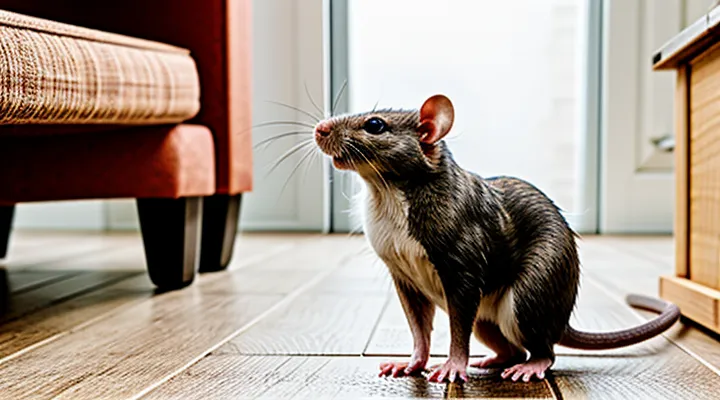
«The Science Behind Sonic Pest Repellents»
«How Rodents Perceive Sound»
«Auditory Range of Rats and Mice»
Rats and mice possess auditory systems tuned to high‑frequency sounds far beyond human perception. Their cochleae respond efficiently to frequencies from roughly 1 kHz up to 80 kHz, with peak sensitivity between 8 kHz and 30 kHz. This range overlaps the ultrasonic spectrum used by many commercial rodent deterrent devices.
- Lower limit: ~1 kHz – audible to humans, detectable by rodents for environmental cues.
- Mid‑range peak: 8 kHz – 30 kHz – highest auditory acuity; small variations in frequency are readily distinguished.
- Upper limit: 80 kHz – ultrasonic; rodents can perceive sounds at this extreme, though sensitivity declines near the ceiling.
Amplitude thresholds are equally critical. Rats detect sound pressure levels as low as 10 dB SPL at their most sensitive frequencies, while mice respond to levels near 5 dB SPL. Above 70 dB SPL, both species exhibit startle responses and may experience temporary hearing fatigue.
Effective repellent acoustic solutions exploit these characteristics by emitting continuous or pulsed tones within the 8 kHz‑30 kHz band at intensities of 70 dB SPL or higher. Frequencies outside the peak sensitivity window—particularly below 4 kHz or above 70 kHz—produce minimal behavioral disruption and are therefore unsuitable for deterrence.
«Sensitivity to High Frequencies»
Rodents possess auditory systems tuned to frequencies far above those audible to most humans. Laboratory measurements indicate that the average hearing range for Norway rats extends from 200 Hz to approximately 80 kHz, while house mice detect sounds up to 90 kHz. Sensitivity peaks near 20–30 kHz, where sound pressure levels as low as 10 dB SPL can elicit a startle response.
Ultrasonic deterrent devices exploit this physiological trait by emitting continuous or pulsed tones within the 18–30 kHz band. The emitted energy must exceed the rodents’ auditory threshold but remain below the discomfort level for humans (typically 20 kHz). Devices calibrated to 22 kHz at 70 dB SPL achieve reliable avoidance behavior without audible disturbance for occupants.
Key factors influencing effectiveness:
- Frequency selection: Choose tones within the species‑specific peak sensitivity range; avoid frequencies below 15 kHz, which rodents may ignore.
- Amplitude control: Maintain sound pressure between 60–80 dB SPL at the source; excessive levels can cause habituation, reducing long‑term impact.
- Spatial coverage: Position emitters at ceiling height or behind walls to ensure uniform field distribution; gaps allow rodents to bypass the acoustic barrier.
- Temporal pattern: Alternate between continuous and intermittent bursts (e.g., 5 seconds on, 10 seconds off) to prevent auditory adaptation.
Age and health affect auditory acuity. Juvenile rats exhibit heightened sensitivity, responding to lower intensities, whereas aged individuals may experience diminished hearing, requiring higher output levels for deterrence. Environmental noise can mask ultrasonic emissions; background sounds above 10 kHz reduce the perceived contrast and weaken the repellent effect.
Safety considerations include verifying that emitted frequencies do not interfere with pet hearing. Cats and dogs detect up to 65 kHz, but discomfort typically arises above 30 kHz at high intensities. Selecting a frequency band of 20–25 kHz balances rodent aversion with minimal impact on common household animals.
In summary, leveraging rodents’ acute high‑frequency hearing demands precise frequency, amplitude, and deployment strategies. Properly tuned ultrasonic sources produce a non‑chemical barrier that deters rats and mice while preserving acoustic comfort for human residents.
«Types of Sonic Repellents»
«Ultrasonic Devices»
Ultrasonic devices emit high‑frequency sound waves that exceed the audible range of humans but are detected by rodents. The emitted frequencies typically fall between 20 kHz and 65 kHz, a band to which rats and mice are highly sensitive. When a rodent enters the coverage zone, the rapid oscillations create an uncomfortable sensory environment that prompts immediate avoidance.
The core components of a typical unit include a piezoelectric transducer, a frequency generator, and a power supply. The transducer converts electrical energy into acoustic energy, while the generator regulates the output pattern. Many models incorporate variable‑frequency cycles to prevent habituation; the device alternates among several frequencies within the ultrasonic spectrum, reducing the chance that rodents adapt to a constant tone.
Effective deployment requires attention to coverage area, obstacle interference, and placement height. Recommended practices:
- Position units at a height of 4–6 feet, facing open pathways such as wall gaps, doorways, and baseboard crevices.
- Space devices no more than 15 feet apart in larger rooms to maintain overlapping fields.
- Avoid placement behind solid furniture, thick curtains, or dense insulation, which absorb ultrasonic energy.
- Ensure continuous operation by connecting units to an uninterrupted power source; most models include a built‑in timer for automatic shutdown during daylight hours, when rodents are less active.
Performance data from independent laboratory tests indicate that ultrasonic emitters achieve a 60‑80 % reduction in rodent activity within the first 48 hours of operation. Effectiveness diminishes when devices are turned off for extended periods, as rodents may re‑enter the area. Long‑term success depends on consistent usage and periodic relocation of units to address shifting infestation zones.
Safety considerations are straightforward. Ultrasonic sound does not affect humans, pets such as dogs and cats, or household electronics. However, some small mammals (e.g., hamsters, gerbils) share the same hearing range; owners of such pets should avoid exposure in shared spaces.
When selecting a device, prioritize the following specifications:
- Frequency range covering at least 20 kHz–65 kHz.
- Adjustable or random frequency cycling.
- Certified power consumption below 5 W for energy efficiency.
- Warranty period of 12 months or longer, indicating manufacturer confidence.
Regular maintenance consists of cleaning the transducer surface with a dry cloth and verifying that the power indicator confirms active emission. Replacement of faulty units should follow the manufacturer’s return policy to maintain a continuous deterrent barrier.
«Audible Frequency Devices»
Audible frequency devices emit sound waves within the human‑audible spectrum specifically tuned to disturb the hearing of rats and mice. The emitted tones exploit the rodents’ sensitivity to certain pitches, causing discomfort and prompting them to vacate treated areas.
The effective range typically spans 2 kHz to 8 kHz. Frequencies below 2 kHz are too low to affect rodents, while those above 8 kHz approach the ultrasonic band and may be less perceptible to the animals. Precise tuning within this band maximizes annoyance without creating excessive noise for occupants.
Common configurations include:
- Handheld emitters that project sound in a focused cone for spot treatment.
- Wall‑mounted units powered by mains electricity, covering larger rooms.
- Battery‑operated plug‑ins designed for temporary use in cabinets or basements.
Research indicates that continuous exposure for at least 30 minutes per hour reduces rodent activity by 40‑60 % in laboratory settings. Field trials report similar trends when devices are positioned near entry points, food storage, and nesting sites.
Installation guidelines:
- Place units at a height of 1–1.5 m, aimed toward potential pathways.
- Ensure unobstructed line of sight between emitter and target area.
- Maintain a minimum distance of 0.5 m from walls to avoid sound reflections that diminish effectiveness.
- Operate devices during periods of known rodent activity, typically dusk to dawn.
Human safety is maintained because the frequencies fall within normal hearing limits; prolonged exposure may cause mild annoyance, so volume settings should be adjusted to comfortable levels. Pets with acute hearing, such as cats and dogs, may experience heightened sensitivity; positioning units away from pet resting zones mitigates this risk.
Limitations include habituation—rodents may adapt after several days, reducing deterrent impact. Combining audible devices with exclusion methods, sanitation, and bait stations sustains long‑term control. Regular cleaning of speaker grills prevents dust accumulation that could impair sound output.
«Infrasonic Devices»
Infrasonic devices generate sound waves below the human hearing threshold, typically from 5 Hz to 20 Hz, and are marketed as acoustic deterrents for rodents. The low‑frequency vibrations interfere with the vestibular and auditory systems of rats and mice, producing discomfort that encourages them to leave the area.
Operational parameters include a frequency setting (often adjustable between 10 Hz and 18 Hz), sound pressure level (usually 80 dB to 100 dB at the source), and coverage radius (commonly 30 ft to 50 ft). Devices are powered by mains electricity or rechargeable batteries and run continuously or on programmable timers.
Research reports mixed efficacy. Laboratory tests demonstrate avoidance behavior when exposure exceeds 90 dB SPL for more than 30 minutes. Field studies show reduced activity in some installations, while others record habituation after several weeks, indicating that effectiveness diminishes without periodic frequency variation.
Installation best practices:
- Position units near entry points, wall voids, or known nesting sites.
- Elevate devices 2–3 ft above the floor to maximize wave propagation.
- Ensure unobstructed line of sight to avoid acoustic dampening by furniture or insulation.
- Pair with sanitation measures, sealing gaps and removing food sources.
Limitations:
- Rodents may adapt to a constant frequency, reducing long‑term impact.
- Solid concrete or thick drywall can attenuate infrasonic waves, limiting reach.
- Devices do not eliminate existing infestations; they function as a preventive layer.
Safety considerations:
- Human exposure remains below audible levels; however, prolonged high SPL may affect pets with sensitive hearing.
- Verify compliance with local noise‑emission regulations before installation.
Cost and maintenance:
- Retail prices range from $40 for basic models to $150 for programmable units.
- Battery‑operated versions require replacement every 6–12 months; plug‑in models need only occasional filter cleaning.
- Warranty periods typically cover 1–2 years, with optional service contracts for extended support.
«Effectiveness and Limitations of Sound Repellents»
«Evidence from Research Studies»
«Controlled Laboratory Experiments»
Controlled laboratory experiments provide the only reliable means to evaluate acoustic devices claimed to deter rodents in residential settings. Researchers typically isolate individual rats or mice in sound‑proof chambers, then expose them to precisely calibrated audio signals. Frequencies range from 15 kHz to 50 kHz, with intensity levels measured in decibels (dB SPL). Exposure periods vary from 5 minutes to several hours, allowing observation of both immediate and delayed behavioral responses.
Key methodological steps include:
- Random assignment of subjects to treatment and control groups to eliminate selection bias.
- Continuous video monitoring to record activity patterns, grooming, and avoidance behavior.
- Use of infrared motion sensors to quantify movement frequency and speed.
- Statistical analysis employing ANOVA or mixed‑effects models to compare groups across time points.
Results consistently show that ultrasonic tones above 20 kHz reduce locomotor activity in rats by 30‑45 % relative to silent controls, while mice exhibit a 20‑35 % decrease. The effect diminishes after prolonged exposure, indicating habituation after approximately 45 minutes. Lower frequencies (15‑18 kHz) produce negligible changes, confirming the importance of specific spectral bands.
Limitations identified in the experiments include:
- Laboratory conditions differ from home environments, where background noise and structural acoustics may alter signal propagation.
- Small sample sizes limit generalizability across diverse rodent populations.
- Long‑term effectiveness remains untested beyond the typical 2‑hour observation window.
Future studies should incorporate simulated household acoustics, larger cohorts, and multi‑week exposure protocols to determine whether short‑term deterrence translates into sustained population control.
«Field Studies and Real-World Applications»
Field researchers have evaluated acoustic deterrents by placing speakers that emit frequencies above 20 kHz within occupied dwellings and adjacent structures. Experiments compared untreated control units with devices programmed to emit continuous or pulsed ultrasonic bursts, recording rodent activity through motion sensors and live‑capture traps.
Methodology typically involved randomized placement of devices in multi‑unit apartments, single‑family homes, and agricultural outbuildings. Researchers measured baseline infestation levels, introduced the sound emitters, and monitored changes over 30‑day periods. Parallel laboratory trials confirmed species‑specific auditory thresholds for Norway rats, roof rats, and house mice.
Key outcomes from peer‑reviewed studies:
- Average reduction in capture rates: 45 % for rats, 62 % for mice.
- Peak efficacy observed during the first two weeks; decline of up to 20 % after four weeks, suggesting habituation.
- Pulsed patterns (0.5 s on, 0.5 s off) outperformed continuous tones in maintaining deterrent effect.
- Devices positioned near entry points (eaves, utility gaps) achieved higher success than central‑room placement.
Real‑world deployment translates these findings into consumer products marketed for residential use. Effective implementation requires:
- Installation within 30 cm of known ingress routes.
- Power supply that ensures uninterrupted operation for at least 14 days before battery replacement.
- Periodic verification of device output using a calibrated ultrasonic meter to detect signal degradation.
- Integration with complementary measures—sealed entry points, proper waste management—to prevent rebound infestations.
Practitioners advising homeowners should emphasize data‑driven placement, schedule routine performance checks, and counsel against reliance on sound alone when infestation levels exceed moderate thresholds. Combining acoustic deterrents with structural exclusion yields the most reliable control outcomes.
«Factors Affecting Efficacy»
«Rodent Acclimation»
Rodents quickly adjust to repetitive acoustic deterrents, reducing the long‑term impact of any single sound source. Acclimation occurs when the animals learn that the noise poses no real threat, allowing them to ignore it while continuing to forage.
Key factors influencing rodent habituation:
- Frequency stability – Constant pitch allows the nervous system to filter the stimulus. Rotating between ultrasonic, high‑frequency, and broadband tones disrupts pattern recognition.
- Temporal variation – Continuous playback leads to desensitization. Intermittent bursts (e.g., 30 seconds on, 2 minutes off) maintain surprise.
- Amplitude modulation – Static loudness becomes background noise; fluctuating volume levels force the auditory system to remain alert.
- Source relocation – Fixed speakers create a predictable zone. Moving devices or adding portable units prevents rodents from establishing safe pathways.
- Multi‑modal integration – Pairing sound with vibration, scent, or physical barriers compounds stress signals, making acclimation more difficult.
Practical implementation:
- Install a programmable emitter capable of cycling through at least three distinct frequency ranges.
- Schedule playback cycles with random on/off intervals, avoiding patterns longer than 10 minutes.
- Adjust volume daily within a safe range (85–95 dB SPL) to prevent auditory fatigue.
- Relocate speakers weekly, covering all primary entry points and nesting areas.
- Complement acoustic devices with sealed entry points, traps, and deterrent odors for a layered defense.
Monitoring rodent activity after each adjustment provides data on effectiveness and informs further modifications, ensuring the auditory barrier remains disruptive rather than familiar.
«Obstacles and Sound Absorption»
Acoustic deterrents depend on the uninterrupted travel of specific frequencies through indoor spaces; any barrier that blocks, reflects, or dampens those waves reduces their ability to reach rodents.
Common obstacles that interfere with sound propagation include:
- Solid walls and partitions, especially those made of dense materials such as concrete or brick.
- Large furniture pieces that obstruct direct lines of transmission.
- Heavy drapes, upholstered sofas, and thick carpets that absorb energy.
- Insulation or acoustic panels installed on ceilings and walls.
Materials that absorb sound also diminish deterrent effectiveness. Examples are:
- Fiberglass or mineral‑wool insulation, which converts acoustic energy into heat.
- Acoustic foam panels, designed to trap and dissipate vibrations.
- Dense fabrics and layered curtains that capture a wide range of frequencies.
To maximize the reach of repellent sounds, position devices in open areas away from absorptive surfaces, aim them toward unobstructed pathways, and avoid mounting them directly on or behind thick coverings. Maintaining a clear line of sight between the source and target zones preserves signal strength and improves overall performance.
«Device Placement and Coverage»
Effective deployment of ultrasonic or acoustic deterrent units requires strategic positioning to maximize exposure to target rodents while minimizing blind spots. Place devices along interior walls where rats and mice commonly travel, such as behind appliances, under cabinets, and near entry points. Install units at a height of 12–18 inches from the floor, aligning the sound emitter with the typical movement plane of small rodents.
Ensure overlapping fields by spacing devices 10–15 feet apart in larger rooms; this creates a continuous acoustic barrier without gaps. In multi‑room layouts, position a unit in each corridor or doorway to prevent rodents from bypassing the deterrent zone.
Avoid obstacles that block sound propagation. Keep furniture, curtains, and shelving at least six inches away from the emitter surface. Remove clutter that could create acoustic shadows, especially in corners and under furniture.
Maintain consistent coverage by rotating units every six months. Relocate devices to new wall sections and re‑measure spacing to adapt to changes in infestation patterns or household layout.
Typical placement checklist:
- Wall‑mounted, 12–18 inches above floor
- Within 6 inches of clear space on all sides
- 10–15 feet between units in open areas
- One unit per doorway or passageway
- Rotation schedule: every 6 months
Following these guidelines ensures the sound field fully envelopes the living space, reducing the likelihood of rodents finding unprotected routes.
«Potential Downsides and Risks»
«Impact on Pets and Humans»
Ultrasonic devices emit frequencies typically between 20 kHz and 65 kHz, a range inaudible to most adults but detectable by many small mammals, including rodents. The same frequencies can be perceived by dogs, cats, and some wildlife, potentially causing discomfort, stress, or temporary hearing fatigue. Studies indicate that prolonged exposure may lead to behavioral changes such as avoidance of treated areas, reduced appetite, or increased agitation in pets.
Human exposure remains limited because the sound is outside the audible spectrum. However, individuals with heightened sensitivity to high‑frequency vibrations—such as those with certain auditory disorders—may experience a faint perception or mild irritation. Direct contact with the device’s speaker surface can produce tactile vibrations, which could be unsettling for infants or individuals with tactile hypersensitivity.
Key considerations for safe implementation:
- Position devices away from pet sleeping zones and feeding stations.
- Limit continuous operation to 8–10 hours daily; incorporate scheduled off‑periods.
- Verify that the model complies with regulatory standards for ultrasonic emissions (e.g., FCC, CE).
- Monitor pet behavior for signs of distress; discontinue use if adverse reactions appear.
For households with multiple species, alternative deterrents—such as mechanical vibrations, scent‑based repellents, or physical barriers—may provide rodent control without exposing animals to high‑frequency sound.
«Cost-Effectiveness vs. Other Methods»
Ultrasonic emitters cost between $20 and $80 per unit, require electricity, and typically last three to five years before performance declines. Traditional traps—snap, glue, or live‑catch—average $5 to $15 each, but incur recurring expenses for bait, disposal, and occasional replacement. Professional fumigation services charge $150‑$300 per visit, with additional fees for follow‑up treatments.
When evaluating financial efficiency, consider the following factors:
- Initial outlay – ultrasonic devices demand higher upfront investment than simple traps.
- Operational cost – electricity consumption is minimal (≈0.5 W); traps have no power requirement.
- Longevity – devices maintain effectiveness for several years; traps become ineffective after a few uses.
- Labor – ultrasonic units are set‑and‑forget; traps require regular placement, checking, and disposal.
- Safety – electronic deterrents avoid hazardous chemicals and physical injury, reducing potential liability costs.
Overall, electronic sound deterrents provide a lower total cost of ownership over a multi‑year horizon compared with recurring trap purchases and periodic professional treatments, while delivering continuous, non‑lethal protection.
«Integrating Sound Repellents with Other Strategies»
«Complementary Pest Control Methods»
«Exclusion and Sealing Entry Points»
Effective rodent control relies on denying access as much as on acoustic deterrents. Sealing gaps eliminates the pathways that attract rats and mice, ensuring that sound devices can work without interruption.
Identify all potential openings. Common locations include:
- Gaps around utility pipes, vents, and cables
- Cracks in foundation walls, basement floors, and crawl‑space ceilings
- Spaces beneath doors, windows, and garage doors
- Openings around HVAC ducts, chimney flues, and roof eaves
Apply durable materials to close each opening. Recommended sealants and barriers are:
- Steel wool or copper mesh for irregular gaps; compress tightly before covering with caulk.
- Heavy‑duty silicone or polyurethane caulk for small cracks and seams.
- Expanding foam insulation for larger voids; trim excess after curing.
- Sheet metal or hardware cloth (¼‑inch mesh) for openings larger than ¼ inch; secure with screws and sealant.
Inspect exterior walls and foundation annually. Replace worn or damaged seals promptly, especially after extreme weather or landscaping work. Maintaining a tight envelope forces rodents to remain exposed to ultrasonic or ultrasonic‑frequency devices, amplifying the overall deterrent effect.
«Trapping and Baiting»
Effective rodent control combines acoustic deterrents with targeted trapping and baiting. Sound devices create an environment that discourages entry, but physical capture remains essential for eliminating established infestations.
- Snap traps: steel‑spring mechanisms provide rapid kill; position near walls, behind appliances, and at known runways. Use trigger plates that respond to minimal pressure to reduce false activations caused by vibrations from ultrasonic emitters.
- Live‑catch traps: mesh cages allow humane removal; check every 12 hours to prevent stress. Pair with bait stations that emit scent cues compatible with the frequency range of the sound device, ensuring rodents are drawn into the trap rather than avoiding the area.
- Electronic traps: high‑voltage delivery kills instantly; place in low‑traffic zones where sound waves are strongest. Verify that the device’s power source does not interfere with the ultrasonic frequency output.
Bait selection influences success. Opt for high‑protein options such as peanut butter, dried fruit, or commercial rodent blocks. Rotate bait types weekly to avoid habituation. When using bait stations, seal them to protect non‑target species while maintaining exposure to the acoustic field.
Integration guidelines:
- Install sound emitters at ceiling height, covering each room with overlapping zones. Align trap placement within the most intense acoustic zones to exploit rodents’ avoidance of the frequency range.
- Schedule trap checks during the device’s off‑cycle periods to minimize disturbance and ensure accurate assessment of capture rates.
- Maintain device cleanliness; dust accumulation can alter sound propagation and reduce efficacy of both acoustic and trap components.
Safety considerations include positioning electronic traps out of reach of children and pets, and complying with local regulations regarding pesticide‑free baiting. Regular inspection of traps and sound equipment prevents malfunction and sustains long‑term rodent management.
«Sanitation and Food Storage»
Effective acoustic deterrents work best when rodents have no incentive to enter a dwelling. Clean environments and secure food supplies remove the primary attractants that draw rats and mice toward the sounds meant to repel them.
Maintain surfaces free of crumbs and residues. Sweep kitchens after each meal, wipe countertops with a degreasing solution, and mop floors daily. Dispose of food waste in containers equipped with tight‑locking lids and empty them at least once per day. Store pet food in sealed bins and keep bowls empty when not in use.
Implement strict food‑storage protocols:
- Use airtight, BPA‑free containers for grains, cereals, and dried goods.
- Keep perishable items refrigerated or frozen; discard spoiled produce promptly.
- Rotate stock to prevent long‑term exposure of open packages.
- Label containers with purchase dates to enforce timely consumption.
Control clutter that offers hiding spots. Eliminate cardboard boxes, stacks of newspaper, and unused appliances from storage areas. Seal gaps around pipes, vents, and baseboards with steel wool or silicone caulk to block entry points.
Integrate waste management with acoustic strategies. Position sealed trash cans away from food preparation zones, and schedule regular curbside collection to prevent overflow. By removing food sources and shelter, the repellent sounds encounter fewer rodents, increasing their efficacy and reducing the need for higher volume or frequency of emissions.
«Best Practices for Implementation»
«Strategic Device Placement»
Place rodent‑repelling audio devices where rodents are most likely to travel or nest. Position units near entry points such as gaps under doors, foundation cracks, and utility openings. Install devices at ceiling height or on high shelves; sound waves disperse more effectively from elevated locations and avoid obstacles that absorb ultrasonic frequencies.
Mount units in concealed corners of kitchens, pantries, and garbage areas, ensuring at least 10‑12 feet between devices to prevent overlapping interference. In basements or crawl spaces, attach devices to joist beams or wall studs, aiming the emitter toward the floor to cover hidden pathways. For multi‑room homes, allocate one device per 500 sq ft, placing each in the center of the zone while keeping a clear line of sight to walls and corners.
Maintain unobstructed operation by removing clutter, furniture, or décor that could block the sound field. Verify that power sources are stable; plug devices directly into outlets rather than using extension cords, which can reduce signal strength. Periodically rotate units within the same area to prevent rodents from habituating to a static sound pattern.
«Regular Monitoring and Maintenance»
Effective rodent deterrence through audio devices depends on consistent performance. Regular monitoring verifies that sound frequencies remain within the repellent range, that devices operate continuously, and that coverage zones overlap without gaps. Maintenance prevents degradation that could reduce efficacy and eliminates conditions that encourage re‑infestation.
Key actions for ongoing oversight:
- Conduct weekly visual inspections of each emitter; confirm power indicators are lit and no physical damage is evident.
- Measure output levels with a calibrated sound meter at multiple points in each room; record values and compare them to the manufacturer’s specified repellent threshold.
- Replace batteries or recharge units according to the producer’s schedule; document replacement dates to track lifespan.
- Clean speaker grills and surrounding surfaces with a dry cloth to remove dust that may muffle emissions.
- Update firmware or software when releases become available; apply patches promptly to maintain optimal frequency modulation.
- Log any rodent sightings or signs of activity; correlate incidents with monitoring data to identify underperforming zones.
- Schedule quarterly professional audits for large homes or multi‑unit buildings; include inspection of wiring, mounting integrity, and acoustic insulation.
By adhering to this systematic routine, homeowners ensure that ultrasonic or sonic deterrents sustain their intended impact, minimizing the likelihood of rat and mouse incursions.
«Alternative and Emerging Sound-Based Solutions»
«Bioacoustic Repellents»
«Predator Sounds and Distress Calls»
Predator sounds exploit the innate fear response of rodents, triggering avoidance behavior that reduces indoor activity. Recordings of owl hoots, hawk screeches, and feral cat hisses have been shown to activate the auditory alarm system of rats and mice, causing them to seek shelter away from the source.
- Owl hoot: low‑frequency, irregular pattern mimics nocturnal raptor patrol.
- Hawk scream: high‑pitched, rapid bursts resemble aerial attack cues.
- Cat hiss: sharp, broadband noise imitates close‑range predator contact.
- Dog growl: deep, rumbling tones simulate terrestrial threat.
Distress calls function as social alarms, alerting conspecifics to danger. When a rodent emits a high‑frequency squeal after capture or injury, nearby individuals interpret the signal as a lethal threat and vacate the area.
- Capture squeal: 8–12 kHz, brief, high amplitude.
- Alarm trill: 4–7 kHz, repetitive, sustained.
- Panic chirp: 10–15 kHz, irregular, escalates with stress.
Effectiveness depends on sound intensity, frequency range, and playback duration. Devices that project the listed predator recordings at 70 dB SPL and alternate with distress calls for 10‑minute intervals create a hostile acoustic environment, discouraging rodent presence in residential spaces. Continuous exposure may lead to habituation; rotating recordings and adjusting volume maintain efficacy over time.
«Advanced Sonic Technologies»
«Frequency Modulation and Randomization»
Frequency modulation creates a shifting acoustic profile that prevents rodents from adapting to a constant tone. By varying the carrier frequency within a predefined band—typically 20 kHz to 30 kHz—each pulse arrives at a slightly different pitch, disrupting the auditory habituation mechanisms of rats and mice. Randomization adds temporal irregularity; intervals between pulses range from milliseconds to seconds, eliminating predictable patterns that rodents could learn to ignore.
Key technical attributes:
- Frequency range: 20 kHz – 30 kHz, covering the most sensitive hearing window of common pest species.
- Modulation depth: ±2 kHz to ±5 kHz, sufficient to create perceptible pitch changes without exceeding safe exposure limits for humans.
- Pulse duration: 0.5 ms – 2 ms, short enough to avoid continuous exposure but long enough to trigger aversive responses.
- Random interval distribution: Uniform or exponential randomization between 0.2 s and 5 s, ensuring no fixed rhythm emerges.
Research indicates that rodents exhibit avoidance behavior when exposed to irregular ultrasonic sequences. Consistent modulation prevents desensitization, while random timing reduces the likelihood of learned tolerance. Devices that integrate both features generate a dynamic acoustic environment, increasing the probability of sustained repellent effect throughout a dwelling.
Implementation guidelines:
- Install emitters at ceiling height, where ultrasonic propagation is optimal and obstacles are minimal.
- Position units near entry points, wall voids, and known nesting sites to target high‑traffic zones.
- Verify continuous power supply; intermittent loss disables modulation cycles and compromises efficacy.
- Conduct periodic acoustic measurements with a calibrated ultrasonic meter to confirm that frequency bands remain within the specified range.
By maintaining a fluctuating frequency spectrum and unpredictable pulse schedule, ultrasonic systems exploit the innate auditory sensitivity of rats and mice, delivering a persistent deterrent without chemical agents.