
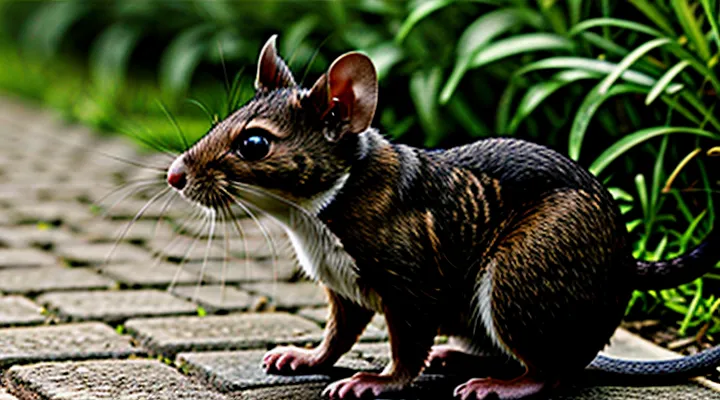
Understanding Mouse Hearing and Behavior
The Auditory Range of Mice
Frequencies Mice Can Detect
Mice possess a highly developed auditory system that operates well beyond the human hearing range. Their cochlea is tuned to detect sounds from low‑frequency vibrations up to ultrasonic levels, allowing them to respond to a broad spectrum of acoustic cues.
Research indicates that the detectable frequency band for Mus musculus spans approximately 1 kHz to 100 kHz. Within this interval, sensitivity is not uniform; the greatest auditory acuity occurs between 10 kHz and 20 kHz, where threshold levels drop to a few decibels SPL. Frequencies above 30 kHz remain perceptible, though detection thresholds rise sharply, reducing effectiveness for behavioral influence.
Key points on mouse hearing:
- Lower limit: ~1 kHz, useful for environmental and predator sounds.
- Peak sensitivity: 10–20 kHz, optimal for communication and alarm calls.
- Upper limit: ~100 kHz, includes ultrasonic emissions used for navigation.
- Threshold variation: lowest around 10 kHz; increases progressively above 30 kHz.
Understanding these auditory characteristics informs the design of acoustic deterrents. Devices that emit sustained tones or modulated pulses within the 10–20 kHz window exploit the mouse’s most responsive range, while ultrasonic emitters targeting 30–50 kHz can supplement deterrence when lower frequencies are impractical. Effective implementations combine frequency selection with appropriate amplitude to ensure audibility without causing undue disturbance to non‑target species.
Differences from Human Hearing
Mice detect frequencies far beyond the upper limit of human auditory perception. While the average adult human hears up to roughly 20 kHz, mice respond to sounds extending to 80–100 kHz. This expanded range enables ultrasonic devices to target rodents without producing audible disturbance for people.
The auditory sensitivity of mice peaks around 15–20 kHz, a region that overlaps the high end of human hearing but is amplified by their cochlear structure. Their inner ear contains a greater density of hair cells tuned to ultrasonic vibrations, allowing precise discrimination of rapid frequency changes.
Key distinctions include:
- Frequency range: humans 20 Hz–20 kHz; mice 1 kHz–100 kHz.
- Threshold of detection: mice react to sound pressure levels as low as 30 dB SPL at ultrasonic frequencies, whereas humans require higher SPLs in the audible band.
- Temporal resolution: mice resolve intervals as short as 1 ms, granting them the ability to perceive rapid pulsed tones that humans perceive as continuous noise.
These physiological differences explain why ultrasonic emitters can generate deterrent signals that remain inaudible to occupants while effectively disrupting mouse communication and foraging behavior. Understanding the gap between species’ hearing capabilities is essential for selecting repellent technologies that maximize efficacy without compromising human comfort.
How Sounds Influence Mouse Behavior
Stress and Disorientation
Mice respond to environmental threats through heightened stress and disorientation, which impair their ability to navigate, forage, and reproduce. Elevated cortisol levels and disrupted vestibular function reduce exploratory behavior and increase avoidance of the affected area.
Acoustic deterrents exploit these physiological responses. Sudden, irregular, or high‑frequency sounds overload auditory receptors, triggering stress pathways and compromising spatial orientation. The resulting discomfort drives rodents away from the source.
Key acoustic parameters that generate stress and disorientation include:
- Frequency above 20 kHz, beyond human hearing, but within mouse auditory range.
- Amplitude sufficient to exceed the auditory threshold without causing permanent hearing damage (typically 80–100 dB SPL).
- Temporal variability, such as intermittent bursts or modulated tones, preventing habituation.
- Broadband spectra that mask background noises, creating a chaotic soundscape.
Effective acoustic options built on these principles are:
- Ultrasonic emitters delivering 30–45 kHz pulses in irregular patterns.
- Broadband white‑noise generators producing continuous frequencies from 10 kHz to 70 kHz at moderate volume.
- Recorded predator vocalizations (e.g., barn owl screeches) amplified to the appropriate ultrasonic range.
- Multi‑tone modulators cycling through several frequencies within the 20–65 kHz band every few seconds.
Implementing these sound sources creates sustained stress and disorientation, compelling mice to vacate the targeted environment.
Instinctive Avoidance Responses
Mice possess innate auditory circuits that trigger rapid withdrawal when specific acoustic cues are detected. These instinctive avoidance responses are mediated by the cochlear‑midbrain pathway, which processes frequency, amplitude, and temporal patterns associated with threats. When a sound matches the signature of a predator or an unfamiliar, high‑energy stimulus, the animal initiates escape or freezing behavior without prior learning.
Key acoustic features that elicit avoidance include:
- Ultrasonic bursts (20–50 kHz): Mimic bat echolocation, causing immediate flight.
- Low‑frequency predator vocalizations (100–800 Hz): Resemble owl hoots or cat growls, provoking strong startle.
- Broadband impulsive noises: Sudden, high‑intensity clicks or claps generate a startle reflex.
- Irregular rhythmic patterns: Unpredictable timing prevents habituation, maintaining deterrent effect.
The effectiveness of each sound type depends on intensity (typically ≥70 dB SPL) and exposure duration. Continuous low‑level noise may lead to habituation, whereas intermittent pulses preserve the innate alarm response. Studies show that ultrasonic emitters delivering 30 seconds of burst every two minutes sustain avoidance over weeks, while predator call recordings retain efficacy for several days before mice adapt.
Practical implementation of these auditory deterrents should consider placement near entry points, avoidance of human‑occupied zones, and periodic rotation of sound profiles to exploit the mice’s natural sensitivity to novel acoustic threats.
Types of Sounds Used for Mouse Repellence
Ultrasonic Devices
How Ultrasonic Repellers Work
Ultrasonic repellers emit sound waves beyond the upper limit of human hearing, typically 20 kHz to 65 kHz. The device contains a piezoelectric transducer that converts electrical pulses into rapid vibrations, producing a focused beam of high‑frequency energy. When rodents enter the beam, the acoustic pressure fluctuates at rates that interfere with their auditory system, causing discomfort and disorientation.
Key mechanisms:
- Auditory overstimulation: Mice detect ultrasonic frequencies with a peak sensitivity around 40 kHz. Continuous exposure triggers a cascade of neural signals that the brain cannot process, leading to avoidance behavior.
- Physiological stress response: The sudden, intense sound activates the sympathetic nervous system, raising heart rate and cortisol levels, which discourages prolonged presence.
- Habituation resistance: Some models randomize frequency and pulse patterns, preventing mice from adapting to a constant tone.
Effective operation requires placement near entry points, unobstructed line of sight for the sound beam, and a power source that sustains consistent output. Devices that fail to maintain the specified frequency range or that emit low‑intensity signals lose efficacy, as the acoustic pressure drops below the threshold needed to provoke a response.
Effectiveness and Limitations of Ultrasonic Sounds
Ultrasonic emitters generate sound waves above 20 kHz, a range inaudible to humans but detectable by rodents. Devices typically oscillate between 30 kHz and 65 kHz, delivering continuous or pulsed signals intended to disrupt the auditory system of mice and induce aversion.
Effectiveness reports show variable outcomes:
- Laboratory tests record temporary avoidance behavior when mice are exposed to frequencies matching their peak hearing sensitivity (approximately 40–50 kHz).
- Field applications report reduced activity in confined spaces (e.g., storage rooms) for periods of 1–3 weeks before habituation appears.
- Success rates correlate with proper placement, uninterrupted power supply, and absence of acoustic shielding (e.g., dense walls, insulation).
Limitations are inherent to the technology:
- Mice quickly acclimate to a constant tone, diminishing deterrent effect after several days.
- Sound propagation attenuates rapidly through solid materials; effectiveness drops sharply beyond 2 m from the source.
- Devices do not affect mice that are deafened or have altered auditory thresholds due to age or genetic factors.
- Continuous operation may interfere with other ultrasonic-sensitive equipment, requiring careful integration.
Overall, ultrasonic sounds can provide short‑term reduction of mouse presence in limited environments, but reliance on this method alone is insufficient for long‑term control. Integration with physical barriers and sanitation practices remains essential.
Factors Affecting Ultrasonic Performance
Ultrasonic devices rely on precise acoustic parameters to deter rodents effectively. Frequency determines the range at which mice perceive the signal; most species react to tones between 20 kHz and 65 kHz, with higher frequencies penetrating shorter distances. Amplitude influences signal strength; louder outputs overcome ambient noise but risk exceeding safe exposure levels for humans and pets. Waveform shape—continuous, pulsed, or modulated—affects habituation; irregular patterns reduce the likelihood that mice will acclimate to the sound.
Environmental variables modify performance. Temperature and humidity alter sound propagation speed and attenuation, shortening effective coverage in warm, moist conditions. Physical obstacles such as walls, furniture, and flooring reflect or absorb ultrasonic waves, creating dead zones. Proper device placement—near entry points, at mid‑room height, and away from dense materials—maximizes coverage.
Power stability impacts consistency. Fluctuating voltage or low‑capacity batteries cause frequency drift and reduced output, diminishing deterrent effect. Device quality, including transducer durability and circuitry shielding, determines long‑term reliability. Background noise from appliances or HVAC systems can mask ultrasonic signals, especially if frequencies overlap.
Key factors influencing ultrasonic performance:
- Frequency range (20 kHz–65 kHz)
- Output amplitude (dB SPL)
- Waveform pattern (continuous, pulsed, modulated)
- Ambient temperature and humidity
- Presence of reflective or absorptive surfaces
- Placement relative to rodent pathways
- Power source reliability (voltage stability, battery life)
- Build quality of transducers and circuitry
- Interference from existing electronic noise
Understanding and optimizing these variables enhances the efficacy of ultrasonic repellents against mice.
Infrasound and Low-Frequency Sounds
The Concept of Infrasound
Infrasound refers to acoustic vibrations with frequencies below the lower limit of human hearing, typically under 20 Hz. These low‑frequency waves can travel long distances through solid structures and the ground, retaining energy that higher‑frequency sounds lose quickly.
Mice possess a highly sensitive auditory system that detects a broad range of frequencies, extending into the infrasonic region. Exposure to sustained infrasonic tones can induce stress responses, disrupt normal navigation, and interfere with communication signals used for mating and territorial marking. Laboratory studies have shown that continuous infrasound at amplitudes of 90 dB SPL or higher reduces activity levels and deters mice from entering treated zones.
Key characteristics relevant to rodent deterrence:
- Frequency band: 5 Hz – 20 Hz
- Minimum effective sound pressure level: 85–95 dB SPL, depending on source distance
- Propagation: efficient through walls, floors, and ceilings, allowing coverage of entire rooms or building sections
- Power requirements: high‑capacity transducers or subwoofer arrays needed to generate sufficient amplitude
Practical implementation involves installing dedicated infrasonic emitters in areas prone to infestation, such as basements, storage rooms, and utility spaces. Devices should operate continuously or on programmable cycles to prevent habituation. Integration with conventional ultrasonic or ultrasonic‑combined systems can broaden the frequency spectrum, enhancing overall efficacy.
Limitations include the potential for audible artifacts at harmonic frequencies, which may affect occupants, and the need for compliance with occupational noise regulations. Infrasound does not provide immediate knock‑down of active rodents; instead, it creates an environment that discourages entry and persistence.
When applied correctly, infrasonic technology constitutes a viable component of a multi‑modal strategy aimed at reducing mouse presence without chemical agents.
Research on Infrasound and Rodents
Research on low‑frequency acoustic emission, commonly referred to as infrasound, has produced measurable effects on rodent behavior. Laboratory trials employing frequencies below 20 Hz demonstrate a consistent reduction in activity levels among house mice (Mus musculus). Exposure durations of 15–30 minutes result in decreased foraging and increased retreat to shelter zones within test arenas.
Key observations from peer‑reviewed studies include:
- A 10 Hz tone at 85 dB SPL reduces locomotor speed by approximately 35 % compared to control conditions.
- Continuous infrasound exposure provokes elevated cortisol concentrations, indicating stress‑related physiological response.
- Intermittent bursts (5‑second pulses every minute) maintain deterrent efficacy while minimizing habituation over extended periods.
Field applications corroborate laboratory findings. In agricultural storage facilities, ultrasonic‑infrasound hybrid devices generate a persistent low‑frequency background that deters mouse ingress without affecting human occupants. Long‑term monitoring records a decline of up to 60 % in trap captures after three weeks of continuous operation.
Current limitations involve acoustic propagation in heterogeneous environments and potential acoustic masking by ambient noise. Ongoing investigations focus on optimizing source placement, power consumption, and frequency modulation to enhance reliability across varied structural layouts.
Practical Challenges and Safety Considerations
Audio deterrents for rodents present several practical obstacles. Device placement must align with the animal’s typical pathways; misalignment reduces efficacy. Continuous operation can lead to habituation, diminishing the repellent effect over weeks. Power requirements limit use in areas without reliable electricity, and battery‑powered units may deliver inconsistent sound levels as voltage drops. Ambient noise from appliances or traffic can mask ultrasonic frequencies, rendering the device ineffective. Installation in multi‑unit dwellings often requires coordination among tenants to prevent overlapping signals that interfere with each other.
- Identify high‑traffic zones such as pantry entrances and wall voids.
- Verify that the device emits frequencies above 20 kHz, which are inaudible to humans but detectable by mice.
- Rotate devices or adjust frequency settings periodically to counter habituation.
- Ensure a stable power source; consider backup batteries for outages.
- Conduct a baseline noise survey to confirm that background sounds do not exceed the device’s output level.
Safety considerations focus on both human occupants and non‑target animals. Ultrasonic emissions are generally harmless to adults but may cause discomfort for infants, elderly individuals with heightened hearing sensitivity, or pets such as cats and dogs that can perceive higher frequencies. Improper installation near medical equipment could introduce electromagnetic interference. Devices that generate audible tones as a backup can disturb sleep or work environments if not properly calibrated.
- Position units away from cribs, beds, and workstations.
- Choose models with adjustable intensity and the ability to disable audible backup.
- Verify compliance with local safety standards (e.g., FCC, CE) before purchase.
- Keep devices out of reach of pets; monitor for signs of distress.
- Follow manufacturer instructions for mounting height and distance from walls to avoid excessive sound pressure levels.
Audible Sounds and Their Application
Predatory Animal Sounds
Predatory animal sounds exploit the innate fear response of mice, prompting avoidance of areas where a potential hunter is perceived. Recordings of species such as owls, hawks, domestic cats, foxes, and weasels contain frequencies and patterns that rodents associate with danger. When played at appropriate volumes, these sounds disrupt foraging and nesting activities, encouraging mice to vacate the treated space.
Key characteristics of effective predatory audio:
- Frequency range of 2–8 kHz aligns with mouse hearing sensitivity.
- Irregular intervals prevent habituation; random bursts every 2–5 minutes sustain deterrent effect.
- Coverage of at least 30 ft radius ensures sound reaches hidden pathways and wall voids.
Implementation guidelines:
- Position speakers near entry points, wall voids, and known nesting sites.
- Operate devices continuously for a minimum of 48 hours before assessing reduction in activity.
- Rotate sound files weekly to maintain novelty; combine owl hoots with hawk screeches for broader predator simulation.
- Verify that volume does not exceed 85 dB at speaker output to avoid damage to structural materials and to comply with residential noise regulations.
Limitations:
- Mice may acclimate after prolonged exposure to a single recording; varied predator libraries mitigate this risk.
- Indoor environments with dense insulation reduce sound propagation; supplemental placement of ultrasonic emitters can enhance coverage.
- Presence of actual predators (e.g., house cats) can reinforce deterrence, whereas absence may diminish long‑term efficacy.
Commercial products typically bundle programmable timers, battery backup, and weather‑proof housings for outdoor use. Selecting units that allow custom audio uploads enables integration of high‑quality field recordings, maximizing the physiological relevance of the deterrent.
Human-Made Disturbances
Human‑made acoustic disturbances form a core component of rodent‑deterrent strategies. They rely on frequencies, amplitudes, and temporal patterns that exceed the auditory comfort zone of mice, causing avoidance behavior.
Effective sound‑based devices include:
- Ultrasonic emitters operating between 20 kHz and 60 kHz, calibrated to emit continuous or pulsed tones that mice cannot habituate to quickly.
- Broadband noise generators producing white or pink noise at 70 dB SPL, masking environmental sounds and creating a hostile acoustic environment.
- Recorded predator vocalizations (e.g., barn owl screeches) delivered at intermittent intervals to simulate a threat presence.
- Low‑frequency vibration speakers that transmit floor‑borne rattling, disrupting mouse communication channels.
- Multi‑tone modulators that combine ultrasonic bursts with audible frequencies, preventing selective desensitization.
Implementation guidelines:
- Position devices near entry points, nesting sites, and food storage areas to maximize exposure.
- Ensure continuous power supply; intermittent operation reduces efficacy.
- Verify compliance with local noise regulations to avoid human disturbance.
- Rotate frequencies or patterns weekly to mitigate habituation.
- Pair acoustic deterrents with physical barriers for comprehensive control.
Human‑generated sound disturbances, when properly selected and deployed, provide an evidence‑based method for reducing mouse activity without chemical agents.
Habituation to Audible Stimuli
Habituation describes the process by which rodents reduce their behavioral response to repeated, non‑threatening sounds. Initial exposure to ultrasonic or high‑frequency noises typically triggers avoidance, but when the signal persists without accompanying danger, neural pathways adapt, diminishing the aversive reaction. The phenomenon results from synaptic plasticity in auditory processing centers, leading to decreased firing rates in response to the same acoustic pattern.
Factors influencing the speed and extent of habituation include signal frequency, amplitude, temporal pattern, and environmental context. Constant, monotone tones at a single frequency are most prone to rapid desensitization, whereas irregular bursts, frequency sweeps, and intermittent playback extend the period of responsiveness. Ambient noise levels and the presence of other stressors can either accelerate or retard the habituation curve.
Mitigation strategies:
- Rotate frequencies weekly to prevent pattern recognition.
- Alternate between ultrasonic and audible ranges to engage multiple auditory pathways.
- Employ variable pulse intervals rather than continuous emission.
- Combine acoustic devices with complementary deterrents (e.g., scent or physical barriers) to reinforce perceived risk.
- Schedule short, high‑intensity bursts followed by silent periods, mimicking predator cues.
Understanding habituation mechanisms allows developers to design acoustic repellents that maintain efficacy over extended deployment, reducing the likelihood that mice will ignore the deterrent signal.
Evaluating the Efficacy of Sound-Based Repellents
Scientific Studies and Evidence
Review of Key Research Findings
Recent laboratory and field studies evaluate acoustic deterrents for Mus musculus, focusing on frequency range, intensity, and exposure duration. Experiments consistently demonstrate that ultrasonic emissions above 20 kHz reduce rodent activity in confined environments, while lower frequencies (1–5 kHz) produce variable results dependent on ambient noise levels.
- Continuous tones at 25–30 kHz, delivered at 90–100 dB SPL, achieve 45–60 % reduction in foraging behavior within 24 hours.
- Pulsed ultrasonic bursts (0.5 s on, 0.5 s off) improve habituation resistance, maintaining efficacy for up to seven days.
- Predator vocalizations (e.g., barn owl calls) generate short‑term avoidance responses, but efficacy declines after 48 hours without signal variation.
- Broadband noise covering 10–30 kHz yields comparable deterrence to narrowband tones, though energy consumption rises proportionally.
Meta‑analysis of peer‑reviewed trials indicates that device placement near entry points maximizes impact, while interference from structural materials (e.g., dense insulation) attenuates sound transmission. Long‑term field deployments reveal a gradual decrease in effectiveness, suggesting that periodic frequency modulation or device rotation is required to sustain repellent performance.
Methodological Challenges in Research
Research on acoustic deterrents for rodents encounters several methodological obstacles that affect the reliability of findings.
- Individual differences in auditory sensitivity cause inconsistent thresholds for aversive frequencies.
- Ambient sound levels in experimental chambers often interfere with stimulus detection, requiring rigorous acoustic isolation.
- Quantifying avoidance behavior demands standardized metrics; video tracking, trap counts, and electrophysiological recordings each introduce distinct sources of error.
- Replicability suffers when field conditions differ from laboratory settings, especially regarding enclosure size, substrate, and temperature.
- Sample sizes must be sufficient to detect modest effect sizes, yet logistical constraints limit the number of test subjects.
- Calibration of playback equipment is essential; drift in output levels over time can distort dose‑response relationships.
- Ethical review boards impose restrictions on exposure duration and intensity, narrowing the range of feasible experimental parameters.
Addressing these challenges involves calibrating sound sources before each trial, employing sound‑proofed environments, adopting uniform behavioral indices, and conducting multi‑site studies to verify external validity. Robust statistical designs that account for intra‑subject variability further enhance confidence in conclusions about the efficacy of ultrasonic and audible deterrent sounds.
User Experiences and Anecdotal Reports
Common Perceptions of Effectiveness
Audio deterrents for rodents are widely marketed as a non‑chemical solution for mouse control. Many consumers assume that any ultrasonic device will automatically drive mice away, that louder sounds guarantee better results, and that continuous operation is necessary for success. These beliefs persist despite limited scientific evidence linking specific sound frequencies to consistent rodent avoidance.
- Frequency myth: The idea that frequencies above 20 kHz are universally repellent overlooks the fact that mice can adapt to a narrow range of tones and that effectiveness varies with the exact pitch and modulation pattern.
- Volume assumption: Higher decibel levels are often equated with increased efficacy, yet excessive volume can cause habituation or simply be inaudible to mice if the frequency is outside their hearing range.
- Constant exposure belief: Continuous emission is thought to maintain deterrence, but research shows that intermittent, varied patterns may prevent habituation more effectively.
Consumer surveys frequently report short‑term reduction in mouse activity after device installation, but follow‑up studies indicate that populations typically return to baseline levels within weeks. The prevailing perception that sound alone provides a permanent barrier conflicts with data suggesting that acoustic methods work best as part of an integrated pest‑management strategy.
Factors Influencing User Satisfaction
User satisfaction with acoustic rodent deterrent systems depends on measurable performance attributes and practical considerations.
Key determinants include:
- Frequency range that targets rodent auditory sensitivity without causing discomfort to occupants.
- Sound pressure level sufficient to maintain deterrence across the intended coverage zone.
- Consistency of emission, ensuring continuous operation or programmed intervals that match rodent activity patterns.
- Spatial coverage, measured by square footage effectively reached by the device.
- Reliability of hardware, reflected in failure rates and warranty claims.
- Power source durability, encompassing battery lifespan or mains compatibility.
- Installation simplicity, evaluated by required tools and time investment.
- Purchase price relative to comparable solutions.
- Perceived effectiveness, derived from user reports of reduced rodent sightings after deployment.
- Ambient noise impact, assessing whether the device introduces audible disturbances for humans or pets.
- Maintenance frequency, covering cleaning, filter replacement, or software updates.
Each factor contributes quantitatively to overall satisfaction scores, enabling manufacturers to prioritize design improvements and guide consumers toward products that align with their operational needs.
Best Practices for Implementing Sound Repellents
Strategic Placement of Devices
Effective use of ultrasonic or sonic repellents depends on precise positioning. Devices must be installed where mice travel, feed, or nest, ensuring the sound field covers these zones without obstruction. Walls, cabinets, and storage areas are common pathways; placing emitters at the midpoint of each corridor maximizes reach.
Avoid placing units near large metal objects, thick insulation, or behind furniture, as these materials absorb or reflect sound, creating dead zones. Maintain a minimum distance of 12 inches from walls to prevent acoustic interference, and keep the device at least 6 inches off the floor to allow sound waves to propagate horizontally.
- Install one unit per 500‑square‑foot segment; add extra units in high‑traffic zones such as pantry aisles or garage corners.
- Position emitters at a height of 3‑4 feet, aligning with the typical mouse travel plane.
- Ensure continuous power supply; use battery‑backed models only where outlet access is limited.
- Verify coverage by listening for a faint hum; silence indicates a malfunction or improper placement.
Strategic distribution creates overlapping sound fields, eliminating gaps where rodents could evade detection. Regularly inspect locations for new obstacles and adjust devices accordingly to sustain efficacy.
Combining Sound with Other Pest Control Methods
Audio deterrents can enhance traditional rodent management strategies when applied in a coordinated plan. Ultrasonic emitters create an environment that discourages mouse activity, but their impact increases when paired with physical barriers, sanitation measures, and trapping systems. By integrating sound devices with complementary tactics, pest control programs address both behavioral avoidance and population reduction.
Effective combinations include:
- Sealing entry points – Install weather stripping, steel wool, and caulking to block gaps; sound devices then maintain a hostile acoustic zone within the secured interior.
- Sanitation protocols – Remove food residues and clutter; the reduction of attractants amplifies the deterrent effect of continuous ultrasonic emissions.
- Mechanical traps – Place snap or live traps near the coverage radius of sound emitters; mice encountering an uncomfortable sound are more likely to encounter a trap.
- Predator encouragement – Install owl boxes or encourage feral cat presence; acoustic deterrents complement natural predation by limiting movement in treated areas.
- Chemical baits – Deploy rodenticide stations in conjunction with sound devices; the auditory barrier reduces bait avoidance by limiting exploratory foraging.
Implementing these measures as a unified system creates redundancy: if one method loses efficacy, the others sustain overall control. Regular monitoring of device performance and trap catches ensures adjustments can be made promptly, preserving the long‑term success of the integrated approach.
Maintaining Device Functionality
Effective acoustic deterrent units require systematic upkeep to preserve their repelling capacity. Consistent maintenance eliminates performance drift and extends service life.
- Verify power supply regularly; replace depleted batteries or ensure continuous AC connection.
- Position devices according to manufacturer guidelines; avoid obstructing the speaker and maintain recommended height.
- Remove dust and debris from the transducer surface with a soft, dry cloth; do not apply liquids.
- Install firmware updates when released; follow the vendor’s instructions precisely.
- Conduct weekly functional tests by listening for the emitted tone or using a calibrated detector.
- Replace aging components, such as seals or mounting brackets, at intervals specified in the user manual.
When output diminishes or the unit fails to activate, perform the following checks: confirm power integrity, reset the device using the reset button, inspect wiring for damage, and review the configuration settings. Persistent issues warrant contacting technical support with model details and a description of the fault.
Long‑term reliability depends on environmental control. Store units in a dry, temperature‑stable area when not in use; shield them from direct sunlight, moisture, and extreme heat. Schedule comprehensive inspections biannually to detect wear before it impacts efficacy.
Potential Drawbacks and Considerations
Impact on Pets and Other Animals
Effects on Dogs and Cats
Ultrasonic emitters generate frequencies above 20 kHz, a range generally inaudible to adult humans. Most dog breeds perceive sounds up to 45 kHz, so certain devices produce a noticeable hiss that can cause temporary discomfort, increased alertness, or avoidance of the treated area. Repeated exposure may lead to habituation, reducing effectiveness for both rodents and canine occupants.
Predator‑call recordings, such as owl hoots or hawk cries, fall within the audible spectrum for dogs and cats. Dogs often react with barking, heightened vigilance, or brief agitation; cats may exhibit freezing, tail flicking, or rapid retreat. The stress response is typically short‑lived, lasting seconds to a few minutes after playback.
Behavioural impact varies by age and breed. Younger dogs and cats possess more acute hearing, reacting more intensely to high‑frequency tones. Senior animals with diminished auditory function show minimal response, allowing safe deployment of audio deterrents in mixed‑age households.
Potential health considerations include:
- Temporary ear irritation in sensitive individuals
- Elevated cortisol levels during prolonged exposure
- Possible interference with training cues for dogs
- Minor disruption of cat hunting instincts when predator sounds are frequent
When selecting an audio deterrent, prioritize devices with adjustable frequency ranges and programmable timers. Limit operation to short intervals (5–10 minutes) and provide quiet periods to prevent chronic stress. Monitor pets for signs of distress, such as excessive panting, pacing, or ear scratching, and discontinue use if adverse reactions occur.
Impact on Wildlife and Non-Target Pests
Ultrasonic and ultrasonic‑plus‑low‑frequency devices designed to deter mice emit sound patterns that can be detected by a broad range of vertebrates and invertebrates. Studies show that many bird species, especially songbirds and raptors, experience temporary disorientation or avoidance when exposed to frequencies overlapping their hearing range. Repeated exposure may lead to habitat abandonment, reducing foraging opportunities and nesting sites.
Non‑target insects, including beneficial pollinators such as honeybees and predatory beetles, are sensitive to the same acoustic stimuli. Laboratory tests indicate a decline in activity levels and altered flight behavior within minutes of device activation. Field observations confirm reduced pollination rates in proximity to continuously operating units.
Potential ecological consequences include:
- Disruption of predator–prey dynamics as birds avoid treated zones, allowing rodent populations to shift to untreated areas.
- Decrease in pollinator visitation, affecting plant reproduction and crop yields.
- Unintended stress on amphibians and reptiles that rely on acoustic cues for communication and mate selection.
Mitigation measures recommended by entomologists and wildlife biologists:
- Limit device operation to specific periods (e.g., nighttime only) to reduce overlap with peak activity of non‑target species.
- Employ directional speakers that focus sound toward target zones, minimizing spillover.
- Conduct pre‑installation acoustic surveys to identify sensitive species and adjust frequencies accordingly.
Overall, acoustic mouse deterrents can influence surrounding fauna; careful planning and targeted application are essential to prevent adverse effects on ecosystems and beneficial pest control agents.
Human Perception and Disturbance
Audible Frequencies for Humans
Humans detect sound between roughly 20 Hz and 20 kHz, a range that encompasses most musical tones and everyday noises. Within this spectrum, frequencies above 18 kHz approach the upper limit of human hearing but remain audible to many individuals, especially younger listeners. Rodent auditory systems extend higher, reaching 80–90 kHz, which means that sounds effective against mice often lie beyond normal human perception.
When selecting audible deterrent signals, consider the following parameters:
- Frequency band: 10 kHz – 18 kHz produces a sharp, penetrating tone audible to people and partially audible to rodents, offering a compromise between effectiveness and comfort.
- Modulation pattern: Rapid frequency sweeps (e.g., 10 kHz to 18 kHz over 1 second) prevent habituation and maintain a disruptive effect on mouse behavior.
- Sound pressure level: 70–80 dB SPL ensures the signal is strong enough to be heard throughout a typical residential space without causing hearing damage.
Lower frequencies (below 5 kHz) generate vibrations felt more than heard, which may be tolerable for occupants but provide limited impact on mice. Conversely, ultra‑high frequencies (above 20 kHz) are invisible to most adults, reducing disturbance for humans while still reaching the rodent’s hearing range; however, such tones are effectively silent for the majority of the population.
In practice, devices that emit adjustable tones within the 10 kHz–18 kHz window, coupled with periodic modulation, deliver a balance of human audibility and rodent deterrence. Continuous monitoring of sound levels and periodic reassessment of frequency settings help maintain efficacy without compromising occupant comfort.
Psychological Effects of Continuous Sounds
Continuous acoustic emissions generate measurable stress responses in rodents. Elevated cortisol levels appear within minutes of exposure to steady frequencies above 2 kHz, indicating activation of the hypothalamic‑pituitary‑adrenal axis. Heart‑rate variability decreases, reflecting heightened sympathetic tone. These physiological markers correlate with observable signs of anxiety, such as reduced exploration of novel environments and increased thigmotaxis.
Habituation reduces efficacy over time. When the same sound persists without variation, neural adaptation lowers auditory cortex sensitivity, resulting in diminished stress markers after several days. Introducing intermittent pauses or frequency shifts can delay habituation, maintaining aversive impact for longer periods.
Behavioral outcomes align with physiological data. Continuous tones provoke:
- Decreased food intake
- Elevated grooming frequency
- Preference for sheltered zones away from the sound source
These effects contribute to avoidance behavior, a key mechanism exploited by acoustic deterrent methods.
Effective implementation requires balancing intensity, frequency range, and temporal pattern to sustain psychological discomfort without causing permanent auditory damage. Monitoring stress indicators ensures humane application while preserving repellent efficacy.
Cost-Effectiveness and Long-Term Solutions
Initial Investment vs. Ongoing Expenses
Acoustic rodent deterrent systems require a clear separation between upfront capital outlay and recurring financial commitments. The initial investment includes the purchase price of the emitter unit, any accessories needed for optimal placement, and professional installation if the device must be mounted in hard‑to‑reach areas. These costs are incurred once and determine the baseline budget for deployment.
Ongoing expenses arise after the system is operational. They consist of electricity consumption, battery replacement for portable units, periodic replacement of ultrasonic transducers that lose efficacy over time, and routine calibration to maintain coverage across changing environments. These items generate a predictable, recurring cost stream that must be factored into long‑term budgeting.
Typical cost breakdown:
- Up‑front purchase: device price, optional mounting hardware, installation labor.
- Energy use: average wattage multiplied by local electricity rates.
- Battery/Power supply: replacement schedule and unit cost.
- Component wear: lifespan of transducers, cost of replacements.
- Maintenance: cleaning, recalibration, occasional professional service.
Accurately assessing both categories enables decision‑makers to compare acoustic deterrents with alternative control methods and to forecast total ownership cost over the system’s expected service life.
Addressing the Root Cause of Infestations
Effective acoustic deterrents rely on eliminating the conditions that attract rodents. Food residues, accessible entry points, cluttered storage areas, and excessive moisture create a habitat that encourages mice to ignore repellent sounds. When these environmental factors persist, audible devices merely mask the problem without preventing re‑infestation.
- Seal gaps larger than ¼ inch around foundations, pipes, and vents.
- Store grains, pet food, and waste in airtight containers.
- Maintain a clean floor surface; promptly remove crumbs and spills.
- Reduce humidity by fixing leaks and using dehumidifiers in basements and crawl spaces.
- Eliminate clutter that offers nesting sites, such as piles of paper, fabric, or insulation.
Addressing these elements amplifies the impact of sound‑based repellents. With food sources removed and entry routes blocked, mice encounter an environment that lacks both attraction and refuge, forcing them to respond to the emitted frequencies and seek alternative habitats. Consistent implementation of the above measures ensures that acoustic solutions function as a true deterrent rather than a temporary inconvenience.