
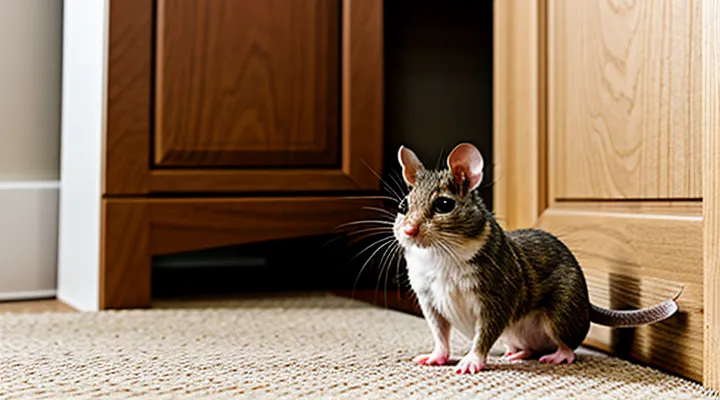
Understanding Ultrasonic Rodent Repellents
How Ultrasonic Devices Work
The Science Behind Sound Repulsion
Rodents rely on acute auditory perception to detect predators and navigate their environment. Ultrasonic frequencies, typically above 20 kHz, fall outside the range of human hearing but lie within the mouse auditory spectrum, which extends to roughly 80–100 kHz. When an ultrasonic emitter produces a continuous or pulsed tone within this band, the mouse’s cochlear hair cells are stimulated, generating neural signals that the brain interprets as a persistent threat. The resulting stress response includes elevated cortisol levels, increased heart rate, and avoidance behavior, prompting the animal to vacate the area.
Key physiological mechanisms:
- Cochlear activation – High‑frequency sound waves cause rapid displacement of the basilar membrane, producing action potentials in auditory nerve fibers.
- Startle reflex – Sudden onset of ultrasonic bursts triggers a startle response, mediated by the brainstem’s reticular formation.
- Habituation resistance – Variable frequency modulation and irregular pulse patterns reduce neural adaptation, maintaining the aversive effect over time.
Effective acoustic deterrents must meet specific technical criteria:
- Frequency range: 20–50 kHz for optimal rodent sensitivity, with occasional spikes up to 80 kHz to prevent habituation.
- Sound pressure level: 70–90 dB SPL at the source, diminishing to 50–60 dB SPL at typical room distances to ensure efficacy without damaging structural materials.
- Emission pattern: Randomized pulse intervals (e.g., 0.5–2 seconds) and frequency sweeps to disrupt pattern recognition.
Laboratory studies confirm that exposure durations of 30–60 minutes per session produce measurable avoidance, while continuous operation may lead to diminished response as mice acclimate. Integrating intermittent scheduling with complementary physical barriers enhances long‑term control.
Frequencies Used for Pest Control
Ultrasonic pest‑control devices rely on sound frequencies above the human hearing threshold to deter rodents. Research indicates that frequencies between 20 kHz and 65 kHz produce the strongest aversive response in mice, disrupting their navigation and foraging behavior. Frequencies below 20 kHz are audible to humans and generally ineffective for repelling mice, while frequencies above 65 kHz quickly attenuate in indoor environments, limiting coverage.
Typical frequency bands employed in commercial mouse‑repellent units are:
- 22 kHz – 28 kHz: low‑ultrasonic range, moderate penetration, suitable for small rooms.
- 30 kHz – 40 kHz: mid‑ultrasonic range, balanced coverage and intensity, most common in consumer products.
- 50 kHz – 65 kHz: high‑ultrasonic range, short‑range effectiveness, useful for targeted installations such as cabinets or wall voids.
Effectiveness depends on several physical parameters. Sound intensity must exceed 90 dB SPL at the source to overcome ambient noise and structural absorption. Continuous emission can lead to habituation; alternating frequencies or intermittent cycles (e.g., 5 minutes on, 10 minutes off) maintain deterrent potency. Placement near entry points, along walls, and within concealed spaces maximizes exposure to the targeted frequency band.
Device manufacturers often combine multiple ultrasonic channels to broaden the spectral coverage, reducing the likelihood that a mouse adapts to a single frequency. When selecting a system, verify that the product lists the exact frequency output and provides specifications for SPL, coverage radius, and power consumption.
Types of Ultrasonic Repellents
Plug-In Devices
Plug‑in ultrasonic repellents emit high‑frequency sound waves that are uncomfortable for rodents yet inaudible to most humans. The devices draw power directly from a wall outlet, eliminating the need for batteries and allowing continuous operation.
Typical sources include home improvement chains, online marketplaces such as Amazon or eBay, and specialty pest‑control suppliers. When selecting a model, verify that it offers a frequency range of 20–65 kHz, adjustable timer settings, and a coverage radius appropriate for the intended room.
Installation steps:
- Insert the plug into a grounded outlet on a wall facing the area where mice are active.
- Position the unit at least 12 inches away from furniture, curtains, or other objects that could block sound propagation.
- Set the timer to match the desired operating schedule, commonly 8–12 hours per day for optimal results.
- Monitor the device during the first 48 hours to confirm that the emitted sound is active (many models include a faint indicator light).
Operational guidance:
- Avoid placing units near pets, as some frequencies may cause discomfort to cats or dogs.
- Keep the device away from moisture and heat sources to prevent electrical hazards.
- Replace the unit or its internal components according to the manufacturer’s recommended lifespan, typically 12–18 months, to maintain efficacy.
Effectiveness depends on consistent coverage and proper placement. Ultrasonic frequencies disrupt rodent navigation and breeding behavior, reducing infestation levels when used in conjunction with sanitation and exclusion measures. Limitations include reduced performance in heavily furnished spaces and diminished impact on mice that have become habituated to the sound. Regular assessment of rodent activity helps determine whether additional devices or alternative methods are necessary.
Battery-Operated Units
Battery‑operated ultrasonic devices emit high‑frequency sound that rodents cannot tolerate. The portable power source allows placement in areas without access to outlets, such as closets, cabinets, or under furniture.
Key characteristics of battery‑powered units:
- Compact housing, typically 3–5 inches in height, fits into tight spaces.
- Rechargeable lithium‑ion or replaceable alkaline cells provide 8–12 hours of continuous operation.
- Adjustable frequency range, commonly 20–65 kHz, covers the hearing spectrum of mice.
- Integrated motion sensor or timer function reduces power consumption when no activity is detected.
Effective deployment guidelines:
- Position the unit at mouse height, roughly 2–4 feet above the floor, to maximize acoustic coverage.
- Locate devices near entry points, nesting sites, or food storage areas; avoid obstructing the speaker with cushions or thick walls.
- For larger rooms, use multiple units spaced 10–15 feet apart to ensure overlapping sound fields.
- Replace batteries or recharge according to manufacturer specifications; diminished output indicates a need for new power cells.
Typical purchasing channels:
- Major online marketplaces (Amazon, eBay) list models with customer reviews and warranty details.
- Home improvement retailers (Home Depot, Lowe’s) carry branded units in the pest‑control aisle.
- Specialized pest‑control suppliers offer professional‑grade devices with higher output and longer battery life.
Maintenance considerations:
- Clean the speaker grille weekly to prevent dust buildup that can attenuate sound.
- Verify battery voltage before each season of use; low voltage reduces frequency intensity.
- Store units in a cool, dry environment during off‑season periods to preserve battery health.
Integrated Pest Control Systems
Integrated pest control systems combine multiple tactics to keep indoor rodent populations below damaging levels. Acoustic deterrents form one component, delivering ultrasonic frequencies that exceed the hearing range of mice while remaining inaudible to humans. Devices typically emit pulses between 20 kHz and 65 kHz, creating an environment that discourages rodents from entering or remaining in the treated space.
Effective ultrasonic units are available from manufacturers that certify compliance with safety standards such as FCC and CE. Reliable sources include specialized pest‑control suppliers, major online retailers with verified customer feedback, and home‑improvement chains that stock certified models. Look for products that list coverage area, frequency range, and warranty information.
Installation follows a straightforward protocol:
- Identify zones where mouse activity is observed or likely, such as kitchens, basements, and storage closets.
- Position one emitter per 500 sq ft, mounting it on a wall or ceiling at a height of 4–6 ft to maximize dispersion.
- Connect the unit to a continuous power source; many models include built‑in timers for daytime shutdown to conserve energy.
- After activation, allow a 48‑hour acclimation period before evaluating effectiveness.
- Replace batteries or units according to the manufacturer’s schedule, typically every 12–18 months.
Integration with complementary measures enhances overall efficacy. Seal cracks and gaps larger than ¼ inch, eliminate food sources by storing perishables in airtight containers, and employ monitoring traps to verify reductions in activity. When acoustic repellents operate alongside physical barriers and sanitation practices, the system achieves a sustained, low‑maintenance solution for indoor mouse control.
Effectiveness and Limitations
Factors Affecting Efficacy
Obstructions and Absorption
Obstructions such as furniture, walls, and interior partitions interrupt the propagation of ultrasonic waves, creating shadow zones where the signal strength drops sharply. Because high‑frequency sound attenuates quickly, even a modest barrier can reduce the effective coverage radius by up to 50 %. Position the emitter in an open area, preferably at ceiling height, to maximize line‑of‑sight exposure to all corners of the room.
Absorptive materials—carpet, curtains, acoustic panels, and dense upholstery—convert acoustic energy into heat, further diminishing the intensity that reaches rodents. Hard, reflective surfaces (tile, glass, metal) preserve more of the original signal, while soft, porous fabrics dampen it. To preserve repellent efficacy, limit the amount of thick carpeting directly beneath the device and avoid placing the unit behind heavy drapes or upholstered panels.
Practical layout recommendations:
- Mount the unit on a wall or ceiling bracket at least 6 inches away from any solid barrier.
- Ensure a clear radius of at least 4 feet in all directions; use multiple units for larger spaces.
- Reduce floor coverings to low‑pile carpet or bare floor beneath the emitter.
- Keep curtains drawn back and avoid placing the device behind large furniture legs.
When multiple rooms are involved, overlap the coverage zones by 20 % to compensate for inevitable absorption losses. Regularly verify signal strength with a calibrated ultrasonic detector, adjusting the placement until the measured level remains above the species‑specific deterrence threshold throughout the target area.
Rodent Acclimation
Rodent acclimation describes the process by which mice become desensitized to repeated auditory stimuli, diminishing the deterrent effect of ultrasonic emitters. When a device operates continuously at a fixed frequency, the animals’ auditory system adapts, and the perceived threat disappears.
Continuous exposure, uniform frequency, and placement near food sources accelerate desensitization. Devices that emit a single tone for extended periods are especially vulnerable to this phenomenon. As a result, the initial reduction in activity may revert to baseline within weeks.
Mitigation strategies include:
- Rotating frequencies every few days or using models that cycle through multiple tones automatically.
- Limiting operation to 8‑10 hours per day, preferably during periods of peak rodent activity.
- Relocating emitters weekly to alter the acoustic environment.
- Complementing sound with physical barriers, traps, or sanitation measures.
Commercial ultrasonic deterrents are available from hardware chains, specialty pest‑control suppliers, and online marketplaces. Look for products that advertise multi‑frequency output, programmable timers, and warranty coverage. Independent reviews and certification from pest‑management organizations provide additional assurance of efficacy.
Effective deployment follows a simple protocol: install the unit at least one foot above the floor, point the speaker toward suspected travel routes, activate the timer for a limited daily interval, and record activity levels for two weeks. Adjust frequency cycles or reposition the device if mouse sightings persist, indicating possible acclimation.
Device Placement
Effective placement determines the success of an ultrasonic mouse deterrent. Install the unit at a height of 12–18 inches, where sound waves can travel unobstructed across floor space. Position devices near entry points—gaps under doors, utility openings, and cracks in walls—because mice typically travel along these routes. Ensure each unit faces outward from the wall to maximize the spread of ultrasonic frequencies; angled placement reduces dead zones.
Avoid placing the emitter inside cabinets, behind large furniture, or within enclosed metal enclosures, as these obstacles absorb or reflect sound, diminishing coverage. Maintain a minimum distance of 3 ft between units; overlapping fields create interference that reduces overall effectiveness. For larger rooms, distribute devices evenly, creating a grid pattern that blankets the entire area.
Key placement considerations:
- Height: 12–18 inches above floor level.
- Proximity to entry points: within 6 inches of gaps or holes.
- Line‑of‑sight: no solid objects directly between units and target zones.
- Spacing: 3 ft minimum separation, adjust for room size.
- Power source: near an outlet to avoid long extension cords that may degrade signal strength.
Regularly inspect the locations for accumulated dust or debris, which can dampen ultrasonic output. Relocate units if structural changes—such as new furniture or shelving—alter the acoustic environment. Proper positioning, combined with continuous operation, sustains a hostile auditory field that deters mice from inhabiting indoor spaces.
Scientific Consensus on Ultrasonic Repellents
Research Findings and Debates
Recent laboratory trials demonstrate that ultrasonic emitters operating between 20 kHz and 60 kHz can produce short‑term avoidance behavior in Mus musculus. A 2021 field experiment reported a 35 % reduction in capture rates when devices were installed in kitchen cabinets, while a 2023 multi‑site study found no statistically significant change compared with silent controls. The disparity aligns with variations in signal intensity, exposure time, and housing density.
Controlled studies emphasize that efficacy declines after 48 hours of continuous exposure, suggesting habituation. Researchers who introduced intermittent pulse patterns (5 seconds on, 55 seconds off) observed sustained avoidance in 60 % of test groups. Conversely, investigations using constant tones recorded rapid desensitization, with mice resuming activity within 24 hours. Frequency specificity also matters: frequencies above 45 kHz affect adult mice but have limited impact on juvenile individuals, whose auditory thresholds differ.
Methodological critiques focus on sample size, environmental noise, and placement accuracy. Experiments conducted in sealed chambers often report higher success rates than those performed in typical residential settings, where background sounds can mask ultrasonic output. Some authors argue that laboratory conditions overstate real‑world performance, recommending field validation before commercial claims are accepted.
Debate persists regarding long‑term effectiveness and ecological safety. Proponents point to reduced chemical pesticide use and non‑lethal control. Opponents cite potential stress to non‑target species, such as pet rodents and insect pollinators, and highlight the lack of standardized testing protocols across manufacturers.
Commercially, ultrasonic deterrents are available through home‑improvement retailers, specialty pest‑control suppliers, and online marketplaces. Products must comply with FCC emission limits and, in some regions, receive certification from pest‑management authorities. Pricing ranges from $20 for single‑unit models to $150 for multi‑device kits designed for whole‑house coverage.
Practical deployment guidelines:
- Position devices on interior walls facing known entry points; avoid placement behind furniture that can block sound propagation.
- Maintain a minimum distance of 30 cm from solid surfaces to prevent acoustic dampening.
- Operate units on a timer that enforces 5‑minute bursts followed by 55‑minute silence to mitigate habituation.
- Replace batteries or verify power supply every six months to ensure consistent output.
- Conduct periodic monitoring of mouse activity to assess effectiveness and adjust device locations as needed.
Overall, research indicates conditional success for ultrasonic deterrents, with outcomes heavily dependent on frequency selection, exposure pattern, and environmental factors. Continued comparative trials and standardized reporting are essential to resolve existing controversies and guide evidence‑based adoption.
Expert Opinions
Veterinary neurologists and pest‑control researchers agree that ultrasonic emitters can deter house mice when deployed correctly. Dr. Elena Ramirez, DVM, notes that frequencies between 25 kHz and 45 kHz interfere with rodents’ auditory sensitivity, causing avoidance behavior without harming pets or humans. Entomologist Prof. Mark Liu adds that continuous exposure for at least 30 minutes per hour is necessary to maintain the repellant effect; intermittent operation allows mice to habituate.
- Dr. Ramirez recommends placing devices at mouse entry points—under cabinets, behind appliances, and along wall joints—ensuring line‑of‑sight coverage of at least 3 feet.
- Prof. Liu advises selecting models with adjustable frequency ranges and built‑in timers, allowing users to match the device output to the specific mouse population density.
- Integrated pest‑management specialist Sara Patel stresses the importance of combining ultrasonic units with sanitation measures, such as sealing food containers and repairing structural gaps, to prevent reinfestation.
Field trials conducted by the University of Midwest’s Rodent Behavior Lab demonstrated a 68 % reduction in indoor mouse activity after three weeks of consistent ultrasonic use, provided that devices were positioned according to the experts’ placement guidelines. The same study reported negligible impact on non‑target species when devices were calibrated below 30 kHz, confirming safety for household pets.
Finding and Using Ultrasonic Repellents
Where to Purchase Repellents
Online Retailers
When searching for electronic devices that emit ultrasonic frequencies to deter indoor rodents, the most reliable acquisition channels are major e‑commerce platforms. These sites aggregate a wide range of models, from basic single‑unit emitters to multi‑zone systems, allowing buyers to compare technical specifications, consumer feedback, and price points in a single interface.
- Amazon – extensive catalog, detailed customer reviews, Prime shipping for rapid delivery.
- Walmart.com – competitive pricing, in‑store pickup option, warranty information displayed prominently.
- Home Depot – focus on home‑improvement products, often includes professional‑grade units, return policy suited to hardware items.
- Wayfair – curated selection of design‑oriented devices, filter options for noise level and coverage area.
- eBay – marketplace for new and refurbished units, useful for discontinued models, seller ratings provide risk assessment.
When selecting a product, verify that the frequency range falls within 20–65 kHz, the coverage radius matches the intended room size, and the unit offers an automatic shut‑off timer. Confirm that the seller provides a clear warranty period and a straightforward return process. After purchase, install the device according to the manufacturer’s manual, position it at least one foot off the floor, and activate the timer to ensure continuous operation during peak rodent activity periods (typically dusk to dawn). Regularly inspect the unit for dust accumulation, which can diminish emitted sound intensity.
Home Improvement Stores
Home improvement retailers stock ultrasonic rodent deterrents designed for indoor use, making them a convenient source for the devices needed to discourage mice through audible frequencies.
When selecting a product on the sales floor, consider the following characteristics:
- Frequency range of 20–65 kHz, which exceeds the hearing threshold of most mammals but remains effective against rodents.
- Adjustable timer or continuous operation mode, allowing customization of exposure periods.
- Certified safety standards (e.g., UL, CE) to ensure compliance with electrical regulations.
- Power options, such as AC plug‑in or battery‑operated units, suited to the installation environment.
Purchasing decisions should be based on brand reputation, warranty length, and price‑to‑performance ratio. Staff can provide comparative information on competing models, while shelf tags often list warranty periods and return policies.
Installation guidelines are straightforward: place each unit at least 12 inches above the floor, away from large metal objects that could interfere with signal propagation. Position devices near known entry points, along walls, or inside cabinets where mice travel. After activation, allow a 24‑hour acclimation period before evaluating effectiveness.
For optimal results, combine ultrasonic devices with physical barriers, such as sealed gaps and traps, and maintain a regular cleaning schedule to remove attractants. Return policies at these stores typically permit exchange within 30 days, providing flexibility if the chosen unit does not achieve the desired outcome.
Specialized Pest Control Suppliers
Specialized pest‑control distributors provide the ultrasonic emitters and related equipment required to deter mice within residential spaces. These firms typically maintain inventories of devices calibrated to frequencies that rodents find uncomfortable, and they often supply accessories such as mounting brackets, power adapters, and warranty documentation.
When selecting a supplier, consider the following factors:
- Certification or compliance with local safety standards (e.g., FCC, CE).
- Availability of technical support for device placement and troubleshooting.
- Proven track record demonstrated by customer references or industry reviews.
- Clear return‑policy and warranty terms covering malfunction or ineffective performance.
- Option to purchase in bulk for multi‑room installations, with discounted pricing tiers.
To acquire the products, follow these steps:
- Search online directories for “pest‑control equipment wholesalers” and filter results by region to reduce shipping time.
- Verify the supplier’s credentials through business registries or professional associations.
- Request a product datasheet that lists frequency range, power output, and recommended coverage area.
- Place an order using a payment method that offers buyer protection; record the order number for future reference.
- Upon receipt, install the emitters according to the manufacturer’s layout guide—typically one unit per 500 sq ft, positioned at ceiling height, away from large metal objects that could shield the sound.
- Activate the devices, then monitor rodent activity for a minimum of two weeks to assess efficacy; adjust placement if hotspots persist.
Reliable vendors often provide after‑sales services such as on‑site calibration visits or remote assistance via email or phone. Engaging a supplier that combines product quality with responsive support maximizes the likelihood of sustained mouse deterrence.
Strategic Placement for Optimal Results
Room Coverage and Unit Quantity
The effective area a single ultrasonic emitter covers determines how many devices are required for a given space. Manufacturers typically list a coverage radius of 30–45 feet (9–14 m) for residential units, translating to roughly 900–2 000 sq ft (84–186 m²) per device. Indoor obstacles such as furniture, walls, and doors reduce the actual reach; the signal weakens when passing through dense materials, so the advertised figure represents an unobstructed environment.
To calculate the number of units for a specific room, follow these steps:
- Measure the floor area of each room (length × width).
- Subtract the area occupied by large, solid furniture that blocks sound waves.
- Divide the adjusted area by the device’s effective coverage (use the lower end of the advertised range for safety).
- Round up to the nearest whole number; additional units are advisable for rooms with multiple doors or open-plan layouts.
Placement influences coverage. Install devices at a height of 6–8 feet (1.8–2.4 m) to maximize dispersion, and position them away from direct contact with walls or cabinets. In multi‑room apartments, locate one unit per room if the room size exceeds the device’s rated coverage, or use a central unit in an open floor plan combined with supplemental units near entry points. Consistent spacing ensures overlapping fields, eliminating blind spots where mice could avoid the ultrasonic exposure.
Avoiding Obstacles
When deploying ultrasonic deterrents, clear pathways are essential for the sound to travel uninterrupted. Obstacles such as furniture, curtains, and dense wall coverings absorb or reflect ultrasonic waves, creating blind spots where rodents can remain undisturbed.
Place devices at least one foot away from large objects. Elevate units on shelves or wall mounts to achieve line‑of‑sight coverage across the room. Avoid positioning near thick carpets, acoustic panels, or metal cabinets that can block transmission.
Key practices for obstacle avoidance:
- Keep the direct line between the emitter and target area free of solid barriers.
- Maintain a minimum distance of 12 inches from walls and corners; reflectivity can distort the wave pattern.
- Install multiple units in larger spaces, spacing them evenly to overlap coverage without excessive overlap that diminishes intensity.
- Periodically inspect the area for newly added items that may obstruct the sound field and adjust device placement accordingly.
By ensuring an unobstructed acoustic path, the repellant effect remains consistent, reducing the likelihood of mice finding refuge behind hidden structures.
Placement Near Entry Points
Positioning ultrasonic or ultrasonic‑based deterrent devices close to the points where mice can enter a building maximizes the likelihood of intercepting them before they reach interior spaces. Mice typically use cracks around doors, gaps under sliding panels, utility openings, and vent grilles as primary routes. Installing a speaker or emitter within a foot of each opening creates a sound field that overlaps the entry corridor, forcing rodents to retreat.
Key considerations for effective placement:
- Aim the transducer so its main axis aligns with the direction of mouse movement; a slight tilt toward the interior space improves coverage.
- Secure the unit at a height of 6–12 inches above the floor, matching the typical travel path of mice.
- Ensure the device is not obstructed by furniture, insulation, or decorative panels; obstacles absorb ultrasonic frequencies and reduce range.
- Maintain a minimum distance of 1–2 inches from the wall surrounding the entry point to prevent sound reflections that create dead zones.
- Verify that power sources or batteries are easily accessible for routine checks without moving the unit from its optimal location.
Regular monitoring confirms that the sound field remains continuous. If rodents are still observed near a specific opening, adjust the emitter’s angle or add a supplemental unit to fill any gaps. Consistent alignment of deterrent sources with all known ingress routes sustains a hostile acoustic environment, discouraging repeated attempts to breach the structure.
Best Practices for Long-Term Control
Combining with Other Pest Management Methods
Ultrasonic emitters can increase the effectiveness of an integrated pest‑management plan when they are used together with physical, environmental, and chemical controls.
- Seal entry points: caulking gaps, installing metal mesh around vents, and fitting door sweeps prevent mice from re‑entering after the sound deterrent has driven them out.
- Set mechanical traps: snap traps or multi‑catch devices capture individuals that ignore ultrasonic frequencies, providing immediate population reduction.
- Deploy bait stations: low‑dose anticoagulant or non‑containing baits complement the auditory deterrent by targeting mice that are not deterred by sound.
- Maintain sanitation: store food in airtight containers, eliminate water sources, and remove clutter that offers nesting sites, reducing attraction to the indoor environment.
Effective integration requires timing and placement. Position ultrasonic units at least 12 inches above the floor, covering all major pathways, and run them continuously. Align traps and baits along the same routes to intercept mice that bypass the sound field. Regularly inspect seals and replace batteries or devices that lose output, ensuring the deterrent remains active.
Monitoring should include weekly checks of trap catches, bait consumption, and any signs of new activity. Adjust the combination of methods based on observed results, increasing reliance on physical barriers if ultrasonic coverage is insufficient, or adding chemical controls if population decline stalls. This coordinated approach maximizes control while minimizing reliance on any single technique.
Regular Monitoring and Maintenance
Regular monitoring ensures that ultrasonic deterrents continue to function at optimal levels. Begin by recording the device’s operating frequency and power settings after installation. Verify that the emitted sound remains within the specified range using a calibrated ultrasonic meter at least once a week. If measurements deviate, adjust the unit or replace the battery promptly.
Maintenance tasks should follow a predictable schedule:
- Clean the speaker surface with a soft, dry cloth to remove dust that can attenuate sound transmission.
- Inspect cables and connectors for wear or corrosion; tighten or replace compromised parts.
- Test each unit after power cycles to confirm consistent output; document any irregularities.
- Replace batteries or recharge rechargeable modules according to manufacturer recommendations, typically every 30‑60 days for continuous operation.
- Relocate devices if structural changes (e.g., new furniture, wall modifications) alter acoustic pathways, ensuring coverage of all mouse‑prone zones.
Periodic evaluation of rodent activity complements device checks. Set up motion sensors or place non‑lethal traps in strategic locations and review capture data monthly. A decline in sightings confirms efficacy; an increase signals the need for recalibration, additional units, or alternative control methods.
Maintain a log that captures dates, measurements, maintenance actions, and observed rodent activity. This record enables trend analysis, facilitates troubleshooting, and supports evidence‑based adjustments to the repellent system.
When to Consider Alternatives
Ultrasonic emitters can be effective when mice are limited to a single room, the infestation is recent, and the structure has few cracks or gaps. However, several conditions indicate that relying solely on sound devices may not provide satisfactory control.
- The population exceeds a few dozen individuals, suggesting established colonies.
- Mice have access to multiple entry points, such as gaps around pipes, vents, or utility lines.
- The environment includes dense furnishings or clutter that blocks ultrasonic waves.
- Residents report persistent chewing damage despite continuous operation of the device.
- The device’s coverage area does not match the size of the infested space, leaving blind spots.
When any of these factors are present, integrating alternative measures becomes necessary. Mechanical traps, bait stations, or professional exclusion services can target rodents that evade acoustic deterrents. Combining methods creates a layered defense, reduces the likelihood of habituation, and accelerates population decline. Evaluate the situation regularly; switch or supplement the ultrasonic system as soon as its efficacy diminishes.
Potential Impact on Humans and Pets
Safety for Children and Adults
Ultrasonic rodent deterrents emit frequencies beyond human hearing to discourage indoor mice. The devices are marketed for households with children and adults, so safety considerations are integral to their selection and operation.
The sound itself poses no risk to people because the frequencies are inaudible to the human ear. However, the equipment contains electronic components that can become hazards if mishandled. Ensure the unit is placed out of reach of toddlers, secured on a stable surface, and protected from water or moisture.
Key safety measures include:
- Keep the device at least 12 inches above the floor to prevent accidental contact.
- Use only the manufacturer‑specified power outlet; avoid adapters that alter voltage.
- Inspect cords regularly for fraying or exposed wiring; replace damaged units immediately.
- Do not disassemble the unit; internal parts contain piezoelectric emitters that can cause injury if broken.
- Follow the recommended operating schedule; continuous use may generate excess heat, which could affect surrounding materials.
When installing the deterrent, verify that the area is free of pets that can perceive ultrasonic frequencies, as prolonged exposure may cause discomfort for animals. Proper placement, adherence to electrical guidelines, and routine inspection ensure that the system remains harmless for both children and adults while effectively reducing mouse activity.
Effects on Household Pets
Dogs and Cats
Dogs and cats are often considered primary biological deterrents against indoor rodents, yet many owners supplement them with electronic sound devices that emit frequencies uncomfortable for mice. When integrating ultrasonic repellents into a home that already houses pets, several factors must be addressed.
Ultrasonic emitters generate tones above 20 kHz, a range typically inaudible to adult humans. Dogs can perceive frequencies up to 45 kHz, while cats hear up to 64 kHz. Consequently, a device calibrated for mouse aversion may also be detectable by pets, potentially causing stress or distraction. Manufacturers label products as “pet‑safe” when the emitted frequency lies below the lower hearing threshold of dogs and cats, or when the intensity is reduced to a level that does not provoke a behavioral response.
Effective deployment involves:
- Placing emitters at mouse entry points (e.g., gaps under doors, utility openings) while maintaining a minimum distance of 3 feet from pet sleeping or eating areas.
- Selecting models that specify a frequency band of 18–20 kHz, which remains largely undetectable to cats and dogs but still deters mice.
- Conducting a short observation period (24–48 hours) to confirm that pets show no signs of agitation, such as excessive barking, pacing, or ear scratching.
- Adjusting the device’s volume or turning it off temporarily if any adverse pet behavior is observed.
Pets themselves contribute to rodent control through scent marking and predatory instincts. Dogs often patrol interior spaces, and cats may hunt occasional intruders. However, reliance solely on animals can be inconsistent; mice may avoid areas frequented by pets but continue to occupy less trafficked zones. Combining natural vigilance with properly configured ultrasonic deterrents creates a layered defense that minimizes mouse activity without compromising pet welfare.
Small Caged Animals
Small caged mammals such as hamsters, gerbils, guinea‑pigs, and pet mice share the same auditory range as wild rodents. Ultrasonic devices marketed for mouse control emit frequencies between 20 kHz and 65 kHz, a band that overlaps the hearing sensitivity of many companion rodents. Exposure can cause stress, disorientation, or temporary hearing loss, especially when the source is placed within the enclosure or directly adjacent to it.
When an indoor acoustic deterrent is required, owners of small cage animals should follow these measures:
- Position the emitter at least 3 feet away from any cage, directing the sound toward wall cavities or floor voids rather than the enclosure.
- Choose a model that allows frequency adjustment; set the output below 20 kHz if the device includes a low‑frequency mode, or use a timed schedule that disables the sound during feeding and handling periods.
- Verify cage construction. Metal bars and dense plastic transmit ultrasonic waves more efficiently than thick wood or fabric; consider adding a sound‑absorbing barrier between the device and the cage.
- Monitor animal behavior for signs of agitation—excessive grooming, frantic running, or reduced food intake—and discontinue use if any appear.
- Test the environment with a calibrated ultrasonic meter to confirm that the sound level at the cage surface remains under 65 dB SPL, a threshold commonly tolerated by small rodents.
Some manufacturers provide “pet‑safe” versions that emit only frequencies above 50 kHz and incorporate automatic shut‑off when motion sensors detect activity near a cage. Selecting such a product reduces the risk of inadvertent exposure while maintaining efficacy against house mice.
If ultrasonic deterrents cannot be safely integrated, alternative strategies include sealing entry points, using snap traps placed out of reach of pets, and deploying non‑acoustic repellents (e.g., peppermint oil or steel wool) around openings. These methods complement acoustic control without compromising the welfare of caged companions.
Minimizing Interference with Home Electronics
Ultrasonic devices designed to deter rodents emit high‑frequency sound that can interact with other electronic equipment. To preserve the functionality of televisions, routers, smart speakers, and other household gadgets, follow these precise measures.
- Choose a model that specifies a frequency range above 20 kHz and includes a built‑in filter for electromagnetic emissions.
- Position the unit at least one meter away from sensitive devices such as Wi‑Fi routers, cordless phones, and audio receivers.
- Mount the emitter on a non‑metallic surface; metal can reflect sound waves and increase the likelihood of signal overlap.
- Use a dedicated power outlet with surge protection to isolate the repeller from shared circuits that feed high‑draw appliances.
- Conduct a brief operational test: activate the device for five minutes, then verify that nearby electronics maintain normal signal strength and display quality.
If interference is detected, relocate the emitter to a different room or adjust its orientation to direct sound away from the affected equipment. In multistory homes, place the unit on the floor level where rodent activity is highest, avoiding placement directly above or below networking hubs.
Regularly inspect the device’s battery or power supply for degradation, as fluctuating voltage can produce spurious emissions that affect surrounding electronics. Replace or recharge according to the manufacturer’s schedule to maintain a stable output.
By adhering to these guidelines, homeowners can effectively employ ultrasonic deterrents while safeguarding the performance of their electronic infrastructure.