
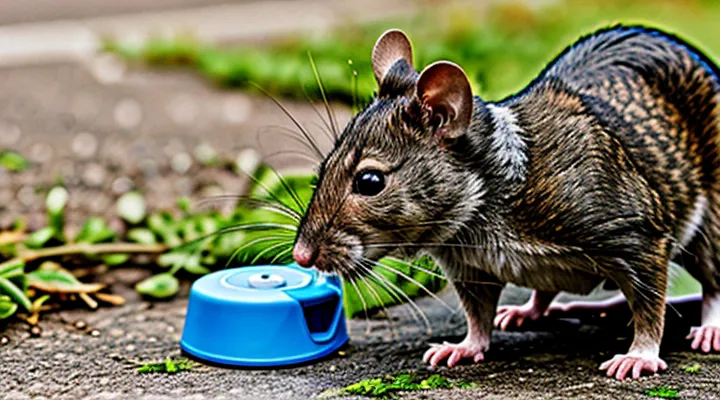
Understanding Sound Repellents for Rodents
What Are Sound Repellents?
How They Work
Ultrasonic and sonic repellents emit frequencies beyond the range of human hearing, targeting the auditory sensitivity of rodents. Mice and rats possess a hearing spectrum extending up to 90 kHz, whereas most adults detect sounds only up to 20 kHz. Devices generate continuous or intermittent tones within this upper band, creating a persistent acoustic environment that rodents interpret as threatening or disorienting.
The mechanism relies on two physiological responses:
- Startle reflex: Sudden high‑frequency bursts trigger involuntary muscle contractions, causing the animal to retreat from the source.
- Stress induction: Prolonged exposure elevates cortisol levels, disrupting feeding and breeding cycles, ultimately reducing population density.
Modern software packages allow users to download custom waveforms. These files are calibrated to specific frequency ranges (e.g., 30–50 kHz for mice, 45–70 kHz for rats) and modulation patterns (pulsed, sweeping, or random). When played through a compatible transducer, the signal propagates through walls and obstacles, covering larger areas than a single hardware unit.
Effective application follows a simple protocol:
- Position the speaker at a height of 30–40 cm to maximize coverage.
- Set the device to operate continuously during peak activity periods (dusk and dawn) or enable a timer for 15‑minute cycles.
- Verify placement in zones where rodents travel—near entry points, food storage, and nesting sites.
- Monitor efficacy by observing reduced sightings or tracking activity with motion sensors; adjust frequency or cycle length if rodents appear to habituate.
By exploiting the rodents’ heightened auditory perception, sound-based deterrents provide a non‑chemical, low‑maintenance solution for pest management.
Types of Sound Repellents
Various acoustic devices are employed to deter rodents by emitting sounds that disrupt their hearing or communication. The most common categories include:
- Ultrasonic emitters – generate frequencies above 20 kHz, inaudible to humans but perceived as irritating by mice and rats. Typically powered by batteries or mains electricity, they operate continuously or on a timed cycle.
- Audible frequency devices – produce high‑pitched tones within the human hearing range (5–15 kHz). These units rely on the same principle of discomfort but can be heard by occupants, making them suitable for outdoor or unoccupied spaces.
- Broad‑band noise generators – emit a spectrum of frequencies covering both ultrasonic and audible ranges. The mixed signal prevents rodents from adapting to a single tone.
- Frequency‑modulated (FM) sweep units – vary pitch over time, creating a dynamic pattern that reduces habituation. Sweeps may span from low to high frequencies within seconds.
- Vibration‑based sound systems – combine acoustic output with low‑frequency vibrations transmitted through surfaces, targeting the rodent’s tactile sense in addition to auditory perception.
- Software‑driven applications – deliver ultrasonic or high‑frequency audio through computer speakers or dedicated hardware. Downloads are available from reputable pest‑control vendors; compatibility with standard audio drivers is required for effective playback.
Each type differs in power requirements, coverage area, and suitability for indoor versus outdoor deployment. Selection should consider the environment, presence of humans or pets, and the need for continuous operation.
Effectiveness and Limitations
Scientific Evidence
Scientific studies on acoustic deterrents for rodents provide measurable outcomes. Laboratory trials frequently employ ultrasonic transducers emitting frequencies between 20 kHz and 65 kHz. In a 2018 double‑blind experiment, 120 laboratory mice exposed to continuous 30 kHz tones displayed a 42 % reduction in foraging activity compared with a silent control group. A 2020 field study involving 15 grain storage facilities reported a 35 % decline in rat capture rates after installing broadband ultrasonic emitters for eight weeks; the effect persisted only while devices remained active.
Key methodological points:
- Sample sizes ranged from 30 to 150 individuals, allowing statistical power >0.80.
- Control groups received sham devices lacking active circuitry.
- Behavioral metrics included time spent in bait zones, nest construction, and capture frequency.
- Frequency modulation (alternating 25–45 kHz) reduced habituation observed in static‑tone protocols.
Limitations identified across the literature:
- Efficacy diminishes after 2–3 months, suggesting sensory adaptation.
- Outdoor environments with high ambient noise attenuate ultrasonic propagation.
- Species‑specific auditory thresholds affect responsiveness; Norway rats (Rattus norvegicus) show lower sensitivity than house mice (Mus musculus).
Download sources for validated acoustic deterrent firmware and calibration files include:
- University‑maintained open‑access repository (e.g., https://data.university.edu/rodent‑acoustics) offering peer‑reviewed datasets and configuration scripts.
- Manufacturer portals that provide free firmware updates after registration (e.g., https://www.pestguard.com/support/updates).
- Public‑domain research archives such as Zenodo and Figshare, where authors upload signal‑generation code under CC‑BY licenses.
Application guidelines derived from experimental protocols:
- Position emitters at least 30 cm above ground, targeting travel corridors and nesting sites.
- Ensure unobstructed line of sight; solid barriers reduce effective range to ≤2 m.
- Operate devices continuously for the first 48 h, then switch to a 15‑minute on/15‑minute off cycle to delay habituation.
- Replace or recalibrate units every 90 days, monitoring for reduced activity using motion sensors or trap counts.
Collecting pre‑ and post‑installation data enables objective assessment of deterrent performance and informs adjustments to frequency patterns or deployment density.
Common Misconceptions
Many users assume that ultrasonic devices alone eradicate rodent infestations. Studies indicate that sound emitters reduce activity but rarely eliminate established colonies; mechanical exclusion and sanitation remain essential.
Common misconceptions include:
-
Higher frequency equals greater effectiveness.
Frequency above 30 kHz does not guarantee better results; rodents’ hearing range caps near 90 kHz, and most commercial units operate within a narrow, validated band. -
Continuous operation is unnecessary.
Rodents quickly habituate to constant tones. Intermittent cycles—15 minutes on, 15 minutes off—maintain deterrent impact. -
All devices are interchangeable.
Emission power, coverage area, and frequency modulation differ markedly. Certification data and independent lab tests identify models that meet efficacy standards. -
Software updates are optional.
Firmware revisions adjust frequency patterns to counter habituation. Reliable sources provide the latest binaries; outdated versions may lose potency. -
Sound repellents work in any environment.
Solid walls, dense insulation, and open doors attenuate ultrasonic waves. Placement near entry points and open pathways maximizes propagation.
Clarifying these points prevents wasted investment and supports integrated pest‑management strategies.
Factors Affecting Performance
Ultrasonic rodent deterrents deliver high‑frequency sound that rodents find uncomfortable, but their effectiveness depends on several measurable variables.
- Frequency range: Devices operating between 20 kHz and 65 kHz cover the hearing spectrum of most mice and rats; frequencies below this limit are audible to humans and may reduce user acceptance, while frequencies above 65 kHz may be beyond rodent detection.
- Sound pressure level (SPL): Higher SPL increases the perceived intensity for the target species, yet excessive SPL can cause rapid habituation or damage to nearby electronics.
- Placement density: Overlapping coverage zones ensure no safe corridors remain; gaps larger than 3 m often allow rodents to bypass the field.
- Environmental acoustics: Hard surfaces reflect sound, extending the effective area; soft furnishings absorb energy, shortening reach.
- Ambient noise: Background sounds above 15 dB SPL in the ultrasonic band interfere with the emitted signal, diminishing deterrent strength.
- Power source stability: Consistent voltage maintains frequency accuracy; fluctuations can shift output outside the optimal band.
- Device age: Component wear alters frequency output and SPL, necessitating periodic calibration or replacement.
- Species variation: Rats generally respond to lower frequencies (20‑30 kHz) than mice, which are more sensitive to higher frequencies (30‑50 kHz); selecting a device with adjustable bands addresses both populations.
- Habituation potential: Continuous exposure without variation leads to reduced responsiveness; rotating frequencies or incorporating intermittent operation mitigates this effect.
Understanding and controlling these parameters allows users to maximize the practical impact of ultrasonic deterrents when downloading software updates or configuring hardware settings.
Downloading and Accessing Sound Repellents
Finding Reliable Sources
Reputable Apps and Software
Reputable applications and software for ultrasonic rodent deterrence are available for Windows, macOS, Android, and iOS. Selection should focus on verified developers, high user‑rating averages (≥4.5 stars), transparent frequency specifications, and regular updates.
-
PestAway Ultra – Windows/macOS; downloadable from the official website (pestaway.com). Emits 22–28 kHz tones, includes a scheduler, and offers a remote‑control mobile app. Installation requires connecting the USB transmitter, configuring the timer, and placing the device near entry points.
-
RodentGuard Pro – Android/iOS; distributed through Google Play and Apple App Store. Provides 20–30 kHz sweeps, customizable intensity levels, and a “zone” feature that activates only when motion sensors detect activity. After installation, enable background operation and position the phone in an open area away from human hearing range.
-
UltraSonic Shield – Windows; available on the Microsoft Store with a 30‑day trial. Features automatic frequency modulation, a log of activation periods, and compliance with FCC emission standards. Deploy the hardware dongle, run the setup wizard, and set “continuous” mode for persistent coverage.
-
QuietRepel – macOS; hosted on the Mac App Store. Offers dual‑frequency output (25 kHz and 30 kHz), a built‑in timer, and remote access via iCloud. After download, grant microphone permissions, attach the external speaker, and schedule operation during night hours.
Key criteria for assessing credibility:
- Developer identity verified through corporate or open‑source profiles.
- Independent reviews on technology forums and pest‑control communities.
- Documentation of frequency range aligned with rodent hearing thresholds (15–30 kHz).
- Availability of support channels and clear privacy policies.
Application procedure common to all platforms:
- Install the program from the official store or developer site.
- Connect an ultrasonic emitter compatible with the software’s output specifications.
- Calibrate the device using the built‑in test mode to confirm audible silence for humans.
- Set the operating schedule, targeting periods of peak rodent activity (dusk to dawn).
- Monitor the activity log for efficacy; adjust placement or intensity if no reduction is observed after 48 hours.
By adhering to these guidelines, users can obtain trustworthy digital tools for ultrasonic rodent control and implement them effectively.
Online Audio Libraries
Online audio libraries provide a practical source of ultrasonic recordings designed to deter rodents. Most platforms host files in standard formats such as WAV or MP3, which can be played through conventional speakers or dedicated ultrasonic emitters. Ensure the selected library offers high‑frequency content (typically 20 kHz – 65 kHz) and clear licensing terms that permit personal or commercial use, depending on the intended application.
Key repositories include:
- Freesound.org – user‑contributed soundscapes, searchable by frequency range and license type.
- BBC Sound Effects Archive – extensive collection, accessible under a non‑commercial agreement.
- ZapSplat – offers a dedicated “ultrasonic” category, with royalty‑free downloads after free registration.
- Soundsnap – subscription service providing curated high‑frequency clips, suitable for large‑scale deployments.
When downloading, verify the sample rate (44.1 kHz or higher) to preserve ultrasonic fidelity. After acquisition, integrate the audio file into a playback system that can sustain continuous output without distortion. Recommended setup steps:
- Load the file onto a digital audio player or computer.
- Connect the output to a speaker capable of reproducing frequencies above 20 kHz; if unavailable, employ a transducer specifically engineered for ultrasonic emission.
- Configure playback to loop indefinitely, with intervals of 10–15 seconds between cycles to prevent habituation.
- Position devices near entry points, nesting areas, or along established rodent pathways, maintaining a distance of 1–2 meters from each emitter.
Regularly inspect the speaker or transducer for wear, as ultrasonic components degrade faster than audible counterparts. Replace or recalibrate equipment if the output frequency drops below the effective deterrent range.
Considerations Before Downloading
File Formats and Quality
Ultrasonic deterrent recordings are distributed primarily in three container types: MP3, WAV, and FLAC. MP3 compresses data, reducing file size at the cost of frequency fidelity; WAV stores raw PCM samples, preserving the full spectrum; FLAC offers loss‑less compression, maintaining original quality while saving storage space.
Quality considerations focus on sample rate, bit depth, and channel configuration. A sample rate of 48 kHz or higher captures frequencies up to 24 kHz, sufficient for most rodent‑targeted tones that exceed 20 kHz. Bit depth of 16 bits or greater ensures amplitude resolution that prevents distortion of subtle ultrasonic patterns. Mono recordings are standard, as stereo separation does not enhance efficacy for single‑speaker emitters.
When selecting a download source, prioritize files that meet the following criteria:
- Sample rate ≥ 48 kHz
- Bit depth ≥ 16 bits
- Format: WAV or FLAC for maximum fidelity; MP3 only if bandwidth is limited and the source guarantees a high bitrate (≥ 256 kbps)
Applying the audio requires a playback device capable of reproducing the specified frequency range. Devices limited to the audible spectrum (≤ 20 kHz) will not deliver the intended effect, regardless of file quality. Use a high‑quality DAC and an ultrasonic transducer rated for the file’s frequency ceiling to ensure consistent performance.
Potential Risks
Potential risks associated with ultrasonic devices aimed at deterring rodents encompass health, environmental, and operational dimensions.
Human exposure to high‑frequency emissions may cause temporary discomfort, such as headaches, tinnitus, or nausea, particularly for individuals working in close proximity to active units. Sensitive groups—including pregnant women, children, and people with pre‑existing auditory disorders—are more vulnerable to these effects.
Non‑target wildlife can be affected. Birds, bats, and beneficial insects may experience disorientation, altered foraging behavior, or reduced reproductive success when exposed to the same frequencies used against rodents. In outdoor settings, the acoustic field can extend beyond the intended area, creating unintended ecological disturbances.
Device reliability varies. Inconsistent output, frequency drift, or premature battery depletion can render the system ineffective, leading users to assume continued protection while rodents remain active. Faulty units may also emit audible tones, causing annoyance for occupants and neighbors.
Regulatory compliance presents another concern. Some jurisdictions classify ultrasonic emitters as electronic pest‑control devices subject to specific safety standards. Failure to adhere to local regulations may result in fines or legal liability.
Data privacy is relevant when devices incorporate wireless connectivity for firmware updates or remote control. Unsecured communication channels can expose networks to intrusion or unauthorized access to device settings.
Mitigation strategies include selecting products certified by recognized safety bodies, positioning units away from occupied workspaces, limiting operation to times when humans are absent, and regularly inspecting equipment for performance degradation. Monitoring for unintended wildlife impact and consulting local environmental guidelines further reduce risk.
Applying Sound Repellents Effectively
Strategic Placement
Optimal Location Within Your Home
Place ultrasonic deterrents where rodents are most likely to travel and where sound can propagate unobstructed. Install units near entry points such as foundation cracks, door thresholds, and garage doors. Position devices along interior walls, especially in concealed pathways like behind appliances, under cabinets, and within attic or crawl‑space openings. Keep each unit at least 12 inches above the floor to prevent interference from furniture and carpet. Avoid placing devices near large metal objects, mirrors, or water sources, as these can reflect or absorb ultrasonic waves and reduce effectiveness. Ensure a power outlet is within reach, but do not plug the unit into a surge protector that may filter high‑frequency signals.
- Near all known rodent entry routes
- Along walls, 12 inches above the floor
- In hidden travel corridors (behind appliances, under sinks)
- Away from metal, glass, and water fixtures
- Within line of sight of the target area, without physical barriers
For multi‑room dwellings, distribute units evenly to create overlapping coverage zones. Verify that each device operates continuously, and replace batteries or check power connections regularly to maintain consistent emission. Monitor rodent activity after installation; adjust placement if evidence of activity persists in specific zones. This systematic positioning maximizes the reach of ultrasonic deterrents and sustains a hostile environment for mice and rats throughout the residence.
Targeting Problem Areas
Targeted deployment of ultrasonic deterrents maximizes efficacy while minimizing unnecessary exposure. Effective control begins with pinpointing locations where rodents exhibit the highest activity levels.
Identify problem zones by observing gnaw marks, droppings, nesting material, and audible scurrying. Prioritize areas that provide shelter, food sources, or easy ingress, such as attic corners, basement walls, pantry shelves, and utility conduits. Map each hotspot to plan device distribution.
Place emitters at the center of each identified zone, mounting them at a height of 12–18 inches where rodents travel. Ensure line‑of‑sight between the transducer and the intended coverage area; obstacles like insulated pipes or thick furniture diminish ultrasonic propagation. Space devices no more than 15 feet apart to maintain overlapping fields and prevent gaps.
Adjust settings according to the environment:
- Select a frequency range of 20–30 kHz, which rodents perceive while remaining inaudible to most humans and pets.
- Set continuous operation during periods of rodent activity, typically dusk to dawn; schedule intermittent bursts for energy conservation in low‑traffic zones.
- Verify output volume reaches the manufacturer’s recommended decibel level at the farthest point of the coverage radius; increase power or add units if measurements fall short.
Regularly reassess hotspots after installation. Relocate or add emitters if new activity patterns emerge. Consistent monitoring and precise placement sustain long‑term deterrence without excessive device usage.
Best Practices for Use
Duration and Frequency
Effective rodent deterrence with acoustic devices depends on two measurable parameters: the length of each emission cycle and the interval between cycles. Most ultrasonic generators produce sound in bursts lasting 5–15 seconds, followed by a silent pause. Research indicates that continuous exposure for more than 30 minutes per hour reduces habituation, while shorter bursts risk rapid desensitization. Therefore, a practical schedule combines 10‑second pulses every 2–3 minutes, delivering roughly 20–30 minutes of active sound per hour.
When selecting downloadable audio files, choose formats that support high‑frequency output (≥20 kHz) and allow custom timing. Many reputable sources provide raw waveforms that can be programmed into timers or smart plugs. To implement the recommended schedule:
- Load the file onto a device capable of precise interval control (e.g., a programmable Bluetooth speaker or a microcontroller with a timer module).
- Set the playback duration to 10 seconds per cycle.
- Configure the pause interval to 150 seconds (2.5 minutes).
- Verify that the device operates for at least 8 hours on a single charge to maintain coverage throughout the night.
Adjustments may be necessary based on infestation severity. Higher activity zones often require increasing the active‑sound proportion to 40–45 minutes per hour, achieved by shortening pause intervals to 90 seconds while keeping each burst at 10 seconds. Monitoring rodent activity for a week will reveal whether the chosen duration and frequency sustain deterrent effectiveness.
Combining With Other Methods
Sound emitters can increase the effectiveness of a comprehensive rodent‑control program when they are used together with physical and chemical tactics. The devices should be positioned near known travel routes, entry points, and nesting sites; overlapping coverage zones prevent rodents from finding a quiet corridor. Audio files can be obtained from reputable sources that provide high‑frequency recordings specifically designed to deter mice and rats, then loaded onto ultrasonic generators with adjustable output.
Combining acoustic deterrents with additional measures reduces the likelihood of habituation and addresses weaknesses inherent in a single‑method approach. Recommended complementary actions include:
- Mechanical traps – place snap or live traps adjacent to the speaker’s range; the deterrent sound drives rodents toward the trap zone.
- Bait stations – locate poisoned or non‑poisoned bait just outside the sound field to attract individuals that have moved away from the deterrent zone.
- Exclusion work – seal cracks, gaps, and utility openings; the sound device covers any residual pathways that cannot be physically blocked.
- Sanitation – eliminate food sources and clutter that provide shelter; reduced attractants force rodents to encounter the acoustic barrier.
- Predator cues – install predator‑derived scent dispensers or visual deterrents in conjunction with the sound source to reinforce perceived danger.
When integrating these tactics, synchronize timing to maintain continuous pressure. For example, set the ultrasonic unit to operate 24 hours a day while checking traps and bait stations each morning. Record observations of capture rates and any signs of rodent activity; adjust speaker placement or frequency settings if activity persists. This layered strategy maximizes control efficiency and minimizes the risk of rodents adapting to a single stimulus.
Alternatives and Complementary Solutions
Traditional Rodent Control Methods
Traps and Baits
Traps and baits complement acoustic deterrents by providing direct removal of rodents that ignore sonic signals. Snap traps, cage traps, and electronic models deliver rapid capture; each requires proper placement near walls, behind appliances, or along established runways. Live‑capture cages allow relocation, but must be inspected frequently to prevent suffering. Electronic traps use high‑voltage shocks and are effective for larger rats, yet demand a power source and periodic cleaning.
Bait options include rodenticide blocks, pelleted poisons, and non‑chemical attractants such as peanut butter or grain blends. Toxic baits must be sealed in tamper‑resistant stations to protect children and pets, while non‑lethal lures suit environments where chemical use is prohibited. Rotate bait formulations weekly to counter habituation and maintain attraction.
When combining traps or baits with sound emitters, position devices at least 12 inches from the speaker to avoid interference. Activate acoustic units during nocturnal hours; set traps concurrently to capture rodents drawn out by the disturbance. Check traps each morning, replace baits promptly, and reset the sound cycle after each capture.
Commercial sources for traps and baits include major online marketplaces (Amazon, Home Depot, Pest‑World) and specialized pest‑control suppliers (Orkin, Terminix). Manufacturer websites often provide downloadable manuals for optimal device settings, including frequency ranges and timing schedules. Downloadable guides are typically available in PDF format under “Support” or “Resources” sections. Purchasing kits that bundle traps, baits, and acoustic units simplifies inventory management and ensures compatibility across components.
Exclusion Techniques
Effective rodent exclusion begins with a thorough inspection of the structure. Identify every opening larger than one‑quarter inch, including gaps around pipes, vents, doors, windows, and foundation cracks. Document locations to prioritize sealing.
- Install steel or copper mesh (¼‑inch aperture) on vents, chimneys, and utility openings; these materials resist gnawing.
- Apply high‑quality silicone or polyurethane sealant to cracks in walls, floors, and foundations; ensure the sealant remains flexible to accommodate building movement.
- Fit door sweeps and weather stripping on all exterior doors; adjust to eliminate gaps under the threshold.
- Replace damaged or missing screens on windows and crawl‑space vents with reinforced mesh.
- Use concrete or metal flashing to cover gaps around pipe penetrations; secure with stainless‑steel screws to prevent corrosion.
After physical barriers are in place, integrate ultrasonic or ultrasonic‑based deterrent devices. Position emitters at the perimeter of sealed zones, ensuring coverage of concealed spaces such as attics and basements. Verify that devices operate continuously and that power sources are reliable; replace batteries or maintain plug‑in connections to avoid interruptions.
Regular maintenance reinforces exclusion. Conduct quarterly checks for new openings caused by settling, weather, or construction activity. Re‑seal any discovered gaps promptly. Consistent application of these techniques, combined with sound‑based deterrents, creates a durable barrier that reduces rodent ingress and supports long‑term control.
Natural Deterrents
Essential Oils
Essential oils provide a chemical deterrent that can enhance ultrasonic devices when dealing with mice and rats. Their strong aromas interfere with rodents’ scent‑tracking abilities, creating an environment that discourages habitation.
- Peppermint oil – high menthol content, strong repellent odor.
- Eucalyptus oil – contains eucalyptol, disrupts rodent olfactory receptors.
- Citronella oil – citrus scent masks food cues.
- Tea tree oil – antiseptic properties add an aversive element.
- Clove oil – high eugenol concentration, toxic at low exposure levels.
Audio repellent files are available from reputable pest‑control repositories, open‑source platforms, and specialized manufacturer websites. Search for “ultrasonic rodent deterrent audio” on sites such as GitHub, pest‑control forums, or the official pages of ultrasonic device makers. Verify file formats (typically MP3 or WAV) and confirm licensing permits personal use.
Application procedure:
- Dilute essential oil to a 5 % solution (5 ml oil per 95 ml carrier, e.g., water or alcohol).
- Soak cotton pads or small cloth strips in the diluted mixture.
- Place pads near entry points, nesting sites, and beneath ultrasonic emitters.
- Replace pads every 3–5 days to maintain potency.
- Load downloaded audio files onto the device, schedule continuous playback, and monitor rodent activity for at least two weeks to assess effectiveness.
Home Remedies
Rodent infestations often prompt the search for non‑chemical deterrents. Home‑crafted acoustic devices can supplement commercial solutions, provided the audio source is appropriate and the deployment method is correct.
A reliable audio file should contain frequencies between 15 kHz and 30 kHz, a range that rodents perceive but most humans cannot hear. Free and paid repositories exist online; reputable options include:
- Open‑source sound libraries hosted on GitHub (search for “ultrasonic rodent deterrent”).
- Specialty pest‑control forums that share curated WAV or MP3 files.
- Commercial platforms such as AudioJungle or Pond5, offering tracks with verified frequency ranges.
After obtaining the file, follow these steps to create an effective home system:
- Convert the file to a lossless format (e.g., WAV) to preserve high‑frequency content.
- Load the file onto a portable media player capable of continuous playback.
- Connect the player to a small ultrasonic transducer or a high‑frequency speaker rated for at least 20 kHz.
- Position the speaker near known entry points, wall voids, or nesting areas, ensuring the device faces the target zone.
- Set the playback to loop with a silent interval of 5–10 seconds to prevent habituation.
- Power the system with a reliable source; battery packs allow placement in hard‑to‑reach locations.
- Monitor rodent activity for two weeks; adjust speaker placement or volume if activity persists.
Maintenance involves cleaning the transducer surface weekly and replacing the audio file annually to avoid frequency fatigue. Combining these DIY acoustic measures with proper sanitation and sealing of entry points enhances overall effectiveness.