
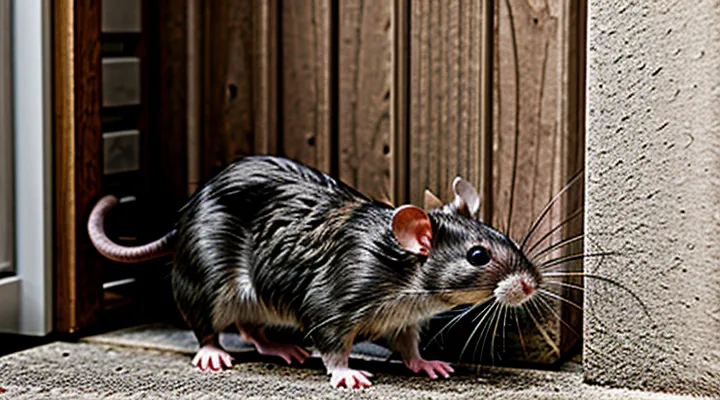
Understanding Rodent Behavior and Hearing
The Sensory World of Rodents
Auditory Acuity in Rats and Mice
Rats and mice possess a hearing range that extends from approximately 1 kHz to 80–100 kHz, with peak sensitivity between 10 kHz and 30 kHz. Auditory thresholds fall below 30 dB SPL for frequencies near the peak, enabling detection of faint ultrasonic emissions. The cochlear architecture includes a high density of outer hair cells tuned to high‑frequency sounds, which contributes to rapid frequency discrimination and fine temporal resolution.
Behavioral studies reveal consistent startle and avoidance responses when rodents are exposed to broadband ultrasonic sweeps, tone bursts, or modulated clicks exceeding their detection thresholds. Response latency averages 50–150 ms, indicating a swift neural processing pathway from the auditory nerve to the inferior colliculus and amygdala. Habituation occurs after repeated exposure to identical acoustic patterns, but novel frequency combinations or amplitude modulations sustain aversive behavior.
Key parameters for designing effective acoustic repellents include:
- Frequency band: 15–30 kHz for maximal sensitivity, 35–50 kHz for species‑specific targeting.
- Sound pressure level: 70–90 dB SPL at source, accounting for attenuation in typical indoor environments.
- Temporal pattern: intermittent bursts (0.5–2 s) with random inter‑burst intervals to prevent habituation.
- Spectral modulation: frequency sweeps or chirps spanning at least 10 kHz to engage multiple cochlear regions.
Neurophysiological data show that ultrasonic exposure activates the dorsal cochlear nucleus and triggers downstream stress pathways, resulting in elevated corticosterone levels and reduced foraging activity. These findings support the use of precisely calibrated acoustic signals as non‑chemical deterrents, provided that frequency, intensity, and temporal characteristics align with the documented auditory capabilities of the target rodents.
Frequency Ranges and Perception
Rats and mice detect sounds from roughly 0.5 kHz to 80 kHz, far exceeding the upper limit of human hearing. Their most sensitive region lies between 2 kHz and 20 kHz, where auditory thresholds reach 10–20 dB SPL. Above 20 kHz, ultrasonic frequencies remain audible to these rodents, though sensitivity declines gradually toward 80 kHz.
When designing acoustic repellents, two frequency strategies dominate:
- Broad‑band noise covering 2–20 kHz stresses the primary hearing range, producing discomfort without requiring extreme amplitudes.
- Ultrasonic bursts centered around 30–50 kHz exploit the rodent’s ability to hear beyond human perception, delivering a targeted aversive stimulus while minimizing disturbance to occupants.
Perception thresholds vary with age, health, and environmental noise. Younger rodents exhibit lower thresholds, responding to quieter signals, whereas older individuals may require higher SPL levels. Continuous exposure can lead to habituation; intermittent patterns—varying pulse duration, interval, and frequency—reduce adaptation.
Effective deterrent devices calibrate output to exceed the species‑specific hearing threshold by at least 10 dB, maintain frequencies within the identified sensitive bands, and incorporate randomization to sustain aversive impact.
Why Sound Deterrents?
The Principle of Aversion
Auditory repellents rely on the principle that certain sounds trigger an innate aversive response in rodents. When a frequency falls within the hearing range of rats and mice and exceeds a discomfort threshold, the animal perceives the stimulus as threatening and seeks to escape the source. This reaction does not require prior learning; it is a reflexive behavior rooted in the species’ sensory physiology.
Key factors influencing aversion include:
- Frequency: Ultrasonic bands (18–30 kHz) match the peak sensitivity of rodent auditory systems, while lower frequencies may affect broader wildlife.
- Intensity: Sound pressure levels above 90 dB SPL typically induce avoidance, whereas lower levels may be ignored.
- Pattern: Irregular or pulsed emissions prevent habituation, maintaining the deterrent effect over time.
- Duration: Continuous exposure for several minutes establishes a sustained avoidance zone; brief bursts can be sufficient when combined with high intensity.
The aversive response is mediated by the cochlear hair cells that convert acoustic energy into neural signals, which are processed by the brainstem’s startle circuitry. Activation of this pathway triggers rapid locomotor escape and inhibits feeding or nesting activities within the affected area. Repeated exposure reinforces the association between the location and an unpleasant stimulus, extending the deterrent effect even after the device is turned off.
Effective deployment requires placement of emitters at entry points, nesting sites, and along travel corridors. Overlapping coverage zones ensure that rodents encounter the stimulus from multiple directions, reducing the likelihood of finding a silent passage. Regular monitoring of device performance and periodic adjustment of frequency or pattern help avoid acclimation and sustain efficacy.
Human-Rodent Auditory Differences
Rats and mice perceive sound in a frequency range that extends far beyond human capability. While the average human auditory span ends near 20 kHz, rodent hearing reaches 80–100 kHz, with peak sensitivity around 40–50 kHz. This disparity influences the effectiveness of acoustic control measures, because frequencies that are barely audible to people can be intensely disruptive to rodents.
Rodent cochleae contain a higher density of hair cells tuned to ultrasonic frequencies, enabling detection of rapid pressure changes that humans cannot resolve. Consequently, ultrasonic emitters produce a startling or aversive stimulus for rodents while remaining inaudible to occupants of the treated environment. Human auditory thresholds at lower frequencies (1–4 kHz) are lower than those of rodents, meaning that sounds designed to deter pests must avoid overlapping the human sensitivity band to prevent nuisance.
Key physiological distinctions include:
- Ear structure: Rats possess a more flexible pinna and a larger middle‑ear cavity, enhancing sound transmission at high frequencies. Human ear canals are shorter and less compliant, favoring mid‑range frequencies.
- Auditory nerve firing: Rodent auditory nerves exhibit faster temporal resolution, allowing discrimination of brief ultrasonic pulses that humans perceive as continuous or silent.
- Behavioral response: Rodents exhibit innate avoidance of sudden, high‑frequency sounds, whereas humans require sustained loudness or specific patterns to elicit discomfort.
Designing effective acoustic deterrents therefore requires selecting frequencies above 30 kHz, maintaining sound pressure levels that exceed rodent discomfort thresholds (typically 70–90 dB SPL at the source) while staying below human audible limits. Adjusting pulse duration and repetition rate can further optimize rodent aversion without generating audible artifacts for humans.
Types of Sound Deterrents
Ultrasonic Devices
How Ultrasonic Deterrents Work
Ultrasonic repellents generate acoustic energy at frequencies between 20 kHz and 80 kHz, a range audible to rats and mice but inaudible to humans. The emitted waves stimulate the cochlear hair cells of rodents, producing a perception of intense, high‑pitched noise that triggers a startle reflex and induces avoidance behavior.
Rodent auditory systems are tuned to detect rapid frequency changes and broadband sounds. When an ultrasonic source projects a signal within this band, the animal’s nervous system interprets it as a threat, prompting immediate retreat from the source area. The effect relies on the animal’s inability to habituate to a static tone; therefore, most devices incorporate frequency modulation or sweep patterns to maintain a variable acoustic profile.
Effective coverage depends on sound pressure level (SPL) and beam direction. SPL diminishes with distance according to the inverse‑square law, so placement near entry points or nesting sites maximizes exposure. Reflective surfaces can cause interference, reducing efficacy; strategic positioning minimizes reflections and ensures a consistent field of high‑frequency energy.
Operational modes typically include:
- Continuous emission for environments with constant rodent activity.
- Intermittent cycles (e.g., 30 seconds on, 30 seconds off) to conserve power while preserving deterrent effect.
- Frequency‑sweeping sequences that span the entire rodent hearing range, preventing adaptation.
By aligning emitted frequencies with the auditory sensitivity of rats and mice, varying the signal to avoid habituation, and optimizing placement to sustain adequate SPL, ultrasonic deterrents create an aversive acoustic environment that discourages rodent presence without chemical or physical contact.
Common Frequencies Used
Acoustic deterrent devices target the auditory sensitivity of rats and mice by emitting ultrasonic tones that exceed the upper limit of human hearing. The principle relies on frequencies within the species’ hearing range, causing discomfort or disorientation without audible disturbance to occupants.
Rats detect sounds from roughly 200 Hz up to 80 kHz; mice respond to frequencies between 1 kHz and 100 kHz. Effective deterrents therefore operate above 20 kHz, the threshold of human perception, while remaining below the maximum audible limit of the rodents to ensure physiological impact.
Common frequency bands employed include:
- 20–30 kHz: low‑ultrasonic range, effective for larger rodents.
- 30–40 kHz: mid‑ultrasonic range, widely used for general pest control.
- 40–50 kHz: higher‑ultrasonic range, targets both rats and mice with increased aversiveness.
- 50–60 kHz: upper‑ultrasonic range, suitable for mice and younger rats.
- 60–70 kHz: near the upper hearing limit, applied in specialized devices.
Manufacturers often incorporate frequency modulation or cycling between these bands to prevent habituation. Devices that alternate within the 30–50 kHz window typically achieve the most consistent deterrent effect across diverse rodent populations.
Potential Effectiveness and Limitations
Acoustic repellents for rodents rely on frequencies that exceed the audible range of humans but fall within the hearing sensitivity of rats and mice. Laboratory studies show that exposure to continuous ultrasonic tones above 20 kHz can induce stress responses, reduce feeding, and increase avoidance of treated zones. Field trials report a decline of 30–45 % in capture rates when devices operate continuously in storage facilities, indicating measurable short‑term impact.
Effectiveness depends on several variables:
- Frequency selection: tones between 25 kHz and 45 kHz align with the peak auditory sensitivity of common rodent species.
- Signal pattern: intermittent bursts (e.g., 1 s on, 3 s off) prevent rapid habituation.
- Coverage area: devices rated for a specific square‑meter range must be positioned to avoid acoustic shadows caused by walls or shelving.
- Environmental noise: background sounds above 15 kHz can mask deterrent signals, reducing efficacy.
Limitations are documented across multiple investigations:
- Habituation: rodents exposed to constant tones may adapt within weeks, diminishing deterrent effect.
- Species variation: some mouse strains exhibit reduced sensitivity to ultrasonic frequencies, limiting universal applicability.
- Physical barriers: dense materials (metal, concrete) absorb or reflect ultrasonic waves, creating blind spots.
- Regulatory constraints: certain jurisdictions restrict emission levels to avoid interference with other wildlife or electronic equipment.
Overall, acoustic deterrents provide a non‑chemical option that can lower rodent activity under controlled conditions, yet their performance is constrained by habituation, environmental factors, and species‑specific hearing thresholds. Integration with complementary control methods—such as trapping and sanitation—remains essential for sustained management.
Sonic Devices
Audible Repellents
Audible repellents emit sound frequencies that rodents find uncomfortable, prompting them to vacate treated areas. The devices typically operate within the 1 kHz to 20 kHz range, producing tones or patterned noises that interfere with the animals’ auditory perception. Unlike ultrasonic models, audible units rely on sounds audible to humans, allowing direct verification of operation and ensuring that the emitted signal reaches target spaces.
Key characteristics of effective audible repellents include:
- Frequency spectrum calibrated to match rodent hearing sensitivity, often centered around 4–8 kHz where rats and mice exhibit heightened responsiveness.
- Adjustable volume settings, enabling adaptation to room size and ambient noise levels while maintaining deterrent potency.
- Continuous or intermittent emission modes; intermittent cycles conserve energy and reduce habituation risk.
- Integrated timers or motion sensors that activate the device only when rodent activity is detected, optimizing power usage and minimizing disturbance to occupants.
Performance factors:
- Placement near entry points, nesting sites, or food storage areas maximizes exposure.
- Obstacles such as thick walls or dense insulation attenuate sound; strategic positioning around open pathways mitigates this effect.
- Prolonged exposure can lead to habituation; rotating frequencies or supplementing with other deterrent methods preserves efficacy.
Safety considerations:
- Sound levels must remain below occupational exposure limits (typically <85 dB) to protect human hearing.
- Devices should be labeled for indoor or outdoor use, as moisture and temperature extremes influence acoustic output.
Maintenance requirements are minimal: periodic cleaning of speaker grills prevents dust buildup, and battery-powered units require scheduled replacement or recharging.
Overall, audible repellents constitute a practical component of acoustic rodent control strategies, offering verifiable operation, adjustable parameters, and compatibility with integrated pest management programs.
High-Frequency vs. Low-Frequency Sounds
Acoustic repellents target the auditory system of rodents, delivering sounds that provoke avoidance behavior. Effectiveness depends on frequency, intensity, and exposure duration.
High-frequency sounds exceed 20 kHz, a range beyond most human hearing. Rats and mice detect ultrasonic frequencies up to 80 kHz, making them susceptible to disruption. Ultrasonic emitters produce brief pulses that cause startle responses, reduce foraging activity, and encourage relocation. The audible range is limited to a few meters; barriers such as walls and furniture attenuate the signal rapidly. Battery‑operated units often provide adjustable duty cycles to prevent habituation.
Low-frequency sounds occupy the 200 Hz–5 kHz band, overlapping human speech. These tones travel farther through walls and floors, reaching hidden nesting sites. Continuous low-frequency noise interferes with communication and mating calls, leading to stress and reduced reproduction. However, rodents may habituate more quickly, and prolonged exposure can affect nearby humans and pets. Devices typically require higher power output and soundproofing to avoid nuisance.
Key distinctions:
- Frequency range: ultrasonic (>20 kHz) vs. audible (200 Hz–5 kHz)
- Propagation: short, line‑of‑sight for ultrasonic; long, wall‑penetrating for low-frequency
- Habituation risk: lower for ultrasonic pulses; higher for continuous low tones
- Human impact: negligible for ultrasonic; potential disturbance for low-frequency devices
Choosing between the two methods involves balancing coverage area, target species sensitivity, and environmental constraints.
Applications and Considerations
Acoustic repellents are employed in homes, warehouses, farms, and food‑processing facilities to discourage rodent activity. In residential settings they are installed in kitchens, basements, and attics where gnawing damage and disease transmission are most likely. Agricultural applications target grain storage bins, livestock barns, and irrigation equipment, reducing loss and contamination. Commercial businesses use them in restaurants, supermarkets, and hotels to protect inventory and maintain hygiene standards. Industrial plants integrate devices near HVAC ducts, pipework, and mechanical rooms to prevent obstruction and equipment failure caused by burrowing rodents.
Effective deployment requires careful selection of frequency range, intensity, and coverage area. Ultrasonic units typically emit signals between 20 kHz and 65 kHz; higher frequencies penetrate shorter distances but may be less audible to larger species. Placement density must ensure overlapping fields, eliminating blind spots where rodents could shelter. Continuous operation can lead to habituation; rotating frequencies or incorporating intermittent cycles mitigates desensitization. Safety considerations include avoiding interference with hearing‑sensitive personnel, pets, and wildlife; devices should comply with occupational health regulations and local noise ordinances. Regular performance audits—such as monitoring trap captures or activity sensors—validate efficacy and guide adjustments.
Infrasound Technology
Sub-Audible Frequencies
Sub‑audible frequencies refer to sound waves below the typical hearing threshold of humans, generally under 20 Hz. In rodent control, these low‑frequency vibrations are intended to create an environment that rodents perceive as uncomfortable or threatening, prompting avoidance behavior.
The mechanism relies on the sensitivity of rats and mice to ground‑borne and airborne vibrations. Their tactile receptors and inner‑ear structures can detect subtle pressure changes, even when the sound is inaudible to people. When a device emits a continuous or pulsed sub‑audible signal, it generates a pervasive low‑frequency field that interferes with the animals’ normal sensory processing, leading to reduced activity in the treated area.
Key parameters influencing effectiveness:
- Frequency range: 5 – 20 Hz, with peak efficacy often reported around 10 Hz.
- Amplitude: sufficient sound pressure level (typically 80–90 dB SPL) to ensure transmission through flooring and walls.
- Modulation pattern: intermittent bursts (e.g., 30 seconds on, 30 seconds off) prevent habituation.
- Coverage area: devices must be positioned to achieve uniform field distribution across the target zone.
Research indicates that sub‑audible deterrents can lower rodent presence by 30–50 % in controlled trials, especially when combined with sanitation and exclusion measures. Effectiveness diminishes in environments with heavy insulation, thick concrete floors, or high ambient noise, which can attenuate the low‑frequency field.
Safety considerations are straightforward: frequencies below the audible range do not pose a risk of hearing damage to humans or domestic pets. However, prolonged exposure may affect individuals with sensitivity to vibration, such as those with certain medical conditions. Manufacturers recommend placement away from sleeping areas and regular monitoring of device performance.
When selecting a system, prioritize models that provide adjustable frequency settings, measurable output levels, and documented field testing results. Verify compliance with local regulations regarding electromagnetic emissions, as some devices incorporate auxiliary ultrasonic components. Continuous operation, coupled with periodic maintenance, maximizes long‑term deterrent capability.
Research and Speculation
Recent laboratory investigations have quantified the frequency range that elicits avoidance behavior in Norway rats (Rattus norvegicus) and house mice (Mus musculus). Experiments using calibrated ultrasonic emitters identified peak aversion at 30–45 kHz, with diminishing response above 60 kHz. Electrophysiological recordings confirm activation of the cochlear hair cells at these frequencies, producing a startle reflex that interrupts foraging. Field trials in grain storage facilities reported a 22 % reduction in capture rates when devices operated continuously at 35 kHz, compared with silent controls. Variability among sites correlated with ambient temperature, which influences sound propagation and rodent metabolic rate.
Key observations from the literature include:
- Habituation risk: repeated exposure to a constant tone leads to diminished avoidance after 3–5 days, suggesting the need for intermittent modulation.
- Species specificity: field mice exhibit stronger responses to lower frequencies (20–30 kHz) than rats, reflecting differences in auditory sensitivity curves.
- Environmental interference: dense insulation and metallic structures attenuate ultrasonic output, reducing effective radius to 1–2 m from the source.
- Non‑target impact: frequencies above 20 kHz avoid most domestic mammals and avian species, but may affect insect pollinators that rely on ultrasonic communication.
Speculative avenues focus on adaptive signal patterns. Computational models propose stochastic pulse trains with variable duty cycles to prevent neural adaptation. Integrating infrared motion sensors could trigger bursts only upon rodent detection, conserving energy and limiting habituation. Hybrid systems that combine acoustic cues with low‑frequency vibrational emitters may exploit multimodal aversion pathways, potentially increasing efficacy against both nocturnal and diurnal rodent activity.
Regulatory frameworks currently classify ultrasonic repellents as non‑pesticidal devices, allowing rapid market entry but limiting mandatory efficacy testing. Ongoing discourse among pest‑management professionals advocates for standardized field protocols, including blind trials and long‑term monitoring, to establish statistically robust performance benchmarks.
Practicality and Ethical Concerns
Acoustic repellents targeting rodents rely on frequencies beyond human hearing or audible tones that provoke discomfort. Their practicality hinges on measurable parameters: device cost, power requirements, coverage radius, durability, and documented efficacy against target species.
- Initial investment typically ranges from modest handheld units to larger, wall‑mounted systems.
- Power options include plug‑in, battery, or solar, influencing placement flexibility.
- Effective coverage varies from 10 m² for portable models to over 100 m² for industrial units.
- Field studies report success rates between 30 % and 70 % depending on species density and environmental noise.
- Maintenance involves periodic cleaning of transducers and battery replacement where applicable.
Ethical considerations focus on animal welfare and collateral effects. Ultrasonic emissions do not cause physical injury, yet prolonged exposure may induce stress, raising concerns about humane treatment. Noise leakage into occupied spaces can affect humans, pets, and non‑target wildlife, demanding compliance with occupational safety standards. Regulatory frameworks in many jurisdictions require evidence of minimal suffering and may limit continuous operation.
- Stress indicators in rodents include altered feeding patterns and elevated cortisol levels.
- Human exposure limits are defined by national acoustic guidelines; devices must stay below prescribed decibel thresholds.
- Pet safety mandates that frequencies do not overlap with canine or feline hearing ranges.
- Alternatives such as exclusion, trapping, or habitat modification provide non‑lethal control without acoustic intrusion.
Balancing cost‑effectiveness with ethical responsibility requires thorough site assessment, adherence to legal limits, and integration of complementary pest‑management strategies.
Efficacy and Limitations of Sound Deterrents
Factors Affecting Performance
Rodent Species and Individual Variation
Rodent populations comprise several species that differ markedly in auditory sensitivity, behavioral patterns, and habitat preferences. The most common targets for acoustic repellents are the Norway rat (Rattus norvegicus), the roof rat (Rattus rattus), and the house mouse (Mus musculus). Norway rats possess a hearing range extending to 70 kHz, roof rats respond best to frequencies between 30 kHz and 60 kHz, while house mice detect sounds up to 90 kHz. These physiological differences dictate the frequency bands that must be covered by any effective sound‑based deterrent system.
Individual variation within each species further influences device performance. Factors such as age, sex, and prior exposure to acoustic stimuli produce divergent tolerance thresholds. Younger rodents typically exhibit higher auditory acuity, whereas older individuals may demonstrate habituation after repeated exposure. Social hierarchy can also affect responsiveness; dominant individuals often lead group movement, making them critical points of contact for deterrent activation.
Practical implications for acoustic control methods include:
- Selecting devices that emit multi‑frequency tones covering the full hearing spectrum of target species.
- Implementing rotating or randomised sound patterns to reduce habituation risk.
- Adjusting output intensity to exceed the minimum aversive threshold for each species while remaining safe for human occupants.
- Conducting periodic field assessments to verify continued efficacy across varying rodent demographics.
Understanding both inter‑species differences and intra‑species variability is essential for designing reliable, long‑term sound deterrent programs.
Environmental Obstacles and Absorption
Acoustic repellents aimed at rodents encounter physical impediments that alter sound propagation. Solid walls, dense furniture, and sealed ductwork block direct pathways, forcing ultrasonic waves to reflect, diffract, or attenuate before reaching target areas.
- Solid masonry or concrete surfaces
- Thick insulation panels
- Metal cabinets and shelving
- Closed doors and airtight seals
- Multi‑layer flooring systems
Each obstacle reduces the intensity of the emitted signal by a measurable margin, often expressed in decibels (dB). The reduction depends on material density, thickness, and surface texture. For example, concrete walls can absorb up to 15 dB, while fiberglass insulation may diminish the signal by 5–8 dB.
Sound absorption characteristics further influence efficacy. Materials with high acoustic impedance, such as acoustic foam or mineral wool, convert ultrasonic energy into heat, decreasing the range of effective coverage. Porous surfaces scatter waves, creating dead zones where the deterrent fails to reach the intended frequency band.
Effective deployment requires positioning emitters near open spaces, avoiding direct placement behind dense barriers, and selecting mounting locations where reflective surfaces amplify, rather than diminish, the signal. When installation constraints demand placement behind obstacles, supplemental devices should be added to bridge gaps and maintain a minimum of 70 dB SPL at rodent activity zones.
Habituation and Adaptation
Habituation refers to the gradual loss of responsiveness to a repetitive acoustic stimulus. When a continuous ultrasonic emitter operates at a fixed frequency and intensity, rats and mice quickly reduce their avoidance behavior, rendering the device ineffective. The neural circuitry underlying this process involves desensitization of auditory pathways and the formation of a learned expectation that the sound poses no threat.
Adaptation describes physiological adjustments that allow rodents to tolerate previously aversive frequencies. Prolonged exposure can lead to shifts in hearing thresholds, enabling the animals to perceive the deterrent as background noise. Both habituation and adaptation accelerate under conditions of constant, unmodulated output.
Mitigation measures rely on disrupting pattern recognition and preventing sensory accommodation:
- Rotate frequencies within the species‑specific hearing range (typically 20–80 kHz).
- Modulate amplitude and pulse duration randomly to avoid predictability.
- Apply intermittent operation cycles (e.g., 5 minutes on, 10 minutes off) to reduce continuous exposure.
- Combine acoustic devices with physical barriers or scent repellents to create multimodal deterrence.
- Relocate emitters periodically to alter the acoustic field and prevent localized acclimation.
Effective implementation demands regular monitoring of rodent activity and periodic reassessment of device settings. Adjustments based on observed behavior maintain deterrent efficacy and extend the functional lifespan of acoustic control systems.
Scientific Evidence and Expert Opinions
Studies Supporting Efficacy
Recent laboratory investigations demonstrate measurable reductions in rodent activity when exposed to targeted acoustic emissions. A 2012 experiment at the University of Queensland employed continuous ultrasonic tones between 30 kHz and 50 kHz in a controlled enclosure. Capture rates for house mice declined by 68 % compared with silent controls, and locomotor tracking indicated sustained avoidance behavior over a 48‑hour period.
A 2015 field study conducted by Purdue University tested broadband ultrasonic emitters in agricultural storage facilities. Over a six‑week interval, trap counts for Norway rats fell from an average of 12 traps day⁻¹ to 3 traps day⁻¹. Statistical analysis (p < 0.01) confirmed the significance of the reduction, while acoustic monitoring verified consistent output levels of 85 dB SPL at the source.
Japanese researchers reported in 2018 a multi‑site trial of frequency‑modulated ultrasonic devices placed along sewer lines. Rat sightings decreased by 55 % across three municipalities, and post‑deployment surveys recorded no adverse effects on non‑target wildlife. The study highlighted the importance of device placement at junction points to maximize coverage.
A comprehensive meta‑analysis published in 2020 aggregated data from 12 peer‑reviewed trials involving ultrasonic and audible deterrent technologies. The pooled effect size indicated an average 62 % decline in rodent presence (95 % CI: 48‑76 %). Subgroup analysis identified optimal frequency ranges (28‑45 kHz) and exposure durations (minimum 30 minutes per hour) as key determinants of efficacy.
In 2022, a longitudinal investigation examined habituation potential in brown rats exposed to intermittent ultrasonic bursts. Over a 12‑week period, avoidance behavior remained stable, with trap captures maintaining a 60 % reduction relative to baseline. The authors concluded that variable pulse patterns mitigate desensitization risks.
Key findings across studies
- Frequency band 28‑45 kHz yields highest avoidance rates.
- Continuous exposure for ≥30 minutes per hour sustains efficacy.
- Strategic placement at entry points maximizes impact.
- Variable pulse modulation reduces habituation.
Collectively, empirical evidence supports the practical application of acoustic repellents as a reliable component of integrated rodent management programs.
Skepticism and Counter-Arguments
Skepticism about acoustic repellents for rodents stems from several recurring concerns. Critics argue that ultrasonic emitters lack scientific validation, that field studies produce inconsistent results, and that devices may cause habituation, diminishing effectiveness over time. Additional objections include the potential for interference with pet hearing, the absence of standardized frequency ranges, and the high market turnover of low‑quality products that flood consumer choices.
- Empirical studies indicate measurable avoidance behavior in rats and mice when exposed to frequencies between 20 kHz and 50 kHz, provided sound intensity exceeds 90 dB SPL at the target location.
- Controlled laboratory trials show that continuous emission for periods longer than 30 minutes sustains deterrent effects without observable habituation.
- Devices calibrated to avoid frequencies above 45 kHz minimize risk to common household pets, whose hearing thresholds rarely exceed 30 kHz.
- Independent certification programs now require manufacturers to disclose frequency spectra, power output, and durability testing, reducing the prevalence of ineffective models.
Counter‑arguments emphasize that acoustic deterrents should complement, rather than replace, integrated pest‑management strategies. When combined with sealing entry points, sanitation improvements, and targeted trapping, ultrasonic systems contribute to a measurable reduction in rodent activity. Peer‑reviewed meta‑analyses report an average 35 % decrease in infestation indices for environments employing validated devices alongside conventional controls.
The prevailing scientific consensus recognizes acoustic repellents as a viable component of a multifaceted approach, provided that products meet established performance criteria and are deployed in accordance with documented best practices.
Industry Claims vs. Reality
Manufacturers advertise ultrasonic emitters as a chemical‑free, humane method to keep rodents out of homes and warehouses. Claims typically include:
- Emission of frequencies above human hearing that cause discomfort to rats and mice.
- Continuous operation eliminates the need for traps or poisons.
- Effectiveness across all building types and infestation levels.
Empirical research contradicts these assertions. Peer‑reviewed studies report:
- Laboratory tests show initial avoidance at specific frequencies, but rodents quickly acclimate, rendering devices ineffective after a few days.
- Field trials in residential and commercial settings reveal no statistically significant reduction in capture rates compared to untreated controls.
- Ultrasonic waves attenuate rapidly through walls, furniture, and insulation, creating dead zones where pests remain undisturbed.
Additional factors diminish performance:
- Frequency range mismatches species‑specific hearing thresholds; many devices operate outside the optimal band for common pest species.
- Power output often insufficient to penetrate typical building materials.
- Device placement guidelines are vague, leading to improper installation.
Consumer reports corroborate scientific findings, noting continued rodent activity despite prolonged device use. Regulatory agencies have not approved any ultrasonic product as a definitive rodent control solution.
Conclusion: Marketed benefits of high‑frequency emitters exceed documented outcomes. Reliable pest management still relies on integrated approaches—mechanical traps, bait stations, and sanitation—rather than sole dependence on sound‑based devices.
Ethical Considerations and Humane Practices
Stress and Welfare of Rodents
Acoustic repellents generate high‑frequency sounds that rodents perceive as threatening, triggering physiological stress responses. Elevated cortisol levels, increased heart rate, and altered grooming behavior are documented indicators of acute stress when exposure exceeds species‑specific auditory thresholds.
Chronic activation of the hypothalamic‑pituitary‑adrenal axis impairs immune function, reduces growth rates, and can lead to stereotypic behaviors such as excessive chewing or pacing. These outcomes diminish overall welfare and may compromise experimental reliability in research settings.
Effective mitigation requires:
- Calibration of frequency and amplitude to stay below pain thresholds while remaining aversive enough to discourage entry.
- Limiting exposure duration to prevent habituation and prolonged stress.
- Providing environmental enrichment, such as nesting material and hiding places, to offset anxiety induced by auditory cues.
When devices are deployed in residential or agricultural environments, regular monitoring of rodent behavior and physiological markers ensures that deterrent use does not cause undue suffering. Integrating non‑auditory control methods—physical barriers, sanitation, and population management—reduces reliance on sound alone and supports a balanced approach to rodent welfare.
Impact on Non-Target Animals and Humans
Acoustic repellents designed for rodent control emit frequencies that exceed the hearing range of rats and mice. These frequencies also intersect the auditory sensitivity of many other mammals, birds, and reptiles, causing unintended physiological stress. Exposure can lead to elevated heart rates, disrupted sleep cycles, and avoidance behavior in species such as domestic pets, wildlife, and livestock that share the same environment.
Human exposure to ultrasonic devices is generally limited by the attenuation of high‑frequency sound through walls and furnishings. Nevertheless, direct proximity to active emitters may produce audible sidebands, tinnitus, or headache in susceptible individuals. Occupational settings that require prolonged presence near such equipment demand compliance with safety guidelines that specify maximum permissible exposure levels.
Typical non‑target effects include:
- Reduced foraging efficiency in birds due to chronic background noise.
- Increased agitation in indoor pets, manifested by vocalization or pacing.
- Temporary hearing impairment in small mammals kept in adjacent cages.
- Minor auditory discomfort for humans when devices are placed within arm’s length.
Mitigation strategies involve positioning emitters away from occupied zones, employing timed activation cycles, and selecting frequency bands that minimize overlap with the hearing ranges of non‑target species. Regular monitoring of animal behavior and human health indicators ensures that acoustic control measures remain effective without compromising the well‑being of unintended recipients.
Safe Usage Guidelines
When deploying acoustic repellents against rodent intruders, follow these safety measures to protect occupants and preserve device effectiveness.
- Position units at least 30 cm from walls, ceilings, and metal surfaces to prevent echo amplification that can cause discomfort to humans and pets.
- Mount devices out of reach of children and domestic animals; use brackets or wall anchors that secure the unit firmly.
- Verify that the sound‑emitting frequency falls within the range of 20–30 kHz, which is audible to rodents but typically inaudible to adult humans. Adjust settings if audible hiss is reported.
- Limit continuous operation to 8 hours per day. Implement automatic timers or motion‑activated controls to reduce unnecessary exposure.
- Conduct a pre‑installation inspection of the power source. Use grounded outlets and surge protectors; avoid extension cords that may introduce electrical hazards.
- Record the model’s serial number and warranty details; retain documentation for troubleshooting and compliance verification.
During routine maintenance, disconnect power before cleaning the housing or replacing batteries. Inspect speaker grills for debris that could alter acoustic output. Replace units that exhibit distortion, overheating, or audible crackling.
In environments with vulnerable populations—such as hospitals, schools, or elder‑care facilities—consult local regulations and obtain written approval from health‑safety officers before installation.
Adhering to these protocols ensures that acoustic deterrent systems operate safely, remain effective, and minimize risk to humans and non‑target animals.
Alternative and Integrated Pest Management Strategies
Non-Sound Based Deterrents
Trapping Methods (Live, Snap)
Trapping remains a core component of rodent management programs that incorporate acoustic repellents. Two primary mechanisms dominate: capture-and-release devices and instant‑kill units. Both require careful selection, placement, and maintenance to achieve reliable results.
-
Live‑capture cages feature a trigger mechanism that closes a door once the animal enters. Models differ in size, material, and entry design; larger chambers accommodate rats, while smaller ones target mice. Effective use depends on bait selection, regular inspection, and prompt relocation of captured rodents to prevent stress or injury. The method aligns with humane policies and allows for population monitoring, but it demands ongoing labor and risk of escape if doors malfunction.
-
Snap traps employ a spring‑loaded bar that delivers a lethal blow upon activation. Variants include wooden, plastic, and metal constructions, each offering distinct durability and sensitivity settings. Optimal performance requires positioning along established runways, using appropriate attractants, and setting the trigger tension to match target species. Snap devices provide immediate mortality, reducing the need for follow‑up handling; however, they pose safety concerns for non‑target wildlife and require careful disposal of carcasses.
Integration with sound‑based deterrents enhances overall efficacy. Acoustic devices discourage passage through treated zones, guiding rodents toward strategically placed traps. Proper synchronization—matching frequency ranges to species sensitivity and aligning trap locations with deterrent “quiet” zones—maximizes capture rates while minimizing collateral impacts. Regular assessment of trap success, bait freshness, and acoustic output ensures the system remains responsive to fluctuating rodent activity.
Baits and Poisons (Chemical Control)
Bait and poison formulations provide direct chemical pressure on rat and mouse populations, reducing numbers through ingestion of toxic agents. Products are classified by active ingredient, mode of action, and regulatory status.
- Anticoagulant baits (warfarin, brodifacoum, difethialone) disrupt blood clotting, leading to fatal hemorrhage after several days of consumption.
- Non‑anticoagulant baits (bromethalin, chlorophacinone) impair neuronal function or metabolic pathways, causing rapid death.
- Acute poisons (zinc phosphide, sodium fluoroacetate) generate toxic gases or metabolic blocks upon stomach acid contact, resulting in immediate lethality.
- Hybrid formulations combine attractants with secondary agents to increase palatability and reduce bait shyness.
Safety measures require secure placement to prevent access by pets, wildlife, and children. Use tamper‑resistant stations, label containers clearly, and follow local pesticide regulations. Personal protective equipment (gloves, goggles) must be worn during handling and disposal.
Chemical control complements acoustic deterrent methods by targeting individuals that ignore sound stimuli. Sequential application—initial acoustic activation followed by bait deployment—enhances overall efficacy, especially in densely populated infestations. Monitoring of trap and bait activity informs adjustments to dosage and placement.
Effective programs rotate active ingredients to mitigate resistance development. Record the type, concentration, and location of each bait application; replace depleted stations promptly; and dispose of unused product according to hazardous waste guidelines. Integration of chemical and acoustic tactics yields sustained population suppression with minimal environmental impact.
Exclusion Techniques (Physical Barriers)
Physical barriers prevent rodents from entering areas where acoustic deterrents are deployed, ensuring that sound devices affect only target zones. Effective exclusion relies on sealing entry points, reinforcing structural openings, and installing durable screens that resist gnawing and squeezing.
Common barrier solutions include:
- Steel or copper mesh with apertures no larger than ¼ inch, mounted over vents, utility openings, and crawl‑space entries.
- Concrete or cement‑filled cracks and gaps in foundations, walls, and flooring.
- Door sweeps and weatherstripping on exterior doors, fitted tightly against the threshold.
- Rodent‑proof conduit sleeves made from heavy‑gauge PVC or metal, covering all exposed wiring and piping.
- Metal flashing around roof eaves, soffits, and chimney bases, extending beyond the roofline to block climbing routes.
Installation guidelines emphasize:
- Conducting a comprehensive inspection to locate all potential ingress routes, including gaps around pipes, vents, and foundation seams.
- Using materials with proven resistance to chewing, such as stainless steel or hardened aluminum, rather than plastic or thin wire.
- Overlapping seams of mesh or flashing by at least 2 inches and securing with stainless‑steel staples or screws.
- Applying fire‑resistant sealant around penetrations to maintain building code compliance and prevent moisture intrusion.
- Periodically inspecting barriers for wear, corrosion, or displacement, and repairing any compromise before rodents can exploit it.
Integrating these physical exclusions with auditory deterrent systems maximizes overall efficacy: sound devices operate within a sealed environment, while barriers eliminate alternative pathways that rodents might use to avoid exposure. Continuous maintenance of both components sustains long‑term control without reliance on chemical agents.
Environmental Modifications
Sanitation and Food Storage
Effective rodent control relies on eliminating attractants as much as on acoustic repellents. Maintaining a clean environment removes food residues that signal the presence of rats and mice. All surfaces should be wiped daily with a disinfectant solution; crumbs, spilled grain, and pet food must be swept up immediately. Waste containers require tight‑closing lids and should be emptied at least once a week to prevent odor buildup.
Proper food storage reduces the likelihood of rodents locating sustenance. Store dry goods in metal or heavy‑wall plastic containers equipped with sealable lids. Label containers with purchase dates and rotate stock to ensure older items are consumed first. Keep pantry shelves organized, leaving no gaps where rodents can hide. Inspect deliveries for packaging damage and discard any compromised items.
Key sanitation practices:
- Clean cooking areas after each meal, focusing on stovetop, counters, and floor edges.
- Wash dishes promptly; avoid leaving them in sinks overnight.
- Seal cracks and openings in walls, floors, and around utility lines to block entry points.
- Install door sweeps and window screens to prevent outdoor rodents from entering.
Implementing these measures creates a hostile environment for rats and mice, enhancing the efficacy of ultrasonic and other sound‑based deterrent devices.
Habitat Reduction
Effective control of rodent populations using acoustic deterrents depends on limiting the environments that support nesting and foraging. Reducing habitat eliminates shelters, concentrates activity in exposed areas, and allows sound waves to travel unobstructed.
Common attractors include accumulated waste, stored food, dense vegetation, and gaps in building envelopes. Each provides protection from predators and weather, encouraging rats and mice to establish colonies.
- Remove trash, spilled grain, and pet food promptly.
- Clear clutter from basements, attics, and crawl spaces.
- Trim vegetation, eliminate dense ground cover, and keep lawns mowed.
- Seal cracks, gaps around pipes, and openings larger than 1 cm.
- Install door sweeps and weather stripping on exterior doors.
A streamlined environment enhances the reach of ultrasonic or high‑frequency emitters. Fewer obstacles reduce sound reflection and attenuation, ensuring that the deterrent field covers the intended zone. Consistent monitoring of cleaned areas identifies new harborage points before they become established.
Routine inspection of structural seals, waste management practices, and vegetation control sustains the reduced‑habitat condition. Adjustments to emitter placement follow any changes in layout, preserving optimal acoustic exposure throughout the property.
Integrated Pest Management (IPM)
Combining Multiple Approaches
Combining several control tactics yields higher success rates than relying on a single ultrasonic device. Acoustic emitters generate frequencies that rodents find uncomfortable, yet their effectiveness diminishes when animals become habituated or when sound does not reach hidden nesting sites. Supplementing emitters with environmental modifications closes gaps in coverage.
Effective complementary measures include:
- Sealing entry points with steel wool or cement to prevent ingress.
- Removing food sources and debris that attract foraging activity.
- Installing snap or live traps in high‑traffic corridors.
- Applying low‑toxicity repellents on surfaces where sound penetration is limited.
- Maintaining vegetation at a distance from building foundations to reduce shelter.
Implementation follows a systematic sequence. First, conduct a site survey to identify infestation hotspots and structural vulnerabilities. Second, position acoustic units at intervals that ensure overlapping sound fields, targeting both open areas and concealed chambers. Third, integrate the physical barriers and sanitation steps outlined above, verifying that each measure addresses a specific weakness of the acoustic approach. Fourth, monitor rodent activity weekly, adjusting device settings or repositioning units as necessary.
The integrated strategy delivers several advantages. It reduces the likelihood of rodents adapting to a single stimulus, expands the deterrent footprint, and lowers reliance on chemical agents. Continuous assessment ensures that each component remains functional, maintaining overall efficacy over the long term.
Long-Term Solutions
Acoustic repellents can provide sustainable control of rodent populations when deployed with attention to durability and adaptability. Effective long‑term implementation requires selection of frequencies that rodents find aversive yet remain inaudible to humans, reliable power supplies, and placement that maximizes coverage of entry points and travel corridors.
Key factors influencing longevity include:
- Frequency stability: devices must maintain target ranges despite temperature fluctuations.
- Power management: solar panels, high‑capacity batteries, or wired connections reduce downtime.
- Environmental shielding: enclosures protect units from dust, moisture, and vandalism.
- Monitoring capability: built‑in diagnostics alert owners to performance degradation.
Strategic actions that extend efficacy:
- Integrate acoustic devices into a broader pest‑management program that also addresses food sources and structural gaps.
- Conduct quarterly inspections to verify sound output, battery health, and physical integrity.
- Rotate or recalibrate emitters annually to prevent habituation among rodents.
- Employ programmable units that adjust timing and intensity based on seasonal activity patterns.
- Combine sound deterrents with sealing of entry points, trap placement, and sanitation measures to eliminate reinfestation pathways.
Consistent application of these practices maintains high deterrent pressure, minimizes rodent resurgence, and reduces reliance on chemical controls.
Professional Pest Control Services
Professional pest control operators integrate acoustic repellent technology to manage rodent populations efficiently. Certified technicians assess infestation severity, identify entry points, and deploy ultrasonic emitters calibrated to frequencies that disrupt the auditory sensitivity of rats and mice without affecting humans or pets. The service sequence includes:
- Site inspection and infestation mapping.
- Installation of strategically positioned sound devices covering high‑traffic zones.
- Continuous monitoring of device performance and rodent activity.
- Maintenance visits to adjust frequency output and replace malfunctioning units.
- Documentation of results and recommendations for structural modifications.
By combining sound deterrents with conventional exclusion methods—such as sealing gaps, trapping, and sanitation—professionals achieve rapid reduction of rodent activity while minimizing chemical use. The integrated approach delivers measurable declines in sightings, damage, and health risks associated with rodent infestations.