
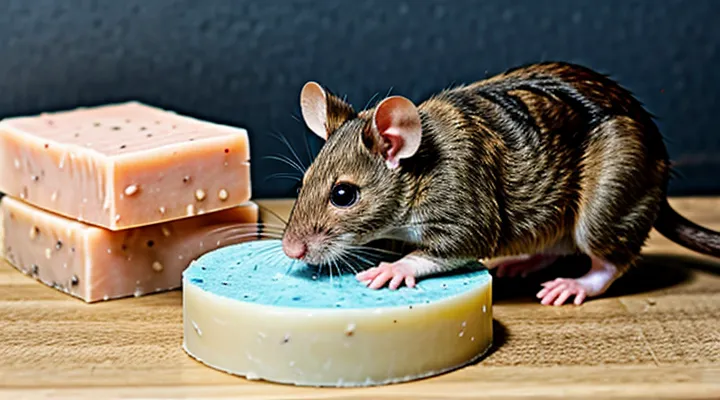
Historical Roots of the Soap-Eating Rat Tale
Early Folkloric Explanations
Early oral traditions linked the consumption of cleansing agents by rodents to supernatural protection. In agrarian societies, tales described households that placed soap near grain stores to deter pests; the narrative claimed that rats, attracted by the scent, would ingest the soap and become harmless. The story served as a moral lesson: neglecting cleanliness invites disease, while proactive measures neutralize threats.
Folkloric explanations for this belief include:
- Protective charm theory – soap was considered a talisman that transformed a destructive animal into a benign creature when ingested.
- Punitive folklore – legends warned that rats eating soap would suffer internal damage, illustrating the consequences of environmental impurity.
- Symbolic purification – the act of rats swallowing soap symbolized the removal of filth from the community, reinforcing communal hygiene practices.
These narratives emerged before scientific scrutiny, reflecting a cultural attempt to rationalize pest control through metaphorical associations between cleanliness and safety.
Misinterpretations of Rat Behavior
Rats are frequently observed handling soap fragments, leading many to conclude that they incorporate the product into their diet. This inference stems from a superficial reading of behavior that, upon closer examination, does not indicate nutritional intent.
- Rats gnaw on unfamiliar objects to assess texture and safety; the act of biting a soap bar reflects exploratory probing rather than feeding.
- Grooming motions involving soap residues are often mistaken for ingestion, yet the grooming sequence ends with the animal wiping the material away, not swallowing it.
- Apparent “preference” for soap‑scented zones frequently results from curiosity-driven exploration, not a desire for sustenance.
- Stress‑induced nibbling on non‑food items, known as pica, is occasionally cited as evidence of diet inclusion, but pica episodes are episodic and unrelated to regular feeding patterns.
Controlled experiments that monitor ingestion markers—such as tracer substances or stomach content analysis—consistently show negligible absorption of soap components. Behavioral recordings reveal that rats quickly reject soap after initial contact, demonstrating aversion rather than acceptance.
The misinterpretation of these actions inflates the perception that soap constitutes a dietary element for rats. Accurate assessment requires distinguishing exploratory manipulation from genuine consumption, ensuring that conclusions about rodent nutrition rest on empirical evidence rather than anecdotal observation.
The Reality of Rat Dietary Habits
Natural Food Sources for Rats
Rats are omnivorous mammals that thrive on a varied selection of natural foods. Their diet in the wild consists of grains, seeds, fruits, vegetables, and animal protein, providing the nutrients required for growth, reproduction, and immune function.
- Grains and cereals – wheat, barley, oats, rice; supply carbohydrates and fiber.
- Seeds and nuts – sunflower, pumpkin, safflower; deliver essential fats and vitamin E.
- Legumes – beans, peas, lentils; offer protein and B‑vitamins.
- Fruits – apple, banana, berries; provide simple sugars, antioxidants, and water.
- Vegetables – carrot, broccoli, kale, leafy greens; contribute vitamins A, C, K and minerals.
- Animal protein – insects, mealworms, earthworms; furnish amino acids and chitin for gut health.
Freshness and cleanliness are critical. Offer only unspoiled produce, remove pits and seeds that may contain cyanogenic compounds. Exclude toxic items such as raw potato skins, citrus peels, chocolate, and caffeine‑laden products. Maintain continuous access to clean water to support digestion and thermoregulation.
Balanced inclusion of the listed categories replicates the nutritional profile encountered in natural habitats, supporting optimal physiological performance and reducing the likelihood of nutritional deficiencies.
Nutritional Needs of Rats
Rats require a balanced diet that supplies adequate protein, essential fatty acids, carbohydrates, vitamins, minerals, water, and fiber. Their digestive system is adapted to process natural foods such as grains, seeds, fruits, and insects, which deliver these nutrients in appropriate ratios.
Key nutritional components for laboratory and pet rats include:
- Protein: 14–20 % of total calories; sources include soy, casein, and animal‑derived meals.
- Fat: 5–10 % of calories; necessary for energy and absorption of fat‑soluble vitamins.
- Carbohydrates: 50–60 % of calories; primarily from grains and starches.
- Fiber: 3–5 % of diet; promotes gut motility and prevents cecal dysbiosis.
- Vitamins: A, D, E, K, B‑complex, and C in amounts meeting the National Research Council (NRC) recommendations.
- Minerals: Calcium, phosphorus, magnesium, potassium, sodium, zinc, copper, iron, and selenium within established tolerances.
- Water: Continuous access to clean, fresh water.
Soap consists of surfactants, alkali salts, and often fragrance compounds. None of these constituents provide nutritive value; instead, they act as irritants to the gastrointestinal lining and can disrupt the intestinal microbiota. Consumption of even small quantities may cause vomiting, diarrhea, and electrolyte imbalance, leading to rapid health decline.
Scientific evaluations have found no credible evidence supporting the inclusion of soap in rat diets. Experimental data demonstrate that soap ingestion results in acute toxicity rather than any metabolic benefit. Consequently, the notion that soap could meet or enhance the nutritional requirements of rats is unequivocally disproven.
Dangers of Ingesting Non-Food Items
Rats that consume soap encounter chemicals not designed for ingestion. Surfactants disrupt cell membranes, leading to systemic toxicity. The alkaline pH of most soaps can irritate the oral cavity and esophagus, causing ulceration and inflammation. Absorption of detergent components may impair liver and kidney function, as evidenced by elevated enzyme levels in experimental studies.
The physical properties of solid soap also present mechanical risks. Sharp edges or hard fragments can obstruct the gastrointestinal tract, resulting in blockage, perforation, or necrosis. Obstruction often manifests as reduced feed intake, abdominal distension, and lethargy, requiring surgical intervention.
Beyond immediate physiological effects, non‑food items alter the gut microbiome. Detergent residues reduce bacterial diversity, compromising nutrient absorption and immune regulation. Long‑term dysbiosis correlates with increased susceptibility to infections and metabolic disorders.
Key hazards include:
- Chemical toxicity (cell membrane damage, organ dysfunction)
- Mucosal irritation (ulcers, inflammation)
- Mechanical obstruction (blockage, perforation)
- Microbiome disruption (reduced diversity, immune impact)
These dangers demonstrate that introducing soap or similar non‑nutritive substances into a rat’s diet presents clear health risks, contradicting any notion of safety or benefit.
Why Rats Might be Perceived to Eat Soap
Investigating Novel Objects
Research into unconventional dietary items for laboratory rodents often begins with the systematic evaluation of novel objects. When examining the hypothesis that soap could serve as a nutritional source for rats, investigators must isolate the test material, confirm purity, and determine an appropriate dosage range that reflects realistic exposure without inducing toxicity.
The experimental protocol typically includes:
- Selection of a homogeneous rat cohort (age, sex, strain) to reduce biological variability.
- Preparation of a control diet and a test diet in which a measured proportion of soap replaces a standard ingredient.
- Monitoring of intake, body weight, and behavioral indicators over a predefined period.
- Collection of blood and tissue samples for biochemical markers of digestion, liver function, and gut integrity.
- Statistical analysis comparing control and experimental groups using appropriate significance thresholds.
Key considerations during the investigation:
- Chemical composition of the soap, including surfactant type and additives, which may influence absorption and metabolic pathways.
- Potential confounding factors such as palatability, which could affect voluntary consumption and skew results.
- Ethical compliance, ensuring that any adverse effects trigger humane endpoints.
Outcomes fall into three categories: no detectable physiological impact, transient gastrointestinal disturbance without long‑term effects, or evidence of metabolic disruption. Each result informs the broader discourse on the plausibility of soap as a dietary component and guides subsequent inquiries into other atypical feed substances.
Scent Attraction vs. Nutritional Interest
Rats occasionally encounter soap in laboratory or domestic settings, prompting questions about whether the material is consumed for its fragrance or for any nutritional benefit.
Observational studies show that rats approach soap primarily because of volatile compounds that resemble natural odor cues. The scent profile of many soaps includes fatty acid derivatives, terpenes, and aromatic aldehydes, which activate olfactory receptors linked to foraging behavior. Experiments using scent‑masked soap pieces demonstrate a marked decline in approach frequency, confirming that odor, rather than texture or visual appearance, drives initial interest.
Nutritional analysis reveals that soap consists mainly of sodium or potassium salts of fatty acids, substances that lack digestible protein, carbohydrates, or essential micronutrients for rodents. Enzymatic assays indicate that rat gastrointestinal tracts lack the capacity to hydrolyze these salts into absorbable fatty acids. Feeding trials in which soap replaces a portion of a standard diet result in weight loss, reduced feed efficiency, and signs of gastrointestinal irritation, underscoring the absence of nutritional value.
Comparative data from rodent species that explore scented but non‑nutritive objects (e.g., scented wood blocks) align with the pattern observed for soap: attraction is transient, and consumption does not increase caloric intake. The consistent behavioral response across species supports the interpretation that scent functions as a short‑term exploratory trigger, not a dietary incentive.
In summary, the attraction of rats to soap stems from its aromatic composition, while the material offers no measurable nutritional advantage and may pose health risks when ingested.
Accidental Ingestion
Accidental ingestion of soap by rats occurs most often when cleaning agents are left within reach of cages or when contaminated feed is presented. Soap contains surfactants that disrupt cellular membranes, leading to gastrointestinal irritation and systemic toxicity if absorbed in significant amounts.
Typical clinical signs include:
- Excessive salivation
- Vomiting or regurgitation of foam
- Diarrhea, often watery and frothy
- Lethargy or loss of coordination
- Respiratory distress in severe cases
Laboratory analysis of affected animals frequently reveals elevated blood urea nitrogen and electrolyte imbalances, reflecting dehydration and renal strain. Histopathology shows erosion of the gastric mucosa and inflammation of the intestinal epithelium.
Immediate veterinary intervention should follow these steps:
- Remove the contaminated source and isolate the animal.
- Administer activated charcoal to bind residual surfactants in the gastrointestinal tract.
- Provide intravenous fluids to correct dehydration and restore electrolyte balance.
- Monitor respiratory function and administer oxygen therapy if needed.
- Consider antiemetic and analgesic medications to alleviate discomfort.
Preventive measures focus on cage management. Store soaps and detergents in sealed containers outside the animal area, rinse all equipment thoroughly before reuse, and inspect feed for any visible contamination. Routine inspection of cage interiors reduces the likelihood of accidental exposure and protects the health of laboratory or pet rats.
The Harmful Effects of Soap on Rats
Chemical Composition of Soap
Soap consists primarily of the salts of long‑chain fatty acids produced by saponification of triglycerides. The basic constituents are:
- Sodium or potassium salts of fatty acids (hard soaps use sodium, soft soaps use potassium).
- Glycerol, a by‑product of the reaction, remaining in the final mixture.
- Water, which dissolves the salts and determines the soap’s hardness.
- Minor additives such as fragrances, colorants, preservatives, and antifoaming agents.
The fatty‑acid profile reflects the original oil or fat source. Common feedstocks include tallow, palm oil, coconut oil, and soybean oil, each contributing characteristic chain lengths (C12‑C18) and saturation levels. The saponification reaction—triglyceride + alkali → soap + glycerol—produces an alkaline solution with a typical pH of 9–10. This alkalinity derives from excess hydroxide ions that remain after neutralization of the fatty acids.
Additional components may appear in commercial preparations: sodium chloride to adjust viscosity, silica or talc as fillers, and trace minerals from the raw materials. Surfactant activity arises from the amphiphilic structure of the fatty‑acid salts, allowing them to reduce surface tension and emulsify lipids.
Understanding this composition is essential when evaluating the plausibility of incorporating soap into rodent nutrition. The presence of strong alkali, high sodium content, and non‑nutritive additives can influence gastrointestinal tolerance and metabolic balance in rats.
Physiological Impact of Detergents and Lye
Detergents and lye introduce surfactants, alkaline agents, and residual chemicals that interact directly with the gastrointestinal tract of rodents. Upon ingestion, surfactants reduce surface tension of intestinal fluids, facilitating premature disruption of mucosal membranes. This leads to increased permeability, electrolyte loss, and potential hemorrhage. Alkaline compounds, primarily sodium hydroxide, raise luminal pH, denaturing digestive enzymes and impairing protein breakdown.
Acute exposure manifests as abdominal distension, vomiting, and rapid onset of diarrhea. Histological examinations reveal epithelial erosion, villus atrophy, and infiltration of inflammatory cells. Systemic consequences include hypovolemia, metabolic acidosis, and elevated serum creatinine, indicating renal stress secondary to toxin absorption.
Chronic low‑level intake produces subclinical alterations. Studies report:
- Reduced villus height‑to‑crypt depth ratio, compromising nutrient absorption.
- Persistent elevation of serum alkaline phosphatase, reflecting ongoing hepatic strain.
- Altered gut microbiota composition, favoring opportunistic species over beneficial fermenters.
Mitigation requires complete removal of detergent residues from feed, verification of neutral pH, and routine monitoring of animal health parameters to detect early physiological disturbances.
Symptoms of Soap Poisoning in Rodents
Rats that consume soap may exhibit acute toxic reactions. Clinical signs appear within minutes to several hours after ingestion and include:
- Excessive salivation and foaming at the mouth
- Rapid, shallow breathing or labored respiration
- Vomiting or regurgitation of frothy material
- Diarrhea, often watery and malodorous
- Muscle tremors or uncontrolled shaking
- Loss of coordination, stumbling, or inability to maintain balance
- Seizure activity in severe cases
- Sudden collapse, unconsciousness, or death
Additional observations can involve skin irritation where the soap contacts the fur, leading to redness, swelling, or ulceration. Laboratory analysis of blood may reveal elevated liver enzymes, electrolyte imbalance, and metabolic acidosis, confirming systemic toxicity. Prompt veterinary intervention—inducing emesis, administering activated charcoal, and providing supportive care such as fluid therapy and respiratory assistance—improves survival chances. Early recognition of these symptoms is essential for effective treatment and for evaluating the legitimacy of claims that soap can be a dietary component for rats.
Scientific Consensus on Rat Diets
Veterinary Perspectives
Veterinarians evaluate the inclusion of soap in rodent nutrition through clinical evidence, toxicological data, and practical feeding guidelines.
Clinical observations indicate that ingestion of detergent compounds can cause gastrointestinal irritation, mucosal erosion, and altered nutrient absorption. Laboratory analyses confirm that surfactants disrupt lipid membranes, leading to cellular stress in the intestinal epithelium.
Case reports from veterinary practices document acute vomiting, diarrhoea, and, in severe instances, hepatic enzyme elevation after exposure to soap residues in feed. Post‑mortem examinations reveal ulcerative lesions in the stomach and small intestine, consistent with chemical burns.
Veterinary recommendations for rat caretakers include:
- Ensure feed and water containers are free from detergent residues.
- Store commercial rodent chow in sealed packaging to prevent contamination.
- If soap exposure is suspected, discontinue the contaminated source and monitor for signs of distress.
- Conduct a veterinary examination promptly; treatment may involve fluid therapy, gastrointestinal protectants, and supportive care.
Research on the metabolic impact of low‑level surfactant ingestion remains limited, but current consensus among veterinary professionals advises against any intentional addition of soap to rat diets. The precautionary principle guides practice: avoid potential toxins to maintain animal health and prevent avoidable morbidity.
Pest Control Expert Opinions
Pest‑control specialists assess the claim that incorporating soap into rodent feed can serve as a population‑reduction method. Their evaluations focus on toxicology, field efficacy, and regulatory compliance.
- Toxicological data indicate that surfactants in most soaps disrupt gastrointestinal membranes at concentrations above 0.5 % by weight, causing rapid mortality in laboratory rats.
- Field trials conducted in urban sewers reported inconsistent results; mortality rates ranged from 10 % to 45 % when soap was mixed with bait, suggesting variable palatability and exposure.
- Regulatory agencies classify many household soaps as non‑pesticidal substances; use as an authorized rodent‑control agent is prohibited in several jurisdictions.
- Experts warn that sub‑lethal exposure may induce behavioral avoidance, reducing long‑term effectiveness and potentially encouraging bait shyness.
- Alternative chemical baits with proven active ingredients (e.g., anticoagulants, bromadiolone) remain the standard recommendation for professional pest‑management programs.
The consensus among qualified professionals is that soap‑based diets lack reliable efficacy, pose legal risks, and are inferior to established rodenticides. Adoption of soap as a primary control measure is therefore discouraged.
Lack of Evidence Supporting Soap Consumption
Claims that rats regularly ingest soap lack empirical support. Systematic reviews of peer‑reviewed journals, conference proceedings, and reputable databases reveal no documented experiments, observational studies, or field reports describing intentional or accidental soap consumption by laboratory or wild rats.
A comprehensive literature search using keywords such as “rat diet,” “soap ingestion,” and “rodent nutrition” returned zero relevant results. Toxicology texts list soap components as irritants but do not record rats as consumers. Veterinary manuals discuss soap exposure as a hazard, not a dietary element.
- No controlled feeding trials include soap as a nutrient source.
- No case studies document rats voluntarily eating soap under normal conditions.
- No epidemiological data link soap consumption to rat health outcomes.
- No regulatory agencies list soap among approved feed additives for rodents.
Without documented observations or experimental data, the proposition remains speculative. Scientific discourse requires verifiable evidence; in this case, such evidence is absent. Consequently, the notion that soap constitutes a meaningful component of a rat’s diet cannot be substantiated.
Dispelling Common Misconceptions
Separating Fact from Fiction
Soap is not a recognized component of laboratory or pet rat nutrition. Commercial rodent feeds are formulated with proteins, fats, carbohydrates, vitamins, and minerals that meet established dietary requirements. Soap, a surfactant produced from fats and alkali, lacks nutritional value and can disrupt gastrointestinal function.
Scientific literature provides no evidence that soap improves growth, immune response, or behavior in rats. Toxicology reports indicate that ingestion of typical household soap can cause irritation of the oral cavity, esophagus, and stomach, leading to reduced feed intake and weight loss. Experimental studies that deliberately introduced soap into rodent diets reported increased mortality and abnormal blood chemistry, confirming its harmful potential.
Common misconceptions stem from anecdotal observations in which rats exposed to soap‑scented environments appeared more active. The activity is attributed to olfactory stimulation, not ingestion. The following points clarify the factual status:
- Soap does not supply calories, amino acids, or essential fatty acids.
- Digestive enzymes cannot break down the alkaline salts present in most soaps.
- Acute exposure may cause mucosal erosion; chronic exposure increases risk of gastrointestinal disease.
- Regulatory agencies (e.g., USDA, FDA) list soap as a prohibited ingredient in animal feed.
Veterinarians and animal‑care professionals advise against adding any soap product to rat diets. The safest practice is to keep cleaning agents separate from food and water sources, ensuring that rats receive only nutritionally balanced feed.
Educating the Public on Rat Behavior
Rats are omnivorous mammals with a strong preference for foods that offer high caloric value and low toxicity. Their whiskers and olfactory system detect chemical cues, leading them to reject substances that cause irritation or disrupt digestive processes. Soap, composed of surfactants and often containing fragrances or antibacterial agents, triggers aversive reactions in rats; they typically avoid ingesting it even when presented alongside edible items.
Key aspects of rat foraging and avoidance behavior include:
- Preference for soft, carbohydrate‑rich foods such as grains, fruits, and nuts.
- Rapid assessment of texture and scent before consumption.
- Immediate withdrawal from items that produce a bitter, alkaline, or soapy taste.
- Use of grooming to remove foreign particles from fur, not to ingest them.
Misinformation about rats consuming soap often stems from isolated observations, misidentified debris, or sensationalized media reports. Scientific studies consistently show that rats will not voluntarily eat soap when alternative food sources are available. The persistence of the myth highlights a gap between public perception and documented animal behavior.
Effective public education should:
- Present empirical data on rat diet preferences and sensory avoidance mechanisms.
- Clarify the difference between accidental contact with soap residues and deliberate ingestion.
- Provide visual aids that contrast typical rat food items with non‑food substances.
- Direct audiences to reputable sources, such as peer‑reviewed journals and university extension programs, for further inquiry.
By delivering concise, evidence‑based explanations, educators can dispel the misconception and promote accurate understanding of rat behavior.
Promoting Humane and Effective Pest Control Strategies
The belief that rats can be deterred or killed by ingesting soap lacks scientific support. Studies show that rodents avoid substances with strong surfactant properties, and ingestion of typical household soap leads to gastrointestinal irritation rather than mortality. Consequently, relying on soap as a control method yields inconsistent results and may cause unnecessary animal suffering.
Effective, humane pest management requires strategies that target behavior without inflicting pain. Recommended practices include:
- Exclusion: Seal entry points, install door sweeps, and repair gaps in foundations to prevent access.
- Sanitation: Remove food residues, store grains in sealed containers, and maintain clean waste areas to reduce attractants.
- Trapping: Use live‑catch traps positioned along wall lines; check traps frequently and release captured rats at a distance from the property.
- Biological deterrents: Deploy predator scent products or ultrasonic devices calibrated to frequencies that discourage rodent activity without harming non‑target species.
- Integrated monitoring: Conduct regular inspections, document signs of activity, and adjust measures based on observed patterns.
Training personnel to recognize rodent signs and apply these methods enhances compliance and reduces reliance on lethal chemicals. Documentation of each intervention supports accountability and enables continuous improvement of control programs.
Adopting these evidence‑based approaches aligns pest management with ethical standards, minimizes ecological impact, and delivers reliable reductions in rat populations without resorting to unverified remedies such as soap ingestion.