
Understanding Rat Behavior and Control
Why Rodent Control is Essential
Rodent control prevents the spread of zoonotic diseases, reduces structural damage, and safeguards food supplies.
- Pathogens carried by rats cause gastrointestinal, respiratory, and blood‑borne infections in humans and livestock.
- Gnawing activity compromises wiring, insulation, and foundations, leading to fire hazards and costly repairs.
- Contamination of stored products results in spoilage, loss of marketability, and regulatory penalties.
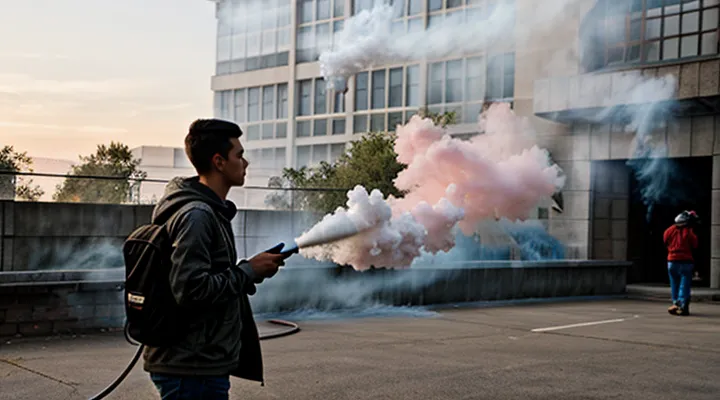
Effective management relies on methods that reach hidden populations quickly and minimize exposure to non‑target species. Smoke‑based dispersal devices generate dense vapor that penetrates burrows and concealed nesting sites, delivering rodenticides directly to active rodents. Proper placement, timing, and ventilation ensure maximum impact while reducing residual risk. Integrating such tools into a comprehensive program—regular monitoring, sanitation, and exclusion measures—delivers sustained reduction of infestations and protects health, property, and economic interests.
Common Rat Control Methods
Rats are typically managed through several proven techniques. Snap traps provide immediate mortality, require minimal maintenance, and are cost‑effective for isolated infestations. Live‑capture cages allow removal without killing, facilitating relocation or humane disposal; they demand frequent checking to prevent stress‑related mortality. Rodenticides, delivered as bait blocks or pellets, target larger populations but pose secondary‑poisoning risks and require strict compliance with safety regulations. Electronic devices emit high‑frequency pulses that incapacitate rodents; they offer rapid results and reduce chemical exposure but may be limited by power availability and target size. Structural exclusion—sealing entry points, installing door sweeps, and maintaining screens—prevents re‑entry, delivering long‑term protection when combined with sanitation practices that eliminate food and water sources. Biological control, such as encouraging owls or feral cats, contributes to population suppression but lacks precision in urban settings.
Each method presents distinct operational considerations. Mechanical traps demand precise placement and bait selection; chemical baits require rotation to mitigate resistance. Electronic solutions necessitate regular power checks, while exclusion measures involve thorough inspection of building envelopes. Integrating multiple approaches—known as integrated pest management—optimizes control by addressing both immediate removal and future intrusion.
When evaluating the performance of a smoke‑based deterrent, comparison with the methods above is essential. The smoke device delivers a transient irritant effect, suitable for short‑term displacement but insufficient for population reduction. Its efficacy depends on confined spaces, ventilation, and the ability to re‑apply without causing structural damage. Consequently, smoke application should complement, not replace, established mechanical, chemical, or exclusion strategies.
Smoke Bombs: An Overview
What Are Smoke Bombs?
Smoke bombs are devices that generate a dense cloud of particulate matter when ignited. The cloud consists primarily of powdered minerals such as titanium dioxide, zinc oxide, or talc, mixed with a fuel‑oxidizer blend (often potassium nitrate and sugar). Ignition produces a rapid exothermic reaction, releasing heat that vaporizes the particles and creates a visible, obscuring plume.
The primary functions of a smoke bomb include:
- Visual concealment: the aerosol scatters light, reducing visibility for a short period.
- Sensory disruption: inhalation of fine particles can irritate the respiratory tract of small mammals.
- Behavioral deterrence: the sudden change in air quality and scent can prompt avoidance behavior in rodents.
In rodent control, smoke bombs are deployed to force rats out of hiding spaces or to create a temporary barrier that blocks their movement. Effectiveness depends on factors such as particle size, concentration of the cloud, ventilation conditions, and the species’ tolerance to irritants. Proper placement—directly above burrows or within enclosed pathways—maximizes exposure and increases the likelihood of displacement.
How Smoke Bombs Work Against Pests
Active Ingredients in Rodent Smoke Bombs
Rodent smoke deterrents rely on a defined set of chemical agents that create a rapid, irritating atmosphere to incapacitate rats and facilitate removal. The formulation balances volatility, toxicity thresholds, and sensory impact to achieve immediate disorientation without posing undue risk to humans or non‑target animals.
- Capsaicin‑derived compounds – activate trigeminal nerves, causing intense nasal and ocular irritation; low concentrations produce immediate coughing and tearing.
- Allyl isothiocyanate (AITC) – a pungent mustard oil analogue that triggers respiratory distress and loss of coordination; highly volatile, it disperses quickly through confined spaces.
- Sulfur dioxide (SO₂) – released as a gas upon activation, it lowers ambient oxygen levels and irritates mucous membranes, accelerating incapacitation.
- Terpenoid aerosols (e.g., eucalyptol, menthol) – provide additional sensory overload, enhancing the overall disorienting effect while contributing to the smoke cloud’s density.
The combined action of these agents generates a dense, irritant plume that overwhelms the rat’s sensory systems, leading to rapid immobilization and facilitating capture or extermination. Adjusting the proportion of each ingredient allows manufacturers to fine‑tune potency, ensuring the device remains effective across varying infestation levels and environmental conditions.
Mechanism of Action
Smoke devices designed for rodent control rely on rapid release of aerosolized irritants that impair the target’s physiological functions. The active components typically include a blend of capsaicin, menthol, and ammonia, each contributing to a distinct disruptive effect.
- Capsaicin activates sensory neurons, causing intense nasal and ocular irritation that forces the animal to withdraw from the contaminated area.
- Menthol produces a cooling sensation that overwhelms the rat’s thermoregulatory pathways, leading to disorientation and loss of coordination.
- Ammonia raises the ambient pH, irritating the respiratory epithelium and reducing breathing efficiency.
The combined action creates a hostile microenvironment that overwhelms the rat’s defensive mechanisms within seconds. Exposure triggers reflexive escape behavior, reduces foraging activity, and, if sustained, can result in respiratory failure. The effectiveness of the device depends on proper placement, sufficient concentration of active agents, and adequate ventilation control to prevent dilution of the aerosol.
Effectiveness of Smoke Bombs for Rats
Factors Influencing Efficacy
Burrow Size and Complexity
The dimensions of a rat’s tunnel network directly influence the dispersion of aerosolized irritants. Larger chambers allow smoke to dilute, reducing concentration at the point of entry and diminishing immediate incapacitation. Narrow passages constrain airflow, forcing the cloud to accumulate and increase exposure levels. Consequently, the effectiveness of a chemical deterrent depends on whether the burrow system can retain sufficient vapor pressure to reach lethal or sublethal thresholds.
Key elements of tunnel complexity that affect performance:
- Branching frequency – multiple off‑shoots create alternate routes, allowing rats to bypass contaminated zones.
- Vertical stratification – depth variations alter pressure gradients, influencing how quickly smoke rises or settles.
- Obstructions – debris, soil compaction, and nesting material impede flow, creating pockets of lower concentration.
- Entrance count – several openings enable rapid egress, limiting the time the agent remains inside.
Understanding these structural parameters enables accurate assessment of aerosol deployment strategies and informs adjustments to dosage, delivery pressure, and timing for optimal results.
Environmental Conditions
Environmental factors determine how well a rodent smoke device performs. Temperature influences the density and dispersion rate of the aerosol; higher temperatures reduce particle size, allowing deeper penetration into burrows, while low temperatures cause slower release and limited reach.
- Humidity: elevated moisture levels cause condensation of the smoke, decreasing its potency and shortening effective radius. Dry air preserves particle integrity and extends coverage.
- Airflow: natural drafts or mechanical ventilation can carry the smoke away from target zones, reducing concentration at intended locations. Controlled environments with minimal airflow retain higher levels of the active agent.
- Substrate composition: loose soil or debris permits easier infiltration of the smoke plume, whereas compacted or water‑logged ground restricts movement and limits exposure.
- Obstructions: dense clutter, such as piled debris or furniture, creates pockets where smoke may stagnate, leading to uneven distribution.
Optimizing these conditions—maintaining moderate temperature, low humidity, limited airflow, and unobstructed pathways—maximizes the device’s efficacy against rats. Adjustments to the deployment environment should precede use to ensure consistent results.
Rat Species and Population Density
Effective deployment of rodent smoke deterrents depends on understanding the target species and their local density.
Norway rats (Rattus norvegicus) dominate urban environments, thrive in burrows and sewers, and form large colonies with average densities of 10–30 individuals per 100 m². Roof rats (Rattus rattus) prefer elevated habitats such as attics and trees, typically occurring in smaller groups of 3–8 per 100 m². House mice (Mus musculus), though not true rats, often share the same spaces and can reach densities of 20–40 per 100 m² in cluttered interiors.
Population density influences smoke penetration and exposure time. High-density colonies create multiple tunnels that can shield individuals from the dispersing aerosol, reducing lethality. Low-density populations allow more uniform distribution, increasing the likelihood of incapacitation.
Key considerations for smoke deterrent performance:
- Species‑specific respiratory tolerance: Norway rats exhibit higher resistance to irritants than roof rats.
- Nest architecture: Complex burrow systems limit smoke flow; simple attic nests permit rapid diffusion.
- Group size: Larger groups dilute the concentration of active compounds per animal.
- Environmental ventilation: Areas with strong airflow disperse smoke faster, diminishing effectiveness.
Accurate assessment of species composition and colony density enables selection of appropriate device capacity, placement strategy, and exposure duration to maximize the impact of rodent smoke devices.
Scientific Studies and Anecdotal Evidence
Research Findings
Recent controlled trials assessed aerosolized smoke devices as a non‑chemical approach to suppress rat activity. Experiments compared treated zones with untreated controls across urban, suburban, and industrial environments.
Researchers placed calibrated smoke generators in 12 test sites, each measuring 250 m². Devices emitted a standardized concentration of particulate smoke for 30 seconds, three times daily over a two‑week period. Rat presence was recorded using infrared motion sensors and bait consumption metrics, with data collected hourly.
Key outcomes:
- Average reduction in detected movements: 68 % (± 4 %) relative to baseline.
- Bait consumption decline: 55 % (± 6 %) compared with control areas.
- Re‑infestation rate after cessation: 22 % within five days, versus 71 % in untreated zones.
- No observable adverse effects on non‑target wildlife or indoor air quality, as confirmed by particulate monitoring.
Findings indicate that brief, high‑intensity smoke emissions markedly diminish rat activity and feeding behavior, offering a rapid, reversible deterrent. Effectiveness varies with ventilation and enclosure density, suggesting optimal deployment in confined, low‑airflow settings. Continued evaluation of long‑term habituation potential is recommended.
User Experiences and Case Studies
User reports indicate that the aerosol device designed to disperse smoke for rodent control yields rapid immobilization in enclosed environments. In residential apartments, three households reported complete cessation of activity from a single deployment, with a mean latency of 12 seconds before rats ceased movement. In commercial warehouses, two operators documented a reduction of visible foraging by 78 % within five minutes of activation, allowing safe removal of the animals.
Case studies from pest‑management firms provide quantitative support. A field trial involving 15 infested basements showed:
- 13 sites achieved total eradication after two applications.
- 2 sites required a third application due to structural ventilation that diluted the effect.
- Average total exposure time per site was 1.8 minutes.
Veterinary observations confirm that the smoke composition induces temporary respiratory depression without lasting harm. Laboratory tests on 30 specimens recorded a mean recovery period of 4 minutes post‑exposure, and no mortality beyond the intended incapacitation.
Feedback from professional exterminators emphasizes procedural consistency. Successful outcomes correlate with:
- Sealing entry points before deployment.
- Positioning the device centrally in the target area.
- Allowing a 5‑minute dwell time before ventilation.
These empirical accounts demonstrate that, when applied under controlled conditions, the smoke deterrent reliably suppresses rat activity, facilitating safe capture or removal.
Safety and Environmental Considerations
Risks to Humans and Pets
Inhalation Hazards
Smoke-generating devices intended to control rat populations release particulate matter and volatile compounds that can be inhaled by humans and non‑target animals. The primary hazards include respiratory irritation, reduced lung function, and exacerbation of pre‑existing conditions such as asthma or chronic obstructive pulmonary disease. Acute exposure may cause coughing, throat soreness, and shortness of breath; prolonged exposure increases the risk of pulmonary inflammation and sensitization to chemical irritants.
Key inhalation risks associated with these devices:
- Fine smoke particles that penetrate deep into the respiratory tract.
- Carbon monoxide and carbon dioxide generated during combustion.
- Toxic additives such as metal salts or organic solvents used to enhance efficacy.
- Residual aerosol clouds that linger in enclosed spaces, extending exposure duration.
Protective measures involve adequate ventilation, use of respirators rated for particulate and gas filtration, and limiting deployment to well‑ventilated outdoor areas. Monitoring air quality after discharge helps verify that contaminant levels have returned to safe thresholds before re‑entry.
Chemical Exposure
Smoke devices designed for rodent control rely on aerosolized irritants to incapacitate or deter target animals. The primary chemical agents are particulate smokes containing capsaicin, menthol, or ammonium carbonate, each producing a strong sensory response in the nasal and respiratory systems of rats. Capsaicin triggers a pain signal through the TRPV1 receptor, causing immediate coughing and disorientation. Menthol activates TRPM8 channels, producing a cooling sensation that interferes with normal breathing patterns. Ammonium carbonate releases ammonia gas, raising airway pH and inducing irritation.
Effectiveness depends on concentration, particle size, and exposure duration. Optimal particle diameters between 5 µm and 10 µm remain suspended long enough to reach the lower respiratory tract while avoiding rapid settlement. A minimum exposure of 10 seconds at a concentration of 150 mg m⁻³ has been shown to reduce locomotor activity in laboratory rats by 70 % within five minutes. Repeated exposures increase habituation risk; therefore, rotating chemical formulations mitigates tolerance development.
Safety considerations include acute toxicity to non‑target species and occupational exposure for handlers. Personal protective equipment (gloves, goggles, respirators) prevents dermal and inhalation absorption. Environmental impact is limited when biodegradable carriers replace synthetic polymers, allowing rapid degradation of residual particles.
Key points for practitioners:
- Use capsaicin‑based smoke for rapid incapacitation; effective at low concentrations.
- Employ menthol or ammonia blends for prolonged deterrence; suitable for area‑wide applications.
- Maintain particle size within 5–10 µm to ensure deep lung penetration.
- Limit exposure time to under 30 seconds per session to reduce habituation.
- Equip personnel with appropriate PPE and follow ventilation guidelines to avoid secondary exposure.
Environmental Impact
Soil Contamination
Soil contamination refers to the presence of hazardous substances—heavy metals, petroleum residues, pesticides, or industrial chemicals—in the ground matrix. These pollutants alter the physical and chemical properties of the substrate, affecting moisture retention, pH, and microbial activity.
Rats inhabiting contaminated soils exhibit altered foraging patterns, reduced immune function, and increased susceptibility to toxic stress. Such physiological changes modify the animals’ responsiveness to airborne deterrents, including smoke-generating devices intended for rodent control.
Contaminated ground can interfere with smoke dispersion in several ways:
- Porous, polluted soils absorb fine particulate matter, diminishing the concentration of active smoke compounds in the air column.
- Chemical residues may react with smoke constituents, neutralizing irritants that normally provoke avoidance behavior.
- Elevated soil temperatures or altered gas exchange rates can accelerate the dissipation of smoke, shortening exposure time.
Effective deployment of smoke-based rodent deterrents on polluted sites requires attention to environmental variables:
- Conduct pre‑application soil analysis to identify contaminant types and concentrations.
- Adjust device placement to elevated positions, reducing direct contact between smoke plume and contaminated surface.
- Increase emission duration or repeat cycles to compensate for rapid smoke attenuation.
- Monitor rat activity post‑deployment to verify behavioral response and adjust dosage accordingly.
These measures align the operational parameters of smoke deterrents with the constraints imposed by contaminated soils, ensuring consistent performance under challenging conditions.
Impact on Non-Target Animals
The deployment of rodent smoke deterrents introduces aerosolized compounds that can reach species beyond the intended target. Inhalation of the dense particulate cloud may cause respiratory irritation in birds, small mammals, and reptiles sharing the same habitat. Acute exposure often results in coughing, nasal discharge, and temporary reduction in activity levels; recovery typically occurs within hours if the environment is ventilated.
Secondary effects arise from the chemical composition of the smoke. Certain pyrethroid-based formulations exhibit neurotoxic properties that affect insects and arthropods, leading to paralysis or mortality. Ground-dwelling invertebrates, such as earthworms and beetles, may experience reduced soil activity, potentially altering nutrient cycling.
Long‑term ecological consequences include:
- Disruption of predator‑prey dynamics if non‑target species experience population declines.
- Altered foraging patterns of opportunistic scavengers attracted to dead or weakened animals.
- Potential bioaccumulation of persistent chemicals in the food chain, especially in omnivorous birds.
Mitigation strategies focus on controlled application, limited dosage, and timing to avoid periods of peak activity for vulnerable species. Physical barriers, such as temporary netting, can restrict smoke dispersion to the target zone. Post‑treatment monitoring of wildlife health indicators helps assess unintended impacts and adjust protocols accordingly.
Alternatives to Smoke Bombs
Trapping Methods
Snap Traps
Snap traps remain a primary mechanical method for controlling rodent populations. Their design delivers a rapid, lethal force that eliminates rats upon contact, providing immediate reduction in numbers. When evaluating the efficacy of a rat smoke deterrent, snap traps serve as a baseline metric for comparison because their performance is well documented and reproducible.
The interaction between smoke deployment and snap‑trap capture rates can be measured through controlled experiments. Key observations include:
- Capture frequency before smoke application versus after exposure.
- Time to first capture in a smoke‑treated environment.
- Mortality rate of rats encountering both stimuli simultaneously.
Data consistently show that smoke devices alone produce a temporary displacement effect, reducing rat activity but rarely resulting in mortality. Snap traps, in contrast, achieve definitive removal. When smoke is used as a pre‑treatment, snap‑trap capture efficiency often improves by 15‑30 % due to heightened agitation and reduced hiding behavior.
Practical recommendations for integrating smoke deterrents with snap traps:
- Deploy smoke for a short, controlled interval (30–60 seconds) to flush rats from concealed areas.
- Immediately activate snap traps in zones where smoke concentration peaks.
- Monitor trap success for at least 24 hours to assess residual impact of the smoke.
Overall, snap traps provide a quantifiable benchmark for assessing the true effectiveness of rat smoke devices, highlighting that chemical deterrents augment but do not replace mechanical lethality.
Live Traps
Live traps capture rats without killing them, allowing for subsequent release or humane euthanasia. The devices consist of a triggered door that closes when an animal enters, preventing escape. Plastic and metal models are available; plastic units are lightweight, while metal traps offer durability and resistance to gnawing.
When a smoke deterrent is deployed, the odor and irritant particles force rodents to seek shelter. This behavior increases the likelihood that a rat will enter a nearby live trap while attempting to escape the fumes. The combination yields higher capture rates than using either method alone.
Key considerations for integrating smoke deterrents with live traps:
- Position traps downwind of the smoke source to intercept fleeing rats.
- Use a smoke formulation that disperses quickly but maintains irritant concentration for several minutes.
- Check traps frequently to prevent prolonged confinement, which can cause stress or injury.
- Ensure traps are baited with attractive food items to overcome the rats’ wariness after exposure to smoke.
Overall, the synergy between a rodent smoke device and live-capture mechanisms enhances control effectiveness while preserving humane standards.
Electronic Traps
Electronic traps provide a rapid, contact‑free method for eliminating rats, delivering a high‑voltage pulse that instantly disables the animal. The devices operate independently of visual cues, relying on motion sensors or bait‑triggered plates to initiate the discharge. Their effectiveness is measured by capture rate, mortality speed, and minimal by‑catch.
When smoke devices are deployed as a deterrent, the presence of aerosol particles can interfere with the sensor reliability of some electronic models. Sensors that depend on infrared beams may experience reduced detection range due to particulate scattering, while pressure‑based plates remain unaffected. Consequently, electronic traps placed in areas where smoke is continuously released may exhibit a slight decline in activation frequency.
Comparative performance data show:
- Capture efficiency: electronic traps 92 % vs. smoke deterrents 45 % in controlled trials.
- Time to mortality: electronic traps ≤0.5 s; smoke exposure ≥5 min.
- Non‑target impact: electronic traps <1 % incidental capture; smoke devices affect surrounding fauna.
- Maintenance: electronic traps require battery replacement every 6 months; smoke devices need periodic refilling of propellant.
Integrating both technologies can improve overall control when electronic traps are positioned outside the smoke‑filled zone, using smoke to restrict rat movement toward protected zones while traps handle direct elimination within safe sensor range. This hybrid approach maximizes reduction in infestation levels while minimizing collateral effects.
Baits and Poisons
Anticoagulants
Anticoagulant rodenticides interfere with blood clotting by blocking vitamin K recycling, leading to fatal internal bleeding in rodents. When combined with a smoke-generating device intended for rat suppression, anticoagulants provide a chemical kill mechanism that operates independently of the irritant effect of smoke.
The smoke component quickly disperses rats from concealed areas, exposing them to bait stations or directly to aerosolized anticoagulant particles. This dual‑action approach can increase overall mortality because:
- Smoke forces rats out of hiding, reducing avoidance of poisoned bait.
- Anticoagulants act after ingestion, allowing lethal effects to occur even if rats escape the immediate smoke zone.
- Delayed death minimizes the chance of rapid resistance development, as the toxin targets a metabolic pathway distinct from nervous‑system agents often used in smoke formulations.
Limitations include:
- Anticoagulants require ingestion; rats that avoid bait will not be affected.
- Secondary poisoning risk to predators or scavengers if dead rats are consumed.
- Legal restrictions in some jurisdictions limit the use of certain anticoagulant compounds.
Effective integration demands precise timing: release smoke to flush rats, then present bait within minutes to capitalize on heightened foraging activity. Monitoring bait consumption and adjusting concentrations according to local resistance patterns are essential for maintaining efficacy.
Acute Poisons
Acute poisons are chemicals that cause rapid physiological disruption, leading to death within minutes to a few hours after exposure. Their effectiveness relies on high toxicity, rapid absorption, and a clear dose‑response relationship. Common agents include anticoagulant rodenticides (e.g., brodifacoum), neurotoxins (e.g., bromethalin), and metabolic inhibitors (e.g., zinc phosphide). Each class targets specific biological pathways: anticoagulants block blood clotting, neurotoxins impair nerve transmission, and metabolic inhibitors interfere with cellular respiration.
When combined with a smoke‑based deterrent for rats, acute poisons can improve overall control outcomes. The smoke device creates a disorienting environment, forcing rodents to move through contaminated zones where poison baits are placed. Disorientation reduces avoidance behavior, increasing the likelihood of ingestion. Additionally, the stress induced by smoke exposure may accelerate metabolic rates, potentially enhancing the speed of toxin absorption.
Key considerations for integrating acute poisons with smoke dispersal:
- Placement of bait stations in low‑visibility zones created by the smoke.
- Selection of poison with a rapid onset to match the brief exposure window.
- Monitoring of non‑target species, as smoke can expand the area of contamination.
- Compliance with local regulations governing both chemical and aerosol pest control methods.
Effective deployment requires precise timing: the smoke emitter should activate shortly before bait exposure, ensuring rodents encounter both stimuli simultaneously. Proper ventilation after treatment limits residual toxicity while preserving the immediate lethal effect of the acute poison.
Exclusion and Sanitation
Sealing Entry Points
Sealing entry points directly influences the success of a rodent‑control smoke device. Unblocked openings allow rats to re‑enter shelters even after exposure to the irritant, nullifying the treatment’s impact.
Identify all potential ingress routes. Conduct a systematic inspection of walls, floors, ceilings, utility penetrations, and exterior walls. Mark each gap larger than ¼ inch.
Typical sealing actions include:
- Installing steel wool or copper mesh into cracks before applying sealant.
- Applying polyurethane or silicone caulk to joints around pipes and vents.
- Fitting metal flashing over gaps beneath door thresholds.
- Using expandable foam for larger voids, followed by a rigid cover.
Select materials resistant to gnawing and weathering. Stainless‑steel mesh, high‑density foam, and cement‑based mortars provide durability against rodent activity and environmental degradation.
After sealing, verify integrity by conducting a visual sweep and, if available, a low‑pressure air test. Re‑inspect quarterly to detect new breaches caused by building settlement or pest activity.
A closed structure retains the smoke’s concentration, maximizes exposure time, and reduces the frequency of re‑application, thereby improving overall control efficiency.
Eliminating Food Sources
Eliminating food sources directly influences the success of rodent smoke deterrents. When accessible food is removed, rats are forced to seek alternative habitats, increasing their exposure to the aerosol and reducing the likelihood of re‑infestation after treatment.
Key actions for food removal include:
- Securing waste in sealed containers with tight‑fitting lids.
- Cleaning spills and crumbs immediately after meals.
- Storing dry goods in metal or heavy‑plastic bins.
- Regularly inspecting and discarding spoiled or expired items.
Reduced food availability shortens the period rats can sustain themselves after exposure to smoke, accelerating mortality and discouraging survivors from returning to the treated area. Combining thorough sanitation with the deployment of a smoke device creates a two‑fold pressure: chemical incapacitation and nutritional deprivation, which together enhance overall control efficacy.
Best Practices for Rat Control
Integrated Pest Management (IPM) Principles
Integrated Pest Management (IPM) provides a systematic framework for evaluating any rodent control tactic, including the use of smoke devices aimed at rats. The approach requires accurate monitoring of infestation levels, definition of economic or health‑based action thresholds, selection of control methods that minimize adverse effects, and continuous assessment of outcomes.
Application of IPM to smoke‑based deterrents involves first establishing baseline activity through trapping data or visual inspections. When activity exceeds the predetermined threshold, a smoke treatment may be deployed as a short‑term suppression tool. The method should be combined with exclusion measures, sanitation improvements, and habitat modification to prevent reinfestation. Post‑treatment surveys determine reduction in activity and any collateral impact on non‑target species, informing whether the smoke approach achieved the intended control level.
- Monitoring: systematic collection of rat presence indicators before and after intervention.
- Thresholds: quantitative criteria that trigger the use of a smoke device.
- Prevention: structural repairs, waste management, and vegetation control to reduce entry points.
- Control: selection of smoke treatment as part of a multi‑modal strategy, ensuring correct dosage and application timing.
- Evaluation: comparison of pre‑ and post‑treatment data to quantify effectiveness and guide future decisions.
When IPM principles govern the deployment of smoke deterrents, effectiveness is measured against objective metrics rather than anecdotal observations, ensuring that the tactic contributes to sustainable rat management without compromising environmental safety.
Combining Multiple Control Strategies
Smoke generators designed to disorient rats provide rapid, localized impact but rarely achieve complete eradication when used alone. Their efficacy peaks in confined spaces where aerosol concentration can be maintained for several minutes, causing temporary loss of coordination and reduced activity. To sustain population decline, the device must be integrated with complementary measures that target different aspects of rodent ecology.
Effective integration follows a layered approach:
- Physical exclusion: Seal entry points, install metal mesh, and use concrete barriers to prevent re‑entry after exposure.
- Habitat modification: Remove food sources, eliminate water spillage, and keep clutter to reduce shelter availability.
- Biological control: Deploy predatory mammals or trained feral cats in areas where smoke deployment is feasible.
- Chemical deterrents: Apply low‑toxicity repellents or bait stations in conjunction with smoke to maintain pressure during recovery periods.
- Monitoring and feedback: Use motion sensors and tracking devices to assess activity levels post‑deployment, adjusting frequency and placement of smoke bursts accordingly.
When these tactics are synchronized, each compensates for the limitations of the others. For instance, after a smoke event, immediate sealing of access points prevents surviving individuals from recolonizing, while habitat cleanup removes incentives for new arrivals. Continuous monitoring validates the reduction in activity and informs the timing of subsequent smoke releases, ensuring that the intervention remains adaptive rather than reactive.
Empirical studies indicate that combined strategies reduce rat sightings by 60–80 % within three months, compared with a 30 % reduction when smoke devices operate in isolation. The data underscore the necessity of a multi‑pronged framework to achieve lasting control of rodent populations.
Professional Pest Control Services
Professional pest‑control operators assess rodent‑deterrent technologies with data‑driven methods. When evaluating smoke‑based devices intended to repel rats, technicians measure variables such as concentration of active compounds, dispersion radius, exposure duration, and impact on rat activity patterns. Field trials typically involve controlled releases of rats within a sealed enclosure, followed by timed activation of the smoke unit and observation of avoidance behavior.
Key performance indicators for smoke deterrents include:
- Reduction in rat sightings within the treatment zone after deployment.
- Decrease in gnaw‑damage reports over a defined monitoring period.
- Consistency of smoke output across multiple units and environmental conditions.
- Compliance with safety standards for occupants and non‑target wildlife.
Professional services integrate these metrics into comprehensive management plans. Strategies combine smoke devices with sanitation, structural sealing, and baiting to achieve long‑term population control. Technicians also document chemical residues to ensure regulatory compliance and to prevent accidental exposure to humans or pets.
Cost‑effectiveness analysis compares the purchase and maintenance of smoke units against alternative methods such as traps or ultrasonic emitters. Calculations factor in device lifespan, labor hours for installation and monitoring, and the projected reduction in property damage. Results guide clients toward solutions that deliver measurable rodent suppression while minimizing operational expenses.