
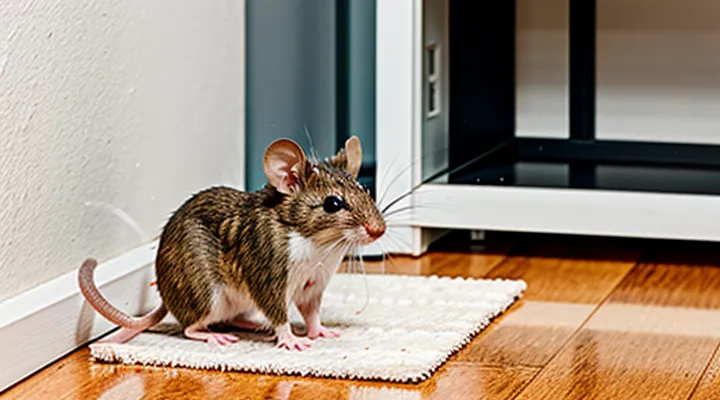
Identifying a Mouse Infestation
Common Signs of Mice Presence
Droppings and Urine Stains
Droppings and urine stains provide the most reliable evidence of rodent activity inside a residence. Fresh droppings appear as small, dark pellets, typically 3‑5 mm long, with pointed ends. Older deposits darken and may become brittle. Urine stains are invisible to the naked eye but can be detected by a faint, musty odor or by using a blacklight, which makes the spots fluoresce bright green.
Health hazards associated with these residues include hantavirus, salmonella, and leptospirosis. Pathogens survive in dried droppings for weeks and can become airborne when disturbed. Direct contact with contaminated surfaces may lead to skin irritation or infection.
Effective removal requires a systematic approach:
- Wear disposable gloves and a mask rated N95 or higher.
- Ventilate the area for at least 15 minutes before beginning.
- Apply a disinfectant containing at least 5 % hydrogen peroxide or a commercial rodent‑specific sanitizer.
- Saturate droppings and urine‑soaked fabrics, let the solution act for 10 minutes, then wipe with disposable towels.
- Dispose of all cleaning materials in sealed plastic bags and discard them with regular trash.
Preventing recurrence focuses on eliminating access points and reducing attractants. Seal cracks larger than ¼ inch, install door sweeps, and store food in airtight containers. Regular inspection of hidden locations such as behind appliances, under sinks, and within wall voids helps identify new deposits early, allowing prompt intervention before infestations expand.
Gnaw Marks on Surfaces and Food Packaging
Rodent activity often becomes apparent through distinctive gnaw marks left on hard surfaces and packaging. Teeth of mice continuously grow, prompting regular chewing that produces clean, shallow cuts with parallel ridges. Marks appear on wood trim, baseboards, plastic containers, and cardboard boxes, typically ranging from a few millimeters to several centimeters. The presence of such damage indicates active foraging and suggests that the animals have established pathways within the dwelling.
Identifying gnaw marks helps locate entry points and high‑traffic zones. Fresh cuts exhibit bright, unweathered surfaces; older marks may show discoloration or fraying. When gnawing occurs on food packaging, the risk of contamination rises, as rodents can breach seals and deposit saliva, urine, and feces onto consumables.
Effective response combines sanitation, exclusion, and control measures:
- Seal gaps larger than ¼ inch with steel wool, caulk, or metal flashing.
- Store dry goods in airtight glass or heavy‑wall containers; discard compromised packages.
- Maintain a clean environment: promptly sweep crumbs, vacuum behind appliances, and eliminate standing water.
- Deploy snap traps or electronic devices along identified runways; position bait stations near gnaw sites.
- Conduct regular inspections of vulnerable surfaces, documenting new marks to assess progress.
Persistent gnawing despite these actions warrants professional pest‑management intervention, which can provide targeted baiting and monitoring to eradicate the infestation fully.
Scratching and Squeaking Noises
Scratching and squeaking noises are reliable indicators of rodent presence within a dwelling. The sounds typically originate from walls, ceilings, and floor cavities where mice travel, gnaw, and nest.
- High‑pitched squeaks occur when mice communicate or are startled.
- Rapid, intermittent scratches suggest movement along structural elements such as joists or insulation.
- Persistent noise at night aligns with the nocturnal activity pattern of the species.
These acoustic signals arise from the animal’s need to explore, establish territory, and access food sources. The intensity and frequency of the sounds increase when a population expands or when individuals compete for limited resources.
Effective control measures focus on eliminating the source of the noises by disrupting the rodents’ habitat and access routes.
- Inspect all exterior walls, windows, and utility penetrations; seal gaps with steel wool and caulking.
- Install snap traps or electronic traps in identified pathways; position bait near active noise zones.
- Deploy bait stations containing anticoagulant or non‑anticoagulant rodenticides, following local regulations.
- Consider ultrasonic emitters in rooms where noises are most audible; verify coverage to avoid dead zones.
- Remove food debris, store pantry items in sealed containers, and maintain a clean environment to reduce attractants.
Implementing these steps promptly reduces auditory evidence of infestation and prevents further damage to structural components. Continuous monitoring of noise patterns confirms the success of the intervention and signals when additional actions are required.
Unpleasant Odors
Mice leave distinctive, often unpleasant odors that signal a growing problem in a dwelling. The scent originates from urine, feces, and secretions produced by the animals’ scent glands. These chemicals can permeate walls, insulation, and stored food, creating a lingering, sour or ammonia‑like smell that intensifies with the size of the population.
Key odor sources:
- Urine stains on flooring, cabinets, and behind appliances.
- Accumulated droppings in hidden corners, attics, or crawl spaces.
- Grease and secretions from scent glands, especially near nesting sites.
- Decomposing food left unattended, attracting bacterial growth.
Eliminating the odor requires a systematic approach:
- Identify and seal entry points to prevent further intrusion.
- Remove all visible droppings and contaminated materials using disposable gloves and a HEPA‑rated vacuum or damp paper towels; discard in sealed bags.
- Clean affected surfaces with an enzymatic cleaner designed to break down organic residues; avoid bleach, which can mask the smell without neutralizing it.
- Apply an odor‑neutralizing agent (e.g., activated charcoal, baking soda, or commercial odor absorbers) to porous materials such as drywall and insulation after cleaning.
- Replace heavily contaminated items—carpets, insulation, or upholstery—that retain the scent despite treatment.
- Implement a regular monitoring schedule, inspecting for new deposits and re‑treating as necessary.
Addressing unpleasant odors promptly not only improves indoor air quality but also confirms that the underlying rodent issue is being resolved.
Nests and Hiding Spots
Mice create nests in concealed areas that provide warmth, protection, and easy access to food sources. Typical locations include:
- Behind appliances such as refrigerators, stoves, and dishwashers.
- Inside wall cavities, especially where insulation is loose or damaged.
- Beneath cupboards, pantry shelves, and kitchen cabinets.
- In gaps between floorboards, baseboards, and under carpets.
- Within stored items like boxes, bags of pet food, and shredded paper.
Nest construction material consists of shredded fabric, paper, insulation fibers, and dried food particles. Presence of these structures is indicated by chewed edges on packaging, small piles of shredded material, and faint urine stains that emit a musky odor.
Effective control measures target the elimination of nesting sites:
- Seal all entry points larger than ¼ inch with steel wool, caulk, or metal mesh.
- Remove clutter and store items in sealed containers made of plastic or metal.
- Replace damaged insulation and repair torn drywall or flooring.
- Keep food in airtight containers and clean up crumbs promptly.
- Deploy snap traps or electronic devices directly in identified hiding zones, positioning them along walls where mice travel.
Regular inspection of the listed areas, combined with prompt removal of nesting material, reduces the likelihood of infestation and supports long‑term prevention.
How to Confirm an Infestation
Using Bait Stations and Traps
Bait stations and traps constitute the primary tools for controlling mouse activity in residential units. Bait stations deliver anticoagulant or non‑anticoagulant poison in a sealed container, limiting exposure to non‑target species while ensuring consistent dosage. Traps—mechanical, snap, or electronic—provide immediate capture, allowing rapid reduction of the population and verification of effectiveness.
Effective deployment requires careful selection, placement, and maintenance:
- Choose a bait station with tamper‑resistant design and approved rodenticide; verify expiration date.
- Position stations and traps along walls, behind appliances, and near known droppings or gnaw marks; mice travel close to surfaces.
- Space devices 10–15 ft apart to cover the entire infestation zone.
- Inspect stations weekly; replace depleted bait and reset traps after each catch.
- Record capture data to assess progress and adjust device density accordingly.
- Follow local regulations for rodenticide use; wear gloves and store products out of reach of children and pets.
Properly executed, these methods reduce mouse numbers, prevent re‑infestation, and mitigate health risks associated with rodent contamination.
Monitoring for Activity
Effective monitoring is essential for confirming mouse presence before any control measures are applied. Visual inspection should focus on droppings, gnawed materials, oily residue along walls, and urine stains. These indicators appear near food sources, entry points, and concealed pathways.
Practical tools for activity detection include:
- Motion‑activated cameras positioned at suspected runways and near garbage bins.
- Infrared sensors that record movement in darkness, revealing nocturnal activity.
- Tracking powders applied across thresholds; footprints become visible after a short period.
- Acoustic detectors tuned to high‑frequency rodent sounds, useful in quiet rooms.
- Smart traps equipped with electronic alerts when a capture occurs.
A systematic monitoring routine enhances reliability. Begin with a thorough perimeter sweep, noting all potential entry holes. Install devices at intervals of 2–3 meters along walls, focusing on corners and concealed spaces. Record data daily for at least one week to differentiate occasional sightings from established colonies. Analyze patterns—frequency, location, and time of activity—to prioritize treatment zones.
Integrating monitoring results with elimination tactics ensures resources target active infestations. Areas with confirmed activity receive immediate sealing of openings, placement of bait stations, or deployment of traps, while untouched zones remain under observation. Continuous feedback from monitoring devices allows rapid adjustment of control strategies, minimizing re‑infestation risk.
Elimination Methods and Prevention
Immediate Actions for Mouse Removal
Trapping Methods
Effective mouse control in residential units relies heavily on selecting and deploying appropriate traps. The choice of device determines capture speed, safety for occupants, and ease of disposal.
Snap traps provide immediate kill, require minimal maintenance, and are inexpensive. Place them along walls, behind appliances, and near known gnaw marks. Use a small amount of peanut butter, chocolate, or dried fruit as bait; avoid large quantities that can deter activity. Check traps daily, wear gloves when handling, and dispose of carcasses in sealed bags.
Live‑catch traps allow humane removal. Position them in the same locations as snap traps, using identical bait. Monitor traps at least twice daily to prevent stress or dehydration of captured mice. Release captured rodents at a distance of at least one mile from the building, following local regulations.
Glue boards capture rodents passively. Apply boards in concealed areas such as under cabinets or inside closets. Use strong attractants like oat flakes. Inspect boards frequently; trapped mice may suffer prolonged distress, so consider this method only when other options are unsuitable.
Electronic traps deliver a quick, lethal shock. They operate silently, reduce risk of accidental injury, and contain the mouse within a sealed compartment. Position them where activity is observed, use a small bait piece, and empty the compartment after each capture.
Key placement principles apply to all traps: align devices perpendicular to walls, with the trigger side facing the expected travel path; avoid clutter that blocks access; maintain a clean environment to reduce alternative food sources. Combining multiple trap types increases overall efficacy, especially during the initial phase of an infestation. Regular inspection and prompt removal of captured rodents prevent secondary issues such as disease transmission and odor development.
Snap Traps
Snap traps provide a direct mechanical solution for indoor rodent problems. The device consists of a hinged steel bar that releases with a spring‑loaded mechanism when a mouse applies pressure to a trigger plate. The bar strikes the animal’s neck, causing immediate death and preventing further damage to property and food supplies.
The trap’s effectiveness depends on proper setup. The trigger plate must be sensitive enough to react to a mouse’s weight yet resistant to accidental activation by debris. Bait should be placed on the trigger platform, not on the bar, to ensure the animal contacts the mechanism. Common attractants include peanut butter, dried fruit, or small pieces of cheese.
- Position traps along walls, behind appliances, and near known entry points.
- Place traps perpendicular to the wall, with the trigger end facing the wall.
- Use multiple traps in high‑activity zones; a spacing of 10–12 inches covers a typical mouse run.
- Replace bait daily to maintain scent strength.
Safety measures protect occupants and pets. Keep traps out of reach of children, use protective gloves when handling, and consider spring‑loaded models with a shielded trigger to reduce accidental closure. In households with non‑target animals, opt for enclosed snap traps that require the mouse to enter a chamber before the bar activates.
After capture, wear gloves, seal the dead mouse in a plastic bag, and dispose of it in an outdoor trash container. Clean the trap with warm, soapy water, dry thoroughly, and reset with fresh bait. Regular inspection ensures traps remain functional and prevents loss of potency.
Advantages include rapid action, low cost, and no chemical residues. Disadvantages involve the need for careful placement, potential exposure to the spring mechanism, and limited suitability where pets or small children are present. Selecting snap traps aligns with a targeted, non‑chemical approach to reducing mouse populations in residential settings.
Live Traps
Live traps provide a humane option for removing mice from residential units. The device consists of a cage with a trigger mechanism that closes the door when the rodent enters, preventing escape.
Effective use begins with identifying activity. Fresh droppings, gnaw marks, and oily footprints indicate high‑traffic routes. Place traps along these pathways, near walls, and close to food sources. Secure the bait—peanut butter, cheese, or dried fruit—on the trigger platform to attract the mouse.
Key considerations for trap selection:
- Size sufficient to accommodate adult mice (approximately 3–4 inches long).
- Sensitive trigger that activates with minimal pressure.
- Durable construction to withstand repeated use.
After deployment, inspect traps at least twice daily. Release captured mice promptly to avoid stress. Choose a release site at least 0.5 mile from the building, preferably in a wooded or field area with natural cover. Wear gloves, handle the cage gently, and open the door away from your body.
Maintain sanitation by cleaning traps with hot, soapy water after each catch. Replace bait regularly to preserve effectiveness. If captures decline, relocate traps to new activity zones or consider additional devices.
Integrating live traps with complementary measures—sealing entry points, eliminating food residues, and reducing clutter—enhances overall control and prevents re‑infestation.
Glue Traps
Glue traps are adhesive devices designed to capture rodents upon contact. The traps consist of a flat surface coated with a strong, non‑drying glue that immobilizes mice instantly. When a mouse steps onto the trap, its feet and fur become stuck, preventing further movement and leading to rapid mortality.
Effective deployment requires attention to mouse activity patterns. Place traps along walls, behind appliances, and near known entry points, as rodents tend to travel close to surfaces. Position traps perpendicular to the wall, with the glue side facing the anticipated travel route. Secure the trap to prevent accidental displacement by pets or children.
Key considerations for glue traps:
- Immediate capture: No delay between contact and immobilization.
- Low visibility: Flat, discreet design blends with flooring or baseboards.
- Cost efficiency: One‑off purchase price is modest compared to electronic or snap devices.
- Non‑chemical: No poisons or baits involved, eliminating secondary poisoning risks.
Limitations include ethical concerns, potential for prolonged suffering, and difficulty in disposal. Once a mouse is trapped, wear disposable gloves, seal the trap in a plastic bag, and discard it according to local waste regulations. Do not reuse traps; the adhesive loses effectiveness after a single capture.
Safety precautions are essential. Keep traps out of reach of non‑target animals and children. Verify that the adhesive does not contain harmful solvents that could affect indoor air quality. For households seeking humane alternatives, live‑catch traps or exclusion methods may be preferable.
Overall, glue traps provide a direct, inexpensive means of reducing mouse presence when applied correctly and managed responsibly.
Baits and Rodenticides
Baits and rodenticides constitute the most direct approach for reducing mouse populations inside residential units. They deliver toxic agents to the target species while requiring minimal physical effort from occupants.
-
Primary bait types:
- Grain‑based blocks infused with anticoagulants (e.g., bromadiolone, difenacoum).
- Pellet formulations containing bromethalin or zinc phosphide.
- Gel or paste baits enriched with attractants such as peanut butter or chocolate, often laced with diphacinone.
-
Active ingredients: anticoagulants interrupt blood clotting, leading to fatal hemorrhage; bromethalin disrupts cellular energy production; zinc phosphide releases phosphine gas upon ingestion, causing rapid respiratory failure.
-
Placement guidelines: locate stations behind appliances, within wall voids, and near known gnawing sites; secure with tamper‑resistant containers to prevent accidental exposure; maintain a minimum distance of 3 feet from food preparation surfaces.
-
Safety measures: wear disposable gloves when handling; store unused product in locked cabinets; dispose of dead rodents according to local health regulations; keep pets and children away from bait stations.
Selecting the appropriate rodenticide depends on infestation severity, resistance patterns, and resident sensitivity. Anticoagulant baits are effective for low‑to‑moderate levels, while bromethalin or zinc phosphide may be required for resistant populations. Rotate active ingredients periodically to mitigate resistance development.
Compliance with municipal pest‑control ordinances is mandatory. Many jurisdictions restrict the use of second‑generation anticoagulants in multi‑unit dwellings and require licensed applicators for certain toxicants. Verify local regulations before deployment to avoid legal penalties and ensure public health safety.
Long-Term Prevention Strategies
Sealing Entry Points
Sealing entry points prevents rodents from accessing living spaces, eliminating the primary route for infestation. Identify potential openings by inspecting walls, floors, ceilings, and utility penetrations. Look for gaps larger than ¼ inch, cracks around pipes, vents, and door frames.
- Use steel wool or copper mesh to fill small holes before applying sealant.
- Apply expanding polyurethane foam to larger gaps, ensuring it adheres to both surfaces.
- Install metal flashing or sheet metal over openings around vents, chimneys, and exhaust fans.
- Replace damaged weatherstripping on doors and windows with durable silicone or rubber strips.
- Secure gaps around electrical conduit and plumbing with silicone caulk or cement-based sealant.
Regularly review sealed areas for wear or new damage, especially after renovations or seasonal temperature shifts. Maintain a barrier by keeping exterior vegetation trimmed and ensuring trash containers are sealed, reducing the likelihood of new entry points.
Inspecting Walls and Foundations
Inspecting walls and foundations is essential for identifying mouse activity in residential units. Structural gaps, damaged insulation, and gnaw marks reveal entry points that rodents exploit. Examine interior surfaces for fresh droppings, urine stains, and shredded material near baseboards, cabinets, and utility shafts. Use a flashlight to detect burrows behind drywall, within wall cavities, and under floor joists. Feel for loose or vibrating panels that may indicate nesting.
Key inspection actions:
- Probe seams and joints with a thin rod to uncover hidden tunnels.
- Scrutinize foundation cracks, especially those near plumbing fixtures, for chew marks or fresh soil displacement.
- Test for audible squeaks by tapping walls; a hollow sound may suggest internal nesting.
- Deploy a non‑toxic dust tracer at suspected entry points; subsequent droppings will contain trace particles, confirming usage.
After locating access routes, seal openings with steel wool, copper mesh, or cement‑based caulk. Replace compromised insulation and repair cracked mortar to eliminate shelter. Regular visual checks, combined with these targeted measures, reduce the likelihood of re‑infestation and support long‑term rodent control in apartment environments.
Securing Vents and Pipes
Mice gain access to apartments through unsealed vents, gaps around pipes, and utility openings. Unprotected ductwork and exposed plumbing present direct pathways for rodents to travel from walls and crawl spaces into living areas.
Effective barriers combine durable materials and proper installation techniques. Steel wool, copper mesh, or hardware cloth should be packed tightly into openings larger than a quarter inch. Seal the outer edge of the material with silicone caulk or expanding foam to eliminate residual gaps. For pipe penetrations, wrap the pipe with metal flashing, then apply a continuous bead of sealant around the joint. Vent covers equipped with fine metal screens block entry while maintaining airflow.
Regular inspection reinforces protection. Schedule quarterly checks of all vent grills, dryer exhausts, and plumbing stacks. Replace damaged screens, tighten loose fasteners, and reapply sealant where cracks appear. If structural damage exceeds DIY repair, enlist a licensed contractor to install custom vent shields or pipe sleeves.
Key actions
- Insert steel wool or copper mesh into gaps > ¼ in.
- Secure mesh with silicone caulk or expanding foam.
- Fit metal flashing around pipe penetrations and seal edges.
- Install vent grills with fine metal screens.
- Conduct quarterly inspections and repair wear promptly.
Implementing these measures creates a continuous physical barrier, reducing the likelihood that mice will exploit ventilation and plumbing routes to enter the apartment.
Proper Food Storage and Sanitation
Proper food storage and rigorous sanitation directly reduce attractants that draw rodents into residential units. Secure containers, regular cleaning, and waste management eliminate the nutritional resources mice seek, thereby limiting their presence and supporting any control measures already in place.
-
Store dry goods in airtight, metal or heavy‑plastic containers.
-
Keep pet food sealed and remove leftovers after each feeding.
-
Refrigerate perishable items promptly; discard spoiled food immediately.
-
Place bulk items on elevated shelves away from walls and floor.
-
Clean surfaces after meals; wipe crumbs and spills without delay.
-
Sweep and vacuum floors daily, paying special attention to corners and under appliances.
-
Empty trash cans each night; use bins with tight‑fitting lids.
-
Maintain dishwasher and sink drains free of food debris; run hot water and a sanitizing agent weekly.
Implementing these practices removes primary food sources, discourages nesting, and enhances the effectiveness of traps, baits, or professional interventions. Consistent adherence creates an environment where mice find little incentive to enter, supporting long‑term eradication efforts.
Storing Food in Airtight Containers
Storing food in airtight containers directly reduces the attraction of rodents to an apartment. Secure containers block scent, prevent crumbs from escaping, and eliminate easy access to nutrition, thereby lowering the likelihood of mouse activity.
Effective container selection:
- Use materials with proven sealing mechanisms, such as heavy‑gauge plastic with snap‑lock lids or glass jars with rubber gaskets.
- Choose sizes that accommodate the entire quantity of a product; partial storage in open bags should be avoided.
- Verify that the seal remains intact after each opening; damaged or warped lids must be replaced immediately.
Implementation steps:
- Transfer all dry goods—cereals, grains, nuts, pet food, and spices—into the chosen containers.
- Label each container with contents and purchase date to maintain rotation and prevent spoilage.
- Store containers on shelves away from floor level and walls, limiting mouse pathways.
- Inspect seals weekly for wear or leakage; re‑seal or relocate items if compromise is detected.
Additional measures:
- Keep countertops clear of food debris; wipe surfaces after each use.
- Dispose of packaging waste in sealed trash bags before it accumulates.
- Combine airtight storage with regular cleaning routines to sustain a hostile environment for rodents.
By eliminating accessible food sources, airtight storage serves as a critical preventive measure within any comprehensive rodent‑control strategy.
Regular Cleaning and Waste Disposal
Consistent sanitation reduces food availability, a primary attractant for house mice. Removing crumbs, spills, and residues eliminates the energy source that sustains populations.
- Sweep and vacuum floors daily, especially behind appliances and under furniture.
- Wipe countertops and tabletops after each meal; use a disinfectant that leaves no scent.
- Store dry goods in sealed, rodent‑proof containers; avoid open bags or cardboard boxes.
- Clean pet feeding areas after each use; discard uneaten food promptly.
Proper waste management prevents rodents from exploiting trash as a food supply. Secure disposal practices deny access to nutrient sources.
- Use bins with tight‑fitting lids; replace damaged lids immediately.
- Transfer kitchen waste to an external dumpster at least once daily; avoid overnight accumulation.
- Compact recyclable materials to reduce volume and limit hiding places.
- Clean bin interiors weekly with a degreasing agent to remove lingering odors.
Together, meticulous cleaning and disciplined waste handling create an environment where mice cannot locate sustenance, thereby supporting broader control measures such as sealing entry points and setting traps.
Natural Deterrents and Repellents
Natural deterrents offer an effective, low‑toxicity approach to reducing mouse activity in residential units. They target the sensory preferences of rodents, making the environment unattractive without relying on chemicals or traps.
- Peppermint oil: strong menthol scent disrupts mouse olfactory receptors; apply 10 ml of diluted oil on cotton balls and place them in corners, behind appliances, and near entry points. Replace every three days.
- Cloves or clove oil: eugenol vapor repels rodents; scatter whole cloves in cabinets or soak a cloth in diluted oil and hang it in concealed areas.
- Ammonia: strong ammonia fumes mimic predator urine; place small open containers in hidden spaces, ensuring ventilation to avoid human irritation.
- Dryer sheets: scented sheets release chemicals that mice find unpleasant; tuck them into drawer fronts and under furniture.
- Citrus peels: limonene in orange or lemon peel deters mice; distribute fresh peels in trash bins and pantry shelves, replace when dry.
Effective use requires strategic placement near identified pathways, such as gaps around pipes, vent openings, and baseboards. Combine multiple deterrents to cover a broader sensory range; rotate scents weekly to prevent habituation. Maintain a clean environment by sealing food containers, removing clutter, and repairing structural gaps, thereby limiting attractants that could outweigh natural repellents.
Caution: essential oils may irritate skin or respiratory passages; handle with gloves and avoid direct contact with children or pets. Ammonia should never be mixed with bleach or other cleaners. Regular monitoring of mouse signs—droppings, gnaw marks, or gnawed wiring—guides adjustments in deterrent placement and intensity. Integrating natural repellents with sealing and sanitation creates a comprehensive, non‑lethal control strategy for mouse infestations in apartments.
Professional Pest Control
When to Call an Exterminator
Mice infestations often begin with subtle signs, but certain conditions demand professional intervention. Delaying beyond the point of manageable control increases health risks, property damage, and the likelihood of rapid population growth.
Indicators that an exterminator should be contacted
- More than three separate sightings within a week, especially in different rooms.
- Evidence of gnawed wiring, insulation, or structural components.
- Presence of droppings exceeding a few pellets per square foot.
- Persistent odors of urine or nesting material despite cleaning attempts.
- Re‑occurring activity after applying traps, baits, or sealants.
- Allergic reactions or respiratory issues among occupants that correlate with rodent exposure.
- Inability to locate and seal all entry points after a thorough inspection.
When any of these criteria are met, a licensed pest‑control professional can assess the severity, implement integrated management strategies, and ensure compliance with local health regulations. Prompt action prevents escalation and safeguards both the living environment and the building’s integrity.
What to Expect from Professional Services
Professional pest‑control companies begin with a thorough inspection. Technicians identify entry points, assess damage, and determine the extent of infestation using visual cues such as droppings, gnaw marks, and audible activity.
During the inspection they provide a written report that outlines:
- Specific locations where mice are active
- Types of structural vulnerabilities (e.g., gaps around pipes, faulty door seals)
- Recommended remediation measures and a timeline for implementation
The treatment phase follows the plan. Expect the use of certified baits, traps, and, when necessary, rodent‑proofing materials. Professionals apply these tools according to safety regulations, ensuring minimal risk to residents and pets. All products used are approved by relevant health authorities.
After treatment, the service includes a monitoring period. Companies schedule follow‑up visits to verify trap success, replace consumables, and re‑seal any newly discovered openings. A final inspection confirms that activity levels have dropped to background levels before closing the case.
Customers receive documentation of all actions taken, including:
- Dates of service visits
- Types and quantities of control devices deployed
- Photographic evidence of sealed entry points and repaired damage
Warranty coverage is typically offered for a defined period, during which additional visits are provided at no extra charge if mouse activity recurs. This guarantees that the initial investment remains effective over time.