
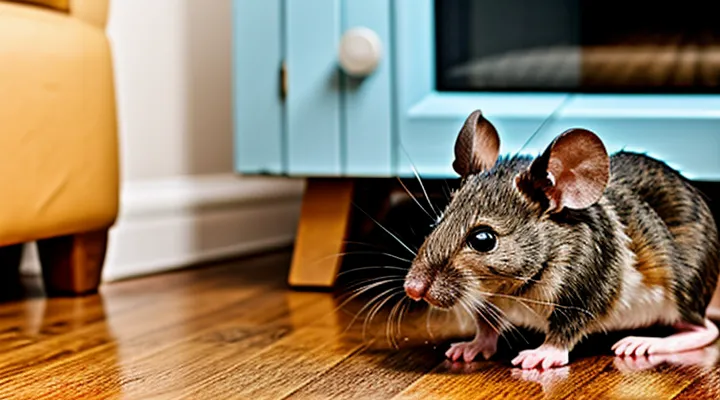
Understanding the Mouse Smell Problem
Identifying the Source of the Odor
Locating Mouse Droppings and Urine
Identifying the sources of rodent odor is essential for effective remediation. Mouse droppings and urine concentrate the smell, so locating them early prevents spread and simplifies cleaning.
Typical sites where evidence accumulates include:
- Corners of cabinets, pantry shelves, and behind appliances.
- Underneath sinks, especially around plumbing fixtures.
- Inside wall voids and ceiling joists, visible through small entry holes or after removing a cover plate.
- Along baseboards, especially where walls meet the floor.
- Inside insulation, especially in attic spaces or crawl‑spaces.
- Around food storage containers, pet feeding stations, and trash bins.
- Near entry points such as door frames, window sills, and utility openings.
When inspecting these areas, use a bright flashlight and a disposable glove. Look for dark, pellet‑shaped droppings 3–5 mm long and fresh, wet spots that may appear yellowish or brown. A faint ammonia scent often indicates urine stains, which may be invisible on smooth surfaces. Mark each location before proceeding to clean, ensuring thorough removal of both solid and liquid residues.
Finding Deceased Mice
Dead rodents are the primary source of persistent, unpleasant odor in residential spaces. Their decomposition releases volatile compounds that cling to carpets, insulation, and wall cavities, making thorough detection essential before any odor‑removal measures can succeed.
Locate the carcass by inspecting common hiding spots: behind appliances, in attic insulation, beneath floorboards, and within wall voids. Use a flashlight and a mirror to view concealed areas. A strong, sour smell that intensifies when you move air with a fan often indicates the exact zone of decay.
When a dead mouse is identified, follow these steps:
- Wear disposable gloves and a mask to avoid direct contact with bacteria.
- Remove the carcass with a sealed plastic bag; double‑bag for added containment.
- Clean the surrounding surface with a detergent solution, then apply an enzymatic cleaner designed to break down organic residues.
- Allow the area to dry completely; improve ventilation to expedite odor dissipation.
- Dispose of waste according to local regulations, typically in a sealed trash container.
After removal, reassess the space for secondary contamination. If odor persists, treat adjacent materials (e.g., carpet padding, drywall) with additional enzymatic products or consider replacing heavily affected sections. Consistent inspection and prompt disposal prevent future odor buildup and support overall rodent‑control efforts.
Immediate Actions to Combat Mouse Odor
Cleaning and Sanitizing Affected Areas
Removing Droppings and Urine
Remove all visible droppings and urine promptly. Wear disposable gloves and a mask to avoid inhaling particles and protect skin. Place contaminated material in a sealed plastic bag before disposal.
- Identify all areas with mouse activity; use a flashlight to spot dark stains on floors, countertops, and walls.
- Soak fresh urine with paper towels or absorbent cloths; press gently to prevent spreading.
- Apply an enzymatic cleaner specifically formulated for rodent waste. Follow the manufacturer’s instructions for contact time, typically 10–15 minutes, to break down odor‑causing proteins.
- Scrub the treated surface with a stiff brush, then rinse with hot water.
- Disinfect the area with a solution of 1 part bleach to 9 parts water or a commercial disinfectant approved for indoor use. Allow the solution to remain on the surface for at least 5 minutes before wiping away.
- Dispose of cleaning cloths and gloves in a sealed bag; seal the bag and place it in an outdoor trash container.
After cleaning, increase ventilation by opening windows or using exhaust fans for several hours. Repeat the process if odor persists, focusing on hidden corners, behind appliances, and under furniture. Maintaining a clean environment and sealing entry points will prevent future contamination.
Disinfecting Surfaces
Disinfecting surfaces removes the biological residues that cause persistent mouse odor. Use a solution that combines an EPA‑approved disinfectant with a deodorizing agent; the disinfectant kills bacteria and viruses, while the deodorizer neutralizes volatile compounds.
- Prepare the cleaning mixture according to the manufacturer’s dilution instructions.
- Wear disposable gloves and, if ventilation is limited, a mask to avoid inhaling fumes.
- Apply the solution to all hard surfaces where mice have traveled: countertops, cabinets, floors, and walls. Use a spray bottle for even coverage, then let the liquid remain for the contact time specified on the label.
- Scrub with a non‑abrasive brush or cloth to detach dried urine or fecal deposits.
- Rinse with clean water if the disinfectant requires rinsing; otherwise, allow the surface to air‑dry completely.
For porous materials such as wood or upholstery, treat the area with a vapor‑based disinfectant or a foam cleaner that can penetrate the fibers. After treatment, place a charcoal or baking‑soda absorber nearby to capture any lingering smell.
Complete the process by inspecting the treated zones for missed spots; repeat the application on any area that still exhibits odor. Regular disinfection after eliminating the infestation prevents re‑accumulation of odor‑producing residues.
Using Enzymatic Cleaners
Enzymatic cleaners break down the proteins and lipids that constitute mouse urine and feces, eliminating the source of odor rather than merely masking it. The active enzymes hydrolyze organic residues, allowing them to be rinsed away completely.
Select a product that specifies enzymes for urine or pet stains, contains a broad spectrum of proteases, lipases, and amylases, and is safe for the surface being treated. Verify that the label states a neutral pH and no harmful chemicals that could damage flooring, upholstery, or walls.
Apply the cleaner according to these steps:
- Remove visible debris and absorb excess moisture with paper towels or a wet‑vacuum.
- Saturate the affected area with the enzymatic solution, ensuring full coverage of porous materials.
- Let the product sit for the manufacturer‑recommended contact time, typically 10–15 minutes, to allow enzymatic activity.
- Blot or rinse the area with clean water, then air‑dry or use a fan to expedite drying.
- Repeat the process if odor persists, as deep‑penetrating stains may require multiple applications.
Regular use of enzymatic cleaners on high‑traffic zones prevents the buildup of residual scent that can attract additional rodents. Incorporating this method into routine cleaning protocols maintains a neutral indoor environment and reduces the likelihood of re‑infestation.
Ventilating Your Home
Opening Windows and Doors
Ventilation through open windows and doors is a primary method for dispersing rodent odor from interior spaces. Fresh air replaces contaminated indoor air, reducing the concentration of volatile compounds that cause the smell. The process works best when cross‑ventilation is established, allowing air to flow continuously across the affected area.
- Open windows on opposite sides of the room to create a draft.
- Keep exterior doors open for at least 30 minutes; extend the period in warm weather.
- Use fans positioned near openings to accelerate air exchange.
- Remove any sources of moisture, as humidity can trap odor molecules.
- After ventilation, wipe surfaces with a mild detergent to eliminate residual residues.
Consistent use of this technique, combined with thorough cleaning, removes the majority of mouse odor and prevents its return. Regularly scheduled airing of rooms maintains a neutral scent environment.
Utilizing Fans
Fans move air, accelerate drying, and disperse odor particles, making them essential tools for removing rodent smell from indoor spaces. Position a high‑capacity floor or box fan near the source of the odor to draw contaminated air toward an open window or exhaust vent. Keep the fan running for several hours each day until the smell subsides.
- Choose fans with adjustable speed settings; start on high, then reduce to medium once air circulation improves.
- Place a second fan opposite the first to create a cross‑draft, enhancing airflow through closets, cabinets, and crawl spaces.
- Combine fan use with open windows to expel stale air and introduce fresh outdoor air.
- Clean fan blades regularly to prevent re‑depositing odor particles onto surfaces.
Maintain continuous operation until a neutral scent returns. Replace or clean filters in HVAC systems after fan treatment to ensure lingering particles are captured. This systematic airflow strategy significantly reduces lingering mouse odor in a home environment.
Long-Term Solutions for Odor Elimination
Absorbing and Neutralizing Odors
Using Activated Charcoal
Activated charcoal absorbs volatile compounds that cause rodent odor. Place the material where the smell is strongest—near entry points, in closets, or inside cabinets that housed mice. Use bags or containers with breathable fabric to allow air contact while preventing dust dispersion.
- Choose charcoal with a high surface area; granular or pellet forms work best.
- Fill each container with 1‑2 cups of charcoal, seal loosely, and label for replacement.
- Replace the charcoal every 30‑45 days, or sooner if the odor reappears.
For optimal performance, combine charcoal with thorough cleaning. Remove droppings, disinfect surfaces with an enzyme‑based cleaner, and ensure ventilation by opening windows or running an exhaust fan. The charcoal will continue to trap residual molecules, extending the freshness of the indoor environment.
Employing Baking Soda
Baking soda neutralizes the volatile compounds that create mouse odor by absorbing moisture and chemically binding odor molecules. Its low cost, non‑toxic nature, and availability make it a practical choice for residential use.
To apply baking soda effectively:
- Sweep or vacuum visible debris and droppings before treatment.
- Spread a thin layer (about ¼ inch) of baking soda on the floor, in corners, and under furniture where the smell persists.
- Leave the powder for 24–48 hours; during this period keep windows open or run an exhaust fan to promote air exchange.
- After the exposure time, vacuum the area thoroughly, discarding the collected powder in a sealed bag.
- Repeat the process weekly until the odor diminishes, then maintain a light dusting in problem spots as a preventive measure.
For confined spaces such as closets or cabinets, place an open container (e.g., a small bowl) filled with baking soda to continuously absorb lingering scent. Replace the contents every two weeks to sustain absorption capacity.
When combined with regular cleaning and proper sealing of entry points, baking soda provides a reliable method for eliminating rodent‑related odors without introducing chemicals or strong fragrances.
Applying White Vinegar Solutions
White vinegar neutralizes the ammonia and urine compounds that cause rodent odor. Its acidity breaks down odor‑causing molecules, making it an effective, non‑toxic cleaner for household use.
To prepare a cleaning solution, mix one part distilled white vinegar with three parts water in a spray bottle. For stubborn areas, increase the vinegar ratio to one‑half vinegar and one‑half water. Add a few drops of essential oil if a milder scent is desired, but do not rely on fragrance to mask the odor.
Application steps:
- Identify all surfaces contaminated by mouse urine or droppings, including countertops, baseboards, and floorboards.
- Spray the solution generously onto the affected area.
- Allow the mixture to sit for at least five minutes; the contact time enables chemical breakdown of odor molecules.
- Wipe the surface with a clean cloth or mop, ensuring excess liquid is removed.
- Repeat the process on porous materials such as wood or carpet padding, then allow to air‑dry completely.
Safety considerations: use gloves to protect skin from prolonged acid exposure, ensure adequate ventilation, and avoid applying undiluted vinegar to delicate finishes that may be damaged by acidity.
Regular use of the white‑vinegar solution, combined with prompt removal of mouse debris, reduces lingering smell and prevents re‑contamination.
Trying Commercial Odor Eliminators
Commercial odor eliminators provide a direct method for neutralizing the volatile compounds that linger after a mouse infestation. They act on the molecular level, breaking down the source molecules rather than merely covering them with fragrance.
Common categories include:
- Aerosol sprays formulated with cyclodextrins or surfactants that bind odorants.
- Enzymatic cleaners that catalyze the breakdown of urine proteins.
- Ozone generators that oxidize organic residues in the air.
- Activated‑charcoal or zeolite filters designed for continuous air purification.
When selecting a product, evaluate the following factors:
- Active ingredient – preference for enzymatic or cyclodextrin technologies over simple masking agents.
- Coverage area – ensure the label matches the size of the affected rooms.
- Safety profile – verify non‑toxicity to pets and humans, especially for aerosolized or ozone‑based options.
- Certification – look for EPA registration or independent testing results.
Application proceeds in three steps. First, remove all visible debris and clean surfaces with a mild detergent to expose the odor‑binding sites. Second, apply the eliminator according to the manufacturer’s dosage instructions, ensuring even distribution across floors, walls, and hidden corners. Third, maintain ventilation for at least 30 minutes to allow the active compounds to work and to disperse any residual vapor; repeat the process after 24 hours if the odor persists.
Safety considerations are essential. Avoid direct inhalation of sprays; wear gloves and eye protection when handling concentrated formulations. Store products out of reach of children and animals, and keep ozone generators in unoccupied spaces with timers to prevent overexposure.
Effectiveness depends on thorough source removal combined with proper product usage. Studies show enzymatic cleaners can reduce urine‑derived odor concentrations by up to 80 % after two applications, while ozone treatment can achieve comparable reductions in sealed environments but may introduce respiratory irritation if misused. For persistent smells, a layered approach—initial cleaning followed by a spray and a final air‑purifying filter—delivers the most reliable results.
In practice, commercial odor eliminators complement mechanical cleaning, offering a rapid, scientifically backed means to restore a neutral indoor scent after rodent activity.
Addressing the Root Cause: Mouse Infestation
Sealing Entry Points
Rodent odor persists when mice can re‑enter the house, so blocking every possible opening is essential for lasting results. Begin with a systematic inspection of the building envelope. Examine the foundation, walls, roof eaves, and utility penetrations for gaps larger than ¼ inch. Pay special attention to areas around pipes, vents, and cables, as well as the space beneath doors and windows.
- Use steel wool or copper mesh to fill small holes, then cover with expanding foam or silicone sealant for a durable barrier.
- Apply high‑quality exterior caulk to seal cracks around window frames, siding seams, and baseboards.
- Install door sweeps on all exterior doors; adjust them so they rest snugly against the threshold without dragging.
- Fit weatherstripping around windows and interior doors that lead to the outside.
- Cover larger openings, such as vent grilles or crawl‑space entries, with metal flashing or hardware cloth (minimum ¼‑inch mesh). Secure the material with screws and seal edges with construction adhesive.
- For gaps around utility lines, wrap the opening with pipe insulation, then seal with a combination of steel wool and caulk.
After sealing, verify the work by inspecting each treated area for drafts or visible gaps. Conduct a follow‑up check after a few weeks to ensure no new entry points have developed. Maintaining a sealed environment prevents mice from returning, thereby eliminating the source of the unpleasant smell.
Setting Traps
Setting traps eliminates the source of odor by removing rodents before they die and decompose. Prompt capture stops urine and feces from accumulating, which are the primary contributors to a lingering mouse scent.
Effective trap options include:
- Snap traps: instant death, minimal mess.
- Electric traps: rapid electrocution, easy cleaning.
- Live‑catch traps: humane capture, requires immediate release or disposal.
- Glue boards: passive capture, may leave residue on surfaces.
Place traps along established mouse pathways: behind appliances, under cabinets, near wall voids, and in corners where droppings appear. Position each trap perpendicular to the wall, with the trigger facing the expected travel direction. Ensure a clear line of sight and avoid clutter that could obstruct the mechanism.
Inspect traps daily. Remove captured rodents promptly, seal them in a disposable bag, and discard in an outdoor trash container. Clean the trap surface with a mild disinfectant to prevent residual odor. Replace bait or reset mechanisms as needed to maintain effectiveness.
Consulting Professional Pest Control
Professional pest‑control services provide expertise that most homeowners lack when confronting lingering rodent odors. Trained technicians identify infestation hotspots, assess the extent of contamination, and apply targeted treatments that eliminate both the source and the odor‑producing residues. Their equipment reaches concealed areas, ensuring comprehensive decontamination that DIY methods often miss.
Before the visit, prepare the premises to maximize effectiveness:
- Remove food containers, trash, and clutter from treatment zones.
- Seal obvious entry points to prevent new rodents during the service.
- Document visible signs (droppings, gnaw marks) to guide the technician’s inspection.
The service typically includes:
- Inspection of structural cavities, insulation, and ventilation ducts.
- Application of rodent‑specific deterrents and odor‑neutralizing agents.
- Post‑treatment verification, with recommendations for ongoing monitoring or preventative measures.
Engaging a licensed pest‑control provider reduces health risks, accelerates odor removal, and creates a lasting barrier against future infestations.
Preventing Future Mouse Odors
Maintaining a Clean Environment
Regular Vacuuming and Mopping
Consistent vacuuming removes hair, droppings, and food particles that serve as odor reservoirs. A high‑efficiency particulate air (HEPA) filter captures fine debris and reduces the spread of scent molecules. Vacuum each floor surface at least twice weekly, focusing on corners, baseboards, and hidden spaces where rodents may have nested.
Mopping follows vacuuming to dissolve residual oils and urine that cling to hard floors. Use a solution of warm water and an enzymatic cleaner designed to break down protein‑based stains; this neutralizes the source of the smell rather than merely masking it. Apply the mop thoroughly, allowing the solution to dwell for several minutes before rinsing with clean water.
- Vacuum with HEPA filter: 2–3 times per week
- Target high‑traffic and concealed areas
- Mop with enzymatic cleaner after each vacuum session
- Allow dwell time of 5–10 minutes before rinsing
Regular execution of these steps prevents odor buildup, disrupts the scent trail that attracts additional rodents, and maintains a fresher indoor environment.
Storing Food Properly
Storing food correctly reduces the attraction of rodents and limits the spread of their odor. When food is sealed, mice cannot access crumbs or spills that would otherwise serve as a scent source.
- Use airtight containers made of glass, metal, or heavy‑wall plastic for dry goods, cereals, and snacks.
- Keep perishable items in the refrigerator or freezer; ensure doors close tightly.
- Label containers with purchase dates and practice a “first‑in, first‑out” system to avoid stale products.
- Store pet food in sealed bins and place them on a raised surface away from walls.
- Clean any spills immediately with a disinfectant; wipe down shelves before restocking.
Regularly inspect storage areas for signs of damage or wear. Replace compromised containers promptly to maintain a barrier against rodent access. By maintaining strict food storage practices, the household environment becomes less inviting to mice, thereby diminishing the presence of their characteristic smell.
Inspecting Your Home Regularly
Checking for New Entry Points
Identifying and sealing fresh access routes is essential for eliminating persistent rodent odor. Mice can re‑enter through gaps that were previously unnoticed or created after initial repairs, so a systematic inspection must follow any cleaning effort.
Begin by examining the building envelope. Walk around the exterior, looking for cracks in foundations, gaps around utility penetrations, and damaged siding. Use a flashlight to spot openings as small as a quarter of an inch; rodents can squeeze through even tiny spaces.
Inspect interior walls, ceilings, and floors. Pay special attention to areas where pipes, cables, and ducts emerge. Remove outlet covers and check for frayed wiring sleeves that may conceal holes. In basements and crawl spaces, lift floorboards or panels to reveal hidden cracks.
Seal detected openings with appropriate materials. Expandable foam works for irregular gaps, while steel wool combined with caulk blocks larger holes. For structural cracks, apply cement or epoxy filler before covering with trim or mesh.
Maintain vigilance after repairs. Set up a schedule to re‑inspect high‑risk zones monthly for at least six months. Replace worn sealants promptly, and keep vegetation trimmed away from the building to reduce the likelihood of new entry points forming.
Checklist for new entry points
- Exterior: foundation cracks, siding damage, utility openings
- Interior: wall and ceiling penetrations, outlet gaps, floorboard seams
- Sealants: foam, steel wool + caulk, cement/epoxy for structural cracks
- Follow‑up: monthly inspections, prompt resealing, vegetation control
By continuously monitoring and closing fresh routes, the source of mouse odor is removed, preventing recurrence and supporting a cleaner indoor environment.
Monitoring for Signs of Mouse Activity
Monitoring mouse activity is essential for preventing and eliminating rodent‑related odor. Regular inspection of potential entry points, such as gaps around doors, windows, and utility lines, reveals early signs of infestation. Look for gnaw marks on wood, plastic, or wiring, as these indicate active chewing and increase the likelihood of urine deposits that cause smell.
Identify evidence of presence through a systematic walk‑through of each room. Pay attention to:
- Small droppings, typically dark and pellet‑shaped, found along walls, behind appliances, or in cabinets.
- Chewed food packaging, shredded insulation, or displaced stored items.
- Fresh urine stains, often invisible but detectable by a faint, musky odor or by using a UV flashlight.
- Tracks in dusty corners, along baseboards, or on low‑traffic surfaces.
Document findings promptly and track their locations. Mapping hotspots enables targeted cleaning, removal of contaminated materials, and strategic placement of traps or deterrents, thereby reducing the source of odor and preventing its spread throughout the home.