
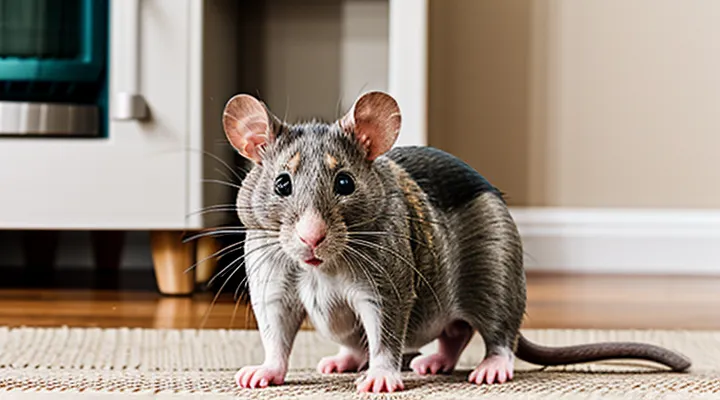
Understanding Rat Intelligence
What Makes Rats Smart?
Natural Instincts and Problem-Solving Abilities
Rats retain a suite of innate behaviors that shape their interaction with the home environment. Their foraging drive compels exploration of tight spaces, while their social hierarchy dictates communication through scent marking and ultrasonic vocalizations. These instincts provide a reliable baseline for training protocols, allowing owners to predict movement patterns and leverage natural curiosity.
Problem‑solving manifests in maze navigation, puzzle box completion, and tool use. Rats demonstrate sequential learning: they observe a barrier, test alternative routes, and retain successful strategies for future tasks. This capacity for flexible cognition can be quantified through timed trials and error counts, offering measurable indicators of intelligence development.
Effective enrichment combines instinctual triggers with structured challenges:
- Introduce tunnels that mimic burrows, encouraging natural digging while requiring navigation to a reward.
- Provide detachable food containers that must be rotated or lifted, reinforcing cause‑and‑effect reasoning.
- Rotate scent cues within a puzzle arena to stimulate olfactory discrimination and memory recall.
Monitoring progress involves recording latency to solution, frequency of trial repetitions, and adaptation to novel configurations. Consistent data collection supports incremental adjustments to difficulty, ensuring that the animal’s innate drive remains engaged without causing frustration.
Integrating natural instincts with problem‑solving tasks creates a feedback loop that enhances cognitive growth. By aligning enrichment activities with the species’ evolutionary predispositions, owners can systematically cultivate higher levels of pet intelligence.
Social Learning and Communication
Domestic rats demonstrate rapid acquisition of tasks when they can observe a more experienced cage‑mate. This form of social learning reduces the time required for individual training and enhances problem‑solving flexibility across the group.
Rats rely on a multimodal communication system. High‑frequency vocalizations signal excitement or alarm, while low‑frequency chirps accompany grooming and food sharing. Olfactory cues deposited on bedding or objects convey identity and recent activity. Body posture, such as raised whiskers or tail flicks, provides immediate feedback during interaction.
Implementing social learning in a home setting involves structured exposure and reinforcement:
- Select a demonstrator rat that has mastered the target behavior (e.g., navigating a maze, pressing a lever for food).
- Position the observer rat within visual and olfactory range during repeated demonstration sessions.
- Pair the observed action with a consistent reward for both rats to strengthen the association.
- Rotate demonstrator roles periodically to prevent hierarchy bias and to spread competence across the colony.
- Introduce novel enrichment items (puzzle feeders, tunnels) in groups, allowing rats to exchange information about successful strategies.
Monitoring progress requires objective metrics: latency to perform the observed task, frequency of correct responses, and consistency across individuals. Recording these data informs adjustments to demonstration timing, reward schedules, and group composition, thereby optimizing the development of intelligent, socially adept pet rats.
Recognizing Your Rat's Potential
Observing Current Behaviors
Observing the everyday actions of pet rats provides the foundation for any program aimed at increasing their cognitive abilities. Detailed records of feeding routines, nesting preferences, and interaction patterns reveal natural problem‑solving tendencies and social dynamics that can be leveraged in training protocols.
Key observational metrics include:
- Frequency and duration of exploratory bouts in a maze‑like environment.
- Response latency when presented with novel objects or puzzles.
- Vocalizations and body language during social encounters with other rats or humans.
- Changes in foraging behavior when food is hidden or requires manipulation.
Collecting these data points with video monitoring and systematic note‑taking enables the identification of baseline competencies. Comparing baseline performance with subsequent training outcomes isolates the effects of specific enrichment strategies and informs iterative adjustments to the intelligence‑development plan.
Identifying Learning Styles
Recognizing how a pet rat processes information allows owners to tailor training methods for optimal cognitive growth. Rats, like other mammals, display distinct preferences when acquiring new skills. Identifying these preferences involves systematic observation and targeted testing.
-
Visual orientation – Rats focus on patterns, colors, and shapes presented on training cards or maze walls. Indicators include rapid navigation toward illuminated cues and repeated inspection of visual markers. To confirm, present two identical tasks, one with visual signals and one without; a marked improvement with visual cues signals this style.
-
Auditory sensitivity – Rats respond to tones, clicks, or spoken commands. Signs are head turns toward sound sources, increased alertness when a specific frequency plays, and faster task completion when auditory prompts accompany the task. Validation involves alternating silent and sound‑augmented trials and measuring performance differences.
-
Olfactory reliance – Rats possess a highly developed sense of smell. Preference appears when they follow scent trails, investigate scented objects before acting, or show quicker learning when a distinct odor marks a reward. Test by placing identical rewards with and without a scented cue; superior performance with scent indicates olfactory dominance.
-
Kinesthetic/tactile engagement – Rats that explore through touch manipulate objects, climb structures, and solve puzzles by physically interacting with components. Evidence includes prolonged handling of manipulatives and success in tasks requiring paw dexterity. Assess by offering identical puzzles, one requiring manual interaction and another solved by observation; superior results on the tactile version reveal this style.
Effective identification combines repeated trials, controlled variable changes, and precise recording of response latency and error rates. Documenting each rat’s dominant style guides the selection of appropriate enrichment tools, training schedules, and reward systems, thereby accelerating the development of intelligent, adaptable domestic rats.
Strategies for Developing Rat Intelligence
Environmental Enrichment
Interactive Toys and Puzzles
Interactive toys and puzzles provide essential stimulation for domestic rats, encouraging problem‑solving, exploration, and memory development. By presenting challenges that require manipulation, these devices activate neural pathways associated with learning and adaptability.
- Maze modules – interchangeable corridors and dead‑ends compel rats to navigate routes, reinforcing spatial awareness.
- Treat dispensers – mechanisms that release food only after a specific action, such as pulling a lever or rotating a wheel, train cause‑effect reasoning.
- Shape‑sorting boxes – compartments that accept only correctly oriented objects, fostering fine‑motor control and discrimination skills.
- Puzzle balls – transparent spheres containing hidden treats, prompting rats to roll and shake to access rewards, which enhances dexterity and persistence.
- Interactive platforms – elevated surfaces with movable elements (e.g., sliders, buttons) that respond to pressure, supporting coordination and curiosity.
When selecting devices, prioritize materials that are non‑toxic, easy to clean, and resistant to gnawing. Ensure that moving parts operate smoothly to prevent injury. Introduce each toy gradually, allowing the rat to observe and experiment before expecting full engagement. Rotate items regularly to maintain novelty and avoid habituation.
Maintenance involves weekly inspection for wear, removal of debris, and thorough sanitation with mild, pet‑safe detergents. Replace damaged components promptly to preserve safety and functionality.
Integrating a variety of interactive toys and puzzles into a rat’s environment establishes a dynamic learning ecosystem, directly contributing to the development of higher cognitive abilities and sustained well‑being.
Exploration and Novelty
Exploration drives neural development in pet rats, encouraging problem‑solving and adaptive behavior. Introducing unfamiliar objects, varied textures, and rotating maze configurations forces the animal to assess new information, thereby strengthening synaptic pathways linked to learning.
Novelty sustains motivation, preventing habituation that reduces engagement. Regularly altering enrichment items—such as swapping tunnels, adding scented branches, or repositioning climbing platforms—creates a dynamic environment that compels the rat to devise fresh strategies for navigation and resource acquisition.
Practical methods for fostering curiosity include:
- Rotating a set of three distinct foraging puzzles on a weekly schedule.
- Placing a small number of safe, novel items (e.g., pine cones, smooth stones) in the cage for limited periods.
- Designing a modular maze with interchangeable sections, allowing the owner to reconfigure pathways without replacing the entire structure.
- Introducing scent trails using diluted essential oils or natural herbs to stimulate olfactory investigation.
Monitoring behavior during these interventions provides measurable indicators of cognitive progress. Increased willingness to explore, reduced latency to solve puzzles, and diversified locomotor patterns signal successful integration of exploratory stimuli. Consistent application of varied challenges thus constitutes a core component of any program aimed at elevating domestic rat intelligence.
Training and Conditioning
Clicker Training Basics
Clicker training provides a clear signal that a specific behavior has earned a reward, allowing rats to associate actions with positive outcomes. The method relies on precise timing and consistent reinforcement, which accelerates learning and improves problem‑solving abilities.
Essential equipment includes a handheld clicker, a supply of high‑value treats (e.g., small pieces of fruit or seed mix), and a quiet environment free from distractions. The clicker must produce an audible snap that the animal can hear without ambiguity.
Training proceeds through the following stages:
- Capture – Observe a spontaneous behavior, press the clicker the moment the rat performs it, then deliver a treat. Repetition builds a link between the click and the reward.
- Shape – Break a complex task into smaller steps. Click and reward each incremental advance toward the final goal, gradually raising the criteria for success.
- Chain – Link several learned actions in sequence. Click after each correct element, then reward at the end of the chain to reinforce the full routine.
- Fade – Reduce treat frequency while maintaining the click as the primary marker. This transition preserves the behavior without constant food reinforcement.
Common errors include delayed clicks, inconsistent treat delivery, and using low‑value rewards that fail to motivate the rat. Maintaining a steady interval between click and treat—ideally less than half a second—preserves the association. Regular short sessions (5‑10 minutes) prevent fatigue and keep the animal engaged.
Teaching Tricks and Commands
Training domestic rats to perform tricks and obey commands relies on consistent reinforcement, precise cueing, and gradual complexity. Begin each session with a brief acclimation period, allowing the animal to settle and focus. Use a high‑value treat as a reward, delivering it immediately after the desired response to strengthen the association.
- Cue selection – Choose a short verbal word or distinct hand signal for each behavior; keep cues unique to prevent confusion.
- Shaping – Reward successive approximations of the target action. For a “spin” command, start by rewarding any turn, then progressively require a full 360° rotation before delivering the treat.
- Timing – Deliver reinforcement within one second of the correct response; delayed rewards weaken the link between cue and action.
- Duration – Limit sessions to five‑minute intervals, repeating two to three times daily to maintain motivation without inducing fatigue.
- Generalization – Practice cues in varied locations and lighting conditions to ensure the rat responds beyond the original training environment.
Advanced commands, such as “fetch” or “navigate obstacle,” build on foundational tricks. Break each new skill into discrete steps, applying the same shaping and timing principles. Document progress in a log, noting cue consistency, response latency, and reward type, to identify patterns and adjust the training protocol.
Consistent application of these methods yields reliable performance, enhances problem‑solving capacity, and reinforces the bond between caretaker and pet rat.
Agility and Obstacle Courses
Agility training provides rats with physical challenges that stimulate problem‑solving abilities. Navigating tunnels, ladders, and platforms requires the animal to assess distances, adjust body posture, and sequence movements, which strengthens neural pathways associated with spatial awareness and decision‑making.
Structured obstacle courses translate these challenges into measurable progress. By varying height, width, and material of each element, owners can incrementally increase difficulty, ensuring continuous cognitive engagement. Consistent repetition of a course allows the rat to develop memory of successful routes, while random alterations prevent habituation and promote adaptive thinking.
Key practices for implementing effective agility sessions:
- Begin with simple elements (e.g., a low bridge) to establish confidence.
- Introduce one new obstacle per session, observing the rat’s response before adding another.
- Record completion time and error count to track improvement objectively.
- Rotate course layout weekly to maintain novelty and prevent pattern learning.
- Use positive reinforcement (treats, gentle petting) immediately after successful navigation to reinforce desired behavior.
Regularly scheduled sessions, lasting 10–15 minutes, sustain motivation without causing fatigue. Over time, rats exhibit faster decision‑making, enhanced coordination, and a greater willingness to explore novel environments, reflecting a measurable rise in pet intelligence.
Social Interaction and Bonding
The Importance of Human Connection
Human interaction shapes the cognitive development of domesticated rats. Regular, attentive contact supplies the environmental stimuli required for neural plasticity, leading to measurable improvements in problem‑solving and memory tasks.
Consistent engagement delivers several measurable effects:
- Social reinforcement: Positive feedback during training sessions strengthens associative learning pathways.
- Stress reduction: Familiar human presence lowers cortisol levels, creating conditions conducive to exploration and experimentation.
- Motivation enhancement: Predictable interaction schedules increase willingness to participate in enrichment activities, resulting in higher success rates on maze and puzzle challenges.
Neglecting relational contact impedes these mechanisms. Rats raised with minimal human exposure display slower acquisition of new tasks and reduced adaptability to novel environments. Such outcomes limit the potential for advanced intelligence training programs.
Effective implementation of human‑rat connection strategies includes:
- Daily handling sessions lasting 5–10 minutes, focusing on gentle tactile stimulation.
- Interactive enrichment such as clicker‑mediated cue training, where the owner provides immediate auditory confirmation of correct responses.
- Observation periods where the caretaker monitors natural foraging behavior, noting patterns that inform the design of subsequent cognitive challenges.
By integrating these practices, caregivers create a feedback loop that accelerates the development of sophisticated mental capabilities in pet rats, aligning animal welfare with the goals of intelligence enhancement.
Group Play and Social Cues
Domestic rats thrive when they engage in coordinated play with conspecifics. Group interaction stimulates problem‑solving abilities, memory formation, and adaptive behavior, providing a natural context for cognitive enrichment.
Rats communicate through a repertoire of observable signals. Recognizing these cues enables owners to assess welfare and guide development:
- Body posture: upright stance and forward‑leaning indicates curiosity; crouched or hunched posture signals fear or discomfort.
- Grooming behavior: mutual grooming reflects affiliation; excessive self‑grooming may denote stress.
- Vocalizations: high‑pitched squeaks accompany excitement or agitation; soft chirps accompany contentment.
- Tail movement: rapid, erratic tail flicks precede aggressive encounters; relaxed tail draping suggests calm.
Facilitating effective group play requires structured conditions:
- Habitat design: Provide a spacious, multi‑level enclosure with tunnels, climbing elements, and hidden foraging zones to encourage exploration and cooperation.
- Group composition: Maintain a stable cohort of 3–5 individuals of similar age and size to minimize dominance hierarchies.
- Scheduled sessions: Offer daily supervised play periods of 15–30 minutes, allowing observation of interaction patterns and early detection of conflict.
- Resource distribution: Place food and enrichment items evenly to reduce competition and promote sharing behaviors.
Interpretation of social signals guides intervention. When signs of tension—such as aggressive lunges, raised fur, or rapid tail flicks—appear, temporarily separate the individuals, reassess enclosure layout, and re‑introduce them after a cooling‑off period. Positive interactions, evidenced by mutual grooming and synchronized exploration, should be reinforced by adding novel toys or treat puzzles, thereby strengthening neural pathways associated with cooperation and learning.
Consistent application of these practices cultivates a socially adept, cognitively robust rat community, aligning everyday husbandry with the objectives of advanced pet intelligence development.
Nutritional Support for Brain Health
Essential Nutrients for Cognitive Function
Providing rats with the nutrients that support brain activity directly influences learning speed, problem‑solving ability, and memory retention. Adequate supply of specific vitamins, minerals, and fatty acids creates the biochemical environment required for neurotransmitter synthesis and synaptic plasticity.
Key nutrients include:
- Omega‑3 fatty acids (DHA, EPA) – incorporated into neuronal membranes, improve signal transmission and reduce inflammation.
- Vitamin B complex – B6, B9 (folate), and B12 act as co‑factors in neurotransmitter production and methylation processes essential for DNA repair and gene expression.
- Choline – precursor of acetylcholine, a neurotransmitter linked to learning and memory; found in eggs, liver, and soy lecithin.
- Iron – required for oxygen transport to brain tissue and for the activity of enzymes involved in dopamine synthesis.
- Zinc – stabilizes synaptic structures and modulates excitatory signaling.
- Antioxidants (vitamin E, vitamin C, selenium) – protect neuronal cells from oxidative stress, preserving cognitive function over time.
Practical feeding guidelines:
- Incorporate a balanced commercial rodent diet formulated with added omega‑3 and B‑vitamins.
- Supplement with small portions of boiled egg yolk, cooked liver, or fortified soy products to boost choline and iron levels.
- Offer fresh vegetables rich in vitamin C (e.g., bell peppers) and a limited amount of nuts or seeds for vitamin E and selenium.
- Monitor portion sizes to prevent obesity, which can impair cognitive performance.
Consistent provision of these nutrients, combined with environmental enrichment, creates conditions for domestic rats to develop advanced problem‑solving skills and sustained memory capacity.
Healthy Treats as Rewards
Healthy treats serve as essential tools for reinforcing desired behaviors in pet rats undergoing cognitive development programs. Their nutritional composition must support growth, immunity, and energy balance while delivering a clear signal that a task has been completed successfully.
Key characteristics of appropriate treats include:
- High protein content from sources such as boiled egg white, low‑fat cottage cheese, or cooked chicken breast.
- Low sugar and minimal processed grains to prevent rapid blood‑glucose spikes.
- Small, bite‑size portions that fit comfortably in a rat’s mouth and avoid overconsumption.
- Absence of artificial additives, preservatives, or excessive salt.
Effective implementation follows a structured reinforcement schedule:
- Identify the target behavior (e.g., navigating a maze, solving a puzzle box).
- Deliver the treat immediately after the correct response, ensuring a temporal link between action and reward.
- Limit each reward to 0.5 – 1 gram to maintain caloric control.
- Gradually reduce treat frequency while introducing variable‑ratio schedules to sustain motivation.
Safety considerations demand regular rotation of treat varieties to prevent nutritional deficiencies and to keep the reward novel. Store perishable items in airtight containers at refrigeration temperatures, discarding any leftovers after 24 hours to avoid bacterial growth.
Monitoring weight and activity levels allows precise adjustment of treat quantities, ensuring that cognitive training does not compromise overall health. By adhering to these guidelines, owners can leverage nutritious incentives to accelerate learning while preserving the well‑being of their intelligent companions.
Overcoming Challenges and Maximizing Success
Patience and Consistency
Understanding Learning Curves
Learning curves represent the relationship between training duration and performance improvement in domestic rats that are being taught advanced tasks. The curve typically starts with rapid gains, slows as proficiency approaches a plateau, and may exhibit a brief decline if overtraining occurs. Plotting success rates against session count provides a visual benchmark for progress and helps identify when adjustments are required.
Key variables that shape the curve include task complexity, reinforcement schedule, and individual temperament. Complex puzzles generate steeper initial slopes when rewards are frequent, whereas simple conditioning exercises produce gradual ascents. Consistency in timing and magnitude of rewards reduces variability, allowing the curve to reflect true learning rather than random fluctuations.
Practical steps for owners and researchers:
- Record each trial’s outcome (success, error, latency) in a spreadsheet.
- Aggregate data after every five sessions and calculate average performance.
- Fit the aggregated points to a logistic or exponential model to estimate the asymptote and learning rate.
- Adjust difficulty or reward timing when the slope falls below a predefined threshold (e.g., less than 2 % improvement over three sessions).
Interpreting the model informs decisions about when to introduce new challenges, when to maintain current difficulty, or when to provide rest periods. Recognizing the plateau phase prevents unnecessary repetition and promotes continued cognitive development in the pet rat.
Short, Frequent Sessions
Short, frequent training sessions provide optimal conditions for shaping rat cognition. Brief periods prevent fatigue, maintain motivation, and reinforce neural pathways more effectively than extended, infrequent periods. Each session should last between five and ten minutes, allowing the animal to stay focused while reducing stress.
Key elements of a successful routine include:
- Consistent timing (same time each day) to build anticipation and habit.
- Clear, single‑task focus per session (e.g., maze navigation, object discrimination, click‑train commands).
- Immediate reinforcement (treats, tactile praise) delivered within seconds of the desired response.
- Gradual increase in difficulty, introduced after the rat reliably performs the current task.
- Brief inter‑session intervals (no more than 24 hours) to preserve memory consolidation without overloading.
Monitoring progress requires objective metrics. Record latency to complete the task, number of correct responses, and any hesitation signs. Adjust session length and difficulty based on these data; longer periods become appropriate only after stable performance at shorter intervals.
Integrating short, frequent sessions into daily care routines yields measurable improvements in problem‑solving ability, memory retention, and adaptability. The approach aligns with established principles of animal learning, emphasizing repetition, reinforcement, and manageable cognitive load.
Avoiding Common Pitfalls
Overstimulation and Stress
Overstimulation occurs when a rat receives more sensory input than its nervous system can process, while stress denotes a physiological response to perceived threats. Both conditions interfere with learning, memory consolidation, and problem‑solving abilities, thereby undermining efforts to raise cognitively advanced pet rats.
Common triggers include:
- Rapidly changing cage layouts or excessive novel objects;
- Continuous loud noises or vibrations;
- Prolonged handling sessions that exceed the animal’s tolerance;
- Puzzle devices with difficulty levels far above the rat’s current skill;
- Irregular feeding schedules that create anticipatory anxiety.
Observable signs of excessive arousal are heightened grooming, repetitive pacing, reduced willingness to explore, abrupt cessation of interaction, and diminished performance on training tasks. Chronic exposure leads to elevated corticosterone levels, which suppress neurogenesis and impair synaptic plasticity.
Effective mitigation strategies:
- Schedule enrichment activities in short, predictable intervals (10–15 minutes) and gradually increase complexity.
- Maintain a stable environment: constant lighting cycles, low background noise, and a secure retreat space within the cage.
- Implement a consistent feeding routine to reduce anticipatory stress.
- Monitor behavior and physiological markers; adjust stimulus intensity when signs of agitation appear.
Balancing stimulation with recovery periods preserves the rat’s motivation and supports the development of advanced cognitive skills.
Lack of Motivation
Rats accustomed to a domestic environment often display low engagement when training tasks lack clear incentives. Without a perceived benefit, they may ignore puzzles, ignore scent trails, or abandon problem‑solving attempts after a few trials. Observable signs include prolonged inactivity, avoidance of enrichment devices, and a rapid decline in trial completion rates.
Typical causes of diminished drive include:
- Inadequate food rewards relative to the effort required.
- Repetitive or overly predictable tasks that fail to stimulate curiosity.
- Absence of social reinforcement, such as interaction with the owner or conspecifics.
- Environmental monotony that reduces overall arousal levels.
To counteract motivational deficits, apply the following measures:
- Align reward size with task difficulty; increase portion or variety of treats for more complex challenges.
- Rotate puzzle designs and introduce novel scents or textures to maintain novelty.
- Incorporate brief social sessions before or after training to reinforce positive associations.
- Schedule short, frequent sessions rather than prolonged periods that may lead to fatigue.
Monitoring response patterns after each adjustment enables precise calibration of stimulus‑reward ratios, ensuring that the rat remains actively engaged and continues to develop higher-order problem‑solving capabilities.
Tracking Progress and Celebrating Milestones
Keeping a Training Log
Maintaining a detailed training log is essential for measuring progress in intelligent pet rats and refining conditioning methods. Each session should be recorded immediately after completion to capture accurate observations. Include date, time, and environmental conditions (temperature, lighting, noise level) because these factors can affect performance.
Document the specific tasks presented to the rat, such as maze navigation, object discrimination, or problem‑solving puzzles. Note the criteria for success, the number of attempts required, latency to completion, and any error patterns. Recording both quantitative data (e.g., seconds taken, number of correct choices) and qualitative notes (e.g., signs of hesitation, changes in motivation) provides a comprehensive view of learning curves.
A structured format improves consistency. Use a table with columns for:
- Session identifier (date/time)
- Task description
- Success criteria
- Trials attempted
- Completion time
- Errors observed
- Behavioral notes
- Adjustments made for next session
Review the log weekly. Calculate averages for completion times and error rates to identify trends. Compare performance across different tasks to determine which skills develop faster and which require additional reinforcement. Adjust training intensity, reward schedules, or task complexity based on the analysis.
Digital tools, such as spreadsheet software or specialized pet‑training apps, allow automatic calculations and easy visualization of progress charts. Back‑up data regularly to prevent loss and to maintain a longitudinal record spanning months or years.
Consistent logging creates an evidence‑based training program, enabling owners to optimize cognitive enrichment for their rats and to demonstrate measurable improvements in problem‑solving abilities.
Reinforcing Positive Behavior
Effective reinforcement of desirable actions in domestic rats requires precise timing, consistent delivery, and appropriate reward selection. Immediate reinforcement creates a clear association between the behavior and the outcome, reducing ambiguity. Consistency across training sessions prevents the animal from developing alternative expectations.
- Use small, high‑value treats such as sunflower seeds or mealworms, offered within two seconds of the target behavior.
- Apply a distinct auditory cue, like a clicker, to mark the exact moment of correct performance before presenting the reward.
- Limit each reinforcement to a brief duration; excessive feeding can diminish motivation and lead to weight gain.
- Rotate treat types periodically to maintain novelty and prevent satiation.
Gradual shaping builds complex sequences by reinforcing successive approximations. Begin with simple actions (e.g., approaching a cue) and reward each incremental step toward the final task. Document progress in a log, noting the behavior, cue, reward, and latency, to identify patterns and adjust protocols.
Avoid punishment or negative stimuli; they disrupt learning pathways and increase stress, which impairs cognitive development. Instead, employ extinction—withdraw reinforcement for undesired actions—to reduce their frequency without introducing aversive consequences.
Regular short sessions (5–10 minutes) preserve attention and reinforce retention. Conclude each training period with a calm interaction, reinforcing the bond between owner and rat while consolidating learned behaviors.