
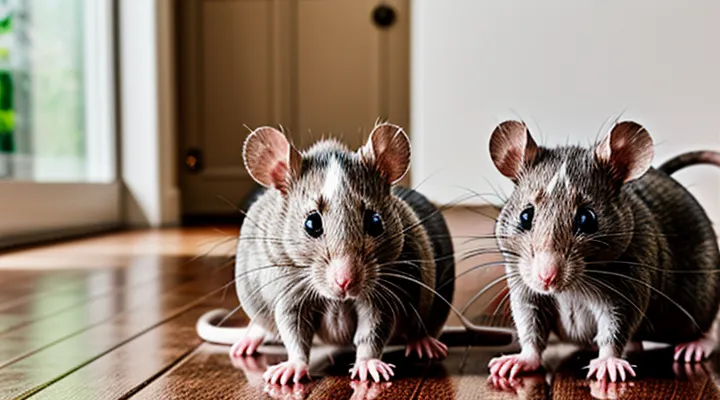
The Appeal of Domestic Rats as Pets
Why Choose a Rat?
Intelligence and Trainability
Small pet rats demonstrate rapid learning, memory retention, and adaptability, making them suitable companions for apartment dwellers. Their capacity to solve puzzles, navigate mazes, and recognize individual humans enables effective training for everyday behaviors.
Key aspects of rat intelligence and trainability include:
- Operant conditioning: Positive reinforcement with treats or gentle petting strengthens desired actions. Consistent timing of rewards after the target behavior accelerates acquisition.
- Target training: Teaching rats to touch a designated object with their nose creates a reliable cue for directing movement, useful for guiding them to a litter area or a designated play zone.
- Litter-box training: By placing a small tray with absorbent material in a corner and rewarding successful use, most rats adopt proper elimination habits within days.
- Chewing control: Offering safe chew toys and rewarding their use reduces damage to furniture and wiring. Rats quickly differentiate between acceptable and prohibited items when reinforced appropriately.
- Trick performance: Simple commands such as “spin,” “come,” or “stand” can be taught through step‑by‑step shaping, fostering mental stimulation and strengthening the human‑rat bond.
Training sessions should be brief (5–10 minutes), occur several times daily, and be conducted in a quiet corner of the flat to minimize distractions. Maintaining a predictable routine and using the same cue words enhances clarity. Regular mental challenges prevent boredom, support cognitive health, and contribute to a well‑behaved pet that integrates smoothly into limited living spaces.
Social Nature
Rats thrive on interaction with conspecifics; isolation often leads to stress, reduced appetite, and stereotypic behaviors.
Housing two or more individuals of the same sex, or a small mixed group with compatible temperaments, satisfies their innate drive for social contact. Compatibility can be assessed by observing grooming, play, and mutual nesting; aggressive encounters should be addressed promptly.
Social hierarchy influences access to resources such as food, water, and nesting material. Providing multiple feeding stations and shelters prevents dominance-related deprivation and promotes equitable distribution.
Effective social management in a confined living space includes:
- Maintaining a minimum of two rats per cage to meet social requirements.
- Offering daily opportunities for supervised group play outside the primary enclosure.
- Supplying ample enrichment items (tunnels, chew toys, climbing structures) to encourage cooperative exploration.
- Monitoring weight and health indicators of each rat to detect early signs of social stress.
Implementing these practices ensures that the natural sociability of small domestic rats aligns with the constraints of apartment living, supporting both animal welfare and owner satisfaction.
Low Maintenance (Relative to Other Pets)
Rats require minimal daily attention. A single feeding portion of commercial pellets, supplemented with occasional fresh vegetables, meets nutritional needs without precise portioning. Water bottles provide constant access to clean water, and a weekly bottle cleaning prevents buildup.
Cage maintenance is straightforward. A 2‑square‑foot enclosure, equipped with a solid floor and bedding, can be spot‑cleaned each day; a full substrate change every two weeks removes odors and waste. The limited size fits comfortably in most apartments, eliminating the need for large outdoor runs or frequent relocation.
Health monitoring involves simple observation. Normal behavior—active exploration, regular grooming, and consistent eating—indicates well‑being. Veterinary visits are typically annual, focused on preventive care and vaccination, unlike the frequent appointments required for larger pets.
Compared with dogs or cats, rats generate less noise, produce no hair shedding, and do not require grooming tools. Their short lifespan reduces long‑term commitment, and they adapt quickly to indoor environments, avoiding the need for outdoor exercise or extensive training.
Key low‑maintenance factors
- Simple diet: pellets plus occasional fresh produce
- Minimal space: compact cage fits standard apartment layouts
- Easy cleaning: daily spot‑clean, bi‑weekly full change
- Low health‑care frequency: annual vet check, basic observation
- Quiet, hair‑free, no grooming requirements
These characteristics make rats a practical choice for apartment dwellers seeking a pet with limited upkeep.
Understanding Rat Breeds and Types
Fancy Rats vs. Wild Rats
Fancy rats, also called domesticated pet rats, differ markedly from wild rats in temperament, health risks, and housing requirements. Pet rats are selectively bred for docility, display reduced aggression, and readily accept handling. Wild rats retain natural wariness, are prone to biting, and exhibit unpredictable reactions to human contact.
Key distinctions relevant to apartment living:
- Behavior: Domesticated rats seek social interaction, enjoy climbing structures, and can be trained for simple tricks. Wild rats prioritize escape routes, avoid confined spaces, and may carry parasites that threaten indoor hygiene.
- Health considerations: Pet rats are typically vaccinated against common diseases, undergo regular veterinary checks, and have a predictable lifespan of 2–3 years. Wild rats can transmit leptospirosis, hantavirus, and ectoparasites, increasing health hazards for occupants.
- Housing: A suitable enclosure for domesticated rats includes a solid base, multiple levels, chew‑proof materials, and regular cleaning. Wild rats cannot be confined safely; attempts to cage them often result in stress‑induced injuries and escape attempts.
- Diet: Commercial rat pellets, fresh vegetables, and occasional treats meet the nutritional needs of pet rats. Wild rats subsist on scavenged food, which may include contaminated waste, posing sanitation challenges in a shared living space.
- Legal and ethical aspects: Many municipalities permit keeping domesticated rats as pets but restrict the capture or possession of wild specimens due to disease control and animal welfare regulations.
When selecting a rat for an apartment, prioritize a certified domesticated individual from a reputable breeder or rescue organization. This choice ensures compatibility with indoor environments, reduces health risks, and aligns with local regulations governing pet ownership.
Common Varieties and Their Characteristics
Small pet rats thrive in apartment environments when owners choose varieties that match space constraints and maintenance preferences.
Common varieties and their defining traits include:
- Standard (Short‑haired) Fancy Rats – Smooth coat, broad color palette, average size (9–12 cm body length). Adapt well to limited cage space, require routine cage cleaning but minimal grooming.
- Dumpling (Brahma) Rats – Compact body, short legs, round appearance. Slightly heavier than standard rats, tolerate cooler indoor temperatures, benefit from extra bedding for joint support.
- Rex Rats – Curly, plush coat that traps debris; regular brushing prevents matting. Their coat provides additional insulation, making them comfortable in drafts typical of high‑rise apartments.
- Satin Rats – Silky, glossy fur that reflects light. Minimal grooming needed, but skin may be more sensitive to humidity; maintain moderate moisture levels in the habitat.
- Hairless (Dermal) Rats – Lack fur, exposing delicate skin. Require consistent ambient temperature (20‑24 °C) and humidified environment to prevent dryness. Daily skin checks are essential.
- Hooded Rats – Distinctive mask of color on the head and shoulders. No special care beyond standard grooming; visual contrast aids early health monitoring of coat condition.
- Midget (Miniature) Rats – Smaller stature (7–9 cm body length). Ideal for compact cages, but may be more active; provide vertical enrichment to satisfy climbing instincts.
Each variety shares basic needs: a minimum cage floor area of 120 × 60 cm, solid flooring, chewable items, and a balanced diet of laboratory‑grade pellets supplemented with fresh vegetables. Selecting a variety aligns with the owner’s willingness to perform specific grooming or temperature management tasks, ensuring the rats remain healthy within the limited space of an apartment.
Preparing for Your New Pet Rat
Essential Supplies for a Rat Habitat
Cage Requirements: Size, Bar Spacing, and Material
A suitable cage provides the space necessary for healthy growth, exercise, and natural behavior. For a single adult rat, the minimum floor area should be 2 sq ft (approximately 0.19 m²); each additional rat requires an extra 1 sq ft (0.09 m²). A cage height of at least 12 in (30 cm) allows vertical climbing and the placement of enrichment items.
- One rat: ≥ 2 sq ft floor space.
- Two rats: ≥ 3 sq ft floor space.
- Three or more rats: add 1 sq ft per extra rat.
Bar spacing directly affects safety. Gaps larger than the rat’s head can lead to escapes or injuries; gaps smaller than the rat’s body prevent entrapment while still allowing ventilation. Recommended spacing is ½ in (12 mm) or less.
- Horizontal bars: ≤ ½ in apart.
- Vertical bars: ≤ ½ in apart.
- No sharp edges or protruding wire ends.
Cage material must resist chewing, be easy to clean, and avoid toxic exposure. Solid plastic or acrylic bases prevent gnawing damage, while metal frames should be coated with powder‑coat or stainless steel to resist rust. Avoid cages made of untreated wood, as rats will chew and ingest harmful substances.
- Base: non‑porous plastic, acrylic, or sealed metal.
- Frame: powder‑coated steel or stainless steel.
- Lining: removable, washable bedding trays.
Adhering to these specifications ensures a secure, hygienic environment that supports the well‑being of small domestic rats living in an apartment setting.
Bedding Options and Their Benefits
Choosing the right substrate for a rat enclosure directly influences health, hygiene, and comfort. Several commercially available options meet the demands of an apartment setting.
- Paper-based bedding (recycled, unbleached). High absorbency, low dust, biodegradable, inexpensive. Provides a soft surface that reduces stress on paws and limbs.
- Aspen shavings. Non‑aromatic, moderate absorbency, low respiratory irritation. Natural appearance and good odor control.
- Fleece liners. Washable, reusable, zero dust, excellent insulation. Requires regular laundering but eliminates the need for frequent replacement.
- Corn cob bedding. Good absorbency, natural scent, cheap. Generates moderate dust; monitor for respiratory reactions.
- Coconut husk (coir). Highly absorbent, low dust, eco‑friendly. Slightly rough texture; suitable for active rats that enjoy digging.
- Hemp fiber. Strong absorbency, low dust, antimicrobial properties. Higher cost, but long‑term durability offsets replacement frequency.
Benefits common to optimal bedding choices include:
- Moisture management: rapid wicking prevents soggy substrate, reducing the risk of skin infections.
- Odor mitigation: effective absorption of urine and feces curtails unpleasant smells in confined living spaces.
- Respiratory safety: low‑dust formulations minimize inhalation of fine particles that can cause lung irritation.
- Comfort: soft, pliable materials protect delicate footpads and encourage natural nesting behavior.
- Maintenance efficiency: substrates that clump or are easily sifted simplify spot cleaning and extend the interval between full changes.
- Cost-effectiveness: reusable options such as fleece lower long‑term expenses despite higher initial outlay.
Selecting a bedding type should balance absorbency, dust level, durability, and ease of cleaning while fitting the spatial constraints of an apartment. Regular monitoring of substrate condition ensures the enclosure remains a healthy environment for small domestic rats.
Food and Water Dispensers
Proper food and water dispensers are essential for maintaining hygiene and consistent nutrition for small pet rats living in an apartment. A reliable dispenser prevents spillage, reduces the risk of mold, and ensures that rats have constant access to fresh resources, which supports healthy growth and activity levels.
Several dispenser designs are available:
- Gravity‑fed water bottles with stainless‑steel or plastic sipper tubes.
- Automatic waterers that deliver measured amounts at set intervals.
- Ceramic or metal food bowls with low rims to limit scattering.
- Self‑refilling feeders that dispense dry pellets in controlled portions.
When selecting a dispenser, consider the following criteria:
- Material safety – choose BPA‑free plastic, stainless steel, or glazed ceramic to avoid toxic leaching.
- Capacity – match bottle or bowl size to the number of rats and the frequency of cage cleaning.
- Leak resistance – opt for models with secure screw‑on caps and sturdy tubing.
- Ease of cleaning – smooth interior surfaces and removable parts simplify sterilization.
- Placement – position dispensers at a height that allows comfortable reach for the rats while minimizing contact with bedding.
Routine maintenance includes daily inspection for cracks, stale water, or food contamination, and weekly thorough cleaning with warm, unscented soap followed by a rinse with distilled water. Disinfectants such as a 10 % diluted bleach solution may be used sparingly, ensuring complete rinsing before returning the dispenser to the cage. Consistent upkeep prolongs the lifespan of the equipment and sustains a sanitary environment for the rodents.
Creating a Safe and Stimulating Environment
Enrichment Toys and Accessories
Enrichment toys and accessories are essential for the mental and physical health of small pet rats kept in an apartment. Proper selection and management of these items reduce stress, encourage natural behaviors, and prevent boredom‑related issues such as excessive chewing or repetitive movements.
Materials should be non‑toxic, chew‑resistant, and easy to clean. Untreated wood, solid‑core plastic, and stainless steel meet these criteria; soft fabrics and painted surfaces pose ingestion risks. Items that can be sterilized in a dishwasher or boiled are preferable for maintaining hygiene in a confined living space.
A balanced enrichment program includes:
- Climbing structures: ladders, rope bridges, and mesh tunnels stimulate agility and provide vertical space.
- Foraging puzzles: containers with removable lids, treat‑dispensing tubes, and hide‑away compartments encourage problem‑solving and mimic natural food‑searching.
- Chewing implements: wooden blocks, natural mineral chews, and safe acrylic toys satisfy the rodents’ instinct to gnaw, protecting cage components.
- Sensory objects: textured balls, bells, and safe mirror fragments introduce auditory and visual stimuli.
- Nest enhancements: soft bedding bundles, hide‑away houses, and shredded paper offer privacy and nesting opportunities.
Rotation of toys every one to two weeks preserves novelty and prevents habituation. When introducing a new item, observe the rat for signs of fear or aggression; remove any object that causes injury or excessive stress. Regular inspection for wear, splintering, or loose parts ensures ongoing safety.
Cleaning protocols depend on material. Plastic and metal accessories can be washed with mild detergent and rinsed thoroughly. Wooden toys may be soaked in a dilute vinegar solution, then dried completely to prevent mold growth. Discard heavily soiled or damaged items rather than attempting extensive repairs.
Integrating a variety of enrichment tools within a limited apartment environment supports the rats’ need for exploration, manipulation, and social interaction, leading to healthier, more content animals.
Hiding Spots and Sleeping Areas
Providing rats with secure hiding spots and comfortable sleeping areas is vital for their well‑being in a compact living space. A confined environment can cause stress; therefore, the enclosure should contain multiple concealed zones where the animals can retreat when they feel threatened. Materials such as thick cardboard tubes, PVC pipe sections, and reusable fabric tunnels work well because they are easy to clean, resistant to gnawing, and create distinct compartments without taking up excessive floor space.
Sleep zones must be warm, quiet, and insulated from drafts that are common in apartments. Soft bedding, such as shredded paper or fleece pads, placed in a low‑traffic corner of the cage encourages rats to settle down. Adding a small, closed box with a removable lid offers a private nest that retains body heat and reduces exposure to external noise.
- Use at least two separate hiding structures per rat to prevent competition.
- Position tunnels and boxes away from direct sunlight and heating vents.
- Replace bedding weekly to maintain hygiene and odor control.
- Ensure all hideaways are large enough for a rat to turn around comfortably (minimum 4 × 4 inches interior space).
- Rotate the location of hiding spots periodically to stimulate exploration without causing disorientation.
Temperature and Ventilation Considerations
Rats thrive when ambient temperature stays within a narrow band. Ideal conditions range from 65 °F (18 °C) to 75 °F (24 °C). Temperatures below 60 °F (15 °C) can suppress metabolism, leading to lethargy and increased susceptibility to respiratory infections. Conversely, environments exceeding 80 °F (27 °C) raise the risk of heat stress, dehydration, and heat‑related organ failure. Use a digital thermometer to monitor room temperature continuously and adjust heating or cooling devices accordingly.
Ventilation must provide fresh air without creating drafts that chill the animals. Aim for an air exchange rate of 0.5–1 air changes per hour, measured by a simple airflow meter or by observing condensation on cage walls. Position cages away from direct airflow of vents, windows, or fans; a distance of at least 12 inches (30 cm) reduces the chance of cold spots while still allowing adequate oxygen renewal. If the apartment lacks mechanical ventilation, install a low‑noise exhaust fan set to cycle intermittently, ensuring the cage area remains free of stagnant air.
Key practices for maintaining temperature and ventilation:
- Place cages on insulated surfaces (e.g., a wooden board) to buffer floor temperature fluctuations.
- Use a programmable thermostat to keep room temperature within the target range, especially during seasonal extremes.
- Employ a hygrometer; maintain relative humidity between 40 % and 60 % to prevent respiratory irritation.
- Seal gaps around windows and doors to eliminate uncontrolled drafts while preserving overall air circulation.
- Conduct weekly visual checks for condensation on cage walls; excess moisture indicates inadequate airflow or excessive humidity.
By adhering to these parameters, apartment dwellers can provide a stable thermal environment and sufficient air quality, supporting the health and activity of their pet rats.
Daily Care and Feeding
Nutritional Needs of Domestic Rats
Commercial Rat Food Recommendations
When keeping small pet rats in a limited living space, the choice of commercial diet directly influences health, growth, and behavior. A balanced formulation should contain protein levels between 18‑22 % and a fiber content of 4‑6 % to support digestion and dental wear. Vitamin and mineral premixes must meet the nutritional standards established for laboratory rodents, ensuring adequate calcium, phosphorus, and vitamin A levels.
Key criteria for selecting a product:
- Whole‑grain base (e.g., oats, wheat, barley) to provide complex carbohydrates.
- Inclusion of animal protein sources such as soy, fish meal, or insect protein.
- Absence of artificial colors, excessive sugars, and added fruit flavors.
- Packaging that protects against moisture and pests; resealable bags are preferred for freshness.
Several reputable brands meet these standards:
- Oxbow Rat & Mouse Maintenance – high protein, low fat, no added sugars.
- Mazuri Rat Chow – laboratory‑grade formulation, consistent nutrient profile.
- Kaytee Exact Rat Food – grain‑based, fortified with essential vitamins.
- Harlan Teklad 2018 Rat Diet – designed for breeding and growth phases.
Feeding schedule should consist of two measured portions per day, totaling approximately 15‑20 g per adult rat, adjusted for age, activity level, and body condition. Fresh water must be available at all times; replace it daily and clean the bottle to prevent contamination. Store dry food in a cool, dry place and rotate stock to use older packages first. Regularly inspect pellets for signs of mold or insect infestation, discarding any compromised portions immediately.
Safe and Unsafe Human Foods
Pet rats thrive on a diet that mirrors their natural omnivorous habits while remaining safe for a confined living space. Commercial rodent blocks supply essential nutrients, but occasional human foods can enrich variety if chosen carefully.
Safe options
- Cooked, unseasoned chicken or turkey, shredded into bite‑size pieces.
- Plain boiled eggs, chopped or scrambled without butter or oil.
- Fresh vegetables such as carrots, broccoli, kale, and bell peppers; wash thoroughly and remove any wilted leaves.
- Fruits in moderation: apple slices (core removed), berries, banana, and melon.
- Whole grains like oatmeal, plain rice, and small portions of whole‑wheat pasta.
- Low‑fat plain yogurt, offered sparingly to aid digestion.
Unsafe items
- Processed meats containing spices, curing agents, or preservatives (e.g., bacon, salami, ham).
- Dairy products high in fat or added sugars, including cheese, cream, and flavored yogurts.
- Citrus fruits and juices, which can irritate the gastrointestinal tract.
- Raw beans, especially kidney beans, due to toxic lectins.
- Chocolate, caffeine, nicotine, and any alcoholic beverages.
- Salty snacks, chips, and processed foods with high sodium or artificial additives.
- Avocado flesh and pits, which contain persin, a known toxin for rodents.
When introducing a new food, offer a small piece and observe the rat for 24 hours. Any signs of diarrhea, loss of appetite, or lethargy require immediate removal of the item and consultation with a veterinarian experienced in small rodent care. Maintaining a consistent core diet and supplementing only with the listed safe foods ensures optimal health for pet rats living in an apartment environment.
Dietary Supplements and Treats
Rats kept in apartments require a balanced diet that may be enhanced with targeted supplements to address specific health needs. Commercial rodent pellets provide most essential nutrients, but additional nutrients can improve coat condition, bone strength, and immune function.
- Vitamin C is not required for rats, but a modest dose of vitamin E (10–15 IU/kg body weight) supports antioxidant defenses.
- Calcium supplements, such as calcium carbonate, should be offered at 0.5 % of total diet weight to prevent dental and skeletal issues.
- Magnesium gluconate, 0.1 % of the diet, helps maintain neuromuscular health.
- Omega‑3 fatty acids from fish oil (0.2 % of diet) enhance skin and brain function; dosage must not exceed 100 mg per 100 g of food.
- Probiotic powders containing Lactobacillus spp. (1 × 10⁸ CFU per serving) promote gut flora balance, especially after antibiotic treatment.
Treats serve as enrichment and can supply supplemental nutrients when chosen carefully. Safe options include:
- Small pieces of fresh fruit (apple, pear) without seeds, limited to 5 % of daily caloric intake.
- Fresh vegetables (carrot, broccoli) offered in bite‑size portions, also limited to 5 % of calories.
- Commercial rat treats fortified with vitamin B complex, used no more than twice per week.
- Cooked lean protein (hard‑boiled egg white, plain chicken) in 2‑gram portions, suitable for growth phases or recovery periods.
Store supplements in airtight containers away from light and moisture to preserve potency. Record weekly observations of coat shine, activity level, and stool consistency; adjust supplement types or quantities if abnormalities arise. Replace treats with fresh options regularly to prevent spoilage and bacterial growth.
Hygiene and Grooming
Cage Cleaning Schedule and Methods
Keeping a cage clean is essential for the health of small pet rats living in an apartment. Regular removal of waste, replacement of bedding, and disinfection of surfaces prevent illness, reduce odor, and create a stable environment.
Cleaning schedule
- Every day: Spot‑clean droppings, remove wet food, and check water bottle for leaks.
- Every 2–3 days: Replace a portion of the bedding to maintain dryness and control smell.
- Weekly: Empty the entire cage, wash all accessories (toys, tunnels, feeding dishes) with warm water and mild detergent, then rinse thoroughly.
- Monthly: Disassemble the cage, scrub all components with a diluted vinegar solution (1 part vinegar to 4 parts water) or an enzyme‑based cleaner, rinse, and allow to air‑dry completely before reassembly.
Cleaning methods
- Use a dedicated brush or soft cloth for scrubbing; avoid abrasive pads that could damage plastic or metal.
- Apply the cleaning solution to surfaces, let it sit for 5–10 minutes to loosen residue, then scrub gently.
- Rinse all parts with clean water to remove any cleaning agent traces.
- Dry components with a lint‑free towel or place them on a clean rack; ensure no moisture remains before adding fresh bedding.
- Refill the cage with a low‑dust, absorbent substrate such as paper‑based bedding; avoid pine or cedar shavings that release harmful oils.
Consistent adherence to this schedule and methodical cleaning routine maintains a hygienic habitat, supports the rats’ immune system, and preserves the apartment’s living standards.
Bathing (When and How)
Bathing small pet rats in an apartment is rarely required; their fur self‑cleans through regular grooming. Use a bath only when the animal is visibly soiled with sticky substances, has a strong odor that grooming does not remove, or after exposure to chemicals that could irritate the skin.
Preparation
- Fill a shallow container with lukewarm water (32‑35 °C).
- Add a few drops of a mild, rodent‑safe shampoo; avoid products containing fragrances or harsh detergents.
- Place a non‑slip mat at the bottom to prevent slipping.
Procedure
- Gently lower the rat into the water, supporting its hindquarters.
- Keep the head above water; use a soft washcloth to rinse the fur, avoiding the eyes and ears.
- Apply shampoo sparingly, lathering only the soiled area.
- Rinse thoroughly with clean lukewarm water to eliminate all soap residue.
- Lift the rat promptly, wrap it in a soft, absorbent towel, and pat dry.
Post‑bath care
- Keep the rat in a warm, draft‑free environment until completely dry; a heated corner of the cage works well.
- Offer fresh water and a small snack to encourage normal activity.
Alternatives
- Spot‑clean with a damp cloth for minor messes.
- Provide a sand bath (fine, dust‑free sand) for routine grooming; the rat will roll and remove excess oils naturally.
Limit full baths to no more than once a month; excessive washing can strip natural oils, leading to dry skin and coat problems. Regular cage cleaning and proper diet reduce the need for water baths altogether.
Nail Trimming
Rats kept in small living spaces develop nail overgrowth quickly because hard surfaces provide limited natural wear. Overgrown claws can snag fabric, cause self‑injury, or impair mobility. Visible signs include curved nails that touch the floor, difficulty climbing, or frequent paw licking.
- Nail clippers designed for small mammals or a fine‑toothed guillotine cutter
- Styptic powder or cornstarch for bleeding control
- Soft towel or cloth for restraint
- Bright, non‑glare light source
Preparation involves calming the animal in a familiar enclosure, then gently wrapping it in a towel to expose the paws while limiting movement. Inspect each claw; trim only the transparent tip, avoiding the pink quick that contains blood vessels. If bleeding occurs, apply a dab of styptic powder and press lightly until stopped.
After trimming, return the rat to its cage and monitor for limping or swelling. Repeat the procedure every four to six weeks, adjusting frequency based on nail growth rate. Regular maintenance prevents damage to furniture, reduces the risk of infection, and supports the animal’s overall well‑being in an apartment environment.
Socialization and Handling
Building Trust with Your Rat
Establishing trust with a pet rat begins with predictable interactions. Approach the cage calmly, speak in a low, steady voice, and avoid sudden movements that could startle the animal. Allow the rat to become accustomed to your presence before attempting direct contact.
- Place a hand inside the cage without reaching for the rat; let it sniff and investigate at its own pace.
- Offer a small treat from your fingertips, withdrawing the hand if the rat retreats.
- Gradually increase the duration of hand‑to‑body contact, always pausing when the rat shows signs of discomfort.
Consistent timing reinforces reliability. Feed, clean, and engage with the rat at the same intervals each day. Regularly schedule brief handling sessions, ideally 5–10 minutes, to maintain familiarity without causing fatigue.
Create a secure environment that encourages exploration. Provide tunnels, climbing structures, and hideaways that mimic natural hiding spots. A rat that feels safe in its surroundings is more likely to approach a human voluntarily.
Respect the rat’s individual personality. Some individuals readily accept affection, while others require extended observation before engaging. Adjust handling techniques accordingly, and never force interaction.
Positive reinforcement accelerates bonding. Pair gentle petting with a favored food reward, repeating the sequence until the rat associates human touch with a pleasant outcome. Over time, the rat will exhibit relaxed posture, extended whiskers, and voluntary climbing onto the caretaker’s hand, indicating a solid foundation of trust.
Playtime and Exercise
Playtime and regular exercise are essential for the physical health and mental stability of pet rats living in a compact indoor environment. Rats are naturally active; without sufficient movement they develop obesity, muscle loss, and stereotypic behaviors such as excessive grooming or chewing.
A well‑designed exercise routine combines safe floor time with durable enrichment devices. Recommended elements include:
- A solid‑surface wheel of appropriate size (minimum 11‑inch diameter) that rotates freely and lacks gaps where paws could be trapped.
- Multi‑level climbing structures made of untreated wood or plastic, providing vertical pathways and hideouts.
- Tubes, tunnels, and hide‑boxes that encourage exploration and mimic burrowing instincts.
- Chew‑able toys constructed from safe, non‑toxic materials to promote dental wear and reduce boredom.
Floor sessions should occur in a rat‑proofed area free of electrical cords, small gaps, and toxic substances. Supervision during these periods prevents escape and allows owners to observe natural behaviors, assess agility, and identify potential health issues. Sessions of 15–30 minutes, two to three times daily, provide adequate stimulation without overwhelming the animal.
Exercise intensity must be balanced with rest. After active periods, rats should have access to a secure cage equipped with nesting material and a quiet corner for recovery. Monitoring body condition, coat quality, and activity levels guides adjustments to the routine, ensuring optimal well‑being for rats in an apartment setting.
Interaction with Other Pets
Rats can coexist with other household animals when owners manage introductions, space, and health considerations carefully.
First, assess species compatibility. Predatory pets such as cats and dogs often view rats as prey; even well‑behaved animals may instinctively chase. Small, non‑predatory companions—hamsters, guinea‑guinea pigs, or other rats—are more suitable, provided they are introduced gradually and monitored for aggression.
Second, establish physical barriers. Use a secure cage with lockable doors and place it out of reach from larger animals. For free‑roaming rats, confine them to a rat‑proofed room or enclosure when other pets are present. Ensure ventilation and escape routes are blocked to prevent accidental capture.
Third, monitor health risks. Cross‑species disease transmission is rare but possible. Keep all pets up to date on vaccinations and parasite control. Clean cages regularly, and wash hands after handling rats before touching other animals.
Practical steps for safe interaction:
- Introduce scent: Exchange bedding or cloths between cages to familiarize animals with each other’s odor.
- Supervised visual contact: Allow rats to observe other pets through a barrier for short periods, observing stress signals such as excessive grooming or freezing.
- Controlled physical contact: If a dog or cat remains calm, use a leash and a sturdy carrier to bring the rat close, rewarding the larger pet for gentle behavior.
- Separate feeding areas: Place food bowls far apart to avoid competition and prevent one animal from stealing another’s meals.
- Observe body language: Look for signs of fear (flattened ears, rapid breathing) or aggression (growling, raised hackles) and intervene immediately.
Finally, maintain a routine. Consistent schedules reduce anxiety for rats and other pets, reinforcing predictable environments. Documentation of interactions, including dates and observed reactions, helps refine the approach and ensures long‑term harmony in an apartment setting.
Health and Wellness
Common Health Issues in Rats
Respiratory Infections
Respiratory infections are common health concerns for pet rats living in confined indoor spaces. The primary pathogens include Mycoplasma pulmonis, Streptococcus pneumoniae, and viral agents such as Sendai virus. Infection spreads through aerosolized droplets, contaminated bedding, and direct contact with an infected animal.
Typical clinical signs appear rapidly and include nasal discharge, sneezing, labored breathing, wheezing, and reduced activity. Additional indicators are ocular discharge, loss of appetite, and a hunched posture. Early detection relies on observing these symptoms and conducting a veterinary examination with radiographic imaging when necessary.
Preventive measures focus on environmental control and hygiene:
- Maintain ambient temperature between 18‑22 °C and relative humidity below 60 % to inhibit pathogen growth.
- Provide high‑quality, low‑dust bedding (e.g., paper‑based) and replace it weekly.
- Ensure adequate ventilation without drafts; use filtered air exchangers if the apartment lacks natural airflow.
- Limit the number of rats per cage to prevent overcrowding; a maximum of two to three individuals per 1 ft² of floor space is advisable.
- Conduct routine health checks and isolate new arrivals for at least two weeks before integration.
If infection is confirmed, treatment protocols include antibiotics such as enrofloxacin or doxycycline, administered under veterinary supervision, and supportive care with humidified air, supplemental nutrition, and stress reduction. Prompt intervention improves recovery rates and reduces the risk of chronic respiratory disease.
Tumors and Cysts
Tumors and cysts are common health concerns for pet rats living in confined indoor environments. Early identification relies on observing physical changes and behavioral alterations.
Typical indicators include:
- Swelling or lump on the abdomen, limbs, or head
- Asymmetrical fur loss around a mass
- Reduced activity or reluctance to move
- Decreased food intake and weight loss
- Rapid breathing or labored respiration
Veterinarians diagnose these conditions through palpation, ultrasonography, and, when necessary, fine‑needle aspiration or biopsy. Imaging confirms size, location, and involvement of surrounding tissues, while cytology determines whether the growth is benign or malignant.
Treatment options vary:
- Surgical excision removes localized tumors and cysts; postoperative care requires analgesia, wound monitoring, and a clean cage environment.
- Chemotherapy may be recommended for malignant neoplasms that cannot be fully resected.
- Aspiration of cystic fluid provides temporary relief but does not prevent recurrence; repeated drainage should be avoided without addressing the underlying cause.
Preventive measures suitable for apartment housing:
- Maintain a low‑stress environment by limiting loud noises, sudden temperature changes, and overcrowding.
- Provide a balanced diet rich in antioxidants, avoiding excess fat and sugary treats that can promote tumor development.
- Conduct monthly health checks, gently feeling the rat’s body for abnormal masses.
- Keep the cage and accessories sterilized to reduce chronic irritation that can lead to cyst formation.
Prompt veterinary consultation at the first sign of a lump significantly improves prognosis and reduces the need for extensive intervention.
Skin Parasites
Pet rats living in apartments are prone to several skin parasites that can compromise health and cause discomfort. Recognizing and managing these ectoparasites is essential for maintaining a clean and safe environment.
Common skin parasites include:
- Fur mites (Myobia musculi) – small, white, crab‑like organisms that burrow into the hair shaft.
- Sucking lice (Polyplax spp.) – flat, wingless insects that feed on blood and cause irritation.
- Cheyletiella spp. (walking dandruff) – moving scales that resemble dandruff and may spread to humans.
Typical signs of infestation are:
- Excessive scratching or grooming.
- Visible specks moving on the coat.
- Scaly patches, hair loss, or crusty lesions.
- Redness or inflammation around the ears, face, or tail base.
Prevention strategies focus on hygiene and environmental control:
- Clean cage bedding weekly; replace with fresh, low‑dust material.
- Wash food dishes, water bottles, and accessories with hot, soapy water at least once a month.
- Limit contact between new rats and established colonies; quarantine newcomers for two weeks.
- Use a dedicated, non‑porous surface for the cage to reduce parasite reservoirs.
If an infestation is confirmed, treatment follows a systematic approach:
- Veterinary diagnosis – obtain a skin scraping or tape test to identify the parasite species.
- Topical medication – apply approved acaricides (e.g., selamectin or ivermectin) according to dosage guidelines.
- Environmental decontamination – soak all removable items in a diluted bleach solution (1:32) or use a commercial disinfectant effective against arthropods; dry thoroughly before reuse.
- Repeat treatment – schedule a second dose after 7–10 days to eliminate newly hatched parasites.
- Monitor – observe the rats for at least four weeks; record any recurrence of symptoms.
Regular health checks, prompt isolation of affected individuals, and strict sanitation reduce the likelihood of skin parasite outbreaks in confined living spaces. Maintaining these practices ensures the well‑being of pet rats and minimizes the risk of zoonotic transmission to occupants.
Recognizing Signs of Illness
Changes in Behavior
Rats introduced to an apartment often display distinct shifts in activity patterns, social interaction, and stress responses. Recognizing these changes enables effective management and promotes welfare.
Behavioral adjustments commonly observed include:
- Increased nocturnal activity when daylight exposure is limited, leading to heightened exploration after dusk.
- Heightened territorial marking, manifested by more frequent urine spraying in confined spaces.
- Altered grooming routines; excessive grooming may signal discomfort, whereas reduced grooming can indicate illness.
- Changes in hierarchy; newly added companions can trigger aggression or submissive posturing until a stable order is established.
- Variations in feeding behavior; rapid weight loss or overeating may signal metabolic issues or environmental stressors.
Environmental factors driving these modifications are:
- Space constraints that limit natural foraging, prompting repetitive pacing or chewing on cage bars.
- Noise levels typical of urban dwellings, which can elevate cortisol and trigger hypervigilance.
- Inconsistent lighting schedules, disrupting circadian rhythms and affecting sleep‑wake cycles.
- Limited enrichment, resulting in stereotypic behaviors such as bar‑riding or excessive burrowing.
Health indicators linked to behavioral change are:
- Sudden lethargy or reluctance to engage with handlers, often preceding respiratory or gastrointestinal infections.
- Aggressive bites directed at familiar caretakers, potentially indicating pain from dental overgrowth or musculoskeletal strain.
- Persistent vocalizations, especially high‑pitched squeaks, which may reflect isolation or inadequate social contact.
Effective response strategies:
- Provide a multi‑level cage with tunnels, chew toys, and nesting material to satisfy exploratory instincts.
- Establish a consistent light‑dark cycle, using dim lighting during evening hours to mimic natural conditions.
- Introduce a companion of the same sex and similar age to reinforce social stability, monitoring interactions closely for signs of dominance.
- Conduct regular health checks, focusing on weight, coat condition, and dental wear, and adjust diet accordingly.
By monitoring these behavior patterns and implementing targeted environmental modifications, apartment‑based rat owners can maintain optimal health and reduce stress‑related issues.
Physical Symptoms
In an apartment environment, a rat’s physical condition is the primary indicator of welfare. Regular observation of external signs enables early detection of illness and prevents escalation.
- Coat and skin – dull, ragged fur; bald patches; scabs, sores, or excessive scratching.
- Eyes – cloudiness, redness, swelling, discharge, or a pupil that appears unequal.
- Ears and nose – crusty or bloody discharge, swelling, persistent odor, or frequent sneezing.
- Respiratory – rapid or labored breathing, wheezing, audible crackles, or open‑mouth breathing while at rest.
- Digestive – loose or watery stools, blood in feces, lack of fecal pellets, abdominal swelling, or refusal to eat and drink.
- Urinary – reduced urine output, blood‑tinged urine, or frequent dribbling outside the litter area.
- Mobility – limping, reluctance to move, tremors, unsteady gait, or paralysis of a limb.
- General demeanor – hunching, excessive lethargy, unresponsiveness to handling, or sudden weight loss.
Any combination of these manifestations warrants immediate veterinary evaluation. Maintaining a clean cage, stable temperature, and proper nutrition reduces the likelihood of the listed conditions, but vigilance remains essential for the health of pet rats living in confined spaces.
Finding a Veterinarian
Importance of an Exotic Vet
An exotic veterinarian possesses training specific to non‑traditional pets, enabling accurate diagnosis of diseases that differ from those seen in common laboratory rodents. This expertise reduces the risk of misidentifying symptoms that mimic human illnesses, such as respiratory infections caused by Mycoplasma spp. or gastrointestinal parasites unique to small mammals.
Routine examinations by an exotic vet identify health issues before they become acute. Early detection of dental overgrowth, skin lesions, or metabolic disorders allows prompt treatment, extending the animal’s lifespan and maintaining its activity level in confined living spaces.
Specialized care includes:
- Vaccination protocols tailored to rat physiology
- Parasite prevention and eradication plans
- Nutritional counseling based on species‑specific metabolic needs
- Surgical procedures performed with appropriate anesthesia and postoperative monitoring
When emergencies arise, an exotic veterinarian can administer species‑appropriate emergency drugs, perform critical airway management, and advise owners on immediate home care steps, preventing fatal outcomes that general practitioners may overlook.
Regular Check-ups
Regular veterinary examinations are essential for maintaining the health of pet rats living in confined spaces. A typical schedule includes an initial health assessment shortly after acquisition, followed by semi‑annual examinations. During each visit, the veterinarian should evaluate weight, coat condition, respiratory sounds, and behavioral cues that may indicate pain or distress.
Key components of a routine check‑up:
- Weight monitoring – precise measurements detect early signs of malnutrition or illness.
- Dental inspection – rat incisors grow continuously; overgrowth can cause feeding difficulties and oral injury.
- Respiratory evaluation – auscultation identifies sneezing, wheezing, or discharge that often precede infections.
- Skin and fur assessment – checking for parasites, sores, or hair loss prevents secondary complications.
- Vaccination and parasite control – administer vaccines where available and schedule deworming according to regional guidelines.
Owners should keep a record of each appointment, noting observations such as changes in appetite, activity level, or stool consistency. Prompt reporting of abnormalities allows the veterinarian to intervene before conditions become severe. Consistent check‑ups, combined with vigilant home monitoring, significantly reduce the risk of chronic disease and support a long, healthy life for rats in apartment environments.
Responsible Rat Ownership
Understanding Rat Lifespan
Rats kept as indoor pets typically live 2 to 3 years, with some individuals reaching 4 years when optimal conditions are maintained. Lifespan is determined by genetics, nutrition, environment, and health management.
Key factors influencing longevity:
- Genetic background – Certain strains exhibit longer average lifespans; inbreeding or mixed heritage can affect health robustness.
- Diet quality – Balanced commercial rat pellets supplemented with fresh vegetables and limited treats provide essential nutrients and reduce obesity‑related complications.
- Housing conditions – Spacious, well‑ventilated cages with regular cleaning prevent respiratory infections and stress.
- Social interaction – Rats are highly social; pair or group housing lowers stress hormones and promotes natural behaviors.
- Veterinary care – Routine health checks, timely vaccinations, and prompt treatment of illnesses such as respiratory or dental problems extend life expectancy.
Monitoring signs of aging—slower movement, reduced grooming, weight loss—allows early intervention. Providing enrichment, consistent routines, and preventive medical attention maximizes the years a pet rat can enjoy a healthy, active life within a compact living space.
Ethical Considerations of Breeding
Breeding small pet rats for apartment living raises several ethical issues that must be addressed before initiating a breeding program. First, the limited space typical of an apartment restricts the ability to provide adequate enrichment and separate housing for multiple litters, increasing the risk of stress‑related behaviors and health problems. Second, indiscriminate breeding can lead to overpopulation, resulting in many animals being surrendered to shelters or abandoned, which contradicts responsible pet ownership.
Key ethical considerations include:
- Genetic health: Selective breeding without proper health screening may propagate hereditary disorders such as respiratory issues or dental malformations. Breeders should conduct veterinary examinations and maintain records of lineage to minimize the spread of defects.
- Welfare of the dam and pups: The mother requires a quiet, secure nest and sufficient nutrition throughout gestation and lactation. Overcrowding or inadequate diet compromises both maternal health and pup development.
- Source of breeding stock: Acquiring breeding animals from reputable, licensed suppliers ensures that the initial stock has been raised under humane conditions, reducing the likelihood of inherited stress or disease.
- Adoption versus breeding: Many healthy rats are already available for adoption. Prioritizing rescue over new breeding alleviates shelter burden and respects the principle of reducing unnecessary animal creation.
Implementing these practices aligns breeding activities with the broader responsibility of maintaining animal welfare within confined living environments. Failure to consider these factors can result in compromised health, behavioral issues, and increased societal costs associated with stray or surrendered rats. Responsible breeders mitigate these outcomes by adhering to strict health protocols, providing appropriate housing, and promoting adoption as a viable alternative.
Finding a Reputable Breeder or Rescue Organization
Finding a reliable source for a pet rat is a critical step for anyone living in a compact dwelling. Quality of care begins with the animal’s origin, making thorough research essential before any purchase or adoption.
Key attributes of a reputable breeder include:
- Registration with a recognized rodent association or local animal welfare agency.
- Transparent breeding practices, such as documented lineages and health screenings.
- Clean, well‑ventilated facilities where rats are housed in appropriate groups.
- Willingness to provide a health guarantee and detailed care instructions.
- Positive references from previous customers or veterinary professionals.
When evaluating rescue organizations, focus on the following factors:
- Established nonprofit status or affiliation with recognized animal shelters.
- Clear adoption policies that include health assessments and quarantine procedures.
- Availability of medical records, including vaccinations and any treatments received.
- Commitment to post‑adoption support, such as guidance on housing rats in limited spaces.
- Transparent intake processes that prevent overpopulation and ensure proper socialization.
Verification steps apply to both breeders and rescues:
- Request recent photographs and videos of the rats’ living environment.
- Ask for documentation of health checks, parasite treatments, and vaccination dates.
- Arrange an in‑person visit or virtual tour to observe cleanliness and animal behavior.
- Inquire about the breeder’s or rescue’s policy on returning a rat if health issues arise.
- Confirm that the organization adheres to local regulations regarding small‑animal ownership in apartments.
Prioritizing ethical sources reduces the risk of health problems and supports responsible animal stewardship. Adoption from a reputable rescue often provides a rat already accustomed to human interaction, while a reputable breeder can supply a healthy, genetically sound animal for those seeking specific traits. Both options require diligent verification to ensure a smooth transition into apartment life.