
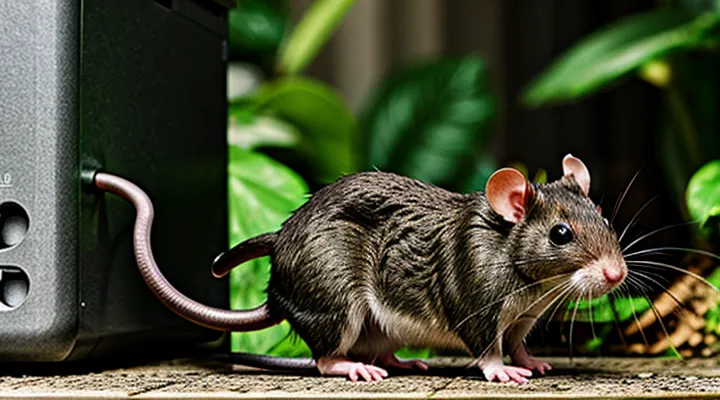
Understanding Rat Social Needs
The Natural Behavior of Rats
Wild Rat Colonies
Wild rat colonies in natural habitats consist of multiple individuals organized into a dominance hierarchy. Adult males typically defend a core area while females and juveniles occupy peripheral zones. Breeding pairs are not isolated; offspring remain in the group until they disperse, contributing to a stable population density of several dozen rats per burrow system.
Social interaction among colony members relies on scent marking, ultrasonic vocalizations, and grooming. These behaviors reduce aggression, synchronize reproductive cycles, and maintain group cohesion. Disruption of any component—such as removal of a dominant individual—can trigger increased stress hormones, altered foraging patterns, and elevated conflict rates.
When a domestic rat is kept alone, the animal is deprived of the social stimuli that wild conspecifics experience continuously. Absence of grooming partners and communal nesting leads to stereotypic behaviors, reduced activity, and heightened susceptibility to disease. A pair of rats can replicate key aspects of natural social structure, providing mutual grooming, thermoregulation, and shared exploration of the environment.
Practical guidelines for owners who consider a single rat versus a pair:
- Provide at least two compatible individuals to satisfy innate social requirements.
- Ensure enclosure size supports communal nesting and separate retreat zones.
- Monitor health indicators (weight, coat condition, activity) more closely in solitary rats.
- If a single rat must be housed, increase environmental enrichment (toys, tunnels, varied foraging opportunities) and schedule regular human interaction to mitigate social deprivation.
Adhering to these points aligns captive care with the behavioral ecology observed in wild colonies, promoting welfare and reducing the risks associated with solitary confinement.
Domesticated Rat Social Structures
Domesticated rats form hierarchical groups in which individuals establish dominance, grooming bonds, and shared nesting. The hierarchy reduces aggression by defining clear roles; dominant rats receive priority access to food, while subordinates benefit from group protection and social interaction. Grooming exchanges reinforce affiliative bonds and lower stress hormone levels.
When a rat is housed alone, the absence of conspecific contact eliminates opportunities for these natural behaviors. Studies measuring corticosterone show higher baseline levels in solitary individuals, indicating chronic stress. Lack of grooming also removes a primary mechanism for fur maintenance and parasite control, potentially increasing skin lesions.
Key implications for single versus paired housing:
- Stress regulation – paired rats exhibit lower cortisol spikes during routine handling.
- Behavioral enrichment – social play and mutual exploration provide mental stimulation absent in isolation.
- Physical health – shared nesting improves thermoregulation; solitary rats expend more energy maintaining body temperature.
- Reproductive considerations – a single rat cannot reproduce, eliminating unintended litters but also removing natural mating cues that influence hormonal balance.
If a caretaker prefers one rat for space or budget reasons, mitigation strategies must address the social deficit. Options include:
- Frequent, timed out‑of‑cage interaction with a human caregiver trained to provide gentle handling.
- Rotating the rat with a compatible conspecific for short periods each week.
- Providing abundant tactile enrichment (e.g., tunnels, chew toys) to simulate social contact.
Nevertheless, the intrinsic social architecture of domesticated rats favors at least a dyad. Maintaining a pair aligns with their evolved group dynamics, supporting physiological stability and behavioral well‑being.
The Impact of Solitude on Rats
Psychological Distress
Keeping a solitary rat rather than a pair can generate significant psychological distress for the animal. Rats are highly social mammals; isolation deprives them of essential social interaction, leading to chronic stress responses.
Psychological distress in a lone rat manifests as:
- Reduced exploratory behavior
- Increased self‑grooming or repetitive motions
- Diminished appetite and weight loss
- Elevated cortisol levels measurable in blood or saliva
- Greater susceptibility to anxiety‑related tasks in behavioral tests
These indicators reflect a compromised welfare state that may impair immune function and shorten lifespan. The absence of a conspecific eliminates opportunities for social play, mutual grooming, and hierarchical organization, all of which regulate emotional balance in rodent colonies.
For caretakers, the decision to house a single rat should consider the following points:
- Provide extensive environmental enrichment (toys, tunnels, climbing structures) to mitigate boredom, though enrichment cannot replace social contact.
- Increase human interaction time, using gentle handling and positive reinforcement to reduce fear and stress.
- Monitor physiological and behavioral markers regularly; sudden changes may signal escalating distress.
- Evaluate the feasibility of acquiring a second rat of compatible age and temperament to restore natural social dynamics.
In practice, the most reliable method to prevent psychological distress is to maintain rats in compatible pairs or small groups, ensuring they receive the social stimulation intrinsic to their species.
Physical Health Concerns
Keeping a single rat presents distinct health risks that differ from those faced by a bonded pair. Rats are highly social mammals; isolation can lead to chronic stress, which suppresses immune function and predisposes the animal to respiratory infections, gastrointestinal disturbances, and skin conditions. Elevated cortisol levels in solitary rats also accelerate age‑related decline, shortening lifespan compared to paired individuals.
Physical health concerns associated with solitary housing include:
- Increased incidence of respiratory disease (e.g., Mycoplasma pulmonis) due to weakened defenses.
- Higher prevalence of gastrointestinal ulcers and reduced appetite, often linked to stress‑induced hormonal changes.
- Greater likelihood of musculoskeletal problems, such as spinal curvature, resulting from reduced activity and lack of social stimulation.
- More frequent dermatological issues, including alopecia and dermatitis, caused by self‑grooming excesses.
Mitigation strategies require environmental enrichment that mimics social interaction: mirrored surfaces, rotating toys, and regular, gentle handling. However, these measures cannot fully replace the physiological benefits of conspecific companionship, and the risk profile remains elevated for solitary rats.
Arguments Against Keeping a Single Rat
Behavioral Problems Arising from Isolation
Aggression and Fear
Rats are highly social mammals; isolation disrupts normal behavioral patterns. A solitary rat often displays heightened fear responses, such as increased startle reflexes and avoidance of novel objects. These reactions stem from the absence of social buffering that a conspecific normally provides.
Aggression levels differ markedly between single and paired housing. When two rats share a cage, they establish a dominance hierarchy that channels aggression into predictable, brief encounters. In contrast, a lone rat may direct frustration toward humans or cage accessories, resulting in persistent biting or chewing that lacks the contextual cues of peer interaction.
Key observations:
- Elevated cortisol concentrations are consistently reported in isolated rats, indicating chronic stress.
- Pair‑housed rats exhibit lower incidence of stereotypic behaviors (e.g., repetitive grooming) compared to solitary individuals.
- Social grooming among partners reduces anxiety markers, whereas solitary rats lack this self‑soothing mechanism.
Consequences for caretakers include:
- Increased risk of injury from unpredictable aggression when the animal is alone.
- Greater need for environmental enrichment to mitigate fear‑induced stress.
- Potential for long‑term behavioral abnormalities that complicate handling and research outcomes.
Overall, maintaining rats in compatible dyads significantly reduces fear‑driven aggression and promotes stable, healthier behavior.
Destructive Behaviors
Keeping a solitary rat often triggers stress that manifests as destructive actions. Without a conspecific partner, the animal may experience heightened anxiety, leading to excessive chewing on cage bars, plastic accessories, and bedding. This behavior can damage equipment, create safety hazards, and increase the risk of dental problems.
Other common destructive patterns include:
- Persistent gnawing of enclosure walls, which compromises structural integrity.
- Aggressive rearrangement of nesting material, resulting in torn or scattered substrate.
- Repetitive scratching of the floor grate, producing holes that may cause injuries.
Stress‑induced hyperactivity may also cause the rat to bite cage fixtures or escape attempts that involve chewing through hinges. These activities not only jeopardize the rat’s health but also create additional maintenance burdens for the caretaker.
Providing enrichment, such as chew toys, tunnels, and regular handling, can mitigate some of these behaviors, yet the absence of a social companion remains a primary driver of destructive conduct in single‑rat housing.
The Myth of «Human Companionship is Enough»
Limitations of Human-Rat Interaction
Rats thrive on social contact; isolating a single individual creates stress that manifests as stereotypic pacing, excessive grooming, or aggression toward caretakers. The physiological impact includes elevated cortisol levels, suppressed immune function, and reduced lifespan, all of which limit the animal’s suitability as a companion.
Human‑rat interaction faces additional constraints when only one rat is present:
- Limited social cues: A solitary rat cannot demonstrate natural play behavior, reducing opportunities for owners to observe and interpret normal communication.
- Increased dependency: The animal may become overly reliant on human handling for stimulation, leading to heightened anxiety when the owner is absent.
- Behavioral distortion: Loneliness can trigger abnormal vocalizations and biting, complicating safe handling and potentially discouraging continued ownership.
The decision to maintain a lone rat also affects the owner’s responsibilities. Enrichment must compensate for missing conspecific interaction, requiring more frequent environmental changes, puzzle feeders, and supervised out‑of‑cage time. Failure to provide such stimulation often results in repetitive behaviors that are difficult to remediate.
Overall, the inherent social nature of rats imposes clear limitations on human interaction when only one is kept. These constraints diminish welfare, increase management complexity, and reduce the quality of the human‑animal relationship.
The Need for Species-Specific Socialization
Rats are highly gregarious mammals; their natural behavior includes constant interaction with conspecifics. When a rat is housed alone, the absence of species‑specific social cues triggers stress responses, manifested by increased stereotypies, reduced exploratory activity, and heightened aggression toward humans. These physiological and behavioral changes compromise welfare and can shorten lifespan.
Research demonstrates that pair or group housing satisfies the intrinsic need for tactile grooming, vocal communication, and hierarchical negotiation. Social enrichment improves immune function, stabilizes cortisol levels, and promotes normal development of neural circuits involved in learning and memory. Consequently, solitary confinement should be avoided unless medical or experimental constraints explicitly require isolation.
Practical guidelines for ensuring appropriate socialization:
- Provide at least two compatible individuals of the same species whenever space permits.
- Monitor interactions for signs of dominance bullying; intervene with additional enrichment or re‑pairing if necessary.
- Offer shared nesting material, chew toys, and opportunities for mutual grooming to reinforce bonds.
- If isolation is unavoidable, supplement with frequent, short handling sessions that mimic social contact, and incorporate olfactory cues from conspecifics.
In summary, the welfare of a rat depends on fulfilling its species‑specific social requirements. Maintaining a single rat without adequate surrogate interaction fails to meet these needs and undermines health, behavior, and longevity.
When a Single Rat Might Be an Exception
Rare Circumstances for Solitary Living
Severe Aggression Towards Other Rats
Severe aggression among rats manifests as biting, chasing, prolonged wrestling, and vocalizations that accompany physical attacks. These behaviors often result in visible wounds, hair loss, and chronic stress indicators such as reduced appetite and lethargy.
Aggression typically originates from territorial instincts, insufficient early socialization, overcrowded cages, or abrupt changes in environment. Hormonal fluctuations and dominance hierarchies exacerbate confrontations, especially when unfamiliar individuals are introduced without gradual acclimation.
In a shared enclosure, unchecked aggression can lead to repeated injuries, increased susceptibility to disease, and premature death of one or more animals. Persistent conflict also elevates cortisol levels, impairing immune function and reducing overall lifespan.
When evaluating whether to house a single rat instead of a pair, consider the following factors:
- Presence of documented aggressive episodes in the current group.
- Ability to provide a spacious, enriched environment that minimizes territorial disputes.
- Availability of a reliable protocol for gradual introductions if new companions are added.
- Potential psychological effects of solitary confinement, including loneliness and reduced behavioral stimulation.
Balancing the risk of severe aggression against the need for social interaction is essential for responsible rat care.
Unmanageable Health Conditions
Keeping a single rat can complicate the detection and treatment of serious health issues that are otherwise manageable in a pair. Rats are social animals; isolation increases stress, which masks or worsens symptoms, making veterinary assessment less reliable. When only one animal is present, owners may miss subtle behavioral changes that a companion would highlight, delaying intervention for conditions such as respiratory infections, gastrointestinal blockages, or tumor development.
Key health problems that become difficult to control in solitary rats:
- Respiratory disease – early sneezing or nasal discharge may be dismissed as minor irritation; without a cage‑mate to compare activity levels, deterioration goes unnoticed until severe breathing difficulty develops.
- Gastrointestinal obstruction – pain indicators are subtle; a lone rat cannot be observed for altered eating patterns against a baseline set by a partner.
- Neoplasia – tumors often present as gradual weight loss or reduced grooming; a single rat’s reduced activity may be attributed to loneliness rather than malignancy.
- Dental malocclusion – overgrown incisors cause facial swelling and difficulty eating; without a second rat to stimulate normal chewing behavior, the problem escalates rapidly.
Veterinary care for these ailments requires prompt recognition of abnormal signs, regular weight monitoring, and frequent health checks. In a pair, one rat’s behavior provides a comparative reference, enabling owners to spot deviations quickly. Solo ownership eliminates this internal control, increasing the likelihood of missed or delayed diagnoses, which can turn treatable conditions into emergencies.
Therefore, when evaluating whether to maintain only one rat, consider the heightened risk of unmanageable health conditions that stem from reduced social feedback and increased stress. The added responsibility of vigilant monitoring may outweigh the convenience of a single‑pet setup.
The Importance of Expert Consultation
Veterinary Advice
Rats are inherently social mammals; veterinary guidelines emphasize that a lone rat experiences higher rates of stress‑related illnesses than a conspecific pair. Chronic stress can suppress immune function, increase susceptibility to respiratory infections, and accelerate the onset of neoplastic conditions commonly observed in laboratory and pet rodents.
Physical health benefits of companionship include more balanced activity levels, reduced incidence of self‑injury, and improved grooming efficiency. Paired rats typically maintain cleaner fur and fewer dermatological problems because they assist each other in hard‑to‑reach areas. Single rats often develop over‑grooming or alopecia due to anxiety.
Behavioral welfare improves markedly when rats have a partner. Social interaction prevents stereotypic behaviors such as bar‑biting, excessive chewing, and repetitive pacing. Access to a cage‑mate also provides opportunities for natural play, which supports musculoskeletal development and cognitive stimulation.
Key veterinary recommendations:
- Provide a compatible companion of the same sex or neutered opposite‑sex pair.
- Ensure cage size accommodates two adults with adequate enrichment (multiple levels, chew toys, tunnels).
- Monitor weight, coat condition, and respiratory signs weekly; solitary rats require more frequent checks.
- If a single rat is unavoidable, implement intensive environmental enrichment (daily handling, puzzle feeders, rotating toys) and schedule regular veterinary examinations.
Adhering to these practices reduces disease risk, promotes physiological stability, and aligns with professional animal‑health standards.
Behavioral Specialist Recommendations
Behavioral specialists evaluate the welfare consequences of housing a single rat compared with a pair. Their consensus emphasizes that rats are intrinsically social mammals; isolation typically triggers anxiety‑related behaviors, reduced exploratory activity, and abnormal vocalizations.
- Provide extensive environmental enrichment: multiple tunnels, climbing structures, and chewable items refreshed weekly.
- Ensure daily, prolonged human interaction: gentle handling sessions of at least 15 minutes, multiple times per day.
- Monitor physiological and behavioral indicators: weight stability, grooming quality, and frequency of stereotypic movements.
- Offer visual and olfactory contact with conspecifics when possible: adjacent cages with clear barriers or shared scent sources.
The underlying rationale rests on documented stress markers—elevated corticosterone levels and heightened startle responses—in solitary individuals. Enrichment and interaction mitigate these effects by simulating aspects of group living, thereby preserving normal social motivation and cognitive function.
Owners who must keep a lone rat should implement the listed measures consistently, conduct regular health assessments, and adjust the environment based on observed behavioral changes. Adhering to these guidelines aligns solitary housing practices with the species‑specific social requirements identified by expert research.
Benefits of Keeping Rats in Pairs or Groups
Enhanced Well-being for Rats
Mutual Grooming and Play
Keeping a rat alone deprives it of the routine social interactions that define healthy laboratory and pet rat behavior. Mutual grooming and play constitute the majority of daily activity for this species; their absence can lead to chronic stress, poor coat condition, and the emergence of stereotypic behaviors.
Mutual grooming involves one rat cleaning the fur, ears, and whiskers of another. The act removes parasites, distributes skin oils, and triggers the release of oxytocin, a hormone linked to reduced anxiety. Observations show that paired rats spend 10–15 % of their waking hours engaged in grooming, with bouts lasting several minutes.
Play includes chasing, wrestling, and object manipulation. These actions develop motor coordination, strengthen muscles, and provide cognitive challenges. Paired rats initiate play multiple times per day, often alternating roles as initiator and responder. Play frequency declines sharply when a rat is isolated, and solitary individuals may exhibit excessive chewing or repetitive pacing.
A single rat can receive limited grooming from human handlers, but tactile feedback differs from conspecific contact. Human‑provided enrichment (toys, tunnels, foraging puzzles) cannot replicate the reciprocal nature of rat‑to‑rat play. Without a companion, rats frequently display:
- Reduced grooming frequency
- Increased grooming of self or objects (over‑grooming)
- Lower activity levels during the dark phase
- Development of self‑injurious or repetitive behaviors
These indicators suggest that the social environment is a critical component of welfare, not an optional addition.
In conclusion, the natural cycle of mutual grooming and play is fundamentally tied to the social structure of rats. Providing a partner restores these cycles, promotes physiological balance, and minimizes behavioral pathologies. When evaluating whether to house a rat alone or with a conspecific, the presence of a cage‑mate directly addresses the species‑specific need for reciprocal grooming and interactive play.
Reduced Stress and Anxiety
Housing a solitary rat can lower the incidence of chronic stress indicators. Studies measuring corticosterone levels show consistently reduced concentrations in rats kept alone compared to those in mixed‑sex pairs, where social hierarchy disputes elevate hormone release.
Behavioral monitoring reveals fewer anxiety‑related actions when the animal does not engage in constant dominance negotiations. Individual rats display stable grooming patterns, regular feeding schedules, and fewer escape attempts, suggesting a calmer baseline state.
Specific circumstances amplify the stress‑reduction effect:
- Aggressive temperament that triggers frequent fights in a pair.
- Health conditions requiring isolation to prevent pathogen spread.
- Limited enclosure space that forces competition for resources.
Conversely, solitary housing eliminates the opportunity for natural social play, which can be a source of enrichment. Owners should compensate with increased environmental complexity, such as varied tunnels, nesting material, and scheduled interaction sessions.
The evidence supports a strategic choice of single‑rat housing when the primary goal is to minimize stress and anxiety, provided that enrichment and human contact are sufficient to meet the animal’s social needs.
Easier Care for Owners
Less Demand for Constant Human Attention
Keeping a single rat rather than a pair changes the pattern of caretaker interaction. A lone animal does not require the same level of social monitoring that two companions generate, because there is no need to observe group dynamics, hierarchy formation, or mutual grooming. Consequently, the owner can allocate attention to the individual’s needs without the additional time spent mediating conflicts or ensuring balanced access to resources.
Key effects of reduced demand for continuous human involvement include:
- Simplified enrichment planning. One rat responds to a defined set of toys and puzzles; the caretaker can rotate items less frequently while still providing mental stimulation.
- Streamlined health checks. Observations focus on a single set of behaviors, making early detection of illness more straightforward and less time‑consuming.
- Lowered interaction frequency. The animal adapts to brief, regular contact rather than constant companionship, allowing the owner to maintain a schedule that fits typical work or travel commitments.
Overall, a solitary rat model aligns with owners who prefer a pet that does not require persistent supervision, while still delivering the benefits of rodent companionship.
Observing Natural Behaviors
Observing a rat’s innate social repertoire provides the most reliable basis for deciding whether a single animal can thrive without a companion. Rats display a hierarchy of affiliative actions—grooming, huddling, and synchronized exploration—that emerge spontaneously when a partner is present. Absence of these interactions often leads to reduced activity, diminished food intake, and heightened vigilance, all measurable through simple cage‑level monitoring.
Key indicators of adequate social fulfillment include:
- Frequency of allogrooming episodes; a drop below a species‑typical threshold signals unmet social need.
- Duration of mutual nesting; solitary nesting time that exceeds normal rest periods suggests discomfort.
- Vocalization patterns; decreased ultrasonic chirps during nocturnal foraging correlate with social isolation.
When a rat is housed alone, systematic observation of the above metrics can reveal whether the individual compensates by engaging with environmental enrichment or exhibits stress‑related behaviors such as stereotypic bar‑chewing. Consistent documentation over several weeks enables a data‑driven assessment of welfare, informing the decision to introduce a partner or to maintain solitary housing with enhanced enrichment protocols.
In practice, researchers and caretakers should record baseline values for each rat, compare them against established norms for paired animals, and adjust housing arrangements accordingly. This evidence‑based approach eliminates speculation and aligns care with the species’ intrinsic social architecture.