
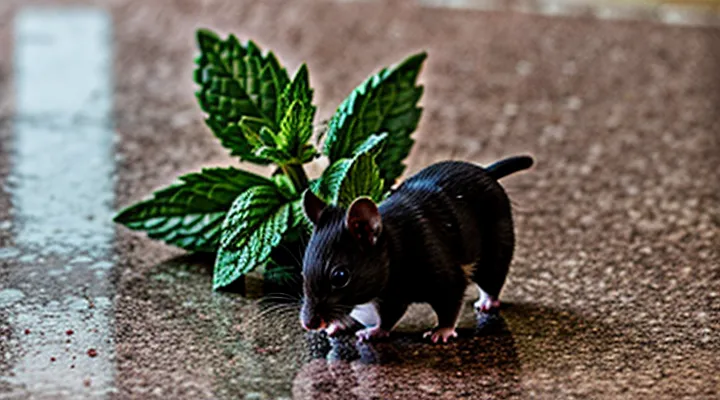
Understanding Mint as a Natural Mouse Repellent
The Science Behind Mint's Effectiveness
Peppermint Oil vs. Other Mint Varieties
Peppermint oil contains a high concentration of menthol and menthone, the compounds that mice find most repellent. When applied to cotton balls or diluted in water for spray, the volatile aroma penetrates cracks, corners, and ceiling voids where rodents seek shelter. Its potency allows a small amount—typically 10–15 drops per cup of water—to protect an entire room for several weeks before re‑application is needed.
Other mint varieties—such as spearmint, apple mint, and pennyroyal—contain lower levels of menthol and higher proportions of carvone or pulegone. These constituents are less aversive to mice, requiring larger quantities to achieve comparable deterrence. For example, spearmint oil may need 30–40 drops per cup of water, and the scent dissipates more quickly, demanding more frequent re‑application.
Key comparative points
- Active compounds: Peppermint → menthol, menthone; Spearmint → carvone; Pennyroyal → pulegone.
- Efficacy: Peppermint > Spearmint > Pennyroyal in laboratory avoidance tests.
- Application rate: Peppermint ≈ 10 drops/250 ml water; Spearmint ≈ 30 drops/250 ml; Pennyroyal ≈ 25 drops/250 ml.
- Duration of effect: Peppermint ≈ 2–3 weeks; others ≈ 1 week before scent fades.
- Safety: All oils are safe for humans in recommended dilutions; pennyroyal carries a higher toxicity risk if ingested, limiting its use around pets and children.
Cost considerations favor peppermint oil, which is widely produced and priced lower per milliliter than specialty mints. Availability of peppermint oil in bulk containers further reduces per‑application expense.
In practice, the most reliable protocol involves placing peppermint‑infused cotton balls behind appliances, under sinks, and in attic access points, then rotating them every 14 days. If peppermint oil is unavailable, a spearmint or apple‑mint spray can be used, but increase the concentration and re‑apply weekly to maintain deterrent strength.
How Mint Affects Mice Olfactory Senses
Mint releases volatile organic compounds, primarily menthol and carvone, that interact directly with the olfactory receptors of rodents. When a mouse inhales air containing these compounds, the receptors in the nasal epithelium transmit a strong, unpleasant signal to the brain, triggering avoidance behavior. The high volatility of menthol ensures rapid dispersion throughout confined spaces, creating a scent barrier that mice perceive as hostile.
Key physiological impacts include:
- Activation of TRPM8 ion channels, which detect cooling sensations and are linked to aversive responses in rodents.
- Overstimulation of olfactory neurons, leading to sensory overload and reduced willingness to explore the scented area.
- Disruption of pheromone detection, impairing communication and foraging efficiency.
Mice exhibit a measurable decline in activity within mint‑scented zones. Laboratory studies report a 70‑90 % reduction in entry attempts when menthol concentrations exceed 0.5 % v/v in the ambient air. Repeated exposure does not produce rapid habituation; the strong, irritating odor maintains its deterrent effect over weeks.
Effective application strategies rely on sustained release of mint volatiles:
- Place cotton balls soaked in mint essential oil near entry points and food storage areas.
- Use sachets containing dried mint leaves in closets and under appliances.
- Install mint‑infused plug‑in diffusers to maintain a constant low‑level concentration throughout the living space.
By targeting the mice’s primary sensory pathway, mint creates an environment that rodents instinctively avoid, reducing the likelihood of infestation without chemical pesticides.
Preparing and Applying Mint for Mouse Control
Choosing the Right Mint Form
Fresh Mint Leaves and Stems
Fresh mint leaves and stems provide a potent, non‑chemical barrier against house rodents. The plant’s essential oils contain menthol and pulegone, compounds that mice find intolerable.
To prepare a repellent, harvest a handful of healthy mint shoots, rinse them under cool water, and pat dry. Trim stems to about 5 cm, then bruise or crush the leaves lightly to release volatile oils. Do not grind to a paste; excessive disruption reduces shelf life.
Effective placement follows a simple pattern:
- Slip crushed leaves into cotton balls or small mesh pouches.
- Position pouches near known entry points: door thresholds, window sills, and garage doors.
- Distribute additional packets inside cabinets, pantry shelves, and behind appliances where mice travel.
- Replace each packet every 3–5 days, or when the scent fades noticeably.
Maintain potency by storing unused mint in a sealed container in the refrigerator; refrigeration slows oil degradation. Discard any wilted or discolored material, as diminished freshness correlates with reduced deterrence.
Mint is safe for humans and most pets, but avoid direct ingestion by cats and small dogs. Keep packets out of reach of children to prevent accidental consumption. Regular monitoring of mouse activity will confirm the method’s effectiveness and guide adjustments in placement density.
Peppermint Essential Oil
Peppermint essential oil contains menthol and other volatile compounds that mice find intolerable. The strong scent interferes with their sensory receptors, prompting them to avoid treated areas.
To implement peppermint oil as a deterrent, follow these steps:
- Dilute 10‑15 drops of oil in 250 ml of water or a carrier such as almond oil.
- Soak cotton balls or small cloth pads in the mixture.
- Place the saturated pads in entry points, behind appliances, under sinks, and along baseboards.
- Replace pads every 3–4 days, or when the scent weakens.
For concentrated applications, spray a solution of 20 drops per 100 ml of water onto surfaces that cannot be saturated, such as door frames and vent grills. Allow the liquid to dry before closing the area to prevent slip hazards.
Safety considerations include keeping oil out of reach of children and pets, testing a small area for material compatibility, and avoiding direct skin contact without a carrier. Store the unopened bottle in a cool, dark place to preserve potency.
Combining peppermint oil with other non‑chemical methods—such as sealing cracks, maintaining a clean environment, and using snap traps—enhances overall effectiveness and reduces the likelihood of mice establishing a presence.
Mint Sachets and Sprays
Mint sachets and sprays provide a practical, non‑toxic approach to discouraging mice from entering living spaces.
A sachet consists of dried mint leaves or ground mint placed in a breathable pouch. The pouch should be positioned near potential entry points—under kitchen cabinets, behind appliances, in pantry corners, and along baseboard seams. Replace the contents every two weeks, as the volatile oils dissipate with exposure to air. For optimal coverage, use three to five sachets per 100 sq ft, spacing them evenly to create a continuous aromatic barrier.
Spray solutions are prepared by diluting essential oil of peppermint or spearmint in water, typically at a ratio of 15 ml oil to 1 liter water. Adding a small amount of alcohol (e.g., 5 ml ethanol) improves dispersion. Apply the mixture to surfaces where mice travel: the outer edges of doors, window frames, cracks in walls, and the underside of shelving. Reapply every five days, or after cleaning, to maintain potency.
Both delivery methods share key considerations:
- Use pure, food‑grade mint oil to avoid chemical contaminants.
- Test a small area first to ensure no discoloration of fabrics or finishes.
- Keep sachets out of reach of children and pets; although mint is safe, ingestion of large quantities may cause irritation.
- Combine with physical exclusion measures—seal gaps, install door sweeps—to enhance overall effectiveness.
When deployed correctly, mint sachets and sprays create an environment that mice find inhospitable, reducing the likelihood of infestation without resorting to harmful poisons.
Strategic Placement of Mint Repellents
Identifying Mouse Entry Points
Mice gain access through the smallest gaps; locating these openings is the first step in a mint‑based deterrent strategy. Inspect the building envelope from the ground up, paying close attention to areas where structural components meet.
- Gaps around doors and windows, including weather‑stripping wear.
- Cracks in foundation walls, especially near utility penetrations.
- Openings around plumbing, electrical conduit, and HVAC ducts.
- Holes in exterior siding, soffits, and eaves.
- Unsealed gaps beneath sinks, cabinets, and appliances.
- Gaps around pet doors, vents, and crawl‑space entries.
Use a flashlight and a mirror to view concealed spaces. Measure each opening; any aperture larger than ¼ inch (6 mm) can admit a mouse. Seal identified gaps with steel wool, caulk, or hardware cloth before applying mint oil or dried mint leaves, ensuring the repellent remains concentrated where rodents would otherwise enter.
Areas Prone to Mouse Activity
Mice concentrate activity in locations that provide food, shelter, and easy access to the building envelope. Identifying these zones allows targeted placement of mint as a natural deterrent.
Typical hotspots include:
- Kitchen cabinets and pantry shelves where stored grains, cereals, and pet food are kept.
- Behind refrigerators, stoves, and dishwashers, where warmth and concealed gaps offer nesting sites.
- Baseboard and trim gaps that connect interior rooms to exterior walls.
- Attic rafters and insulation layers that retain heat and remain undisturbed.
- Crawl spaces and basement joist cavities that serve as hidden pathways.
- Garage shelves and toolboxes storing cardboard boxes or fabric.
- Storage closets and laundry rooms with piles of clothing or cardboard.
- Exterior entry points such as vents, utility penetrations, and foundation cracks that lead directly to interior voids.
Mice select these areas because they combine readily available nourishment with protection from predators and temperature extremes. Placing fresh mint leaves, dried mint, or mint oil-soaked cotton at these specific sites establishes an odor barrier that mice find unpleasant, reducing the likelihood of infestation without the need for chemical agents. Regular renewal of the mint material—every few days in high‑traffic zones and weekly elsewhere—maintains potency and maximizes repellent effectiveness.
Replenishing and Maintaining Mint Repellents
Mint loses its volatile oils quickly once exposed to air, heat, or sunlight. To keep a mint‑based mouse deterrent effective, replace or refresh the source regularly.
- Harvest fresh leaves every 5‑7 days, or prune indoor mint plants weekly to stimulate new growth.
- Dry harvested leaves in a dark, well‑ventilated area for 24‑48 hours; store the dried material in airtight containers away from direct light.
- For spray solutions, combine 2 tablespoons of dried mint or 1 cup of fresh leaves with 1 liter of water; bring to a gentle boil, cool, then filter. Re‑brew the mixture every 3‑4 days, as potency declines after 48 hours at room temperature.
- Re‑saturate cloth sachets or cotton balls with fresh mint oil or infused water weekly; discard and replace once the scent fades.
- Keep indoor mint plants in pots with adequate drainage, fertilize monthly, and trim to maintain a dense canopy that continuously releases aroma.
Monitor mouse activity weekly; if sightings resume, increase the frequency of replenishment or add additional sachets in affected zones. Proper storage, regular renewal, and consistent application preserve the repellent’s efficacy over time.
Maximizing Mint's Efficacy
Combining Mint with Other Non-Toxic Methods
Sealing Entry Points
Sealing gaps and cracks eliminates the routes mice use to enter the home, allowing the mint barrier to work effectively. Identify potential entry points by inspecting the exterior foundation, windows, doors, utility penetrations, and vent openings. Use a flashlight to reveal hidden gaps behind appliances and under sinks.
- Apply steel wool or copper mesh to openings larger than a quarter‑inch, then cover with a durable sealant such as silicone or expanding foam.
- Replace damaged weather stripping on doors and windows; choose a product that remains flexible to maintain a tight seal.
- Install metal flashing around pipe entries and vent pipes; seal the edges with caulk to prevent shrinkage.
- Repair cracks in the foundation or exterior walls with concrete patch or mortar, smoothing the surface before curing.
After sealing, distribute fresh mint leaves or mint oil in the secured areas. The scent repels any mice that may have already infiltrated, while the physical barriers prevent new incursions. Regularly inspect sealed points for wear and reapply sealant as needed to maintain an airtight environment.
Maintaining a Clean Environment
A tidy interior reduces the likelihood that mice will explore a dwelling, and it amplifies the deterrent effect of mint. Without food crumbs, spilled liquids, or clutter, rodents have little incentive to remain despite the presence of mint scent.
- Remove all food residues from countertops, floors, and appliances.
- Store dry goods in sealed containers; keep pet food in airtight bins.
- Clean up spills promptly; mop surfaces with a mild detergent.
- Dispose of garbage daily and use bins with tight‑fitting lids.
- Eliminate standing water by fixing leaks and drying wet areas.
- Seal gaps around doors, windows, and utility entries with steel wool or caulk.
When surfaces are free of organic matter, mint oil or fresh mint leaves maintain a strong aromatic barrier. Mice are less likely to ignore the scent if they cannot locate a food source nearby. Additionally, clean surfaces allow the oil to spread evenly, preventing dilution by grease or dirt.
Implement a routine that combines sanitation with mint application. Sweep and vacuum high‑traffic zones weekly, wipe down countertops after each use, and reapply mint oil to strategic points—behind appliances, under cabinets, and along baseboards—every two weeks or after cleaning. Monitor for signs of activity and adjust placement as needed to sustain an inhospitable environment for rodents.
Using Traps as a Supplementary Measure
Mint creates an unappealing scent for rodents, yet it rarely eliminates an established infestation. Combining scent deterrence with mechanical capture improves control.
A trap should be placed after the mint treatment has reduced activity to a few observable pathways. Position devices where droppings, gnaw marks, or fresh tracks appear. Ensure the bait does not mask the mint odor; use low‑odor food items such as a small piece of cheese, peanut butter, or sunflower seeds.
Key considerations for effective trap deployment:
- Choose snap or live‑capture traps with a sensitivity rating suitable for small rodents.
- Align the trigger mechanism with the direction of mouse movement; a perpendicular approach increases strike success.
- Check traps at least twice daily; remove captured mice promptly to prevent scent contamination.
- Reset or relocate traps after each capture to maintain pressure on the remaining population.
Integrating traps with mint deterrence limits re‑entry. The scent discourages new arrivals, while traps remove individuals that have already breached the barrier. Regular monitoring and adjustment of both methods sustain a rodent‑free environment.
Addressing Common Misconceptions
Mint as a Standalone Solution
Mint can deter mice when applied directly, without combining it with other repellents. Fresh mint leaves release volatile oils that mice find unpleasant; these oils interfere with their scent‑tracking abilities and discourage entry into treated areas.
To use mint alone, follow these steps:
- Place a handful of dried mint leaves in cotton bags or small fabric pouches. Distribute the sachets near entry points, along baseboards, and in cabinets where mice are active.
- Sprinkle crushed fresh mint or dried mint powder in cracks, gaps, and behind appliances. Reapply weekly, as the scent fades after several days.
- Grow mint plants in pots on windowsills or in kitchen corners. Trim regularly to maintain strong aroma; replace plants if they become wilted.
Effectiveness depends on concentration of essential oil. For larger infestations, the odor may diminish quickly, requiring more frequent replacement. Mint does not harm humans or pets, but excessive amounts can cause skin irritation; wear gloves when handling concentrated oil.
If mice persist despite regular mint treatment, consider augmenting with additional control measures, as mint alone may not eradicate a well‑established population.
The Importance of Consistency
Consistent use of mint as a rodent deterrent determines whether the scent remains effective over time. Mice quickly become accustomed to intermittent odors; only a steady presence of mint prevents habituation and sustains repellent pressure throughout the home.
A regular regimen ensures that the aromatic concentration does not fall below the threshold required to deter activity. When the scent weakens, mice resume foraging, rendering occasional applications ineffective. Continuous exposure also reduces the likelihood that rodents will discover safe zones where the odor is absent.
- Place fresh mint leaves, essential‑oil soaked cotton balls, or dried sprigs in high‑traffic areas such as kitchen cabinets, pantry shelves, and entry points.
- Replace or refresh the material every 3–5 days, depending on ambient temperature and ventilation.
- Rotate placement locations weekly to cover all potential pathways and eliminate gaps.
- Record observations of mouse sightings or droppings to adjust frequency and positioning as needed.
Maintaining this schedule creates a uniform barrier that discourages entry, limits nesting sites, and supports long‑term control without reliance on chemical pesticides. The result is a quieter, cleaner household environment achieved through disciplined, ongoing application of mint.
Potential Downsides and Considerations
Pet Safety and Mint Exposure
Mint is an effective natural deterrent for rodents, but its presence can affect household animals. Cats and dogs may be attracted to the scent and ingest mint leaves, essential oils, or products containing concentrated extracts. Ingested mint can cause gastrointestinal irritation, drooling, vomiting, and, in severe cases, liver toxicity due to menthol compounds.
To protect pets while employing mint as a rodent barrier, follow these precautions:
- Use fresh mint sprigs or dried leaves in areas inaccessible to animals, such as behind appliances, inside wall voids, or in sealed sachets placed on shelves.
- Apply diluted mint essential oil (no more than 0.5 % concentration) on cotton balls and hide them in closets or crawl spaces where pets cannot reach.
- Avoid spraying undiluted oil on floor surfaces, furniture, or bedding that pets may lick or chew.
- Monitor pets for signs of discomfort after introducing mint; discontinue use if symptoms appear.
- Store all mint products, including oil bottles and dried herb packets, out of reach of curious animals.
If a pet shows signs of mint ingestion, contact a veterinarian promptly. Provide details about the type and amount of mint exposure to assist with treatment decisions. Regularly inspect the home for accidental spills or broken containers that could expose animals.
When mint is used responsibly, it deters mice without compromising the health of cats, dogs, or small mammals. Combining mint with other non‑toxic deterrents, such as steel wool or ultrasonic devices, enhances rodent control while maintaining a safe environment for all household members.
Allergic Reactions in Humans
Mint is frequently employed as a natural deterrent against rodents in residential environments. Human contact with mint‑based preparations can provoke allergic responses, requiring awareness of the associated health risks.
Allergic manifestations may involve:
- Skin irritation, redness, itching, or hives at the point of contact.
- Respiratory symptoms such as sneezing, nasal congestion, coughing, or wheezing after inhalation of volatile oils.
- Ocular irritation, tearing, or swelling when vapors reach the eyes.
- Systemic reactions, including dizziness, nausea, or, in rare cases, anaphylaxis.
Individuals with a documented sensitivity to mint, menthol, or related herbal extracts, as well as those with a history of atopic dermatitis or asthma, exhibit a higher likelihood of reacting. Cross‑reactivity with other Lamiaceae family plants can extend the risk to additional botanicals.
To minimize exposure while maintaining rodent control, follow these precautions:
- Dilute essential oil to no more than 1 % concentration before application.
- Apply the solution to sealed containers or cotton balls placed in concealed areas, avoiding direct skin contact.
- Ensure adequate ventilation in treated rooms.
- Perform a patch test on a small skin area 24 hours before widespread use.
- Keep preparations out of reach of children, pregnant individuals, and pets.
If an allergic reaction occurs, cease exposure immediately, rinse the affected area with water, and administer an oral antihistamine if symptoms are mild. Seek emergency medical care for signs of severe systemic involvement, such as difficulty breathing or rapid pulse.
When mint sensitivity is confirmed, substitute alternative deterrents—such as ultrasonic devices, steel wool barriers, or non‑aromatic botanical extracts—and reinforce structural exclusion methods to achieve rodent control without compromising human health.
Limitations of Mint as a Repellent
Mint emits a strong scent that mice find unpleasant, yet its effectiveness is constrained by several factors.
The scent dissipates quickly once exposed to air, meaning fresh material must be replenished frequently. In closed environments, the aroma may become less perceptible to rodents, reducing its deterrent power.
Mint oil applied directly to surfaces can leave residues that attract insects such as ants, potentially creating a secondary pest issue. Concentrated oils may also damage wood, plastic, or painted finishes, requiring careful testing on a small area before widespread use.
Rodents can become habituated to the odor after repeated exposure, especially if mint is the sole method employed. Combining mint with physical barriers, traps, or sanitation measures improves overall control.
Environmental conditions influence performance: high humidity or strong airflow can dilute the scent, while low temperatures may lessen the volatility of the essential oil, decreasing its reach.
Key limitations
- Rapid loss of potency, necessitating regular replacement
- Potential damage to household materials when used undiluted
- Risk of attracting other pests
- Possibility of rodent habituation
- Sensitivity to humidity, temperature, and ventilation
Recognizing these constraints allows for realistic expectations and the integration of mint with complementary strategies for more reliable mouse management.