
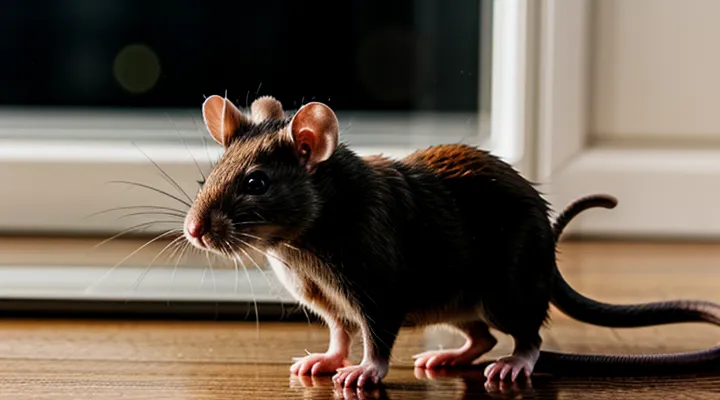
Understanding Rat Communication
The Nuances of Rat Social Behavior
Recognizing Emotional States
Understanding a rat’s emotional condition is essential for effective communication through cues and preferences. Rats display a range of affective states that can be identified by observing specific behaviors and physiological signals.
Body posture, ear orientation, and tail movement provide immediate visual data. A relaxed, stretched posture with ears held forward indicates calmness, while a crouched stance, flattened ears, and a tightly curled tail suggest fear or anxiety. Vocalizations also differentiate emotions: high‑frequency squeaks often accompany distress, whereas low‑frequency chirps are associated with contentment and social bonding.
Physiological markers complement visual cues. Elevated heart rate and rapid breathing, measurable with non‑invasive sensors, correlate with heightened arousal. Conversely, slower respiration and stable heart rhythm align with relaxation. Pheromone release patterns, detectable through scent analysis, vary between stress‑induced and affiliative states.
Practical application of these observations enhances the ability to attract a rat using appropriate signals:
- Present food or nesting material when the animal exhibits relaxed posture and low‑frequency vocalizations.
- Reduce sudden movements and loud noises if signs of fear appear, allowing the rat to transition to a calmer state before initiating contact.
- Align scent cues with the rat’s current hormonal profile; stress‑related pheromones should be avoided, while affiliative scents can reinforce positive engagement.
Accurate interpretation of emotional signals improves the success rate of establishing rapport and guiding the animal toward desired interactions.
Interpreting Body Language
Rats communicate primarily through posture, movement, and whisker orientation. Recognizing these cues allows you to signal interest and encourage a rat to approach.
A relaxed rat displays a low, elongated body, ears angled forward, and whiskers spread outward. The tail remains steady, without rapid twitching. When a rat is curious, it will pause, tilt its head slightly, and flick its whiskers toward the source of interest. These subtle adjustments indicate attentiveness and readiness to engage.
Key body‑language indicators to interpret:
- Ears forward – focus on the stimulus; the rat is listening.
- Whisker spread – sensory exploration; the rat is gathering information.
- Tail steady – confidence; the animal feels safe.
- Head tilt – curiosity; the rat is evaluating the situation.
- Slow, deliberate movements – calm approach; the rat is comfortable.
To convey a positive signal, adopt a calm demeanor, avoid sudden gestures, and maintain a steady gaze. Position yourself at the rat’s eye level, allowing the animal to observe your posture without feeling threatened. A gentle, slow hand extension mirrors the rat’s measured movements and reinforces trust.
When a rat responds with a brief pause, a soft squeak, or a light foot‑tap, it signals acknowledgement. Matching this response with a matching pace—slowly lowering your hand or offering a treat—reinforces the communication loop and increases the likelihood of the rat approaching voluntarily.
Natural Rat Vocalizations
Types of Calls and Their Meanings
Rats communicate through a limited set of vocalizations, body movements, scent marks, and tactile contacts. Each signal conveys a specific purpose that other rats interpret instantly.
- High‑frequency squeaks – emitted when a rat feels threatened or experiences pain; listeners typically retreat or investigate the source of danger.
- Low‑frequency chirps – produced during social grooming or when a rat approaches a familiar companion; they promote affiliation and reduce aggression.
- Rapid, repetitive clicks – accompany food discovery; nearby rats are drawn to the location and increase foraging activity.
- Long, drawn‑out whistles – signal the presence of a potential mate; receptive individuals respond with approach behavior and reciprocal calls.
Visual cues complement acoustic signals:
- Raised tail with upright posture – denotes territorial claim; rivals tend to avoid the area.
- Crouched stance with flattened ears – indicates submission or readiness to receive grooming; dominant rats may initiate contact.
Chemical communication relies on secreted pheromones:
- Urine marks on surfaces – convey individual identity and reproductive status; conspecifics detect them via the vomeronasal organ.
- Glandular secretions on the flank – signal stress levels; other rats adjust their behavior to maintain group cohesion.
Tactile interactions complete the repertoire:
- Gentle nibbles on the neck or flanks – function as a greeting; they reinforce social bonds.
- Forceful pushes with the snout – serve as a warning; recipients typically withdraw or adopt a defensive posture.
Understanding these call types and their associated meanings enables precise interpretation of rat behavior in experimental and husbandry settings.
Ultrasonic Communication: A Hidden Language
Rats emit vocalizations above the human hearing range to convey information about territory, reproductive status, and social hierarchy. These ultrasonic calls travel short distances, allowing precise communication without alerting predators. Researchers have identified distinct patterns that correlate with specific behavioral states, such as aggressive encounters, mating readiness, and exploratory activity.
Key characteristics of rat ultrasonic communication include:
- Frequency range typically between 20 kHz and 80 kHz.
- Modulation of call duration and interval to encode urgency.
- Species‑specific syllable structures that differentiate conspecifics from other rodents.
- Context‑dependent amplitude adjustments that reflect proximity of the receiver.
When attempting to attract a rat, mimicking the appropriate ultrasonic signature can increase the likelihood of a response. Playback of mating calls, for example, elicits approach behavior in both male and female subjects, while territorial calls may provoke avoidance or defensive actions. Successful implementation requires calibrated equipment capable of reproducing the exact frequency and temporal pattern of the target call.
Practical steps for employing ultrasonic signals in rat‑calling protocols:
- Record high‑quality samples of the desired call type using a microphone sensitive to >20 kHz.
- Analyze the waveform to extract frequency peaks, duration, and inter‑call intervals.
- Program a signal generator to reproduce the analyzed parameters with minimal distortion.
- Deploy the emitter in the environment where the target rat is expected, ensuring unobstructed line of sight to maximize reception.
Understanding the hidden language of ultrasonic communication provides a reliable method for influencing rat behavior without visual cues or chemical attractants. Mastery of these acoustic cues enhances the precision of any rat‑calling strategy.
Attracting and Interacting with Rats
Establishing Trust and Building Rapport
Approaching a Rat: Best Practices
When you intend to engage a rat, start by minimizing sudden movements. Approach slowly, keeping your hands low and relaxed to avoid triggering a defensive response. Maintain eye contact at a slight angle rather than a direct stare, which many rodents interpret as aggression.
- Move at a pace that allows the rat to track your motions; a steady, predictable gait reduces stress.
- Keep the scent of food or a familiar attractant on your fingertips, but avoid excessive odor that could overwhelm the animal.
- Position yourself at the rat’s level, either by crouching or sitting, to present a non‑threatening profile.
- Speak in a calm, low tone; soft vocalizations can serve as auditory cues that the environment is safe.
Observe the rat’s body language for signs of comfort: relaxed whiskers, ears held forward, and a loose tail posture. If the tail flicks sharply or the ears flatten, pause and give the animal space. Allow the rat to approach your hand voluntarily; premature contact often leads to avoidance or bite attempts.
When contact is established, use a gentle, open palm rather than a closed fist. Support the rat’s weight evenly, avoiding pressure on the spine. After a brief interaction, withdraw slowly to reinforce the perception of safety. Repeating these steps consistently builds trust, making future calls more reliable.
Gentle Handling Techniques
Gentle handling creates a calm environment that encourages rats to recognize and respond to vocal cues and positive gestures. Calm movements, steady posture, and soft voice tones reduce stress, allowing the animal to focus on the signal being offered.
- Approach the cage slowly, keeping hands within the rat’s line of sight.
- Extend a single finger or palm, allowing the rat to sniff before contact.
- Use a light, steady grip on the torso, avoiding the tail and limbs.
- Maintain a quiet, even tone when calling, matching the volume to the animal’s hearing range.
- Reward immediate approach with a small treat or gentle petting to reinforce the association.
Consistent timing strengthens the link between the call and the desired behavior. Repeat the sequence multiple times per day, varying the location of the call to prevent location bias. Record successful attempts to track progress and adjust handling pressure if signs of tension appear.
Using Scent and Sound for Engagement
Appealing Scents and How to Introduce Them
Rats respond strongly to specific olfactory cues that signal food, territory, or social presence. Exploiting these cues allows reliable attraction without visual or auditory signals.
- Peanut butter or roasted peanut oil: high-fat aroma mimics natural foraging sources.
- Anise seed oil: volatile compounds trigger curiosity and exploratory behavior.
- Catnip (N N‑dimethyl‑β‑phenylethylamine): induces mild euphoria, increasing movement.
- Fermented grain mash: produces lactic‑acid odors associated with stored provisions.
- Urine of conspecifics diluted 1:10 with water: conveys social presence, prompting investigation.
Introduce scents following a disciplined protocol:
- Prepare a carrier medium (cotton swab, sponge, or small dish) that releases odor steadily for 30–60 minutes.
- Place the medium at a distance of 1–2 meters from the target area, avoiding direct contact with the rat’s nest to reduce stress.
- Apply a measured amount—approximately 0.5 ml of liquid scent or 2 g of solid bait—ensuring consistency across trials.
- Activate the scent shortly before expected activity peaks (dusk for nocturnal populations).
- Rotate placement points each session to prevent habituation and to map movement patterns.
Maintain hygiene by replacing carriers after each use, disposing of spent material in sealed containers, and limiting exposure to non‑target species. Record environmental variables (temperature, humidity) as they influence volatilization rates. This systematic approach maximizes scent efficacy while preserving animal welfare.
Mimicking Rat Vocalizations: An Art and a Science
Mimicking rat vocalizations requires precise acoustic replication and awareness of the species’ communication repertoire. Rat calls typically occupy the ultrasonic range of 20–80 kHz, with distinct patterns for distress, mating, and social affiliation. Successful imitation hinges on three components: accurate frequency generation, temporal structuring, and contextual relevance.
- Frequency generation: Use broadband ultrasonic speakers or piezoelectric transducers calibrated to produce stable tones within the target band. Verify output with a calibrated microphone and spectrum analyzer to ensure deviation stays below 2 kHz.
- Temporal structuring: Record natural calls, extract envelope and inter‑call intervals, then reconstruct sequences that preserve the original rhythm. Software such as Raven Pro or MATLAB can automate this extraction.
- Contextual relevance: Deploy specific call types according to the desired behavioral outcome. Distress calls trigger avoidance, while affiliative chirps encourage approach and grooming.
Scientific studies demonstrate that rats respond to playback with measurable changes in locomotion, heart rate, and vocal output. Experiments employing a two‑chamber arena show a 35 % increase in time spent near the source when affiliative calls are presented, compared with silent controls. Neurophysiological data indicate activation of the auditory cortex and amygdala, confirming both sensory processing and emotional valuation.
The artistic dimension lies in shaping call sequences to convey nuanced messages beyond simple binary signals. Composers of rodent soundscapes manipulate pitch bends, harmonic overtones, and dynamic envelopes to create signatures that individual rats can discriminate. This practice mirrors human vocal art, where timbre and phrasing encode identity and intent.
Integrating these technical and creative steps enables researchers, pest managers, and hobbyists to influence rat behavior reliably, turning ultrasonic imitation into a disciplined method rather than a speculative trick.
Reinforcement and Positive Association
Desirable Treats and Their Application
Attracting a rat reliably depends on offering food that stimulates its natural preferences while complementing auditory or visual cues. The most effective incentives share three characteristics: high sugar content, strong aromatic profile, and a texture that encourages prolonged gnawing.
Commonly used treats include:
- Dried fruit pieces (e.g., raisins, apricots) – sweet, fragrant, easy to handle.
- Small nuts or seeds (e.g., sunflower, pumpkin) – oily, aromatic, chewable.
- Soft cheese cubes – pungent, moist, attractive to omnivorous rodents.
- Commercial rodent pellets with added flavorings – balanced nutrition, consistent scent.
Application guidelines:
- Place a single treat within the target area, ensuring visibility from the signaling source.
- Allow a brief interval (5–10 seconds) after emitting the auditory cue before introducing the treat to avoid immediate distraction.
- Limit the quantity to a bite-sized portion; excess food can diminish focus and reduce repeatability.
- Rotate treat types every few sessions to prevent habituation and maintain interest.
Integrating these incentives with consistent signal patterns enhances the rat’s response rate, enabling predictable engagement for observation or training purposes.
Creating a Safe and Stimulating Environment
A rat will respond reliably only when its surroundings are secure and cognitively engaging. Safety eliminates stress that masks auditory and visual cues; enrichment preserves the animal’s natural curiosity, allowing it to recognize and approach signals that indicate a desired interaction.
- Provide a solid enclosure with smooth, non‑toxic surfaces; seal gaps to prevent escape and exposure to predators.
- Maintain a stable temperature (18‑24 °C) and humidity (40‑60 %) to avoid physiological discomfort that interferes with perception.
- Install gentle, adjustable lighting that mimics natural cycles; avoid sudden flashes that could startle the rodent.
- Offer a variety of manipulable objects (tunnels, chew blocks, climbing ropes) refreshed weekly to sustain mental stimulation.
- Position auditory cues (soft clicks, whistles) and scent markers (lavender, vanilla) at consistent locations, ensuring they are audible and detectable without overwhelming the animal.
- Keep the area free of strong odors, loud machinery, and abrupt movements that could distract or frighten the rat.
Regular cleaning with mild, unscented solutions preserves hygiene while preventing residue that could mask signals. Monitoring behavior after each environmental adjustment confirms that the rat remains attentive to the intended calls and shows positive engagement.
Common Misconceptions and Ethical Considerations
Debunking Myths About Rat Behavior
Addressing Aggression and Fear Responses
Effective communication with a rat hinges on managing both aggression and fear. Aggressive behavior often stems from perceived threats, while fear manifests as avoidance or freezing. Both responses undermine signal transmission and diminish the likelihood of a positive interaction.
Identify triggers before initiating contact. Common sources include sudden movements, loud noises, and unfamiliar scents. Reduce these variables by maintaining a quiet environment, limiting rapid gestures, and using familiar bedding or food odors.
When a rat exhibits aggression, apply the following protocol:
- Pause activity; allow the animal to retreat to a safe zone.
- Present a low‑intensity, steady signal such as a soft vocal tone or gentle tapping.
- Offer a highly valued treat to shift focus from defensive to appetitive motivation.
- Gradually increase signal intensity only after the rat shows relaxed posture.
For fear responses, follow these steps:
- Ensure the rat has visual access to the signal source without obstruction.
- Use consistent, predictable patterns (e.g., rhythmic tapping at a fixed interval).
- Pair each signal with a reward that the rat readily accepts.
- Monitor physiological indicators—flattened ears, dilated pupils—to gauge stress level and adjust stimulus accordingly.
Training sessions should be brief, lasting no more than five minutes, to prevent habituation fatigue. Record each encounter’s outcome, noting signal type, rat’s reaction, and reward effectiveness. Analyzing this data enables refinement of the communication strategy, reducing aggression and fear while reinforcing desired responses.
Understanding Individual Rat Personalities
Rats exhibit distinct personalities that shape their responses to auditory and visual cues used to attract them. Recognizing these differences improves the reliability of signal‑based approaches.
Individual traits include boldness, curiosity, and sociability. Bold rats approach unfamiliar sounds quickly, often ignoring cautious signals. Curious rats investigate novel stimuli, even when the source is faint. Sociable rats prefer signals associated with conspecifics, such as soft chirps or gentle footfalls, and may follow group cues.
Understanding personality influences signal selection:
- Bold individuals respond best to high‑frequency tones with rapid onset.
- Curious individuals show stronger reactions to varied patterns and intermittent playback.
- Sociable individuals are attracted by low‑amplitude vocalizations that mimic group chatter.
Behavioral assessment can be performed by presenting a short series of standardized sounds and recording latency, approach distance, and interaction duration. Data classification into personality categories allows tailoring of subsequent calls to match the dominant trait in a given population.
Applying personality‑aware signaling reduces trial numbers and increases successful contact rates, especially in environments where individual rats display mixed behavioral profiles.
Responsible and Humane Interaction
Recognizing Stress Signals
Rats exhibit distinct behavioral and physiological cues when experiencing stress. Recognizing these cues enables precise communication and improves welfare.
- Rapid, erratic grooming or excessive scratching indicates heightened anxiety.
- Vocalizations with a high-pitched, sharp timbre accompany acute stress; low, guttural sounds often reflect frustration.
- Tail posture changes: a tightly curled tail against the body signals fear, while a lifted, relaxed tail suggests confidence.
- Piloerection, visible as raised fur along the back, appears during immediate threat perception.
- Freeze responses, where the animal remains motionless despite external stimuli, denote a defensive strategy.
- Elevated heart rate and accelerated respiration, measurable via non‑invasive monitors, accompany most stress episodes.
Physical signs complement behavioral observations. Pupillary dilation, detectable through close inspection, occurs concurrently with sympathetic activation. Cortisol spikes, confirmed by saliva or fecal assays, provide biochemical confirmation of stress intensity.
Interpreting these signals requires consistent baseline data. Establish a control period of calm behavior for each individual rat; compare subsequent observations against this reference. Document frequency, duration, and context of each stress indicator to differentiate transient disturbances from chronic anxiety.
Effective response involves immediate environmental modification: remove perceived threats, provide hiding structures, and ensure stable temperature and lighting. Gradual desensitization using low‑intensity stimuli can reduce reactivity over time. Monitoring stress signals throughout training sessions confirms whether communication strategies align with the rat’s comfort level.
When to Seek Expert Advice
Effective communication with rats relies on interpreting subtle cues and understanding what attracts them. When these cues become ambiguous or inconsistent, professional guidance can prevent misinterpretation and improve outcomes.
Seek expert advice if any of the following conditions occur:
- Repeated failure to elicit the expected response despite correct implementation of known signals.
- Unexplained aggression or avoidance that contradicts previously observed preferences.
- Sudden changes in a rat’s behavior after environmental alterations, such as new bedding, diet, or enclosure layout.
- Need to design a tailored signaling protocol for a specific breed or individual with unique characteristics.
- Requirement to comply with health, safety, or regulatory standards that involve rodent handling.
Consultation with a specialist provides access to advanced diagnostic tools, evidence‑based methodologies, and personalized recommendations that surpass trial‑and‑error approaches. Implementing expert insights reduces wasted effort, enhances animal welfare, and accelerates the achievement of desired interactions.