
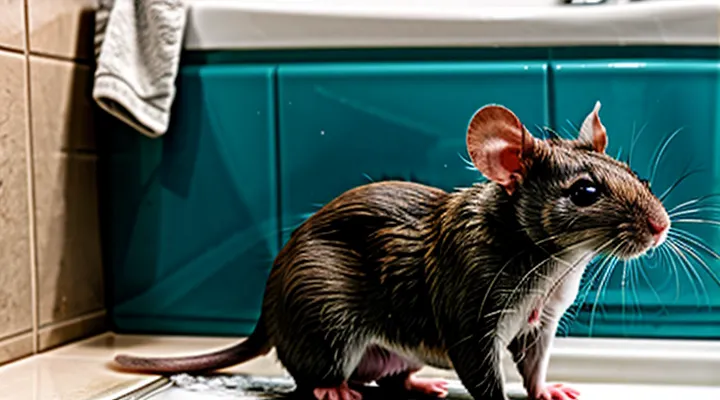
The Natural Grooming Habits of Rats
Why Rats Self-Groom
Rats devote a significant portion of their daily routine to self‑grooming. The behavior serves several physiological and behavioral functions that maintain health and social cohesion.
First, grooming removes external contaminants. By licking fur and using forepaws, rats eliminate dust, debris, and residual food particles that could harbor pathogens. This cleaning action reduces the risk of skin infections and limits the load of ectoparasites such as mites and fleas.
Second, grooming distributes sebaceous secretions. Saliva and skin oils spread evenly across the coat, providing waterproofing, insulation, and a barrier against microbial growth. Uniform oil coverage also facilitates temperature regulation, allowing rats to retain heat in colder environments and dissipate excess heat when warm.
Third, grooming supports sensory integrity. Vibrissae (whiskers) and facial hair are critical for tactile exploration. Regular cleaning prevents buildup that could impair tactile perception, ensuring accurate environmental assessment.
Fourth, the activity functions as a stress‑relief mechanism. Repetitive grooming triggers the release of endorphins, lowering cortisol levels and promoting calm. In social groups, mutual grooming reinforces hierarchical structures and strengthens bonds, reducing aggression and enhancing group stability.
Fifth, grooming reflects neurological organization. A dedicated grooming center in the rat brain coordinates the sequence of movements—nose cleaning, head washing, body licking, and tail grooming. Disruption of this circuitry results in abnormal grooming patterns, indicating the behavior’s integral role in neural health.
Key reasons rats self‑groom:
- Removal of dirt and parasites
- Distribution of protective oils
- Maintenance of whisker function
- Regulation of body temperature
- Reduction of stress hormones
- Reinforcement of social hierarchy
Understanding these functions clarifies why domestic rats rarely require external bathing. Their innate grooming system efficiently addresses hygiene, thermoregulation, and social needs without human intervention.
How Rats Self-Groom
Rats devote a substantial portion of daily activity to self‑grooming, a behavior that preserves coat condition, reduces parasite burden, and supports thermoregulation. The routine follows a predictable pattern: the animal first cleans the snout and whiskers with its forepaws, then proceeds to the head, forelimbs, abdomen, hindlimbs, and finally the tail. Each phase employs precise motions that spread saliva, a natural surfactant, across the fur to dissolve debris and maintain the waterproofing layer produced by sebaceous glands.
- Snout and whisker cleaning – rapid strokes with forepaws, saliva applied to remove food particles.
- Head and ear grooming – circular motions, teeth occasionally used to dislodge stubborn material.
- Body grooming – alternating fore‑ and hind‑limb sweeps, fur brushed back toward the spine.
- Tail grooming – delicate pulls to straighten and clean the thin hair shaft.
Saliva contains enzymes that break down oils and skin flakes, while the mechanical action of the paws aligns hairs, preventing matting. Grooming frequency rises after meals, exposure to dust, or during periods of heightened activity; a typical adult rat performs the sequence several times each hour.
Because self‑grooming efficiently manages cleanliness, external bathing is rarely required. Introducing water can strip the protective lipid film, increase stress, and predispose the animal to skin irritation. Bathing should be limited to situations where the coat is contaminated with substances that self‑grooming cannot remove, such as toxic chemicals or persistent adhesives. In those cases, a brief, lukewarm rinse followed by thorough drying restores the coat without undermining the rat’s innate hygiene system.
The Dangers of Bathing Domestic Rats
Impact on Skin and Coat Health
Stripping Natural Oils
Domestic rats produce a thin layer of sebaceous secretions that coat the fur and skin. This lipid film reduces water loss, protects against irritants, and supports the microbial balance that prevents pathogenic overgrowth.
Bathing removes the lipid layer through surfactant action and mechanical agitation. The loss of natural oils compromises the barrier function, leading to increased transepidermal water loss and heightened sensitivity to environmental stressors.
- Accelerated drying of skin and fur
- Elevated risk of dermatitis and bacterial infection
- Disruption of the resident microflora, facilitating opportunistic pathogens
- Potential for behavioral stress due to altered scent cues
To preserve integumentary health, limit water exposure to situations where contamination poses a clear danger. When cleaning is necessary, use a damp cloth or a low‑pH, fragrance‑free wipe that minimally disturbs the oil layer. If a full bath is unavoidable, apply a veterinary‑approved, non‑comedogenic moisturizer immediately after drying to restore lipid balance.
Causing Dryness and Irritation
Bathing a pet rat removes surface contaminants but also eliminates the sebaceous secretions that protect the epidermis. These secretions form a thin lipid barrier that retains moisture and prevents microbial invasion.
When water and detergent dissolve the barrier, the skin loses hydration. The resulting dryness compromises the stratum corneum, leading to micro‑fissures and heightened sensitivity. Irritation follows as nerve endings become exposed and inflammatory mediators accumulate.
- Skin becomes flaky and rough.
- Redness and swelling appear around the muzzle and tail base.
- Hair loss may develop in affected patches.
- Secondary infections become more likely due to compromised defense.
To mitigate these effects, limit full‑body baths to emergencies. Use a damp, lint‑free cloth for spot cleaning. Choose products labeled for small rodents, free of harsh surfactants and fragrances. After any cleaning, pat the fur dry with a soft towel and apply a thin layer of a veterinary‑approved moisturizer if signs of dryness emerge. Regular observation of coat condition allows early detection of irritation before it progresses.
Stress and Anxiety in Rats
Fear of Water
Rats possess an innate aversion to water; their ancestors avoided open bodies of fluid to reduce predation risk. This instinct manifests as heightened alertness, rapid breathing, and attempts to escape when contact occurs.
Observable stress indicators include trembling, vocalizations, fur puffing, and elevated heart rate. Hormonal analysis shows increased corticosterone levels within minutes of immersion, confirming acute stress response.
Prolonged exposure to water can suppress immune function, delay wound healing, and disrupt gastrointestinal balance. For pet rats, forced bathing may outweigh benefits of superficial cleaning.
Effective hygiene strategies:
- Spot‑clean cages daily; remove soiled bedding and food waste.
- Use a damp cloth to wipe the rat’s coat, avoiding submersion.
- If a full bath is unavoidable, introduce shallow, lukewarm water gradually, allowing the rat to explore the surface before immersion.
- Employ positive reinforcement (treats) after each exposure to reduce fear association.
Assess each rat individually; a calm, tolerant individual may tolerate brief baths, whereas a fearful rat should receive alternative cleaning methods to prevent stress‑induced health complications.
Handling Stress
Bathing a pet rat can trigger acute stress responses. Elevated cortisol, rapid breathing, and attempts to flee indicate that the animal perceives the activity as threatening. Prolonged stress compromises immune function, disrupts digestion, and may lead to behavioral withdrawal.
To minimize stress, follow a stepwise protocol:
- Acclimation: Introduce the rat to a shallow water dish for several days. Allow exploration without forcing submersion.
- Gentle handling: Grip the animal with a cupped hand, supporting the torso and hindquarters. Avoid squeezing or restraining the neck.
- Warm water: Use lukewarm temperature (30‑32 °C) to prevent shock. Keep the water depth low, covering only the paws and lower abdomen.
- Brief exposure: Limit contact to 30‑60 seconds. Quickly dry the rat with a soft towel, then place it in a warm, quiet area.
- Positive reinforcement: Offer a favorite treat immediately after the session to create an associative link between bathing and reward.
Monitor the rat’s behavior for signs of lingering anxiety: excessive grooming, reduced appetite, or avoidance of handling. If such symptoms persist, discontinue bathing and consult a veterinarian experienced with small mammals. Regular grooming with a damp cloth may replace full baths, providing cleanliness while preserving the animal’s welfare.
Risk of Hypothermia
Difficulty Regulating Body Temperature
Domestic rats possess a high surface‑to‑volume ratio, which accelerates heat loss when their fur becomes wet. Their limited ability to generate heat internally means that exposure to water can quickly lower core temperature. Consequently, any bathing routine must control water temperature and exposure duration to prevent hypothermia.
Key physiological considerations include:
- Basal metabolic rate insufficient to compensate for rapid conductive cooling.
- Lack of sweat glands; heat dissipation relies on respiratory evaporation and peripheral vasodilation.
- Behavioral thermoregulation (nesting, huddling) disrupted by wet fur.
When water temperature falls below the rat’s thermoneutral zone (approximately 30–34 °C), the animal expends energy to maintain body heat, which can lead to stress and metabolic imbalance. Warm, shallow water (around 32 °C) for a brief period reduces thermal shock while allowing effective cleaning.
After bathing, immediate drying with a low‑heat source or a soft towel restores insulation. Monitoring for shivering, lethargy, or altered breathing confirms that temperature regulation remains stable. Ignoring these thermal constraints increases the risk of adverse health outcomes during routine grooming.
Post-Bath Chilling
After a rat is washed, immediate temperature control prevents hypothermia. Rats lose body heat quickly when wet; a drop of a few degrees can reduce core temperature enough to impair circulation. Place the animal in a room where ambient temperature stays between 22 °C and 26 °C (71 °F–79 °F). Avoid drafts, open windows, and direct airflow from fans or air‑conditioners.
Drying must be thorough but gentle. Use a low‑heat hairdryer set to the cool or warm (not hot) setting, keeping the nozzle at least 15 cm from the fur. Pat the coat with a soft towel to remove excess moisture before applying airflow. Monitor the rat’s behavior; rapid shivering or prolonged stillness indicates insufficient warmth.
Recommended post‑bath routine:
- Transfer the rat to a pre‑warmed enclosure with bedding that retains heat.
- Provide a small, insulated shelter within the cage for the animal to curl up.
- Offer a warm, dry snack to stimulate metabolism.
- Observe for signs of stress, such as excessive grooming, lethargy, or loss of appetite, and intervene if needed.
Consistent application of these steps maintains body temperature, reduces the risk of respiratory infection, and supports rapid recovery after cleaning.
When Bathing Might Be Necessary
Extreme Soiling
Non-Toxic Substances
Bathing a pet rat requires cleaning agents that do not harm skin, respiratory passages, or the delicate balance of the animal’s microbiome. Veterinary guidelines recommend only substances classified as non‑toxic for small mammals, because rats groom themselves and may ingest residue.
A non‑toxic product must meet several criteria: neutral or slightly acidic pH (6.5‑7.5), absence of alcohol, fragrance, dyes, or surfactants known to irritate mucous membranes, and formulation free of heavy metals or preservatives that accumulate in tissue. Products labeled “for rodents,” “for small animals,” or “hypoallergenic” typically satisfy these requirements.
Commonly accepted non‑toxic substances include:
- Diluted, unscented castile soap (1 % solution).
- Veterinary‑approved chlorhexidine rinse at 0.05 % concentration, used briefly.
- Sterile saline solution (0.9 % NaCl) for rinsing without foaming.
- Commercially available “pet‑safe” enzymatic cleaners designed for rodents, listed with a clear non‑toxic rating.
When preparing a bath, mix the chosen agent with lukewarm water (approximately 30 °C). Submerge the rat only for a few seconds; avoid prolonged immersion. Rinse thoroughly with clean, lukewarm water to eliminate any residue. Dry the animal with a soft, lint‑free towel and keep it in a warm, draft‑free environment until fur is completely dry.
Safety depends on strict adherence to concentration limits and thorough rinsing. Any sign of skin redness, excessive scratching, or respiratory distress after bathing warrants immediate veterinary assessment and discontinuation of the product.
Odorous Contaminants
Odorous contaminants on pet rats originate primarily from metabolic waste, glandular secretions, and environmental residues. Urine and feces deposit volatile compounds such as ammonia, sulfides, and short‑chain fatty acids, which generate strong, unpleasant smells. Anal and preputial glands release pheromonal substances rich in fatty acids and steroids; these compounds persist on the fur and can intensify with limited grooming. Skin oils, mixed with debris from bedding or nesting material, become a substrate for bacterial and fungal growth, producing additional malodorous metabolites like indole and skatole.
Effective management of these contaminants involves three practical steps:
- Regular removal of soiled bedding to limit exposure to urine‑derived ammonia and fecal volatiles.
- Targeted grooming using a damp, lint‑free cloth to wipe the ventral area, tail base, and perianal region, reducing glandular residue without full immersion.
- Environmental ventilation to disperse airborne odorants and maintain low humidity, preventing microbial proliferation on the coat.
Bathing, defined as submerging the animal in water, eliminates surface contaminants but also strips protective lipids and disrupts the natural skin microbiome. Consequently, the procedure should be reserved for cases where odor is severe, the animal is ill, or a veterinary recommendation has been made. Routine cleaning with the methods above typically controls odorous contaminants while preserving skin integrity.
In summary, the primary sources of unpleasant odor in domestic rats are metabolic waste, glandular secretions, and environmental debris. Managing these factors through diligent cage hygiene, selective spot cleaning, and proper ventilation reduces the need for full baths and maintains both odor control and animal health.
Medical Conditions
Mite Infestations
Mite infestations pose a direct health risk to pet rats, causing skin irritation, hair loss, and secondary infections. Prompt identification prevents escalation and reduces the need for extensive treatment.
- Red, inflamed patches on the skin
- Excessive scratching or grooming
- Presence of tiny moving specks in the fur
- Scaly or crusted areas around the ears and tail base
Effective treatment combines hygiene with targeted medication. A brief, lukewarm bath using a veterinarian‑approved acaricide removes surface mites; follow with a full‑body application of a prescribed topical miticide. Repeat the treatment cycle according to the product’s schedule, typically every 7–10 days, to eliminate emerging life stages.
Preventive measures focus on environmental control and regular grooming:
- Clean cages weekly with hot water and a mild disinfectant.
- Replace bedding frequently; avoid reusable fabrics that retain moisture.
- Inspect new rats before introduction, quarantining them for at least two weeks.
- Perform routine visual checks of the coat and skin during daily handling.
Maintaining a mite‑free environment reduces the likelihood that bathing will become a necessary response to infestation, aligning care practices with the overall welfare of domestic rats.
Skin Infections (Under Veterinary Guidance)
Bathing pet rats is rarely required for skin health; veterinary supervision is essential when infection is suspected. Dermatological issues in rats often arise from poor hygiene, trauma, or underlying disease, and indiscriminate washing can exacerbate irritation or disrupt the natural skin barrier.
Typical indicators of a cutaneous infection include:
- Redness or swelling localized on the fur or skin
- Discharge that is cloudy, pus‑filled, or foul‑smelling
- Excessive scratching, grooming, or hair loss
- Crusting, scabbing, or ulcerated lesions
- Behavioral changes such as lethargy or reduced appetite
When any of these signs appear, a veterinarian should perform a diagnostic work‑up, which may involve skin scrapings, bacterial cultures, or histopathology. Treatment protocols generally consist of:
- Targeted antimicrobial therapy based on culture results
- Topical antiseptics applied according to professional instructions
- Environmental cleaning to eliminate bedding contamination
- Nutritional support to strengthen the immune response
Preventive measures focus on maintaining a clean enclosure, providing adequate ventilation, and avoiding excessive handling that could cause abrasions. If a veterinarian recommends a bath, it should be performed with lukewarm water, a mild, rodent‑safe cleanser, and immediate drying to prevent hypothermia. Unsupervised bathing is discouraged because it can introduce pathogens, strip protective oils, and delay proper medical treatment.
Safe Alternatives to Full Baths
Spot Cleaning
Using Damp Cloths
Pet rats maintain cleanliness through self‑grooming; however, occasional external cleaning may be necessary when fur becomes soiled with food residue, urine, or bedding debris. Using a lightly dampened cloth offers a controlled method that reduces stress compared to full immersion.
Benefits of a damp cloth
- Minimal exposure to water prevents hypothermia and skin maceration.
- Allows targeted cleaning of specific areas without disturbing the animal’s coat structure.
- Supports the rat’s natural grooming behavior by providing a tactile stimulus similar to a nest‑mate’s lick.
Procedure
- Select a soft, lint‑free fabric such as microfiber or a clean cotton swab.
- Moisten the cloth with warm (not hot) water; excess liquid should be squeezed out so the material is only slightly moist.
- Gently wipe the affected region in the direction of hair growth, avoiding the face, ears, and genital area.
- Allow the fur to air‑dry for a few minutes before returning the rat to its enclosure.
Safety considerations
- Test the cloth temperature on the back of the hand before contact.
- Do not apply pressure that could pull out hair or cause skin irritation.
- Observe the rat for signs of discomfort; discontinue if the animal attempts to escape or shows rapid breathing.
- Limit cleaning sessions to once or twice weekly unless a specific mess warrants immediate attention.
A damp cloth provides an effective, low‑risk alternative for maintaining the hygiene of domestic rats when occasional cleaning is required.
Specialized Pet Wipes
Specialized pet wipes offer a practical alternative to water‑based bathing for indoor rats. The wipes are formulated with mild, non‑irritating surfactants and moisturizers that remove surface dirt, urine stains, and odor without disrupting the animal’s natural skin oils. Ingredients such as aloe vera, chamomile extract, and hypoallergenic fragrance‑free solutions support skin health while minimizing the risk of dermatitis.
Key advantages of using these wipes include:
- Quick application: one wipe per animal cleans the coat in seconds, reducing stress associated with handling.
- Controlled moisture: wipes deliver a measured amount of liquid, preventing excess saturation that can lead to chills.
- Portability: sealed packets allow hygienic cleaning during travel or veterinary visits.
Effective use requires the following steps:
- Select a wipe labeled specifically for small rodents; avoid products intended for dogs or cats.
- Test a small area on the rat’s back for any adverse reaction; wait five minutes before proceeding.
- Gently rub the wipe along the fur, focusing on the tail, hindquarters, and paws where waste accumulates.
- Allow the coat to air‑dry briefly; no rinsing is necessary.
Specialized wipes do not replace routine cage cleaning, regular grooming, and health monitoring. They serve as a supplemental hygiene measure, suitable for rats that react poorly to water baths or for owners seeking a low‑stress grooming routine.
Dust Baths (For Specific Cases)
Materials for Dust Baths
Domestic rats benefit from dust‑bath opportunities because natural grooming behavior includes digging and rolling in dry substrates. Providing appropriate dust‑bath materials supports skin health, reduces excess oil, and offers enrichment.
Effective dust‑bath media include:
- Alfalfa hay – finely chopped, low dust, safe if ingested.
- Corncob bedding – granulated form, absorbs moisture, non‑toxic.
- Calcium carbonate sand – fine grain, promotes feather‑like grooming motions.
- Paper‑based shredded cellulose – soft texture, easy to replace, low allergen risk.
- Chickweed or dandelion leaves – fresh, aromatic, encourages natural foraging.
Materials should meet three criteria: non‑abrasive surface, low toxicity if chewed, and minimal respiratory irritants. Avoid aromatic oils, scented powders, or cedar shavings, which can irritate the respiratory tract. Replace used substrate regularly to prevent bacterial growth.
Implementing a dust‑bath station involves placing a shallow container with 2–3 cm of chosen material and monitoring the rat’s interaction. Adjust depth based on the animal’s size and activity level. Regular observation ensures the substrate remains dry and free of contaminants.
When to Use Dust Baths
Pet rats maintain coat health through grooming and occasional dust baths. Dust baths provide a dry method for removing excess oils, loose fur, and parasites without the stress of water. Use dust baths under the following conditions:
- The rat shows visible oil buildup on the fur, especially after a period of limited activity.
- External parasites such as mites or fleas are detected, and a dust product formulated for rodents is available.
- The environment is humid or the cage lacks adequate ventilation, leading to a damp coat.
- The rat resists traditional water bathing, indicating heightened stress or fear of water.
Select a dust substrate that is non‑toxic, fine‑grained, and specifically marketed for small rodents. Offer the dust bath in a shallow container, allowing the rat to enter and roll for 5–10 minutes. Monitor the rat to ensure the dust does not accumulate in the respiratory passages; remove excess material after the session.
When the rat’s coat remains clean, free of parasites, and the cage environment stays dry, water baths are unnecessary. Rely on dust baths as the primary grooming aid, reserving water immersion for medical cleaning only.
Maintaining a Clean Environment for Rats
Regular Cage Cleaning
Substrate Replacement
Proper substrate management reduces the need for bathing domestic rats. Wet or soiled bedding harbors bacteria, odors, and parasites that can irritate skin and respiratory passages. Replacing the substrate frequently eliminates these hazards, supporting hygiene without direct water exposure.
Effective substrate replacement follows a systematic routine:
- Remove all soiled material at least once daily; inspect for urine stains, fecal clumps, and damp spots.
- Clean the cage interior with a mild, rodent‑safe disinfectant; rinse thoroughly to prevent chemical residue.
- Dry the cage completely before adding fresh bedding. Moisture retention accelerates microbial growth and may compel owners to bathe their pets.
- Choose an absorbent, low‑dust substrate such as paper‑based bedding, coconut husk, or aspen shavings. These materials maintain dryness, limit allergens, and simplify cleaning.
- Monitor the substrate depth; a 2‑inch layer provides adequate cushioning while allowing quick turnover.
Replacing the substrate aligns with veterinary recommendations for rodent care. Clean bedding prevents skin maceration, which can mimic the effects of excessive bathing. Regular turnover also reduces the frequency of full‑cage cleans, minimizing stress on the animals. By maintaining a dry, sanitary environment, owners eliminate the primary justification for water‑based grooming, thereby protecting rat health through preventive husbandry.
Wiping Down Surfaces
When handling a pet rat that has been bathed, the surrounding area must be cleaned to prevent contamination and maintain a healthy environment. Direct contact with wet fur can transfer moisture and any residual cleaning agents to surfaces such as cages, countertops, and flooring. Promptly removing this moisture reduces the risk of mold growth and bacterial proliferation.
Effective surface cleaning follows a systematic approach:
- Remove visible debris with a disposable cloth or paper towel.
- Apply a mild, non‑toxic disinfectant approved for animal use.
- Wipe the area thoroughly, ensuring the solution reaches all corners and crevices.
- Rinse with clean water if the disinfectant requires removal, then dry with a lint‑free cloth.
Materials selected for this task should be absorbent, chemically inert, and free of fragrances that could irritate the rat’s sensitive respiratory system. Microfiber cloths meet these criteria and can be laundered at high temperatures after each use.
Regular wiping of surfaces after each bathing session maintains optimal hygiene, limits the spread of pathogens, and supports the overall well‑being of domestic rats.
Providing Grooming Aids
Chew Toys for Teeth Cleaning
Chew toys serve as a primary method for maintaining dental health in pet rats, reducing the need for frequent bathing as a hygiene measure. Continuous gnawing wears down the continuously growing incisors, preventing overgrowth that can lead to oral infections and secondary skin problems.
Effective chew toys typically possess the following characteristics:
- Natural wood (e.g., apple, pear, willow) that is untreated and free of chemicals.
- Hard mineral blocks containing calcium and phosphorus to reinforce enamel.
- Textured silicone or rubber items designed for prolonged gnawing and saliva stimulation.
Incorporating these toys into a rat’s daily routine provides mechanical cleaning of teeth, encourages saliva production, and limits the accumulation of debris that might otherwise require water‑based cleaning. Regular observation of tooth length, combined with appropriate chew items, offers a reliable alternative to bathing for overall cleanliness.
Safe Items for Nesting and Rubbing
Providing domestic rats with appropriate nesting and rubbing materials reduces the need for frequent baths and promotes skin health. Safe options are readily available and support natural behaviors.
- Untreated cotton squares or shredded paper, free of dyes and chemicals.
- Natural wood shavings such as aspen or pine, low in aromatic oils.
- Unbleached hemp or sisal rope, cut into short lengths for chewing and grooming.
- Mineral blocks specifically formulated for small rodents, free of added salts.
- Soft fleece blankets, washed in mild detergent and thoroughly rinsed.
Materials must be free of synthetic fibers, fragrances, and treated finishes that can irritate sensitive skin. Regular replacement prevents buildup of urine, feces, and parasites, which could otherwise necessitate bathing. Providing these items in the cage encourages self‑grooming, distributes natural oils, and maintains coat cleanliness without exposing rats to the stress of water immersion.