
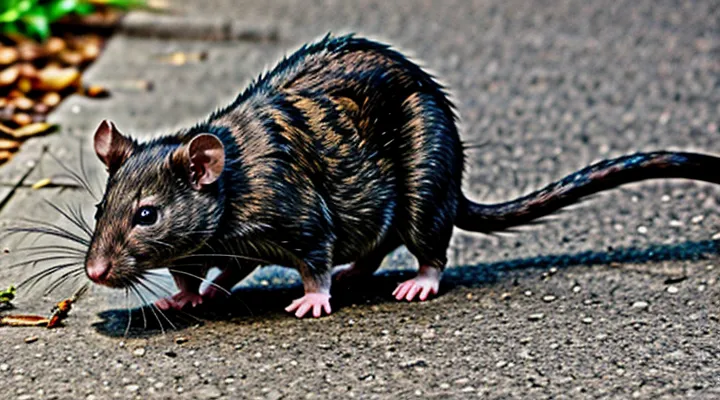
Understanding Seizures in Rats
What Are Seizures?
Seizures are abrupt, excessive, and synchronized electrical discharges in the brain that disrupt normal neuronal activity. In rodents, these events manifest as sudden changes in motor behavior, autonomic function, or consciousness, reflecting the underlying hyperexcitability of neural circuits.
The physiological basis of a seizure involves a shift in the balance between excitatory and inhibitory neurotransmission. Excessive release of glutamate, reduced GABAergic inhibition, or alterations in ion channel function can trigger the runaway firing of neuronal populations. This hyperactivity propagates across cortical and subcortical regions, producing the observable clinical signs.
Seizure classifications commonly applied to rats include:
- Focal seizures – localized onset with limited motor or behavioral signs.
- Generalized seizures – involvement of both hemispheres, often accompanied by tonic‑clonic movements.
- Absence‑type seizures – brief lapses in responsiveness without prominent motor activity.
Behavioral indicators range from facial automatisms and whisker twitching to full‑body convulsions and loss of posture. Electroencephalographic recordings reveal characteristic spike‑wave patterns that correspond to the type and severity of the event.
Understanding the definition and mechanisms of seizures in laboratory rats provides a foundation for investigating etiological factors and developing preventive strategies.
Types of Seizures in Rats
Generalized Seizures
«Generalized Seizures» in laboratory rats represent abrupt, bilateral neuronal discharges that involve the entire cortex and subcortical structures. Electroencephalographic recordings display high‑amplitude, synchronous spikes and polyspike‑wave complexes, typically lasting from a few seconds to several minutes.
Common precipitants include:
- Acute metabolic disturbances (hypoglycemia, electrolyte imbalance).
- Neurotoxic agents (pentylenetetrazole, kainic acid).
- Genetic mutations affecting ion channel function (e.g., SCN1A, KCNQ2).
- Traumatic brain injury and focal cortical lesions that rapidly propagate.
Pathophysiological mechanisms involve excessive glutamatergic excitation, impaired GABAergic inhibition, and dysregulated voltage‑gated sodium and potassium currents. Network synchronization is facilitated by gap‑junction coupling and aberrant interneuron activity, which together lower the seizure threshold across the hemispheres.
Prevention strategies focus on stabilizing neuronal excitability and minimizing external triggers:
- Maintain strict control of ambient temperature, humidity, and lighting cycles to avoid stress‑induced hormonal fluctuations.
- Provide balanced diets with monitored glucose and electrolyte levels; supplement magnesium or potassium when deficiencies are identified.
- Employ low‑dose anticonvulsant regimens (e.g., valproic acid, levetiracetam) calibrated to plasma concentrations that suppress spontaneous discharges without impairing behavior.
- Implement genetic screening to exclude or selectively breed individuals carrying high‑risk alleles.
- Limit exposure to known convulsants by using validated, minimal‑effective doses in experimental protocols.
Adherence to these measures reduces the incidence of «Generalized Seizures», enhances animal welfare, and improves the reliability of neurophysiological data obtained from rodent models.
Focal Seizures
Focal seizures in rats represent localized epileptic discharges confined to a specific cortical region, often manifesting as repetitive motor or autonomic behaviors without generalization. Electrophysiological recordings reveal high‑frequency spikes restricted to the focus, while surrounding cortex displays normal activity.
Primary causes include:
- Structural damage such as traumatic brain injury or focal ischemia, which disrupts neuronal circuitry.
- Genetic mutations affecting ion channel function, exemplified by SCN1A or KCNQ2 variants that predispose to regional hyperexcitability.
- Chemical insults, including intracortical injection of excitotoxins (e.g., kainic acid) that produce a permanent focus.
Experimental models exploit these mechanisms to generate reproducible focal events. The kindling protocol applies repeated subthreshold stimuli to a defined cortical site, progressively lowering seizure threshold. Direct microinjection of convulsants creates a permanent focus, enabling long‑term study of seizure propagation and therapeutic interventions.
Preventive measures focus on reducing the likelihood of focus formation and limiting recurrent activity:
- Maintain stable housing conditions to avoid stress‑induced neurochemical alterations.
- Administer prophylactic antiepileptic drugs (e.g., carbamazepine, levetiracetam) at doses proven to suppress focal spike activity in preclinical trials.
- Implement surgical removal or laser ablation of identified foci in severe cases, confirmed by high‑resolution imaging.
- Conduct genetic screening of breeding colonies to exclude carriers of high‑risk mutations.
Effective control of focal seizures in rodents requires integration of environmental management, targeted pharmacology, and, when necessary, precise neurosurgical techniques.
Recognising Seizure Symptoms
Behavioral Changes
Seizure activity in laboratory rats induces distinct behavioral alterations that serve as reliable indicators of neurological distress. Monitoring these changes provides insight into underlying pathophysiology and the effectiveness of preventive interventions.
- Increased locomotor bursts, often manifested as rapid, unpredictable running across the cage floor.
- Repetitive, invariant movements such as head bobbing, forelimb clenching, or circling, classified as stereotypies.
- Elevated grooming frequency, sometimes progressing to self‑injurious biting.
- Impaired social interaction, evidenced by reduced approach to conspecifics and diminished exploratory sniffing.
- Altered feeding patterns, including irregular food intake and prolonged pauses between meals.
These behaviors arise from dysregulated neuronal circuits that become hyperexcitable during ictal events. Disruption of GABAergic inhibition and excessive glutamatergic transmission generate abnormal motor output, while limbic involvement modifies affective and motivational states. Consequently, the observable phenotype reflects both cortical and subcortical seizure propagation.
Preventive measures—pharmacological agents targeting voltage‑gated channels, dietary modifications such as ketogenic regimens, and environmental enrichment—attenuate seizure frequency and severity. Reduction in ictal episodes correlates with normalization of locomotor activity, decreased stereotypic repetitions, and restoration of regular grooming and social behaviors. Continuous behavioral assessment therefore remains essential for evaluating the success of mitigation strategies.
Physical Manifestations
Physical manifestations of epileptic events in laboratory rats provide the primary means of detection and assessment. Observable signs fall into two categories: convulsive and non‑convulsive.
- Sudden, rhythmic jerking of limbs and torso
- Generalized tonic rigidity followed by clonic shaking
- Facial muscle twitching, often accompanied by eye blinking
- Loss of posture, collapse onto the cage floor
- Mouth automatisms such as chewing or gnawing motions
- Vocalizations or audible squeaks during intense activity
- Rapid, shallow breathing or irregular respiratory pattern
- Salivation, frothing at the mouth, and occasional nasal discharge
- Behavioral arrest or freezing, sometimes preceding overt convulsions
- Unusual locomotor patterns, including circling or repetitive pacing
These indicators appear within seconds of seizure onset and resolve over a variable recovery period. Precise documentation of each manifestation supports accurate classification of seizure severity and informs preventive strategies.
Causes of Seizures in Rats
Genetic Predisposition
Genetic predisposition significantly influences the incidence of epileptic events in laboratory rats. Specific alleles of voltage‑gated ion channel genes, such as Scn1a and Kcna1, have been identified as high‑risk variants. Mutations that alter the functional properties of sodium or potassium channels increase neuronal excitability, thereby lowering the seizure threshold.
Environmental factors interact with these hereditary elements, yet the underlying genetic architecture determines the baseline susceptibility. Inbred strains derived from founders carrying the mutation exhibit a consistent pattern of spontaneous convulsions, while outbred populations display a broader distribution of seizure frequencies.
Preventive strategies focus on selective breeding and molecular screening:
- Maintain colonies free of identified high‑risk alleles through genotyping of breeding pairs.
- Apply CRISPR‑based gene editing to correct pathogenic mutations in embryos before implantation.
- Introduce heterozygous carriers into breeding programs to dilute the frequency of deleterious homozygous genotypes.
Pharmacological interventions can be tailored to the genetic profile. Animals with loss‑of‑function mutations in sodium channel genes respond preferentially to sodium‑channel blockers, whereas those with potassium channel defects benefit from potassium‑channel openers. Routine electrophysiological monitoring combined with genotype data enables early detection of subclinical hyperexcitability, allowing timely administration of targeted therapeutics.
Overall, integrating genetic analysis into colony management reduces the prevalence of seizure episodes and improves the reliability of experimental outcomes involving rodent models of epilepsy.
Neurological Conditions
Brain Tumors
Brain tumors are a recognized source of epileptic activity in laboratory rats, frequently observed in models that investigate seizure mechanisms and mitigation strategies. Tumor development alters cortical excitability, leading to spontaneous electrical discharges that manifest as seizures.
Tumor‑induced seizures arise from several physiological disruptions. Malignant growth compresses adjacent neuronal tissue, interrupts inhibitory pathways, and creates abnormal synaptic connections. Metabolic imbalances, such as elevated extracellular glutamate, further lower seizure threshold. The anatomical site of the lesion predicts seizure severity; neoplasms in the hippocampus or motor cortex generate the most pronounced clinical signs.
Factors contributing to tumor formation include:
- Inherited mutations affecting oncogenes and tumor suppressor genes.
- Chronic exposure to chemical carcinogens present in feed or bedding.
- Administration of viral vectors for gene‑transfer experiments.
Preventive measures focus on reducing tumor incidence and controlling seizure expression when neoplasms develop:
- Implement strict genetic screening to exclude predisposed strains.
- Maintain a chemically inert environment; replace contaminated feed and bedding promptly.
- Apply prophylactic antiepileptic drugs, such as levetiracetam, to animals with confirmed neoplastic lesions.
- Perform early surgical excision of accessible tumors to restore normal cortical architecture.
Effective integration of these approaches minimizes the confounding impact of neoplastic processes on seizure research, ensuring more reliable experimental outcomes.
Hydrocephalus
Hydrocephalus in laboratory rats denotes an abnormal accumulation of cerebrospinal fluid within the ventricular system, leading to ventricular dilation and increased intracranial pressure. The condition can arise from congenital malformations, obstructive lesions, or impaired cerebrospinal fluid absorption.
Elevated intracranial pressure disrupts neuronal excitability, creating a substrate for spontaneous epileptiform activity. Experimental data demonstrate a higher incidence of convulsive episodes in rats with pronounced ventricular enlargement compared with normotensive controls.
Pathophysiological mechanisms include:
- Mechanical compression of cortical and subcortical structures, reducing the threshold for synchronized firing.
- Altered ionic homeostasis, particularly fluctuations in calcium and potassium concentrations that facilitate depolarization.
- Inflammatory responses triggered by ventricular distension, releasing cytokines that modulate synaptic transmission.
Preventive measures focus on reducing fluid accumulation and stabilizing intracranial dynamics:
- Surgical implantation of ventriculoperitoneal shunts to divert excess fluid.
- Pharmacological inhibition of aquaporin‑4 channels to limit fluid influx.
- Genetic screening of breeding colonies to exclude alleles associated with congenital ventricular defects.
- Routine magnetic resonance imaging to detect early ventricular enlargement and initiate timely intervention.
Effective management of hydrocephalus therefore contributes to lowering seizure prevalence in rat models, enhancing the reliability of neurophysiological investigations.
Infections and Inflammation
In rodents, acute and chronic «infection» or systemic «inflammation» frequently precede the onset of epileptiform activity. Bacterial meningitis, viral encephalitis, and parasitic infestations introduce pathogenic agents that breach the blood‑brain barrier, directly damaging neuronal tissue. Persistent peripheral inflammation elevates circulating cytokines, which penetrate the central nervous system and modulate synaptic function.
Pathogen‑induced immune activation triggers microglial release of interleukin‑1β, tumor necrosis factor‑α, and other pro‑inflammatory mediators. These substances enhance glutamatergic transmission, depress inhibitory GABAergic signaling, and promote neuronal depolarization, creating a substrate for spontaneous electrographic discharges. Concurrent oxidative stress and edema further destabilize neuronal networks.
Preventive measures focus on limiting exposure to pathogens and attenuating inflammatory cascades:
- Maintain barrier‑controlled housing with rigorous aseptic protocols.
- Conduct regular health surveillance to detect subclinical «infection» early.
- Apply targeted antimicrobial therapy when diagnostic testing confirms pathogenic presence.
- Administer anti‑inflammatory agents (e.g., non‑steroidal anti‑inflammatory drugs or corticosteroids) under veterinary supervision.
- Reduce environmental stressors that potentiate immune activation.
- Provide balanced nutrition rich in antioxidants and micronutrients supporting immune competence.
- Initiate prompt treatment of identified inflammatory conditions to prevent progression to neuronal hyperexcitability.
Effective management of «infection» and «inflammation» diminishes the incidence of seizure episodes in laboratory rats, enhancing the reliability of neurophysiological studies and animal welfare.
Environmental Factors
Toxins and Poisons
Toxins and poisons represent a primary source of seizure induction in laboratory rats. Exposure to neurotoxic agents disrupts neuronal excitability, leading to abrupt, uncontrolled electrical discharges.
Common seizure‑inducing toxicants include:
- Organophosphates (e.g., malathion, chlorpyrifos) – inhibit acetylcholinesterase, cause excessive cholinergic stimulation.
- Heavy metals (e.g., lead, mercury) – interfere with calcium homeostasis and synaptic transmission.
- Mycotoxins (e.g., aflatoxin B₁, ochratoxin A) – impair mitochondrial function, trigger oxidative stress.
- Rodenticides (e.g., bromadiolone, warfarin) – affect vitamin K–dependent clotting factors, produce secondary neurotoxicity.
- Picrotoxin – blocks GABA_A receptors, reducing inhibitory tone.
Mechanistic pathways converge on altered ion channel function, impaired neurotransmitter balance, and heightened oxidative damage. Persistent low‑level exposure often produces subclinical hyperexcitability that escalates to overt seizures under stress or metabolic challenge.
Preventive strategies focus on environmental control and dietary management:
- Implement rigorous feed storage to avoid mold growth and mycotoxin contamination.
- Ensure water sources remain free of heavy‑metal leaching through regular testing and filtration.
- Apply integrated pest‑management practices that limit the use of broad‑spectrum rodenticides.
- Maintain proper ventilation and PPE for personnel handling organophosphate compounds.
- Conduct routine health monitoring, including EEG screening, to detect early neurophysiological changes.
Adherence to these measures reduces toxin‑related seizure incidence, supporting the reliability of experimental outcomes and animal welfare.
Stress and Anxiety
Stressful environments increase the likelihood of convulsive episodes in laboratory rodents. Elevated corticosterone levels, triggered by chronic stressors, enhance neuronal excitability and lower seizure thresholds. Acute anxiety responses, mediated by amygdalar activation, can precipitate abnormal electrical discharges in the hippocampus, a region frequently implicated in rodent seizure models.
Experimental protocols that minimize handling stress reduce seizure incidence. Key preventive measures include:
- Housing enrichment with nesting material and shelters to alleviate environmental anxiety.
- Gradual habituation to experimental apparatus, allowing animals to explore without restraint.
- Consistent lighting cycles and temperature control to prevent physiological stress.
- Administration of anxiolytic agents, such as low‑dose benzodiazepines, when behavioral assessments require heightened calmness.
Monitoring behavioral indicators of stress—such as increased grooming, reduced locomotion, and altered feeding patterns—provides early warning signs before electrographic abnormalities emerge. Implementing these strategies supports reliable seizure research outcomes while promoting animal welfare.
Nutritional Deficiencies
Nutritional insufficiencies constitute a recognized precipitant of convulsive events in laboratory rodents. Deficits in essential vitamins, minerals, and macronutrients disrupt neuronal excitability, alter neurotransmitter synthesis, and compromise membrane stability, thereby increasing seizure susceptibility.
Key deficiencies implicated in rodent seizure models include:
- Thiamine (vitamin B1) shortage, which impairs glucose metabolism and promotes excitotoxicity.
- Magnesium depletion, leading to reduced NMDA‑receptor blockade and heightened neuronal firing.
- Calcium inadequacy, affecting synaptic transmission and intracellular signaling.
- Vitamin E insufficiency, diminishing antioxidant defenses and facilitating oxidative damage.
- Essential fatty‑acid deficiency, altering membrane phospholipid composition and receptor function.
Preventive strategies focus on dietary normalization. Formulating feed with adequate levels of the above nutrients, monitoring intake, and correcting imbalances through supplementation reduce the incidence of seizure episodes. Regular biochemical screening of blood and tissue samples enables early detection of deficiencies, allowing timely dietary adjustments. Implementing these measures supports neuronal homeostasis and mitigates seizure risk in experimental rat populations.
Head Trauma
Head trauma in laboratory rats frequently precipitates acute and delayed seizure activity. Mechanical impact to the skull disrupts neuronal membranes, induces hemorrhage, and initiates inflammatory cascades that lower the seizure threshold.
Key pathophysiological mechanisms include:
- Intracerebral bleeding that creates focal irritative zones.
- Cortical contusion causing abnormal synaptic connectivity.
- Release of excitatory neurotransmitters leading to excitotoxic damage.
- Activation of microglia and cytokine production that sustain hyperexcitability.
Experimental records show that rats subjected to controlled cortical impact develop electrographic seizures in 30‑45 % of cases within 24 hours, with a second wave of events emerging 3–7 days post‑injury. Severity correlates with impact force and depth of penetration.
Preventive measures focus on minimizing impact and stabilizing the post‑injury environment:
- Employ protective helmets or padded enclosures during transport.
- Implement gentle handling techniques to avoid accidental blows.
- Use appropriate anesthesia and analgesia to reduce reflexive movements during procedures.
- Maintain ambient temperature and humidity to prevent secondary stress.
- Conduct continuous EEG monitoring for early detection of abnormal activity.
- Apply anti‑inflammatory agents promptly after injury to attenuate cytokine surge.
Adherence to these protocols reduces the incidence of trauma‑induced seizures and improves overall experimental reliability.
Prevention and Management Strategies
Veterinary Consultation and Diagnosis
Diagnostic Procedures
Diagnostic procedures are integral to experimental models of rodent seizures, providing objective measures for seizure onset, frequency, and severity. Precise assessment enables evaluation of etiological factors and the efficacy of preventive interventions.
Key methodologies include:
- Video‑electroencephalographic (video‑EEG) monitoring: continuous recording of cortical activity synchronized with high‑resolution video permits correlation of electrographic events with overt behavior. Electrode implantation typically targets the hippocampus, motor cortex, and thalamus; signal acquisition settings range from 0.1 Hz to 500 Hz with digital filtering to isolate spike‑wave complexes.
- Behavioral scoring systems: standardized scales such as the Racine scale assign numerical grades to motor manifestations, facilitating rapid quantification during acute observation periods.
- Electrophysiological recordings: in‑vivo single‑unit or multi‑unit recordings assess neuronal firing patterns preceding and during seizures, revealing network dynamics that precede overt convulsions.
- Neuroimaging techniques: magnetic resonance imaging (MRI) and positron emission tomography (PET) detect structural lesions and metabolic alterations, respectively, offering complementary data to electrophysiology.
- Biomarker analysis: blood or cerebrospinal fluid sampling for glutamate, GABA, or cytokine levels provides biochemical correlates of seizure susceptibility and progression.
Implementation guidelines emphasize sterile surgical techniques for electrode placement, calibration of acquisition hardware before each session, and verification of signal integrity through artifact rejection protocols. Data management requires timestamp synchronization across modalities and storage in standardized formats (e.g., EDF for EEG, MP4 for video) to ensure reproducibility.
Quality control measures involve periodic inter‑observer reliability testing for behavioral scoring and routine validation of electrode impedance. Consistency across experimental cohorts strengthens the link between diagnostic outputs and the underlying mechanisms targeted by preventive strategies.
Treatment Options
Treatment of epileptic episodes in laboratory rodents relies on several well‑established strategies. Pharmacological intervention constitutes the primary approach; agents such as phenobarbital, diazepam, and levetiracetam are administered at doses calibrated to achieve seizure suppression while minimizing toxicity. Dose adjustments follow plasma concentration monitoring and observation of behavioral side effects.
Nutritional modulation can reduce seizure frequency. Low‑glycemic diets, ketogenic regimens, and supplementation with magnesium or omega‑3 fatty acids have demonstrated anticonvulsant effects in rodent models. Implementation requires gradual transition to avoid stress‑induced exacerbation.
Surgical options are reserved for refractory cases. Focal cortical ablation or corpus callosotomy, performed under sterile conditions, eliminate localized hyperexcitability. Post‑operative care includes analgesia and infection prophylaxis.
Environmental control mitigates triggers. Maintaining stable temperature, humidity, and lighting cycles, coupled with noise reduction, lowers the incidence of stress‑related seizures. Enrichment devices should be selected to avoid overstimulation.
Supportive measures enhance recovery. Intravenous fluid therapy corrects dehydration, while respiratory support addresses apnea episodes. Monitoring systems equipped with video‑EEG enable real‑time detection and timely intervention.
These modalities, applied individually or in combination, provide a comprehensive framework for managing seizure activity in rats, facilitating reliable experimental outcomes and animal welfare.
Environmental Modifications
Reducing Stressors
Reducing environmental and physiological stressors is essential for minimizing the incidence of epileptic events in laboratory rodents. Chronic exposure to loud noises, abrupt light changes, and overcrowding elevates cortical excitability, thereby increasing seizure susceptibility. Implementing the following measures creates a stable milieu that supports neuronal homeostasis:
- Maintain ambient temperature within the species‑specific comfort range (20‑24 °C) and avoid rapid fluctuations.
- Provide consistent light‑dark cycles (12 h : 12 h) with gradual transitions to prevent abrupt photic stimulation.
- Ensure cage enrichment with nesting material and shelter to allow natural behaviors and reduce anxiety.
- Limit handling to brief, gentle procedures performed by trained personnel; schedule interventions at predictable times.
- Monitor and control humidity (45‑55 %) to prevent respiratory irritation that can act as a secondary stressor.
- Eliminate sources of strong odors, such as scented bedding or cleaning agents, which may provoke olfactory stress responses.
Regular assessment of corticosterone levels and behavioral indicators of stress offers objective feedback on the effectiveness of these interventions, enabling timely adjustments to maintain a low‑stress environment and thereby decrease seizure frequency.
Ensuring Safety
Ensuring safety in experiments involving rat epileptic events requires rigorous control of environmental, procedural, and personnel factors. Stable temperature, humidity, and lighting reduce stress‑induced seizure susceptibility. Cage enrichment and appropriate bedding prevent accidental injuries during convulsive episodes.
Key safety measures include:
- Isolation of the experimental area from unauthorized personnel.
- Use of sealed chambers equipped with real‑time electrophysiological monitoring.
- Immediate availability of rescue medication (e.g., benzodiazepines) and trained responders.
- Regular calibration of stimulation devices to avoid excessive current or voltage.
- Documentation of each animal’s health status, seizure history, and intervention outcomes.
Personnel training emphasizes proper handling techniques, recognition of prodromal signs, and rapid execution of emergency protocols. Personal protective equipment (gloves, lab coats, eye protection) safeguards staff from potential exposure to biohazardous materials and accidental bites.
Facility design incorporates non‑slippery flooring, clear evacuation routes, and fire‑suppression systems compatible with electrical equipment. Routine audits verify compliance with institutional animal‑care guidelines and identify deviations before they compromise safety.
By integrating these controls, researchers minimize the risk of accidental harm to both subjects and staff while preserving the integrity of data on seizure mechanisms and preventive strategies.
Dietary Considerations
Balanced Nutrition
Balanced nutrition directly influences neuronal excitability in laboratory rodents. Adequate intake of essential nutrients stabilizes membrane potentials, supports neurotransmitter synthesis, and reduces metabolic stress that can trigger convulsive episodes.
Key dietary components affecting seizure susceptibility include:
- Electrolytes – sodium, potassium, and magnesium concentrations must remain within physiological ranges; deficiencies or excesses alter action potential thresholds.
- Glucose – consistent blood glucose prevents hypoglycemia‑induced hyperexcitability; complex carbohydrates provide steady energy release.
- Essential fatty acids – omega‑3 polyunsaturated fats enhance membrane fluidity and modulate inflammatory pathways linked to seizure activity.
- Vitamins and minerals – thiamine, pyridoxine, and zinc contribute to enzymatic processes involved in GABA synthesis and oxidative protection.
Implementing a diet that meets these criteria reduces the incidence of spontaneous seizures and improves the reliability of experimental outcomes. Regular monitoring of feed composition, coupled with periodic blood chemistry assessments, ensures that nutritional variables remain controlled throughout study periods.
Supplementation
Supplementation strategies aim to reduce the incidence and severity of epileptic events in laboratory rodents by addressing metabolic deficits, electrolyte imbalances, and oxidative stress. Nutrients that influence neuronal excitability include magnesium, vitamin B6, omega‑3 fatty acids, and antioxidants such as vitamin E and N‑acetylcysteine. Adequate levels of these compounds support membrane stability, neurotransmitter synthesis, and free‑radical scavenging, thereby lowering the threshold for seizure initiation.
Key supplements and their mechanistic contributions are:
- Magnesium: antagonizes NMDA receptor activation, diminishes calcium influx, and stabilizes neuronal membranes.
- Vitamin B6 (pyridoxine): serves as a co‑factor for GABA synthesis, enhancing inhibitory signaling.
- Omega‑3 fatty acids (EPA/DHA): incorporate into phospholipid bilayers, modulate ion channel function, and reduce neuroinflammation.
- Vitamin E and N‑acetylcysteine: provide antioxidant protection, preventing lipid peroxidation that can trigger hyperexcitability.
Implementation requires precise dosing calibrated to body weight, regular monitoring of serum concentrations, and integration with standard laboratory diets. Adjustments should be made when experimental protocols involve agents known to deplete specific nutrients, ensuring that supplementation does not interfere with pharmacological outcomes while maintaining a protective metabolic environment.
Medication and Long-Term Care
Anticonvulsant Drugs
Anticonvulsant agents are central to experimental strategies aimed at reducing seizure incidence in rodent models. Their pharmacological profiles determine efficacy against various seizure phenotypes induced by chemical, electrical, or genetic triggers. Selection of appropriate compounds depends on target mechanisms, dosage range, and pharmacokinetic properties compatible with the species’ metabolism.
Key drug categories employed in rat seizure studies include:
- Benzodiazepines, exemplified by «diazepam», which enhance γ‑aminobutyric acid (GABA) receptor activity and raise the seizure threshold.
- Sodium‑channel blockers such as phenytoin and carbamazepine, which stabilize neuronal membranes and suppress repetitive firing.
- Calcium‑channel antagonists, notably ethosuximide, effective against absence‑type seizures by inhibiting T‑type calcium currents.
- Glutamate‑receptor modulators, including topiramate, which reduce excitatory neurotransmission through multiple mechanisms.
- Novel agents targeting specific molecular pathways, for example, levetiracetam, which binds to synaptic vesicle protein 2A and modulates neurotransmitter release.
Effective prevention protocols integrate drug administration timing with the chosen seizure induction method. Pre‑treatment generally involves delivering the anticonvulsant 15–30 minutes before the provoking stimulus to ensure peak plasma concentrations. Dose‑response experiments establish the minimal effective dose, balancing seizure suppression against potential side effects such as sedation or motor impairment.
Monitoring outcomes relies on quantitative measures: seizure latency, duration, and severity scores recorded via video‑EEG or behavioral observation. Consistent reporting of these parameters allows comparison across studies and facilitates translation of findings to clinical research on human epilepsy.
Monitoring and Adjustments
Effective seizure monitoring in rodents provides the data required to evaluate causative factors and test preventive measures. Continuous observation combines electrophysiological recording with behavioral assessment, allowing precise identification of ictal onset, duration, and severity.
Key monitoring methods include:
- Video‑EEG telemetry for real‑time cortical activity.
- Automated motion detection to capture convulsive episodes.
- Scoring scales that classify seizure intensity based on observable signs.
Adjustments following data acquisition focus on three domains:
-
Pharmacological parameters
• Dose titration based on seizure frequency trends.
• Timing of administration aligned with circadian patterns of ictal events. -
Environmental controls
• Light‑dark cycle regulation to reduce stress‑induced excitability.
• Temperature and humidity stabilization to prevent physiological fluctuations. -
Handling procedures
• Minimization of abrupt cage disturbances.
• Use of habituation protocols to lower baseline arousal levels.
Integration of monitoring outputs with these modifications enables dynamic refinement of experimental protocols, thereby enhancing the reliability of seizure prevention strategies in rat models.
Emergency Protocols
During a Seizure
During a seizure, rats display abrupt, repetitive motor bursts that may involve forelimb clonus, facial twitching, and whole‑body convulsions. Electrophysiological recordings reveal high‑frequency, low‑amplitude spikes on the cortical EEG, often synchronized across hippocampal and thalamic regions. Autonomic signs include a rapid rise in heart rate, altered respiratory rhythm, and transient hyperthermia.
Neurochemical alterations accompany the ictal episode. Extracellular glutamate sharply increases, while GABA concentrations fall, shifting the excitatory‑inhibitory balance toward hyperexcitability. Intracellular calcium influx rises in pyramidal neurons, activating proteases and promoting oxidative stress. These molecular events contribute to neuronal injury if the seizure persists beyond a few minutes.
Preventive strategies target the mechanisms observed during the ictal phase. Agents that enhance GABAergic transmission, block NMDA receptors, or stabilize calcium channels reduce the likelihood of seizure initiation and limit propagation. Early intervention with fast‑acting benzodiazepines can abort ongoing convulsions, minimizing metabolic demand and tissue damage.
Key observations for researchers include:
- Sudden onset of rhythmic motor activity lasting seconds to minutes.
- EEG pattern of spike‑and‑wave complexes with frequencies between 5–12 Hz.
- Immediate surge in extracellular glutamate and drop in GABA levels.
- Rapid autonomic changes, notably tachycardia and breathing irregularities.
Post-Seizure Care
Post‑seizure care in rodents demands rapid stabilization of physiological parameters and prevention of secondary injury. Immediate observation of respiratory rhythm, heart rate, and limb tone identifies residual convulsive activity or autonomic dysfunction. If breathing is compromised, supplemental oxygen delivered via a closed chamber mitigates hypoxia. Core temperature should be maintained within the species‑specific normothermic range; warming pads or heated cages correct hypothermia, while cooling surfaces address hyperthermia.
Hydration and electrolyte balance are restored through subcutaneous administration of sterile isotonic solutions, typically 0.9 % saline, at volumes proportional to body weight. Nutritional support follows, with soft, easily digestible chow offered within an hour of recovery to prevent catabolism. Environmental enrichment—quiet lighting, minimal handling, and familiar bedding—reduces stress‑induced excitability.
Pharmacological interventions, when indicated, adhere to established dosing regimens for anticonvulsants such as phenobarbital or benzodiazepines. Dosage adjustments consider the interval since the last seizure and observed drug tolerance. Continuous monitoring for adverse effects, including sedation or respiratory depression, is essential.
Documentation of each event includes:
- Time of seizure onset and termination
- Observed behavioral and physiological changes
- Interventions applied (oxygen, fluids, medication)
- Post‑event recovery milestones (righting reflex, feeding)
Systematic records enable pattern recognition, inform experimental design, and support refinement of preventive strategies. Regular review of care protocols ensures alignment with current veterinary standards and ethical guidelines.