
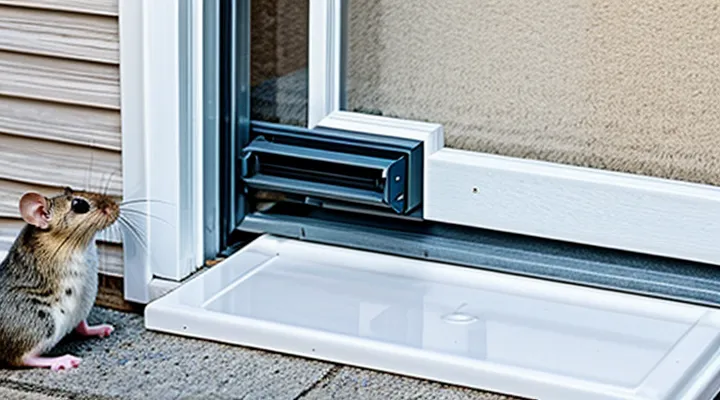
Understanding the Rodent Threat
Why Mice are a Problem
Health Risks Posed by Rodents
Rodents serve as vectors for a range of pathogens that can compromise human health. Direct contact with droppings, urine, or saliva introduces bacteria such as Salmonella and Leptospira, which cause gastrointestinal illness and leptospirosis respectively. Inhalation of aerosolized particles from contaminated nesting material may trigger hantavirus pulmonary syndrome, a severe respiratory condition with a high mortality rate. Additionally, rodents carry parasites—including fleas, mites, and ticks—that transmit diseases like plague and Lyme disease to humans and domestic animals.
The presence of rodents in residential or commercial structures also contributes to indirect health hazards:
- Contamination of food supplies, leading to foodborne outbreaks.
- Structural damage that creates dust and mold growth, aggravating respiratory allergies.
- Attraction of secondary pests (e.g., cockroaches) that further increase allergen load.
- Increased risk of bite injuries, which can become infected and require medical intervention.
Mitigating these risks requires a comprehensive approach that blocks entry points, eliminates shelter, and maintains sanitation. Sealing cracks, gaps, and openings in foundations, walls, and utility penetrations removes the primary pathways rodents use to infiltrate buildings, thereby reducing exposure to the associated health threats. Regular inspection and prompt repair of compromised seals sustain the protective barrier and support long‑term public health safety.
Structural Damage Caused by Rodents
Rodents gnaw on structural components, compromising the integrity of walls, beams, and joists. Their incisors continuously grow, prompting repeated chewing that creates holes and weakens load‑bearing elements. Over time, these openings expand, allowing additional pests and moisture to infiltrate the building envelope.
Common damage includes:
- Chewed wooden framing, reducing shear strength and increasing the risk of collapse.
- Breached insulation, leading to thermal loss and condensation problems.
- Severed electrical wiring, creating fire hazards and costly repairs.
- Punctured drywall and plaster, exposing interior surfaces to drafts and water ingress.
Each breach creates a pathway for further infestation, accelerating deterioration. Applying a durable, rodent‑resistant sealant to identified entry points blocks access, limits gnawing activity, and preserves structural stability. Prompt sealing after inspection reduces repair expenses and extends the service life of the building.
Common Entry Points for Mice
Gaps in Foundations and Walls
Mice enter homes through openings that connect the interior to the soil and surrounding structures. Cracks, joints, and gaps in foundations and walls create continuous pathways that rodents exploit. Even gaps as small as a quarter‑inch provide sufficient clearance for an adult mouse to squeeze through, making thorough sealing essential for rodent exclusion.
Identification of vulnerable points requires visual inspection and tactile testing. Walk the perimeter of the foundation, probing seams, utility penetrations, and the interface between concrete and brick. Inspect interior wall corners, around window frames, and where pipes or cables breach the surface. Look for signs of movement, such as displaced mortar or deteriorated caulking, which often indicate expanding gaps.
Effective sealing involves three steps:
- Clean and prepare – Remove debris, loose material, and old sealant. Dry the area to ensure adhesion.
- Select appropriate sealant – Use a flexible, weather‑resistant product such as polyurethane or silicone‑based caulk for small cracks, and expanding foam for larger voids. Choose formulations labeled for pest control or rodent proofing when available.
- Apply and finish – Fill the gap completely, smooth the surface, and allow the sealant to cure according to manufacturer specifications. For high‑traffic or load‑bearing sections, reinforce with metal flashing or concrete patching after sealing.
Regular maintenance reduces the risk of re‑opening. Re‑inspect sealed areas after seasonal temperature changes, settlement, or landscaping work. Promptly repair any new cracks to maintain an uninterrupted barrier against mouse intrusion.
Openings Around Pipes and Wires
Rodents frequently exploit gaps formed where pipes, cables, and wires penetrate walls, floors, and foundations. These openings provide direct pathways into a building’s interior and often go unnoticed during routine inspections.
Typical openings include:
- Unsealed gaps around PVC or copper pipe sleeves.
- Spaces where electrical conduit passes through structural members.
- Holes left after drilling for ventilation or plumbing fixtures.
- Openings around cable bundles routed through drilled holes.
- Gaps around flexible hoses or rubber grommets.
Effective sealing requires materials that remain flexible, adhere to diverse substrates, and resist chewing. Recommended solutions:
- Apply a continuous bead of high‑grade silicone or polyurethane sealant around the perimeter of each pipe or wire entry.
- Pack larger voids with stainless‑steel mesh or copper‑coated steel wool before sealing to create a physical barrier.
- Use expanding foam sealant for irregularly shaped gaps, then trim excess and reinforce with a thin layer of silicone.
- Install metal or PVC pipe collars with integrated sealing lips where feasible, eliminating the need for aftermarket caulking.
Regular maintenance ensures long‑term protection:
- Inspect sealed areas quarterly for cracks, shrinkage, or rodent damage.
- Reapply sealant after any structural modifications or after cleaning around penetrations.
- Replace deteriorated steel wool or mesh promptly, as rodents can gnaw through compromised material.
By systematically identifying and sealing openings around pipes and wires, a property can substantially reduce the likelihood of rodent intrusion.
Vents and Chimneys
Vents and chimneys provide direct pathways for rodents to infiltrate residential and commercial structures. Gaps around vent covers, flues, and chimney crowns often exceed the size required for a mouse to squeeze through, creating a persistent entry risk. Effective mitigation begins with a thorough inspection of all openings, noting any cracked, loose, or missing components.
Sealing methods include:
- Applying a high‑grade, rodent‑resistant silicone or polyurethane sealant to all seams, joints, and cracks.
- Installing metal mesh or stainless‑steel screen over vent openings, ensuring a mesh size no larger than ¼ inch.
- Replacing damaged vent caps with weather‑tight models equipped with built‑in rodent barriers.
- Fitting a chimney flashing system that overlaps the roof sheathing and incorporates a sealant bead to block ingress.
Materials must be compatible with temperature fluctuations and moisture exposure typical of vent and chimney environments. Polyurethane sealants retain elasticity under heat, while silicone maintains adhesion in damp conditions. Metal screens should be corrosion‑resistant to preserve integrity over time.
Regular maintenance involves re‑examining sealed areas after extreme weather events, checking for sealant degradation, and confirming that screens remain intact. Prompt repair of any compromised section eliminates new access points and sustains the overall barrier against rodent intrusion.
Sealant as a Rodent Barrier
What Makes a Good Anti-Rodent Sealant
Material Composition and Durability
Rodent‑proof sealants rely on formulations that combine elasticity, adhesion, and resistance to chewing. Typical compositions include:
- Silicone polymers – provide long‑term flexibility and maintain seal integrity across temperature fluctuations.
- Polyurethane resins – deliver strong bonding to concrete, wood, and metal surfaces while resisting abrasion.
- Acrylic emulsions – enhance water resistance and improve curing speed.
- Copper or steel mesh reinforcement – embedded fibers deter gnawing by increasing mechanical strength.
- Additives (e.g., UV stabilizers, biocides) – protect the sealant from degradation caused by sunlight and microbial growth.
Durability hinges on the sealant’s ability to retain physical properties after exposure to environmental stressors. Silicone polymers remain pliable at sub‑zero temperatures and above 200 °C, preventing cracks that rodents could exploit. Polyurethane resins exhibit low shrinkage during cure, ensuring continuous coverage without gaps. Reinforced mesh layers increase tensile strength, allowing the sealant to withstand repeated gnawing attempts without failure. UV stabilizers extend service life on exterior applications by limiting polymer breakdown, while biocides inhibit fungal colonization that could compromise adhesion.
Proper surface preparation—cleaning, drying, and priming—maximizes bond strength and prolongs performance. When applied according to manufacturer specifications, these material systems maintain seal integrity for 5–10 years in typical residential environments, reducing the need for frequent reapplication and providing reliable protection against rodent ingress.
Resistance to Gnawing
Resistance to gnawing determines whether a rodent‑proof sealant can withstand the incisors of mice that generate forces up to 30 N. Materials lacking this property allow entry points to be rapidly compromised, rendering any barrier ineffective.
Key material attributes that confer gnawing resistance include:
- High Shore hardness (≥80) to resist deformation under bite pressure.
- Cross‑linked polymer matrices that maintain structural integrity after repeated stress.
- Incorporation of steel or glass fibers that prevent crack propagation.
- Low plasticizer content, which reduces softness and susceptibility to chewing.
Standardized evaluations verify performance. Common protocols are:
- ASTM F2213 – static bite force test using calibrated mechanical jaws.
- ISO 20961 – cyclic chew simulation over 10 000 cycles.
- EN 14683 – abrasion resistance under controlled humidity and temperature.
Application practices that preserve gnawing resistance:
- Clean substrate to remove dust, oil, and loose particles.
- Apply sealant at a minimum thickness of 3 mm; thinner layers exhibit reduced hardness.
- Ensure complete curing as specified by the manufacturer, typically 24 h at 23 °C.
- Seal joints, gaps, and penetrations with continuous bead without interruptions.
Routine inspection detects early compromise. Recommended actions:
- Examine exposed surfaces quarterly for bite marks or surface wear.
- Reapply sealant to damaged sections within 48 h to prevent infiltration.
- Replace sealant in high‑traffic zones every 2–3 years, even if no visible damage is present.
By selecting formulations with verified gnawing resistance, applying them correctly, and maintaining regular inspections, structures achieve durable protection against mouse intrusion.
Weather Resistance Properties
Weather-resistant sealants maintain structural integrity under extreme conditions, ensuring continuous protection against rodent intrusion. Formulations incorporate polymers that resist ultraviolet degradation, preventing cracking or loss of adhesion when exposed to direct sunlight for prolonged periods.
Temperature tolerance spans from -30 °C to 120 °C, allowing the material to remain flexible in freezing environments and stable in high-heat scenarios. This range eliminates gaps that could develop from thermal contraction or expansion, which rodents often exploit.
Moisture resistance is achieved through hydrophobic additives that repel water and inhibit absorption. The sealant remains effective after heavy rain, snow melt, or high humidity, avoiding swelling or loss of seal quality that could create entry points.
Durability during freeze‑thaw cycles is addressed by elastomeric compounds that absorb stress without fracturing. Repeated cycles do not compromise the seal, preserving a continuous barrier throughout seasonal changes.
Key performance attributes include:
- UV stability for prolonged outdoor exposure
- Operational temperature range of –30 °C to 120 °C
- Hydrophobic composition resisting water ingress
- Resilience to freeze‑thaw stress
These properties collectively ensure that the sealing solution remains effective year‑round, denying mice access regardless of weather fluctuations.
Types of Sealants Effective Against Mice
Expanding Foam Sealants
Expanding foam sealants provide a rapid method for closing the gaps through which mice gain access to structures. The material expands on contact, fills irregular spaces, and adheres to wood, concrete, and metal, creating a continuous barrier that blocks entry points as small as 1 mm.
Key characteristics of expanding foam for rodent exclusion:
- Polyurethane base that expands up to 30 times its liquid volume.
- Closed‑cell formulation resists moisture and maintains structural integrity.
- Curing time of 5–10 minutes allows prompt completion of sealing tasks.
- Available in low‑expansion (for tight cavities) and high‑expansion (for larger voids) grades.
Application procedure:
- Locate all potential openings around foundations, utility penetrations, and vent chases.
- Remove debris and dry surfaces to ensure adhesion.
- Insert the nozzle into the gap, dispense foam until the cavity fills, then withdraw the nozzle to prevent excess buildup.
- Allow the foam to cure, then trim protruding material with a utility knife.
- For high‑traffic or exposed areas, embed a thin strip of steel wool or copper mesh within the foam before it hardens.
Advantages for mouse control:
- Seals minute cracks that are otherwise difficult to patch with traditional caulk.
- Forms an airtight barrier that eliminates scent trails used by rodents for navigation.
- Quick application reduces labor compared with mechanical barriers.
Limitations to consider:
- Foam alone can be chewed if mice encounter it directly; reinforcement with metal mesh mitigates this risk.
- Large openings (>2 cm) require supplemental hardware such as steel plates or concrete patching.
- Prolonged exposure to UV light degrades foam, necessitating periodic inspection.
Best‑practice recommendations:
- Choose high‑density, closed‑cell foam for maximum durability.
- Combine foam with abrasive metal inserts at entry points prone to gnawing.
- Perform a post‑installation audit to verify that no gaps remain.
- Replace foam that shows signs of cracking or shrinkage every 2–3 years.
Caulk and Silicone Sealants
Caulk and silicone sealants create a physical barrier that blocks mouse ingress through cracks, gaps, and joints. Their adhesive strength adheres to wood, metal, concrete, and plastic, preventing rodents from gnawing through openings.
Key characteristics:
- Flexibility – retains seal after building movement, reducing new gaps.
- Durability – resists weathering, UV exposure, and moisture.
- Chew resistance – hardens to a tough surface that rodents avoid.
- Low shrinkage – maintains seal over time, limiting re‑entry points.
Effective application requires:
- Cleaning surfaces to remove dust, grease, and loose material.
- Selecting the appropriate product: acrylic caulk for interior trim, silicone for exterior and high‑moisture areas.
- Cutting the nozzle to match gap width, then applying a continuous bead without breaks.
- Smoothing the bead to press sealant into the void and achieve full contact.
- Allowing manufacturer‑specified cure time before exposing the area to rodents.
Regular maintenance includes inspecting sealed areas for cracks, peeling, or degradation, and reapplying sealant where needed. Outdoor installations should be checked after severe weather, while interior seams benefit from annual review. Consistent use of caulk and silicone sealants reduces potential entry points, supporting long‑term rodent exclusion.
Steel Wool and Patching Compounds
Steel wool serves as a mechanical barrier that mice cannot easily gnaw through. Its fibrous structure resists chewing, forcing rodents to seek alternative entry points. When installed around openings such as utility penetrations, vents, and pipe sleeves, steel wool should be compressed tightly against the surrounding material to eliminate gaps. Over time, corrosion may degrade the fibers; therefore, a rust‑inhibiting coating or a compatible sealing compound extends service life.
Patching compounds provide a complementary seal that fills voids left after steel wool placement. Acrylic‑based or polyurethane sealants adhere well to most building substrates and cure to a flexible, waterproof membrane. The compound should be applied in layers: first, a thin bead over the steel wool, followed by a smooth finish that conforms to the surrounding surface. This dual‑action approach blocks both physical intrusion and small cracks that mice could exploit.
Effective implementation follows these steps:
- Clean the target area, removing debris, old caulk, and loose material.
- Insert steel wool into the gap, compressing it until it contacts all surrounding surfaces.
- Apply a generous amount of patching compound over the wool, ensuring full coverage.
- Smooth the sealant with a putty knife, creating a seamless finish.
- Allow the sealant to cure according to manufacturer specifications before exposing the area to moisture or temperature fluctuations.
When selecting materials, prioritize products labeled as rodent‑resistant and compatible with the building’s structural components. Regular inspection of sealed zones detects wear or displacement early, permitting timely repair and maintaining a continuous barrier against mouse ingress.
Application Techniques for Rodent Control
Preparing the Area for Sealing
Cleaning and Inspecting Surfaces
Before applying any rodent‑blocking sealant, all potential entry points must be free of debris, grease, and food residues. Residual material prevents adhesion, creates gaps, and attracts mice, undermining the sealant’s effectiveness.
Preparation steps
- Sweep or vacuum surfaces to remove loose particles.
- Wipe with a degreasing detergent diluted according to manufacturer instructions.
- Rinse with clean water; allow to dry completely.
- Apply a solvent‑based cleaner to metal or PVC edges that will receive sealant, ensuring no lingering oil.
Inspection checklist
- Identify cracks, gaps, and holes in walls, foundations, and utility penetrations.
- Verify that cleaning has eliminated all visible contaminants.
- Confirm that surfaces are dry, smooth, and free of corrosion.
- Check for signs of previous rodent activity—chewed material, droppings, gnaw marks—and remove any remnants.
Regular maintenance includes re‑inspecting cleaned areas after seasonal changes or after any building work. Promptly repeat the cleaning routine if new contaminants appear, then reseal immediately. This disciplined approach secures a reliable barrier against mouse intrusion.
Identifying All Potential Entry Points
Identifying every possible opening through which mice can infiltrate a building is the first step in any rodent exclusion program. Even a single ¼‑inch gap can provide access, rendering other measures ineffective if left unaddressed.
Typical entry points include:
- Gaps around utility pipes and cables, especially where they penetrate foundations or walls.
- Openings around HVAC ducts, vent fans, and exhaust fans.
- Spaces beneath doors, including gaps at the threshold and the clearance under sliding doors.
- Cracks in the foundation, basement walls, and crawl‑space sheathing.
- Unsealed openings around window frames, especially where weatherstripping is missing or damaged.
- Holes around chimney flues, vent pipes, and dryer exhausts.
- Gaps around attic access hatches and roof vents.
Inspection should combine visual assessment with simple diagnostic tools. Use a flashlight to reveal hidden cracks, run a thin sheet of smoke or incense near suspected areas to detect airflow, and apply non‑toxic tracking powder to monitor rodent movement. Document each opening, measure its dimensions, and prioritize based on size and proximity to food sources.
Seal each opening with materials that resist gnawing. Apply silicone or polyurethane caulk to small cracks, pack steel wool into larger gaps before covering with expanding foam, and install hardware cloth or metal flashing over vent openings. Ensure all caulking adheres to the substrate and that seams are smoothed to eliminate air drafts.
After sealing, schedule periodic re‑inspection, particularly after seasonal temperature changes or structural repairs. Promptly address any new gaps to maintain a continuous barrier against mouse intrusion.
Step-by-Step Sealing Process
Filling Gaps and Cracks
Sealing gaps and cracks eliminates the most common pathways that mice use to infiltrate structures. Small openings around foundation walls, utility penetrations, and roof eaves provide direct access to interior spaces; even a ¼‑inch aperture can accommodate an adult mouse.
Effective sealing requires:
- Identification of all exterior joints, including those around pipes, vents, and wiring sleeves.
- Removal of deteriorated material, debris, and moisture before application.
- Selection of a durable, rodent‑resistant sealant—silicone‑based or polyurethane formulations with proven elasticity and adhesion.
- Application in a continuous bead that fully contacts both sides of the opening, followed by a smooth finish to prevent future separation.
- Periodic inspection, especially after seasonal temperature shifts, to detect and repair any new fissures.
When gaps are sealed properly, pressure differentials that attract rodents diminish, and the structural integrity of the building improves. This approach reduces reliance on traps or poisons, lowers infestation risk, and supports long‑term pest management.
Securing Larger Openings
Effective mouse-proofing begins with securing large openings such as vents, utility penetrations, and structural gaps. Identify all apertures wider than ¼ inch, then apply a durable, rodent-resistant sealant that adheres to metal, wood, and concrete. Use a sealant formulated for flexibility and weather resistance to accommodate building movement without cracking.
- Clean the surface of dust, grease, and loose material.
- Apply a continuous bead of sealant, filling the gap completely.
- Embed a metal or heavy‑duty mesh where the opening exceeds ½ inch, then cover with sealant to create a double barrier.
- Allow the sealant to cure according to the manufacturer’s specifications before exposing the area to moisture or temperature fluctuations.
Inspect sealed openings quarterly, checking for separation, wear, or new cracks. Replace compromised sealant promptly to maintain an uninterrupted barrier against rodent intrusion.
Post-Application Checks
After a mouse‑proofing sealant has been installed, verify that the barrier functions as intended. Immediate inspection confirms proper coverage and identifies any missed openings before the material cures.
- Examine all treated surfaces for gaps, cracks, or seams that remain visible. Use a flashlight to highlight shadowed areas.
- Run a finger or a thin probe along seams to detect unfilled spaces. Any resistance indicates a sealed joint; lack of resistance signals a defect.
- Measure the width of each joint with a calibrated gauge. Ensure dimensions stay within the sealant’s specified tolerance, typically less than 1 mm.
- Check for moisture or condensation on the sealant surface. Excess moisture can compromise adhesion and create pathways for rodents.
- Perform a smoke or airflow test in critical entry points. Introduce a brief puff of smoke and observe its movement; smoke should not pass through the sealed barrier.
- Re‑inspect after the recommended curing period (usually 24–48 hours). Confirm that the sealant has hardened fully and maintains integrity under normal temperature fluctuations.
Document each observation, noting location, nature of any deficiency, and corrective action taken. Consistent post‑application verification sustains the effectiveness of the rodent exclusion system.
Maintaining Your Rodent-Proofed Home
Regular Inspections for New Gaps
Regular inspections are essential for maintaining an effective barrier against rodents. Over time, structural movement, weathering, and routine activities create openings that compromise the integrity of sealant applications.
Common entry points include gaps around utility penetrations, foundation cracks, door and window frames, vent openings, and seams where different building materials meet. Even small openings—down to a quarter inch—allow mice to infiltrate and undermine control measures.
Inspection routine
- Conduct a visual survey monthly during the active season and quarterly in colder months.
- Use a flashlight to reveal hidden cracks in basements, crawl spaces, and attics.
- Apply a thin probe (e.g., a steel rod) to test the tightness of sealed joints; any movement indicates a breach.
- Record the location, size, and condition of each gap in a maintenance log.
When a new gap is identified, clean the surrounding area, remove loose material, and apply a rodent‑grade sealant that adheres to both surfaces. Verify the sealant cures according to the manufacturer’s specifications before restoring normal use of the area. Re‑inspect the repaired site after 48 hours to confirm that the seal remains intact.
Consistent monitoring, prompt repair, and documentation create a reliable defense that reduces the likelihood of mouse intrusion despite ongoing wear and environmental changes.
Addressing Wear and Tear of Sealants
Effective rodent barriers rely on sealants that remain intact over time. Wear and tear compromise the barrier, allowing mice to infiltrate structures. Managing degradation involves systematic inspection, material selection, and timely repair.
Regular inspection should occur at least twice a year, focusing on high‑traffic zones such as utility penetrations, foundation cracks, and door thresholds. Look for signs of cracking, shrinkage, or detachment. Document locations and severity to prioritize interventions.
When deterioration is identified, follow these steps:
- Clean the area to remove dust, debris, and any residual rodent material.
- Remove loose sealant with a scraper or utility knife, exposing a sound substrate.
- Apply a compatible sealant that offers elasticity, UV resistance, and adhesion to the underlying material.
- Smooth the bead to eliminate gaps and ensure full coverage.
- Allow the product to cure according to manufacturer specifications before exposing the area to traffic or moisture.
Choosing the right sealant reduces future wear. Polyurethane and silicone‑based formulations provide superior flexibility and resistance to temperature fluctuations, while acrylic sealants are suitable for interior joints with lower movement.
Environmental factors accelerate degradation. Moisture intrusion, temperature extremes, and exposure to chemicals can cause premature cracking. Implement moisture control measures—such as proper drainage and ventilation—to lessen stress on the sealant.
Schedule preventive maintenance after major weather events or building renovations. Replace sealant in areas that show recurrent failure, even if minor, to maintain a continuous barrier against rodents. Consistent application of these practices preserves sealant integrity and sustains effective rodent exclusion.
Complementary Rodent Prevention Methods
Proper Waste Management
Effective rodent control begins with eliminating food sources that attract mice. Proper waste management reduces the likelihood that rodents will seek shelter near a building, complementing the use of sealants to block entry points.
Key practices include:
- Store garbage in containers with tight‑fitting lids; replace damaged lids immediately.
- Remove waste from the premises at least once daily; avoid accumulation in outdoor areas.
- Keep compost bins away from building foundations and ensure they are sealed.
- Clean up spills and crumbs promptly; sweep floors and vacuum corners where food particles may gather.
- Inspect and repair damaged trash bags or bins to prevent leakage.
By maintaining a clean waste environment, the pressure on structural gaps diminishes, allowing sealants to function as the primary barrier against mouse infiltration.
Food Storage Practices
Effective food storage is a critical element in any rodent‑proofing strategy. Secure containers eliminate accessible food sources, reducing the incentive for mice to breach sealed openings.
Use airtight, rigid containers made of plastic, metal, or glass. Ensure lids snap tightly and that seams are free of cracks. Store dry goods on elevated shelves, away from walls and floor joints where gaps may exist.
Maintain cleanliness in storage areas. Sweep crumbs, dispose of waste in sealed bags, and clean spills immediately. Regularly inspect containers for damage and replace any compromised units.
Implement a routine audit:
- Verify that all containers are sealed each week.
- Check for signs of gnawing or droppings near storage zones.
- Confirm that pantry doors close fully and that weather‑stripping remains intact.
By combining these practices with proper sealing of entry points, the likelihood of mouse intrusion is markedly reduced.
Eliminating Water Sources
Eliminating water sources is a critical step in deterring rodents from entering a building. Mice require only a few milliliters of moisture each day; removing any accessible liquid dramatically reduces the likelihood of infestation.
Identify and repair leaks in pipes, faucets, and roof penetrations. Seal cracks around plumbing fixtures with a durable, rodent‑resistant sealant. Install drip‑free hose connections and use self‑closing valves on outdoor irrigation systems.
Clear standing water from basements, crawl spaces, and utility rooms. Employ dehumidifiers to maintain relative humidity below 50 %. Empty pet water dishes at night and store them in sealed containers when not in use.
Manage outdoor conditions that attract moisture. Keep firewood, compost, and debris at least three feet from the foundation. Direct downspouts away from the building’s perimeter and install splash blocks to prevent runoff accumulation.
Regularly inspect the property for hidden moisture sources. Document findings and schedule corrective actions promptly to maintain a dry environment that discourages mouse activity.