
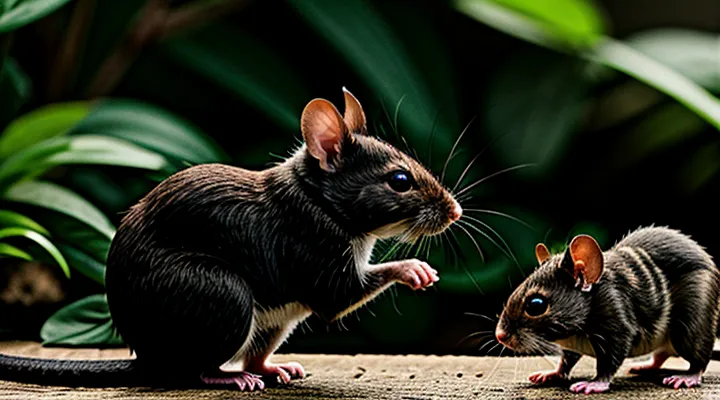
Understanding Rodent Behavior and Scent
Why Scents Can Be Effective
Rodents rely heavily on their sense of smell to locate food, identify safe nesting sites, and communicate with conspecifics. Compounds that trigger strong aversive reactions interfere with these essential behaviors, prompting the animals to avoid treated areas.
- Essential oils such as peppermint, eucalyptus, and citronella contain menthol and cineole, which activate trigeminal receptors and produce irritation in the nasal passages of mice and rats.
- Ammonia and vinegar release volatile acids that create an unpleasant environment, disrupting the rodents’ ability to detect familiar scents.
- Predator‑derived odors, for example, ferret or fox urine, contain sulfur‑rich molecules that signal danger, eliciting instinctive avoidance.
The effectiveness of these scents stems from three physiological mechanisms. First, the high density of olfactory receptors in rodents allows rapid detection of low‑concentration volatiles. Second, many repellent compounds act as irritants, causing discomfort that outweighs the incentive to forage in the vicinity. Third, certain odorants mask or alter the chemical cues used for territory marking, preventing rodents from establishing a sense of security.
Because the aversive response is innate rather than learned, scent‑based deterrents can provide immediate protection without the need for prolonged exposure. Proper application—regular reapplication to maintain volatile concentration—ensures sustained repellency.
Limitations of Scent-Based Repellents
Scent-based repellents rely on volatile compounds that rodents find unpleasant. Their effectiveness diminishes when the odor concentration drops below a threshold that triggers avoidance behavior. Natural oils evaporate quickly, requiring frequent reapplication to maintain a deterrent level. In environments with strong competing smells—food odors, cleaning agents, or pet fragrances—the repellent scent can become masked, reducing its impact.
Environmental conditions also influence performance. High humidity and low temperatures slow evaporation, prolonging the scent but potentially altering its chemical composition. Conversely, hot, dry air accelerates dissipation, shortening the active period. Rodents may become habituated after repeated exposure, learning to ignore a constant odor that no longer signals danger.
Key limitations include:
- Rapid loss of potency, demanding regular renewal.
- Interference from other household odors that dilute the repellent effect.
- Variable efficacy across temperature and humidity ranges.
- Potential for rodents to acclimate, diminishing long‑term reliability.
Top Natural Scents for Rodent Repellence
Peppermint Oil
How to Use Peppermint Oil
Peppermint oil serves as a potent rodent deterrent when applied correctly. Its strong menthol scent overwhelms the olfactory receptors of mice and rats, prompting them to avoid treated areas.
To prepare an effective solution, combine one part of pure peppermint oil with nine parts of water. Add a few drops of mild dish soap to the mixture; the surfactant ensures even distribution of the oil droplets.
Application methods include:
- Soak cotton balls in the diluted solution and place them in corners, behind appliances, and along wall baseboards. Replace every 48 hours to maintain potency.
- Transfer the mixture to a spray bottle and mist entry points, gaps, and known pathways. Reapply after cleaning or when the scent fades.
- Fill a diffuser with undiluted peppermint oil and operate for 30 minutes each evening in rooms where rodent activity is suspected. Clean the diffuser weekly to prevent oil buildup.
Safety considerations require keeping the oil out of reach of children and pets. Test a small area for material compatibility before widespread use, as oil can stain fabrics and damage certain plastics. Ventilate rooms after spraying to reduce inhalation risk. Regular monitoring of treated zones ensures continued effectiveness.
Safety Considerations for Peppermint Oil
Peppermint oil is a common component of rodent‑deterrent blends. Safety guidelines focus on concentration, contact precautions, and exposure limits.
When applied indoors, dilute the oil to a ratio of 1 %–2 % with a carrier such as water or a neutral oil. Higher concentrations increase the risk of skin irritation, respiratory discomfort, and ocular damage. For cotton‑ball diffusion, place a few drops on a cloth and allow the scent to disperse for no more than 30 minutes before ventilating the area.
Key safety considerations include:
- Skin contact – Perform a patch test on a small area of skin; discontinue use if redness or itching occurs.
- Inhalation – Ensure adequate airflow; avoid use in confined spaces, especially where children or pets are present.
- Ingestion – Keep containers out of reach of children and animals; accidental consumption can cause gastrointestinal upset.
- Pets – Cats and dogs may be sensitive to essential oils; monitor for signs of distress such as drooling or lethargy.
- Pregnancy and nursing – Consult a healthcare professional before exposure, as strong aromatics may affect hormonal balance.
- Storage – Store in a tightly sealed, dark container at room temperature; label clearly to prevent accidental misuse.
Regularly replace diffusion materials to prevent oil degradation, which can produce irritating by‑products. If adverse reactions develop, cease exposure and seek medical advice.
Citronella Oil
Application Methods for Citronella Oil
Citronella oil, derived from Cymbopogon species, emits a strong, citrus‑mint aroma that rodents find unpleasant. Its volatile compounds interfere with the olfactory receptors of mice and rats, reducing the likelihood of entry and nesting.
- Dilute 10 ml of citronella oil in 500 ml of water; fill a spray bottle and mist corners, baseboards, and entry points every 48 hours.
- Add 5–7 drops of citronella oil to a plug‑in diffuser; operate for 8–10 hours daily in rooms where activity has been observed.
- Soak cotton balls with 2–3 drops of oil; place them in cabinets, under sinks, and inside trap housings; replace weekly.
- Mix 3 drops of oil with 1 tbsp of carrier oil (e.g., almond or mineral oil); apply to the exterior of wooden structures using a cloth, reapply bi‑weekly.
Safety considerations require keeping oil concentrations below 2 % for indoor use, avoiding direct contact with skin, and ensuring pets are not exposed to concentrated applications. Ventilate rooms after spraying and store oil in a sealed container away from heat sources.
Regular inspection of treated areas confirms efficacy; replace saturated materials promptly and adjust frequency during colder months when rodents seek shelter more aggressively. Consistent application maintains a hostile scent environment, discouraging infestation without reliance on toxic chemicals.
Eucalyptus Oil
Best Practices for Using Eucalyptus Oil
Eucalyptus oil contains eucalyptol, a volatile compound whose strong, menthol‑like aroma disrupts the olfactory receptors of rodents, reducing their willingness to enter treated areas.
To achieve effective rodent deterrence, follow these steps:
- Dilute 10 ml of pure eucalyptus oil in 500 ml of water; add 2 tbsp of a neutral carrier oil (e.g., mineral oil) to improve solubility.
- Transfer the mixture to a spray bottle equipped with a fine‑mist nozzle.
- Apply the spray along baseboards, entry points, and behind appliances; repeat every 48 hours or after heavy cleaning.
- Re‑apply after rain or high humidity, as moisture diminishes scent potency.
Safety considerations include keeping the solution out of reach of children and pets, avoiding direct skin contact, and storing the concentrated oil in a sealed, dark container at temperatures below 25 °C. Ventilate rooms after application to prevent respiratory irritation. Regular monitoring of treated zones ensures continued efficacy and allows adjustment of frequency based on rodent activity.
Cayenne Pepper or Chili Flakes
Preparing and Applying Spicy Repellents
Spicy repellents create strong, irritant aromas that deter mice and rats from entering living spaces. The volatile compounds in hot peppers and related spices disrupt the rodents’ olfactory receptors, prompting avoidance of treated zones.
Key ingredients often employed include:
- Cayenne pepper powder
- Chili powder (ground dried chilies)
- Black peppercorns, crushed
- Ground mustard seed
- Clove buds, finely ground
- Garlic powder (optional for added potency)
Preparation steps:
- Measure equal parts of cayenne, chili powder, and black pepper; adjust total quantity to cover the target area.
- Combine the dry spices in a shallow container.
- If a liquid carrier is preferred, mix the dry blend with a small volume of water or vinegar, stirring until a paste forms.
Application guidelines:
- Sprinkle the dry mixture along baseboards, entry points, and known rodent pathways; avoid contact with food preparation surfaces.
- For paste formulations, apply a thin layer to cotton balls or cloth strips, then place them in corners, under appliances, and inside cabinets.
- Seal treated zones with plastic sheeting or caulk to prevent dispersion of the scent to occupied rooms.
Maintenance and safety considerations:
- Reapply the dry blend weekly, or refresh the paste every 3‑5 days, as humidity reduces efficacy.
- Wear gloves during preparation and application to prevent skin irritation.
- Keep the mixture out of reach of children and pets; observe any adverse reactions and discontinue use if necessary.
When integrated with other odor‑based deterrents, spicy repellents contribute to a comprehensive strategy for keeping rodents away from the home environment.
Cloves
Using Whole Cloves or Clove Oil
Whole cloves and clove oil serve as potent rodent-repelling agents due to their high eugenol content. Eugenol emits a strong, spicy aroma that rodents find irritating, prompting avoidance of treated areas. The volatile nature of the scent ensures rapid dispersion, creating an inhospitable environment for mice and rats.
Practical application methods:
- Place whole cloves in cotton balls, sachets, or small fabric pouches; distribute them in corners, pantry shelves, and entry points.
- Apply a few drops of clove oil to cotton swabs or cloth strips; position them similarly to whole cloves.
- Refresh whole cloves or reapply oil every 3–5 days to maintain scent potency.
Safety and effectiveness considerations:
- Use food‑grade cloves or pure clove oil to avoid harmful additives.
- Keep applications out of reach of children and pets; excessive exposure may cause irritation.
- Monitor rodent activity; a noticeable reduction within one week indicates adequate coverage. «Eugenol is the primary compound that repels rodents», confirming the scientific basis for these practices.
Dryer Sheets
Strategic Placement of Dryer Sheets
Strategic placement of dryer sheets maximizes their effectiveness as rodent deterrents. Position sheets in areas where rodents commonly travel: near door thresholds, beneath kitchen cabinets, behind baseboards, and adjacent to garbage containers. Secure sheets with tape or small staples to prevent displacement by wind or animal movement.
Replace sheets every two weeks to maintain a strong scent profile. Rotate sheets between locations weekly to avoid scent habituation, which can reduce repellent impact. When using scented dryer sheets, prefer those with citrus, lavender, or menthol aromas, as these volatile compounds are documented to discourage mice and rats.
For multi‑level homes, apply the same placement principles on each floor. In attics and basements, tuck sheets into insulation gaps and around vent openings. Ensure sheets do not contact food preparation surfaces to avoid contamination. Regular inspection of placement sites allows timely replacement and adjustment of the deterrent layout.
Other Potential Scent-Based Deterrents
Ammonia
Cautions When Using Ammonia
Ammonia is frequently cited among volatile compounds that discourage rodent activity. Its strong odor can irritate the nasal passages of mice and rats, prompting them to avoid treated areas. However, several safety considerations must be observed to prevent adverse effects on humans, pets, and property.
- Use diluted solutions; concentrations above 5 % increase the risk of skin burns and respiratory irritation.
- Ensure adequate ventilation; enclosed spaces can accumulate vapors to hazardous levels.
- Wear protective gloves and goggles to avoid direct contact with liquid ammonia.
- Keep the substance away from children and household animals; inhalation can cause coughing, wheezing, or eye irritation.
- Avoid application on porous surfaces such as unfinished wood or fabric, where ammonia may be absorbed and cause discoloration or degradation.
- Store in a tightly sealed container, away from heat sources, to prevent accidental spills or vapor release.
- Dispose of excess or expired ammonia according to local hazardous‑waste regulations; pouring down drains may damage plumbing.
Adhering to these precautions maximizes the repellent effect while minimizing health and property hazards.
Fabric Softener
Fabric softener, when scented with strong, aromatic compounds, can serve as a low‑cost deterrent against house‑bound rodents. Many rodent species possess a keen sense of smell and avoid environments saturated with potent fragrances such as citrus, lavender, or pine. Applying a scented fabric softener to laundry, curtains, or upholstery creates a lingering olfactory barrier that discourages mice and rats from nesting or foraging nearby.
Effectiveness depends on scent intensity and persistence. Concentrated formulas that retain fragrance after drying maintain repellant properties for several days. Re‑application after laundering or cleaning refreshes the protective aroma, extending the period of deterrence.
Key considerations for using fabric softener as a rodent repellent:
- Select products labeled with natural essential oils (e.g., «Citrus Burst», «Lavender Breeze»). Synthetic fragrances may degrade more quickly.
- Apply to fabrics that remain in rodent‑prone areas: kitchen towels, pantry shelf liners, or bedding.
- Avoid oversaturation; excessive residue can attract insects or cause skin irritation for humans and pets.
- Combine with other non‑chemical measures—sealed food containers, regular debris removal—to enhance overall control.
Top scented fabric softeners frequently recommended for rodent deterrence:
- «Citrus Guard» – high‑concentration orange oil, fragrance lasting up to five days.
- «Herbal Shield» – blend of lavender and eucalyptus, strong aromatic profile.
- «Pine Fresh» – pine needle extract, robust scent suitable for damp environments.
- «Spice Defense» – cinnamon and clove infusion, effective against both mice and rats.
When integrated into routine household laundering, these products create a continuous scent barrier, reducing the likelihood of rodent intrusion without relying on toxic chemicals. Regular monitoring and timely re‑application ensure sustained protection.
Used Coffee Grounds
Used coffee grounds emit a strong, bitter aroma that rodents find unpleasant. The scent interferes with the olfactory cues mice and rats rely on for foraging and nesting, prompting them to avoid areas where the grounds are spread.
Application is straightforward. After brewing, allow the grounds to dry, then distribute a thin layer along baseboards, under appliances, and in entry points such as cracks and gaps. Replenish the material weekly to maintain potency, as the odor weakens with exposure to air.
Advantages include:
- Readily available from household waste, reducing cost.
- Biodegradable, posing no environmental hazard.
- Dual function as a mild fertilizer for surrounding plants.
Limitations involve:
- Short‑term effectiveness; frequent renewal required.
- Limited reach; grounds must contact surfaces directly.
- Potential staining of porous flooring if left moist.
For optimal results, combine used coffee grounds with additional rodent‑deterring scents, such as peppermint oil or dried lavender, creating a layered barrier that enhances overall repellency. Regular inspection of the treated zones ensures prompt removal of any ground that becomes compacted or loses aroma, preserving the deterrent effect.
Implementing Scent-Based Rodent Control
Preparation Before Application
Cleaning and Sealing Entry Points
Effective rodent deterrence relies on eliminating pathways that allow mice and rats to enter living spaces. Removing food residues, grease, and nesting material from floors, countertops, and behind appliances deprives pests of essential resources, thereby reducing the likelihood that scent-based repellents will be needed in large quantities. Once the environment is cleared of attractants, sealing gaps, cracks, and openings creates a physical barrier that prevents ingress, complementing the action of aromatic deterrents.
- Inspect foundation, walls, and roof for openings larger than ¼ inch; prioritize points near utilities, vents, and pipe entries.
- Use a vacuum or damp cloth to clear debris from each gap before applying sealant.
- Apply steel wool or copper mesh to fill larger voids, then cover with silicone caulk or expanding foam for a durable seal.
- Reinforce door thresholds with weatherstripping and install tight-fitting screens on vents.
- Conduct periodic checks after seasonal changes to verify that seals remain intact and that no new entry points have formed.
Strategic Placement of Scents
High-Traffic Rodent Areas
High-traffic rodent zones in residential settings include kitchen countertops, pantry shelves, bathroom cabinets, utility closets, and entry points such as doorways and basement stairwells. These areas provide easy access to food, water, and shelter, making them primary pathways for mice and rats. Effective odor-based deterrents must be placed directly on surfaces where rodents travel or rest, ensuring continuous exposure to the repellent scent.
Recommended scents for these locations:
- Peppermint oil – strong menthol aroma, disrupts rodent olfactory receptors; apply a few drops on cotton balls or spray diluted solution on surfaces.
- Eucalyptus oil – volatile compounds create an unpleasant environment; use in sachets placed in cabinets and behind appliances.
- Citronella oil – citrus‑based scent interferes with scent trails; distribute in small containers near entry points.
- Clove oil – high phenol content acts as a natural repellent; dab on wood trims and baseboard cracks.
- Ammonia – sharp chemical odor deters rodents; place shallow dishes in hidden corners, replace regularly.
Rotate scents every two weeks to prevent habituation. Reapply after cleaning or when the odor diminishes. Maintain a dry, clutter‑free environment to complement the olfactory barrier and reduce the likelihood of infestation.
Entry and Exit Points
Effective use of rodent‑repelling aromas hinges on positioning them at points where mice and rats gain access to the interior. Targeted placement maximizes exposure to the scent barrier and reduces the likelihood of re‑entry.
Typical ingress locations include:
- Gaps around utility pipes and cables
- Openings beneath doors and windows
- Cracks in foundation walls and floorboards
- Unsealed vents and dryer exhausts
- Holes behind appliances and cabinets
Application of deterrent scents at these sites should follow these principles:
- Saturate cotton balls or felt pads with essential oils such as peppermint, eucalyptus, or citronella, then insert them into gaps and cracks.
- Soak rag strips in concentrated oil mixtures and secure them with tape around door thresholds and vent grills.
- Deploy sachets containing dried herbs (e.g., rosemary, thyme) in concealed cavities behind appliances, refreshing them weekly.
Regular inspection ensures that scent sources remain potent. Replace or re‑saturate materials when the odor diminishes, and reseal any newly formed openings promptly. Maintaining a continuous aromatic barrier at all identified entry and exit points sustains long‑term rodent deterrence.
Maintenance and Reapplication
Effective aromatic rodent deterrents lose potency as volatile compounds dissipate. Regular upkeep preserves the repellent effect and prevents rodents from acclimating to weakened odors.
Key variables that shorten scent longevity include ambient temperature, humidity, air circulation, and the initial concentration of the active fragrance. Higher temperatures and breezy environments accelerate evaporation, while sealed spaces extend the active period.
Reapplication intervals vary by delivery method:
- Fresh herb bundles (e.g., mint, lavender): replace every 7 days.
- Essential‑oil diffusers: refill or refresh the oil mixture every 10–14 days.
- Sachets or cotton balls soaked in oil: rotate or recharge every 30 days.
- Commercial plug‑in dispensers: follow manufacturer‑specified cartridge lifespan, typically 2–4 weeks.
Practical maintenance steps:
- Inspect the placement area weekly for odor fade or signs of rodent activity.
- Remove spent material, clean the container, and introduce fresh scent source.
- Position emitters near entry points, food storage, and known pathways to maximize exposure.
- Record reapplication dates to maintain a consistent schedule.
Proper storage prolongs efficacy. Keep dried herbs in airtight containers away from direct sunlight. Store essential oils in dark glass bottles, refrigerated if prolonged storage exceeds 6 months. Avoid mixing scents with strong household cleaners, which can neutralize repellent properties.
Consistent renewal of aromatic barriers sustains their deterrent capacity, reducing the likelihood of infestation without resorting to chemical rodenticides. «Mice avoid strong odors», reinforcing the necessity of diligent maintenance.
Combining Scent Repellents with Other Methods
Combining scent-based deterrents with complementary strategies enhances the reliability of rodent control in residential settings. Aromas such as peppermint oil, cloves, and eucalyptus create an environment that rodents find hostile, yet their effectiveness increases when paired with physical barriers and sanitation measures.
Physical barriers include sealing entry points with steel wool, caulking, and mesh screens. These prevent mice and rats from accessing interior spaces, ensuring that the repellent scent remains concentrated where it is needed. Regular inspection of foundation cracks, utility openings, and vent covers reduces the likelihood of new infestations.
Sanitation practices limit food sources that attract rodents. Storing dry goods in airtight containers, promptly cleaning crumbs and spills, and disposing of waste in sealed bins diminish the incentive for pests to explore scented zones. Maintaining a tidy environment also reduces the number of hiding places, making scent exposure more consistent.
A typical integrated approach may involve the following steps:
- Identify and seal all potential ingress points.
- Apply a daily or weekly dose of preferred essential oil using cotton balls or diffusers placed near identified pathways.
- Implement a strict cleaning schedule that eliminates residual food residues.
- Deploy mechanical traps in conjunction with scent zones to capture any individuals that bypass deterrents.
Monitoring remains essential. Periodic checks of sealed openings, oil potency, and trap captures provide data to adjust concentrations or reposition repellents. By synchronizing olfactory, structural, and hygienic measures, homeowners achieve a multi‑layered defense that reduces reliance on any single method and sustains long‑term rodent exclusion.
Important Considerations and Warnings
Pet and Child Safety
When choosing aromatic deterrents for rodent control, the health of children and pets must remain the primary consideration. Many natural oils possess strong olfactory properties that discourage mice and rats, yet some present toxicity risks if ingested, inhaled in excess, or applied to surfaces reachable by small hands or paws.
Safe options include:
- Peppermint oil in low‑concentration sprays (no more than 0.5 % dilution). The oil’s vapour repels rodents without documented adverse effects on dogs, cats, or children when used as directed.
- Eucalyptus oil applied to cotton balls placed in sealed containers. The scent permeates the area, while the container prevents direct contact.
- Citronella oil employed in diffusers with timers. Controlled release limits exposure and eliminates the need for open containers.
Avoid substances such as:
- Strongly concentrated clove or cinnamon oil, which can cause skin irritation and respiratory distress in pets and toddlers.
- Synthetic chemical repellents containing pyrethroids or organophosphates; these compounds are linked to neurotoxic reactions in mammals.
Implementation guidelines:
- Apply deterrents to inaccessible locations—behind appliances, under cabinets, or within wall voids—ensuring that no treated material is within reach of curious children or animals.
- Conduct a patch test on a small, hidden area before widespread use to confirm that the surface material does not degrade.
- Maintain ventilation during and after application to disperse vapours and reduce inhalation risk.
- Store all aromatic products in locked cabinets, clearly labeled, and out of sight from pets and children.
Regular monitoring of the treated environment helps detect any signs of irritation, such as sneezing, coughing, or dermatitis. If symptoms appear, discontinue use immediately and consult a veterinary or pediatric professional. By adhering to these precautions, rodent‑deterring scents can be integrated into household pest management without compromising the safety of the most vulnerable occupants.
Effectiveness and Expectations
Scent-based rodent deterrents rely on volatile compounds that trigger aversion in mice and rats. Effectiveness varies with chemical composition, concentration, and application method.
Key factors influencing performance:
- Strong, pungent aromas such as peppermint oil, clove oil, and eucalyptus oil create sensory irritation that discourages entry and foraging.
- Dilution level determines persistence; undiluted essential oils evaporate quickly, while emulsified formulations extend release over weeks.
- Placement near known pathways, nesting sites, or food sources maximizes exposure and reduces the likelihood of habituation.
- Environmental conditions, including temperature and humidity, affect volatility; warm, dry air accelerates diffusion, enhancing short‑term impact.
Realistic expectations:
- Immediate reduction in rodent activity is possible within 24–48 hours after proper deployment, but complete elimination is uncommon without complementary control measures.
- Repeated application is required; most products lose potency after 7–10 days, prompting re‑treatment to maintain deterrent pressure.
- Scent repellents do not kill; they merely encourage avoidance. Persistent infestations often indicate gaps in sanitation, structural entry points, or food availability that scents alone cannot resolve.
- Effectiveness is species‑specific; rats generally exhibit lower sensitivity to mint‑based odors than mice, necessitating stronger or alternative scents such as citronella or mustard oil for rat‑focused scenarios.
Integrating scent repellents with exclusion techniques, sanitation improvements, and regular monitoring yields the most reliable outcomes.
When to Seek Professional Help
When rodent activity persists despite the application of aromatic deterrents, professional intervention becomes necessary. Continuous sightings, droppings, or gnaw marks indicate that natural scents are insufficient to disrupt nesting or feeding patterns.
Key indicators for contacting pest‑control specialists include:
- Infestation spread beyond a single room or concealed spaces.
- Damage to structural elements, wiring, or stored food supplies.
- Presence of disease‑carrying parasites identified in droppings.
- Ineffective results after a minimum of two weeks of consistent scent use.
Engaging experts ensures accurate identification of entry points, targeted treatment plans, and compliance with health‑safety regulations, thereby preventing escalation of the problem and protecting property integrity.