
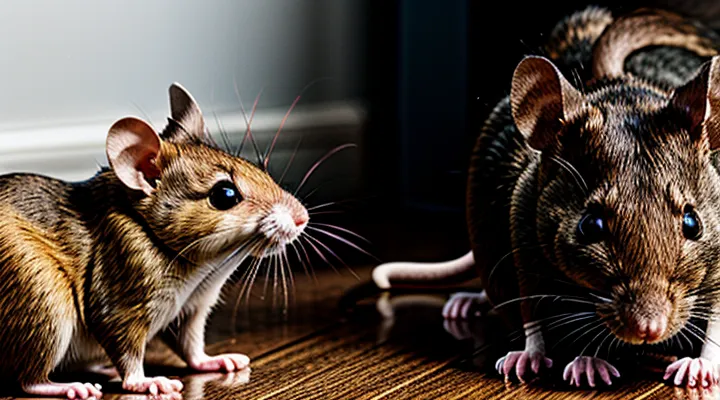
Understanding Rodent Behavior and Scent
Why Scents are Effective Deterrents
The Rodent Olfactory System
Rodents rely on a highly developed olfactory apparatus to locate food, assess safety, and communicate with conspecifics. The nasal cavity houses the olfactory epithelium, a thin tissue layer containing millions of sensory neurons that express a diverse array of odorant receptors. Each receptor binds specific volatile compounds, allowing detection of scent concentrations as low as parts per trillion.
Signal transduction begins when an odorant binds to a receptor, triggering a cascade that generates electrical impulses. These impulses travel along the olfactory nerve to the olfactory bulb, where they are sorted into distinct glomeruli. From the bulb, information is relayed to higher brain regions, including the piriform cortex and amygdala, which integrate scent data with memory and emotional response. This pathway enables rapid behavioral decisions such as avoidance or attraction.
Rodents also possess a vomeronasal organ (VNO) that detects non-volatile pheromones and certain semiochemicals. The VNO sends signals to the accessory olfactory bulb, influencing social and reproductive behaviors. While the main olfactory system processes airborne chemicals, the VNO contributes to the overall chemosensory profile that determines a rodent’s reaction to deterrent odors.
Key anatomical and functional features relevant to scent-based repellent strategies:
- Olfactory epithelium with >1,000 receptor types
- High receptor density yielding low detection thresholds
- Direct neural connections to limbic structures governing fear and avoidance
- Vomeronasal organ providing supplementary chemosensory input
- Rapid signal processing allowing immediate behavioral response
Understanding these mechanisms clarifies why certain volatile compounds—such as strong peppermint, ammonia, or predator urine extracts—effectively trigger avoidance circuits in mice and rats, supporting their use as indoor deterrents.
Natural Aversion Mechanisms
Rodents rely on highly developed olfactory systems to locate food, shelter, and mates. When an environment contains odors that signal danger or unpalatability, the animals instinctively avoid it. This innate aversion underlies the effectiveness of certain natural substances for household pest control.
Compounds that trigger avoidance include:
- Menthol and peppermint oil – strong cooling scent that overstimulates nasal receptors, causing discomfort.
- Eucalyptus oil – high concentration of cineole produces a sharp, irritating aroma.
- Citrus extracts (orange, lemon, lime) – limonene and citral create a sour, pungent atmosphere rodents find hostile.
- Clove oil – eugenol delivers a potent, spicy odor that interferes with scent tracking.
- Ammonia vapors – mimic waste byproducts, prompting immediate retreat.
These agents act without chemical toxicity to humans or pets when applied at recommended dilutions. Their volatility ensures rapid dispersion, establishing a temporary barrier around entry points, storage areas, and nesting sites.
Effective deployment follows a systematic pattern: identify likely pathways, apply the selected scent in a thin, evenly distributed layer, and reapply after moisture or cleaning removes the residue. Consistent exposure maintains the deterrent effect, reducing rodent activity without reliance on synthetic poisons.
Effective Scents for Rodent Deterrence
Mint-Based Solutions
Peppermint Oil: Application and Efficacy
Peppermint oil contains menthol and menthone, compounds that produce a strong, volatile aroma rodents find irritating. The scent interferes with their sensory receptors, prompting avoidance of treated areas.
Application methods:
- Saturate cotton balls with undiluted oil and place them in corners, behind appliances, and in entry points.
- Mix 10–15 ml of oil with 1 l of water, add a few drops of dish soap, and spray along baseboards, windowsills, and crawl spaces.
- Use an ultrasonic diffuser to disperse the aroma continuously in rooms where activity has been observed.
- Reapply every 3–5 days or after cleaning, as the volatile compounds dissipate quickly.
Studies report reduced mouse and rat activity in environments treated with peppermint oil, especially when combined with physical barriers. Effectiveness declines when concentration falls below 5 % or when the oil is exposed to direct sunlight, which accelerates degradation. Consistent reapplication maintains deterrent pressure.
Safety notes: Peppermint oil may cause skin irritation; handle with gloves and avoid direct contact with pets, particularly cats and small dogs. Test on a small, inconspicuous surface before widespread use to ensure no staining or material damage.
Spearmint and Other Mint Varieties
Spearmint and related mint species emit volatile compounds that interfere with the olfactory receptors of rodents, prompting avoidance behavior. Menthol, carvone, and limonene create a sensory environment that rodents find uncomfortable, reducing their presence in treated areas.
Spearmint (Mentha spicata) contains high levels of carvone, a terpene known for its strong, minty aroma. Effective delivery methods include:
- Diluted essential oil applied to cotton balls or cloth strips.
- Dried leaves placed in kitchen cabinets, pantry corners, or entry points.
- Commercial sachets containing spearmint extract, positioned near food storage.
Other mint varieties contribute additional repellent properties:
- Peppermint (Mentha × piperita): rich in menthol, offers a sharper scent that many rodents find more aversive.
- Pennyroyal (Mentha pulegium): contains pulegone, a potent deterrent, but requires careful handling due to toxicity at high concentrations.
- Catmint (Nepeta cataria): produces nepetalactone, which repels rodents while remaining safe around pets.
Practical application guidelines:
- Position mint-based deterrents at least 12 inches from food containers to prevent contamination.
- Reapply essential oil solutions every 7‑10 days, as volatility reduces potency over time.
- Monitor for allergic reactions in occupants; avoid direct skin contact with concentrated oils.
- Combine multiple mint varieties to broaden the spectrum of volatile compounds, enhancing overall effectiveness.
When integrated into a comprehensive rodent-management plan, spearmint and its botanical relatives provide a non‑chemical, low‑maintenance option for reducing mouse and rat activity in residential spaces.
Other Botanical Repellents
Clove Oil: Usage and Considerations
Clove oil is a potent aromatic compound that rodents find aversive. The oil’s strong eugenol scent interferes with the animals’ olfactory receptors, prompting avoidance of treated areas.
Effective application requires careful preparation and placement. Recommended practices include:
- Dilute clove essential oil with a carrier such as water or a mild detergent at a ratio of 10‑15 drops per cup of liquid.
- Soak cotton balls or small cloth pieces in the diluted solution.
- Position the saturated material near entry points, along baseboards, and in concealed spaces where mice or rats travel.
- Refresh the scent every 3‑5 days, or sooner if the odor diminishes.
Safety considerations are essential. Direct skin contact with undiluted oil may cause irritation; use gloves when handling. Pets, especially cats, can be sensitive to strong essential oils, so keep treated items out of reach. Ventilate rooms after application to prevent respiratory discomfort for occupants.
Clove oil’s deterrent effect varies with concentration and environmental factors. High humidity can reduce volatility, diminishing efficacy. Combining clove oil with other rodent-repelling aromas—such as peppermint or citrus—can enhance coverage but may increase the risk of sensory overload for humans and animals. Regular monitoring of rodent activity is necessary to assess whether the treatment remains effective or requires adjustment.
Cayenne Pepper and Capsaicin
Cayenne pepper contains capsaicin, the active compound that triggers a burning sensation in mammals. When dispersed as a fine powder or incorporated into sprays, it creates an olfactory and tactile stimulus that rodents find unpleasant. The pungent aroma interferes with the rodents’ highly developed sense of smell, prompting avoidance of treated areas.
Capsaicin’s mode of action involves activation of TRPV1 receptors in the nasal passages and skin of mice and rats. Stimulation of these receptors generates a sharp, irritating sensation, leading the animals to associate the presence of the spice with discomfort. Repeated exposure reinforces avoidance behavior, reducing the likelihood of nesting or foraging in treated zones.
Effective deployment strategies include:
- Sprinkling cayenne pepper along baseboards, entry points, and behind appliances where rodent activity is observed.
- Preparing a diluted spray by mixing 1–2 teaspoons of cayenne powder with a cup of water and a few drops of dish soap; apply to cracks, crevices, and interior surfaces of cabinets.
- Combining capsaicin with carrier substances such as cotton balls or felt pads placed in concealed locations to maintain a steady release of scent.
Safety considerations:
- Direct contact with undiluted powder may irritate human skin, eyes, and respiratory passages; wear gloves and a mask during application.
- Pets, especially cats and dogs, may experience discomfort if they ingest treated materials; keep treated zones inaccessible to animals.
- Capsaicin degrades over time when exposed to moisture and sunlight; reapply every two to three weeks or after cleaning.
Limitations:
- Effectiveness diminishes in areas with strong competing odors, such as cooking spices or cleaning agents.
- Rodents may habituate to low concentrations; increasing the potency or rotating with other odor-based repellents mitigates habituation.
- Not a substitute for structural sealing of entry points; physical exclusion remains essential for long‑term control.
Essential Oils: Lavender, Eucalyptus, and Tea Tree
Rodents avoid strong aromatic compounds; essential oils provide a non‑toxic alternative for residential pest management.
-
Lavender (Lavandula angustifolia) – contains linalool and linalyl acetate, which interfere with the rodents’ olfactory receptors. Apply a 5 % solution on cotton balls and place them near entry points, pantry shelves, and nesting zones. Replace every 48 hours for sustained effect.
-
Eucalyptus (Eucalyptus globulus) – rich in eucalyptol (1,8‑cineole), a volatile that creates an environment perceived as hostile by mice and rats. Mix 3–4 drops with 30 ml water, spray lightly around baseboards, under appliances, and in crawl spaces. Reapply after cleaning or when the scent fades.
-
Tea Tree (Melaleuca alternifolia) – terpinen‑4‑ol and α‑terpinene act as irritants to rodent sensory pathways. Dilute 4 drops in 25 ml carrier oil, dab on wooden surfaces or cloth strips, and position in dark corners where activity is observed.
Effectiveness depends on consistent exposure; oils evaporate quickly, so regular renewal is essential. Use only recommended concentrations to prevent skin irritation and avoid direct contact with pets. Combine the three oils in a single blend (e.g., 2 drops lavender, 2 drops eucalyptus, 2 drops tea tree per 30 ml water) for broader olfactory coverage without increasing toxicity.
Monitoring rodent activity after implementation helps gauge efficacy; a noticeable decline within a week indicates a successful deterrent strategy.
Household Items with Repellent Properties
Ammonia: Cautions and Benefits
Ammonia emits a sharp, volatile odor that rodents find unpleasant, making it a common component of odor‑based rodent deterrent strategies. When applied correctly, it can discourage mice and rats from entering or lingering in treated areas.
Benefits
- Immediate repellent effect; the strong smell is detected within seconds.
- Low cost and wide availability; household ammonia or diluted industrial solutions are easy to obtain.
- Rapid evaporation reduces long‑term residue concerns.
Cautions
- Concentrations above 10 % can irritate human mucous membranes, eyes, and skin; protective gloves and ventilation are required.
- Prolonged exposure may damage painted surfaces, wood, or plastics; test a small area before full application.
- Strong odor may affect pets and children; restrict use to unoccupied spaces and allow thorough airing before re‑entry.
- Not a substitute for structural sealing; gaps and entry points must still be repaired to achieve lasting control.
Effective use involves placing small open containers of diluted ammonia (approximately 5 % solution) in corners, near suspected entryways, and refreshing the liquid every 48 hours. Combine with other scent deterrents for a broader spectrum of repellent activity, but maintain strict adherence to safety guidelines to avoid health risks.
Dryer Sheets: Placement and Effectiveness
Dryer sheets emit volatile compounds that rodents find unpleasant, making them a low‑cost option for residential rodent deterrence. The fragrances, typically derived from synthetic fragrances and fabric softeners, interfere with the animals’ highly sensitive olfactory receptors, reducing the likelihood of entry and nesting.
Effective deployment requires strategic placement where scent concentration can be maintained without rapid dissipation. Recommended locations include:
- Open cabinets or pantry shelves where food is stored.
- Underneath kitchen appliances such as refrigerators and stoves.
- In corners of basements, crawl spaces, and attic joists.
- Along baseboards and near known entry points, such as gaps around doors and windows.
Each sheet should be positioned flat against a surface to maximize surface area exposure. Replace sheets every two to three weeks, or sooner if the fragrance fades, to preserve deterrent potency.
Efficacy varies with species, infestation level, and environmental conditions. Laboratory tests show a modest reduction in rodent activity, while field reports indicate inconsistent results in heavily infested homes. Dryer sheets should complement, not replace, structural sealing, sanitation, and professional pest control measures.
Used Coffee Grounds: Myth vs. Reality
Used coffee grounds are frequently cited as a natural rodent repellent, yet the claim rests more on anecdote than on documented research. Rodents possess a keen sense of smell, but the compounds released by spent coffee are not proven to trigger avoidance behavior.
-
Myth: The strong aroma of used coffee creates an inhospitable environment for mice and rats.
Reality: Laboratory studies show no statistically significant reduction in rodent activity when coffee grounds are placed in test arenas. The scent fades quickly as the grounds dry, diminishing any potential effect. -
Myth: Placing coffee grounds in entry points blocks rodents from entering homes.
Reality: Physical barriers such as steel wool, caulking, or mesh prevent ingress more reliably. Coffee grounds do not create a physical obstacle and can be displaced by the animals themselves. -
Myth: Coffee grounds are a safe, chemical‑free alternative to commercial repellents.
Reality: While non‑toxic, coffee grounds offer no measurable deterrent power. Their use may provide a pleasant odor for humans but does not replace proven exclusion methods or bait stations.
Scientific literature indicates that rodents are more responsive to predator urine, peppermint oil, and ammonia vapors than to the residual scent of brewed coffee. Effective control strategies therefore prioritize sealing openings, eliminating food sources, and employing validated chemical or biological agents.
In practice, used coffee grounds may serve as a supplemental odor mask for minor nuisance situations, but they should not be relied upon as a primary deterrent. For consistent rodent management, integrate structural repairs, sanitation, and evidence‑based repellents.
Application Strategies for Scent Deterrents
Direct Application Methods
Soaked Cotton Balls and Fabric
Cotton balls and pieces of fabric act as carriers for volatile compounds that rodents find repulsive. Soaking these materials in a concentrated solution creates a slow‑release source that can be placed in strategic locations such as pantry corners, cabinet interiors, and entry points.
Effective odorants for soaking
- Peppermint oil (minimum 10 % concentration)
- Eucalyptus oil (minimum 10 % concentration)
- Clove oil (minimum 8 % concentration)
- Citronella oil (minimum 10 % concentration)
Application protocol
- Combine the chosen essential oil with a carrier solvent (e.g., water or a small amount of alcohol) to reach the recommended concentration.
- Submerge cotton balls or fabric strips until saturated but not dripping.
- Place one soaked item in each target area, ensuring it contacts surfaces where rodents travel.
- Replace the material every 5–7 days, or sooner if the scent diminishes.
Safety and practical notes
- Use food‑grade oils in areas where food is stored to avoid contamination.
- Keep soaked items out of reach of children and pets; some essential oils can cause irritation.
- Avoid direct application on wood or painted surfaces that may be damaged by oil.
Observed outcomes
Studies show a reduction in rodent activity of 30–60 % within two weeks when soaked cotton balls are deployed alongside other preventive measures. Consistent replenishment maintains the deterrent effect over extended periods.
Spray Solutions and Diffusers
Spray formulations and scent‑diffusing devices provide a practical, non‑chemical approach to discouraging rodents from indoor environments.
Sprays typically combine concentrated essential oils—such as peppermint, eucalyptus, or citronella—with a carrier solvent that facilitates even distribution. Some products incorporate synthetic compounds designed to mimic natural deterrents while offering greater stability. Effective concentrations range from 5 % to 15 % oil in the carrier, applied directly to known entry points, baseboards, and storage areas. Reapplication every 48 hours maintains potency; most formulations are safe for humans when used as directed, but pets may be sensitive to high oil concentrations and require precautionary labeling.
Diffusers release volatile compounds continuously, creating a low‑level olfactory barrier. Two main types dominate the market:
- Ultrasonic units that atomize water‑based solutions, dispersing oil particles into the air.
- Nebulizing devices that vaporize pure oil without water, delivering a stronger scent plume.
Optimal placement includes corners of rooms, near food storage, and along wall seams. Devices should operate for 8–12 hours daily; filters or reservoirs require replacement every 2–4 weeks to preserve efficacy.
Both sprays and diffusers achieve temporary suppression of rodent activity. Sustained results depend on integrating these methods with rigorous sanitation, sealing of structural gaps, and removal of food sources. Continuous monitoring allows adjustment of dosage or device positioning to address any resurgence of activity.
Placement in Key Areas
Entry Points and Cracks
Rodent‑repelling aromas lose effectiveness when mice and rats can enter through unsealed openings. Identifying and treating every potential ingress point maximizes the impact of any odor‑based deterrent.
Typical entry points include:
- Gaps around doors and windows, especially where weather‑stripping is worn or missing.
- Openings at the base of exterior doors, often hidden by carpet or floor mats.
- Unsealed vents, dryer exhausts, and utility penetrations.
- Holes around utility lines, such as water, gas, and electrical conduits.
Common structural cracks that provide access are:
- Cracks in foundation walls, particularly where concrete meets brick or stone.
- Separation seams in siding, especially at corners or where different materials meet.
- Gaps around pipe sleeves and conduit sleeves that pass through walls or floors.
- Splits in window frames and door thresholds caused by settling or moisture.
Applying olfactory deterrents requires direct placement at each identified opening. Use cotton balls or small sachets soaked in peppermint oil, eucalyptus, or clove oil, and insert them into cracks or behind weather‑stripping. For larger gaps, attach scented pads to the interior side of the frame, ensuring continuous exposure. Replace the scent source every two weeks to maintain potency.
Seal all openings after applying the deterrent. Use silicone caulk for narrow cracks, expanding foam for larger voids, and metal flashing for vent and pipe penetrations. A fully sealed envelope forces rodents to encounter the repelling scent before gaining entry, increasing the likelihood of avoidance.
Basements, Attics, and Garages
Rodent activity concentrates in low‑traffic, humid, or cluttered spaces. Effective olfactory deterrents must be placed where mice and rats travel, while remaining safe for humans and pets.
In basements, moisture and food storage attract rodents. Peppermint oil diluted to a 10 % solution works best when applied to cotton balls placed near entry points, pipe openings, and shelving. Cedar shavings spread thinly on the floor create a continuous scent barrier; replace them every three months to maintain potency. Ammonia‑based vapor traps, positioned in corners, should be sealed in a perforated container to avoid direct contact with occupants.
Attics present limited ventilation, allowing scent accumulation. Clove oil, applied with a spray bottle at a 5 % concentration, should be misted on insulation seams, rafters, and eave gaps. A small sachet of dried lavender placed in each roof truss provides a low‑intensity deterrent that does not damage structural components. Rotate scents weekly to prevent habituation.
Garages combine storage and vehicle fumes, creating a complex odor profile. Eucalyptus oil, diluted to 8 % and applied to rag strips hung from the ceiling, disperses through airflow generated by doors opening. A layer of crushed pine needles on the ground beneath workbenches repels rodents while offering a dry, fire‑resistant surface. For metal toolboxes, line interiors with sachets of dried rosemary to maintain a constant aromatic presence.
Key application guidelines
- Use a carrier (water or mineral oil) to achieve recommended dilution percentages.
- Reapply scents after cleaning, rain exposure, or every 30 days in high‑traffic zones.
- Position deterrents at least 12 inches above the floor to avoid direct contact with pets.
- Combine at least two different aromas in each area to reduce the risk of scent fatigue.
Proper placement and regular renewal of these natural repellents sustain an environment that discourages rodent intrusion in basements, attics, and garages.
Kitchens and Food Storage Areas
Kitchens and food‑storage areas attract rodents because they provide easy access to crumbs, spills, and packaged goods. Persistent odor cues disrupt the animals’ foraging behavior, reducing the likelihood of intrusion.
- Peppermint oil: dilute 10 ml in 1 L water, spray around sink edges, pantry doorframes, and garbage bins; reapply every 48 hours.
- Clove oil: mix 5 ml with 500 ml vinegar, wipe interior of cabinets and shelves; repeat weekly.
- Eucalyptus oil: place cotton balls soaked in 3 ml oil on top of pantry shelves; replace after 5 days.
- Citronella granules: sprinkle a thin layer in the back of the refrigerator and freezer compartments; discard after two weeks.
- Ammonia solution: apply a few drops on cotton pads placed near mouse holes; keep away from food items and children.
Effective deployment requires sealing food containers, cleaning spills immediately, and eliminating entry points. Rotate scents every two weeks to prevent habituation. Store all aromatic products in sealed containers to avoid contaminating edible items. Regular inspection of storage zones ensures that scent barriers remain intact and that no new access routes have formed.
Refreshing and Maintaining Scent Barriers
Rodent‑deterring odor barriers lose potency as volatile compounds evaporate or become saturated with household odors. Regular renewal preserves the chemical gradient that rodents find unpleasant.
Refresh intervals depend on the medium. Powdered repellents applied to cracks and crevices should be re‑applied every two weeks. Liquid sprays lose effectiveness after 5–7 days of exposure to air and humidity; a fresh application restores concentration. Solid sachets or cotton balls infused with essential oils release scent for 10–14 days before their potency declines.
Maintain effectiveness by following these practices:
- Clean surfaces before applying any repellent to remove dust, grease, or previous scents that could mask the deterrent.
- Use a calibrated dispenser to apply a uniform layer; excess material clogs pores and reduces diffusion.
- Rotate scent types (e.g., peppermint, eucalyptus, citronella) weekly to prevent rodents from habituating.
- Store unused products in airtight containers, away from direct sunlight and heat, to slow degradation.
- Inspect high‑traffic entry points (door frames, vent grills, utility openings) weekly; re‑treat any area showing reduced odor intensity.
Safety considerations include wearing gloves when handling concentrated oils, ensuring ventilation during application, and keeping products out of reach of children and pets. Selecting non‑toxic, food‑grade ingredients eliminates health risks while maintaining a hostile environment for mice and rats.
Consistent renewal and disciplined upkeep create a persistent olfactory barrier that discourages rodent ingress without mechanical traps or chemical poisons.
Limitations and Integrated Pest Management
When Scents Alone Are Not Enough
Severe Infestations
Severe rodent infestations present dense populations, extensive gnaw damage, and persistent activity across multiple rooms. Observable indicators include large droppings piles, gnawed wiring or furniture, and audible scurrying at all hours. In such conditions, passive measures alone rarely achieve population suppression; targeted odor interventions become a critical component of an integrated control plan.
Effective odors share two chemical characteristics: a strong, aversive volatile compound and a concentration that exceeds the rodent’s olfactory threshold. Peppermint oil, clove oil, and citronella contain menthol, eugenol, and citronellal respectively, each producing a sensory overload that discourages nesting and foraging. Research indicates that concentrations of 5–10 mL of pure essential oil per square meter maintain deterrent efficacy for up to 48 hours in heavily infested environments.
Implementation guidelines:
- Apply oil‑infused cotton balls or absorbent pads in concealed corners, behind appliances, and within wall voids.
- Reapply or replace scented media every two days to sustain active levels.
- Rotate scents weekly to prevent habituation; alternate peppermint, clove, and citronella.
- Combine odor devices with snap traps or bait stations positioned near the same entry points.
Odor deterrents alone cannot eradicate an entrenched colony. They must be paired with structural exclusion (sealing cracks, installing door sweeps) and, when necessary, professional extermination. Properly calibrated scent deployment reduces re‑entry rates, lowers stress on the resident population, and supports long‑term rodent management in homes facing severe infestations.
Habituation and Adaptation
Rodents quickly learn to ignore odors that are repeatedly present without associated threat. This process, known as habituation, reduces the neural response to a specific scent after several exposures. The decline in avoidance behavior typically appears after a few days of constant application, especially when the concentration remains low or the odor source is not refreshed.
Adaptation operates at a physiological level. Olfactory receptors become less responsive when exposed to the same volatile compounds for extended periods. Enzyme systems in the nasal epithelium metabolize the chemicals, diminishing their potency. As a result, scents that initially repel mice and rats lose effectiveness, even if the source remains unchanged.
To maintain deterrent performance, consider the following practices:
- Rotate at least three chemically distinct repellents (e.g., peppermint oil, eucalyptus, citronella) on a weekly schedule.
- Refresh application daily or every 12 hours in high‑traffic areas to prevent receptor desensitization.
- Combine scent sources with physical barriers (sealed entry points, traps) to reinforce the perception of danger.
- Use concentrations above the threshold that triggers avoidance but below levels that cause human discomfort.
Monitoring rodent activity after each change helps identify when habituation begins. Prompt adjustment of the odor regimen restores aversive response and sustains protection of the interior environment.
Combining Scent Deterrents with Other Methods
Sealing Entry Points
Sealing entry points eliminates the pathways rodents use to reach indoor scent sources, ensuring that odor deterrents remain effective.
Rodents typically enter through:
- Gaps around utility pipes and cables
- Openings around vents, exhaust fans, and dryer ducts
- Spaces under doors and windows
- Cracks in foundation walls, basements, and crawl spaces
- Holes in siding, soffits, and roof eaves
To secure these openings, follow a systematic process:
- Conduct a thorough visual inspection in each room, basement, attic, and exterior wall.
- Use a flashlight to reveal hidden cracks and a thin piece of paper to test for drafts.
- Clean debris from the opening to promote adhesion of sealing materials.
- Apply appropriate filler:
- Steel wool or copper mesh for small holes, then cover with caulk.
- Expanding polyurethane foam for larger gaps, trimmed after curing.
- Rigid hardware cloth or metal flashing for structural cracks, fastened with screws.
- Verify the seal by re‑checking for airflow or rodent activity.
Recommended materials include stainless steel wool, copper mesh, silicone or latex caulk, polyurethane expanding foam, and galvanized hardware cloth. All choices resist gnawing and weather exposure.
Schedule quarterly inspections, especially after severe weather, to detect new breaches. Prompt repair maintains the integrity of the barrier and maximizes the impact of scent-based repellents placed near potential entry zones.
Trapping and Baiting
Effective rodent control combines chemical deterrents with physical capture methods. Aromatic repellents—such as peppermint oil, citronella, and clove oil—can be applied to trap surfaces to discourage avoidance. When the scent is strong enough to mask typical food odors, rodents are more likely to investigate and become trapped.
Key steps for integrating scent-based deterrence with traps and bait:
- Apply a few drops of essential oil to the interior of snap traps or glue boards; allow the liquid to dry before placement.
- Soak cotton balls in diluted oil, place them near bait stations, and replace every 48 hours to maintain potency.
- Use scented bait (e.g., peanut butter mixed with a small amount of peppermint oil) to attract rodents while the surrounding odor reduces competition from alternative food sources.
- Position traps along walls, behind appliances, and in concealed corners where rodent activity is confirmed; scent diffusion works best in confined pathways.
Monitoring and maintenance are critical. Check traps daily, dispose of captured rodents according to local regulations, and refresh aromatic treatments to prevent habituation. Combining olfactory deterrents with well‑placed mechanical devices yields a reliable, non‑chemical strategy for reducing mouse and rat populations in residential settings.
Professional Pest Control Consultation
Professional pest‑control consultation begins with a thorough inspection of the property. Technicians identify entry points, nesting sites, and food sources, then evaluate the suitability of olfactory repellents for the specific infestation level.
During the assessment, consultants collect data on rodent activity patterns and environmental conditions that affect scent efficacy. They record temperature, humidity, and ventilation, because these factors influence the volatility of aromatic compounds.
Based on the findings, specialists recommend a targeted scent program. Recommended repellents and typical application rates include:
- Peppermint oil – 10 ml per 10 m², applied to cotton balls or spray, refreshed every 5‑7 days.
- Eucalyptus oil – 8 ml per 10 m², dispersed via diffusers placed near known pathways.
- Citronella oil – 12 ml per 10 m², soaked in fabric strips and hung in concealed corners.
- Clove oil – 5 ml per 10 m², applied to wooden surfaces prone to gnawing.
Consultants advise integrating scent barriers with structural repairs, sealing gaps, and eliminating food residues. They also outline safety precautions for households with pets or children, specifying dilution limits and ventilation requirements.
A follow‑up schedule is established to verify deterrent performance. Technicians revisit the site after two weeks, then monthly for three months, adjusting concentrations or adding complementary measures if rodent signs persist. Continuous monitoring ensures the olfactory strategy remains effective and aligns with integrated pest‑management best practices.