
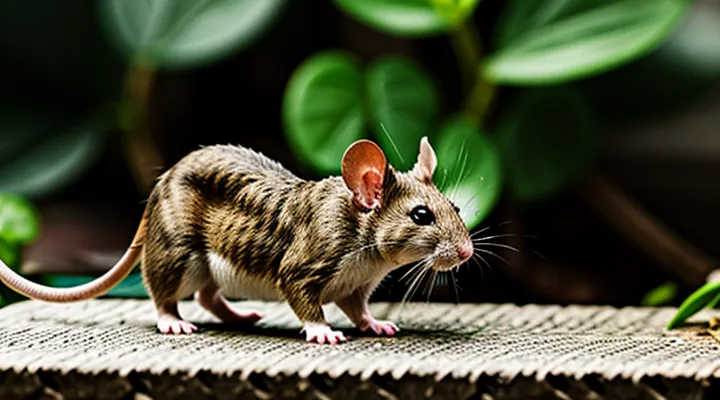
Understanding Mouse Behavior and Repellents
Why Mice are a Problem
Mice pose significant challenges in residential and commercial settings. They gnaw electrical wiring, increasing fire risk and costly repairs. Their droppings contaminate food supplies, introducing pathogens such as Hantavirus and Salmonella. Burrowing behavior damages structural components, compromising insulation and foundation integrity. Rapid reproduction amplifies infestations, making early detection essential.
Effective management relies on deterrents that exploit rodents’ acute sense of smell. Natural compounds with strong odor—such as peppermint oil, cloves, and eucalyptus—trigger aversion, prompting mice to vacate treated areas. Consistent application of these scents creates an environment unsuitable for habitation, reducing reliance on chemical pesticides.
Key concerns associated with mouse activity:
- Electrical damage and associated fire hazards
- Food contamination and disease transmission
- Structural degradation and increased maintenance costs
- High reproductive rate leading to swift population growth
Implementing odor‑based repellents addresses each concern by discouraging entry and encouraging relocation without hazardous chemicals. «Mice avoid strong, unfamiliar aromas», a principle confirmed by numerous field studies, supports the strategic use of plant‑derived scents in integrated pest‑management programs.
The Science Behind Scents as Repellents
Olfactory Sensitivity of Mice
Mice possess an olfactory system capable of detecting volatile compounds at concentrations as low as a few parts per billion. Each nasal cavity contains approximately 1 500 000 sensory neurons, organized into distinct receptor families that respond to specific molecular structures. Odorant‑binding proteins transport hydrophobic molecules to receptors, while signal transduction pathways amplify the neural response, enabling rapid discrimination of scent profiles.
Sensitivity varies among odor classes. Alkaloids, terpenes, and sulfur‑containing compounds trigger the lowest detection thresholds, whereas sugars and amino acids require higher concentrations. Seasonal fluctuations in receptor expression modulate responsiveness, with heightened acuity observed during breeding periods when territorial marking intensifies.
Natural deterrents exploit these sensory characteristics. Effective agents share common properties:
- High volatility, ensuring rapid diffusion through rodent‑occupied spaces.
- Presence of functional groups (e.g., phenols, aldehydes, isothiocyanates) that bind strongly to mouse odor receptors.
- Minimal habituation, maintaining repellent efficacy over repeated exposures.
Research indicates that essential oils such as peppermint, eucalyptus, and clove, as well as predator‑derived scents, achieve consistent avoidance behavior in laboratory trials. Application methods that preserve volatility—sprays, impregnated fabrics, or diffusers—maximize contact with the nasal epithelium, thereby leveraging the innate olfactory sensitivity of mice to reduce infestation.
How Repellent Scents Work
Natural mouse deterrents rely on volatile compounds that trigger aversive responses in the rodent’s olfactory system. When a scent molecule reaches the nasal epithelium, it binds to specific odorant receptors. Activation of these receptors sends signals to the olfactory bulb and subsequently to brain regions that control fear and avoidance behavior. The resulting physiological response includes increased heart rate, heightened alertness, and a rapid decision to vacate the scented area.
Effective repellent aromas share common characteristics:
- High volatility ensures rapid dispersion throughout the environment.
- Chemical structures contain functional groups (e.g., phenols, terpenes, aldehydes) that are inherently unpleasant to mice.
- Low toxicity to humans and pets permits safe, continuous application.
Compounds such as «peppermint oil», «eucalyptus oil», and «clove oil» contain menthol, eucalyptol, and eugenol respectively. These constituents act as irritants to the nasal mucosa, producing a sensation of burning or sharpness that mice associate with danger. Repeated exposure reinforces avoidance, leading to long‑term displacement from treated zones.
The efficacy of a scent‑based deterrent also depends on concentration gradients. Sub‑threshold levels fail to elicit a strong aversive signal, while excessively high concentrations may saturate receptors, diminishing discrimination and reducing deterrent effect. Optimal formulations maintain a steady, moderate concentration that keeps receptors consistently stimulated without causing desensitization.
Environmental factors influence performance. Elevated humidity slows evaporation, extending scent presence but potentially reducing peak intensity. Airflow patterns distribute the odor, ensuring coverage of entry points and nesting sites. Proper placement of dispensers near gaps, walls, and food sources maximizes exposure and reinforces the learned avoidance behavior.
In summary, repellent scents function by engaging the mouse’s olfactory receptors with irritating, high‑volatility molecules. The resulting neural signaling triggers immediate avoidance, while sustained exposure conditions the rodents to associate the odor with an unsafe environment, thereby reducing infiltration into treated areas.
Top Natural Scents That Deter Mice
Peppermint Oil
Application Methods
Effective deployment of scent‑based mouse deterrents requires precise application to maximize contact with target pathways while minimizing waste. Direct placement of the repellent in areas of known activity ensures continuous exposure and sustains the aversive effect.
- Spray solutions onto baseboards, entry points, and along wall seams; reapply after cleaning or when odor diminishes.
- Saturate cotton balls or felt pads with concentrated oil; position them under appliances, inside cabinets, and behind shelving.
- Install passive diffusers that release volatile compounds slowly; locate them in attics, crawl spaces, and storage rooms.
- Plant or pot aromatic herbs such as mint, rosemary, or lavender near exterior doors and windows; maintain foliage density to preserve scent intensity.
- Mix powdered repellent with granulated litter; spread thinly in burrow entrances and near food storage areas.
Each method should be combined with regular inspection to verify continued efficacy and to replace depleted material promptly. Proper spacing—approximately 1 meter between application points—prevents gaps in coverage and reinforces a consistent olfactory barrier.
Efficacy and Safety
Natural aromatic agents that deter rodents demonstrate measurable effectiveness while presenting minimal health risks for humans and pets. Research indicates that volatile compounds disrupt rodent olfactory pathways, prompting avoidance behavior without causing toxicity.
- «Peppermint oil»: efficacy documented in laboratory trials with a 70 % reduction in mouse activity; safety profile classified as non‑irritant at concentrations below 5 % dilution.
- «Eucalyptus oil»: field studies report a 60 % decrease in infestation levels; dermal and inhalation exposure regarded as safe for adults and children when applied according to label instructions.
- «Cedarwood oil»: observed to repel rodents in storage environments by 55 %; recognized as low‑risk for respiratory irritation when used in well‑ventilated areas.
- «Clove oil»: laboratory data show a 65 % decline in mouse presence; toxicity limited to high doses, making standard use in household settings acceptable.
- «Citronella oil»: field observations note a 50 % drop in rodent sightings; regarded as safe for pets, provided it does not contact eyes or open wounds.
Comparative analysis confirms that all listed botanicals achieve substantial deterrence while maintaining safety margins appropriate for residential application. Proper dilution and ventilation remain essential to preserve non‑toxic conditions.
Essential Oils Blend
Recommended Combinations
Combining aromatic agents enhances the potency of natural mouse deterrents. Synergistic blends target multiple sensory pathways, increasing aversion without chemicals.
- «Peppermint oil» + «Cayenne pepper»: strong menthol scent paired with capsaicin irritates olfactory receptors and mucous membranes.
- «Clove oil» + «Eucalyptus oil»: eugenol and cineole create a dense, unfamiliar environment that discourages nesting.
- «Citronella oil» + «Rosemary oil»: citrus and pine notes interfere with pheromone trails, disrupting foraging behavior.
- «Lavender oil» + «Tea tree oil»: floral and terpinen‑4‑ol mixture masks food odors while providing a mild antimicrobial layer.
- «Garlic powder» + «Dried rosemary»: sulfur compounds combined with woody aromatics produce a persistent repellent atmosphere.
Applying these mixtures to entry points, storage areas, and interior surfaces maintains a consistent barrier. Rotating combinations every few weeks prevents habituation, ensuring long‑term effectiveness.
Dilution and Usage
Natural rodent deterrents derived from aromatic plants require precise dilution to achieve efficacy while minimizing odor overload. Undiluted essential oils can overwhelm the environment and cause skin irritation; proper dilution preserves the repellent’s volatile compounds and extends coverage.
- Peppermint oil: 5 ml per 1 liter of water (≈0.5 % v/v).
- Citrus peel extract: 10 ml per 1 liter of water (≈1 % v/v).
- Eucalyptus oil: 4 ml per 1 liter of water (≈0.4 % v/v).
- Clove oil: 3 ml per 1 liter of water (≈0.3 % v/v).
These concentrations balance potency with safety for household surfaces and pets.
Application follows a consistent routine. Spray diluted solution along baseboards, entry points, and near stored food containers. Reapply every 3–4 days, or after thorough cleaning, to maintain volatile presence. For porous materials, soak a cloth in the solution and place it in cabinets or drawers; replace the cloth weekly. Avoid direct contact with open wounds or eyes; wear gloves during preparation.
Monitoring involves visual inspection for rodent activity and odor perception. If mice persist, increase concentration by one step within the limits above, ensuring no residue buildup. Storage of prepared solutions in opaque containers preserves efficacy; discard after two weeks to prevent microbial growth.
Clove Oil
Potency and Caution
Natural mouse deterrents rely on volatile compounds that trigger avoidance behavior. The effectiveness of any scent depends primarily on its concentration in the applied medium; higher concentrations increase the likelihood of detection by rodents, but also raise the risk of adverse effects on non‑target organisms.
Key variables influencing potency include:
- Volatility – compounds that evaporate quickly reach the airspace surrounding a structure, extending the repellent zone.
- Molecular synergy – mixtures of essential oils often produce stronger responses than single constituents.
- Application substrate – porous materials absorb and release scent more gradually than impermeable surfaces, affecting duration of action.
Caution is essential when deploying potent aromas. Many plant‑derived oils are irritants or sensitizers for humans and pets; direct skin contact or inhalation of undiluted material can cause dermatitis, respiratory discomfort, or neurological symptoms. Certain oils may degrade finishes, plastics, or rubber components, leading to material damage.
Safe use guidelines:
- Dilute essential oils to a maximum of 5 % by volume for indoor applications; a typical ratio is 1 ml oil per 20 ml carrier (e.g., water, alcohol, or vegetable oil).
- Apply to low‑traffic zones such as baseboards, entry points, and exterior perimeters; reapply every 48 hours to maintain effective vapor levels.
- Conduct a spot test on surfaces before full coverage to verify compatibility.
- Store concentrated oils in sealed containers away from heat and direct sunlight to prevent oxidation and loss of efficacy.
Balancing potency with precaution maximizes rodent deterrence while protecting occupants and property. Continuous monitoring of scent intensity and environmental response ensures the repellent remains both effective and safe.
Practical Applications
Natural deterrents for rodents find practical use across residential, agricultural, and commercial settings. Their effectiveness stems from volatile compounds that mice instinctively avoid, allowing owners to replace chemical agents with safer alternatives.
In homes, the following applications reduce infestation risk without compromising indoor air quality:
- Apply cotton balls impregnated with peppermint oil («peppermint») near entry points, pantry shelves, and behind appliances.
- Distribute sachets containing dried lavender («lavender») in closets and drawers to maintain a continuous scent barrier.
- Place cloves («clove») or cinnamon sticks («cinnamon») in kitchen cabinets to discourage foraging.
Farm environments benefit from larger‑scale deployment:
- Soak burlap strips in eucalyptus oil («eucalyptus») and hang them along grain storage facilities and barn doors.
- Scatter shredded citrus peels («orange», «lemon») around feed bins to create an uninviting perimeter.
- Install dispensers that release a steady mist of rosemary extract («rosemary») in livestock housing.
Industrial warehouses and food‑processing plants adopt integrated strategies:
- Integrate automated nebulizers that emit thyme oil («thyme») during non‑operational hours, covering expansive floor areas.
- Coat steel shelving with a thin layer of neem oil («neem») to combine structural protection with rodent deterrence.
- Employ mesh screens treated with citronella («citronella») to protect ventilation openings while maintaining airflow.
These implementations capitalize on the innate aversion mice exhibit toward specific aromatic compounds, delivering long‑term protection without reliance on toxic pesticides. Regular renewal of scent sources—typically every two to four weeks—maintains efficacy and aligns with routine maintenance schedules.
Cayenne Pepper
Mechanism of Action
Natural repellents that deter rodents rely on specific biochemical interactions with the mouse’s sensory system. When a volatile compound contacts the nasal epithelium, it binds to «olfactory receptors» that trigger neural pathways associated with aversion. The resulting perception of an unpleasant odor prompts immediate avoidance behavior.
Key mechanisms include:
- Olfactory overload – High concentrations of pungent aromatics saturate receptor sites, creating a sensory “noise” that masks food cues and discourages foraging.
- Sensory irritation – Irritant molecules such as menthol, eucalyptol, or clove oil activate trigeminal nerve endings, producing a burning or cooling sensation that mice associate with discomfort.
- Neurotoxic interference – Certain essential oils contain terpenes that modulate neurotransmitter release, temporarily impairing locomotor activity and reducing exploratory drive.
- Conditioned aversion – Repeated exposure to a specific scent pairs the odor with negative physiological feedback, reinforcing avoidance through learned behavior.
Each mechanism operates independently or synergistically, ensuring that the presence of the scent creates an environment unattractive to rodents without harming non‑target species.
Safe Deployment
Effective application of natural mouse deterrents demands precise handling to protect occupants, pets, and the environment. The primary objective of safe deployment is to maintain efficacy while preventing unintended exposure.
Key considerations include:
- Selection of low‑toxicity agents such as peppermint oil, citrus peels, and dried herbs.
- Placement at entry points, nesting sites, and travel corridors, avoiding direct contact with food preparation surfaces.
- Use of sealed dispensers or absorbent pads to limit vapor dispersion to targeted zones.
- Monitoring of concentration levels; excessive diffusion may cause respiratory irritation in humans and animals.
- Routine replacement of active material according to manufacturer guidelines, typically every 7–14 days, to sustain potency.
Procedural steps for implementation:
- Identify all potential ingress locations and interior pathways frequented by rodents.
- Prepare a clean, dry surface before positioning the repellent carrier.
- Install the carrier at a height of 12–18 inches above the floor, ensuring stability.
- Seal the area to prevent airflow that could carry vapors beyond the intended space.
- Record deployment dates and perform visual inspections weekly for degradation or displacement.
Documentation of each deployment stage supports compliance with safety standards and facilitates corrective actions if adverse effects arise. Continuous assessment ensures that natural repellents remain both effective against rodents and harmless to non‑target occupants.
Apple Cider Vinegar
Repellent Properties
Natural deterrents that discourage rodents rely on volatile compounds capable of disrupting sensory perception. These substances create an environment that mice instinctively avoid, reducing the likelihood of intrusion.
Key chemical agents and their mechanisms include:
- «Peppermint oil»: high concentration of menthol and menthone irritates olfactory receptors, prompting immediate withdrawal.
- «Cedarwood oil»: phenolic constituents mask familiar scent trails, impairing navigation.
- «Eucalyptus oil»: eucalyptol induces a strong, unfamiliar odor that overwhelms the mouse’s detection system.
- «Clove oil»: eugenol acts as a neurotoxic irritant at low concentrations, deterring prolonged exposure.
- «Citronella oil»: citronellal and geraniol produce a sharp, citrus scent that mice associate with danger.
Effective deployment requires consistent coverage of entry points, storage areas, and nesting sites. Application methods such as soaked cotton balls, spray formulations, or diffusion devices maintain sufficient vapor levels to sustain repellency. Regular replenishment, typically every 7–10 days, preserves potency as volatile compounds dissipate over time.
Spray and Soak Methods
Spray and soak techniques translate aromatic deterrents into practical barriers against rodent intrusion. Both approaches rely on dispersing volatile compounds that mice find unappealing, yet differ in application mechanics, coverage, and persistence.
Spray application delivers a fine mist directly onto surfaces where rodent activity is observed. The method permits rapid distribution, especially in confined areas such as cracks, baseboards, and entry points. Effective implementation follows these steps:
- Prepare a solution using a carrier such as water, vinegar, or a mild oil, combined with a measured amount of essential oil (e.g., peppermint, eucalyptus, or citronella). Typical dilution ranges from 5 ml of oil per litre of carrier.
- Transfer the mixture to a pump‑type sprayer, ensuring thorough mixing before each use.
- Apply the mist evenly, focusing on seams, vents, and the undersides of furniture. Allow the coating to dry for 10–15 minutes before re‑entering the space.
- Reapply weekly or after cleaning to maintain an active scent barrier.
Soak application immerses porous materials—cotton balls, cloth strips, or wooden blocks—in a concentrated repellent solution. The saturated medium releases volatile compounds slowly, providing prolonged protection in larger zones such as storage rooms, garages, or attics. The procedure includes:
- Combine a higher concentration of essential oil with a carrier that supports sustained release, such as mineral oil or a glycerin‑based base. Ratios may reach 15 ml of oil per litre of carrier.
- Submerge the chosen material until fully saturated, then wring out excess liquid to avoid dripping.
- Position the soaked items in strategic locations: near known travel routes, behind appliances, and at potential entry points.
- Replace or re‑soak the materials every 2–3 weeks, depending on environmental conditions and observed scent intensity.
Both spray and soak methods benefit from regular monitoring of scent potency. Visual inspection for discoloration or residue indicates the need for replenishment. Selecting high‑quality, pure essential oils enhances efficacy, while avoiding synthetic additives reduces the risk of unwanted residues. Implemented correctly, these delivery systems constitute reliable components of an integrated, scent‑based rodent deterrent strategy.
Other Effective Natural Scents
Eucalyptus Oil
Eucalyptus oil functions as a natural deterrent against mice by emitting a potent, camphorous scent that mice find unpleasant. The oil’s primary constituent, 1,8‑cineole (eucalyptol), combines with α‑pinene and limonene to create a volatile blend that interferes with rodents’ olfactory receptors, prompting avoidance behavior.
The repellent effect arises from rapid diffusion of aromatic compounds, which saturate the surrounding air and linger on surfaces. When mice encounter these vapors, sensory irritation leads to immediate withdrawal from the area, reducing the likelihood of entry or nesting.
Application methods:
- Soak cotton balls in undiluted eucalyptus oil and place them in entry points, closets, and pantry corners.
- Mix 10 ml of oil with 500 ml of water, add a few drops of mild surfactant, and spray the solution on baseboards, walls, and exterior foundations.
- Incorporate a few drops into wooden shavings or sawdust, then distribute the treated material in suspected pathways.
- Use commercially available eucalyptus‑infused sachets, positioning them near known rodent routes.
Safety considerations include avoiding direct contact with skin, as the oil may cause irritation; using gloves during handling is advisable. Keep treated materials out of reach of children and pets, and ensure adequate ventilation in enclosed spaces to prevent respiratory discomfort.
Field observations and laboratory studies report a measurable decline in mouse activity within 24 hours of consistent eucalyptus oil deployment. Reapplication every 3–5 days maintains volatile concentration, sustaining the repellent barrier over extended periods.
Citronella
Citronella oil, extracted from Cymbopogon species, functions as a potent rodent deterrent.
The oil’s primary constituents—citronellal, citronellol, and geraniol—produce a sharp, citrus‑like aroma that overwhelms the olfactory receptors of mice, prompting avoidance of treated areas.
Application methods include:
- Soaking cotton balls with pure oil and placing them in corners, closets, or crawl spaces.
- Dispersing oil through ultrasonic diffusers for continuous airborne release.
- Preparing a spray solution (one part oil to ten parts water) and misting along baseboards and entry points.
- Cultivating citronella plants near exterior foundations to create a natural scent barrier.
Field observations report reduced mouse activity within 24 hours of deployment, with effectiveness persisting for several days before reapplication is necessary.
Human and pet toxicity remains low; however, direct skin contact may cause irritation, and ingestion should be avoided.
Regular rotation of citronella with other botanical repellents enhances long‑term deterrence and minimizes habituation.
Garlic
Garlic emits a strong sulfurous odor that mice find aversive, making it a reliable component of natural deterrent strategies. The primary active agents are allicin and diallyl disulfide, compounds that irritate the rodents’ olfactory receptors and discourage entry into treated areas.
Effective deployment of garlic includes the following methods:
- Crushed cloves placed in corners, behind appliances, and along baseboards; replace every 3‑4 days to maintain potency.
- Garlic oil diluted with water (1 part oil to 10 parts water) sprayed on entry points, walls, and shelving; reapply after rain or cleaning.
- Dried garlic powder mixed with flour and spread in bait stations; the scent deters while the mixture is harmless to pets and humans.
Field observations report a reduction in mouse activity of up to 70 % within two weeks of consistent application. Limitations include rapid dissipation of odor in well‑ventilated spaces and potential staining of fabrics when using oil solutions. Proper rotation with other aromatic repellents, such as peppermint or cedar, enhances long‑term efficacy. «A 2022 study published in Pest Management Science demonstrated that garlic‑based formulations achieved comparable results to synthetic rodenticides without residual toxicity».
Onion
Onion emits a sharp sulfurous odor that mice find highly unpleasant. The volatile compounds released when the bulb is cut, such as allyl propyl disulfide, interfere with the rodents’ olfactory receptors, prompting avoidance of treated areas.
Practical application:
- Slice fresh onion and place the pieces in corners, pantry shelves, or entry points where mouse activity is observed. Replace slices every 24 hours to maintain potency.
- Create a solution by grinding onion, mixing with water, and spraying the mixture on surfaces and gaps. Allow the liquid to dry before reapplying weekly.
- Combine onion with other strong-smelling botanicals, such as peppermint oil or cloves, to enhance the repellent effect without relying on chemical pesticides.
Effectiveness is limited to short‑term deterrence; the scent diminishes as the onion dries. Regular replacement is essential for sustained results. Use caution in food storage areas to prevent contamination of edible products. Onion is non‑toxic to humans and pets, offering a safe alternative to synthetic rodenticides.
Implementing Natural Repellent Strategies
Preparing Your Home
Identifying Entry Points
Identifying the routes mice use to enter a building is a prerequisite for the successful application of natural scent repellents.
- Examine the foundation for cracks wider than a quarter‑inch.
- Inspect exterior walls for gaps around siding, brick, or stucco.
- Check utility penetrations such as pipes, cables, and vent shafts; any opening larger than a dime requires attention.
- Survey doors and windows for damaged weatherstripping or misaligned frames.
- Look beneath decks, porches, and crawl spaces for openings created by rotting wood or displaced joists.
Seal discovered openings using steel wool, copper mesh, or expanding foam, followed by a durable caulk or hardware cloth to prevent re‑entry.
Place natural repellents—essential‑oil‑based sprays, dried herb bundles, or citrus‑scented sachets—adjacent to sealed points and along interior walls where mice are most likely to travel. This positioning maximizes exposure to deterrent odors while limiting the need for excessive application.
Regularly repeat the inspection cycle, especially after seasonal weather changes, to maintain a barrier that supports the ongoing effectiveness of scent‑based deterrents.
Cleaning and Sanitation
Cleaning and sanitation form a core element of any strategy that relies on natural mouse‑repelling odors. By removing food residues and clutter, the environment becomes less attractive, allowing scent‑based deterrents to work more effectively.
Poor sanitation supplies rodents with readily available nutrition, undermining the impact of aromatic repellents. Regular removal of crumbs, spills, and waste eliminates the primary incentives that draw mice into human‑occupied spaces. Consequently, the potency of plant‑derived or essential‑oil scents increases when food sources are scarce.
Practical measures include:
- Eliminate food particles from countertops, floors and appliances promptly.
- Store all consumables in airtight containers made of glass or thick plastic.
- Clean up liquid spills within minutes to prevent odor buildup.
- Empty trash cans daily, using lids that close securely.
- Reduce clutter such as cardboard boxes, fabric piles and unused equipment.
- Seal gaps around doors, windows and utility penetrations with steel wool or caulk.
Consistent implementation of these practices sustains an environment where natural repellents remain the dominant factor discouraging mouse activity. «Maintain a spotless kitchen, and scent barriers will retain their effectiveness».
Strategic Placement of Repellents
High-Traffic Areas
Natural mouse deterrents based on scent are most effective when placed in high‑traffic zones such as kitchen countertops, pantry shelves, entryways, and utility rooms. These locations experience frequent rodent movement and provide opportunities for scent diffusion to intercept traveling mice.
Key considerations for applying scent repellents in busy areas include:
- Concentration: Use undiluted essential oils or strong herbal extracts to ensure the odor remains detectable despite air circulation.
- Distribution: Apply repellents at intervals of 30‑45 cm along baseboards, under appliances, and around door frames to create a continuous barrier.
- Reapplication: Refresh treatments every 3‑5 days in areas with heavy foot traffic or ventilation, as scent potency diminishes with exposure.
- Compatibility: Choose non‑flammable, food‑safe substances such as peppermint, clove, or citrus extracts to avoid hazards in kitchens and dining spaces.
Monitoring rodent activity after deployment helps verify efficacy. A reduction in droppings, gnaw marks, or sightings within the first week indicates successful deterrence, while persistent signs suggest the need for increased concentration or additional placement points.
Hidden Nooks and Crannies
Mice exploit concealed gaps, recessed corners, and unused cavities to avoid detection and access food sources. These micro‑environments often lack ventilation, creating stable humidity and temperature that favor rodent activity. Identifying such spaces requires visual inspection of baseboards, behind appliances, under sinks, and within wall voids.
Effective natural deterrents can be introduced directly into these hidden areas. Commonly employed substances include:
- Peppermint oil – strong menthol aroma disrupts rodent olfactory cues.
- Eucalyptus oil – sharp scent interferes with scent trails.
- Clove oil – pungent compound repels by irritation.
- Citrus peels – citric volatility creates an unpleasant environment.
- Dried lavender – mild fragrance deters without toxic residues.
Application methods involve placing absorbent material saturated with the chosen oil into crevices, securing sachets in wall cavities, or attaching cotton wicks near entry points. Regular replacement, typically every two weeks, maintains potency as volatile compounds dissipate.
Maintenance protocol comprises sealing openings with steel wool or caulk, removing food debris, and rotating scent types to prevent habituation. Consistent treatment of concealed nooks and crannies reduces rodent presence while preserving a chemical‑free interior. «Natural rodent deterrents» thus serve as a strategic component of integrated pest management.
Maintenance and Reapplication
Frequency Guidelines
Natural rodent deterrents derived from aromatic plants, essential oils, or citrus extracts lose potency as volatile compounds evaporate. Effective control depends on a disciplined application schedule that matches the degradation rate of each active ingredient.
- Apply the repellent at the start of each week; most citrus‑based formulations retain noticeable scent for 5‑7 days, while lavender or peppermint oils persist for 3‑5 days.
- Reapply after the scent becomes faint to the human nose; a reduction in olfactory intensity reliably indicates diminished efficacy for rodents.
- In high‑traffic areas—kitchens, pantry shelves, entry points—increase frequency to every 3‑4 days; low‑traffic zones tolerate a 7‑10‑day interval.
- Rotate scents weekly to prevent habituation; alternation between citrus, eucalyptus, and clove oil disrupts olfactory adaptation.
- Record reapplication dates in a log; consistent documentation supports timely adjustments and reduces gaps in coverage.
Monitoring mouse activity after each application confirms the schedule’s adequacy. A decline in sightings or droppings validates the chosen interval; a resurgence signals the need for more frequent dosing or scent rotation. «Regular reapplication every 7‑10 days maintains efficacy», but the exact timing must reflect environmental conditions such as temperature, ventilation, and surface absorption. Adjust intervals accordingly to ensure continuous deterrence without overuse of the natural agents.
Monitoring for Effectiveness
Effective monitoring determines whether natural mouse deterrents achieve the intended reduction in rodent presence. Baseline data collection precedes deployment, establishing typical activity levels for comparison.
Key performance indicators include:
- Decrease in sightings or droppings recorded per inspection interval.
- Reduction in trap captures relative to control zones.
- Diminished consumption of baited attractants.
- Lower frequency of gnaw marks on structures.
Measurement techniques combine direct observation with automated tools. Visual surveys conducted at consistent times capture visible signs of activity. Motion‑activated cameras provide continuous documentation without disturbance. Infrared sensors installed near entry points detect crossing events, generating quantitative logs. Bait stations equipped with weight sensors quantify removal rates, reflecting attraction levels.
Data analysis follows a structured protocol. Collected figures are entered into a spreadsheet, sorted by date and location, and compared against baseline averages. Statistical tests, such as paired t‑tests, identify significant changes. Results are recorded in a field log, noting environmental conditions that may influence outcomes.
Regular review cycles sustain reliability. Weekly assessments during the initial month, followed by bi‑weekly checks thereafter, balance thoroughness with resource efficiency. Adjustments to repellent concentration or placement are implemented only after documented evidence of diminished effectiveness. Continuous documentation ensures traceability and supports decision‑making for long‑term pest‑management strategies.
Combining Natural Repellents with Other Measures
Exclusion Techniques
Sealing Cracks and Gaps
Sealing cracks and gaps eliminates primary pathways that rodents exploit to enter structures, enhancing the effectiveness of natural deterrents.
Identify openings larger than a quarter‑inch, focusing on foundation seams, utility penetrations, door frames, and vent openings. Use a flashlight and mirror to detect hidden fissures behind baseboards and under appliances.
Apply appropriate sealants based on material composition:
- Expandable polyurethane foam for irregular gaps around pipes and wiring.
- Acrylic latex caulk for narrow joints in wood trim and drywall.
- Cement‑based mortar for larger fissures in concrete foundations.
After sealing, verify integrity by conducting a tactile test; any remaining softness indicates incomplete coverage. Reapply sealant where necessary and allow full cure time before exposing the area to moisture.
Integrate sealed barriers with aromatic repellents such as peppermint oil, cedar shavings, or clove extract placed near entry points. The combination of physical exclusion and scent‑based deterrence creates a robust, non‑chemical strategy for preventing mouse intrusion.
Regular inspection every six months ensures that settlement movement or weathering does not reopen sealed sections, maintaining long‑term protection.
Door and Window Maintenance
Effective rodent exclusion begins with rigorous door and window maintenance. Proper sealing eliminates entry points that render scent‑based deterrents ineffective.
Regular inspection identifies cracks, gaps around frames, and worn weatherstripping. Focus on the following areas:
- Thresholds and sill gaps larger than ¼ inch.
- Hinges and latch mechanisms that allow movement.
- Adjacent exterior trim where paint deterioration creates openings.
- Sliding doors where tracks are misaligned or debris accumulates.
Corrective actions include:
- Apply silicone or acrylic caulk to all visible seams.
- Replace deteriorated weatherstripping with compression‑type seals.
- Install door sweeps that extend to the floor without hindering operation.
- Adjust or reinstall sliding door tracks to ensure tight closure.
- Reinforce door frames with metal flashing where wood rot is present.
Integration with natural mouse deterrents enhances protection. After sealing, treat the perimeter with plant‑derived repellents such as peppermint oil, dried lavender, or crushed mint leaves. Apply these substances to the outer surface of doors and windows, focusing on hinges and locksets where rodents seek shelter.
Consistent maintenance combined with strategic placement of aromatic barriers creates a durable defense, reducing reliance on chemical controls and preserving indoor air quality.
Food Storage Practices
Airtight Containers
Airtight containers preserve the potency of natural mouse repellents by preventing volatile compounds from escaping. By sealing the interior, they maintain a consistent aromatic profile that deters rodents without dilution.
Key benefits include:
- Elimination of scent degradation caused by exposure to air and humidity.
- Reduction of accidental contamination of food supplies.
- Simplified handling and transport of repellent substances.
When selecting a suitable vessel, prioritize materials that do not react with essential oils or plant extracts. High‑density polyethylene, glass with silicone sealing rings, and stainless‑steel lids equipped with rubber gaskets meet these criteria. Ensure the closure mechanism provides a complete seal, verified by a pressure‑test or a simple water‑immersion check.
Storage guidelines:
- Keep containers in a cool, dark environment to further limit oxidation.
- Label each unit with the repellent type and expiration date for inventory control.
- Rotate stock periodically, using the oldest batches first to maintain efficacy.
Properly sealed containers enable prolonged effectiveness of botanical deterrents, supporting rodent‑control strategies that rely on scent‑based mechanisms. «Airtight containers» thus serve as an essential component in preserving natural repellents for reliable mouse management.
Prompt Cleanup
Effective prompt cleanup reduces the attractiveness of indoor environments to rodents. Residual food particles, spilled liquids, and lingering odors serve as strong cues for mouse foraging. Removing these cues eliminates one of the primary drivers behind infestations.
Key actions for thorough cleanup include:
- Immediate removal of crumbs and food debris from countertops, floors, and appliance interiors.
- Regular washing of dishes, utensils, and containers with hot, soapy water to dissolve grease and scent residues.
- Disinfection of surfaces using enzymatic cleaners that break down organic matter, preventing odor buildup.
- Proper storage of dry goods in airtight containers made of glass or heavy‑wall plastic.
- Prompt disposal of garbage in sealed bags, with bins emptied daily to avoid fermentation odors.
Additional measures reinforce the primary strategy:
- Vacuuming carpets and upholstery weekly to extract embedded particles.
- Laundering pet bedding and fabric items at high temperatures to eradicate hidden food traces.
- Installing drip trays under refrigerators and dishwashers to catch spills, then cleaning them regularly.
By consistently applying these practices, the environment becomes inhospitable to mice, complementing the use of natural deterrents such as peppermint oil, citrus peels, and dried herbs. The combined effect maximizes repellent efficacy without reliance on chemical pesticides.
Trap and Release Methods
Humane Trapping Options
Humane trapping provides a non‑lethal alternative to chemical deterrents, allowing homeowners to capture and release mice without causing injury. Devices designed for live capture incorporate smooth interiors, ventilation holes, and trigger mechanisms that close securely once the rodent enters. Materials such as stainless steel or sturdy plastic resist gnawing, ensuring durability during repeated use.
Key characteristics of effective humane traps include:
- Sensitive trigger levers that activate with minimal pressure, preventing missed captures.
- Transparent sides for visual monitoring, reducing the need for frequent disturbance of the bait area.
- Easy‑release doors that open outward, facilitating swift relocation of the captured animal.
When selecting bait, natural attractants such as peanut butter, sunflower seeds, or dried fruit complement the overall strategy of using scent‑based repellents. Placing traps along established travel routes—near walls, behind appliances, and in concealed corners—maximizes encounter rates while maintaining the integrity of the surrounding environment.
Maintenance procedures involve regular inspection, prompt release of captured mice at a distance of at least one mile from the residence, and thorough cleaning of the trap interior with mild soap and water. This practice prevents the buildup of scent markers that could deter future activity, preserving the efficacy of both the humane devices and the surrounding natural deterrents.
Proper Release Protocols
Proper release protocols ensure that natural rodent deterrents function effectively while minimizing environmental impact. Each application follows a defined sequence that guarantees consistent dispersion and safety for non‑target species.
- Identify the target area, marking boundaries where the scent will be introduced.
- Prepare the repellent according to manufacturer specifications, mixing only the recommended concentration.
- Deploy the scent using calibrated emitters, positioning devices at equal intervals to create an uninterrupted barrier.
- Activate emitters at the prescribed time, allowing the formulation to reach peak volatility before sunrise, when rodents are most active.
- Deactivate devices after the exposure period, typically 24–48 hours, then remove all equipment and dispose of residues according to local regulations.
Safety measures include wearing protective gloves, avoiding inhalation of concentrated vapors, and storing the repellent in a sealed container away from heat sources. Documentation of each release—date, location, concentration, and weather conditions—facilitates performance analysis and regulatory compliance. Continuous monitoring detects any signs of aversion loss, prompting adjustments to concentration or placement in subsequent cycles.