
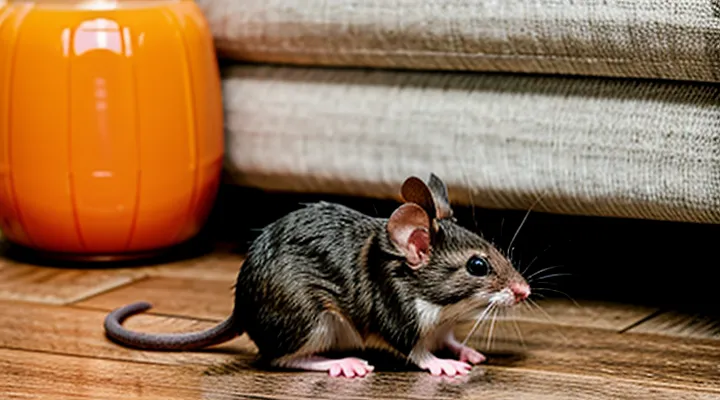
Understanding the Challenge of Pet-Safe Rodent Control
The Dangers of Traditional Rodenticides
Secondary Poisoning Risks
Rodent control agents marketed as pet‑friendly often rely on low toxicity to mammals, yet secondary poisoning remains a measurable threat when a cat, dog, or wildlife predator consumes a poisoned rodent. The risk stems from the toxin’s persistence in the rodent’s tissues, the amount ingested, and the predator’s metabolic capacity to detoxify the compound.
Primary concerns include:
- Anticoagulant baits that retain active ingredients in the liver and kidneys of the target rodent, providing a delayed lethal effect that can be transferred to a secondary consumer.
- Neurotoxic substances such as bromethalin that accumulate in the central nervous system, creating a cumulative dose when multiple poisoned prey are eaten.
- Metal‑based poisons (e.g., zinc phosphide) that release phosphine gas upon digestion, potentially harming a scavenger that ingests the carcass.
Factors influencing secondary toxicity:
- Dose transferred – larger rodents contain more toxin, raising the exposure level for the secondary consumer.
- Species susceptibility – carnivores with limited detoxification pathways (e.g., feral cats) experience higher morbidity than omnivores with more robust liver enzymes.
- Frequency of exposure – repeated ingestion of sublethal amounts can lead to chronic effects, even when each individual dose falls below the acute toxicity threshold.
Mitigation strategies:
- Choose baits formulated with rapid‑acting, non‑persistent agents that degrade within hours after ingestion, minimizing residue in the rodent’s body.
- Deploy bait stations that restrict access to non‑target animals, reducing the chance of accidental consumption and subsequent secondary transfer.
- Monitor rodent mortality and promptly remove carcasses from areas where pets or wildlife roam, eliminating the source of secondary exposure.
- Educate owners about the signs of secondary poisoning, such as unexplained lethargy, bleeding disorders, or neurological deficits, to ensure swift veterinary intervention.
By prioritizing formulations with low bioaccumulation and implementing strict control measures, the likelihood of secondary poisoning can be reduced to a level compatible with household pet safety and responsible wildlife stewardship.
Environmental Concerns
Pet‑friendly rodent control products must meet stringent environmental standards to avoid collateral damage to ecosystems. Manufacturers design formulations that limit toxicity to non‑target organisms, reduce persistence in soil, and prevent leaching into waterways.
Key environmental considerations include:
- Non‑target wildlife safety – active ingredients are selected for low acute toxicity to birds, beneficial insects, and mammals other than the intended rodent species.
- Soil degradation – biodegradable carriers decompose within weeks, preventing long‑term accumulation of chemicals that could alter microbial communities.
- Water contamination – low solubility and rapid breakdown minimize the risk of runoff entering streams, lakes, or groundwater.
- Bioaccumulation potential – compounds are chosen for rapid metabolism and excretion in wildlife, reducing the chance of upward trophic transfer.
- Regulatory compliance – products adhere to EPA and international guidelines for environmental impact, ensuring that labeling reflects permissible use zones and disposal methods.
Effective environmental stewardship also requires proper application techniques. Users should place bait stations in sealed, tamper‑proof units, locate them away from food preparation areas, and follow manufacturer instructions for disposal of expired or unused material. These practices limit exposure to native flora and fauna while maintaining the intended pest‑control efficacy.
Why Pet Safety is Paramount
Pet safety dictates every decision when selecting rodent‑control products. Rodent infestations threaten property and health, yet many toxic baits pose a direct danger to cats and dogs that share the same environment.
Key reasons pet safety dominates the choice of rodent control solutions:
- Toxic compounds can cause rapid neurological or cardiovascular failure after a single bite.
- Accidental ingestion often occurs when baits are left unsecured on floors or countertops.
- Veterinary treatment for poison exposure is costly and may not guarantee recovery.
- Legal exposure increases when a household animal is harmed by a product marketed for indoor use.
- Ethical responsibility to protect non‑target animals aligns with responsible pet ownership.
Effective product selection follows strict criteria:
- Active ingredients classified as low‑toxicity for mammals, such as vitamin‑based anticoagulants with delayed action.
- Formulations designed to deter non‑target species through taste or scent modifications.
- Packaging that includes child‑ and pet‑proof locking mechanisms.
- Clear labeling that specifies safe placement distances from feeding areas and sleeping quarters.
Practical steps to safeguard pets include:
- Position baits behind appliances, under cabinets, or within sealed bait stations inaccessible to animals.
- Use mechanical traps that capture rodents without lethal chemicals when pets are present.
- Regularly inspect bait stations for signs of tampering or accidental displacement.
- Keep veterinary contact information readily available in case of suspected exposure.
Exploring Pet-Safe Rodent Control Alternatives
Non-Toxic Bait Options
Botanical Repellents
Botanical repellents provide an effective, non‑lethal alternative for managing rodent activity while protecting dogs, cats, and other companion animals. These plant‑derived compounds deter mice by exploiting their acute sense of smell, disrupting feeding behavior without introducing toxic substances into the home environment.
Common botanical agents include:
- Peppermint oil – strong menthol scent overwhelms mouse olfactory receptors; dilute with water and spray along baseboards and entry points.
- Eucalyptus oil – contains eucalyptol, which repels rodents; apply similarly to peppermint.
- Clove oil – high eugenol concentration acts as a deterrent; use a few drops on cotton balls placed in concealed areas.
- Citronella – volatile compounds mask food odors, reducing attraction; disperse via scented sachets.
- Cedar oil – natural insecticidal properties extend to rodents; treat wood surfaces or use cedar blocks.
Safety considerations:
- Verify that the chosen oil is diluted to a concentration safe for pets; undiluted oils can cause skin irritation or respiratory distress.
- Conduct a spot test on surfaces to prevent discoloration.
- Keep treated cotton balls or sachets out of reach of curious animals; most botanicals are low‑toxicity but may cause gastrointestinal upset if ingested in large amounts.
- Reapply every 2–3 weeks, or after cleaning, to maintain efficacy.
Integration with an overall rodent‑prevention plan enhances results. Seal gaps around doors, windows, and utility penetrations; eliminate food sources by storing waste in sealed containers; maintain regular cleaning of crumbs and spills. When botanical repellents are combined with physical barriers, the likelihood of mouse intrusion declines markedly without jeopardizing pet health.
Food-Based Deterrents
Food‑based deterrents offer a practical way to discourage mice without exposing cats, dogs, or other pets to toxic chemicals. These products rely on flavors or textures that are unappealing to rodents, creating a barrier that reduces the likelihood of entry into homes and storage areas.
The principle behind each deterrent is simple: mice possess a heightened sensitivity to certain taste compounds, such as bitter or pungent substances, and to strong olfactory cues. When these agents are incorporated into food‑grade matrices, rodents avoid contact while the formulation remains safe for consumption by pets, provided the products are used according to label directions.
- Capsaicin‑infused oil: a concentrated chili extract that triggers a burning sensation in rodent oral receptors; pet exposure is harmless when applied to perimeter zones.
- Bitter almond extract: delivers a pronounced almond‑bitter flavor that mice reject; non‑toxic to dogs and cats at recommended concentrations.
- Peppermint oil beads: emit a strong menthol aroma that interferes with mouse scent trails; safe for households with pets when placed out of direct reach.
- Garlic‑based powder: contains allicin, which repels rodents; formulated to avoid gastrointestinal irritation in pets.
- Citrus peel granules: release limonene vapors unattractive to mice; biodegradable and pet‑friendly.
Safety considerations require strict adherence to application guidelines: place deterrents in concealed gaps, behind appliances, or along baseboards where pets cannot ingest large quantities. Store any concentrated formulations in sealed containers away from animal feeding areas. Monitor for signs of irritation in pets, such as excessive licking or vomiting, and discontinue use if symptoms appear. Combine food‑based deterrents with physical exclusion methods—such as sealing entry points and maintaining a clean environment—to enhance overall efficacy.
By selecting products that employ naturally repellent compounds, homeowners can manage rodent activity while preserving the health of companion animals. The approach minimizes reliance on lethal poisons and aligns with responsible pest‑control practices.
Humane Trapping Methods
Live Traps
Live traps provide a humane alternative to chemical rodenticides, eliminating mice without introducing toxins that could affect cats, dogs, or other pets. The devices consist of a concealed chamber that lures a rodent with bait and secures it once entry occurs, allowing the animal to be released outdoors far from the home.
Key characteristics of effective live traps:
- Design: Spring‑loaded doors or drop‑gate mechanisms close automatically when the mouse triggers a pressure plate.
- Size: Chambers sized for common house mice (approximately 4–5 inches long) prevent capture of larger, non‑target species.
- Material: Durable plastic or metal construction resists chewing and simplifies cleaning.
- Bait options: Peanut butter, oats, or small pieces of fruit attract mice while remaining unattractive to most pets.
Advantages for pet‑friendly pest control:
- Zero chemical exposure: No poison residues remain in the environment, eliminating ingestion risks for curious dogs or cats.
- Target specificity: Proper placement and bait selection reduce accidental capture of non‑rodent animals.
- Reusability: Traps can be emptied, sanitized, and redeployed, offering a cost‑effective long‑term solution.
Operational guidelines:
- Position traps along walls, behind appliances, or near known gnawing sites, as mice travel close to surfaces.
- Check traps at least twice daily; prolonged confinement can cause stress or injury to the captured mouse.
- Release captured rodents at least 100 feet from the residence, preferably in a wooded or field area, to discourage return.
- Clean traps with mild detergent after each use to remove scent trails that might deter future captures.
When integrating live traps into a broader rodent‑management plan, combine them with sealing entry points, removing food sources, and maintaining clutter‑free zones. This multi‑layered approach maximizes control effectiveness while safeguarding household pets from harmful substances.
Snap Traps with Safety Features
Snap traps equipped with safety mechanisms provide an effective, non‑chemical option for rodent control while protecting household pets. The devices replace toxic baits with a physical capture method, eliminating the risk of accidental ingestion by cats or dogs.
Key safety elements include:
- Enclosed killing chamber that isolates the mouse from the exterior.
- Trigger guard that requires a specific pressure pattern, preventing activation by larger animals.
- Tamper‑resistant latch that cannot be opened without a tool.
- Low‑profile design that reduces visibility and access for curious pets.
Proper placement maximizes results and minimizes unintended contact. Position traps along walls, behind appliances, or in concealed corners where mice travel. Ensure the trap’s opening faces the wall, limiting exposure to non‑target species. Check traps daily; dispose of captured rodents in sealed containers and reset the mechanism promptly.
Routine maintenance preserves functionality. Clean the trigger mechanism with mild soap and water, inspect spring tension for wear, and replace worn components according to the manufacturer’s schedule. Consistent upkeep maintains reliable performance and upholds pet safety standards.
Exclusion and Prevention Strategies
Sealing Entry Points
Sealing gaps and openings eliminates the need for frequent use of pet‑friendly rodent baits, thereby protecting household animals while maintaining effective mouse control.
Typical access points include:
- Gaps around utility pipes and cables
- Cracks in foundation walls or basement floors
- Openings beneath doors and windows
- Holes in exterior siding or roof eaves
- Unsealed vents and chimney flues
Effective sealing methods involve:
- Expanding foam for irregular gaps larger than ¼ inch
- Steel wool combined with caulk for holes up to ½ inch, preventing chewing
- Silicone or acrylic caulk for narrow cracks in interior walls
- Weatherstripping on door and window frames to block entry while preserving ventilation
- Metal flashing or mesh for larger openings around vents and chimneys
Regular inspection ensures integrity of the barriers. Inspect all sealed areas quarterly, repair any new cracks promptly, and test for mouse activity with non‑lethal monitoring devices.
When combined with non‑toxic mouse baits formulated for animal safety, sealed entry points create a comprehensive strategy that reduces reliance on chemical control, safeguards pets, and maintains a rodent‑free environment.
Sanitation and Food Storage
Effective sanitation and proper food storage are essential components of a rodent‑control strategy that minimizes reliance on toxic baits and protects household animals.
Maintaining a clean environment removes attractants that draw mice into living spaces. Regularly wipe countertops, sweep floors, and clean under appliances. Dispose of garbage daily in sealed containers to prevent odor buildup. Eliminate standing water and fix leaks, as moisture encourages rodent activity.
Secure food items to deny rodents access. Store dry goods in airtight, rodent‑proof containers made of glass, metal, or heavy‑wall plastic. Transfer opened packages to sealed containers promptly. Keep pantry shelves organized, positioning items away from walls to facilitate inspection.
Implementing these practices reduces the likelihood of infestation, allowing the use of pet‑friendly rodent control products only when necessary. When such products are employed, follow label instructions precisely: place baits in tamper‑resistant stations, locate them out of reach of cats and dogs, and monitor placement regularly.
Key sanitation and storage actions:
- Clean spills immediately; wipe surfaces with disinfectant.
- Seal trash bins with tight‑fitting lids; empty them frequently.
- Store all food in containers with snap‑lock or screw‑top closures.
- Rotate pantry stock; discard expired items.
- Inspect storage areas weekly for signs of gnawing or droppings.
- Position bait stations near walls, away from pet activity zones.
By integrating rigorous cleanliness with secure food storage, households can control mouse populations effectively while safeguarding pets from accidental exposure to rodenticides.
Evaluating Commercial "Pet-Safe" Products
Understanding Product Labels
Active Ingredients Analysis
Active ingredient analysis is essential for selecting rodent control products that pose minimal risk to companion animals. The most commonly employed compounds in pet‑friendly formulations include:
- Bromadiolone (low‑dose variants): Anticoagulant with a therapeutic index that allows safe exposure levels for cats and dogs when used at concentrations below 0.005 %. Requires strict adherence to placement guidelines.
- Diphacinone (micro‑dose): Second‑generation anticoagulant; toxicity in pets is reduced by limiting bait size to 0.25 g and incorporating bittering agents.
- Cholecalciferol (vitamin D₃): Causes hypercalcemia in rodents; mammals exhibit a higher tolerance threshold, making it suitable for environments with dogs or cats when dosage does not exceed 0.02 % of total bait weight.
- Zinc phosphide (controlled‑release): Releases phosphine gas upon ingestion; mammals metabolize the compound more efficiently, but accidental large doses remain hazardous, so use is restricted to sealed bait stations.
- Sodium fluoroacetate (FA): Potent metabolic inhibitor; pet safety achieved through encapsulation that limits bioavailability to rodents only.
Regulatory agencies classify these substances based on acute oral LD₅₀ values for dogs and cats. For example, bromadiolone’s LD₅₀ in dogs exceeds 120 mg kg⁻¹, whereas in rats it is approximately 2 mg kg⁻¹, providing a therapeutic margin. Manufacturers must disclose concentration, bait size, and bitterant inclusion on product labels; compliance with these specifications enables safe deployment in households with pets.
Analytical testing—high‑performance liquid chromatography (HPLC) and gas chromatography‑mass spectrometry (GC‑MS)—verifies active ingredient purity and detects contaminants that could increase mammalian toxicity. Routine batch testing ensures that the final product meets the defined safety thresholds and remains effective against mouse populations.
Implementing these guidelines, pest managers can choose rodent control agents that deliver lethal effects on target species while maintaining a low probability of adverse outcomes for dogs and cats.
Safety Claims Verification
Safety claim verification for rodent control products marketed as pet‑friendly demands objective evidence rather than marketing language. Regulatory agencies require manufacturers to substantiate statements that a bait will not cause toxicity in cats, dogs, or other household animals. Verification begins with a review of the product’s ingredient list against established toxicological thresholds for common pets.
- Identify active and inert ingredients; cross‑reference each with species‑specific LD₅₀ data.
- Compile peer‑reviewed toxicology studies that demonstrate low systemic absorption in mammals.
- Obtain certification from accredited third‑party laboratories that conduct acute and chronic exposure tests.
- Confirm that labeling complies with jurisdictional requirements for hazard symbols, precautionary statements, and dosage limits.
- Conduct controlled field trials that monitor accidental ingestion incidents in environments containing pets.
- Implement post‑market surveillance to capture real‑world adverse event reports and update safety dossiers accordingly.
Manufacturers must retain comprehensive documentation of all testing protocols, results, and certifications. Regulators enforce compliance through periodic audits and can impose corrective actions when evidence falls short. Consumers should verify that products display current third‑party seals and reference specific toxicology data before use. Continuous verification ensures that rodent control solutions fulfill their pet‑safety promises without compromising efficacy.
DIY Solutions and Their Efficacy
Natural Pest Control Recipes
When rodents threaten a home, owners often fear that conventional baits could endanger cats, dogs, or other companions. Natural formulations that target mice while remaining non‑toxic to pets offer a practical alternative. These solutions rely on ingredients that are lethal to rodents but recognized as safe for mammals when used as directed.
A typical recipe combines food‑grade diatomaceous earth, powdered cayenne pepper, and a small amount of attractive bait such as peanut butter. Mix two parts diatomaceous earth with one part cayenne pepper, then stir in enough peanut butter to create a pliable paste. Form small pellets, place them in concealed entry points, and replace them every few days. The abrasive particles damage the mouse’s exoskeleton, while the capsaicin irritates its respiratory system, leading to rapid cessation of activity without posing a poisoning risk to pets.
Another approach uses a blend of dried mint leaves, powdered garlic, and rolled oats. Combine equal portions of mint and garlic, then coat rolled oats with the mixture using a light mist of water to improve adhesion. Position the coated oats in bait stations that feature a one‑way entry tunnel. The strong aromas deter larger animals, and the combination proves unappealing to cats and dogs, yet remains highly attractive to mice.
A third option employs a solution of vinegar and cornmeal. Dissolve one cup of white vinegar in two cups of water, then stir in half a cup of cornmeal until the mixture thickens. Spread thin layers on parchment paper, allow it to dry, and break into small flakes. Place flakes near suspected nesting sites. The acidic environment disrupts the mouse’s digestive system, while the cornmeal provides a palatable lure. Pets typically avoid the strong vinegar odor, reducing accidental ingestion.
Key considerations for effective and pet‑safe deployment include:
- Locate bait where only rodents can access it, such as behind appliances or within wall voids.
- Use sealed containers or one‑way entry devices to prevent pets from reaching the mixture.
- Monitor bait stations regularly and dispose of any unused material according to local waste guidelines.
- Keep all preparations out of direct sunlight to maintain potency.
By adhering to these protocols, homeowners can manage mouse infestations with natural, animal‑friendly solutions that eliminate the need for hazardous chemicals.
Considerations for Homemade Remedies
When preparing a DIY mouse deterrent that will not endanger household animals, several factors must be evaluated before mixing ingredients.
- Choose substances that are toxic to rodents but have a low toxicity profile for dogs and cats. Examples include certain essential oils (e.g., peppermint, eucalyptus) at concentrations proven ineffective against mammals but repellent to mice.
- Verify that any food‑based bait (such as peanut butter or oatmeal) does not contain additives like chocolate, raisins, or xylitol, which are hazardous to pets.
- Ensure the final mixture remains inaccessible to pets. Apply bait in sealed traps, behind appliances, or in recessed wall voids, and keep containers tightly closed when not in use.
- Test the formulation on a small, isolated area to confirm that it does not cause allergic reactions or irritation to pet skin or respiratory tracts.
- Record the exact quantities of each component. Precise measurements prevent accidental overdosing, which could increase risk to non‑target animals.
- Store all ingredients in a locked cabinet, away from pet feeding stations and children's reach.
Safety also depends on proper disposal. After a trap is triggered, wear gloves, place the mouse and any remaining bait in a sealed bag, and discard it according to local wildlife regulations. Clean the trap with a pet‑safe disinfectant to remove residue that could attract other animals.
By adhering to these guidelines, a homemade mouse deterrent can be effective against rodents while maintaining a safe environment for companion animals.
Implementing an Integrated Pest Management Approach
Assessing Your Specific Situation
Identifying Rodent Species
Identifying the specific rodent causing an infestation is essential for selecting a control product that protects household animals. Different species vary in size, behavior, and susceptibility to active ingredients; using a formulation designed for one species may be ineffective or pose unnecessary risk to pets.
Key characteristics for the most common pests:
- House mouse (Mus musculus) – body length 2–4 in, tail equal to body, gray‑brown fur, small rounded ears; frequent indoor activity, droppings ½ in long, black, pointed.
- Roof rat (Rattus rattus) – body 5–8 in, tail longer than body, sleek black or brown coat, large ears; prefers elevated locations, droppings ¾ in, tapered, dark.
- Norway rat (Rattus norvegicus) – body 7–10 in, tail shorter than body, coarse brown fur, blunt snout; found in basements and sewers, droppings 1 in, blunt‑ended.
- Deer mouse (Peromyscus maniculatus) – body 3–5 in, tail long and hairless, distinct white belly, large eyes; typically outdoor, droppings similar to house mouse but often found near vegetation.
Practical steps for accurate identification:
- Observe activity patterns (time of day, preferred pathways).
- Examine gnaw marks: mice produce narrow, clean cuts; rats create broader, ragged bite edges.
- Collect fresh droppings for size and shape comparison.
- Look for nests: mice use shredded paper, rats use insulation or debris.
- Set up motion‑triggered cameras to capture definitive images.
Correct species determination guides the choice of a pet‑friendly rodent control product, ensuring efficacy while minimizing exposure to non‑target animals.
Evaluating Pet Habits
Understanding a pet’s routine is essential when choosing rodent‑control agents that pose minimal risk to companion animals. Accurate habit assessment guides bait placement, product type, and safety measures, reducing accidental exposure.
Key habit categories to evaluate include:
- Indoor versus outdoor activity patterns
- Propensity to chew non‑food objects
- Hunting or scavenging instincts
- Preference for specific food textures or scents
Assessment steps:
- Observe the animal for several days, noting locations where it spends most time.
- Record instances of chewing on cords, furniture, or other non‑edible items.
- Use motion‑activated cameras to capture nocturnal movement and hunting behavior.
- Map high‑traffic zones and compare them with typical rodent pathways.
Selection criteria derived from habit data:
- Choose baits with low secondary toxicity, formulated for mammals that are unlikely to be ingested by the pet.
- Position bait stations in areas outside the pet’s regular routes, such as concealed wall voids or attic spaces.
- Employ tamper‑resistant containers that prevent paw or muzzle access.
- Prefer products that require direct ingestion, limiting risk from incidental contact.
By systematically evaluating these behaviors, owners can implement rodent control solutions that effectively manage mice while safeguarding the health of their pets.
Combining Multiple Strategies
Synergistic Effects
Rodent control products designed to protect household animals rely on synergistic interactions between active ingredients, attractants, and safety modifiers. When two or more agents act together, their combined toxicity to mice exceeds the sum of individual effects, allowing lower dosages of each component. Reduced concentrations lower the risk of accidental ingestion by cats or dogs while preserving lethal efficacy against target rodents.
Synergy manifests in several ways:
- Enzyme inhibitors paired with anticoagulants: Inhibition of detoxifying enzymes in mice amplifies anticoagulant action, shortening time to death without increasing exposure for non‑target species.
- Food‑based attractants combined with low‑dose toxins: Strong attractants concentrate mouse activity around the bait, ensuring that minimal toxin amounts are sufficient for mortality.
- Barrier polymers mixed with bittering agents: Polymers control release rate, while bitterants deter pets from chewing, together maintaining lethal potency for rodents and preventing secondary poisoning.
Formulating products with these complementary mechanisms enables manufacturers to meet stringent safety standards for domestic animals while delivering effective rodent suppression.
Long-Term Effectiveness
Safe rodent control products designed to protect household animals must maintain efficacy over an extended period while posing minimal risk to non‑target species. Long‑term effectiveness depends on several critical factors.
- Active ingredient stability – Compounds such as vitamin‑B‑complex bait (e.g., diphacinone‑free formulations) degrade slowly under typical indoor conditions, preserving potency for months.
- Resistance management – Rotating products with different modes of action prevents rodent populations from developing tolerance, extending the useful lifespan of each formulation.
- Bait placement strategy – Positioning stations in concealed, pet‑inaccessible locations reduces accidental exposure and ensures continuous access for rodents, sustaining pressure on the infestation.
- Environmental resilience – Poisons that resist moisture, temperature fluctuations, and humidity retain lethality longer, reducing the need for frequent re‑application.
- Regulatory compliance – Products meeting EPA or equivalent standards undergo rigorous testing for durability and safety, providing confidence in their sustained performance.
When these elements are integrated, a pest‑management program can achieve consistent control without endangering cats, dogs, or other companion animals. Regular monitoring of rodent activity, combined with periodic bait refreshment aligned with the product’s shelf‑life, ensures that effectiveness does not diminish over time.
Monitoring and Follow-Up
Regular Inspections
Regular inspections form a critical component of any rodent‑control program that relies on non‑toxic baits designed for households with cats, dogs, or other pets. By systematically reviewing bait placement, quantity, and condition, property owners can verify that the products remain inaccessible to unintended animals while retaining effectiveness against mice.
During each inspection, follow these steps:
- Confirm that bait stations are securely sealed and positioned outside the reach of pets, typically at least 12 inches above ground and away from feeding areas.
- Check for signs of bait degradation, such as moisture damage or exposure to sunlight, and replace compromised units immediately.
- Record any evidence of rodent activity—droppings, gnaw marks, or burrows—to adjust bait density or relocate stations as needed.
- Ensure that all stations are clearly labeled with safety warnings and that pets are not able to open or tamper with them.
Documenting inspection dates, observations, and corrective actions creates a verifiable maintenance log. This record assists in compliance with local health regulations and provides evidence that the control measures are being managed responsibly.
Consistency in inspection frequency—at least once every two weeks during peak rodent seasons and monthly during off‑peak periods—reduces the risk of accidental pet exposure and maintains optimal bait performance.
Adapting Your Plan
When the initial strategy proves ineffective, revise it with data‑driven adjustments. Begin by documenting where sightings occur, how often traps are triggered, and any signs of pet interaction. This record guides precise changes.
- Relocate bait stations away from pet traffic zones, using elevated or sealed containers that block curious animals while still attracting rodents.
- Switch to a different formulation of pet‑friendly rodent bait if the current product shows low uptake; some products use bittering agents that deter non‑target species.
- Reduce the amount of bait per station to limit exposure risk, increasing the number of stations to maintain coverage.
- Incorporate mechanical traps in high‑activity areas to supplement chemical control, ensuring traps are placed where pets cannot reach them.
- Schedule regular inspections, removing spent bait and replenishing fresh portions only after confirming no pet interference.
After each modification, compare new sighting data with previous records. If reductions continue, maintain the updated layout; if problems persist, repeat the cycle, testing alternative products or placement patterns until rodent activity declines without endangering household animals.