
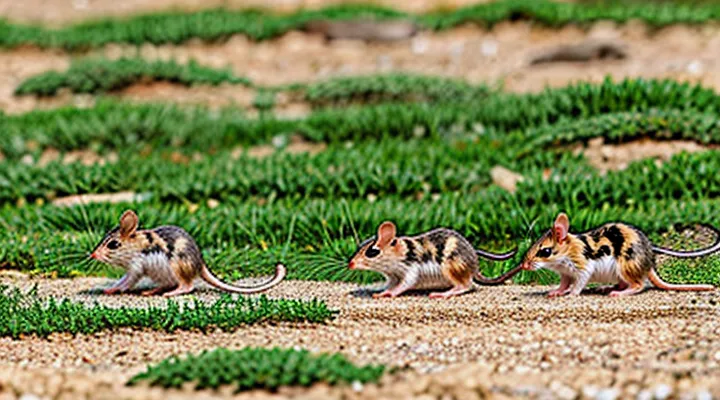
Biology of Field Mice
Taxonomy and Classification
Kingdom, Phylum, Class, Order
Field mice belong to the kingdom Animalia, phylum Chordata, class Mammalia, and order Rodentia. This hierarchical placement determines the physiological framework that governs their reproductive cycles and seasonal breeding patterns.
- Kingdom Animalia: Multicellular organisms with differentiated tissues; endocrine systems regulate gonadal activity in response to environmental cues.
- Phylum Chordata: Presence of a notochord and dorsal nerve cord; neural mechanisms coordinate photoperiodic signals that trigger estrus onset.
- Class Mammalia: Viviparous reproduction; mammary gland development aligns with gestation length, influencing litter size and timing.
- Order Rodentia: Rapid sexual maturation and high fecundity; breeding seasons concentrate during spring and early summer when food availability peaks, maximizing offspring survival.
Family, Genus, Species
Field mice belong to the family Muridae, a group characterized by rapid sexual maturation, short gestation periods, and high litter sizes. Females typically reach reproductive competence within six weeks, enabling multiple breeding cycles during favorable months.
Within Muridae, the genera Apodemus and Peromyscus illustrate divergent reproductive strategies. Apodemus species exhibit a pronounced seasonal peak, concentrating litters in late spring and early summer. Peromyscus species display a more extended breeding window, with continuous reproduction possible from March through October in temperate zones.
Species-level data provide precise timing and output:
- Apodemus sylvaticus (wood mouse): estrus cycles commence in April; average litter size 5‑7; peak birth rates in May‑June.
- Apodemus agrarius (striped field mouse): first breeding in March; up to three litters per season; litter size 4‑6.
- Peromyscus maniculatus (deer mouse): reproductive activity from March to November; litter size 3‑5; potential for six litters in a year.
- Peromyscus leucopus (white-footed mouse): breeding onset in April; average litter size 4‑5; extended reproductive period through September.
These taxonomic distinctions influence population dynamics, predation pressure, and habitat utilization across the breeding season.
Physical Characteristics
Size and Weight
Field mice exhibit considerable variation in body dimensions, directly influencing reproductive output and seasonal breeding dynamics. Adult individuals typically range from 7 to 12 cm in head‑body length, with tails adding 5 to 10 cm. Mass averages 15–30 g, though larger species may exceed 40 g. Females generally weigh slightly less than males, reflecting modest sexual dimorphism that can affect litter size and gestation length.
Seasonal fluctuations affect size metrics. During the breeding peak, increased food availability often results in a 5–10 % rise in body mass compared to non‑breeding periods. In contrast, autumnal individuals may display reduced fat reserves, lowering weight by up to 8 % without altering skeletal dimensions.
Key size parameters:
- Head‑body length: 70–120 mm
- Tail length: 50–100 mm
- Adult mass: 15–30 g (up to 45 g in larger taxa)
- Female-to-male mass ratio: approximately 0.95:1
These measurements provide baseline data for assessing reproductive potential, population health, and ecological adaptation within field mouse communities.
Fur Coloration
Fur coloration in field mice exhibits substantial genetic variability that influences mate selection and reproductive success. Pigmentation alleles, such as agouti, black, and brown, are inherited in a Mendelian fashion, with heterozygous individuals often displaying intermediate patterns. The expression of these alleles can be modified by epistatic interactions, producing the diverse coat phenotypes observed across populations.
Seasonal changes affect melanin production, resulting in lighter fur during summer months and darker coats in winter. This shift aligns with camouflage requirements, reducing predation risk during breeding periods when individuals are more exposed. Hormonal fluctuations, particularly elevated melatonin levels in shorter photoperiods, trigger the melanogenic pathway that darkens the pelage.
Color traits correlate with reproductive timing in several ways:
- Darker coats appear earlier in the breeding season, coinciding with earlier spermatogenic activity in males.
- Females with lighter summer fur reach estrus later, matching peak resource availability.
- Pairings between contrasting color morphs show higher litter sizes, suggesting heterozygote advantage in offspring viability.
Environmental factors, including habitat type and predator community composition, modulate selective pressures on fur coloration. Populations inhabiting open fields retain cryptic brown tones, whereas those in forest edges develop mixed agouti patterns to blend with leaf litter. Continuous monitoring of coat color distribution provides insight into adaptive responses during breeding cycles.
Sensory Organs
Field mice rely on highly developed sensory systems to locate mates, assess reproductive readiness, and synchronize breeding activities with seasonal cues. Olfactory receptors detect pheromonal signals that indicate estrus status, enabling individuals to identify fertile partners across considerable distances. Auditory structures capture ultrasonic vocalizations associated with courtship and territorial disputes, providing real‑time information on competitor presence and mating opportunities.
- Olfactory epithelium: Concentrated in the nasal cavity, it processes volatile and non‑volatile chemical cues critical for mate selection.
- Cochlear apparatus: Sensitive to frequencies up to 100 kHz, it transmits courtship calls and alarm signals to the central nervous system.
- Retinal photoreceptors: Adapted for low‑light environments, they facilitate nocturnal navigation and detection of visual displays during breeding peaks.
- Vibrissal follicles: Provide tactile feedback on substrate vibrations, alerting mice to nearby conspecific movements and predator activity.
During the breeding season, hormonal fluctuations modulate the sensitivity thresholds of these organs, sharpening detection of reproductive signals. Enhanced olfactory acuity coincides with peak estrus, while auditory and visual responsiveness intensify as daylight lengthens, ensuring optimal timing of copulatory events and successful offspring production.
Habitat and Distribution
Preferred Environments
Field mice select habitats that support successful breeding cycles. Dense ground cover, such as tall grasses and herbaceous layers, provides concealment from predators and maintains stable microclimates essential for nest construction and pup development. Soil composition influences burrow stability; loamy or sandy soils with adequate drainage allow rapid excavation while preventing water accumulation that could jeopardize offspring.
Key environmental characteristics include:
- Continuous vegetation that offers both food resources and shelter throughout the breeding period.
- Proximity to water sources that sustain plant growth without creating flood risk.
- Minimal human disturbance, ensuring low noise levels and reduced habitat fragmentation.
- Presence of diverse seed and insect populations, delivering protein and energy needed for gestation and lactation.
Seasonal shifts modify habitat preferences. During peak reproductive months, mice favor areas where vegetation density peaks, providing optimal thermal insulation and abundant foraging opportunities. In early spring, they gravitate toward recently thawed soils that ease burrow formation, while late summer sees a transition toward cooler, shaded microhabitats that mitigate heat stress on developing young.
Geographic Range
Field mice occupy a broad latitudinal belt across the Northern Hemisphere, extending from the Arctic tundra to temperate woodlands and into subtropical grasslands. Their distribution includes:
- Northern Europe and Scandinavia, where cold‑adapted populations breed during brief summer peaks.
- Central and Eastern Europe, encompassing mixed forests and agricultural mosaics that support multiple breeding cycles.
- Western Siberia and the Russian Far East, where steppe and taiga habitats provide seasonal food surpluses.
- North America, from Alaska through the Canadian boreal zone to the northern United States, covering coniferous forests, meadow ecosystems, and cultivated fields.
Populations are absent from extreme deserts, high mountain interiors above the treeline, and dense tropical rainforests, reflecting physiological limits to temperature and moisture. Within each region, local climate patterns dictate the onset and duration of reproductive activity, aligning breeding periods with peak resource availability. Genetic analyses reveal limited gene flow between isolated northern and southern groups, reinforcing the importance of geographic separation in shaping reproductive strategies.
Burrow Systems
Burrow systems provide the structural environment in which field mice conduct mating, gestation, and early juvenile development. Primary tunnels connect to several nest chambers, each insulated by soil and plant material to maintain stable temperature and humidity. These chambers are strategically positioned to reduce exposure to predators while allowing easy access to foraging routes.
Key characteristics of burrow architecture that influence reproductive success:
- Multiple entrance shafts reduce the likelihood of predation during the breeding period.
- Separate nesting chambers enable simultaneous rearing of litters from different females, minimizing competition for space.
- Vertical depth variations create microclimates that buffer offspring against seasonal temperature fluctuations.
- Interconnected side tunnels facilitate rapid movement of adults between feeding areas and nests, supporting the increased energy demands of lactation.
The spatial complexity of the burrow network directly affects litter size, pup survival rates, and the timing of subsequent breeding cycles. Efficient excavation and maintenance of these systems are therefore critical for sustaining population growth during peak reproductive seasons.
Diet and Feeding Habits
Food Sources
Field mice rely on a varied diet that directly influences reproductive output. During the pre‑breeding buildup, individuals increase consumption of high‑energy resources to accumulate fat reserves. These reserves support the energetically demanding processes of gonadal development and gestation.
Primary plant components include:
- Seeds of grasses and cereals (e.g., wheat, barley, rye)
- Nuts and acorns from hardwoods
- Fresh shoots and tender leaves of herbaceous species
- Fruit pulp and fallen berries
Animal matter supplements protein requirements. Common prey items are:
- Larvae of beetles and moths
- Earthworms and other annelids
- Small arthropods such as springtails and spiders
Seasonal shifts modify food availability. In early spring, emerging vegetation and insect larvae become abundant, providing both carbohydrates and protein. Summer abundance of seeds and fruits supports rapid litter growth, while autumn offers high‑fat nuts that aid in overwintering preparation. When preferred foods decline, mice expand foraging to include roots, detritus, and opportunistic carrion.
Nutrient balance affects litter size and pup survival. Adequate protein accelerates ovarian maturation, leading to earlier estrus cycles. Elevated carbohydrate intake correlates with larger litter counts, whereas insufficient fat stores prolong inter‑litter intervals. Consequently, habitat quality, defined by the diversity and timing of food sources, determines the reproductive success of field mouse populations.
Foraging Behavior
Field mice exhibit a foraging strategy tightly linked to reproductive output. During the pre‑breeding period, individuals increase daily travel distances to locate high‑energy seeds and insects, thereby accumulating fat reserves essential for gonadal development. Energy intake peaks in late spring, coinciding with the onset of ovulation in females and heightened sperm production in males.
Nutrient selection reflects the demands of gestation and lactation. Mice preferentially consume:
- Protein‑rich arthropods to support embryonic tissue growth.
- Starchy grains that supply rapid glucose for milk synthesis.
- Fibrous plant material that maintains gut motility during prolonged feeding bouts.
Seasonal variation in food availability drives adaptive shifts. In early summer, abundant seed crops reduce foraging time, allowing more frequent nest visits and increased parental care. Conversely, late summer scarcity prompts nocturnal foraging extensions, reducing predation risk while sustaining offspring growth.
Reproductive success correlates with the efficiency of resource acquisition. Populations experiencing stable foraging habitats display higher litter sizes and greater juvenile survival rates than those in fragmented or resource‑poor environments. Management practices that preserve diverse seed sources and insect habitats directly enhance breeding outcomes for field mouse communities.
Reproductive System of Field Mice
Anatomy of Reproductive Organs
Male Reproductive System
The male reproductive system of field mice comprises testes, epididymis, vas deferens, seminal vesicles, prostate, and bulbourethral glands. Testes are housed in the scrotum, maintaining a temperature 2–4 °C below core body temperature, which optimizes spermatogenesis. Spermatogenic cycles last approximately 10 days, allowing rapid production of sperm during the breeding period.
Sperm mature in the epididymis, where motility and fertilizing capacity develop. The vas deferens transports sperm to the urethra, while accessory glands contribute fluid, proteins, and enzymes that support sperm viability and motility. Seminal vesicles secrete fructose-rich fluid, providing energy for sperm; the prostate adds citrate and zinc, stabilizing sperm membranes; bulbourethral glands release a lubricating mucus.
Seasonal changes modulate the system. Photoperiod length influences hypothalamic release of gonadotropin‑releasing hormone (GnRH), which triggers pituitary secretion of luteinizing hormone (LH) and follicle‑stimulating hormone (FSH). Elevated LH stimulates Leydig cells to produce testosterone, enhancing spermatogenic activity and accessory gland growth. During short‑day periods, reduced GnRH output diminishes LH and FSH, leading to testicular regression and lower sperm output.
Key physiological parameters during the breeding season include:
- Testicular mass increase of 30–40 % compared with non‑breeding months.
- Sperm concentration in epididymal fluid rising to 150 × 10⁶ cells ml⁻¹.
- Plasma testosterone concentrations reaching 5–7 ng ml⁻¹, twice baseline levels.
Understanding these mechanisms informs captive breeding programs and ecological studies of population dynamics, ensuring accurate timing of interventions to align with natural reproductive peaks.
Female Reproductive System
The female reproductive tract of field mice consists of paired ovaries that produce oocytes and steroid hormones, oviducts (fallopian tubes) that convey ova to the uterine horns, a bicornuate uterus that supports embryonic development, a cervix that regulates sperm entry, and a vaginal canal that serves as the external opening. Mammary glands develop under hormonal influence to prepare for lactation after parturition.
Reproductive activity is driven by a hypothalamic‑pituitary‑gonadal axis. Gonadotropin‑releasing hormone (GnRH) from the hypothalamus stimulates the anterior pituitary to release luteinizing hormone (LH) and follicle‑stimulating hormone (FSH). LH and FSH promote follicular growth and estrogen synthesis in the ovaries. Rising estrogen levels trigger the pre‑ovulatory LH surge, leading to ovulation. After ovulation, the corpus luteum secretes progesterone, which prepares the uterine lining for implantation and suppresses further estrous cycles until pregnancy is resolved.
Field mice exhibit a short estrous cycle, typically 4–5 days, divided into proestrus, estrus, metestrus, and diestrus. Estrus, the period of sexual receptivity, lasts 12–24 hours and coincides with peak LH levels. The rapid cycling permits multiple litters within a single breeding season, provided environmental conditions remain favorable.
Seasonal cues modulate reproductive physiology. Increasing day length in spring stimulates melatonin suppression, which enhances GnRH release and accelerates ovarian activity. Conversely, shorter photoperiods in autumn reduce hormonal stimulation, leading to ovarian regression and a temporary cessation of breeding. Temperature and food availability further influence the timing of estrus onset and litter size.
Practical considerations for managing field‑mouse colonies:
- Monitor estrus using vaginal cytology to identify cornified epithelial cells indicative of receptivity.
- Align mating pairs within 12 hours of detected estrus to maximize conception rates.
- Provide high‑energy diet and nesting material to support gestation and lactation.
- Adjust lighting schedules to mimic natural photoperiod changes, thereby synchronizing breeding cycles with seasonal patterns.
Hormonal Regulation
Estrous Cycle
The estrous cycle in wild rodents determines the timing of ovulation and subsequent fertilization. In field mice, the cycle repeats every 4–5 days during the breeding season, shortening to 3 days when environmental cues such as photoperiod and temperature are optimal. Hormonal fluctuations drive the sequence of stages:
- Proestrus: rising estrogen levels stimulate uterine growth and prepare the female for mating.
- Estrus: peak estrogen coincides with ovulation; females exhibit receptivity to males.
- Metestrus: progesterone increases, initiating luteal activity and suppressing further estrus.
- Diestrus: progesterone dominates, maintaining uterine quiescence until the next cycle.
Detection of the estrous stage relies on vaginal cytology, which distinguishes cell types characteristic of each phase. Behavioral observation, such as increased locomotor activity and scent marking, also indicates estrus. Hormone assays (e.g., serum estradiol, progesterone) provide quantitative confirmation.
Seasonal breeding patterns synchronize estrous cycles with periods of abundant food and favorable climate. Photoperiodic signals regulate the hypothalamic‑pituitary‑gonadal axis, advancing the onset of proestrus as days lengthen. Conversely, decreasing daylight prolongs diestrus, reducing reproductive output.
Effective colony management exploits this knowledge: breeding pairs are introduced during confirmed estrus, minimizing the interval between litters. Monitoring cycle length allows prediction of peak fertility windows, enhancing litter size and genetic line stability.
Androgen Production
Androgens in wild rodents are synthesized primarily in the testes, with supplemental production by the adrenal cortex. The biosynthetic cascade converts cholesterol to testosterone via pregnenolone, 17α‑hydroxypregnenolone, dehydroepiandrosterone, and androstenedione. Enzymatic activity of 17β‑hydroxysteroid dehydrogenase and aromatase determines the balance between active and estrogenic metabolites.
Seasonal patterns emerge under photoperiodic control. During periods of increasing daylight, luteinizing hormone peaks, stimulating Leydig cells and raising circulating testosterone concentrations. In contrast, short‑day intervals suppress gonadotropin release, reducing androgen output. Field mouse populations display a pronounced rise in serum testosterone coinciding with the onset of the breeding window, followed by a rapid decline as reproductive activity wanes.
Elevated androgen levels promote spermatogenic progression, increase sperm motility, and intensify male courtship displays. They also modulate scent‑marking behavior and territorial aggression, facilitating mate acquisition. Feedback mechanisms involving androgen receptors in the hypothalamus and pituitary maintain hormonal equilibrium.
For captive breeding programs, monitoring testosterone provides a reliable indicator of reproductive readiness. Practical measures include:
- Serial blood sampling to track hormonal trends.
- Photoperiod manipulation to align androgen peaks with desired breeding dates.
- Administration of gonadotropin‑releasing hormone analogs to stimulate Leydig cell activity when natural cues are insufficient.
These strategies enable precise timing of mating events, improving litter success rates and genetic management of field mouse colonies.
Mating Behavior
Courtship Rituals
Courtship rituals constitute the initial phase of reproductive activity in field mice, providing the behavioral framework for successful mating. Males and females engage in a predictable sequence that culminates in copulation, and each element of the sequence can be observed and quantified under laboratory or field conditions.
The typical progression includes:
- Scent marking: males deposit urinary and glandular secretions along established routes, creating chemical trails that signal territorial occupancy and reproductive readiness.
- Ultrasonic vocalizations: both sexes emit high‑frequency calls that convey individual identity and physiological status; playback experiments confirm these calls influence female approach behavior.
- Pursuit and investigation: females follow scent trails, pausing to sniff and assess the male’s pheromonal profile; successful assessment triggers increased locomotor activity directed toward the male.
- Mounting and copulation: after a brief period of reciprocal grooming, the male assumes a mounting position; copulatory bouts last from a few seconds to several minutes, depending on species and environmental conditions.
Breeding season intensifies each component of the ritual. Increasing day length and ambient temperature elevate circulating gonadal steroids, which in turn amplify scent production and vocal output. Peak activity aligns with the period of maximal female estrus, ensuring that courtship efforts are concentrated when receptivity is highest.
Species-specific variations modify the basic pattern. In the wood mouse (Apodemus sylvaticus), scent marking predominates, while the deer mouse (Peromyscus maniculatus) relies more heavily on ultrasonic communication. Morphological differences in scent glands and auditory sensitivity correspond to these behavioral specializations.
For captive breeding programs, monitoring courtship displays provides early indicators of reproductive health. Adjusting photoperiod, temperature, and substrate composition can enhance scent marking and vocal activity, thereby increasing mating success without pharmacological intervention.
Polygynous Mating System
Polygynous mating in field mice involves one male mating with multiple females during a single breeding cycle. Males establish territories rich in resources, defend them aggressively, and attract receptive females through scent marking and vocalizations. Female rodents typically select territories that provide optimal shelter and food availability, thereby indirectly influencing male reproductive success.
Key physiological and behavioral traits of this system include:
- Elevated testosterone levels in dominant males during the peak of the breeding season, facilitating increased aggression and territorial defense.
- Rapid estrous cycles in females, allowing multiple inseminations within a short period.
- Seasonal escalation of male-male competition coinciding with longer daylight periods and higher ambient temperatures.
- Skewed paternal investment, with males allocating minimal parental care while focusing on securing additional mates.
The polygynous structure accelerates genetic turnover by promoting high variance in male reproductive output. Dominant individuals contribute disproportionately to the gene pool, resulting in strong selective pressure on traits linked to competitive ability and mate attraction. Consequently, population dynamics exhibit pronounced fluctuations in male hierarchy composition throughout the breeding months.
Management of field mouse populations benefits from understanding this mating pattern. Control measures timed to disrupt male territoriality during the early breeding phase can reduce overall reproductive rates. Conversely, conservation programs aiming to maintain genetic diversity should monitor the proportion of breeding males to prevent excessive dominance by a few individuals, thereby preserving a broader allelic spectrum.
Seasonal Variations in Mating
Seasonal cues synchronize field mouse mating, concentrating reproductive effort into periods that maximize offspring survival. Increasing day length in spring triggers hypothalamic release of gonadotropin‑releasing hormone, stimulating luteinizing hormone surges that initiate estrus in females and sperm production in males. Temperature elevation amplifies metabolic rates, reducing the interval between estrous cycles and allowing multiple litters within a single season.
Key environmental drivers of mating timing include:
- Photoperiod: longer daylight hours activate melatonin pathways that modulate reproductive hormones.
- Ambient temperature: optimal ranges (15‑25 °C) accelerate gonadal development; extreme cold suppresses activity.
- Food abundance: peaks in seed and insect availability provide necessary energy for gestation and lactation, prompting earlier onset of breeding.
- Predation pressure: reduced predator activity during certain months lowers mortality risk for pregnant females and neonates, influencing the selection of breeding windows.
Physiological adaptations support these seasonal patterns. Female field mice exhibit a rapid rise in estrogen levels shortly after the spring photoperiod shift, leading to a condensed estrous window of 3–5 days. Males respond with enlarged testes and increased sperm motility within two weeks of the same cue. After the breeding peak, declining daylight and temperature induce gonadal regression, conserving energy until the next favorable cycle.
Population dynamics reflect these cycles. Cohorts born early in the season experience higher survival rates due to extended growth periods before winter, contributing disproportionately to the next generation. Late‑season litters often encounter resource scarcity, resulting in lower weaning success and reduced recruitment.
Understanding the interplay of photic, thermal, and nutritional signals provides a framework for predicting how climate variability may shift mating periods, alter reproductive output, and ultimately affect field mouse population trajectories.
Breeding Season Dynamics
Environmental Triggers
Photoperiodism
Photoperiodism refers to the physiological response of organisms to the length of day and night, mediated in mammals by the seasonal variation in melatonin secretion from the pineal gland. In field mice, the retinal detection of light initiates a neuroendocrine cascade that adjusts the hypothalamic-pituitary-gonadal axis in synchrony with ambient photoperiod.
Long days increase gonadotropin‑releasing hormone (GnRH) pulsatility, leading to elevated luteinizing hormone (LH) and follicle‑stimulating hormone (FSH) concentrations, which stimulate testicular growth in males and ovarian follicle development in females. Short days suppress this axis, maintaining gonadal quiescence until favorable conditions return.
Seasonal breeding in these rodents thus aligns reproductive effort with periods of abundant food and optimal climate. Photoperiodic cues ensure that mating, gestation, and juvenile rearing occur during spring and early summer, when survival rates are highest.
Key considerations for captive breeding programs:
- Replicate natural day‑length cycles: gradually extend light exposure to simulate spring onset.
- Monitor melatonin levels or proxy indicators (e.g., activity rhythms) to verify photoperiodic entrainment.
- Adjust lighting schedules in concert with temperature and food availability to avoid mismatched cues.
Temperature Influences
Temperature directly modifies the timing of field mouse breeding cycles. Warmer ambient conditions accelerate gonadal development, leading to earlier onset of estrus. Conversely, low temperatures delay sexual maturation and prolong the interval between litters.
Key physiological responses to temperature include:
- Increased secretion of gonadotropin‑releasing hormone (GnRH) during spring‑type warming, which triggers luteinizing hormone (LH) surges and ovulation.
- Elevated metabolic rates at higher temperatures, shortening gestation from approximately 20 days in cool climates to 18 days in mild conditions.
- Enhanced nest building activity when ambient temperature falls below thermoneutral range, improving pup survival but reducing immediate reproductive output.
Field mice adjust litter size according to thermal environment. In regions where summer temperatures exceed 25 °C, average litter size rises by 10–15 % compared to cooler zones. When temperatures drop below 5 °C, reproductive females often produce smaller litters and may enter a temporary anovulatory state.
Temperature also influences population dynamics. Seasonal temperature peaks create synchronized breeding periods, resulting in rapid population expansion. Sudden temperature drops interrupt this synchrony, causing staggered births and extended juvenile development periods.
Overall, ambient temperature serves as a primary environmental cue that regulates hormonal pathways, gestation length, litter composition, and seasonal population growth in field mice.
Food Availability
Food abundance directly influences the timing and intensity of reproductive cycles in field mice. When seeds, insects, and green vegetation are plentiful, females reach sexual maturity earlier, resulting in an advanced onset of the breeding period. High caloric intake accelerates ovarian development, increases litter size, and shortens the interval between successive litters.
Conversely, scarcity of resources postpones estrus, reduces the number of embryos implanted, and may trigger temporary reproductive suppression. Energy deficits compel individuals to allocate metabolic reserves to survival rather than gamete production, extending the inter‑birth interval and lowering offspring survival rates.
Key physiological responses to varying food levels include:
- Elevated leptin concentrations that signal sufficient energy stores, stimulating gonadotropin release.
- Increased insulin-like growth factor that promotes uterine growth and embryo implantation.
- Modulation of hypothalamic neuropeptides that adjust seasonal breeding cues.
These mechanisms ensure that reproductive effort aligns with periods of maximal resource availability, optimizing population growth and offspring viability.
Reproductive Output
Litter Size and Frequency
Field mice produce several litters each breeding season, with litter size and interval dictated by environmental conditions and species‑specific physiology. Average litter size ranges from four to eight offspring; under optimal food availability, some individuals exceed ten pups. Larger litters are common in spring when vegetation and insect prey are abundant, while autumn litters tend to be smaller due to declining resources.
Key factors influencing litter size and frequency include:
- Nutritional status: High protein intake correlates with increased pup numbers and reduced inter‑litter intervals.
- Photoperiod: Longer daylight stimulates ovarian activity, shortening the time between pregnancies.
- Temperature: Mild climates extend the breeding window, allowing up to six litters per year; harsh winters truncate the season to three or four.
- Species variation: Wood mice (Apodemus sylvaticus) typically produce 5–7 pups per litter, whereas bank voles (Myodes glareolus) average 4–6, with occasional larger litters in favorable habitats.
Gestation lasts 19–21 days, and the postpartum estrus enables a new conception within three to four weeks. Consequently, a single female can generate 30–40 offspring during a full breeding season, contributing substantially to population growth and rapid recolonization after disturbances.
Gestation Period
Field mice (genus Apodemus and related species) exhibit a gestation period that ranges from 19 to 23 days, with most individuals completing embryonic development in approximately 21 days. The duration is consistent across temperate populations but can shorten by one to two days in warmer microhabitats, reflecting temperature‑dependent metabolic acceleration.
Key characteristics of the gestational phase include:
- Rapid organogenesis: primary organ systems form within the first 10 days, after which fetal growth predominates.
- Litter size correlation: females carrying larger litters often experience a marginally longer gestation, typically extending by 0.5–1 day.
- Seasonal modulation: breeding peaks in spring and early summer coincide with optimal food availability, resulting in gestation at the lower end of the range; late‑season pregnancies may extend toward the upper limit due to reduced maternal condition.
- Hormonal regulation: elevated progesterone and prolactin levels maintain uterine quiescence until parturition, while a surge in estrogen triggers the onset of labor.
Comparative data indicate that the gestation of field mice is shorter than that of larger rodents such as the Norway rat (Rattus norvegicus), which averages 22–24 days, yet longer than that of the house mouse (Mus musculus), typically 19–20 days. This intermediate duration aligns with the species’ ecological niche, balancing rapid population turnover with sufficient prenatal development for neonatal survival.
Parental Care
Field mice exhibit a tightly timed reproductive cycle that aligns with seasonal resource availability. Maternal investment concentrates on nest construction, thermoregulation, and direct feeding of altricial young. Females select sheltered sites, line them with shredded vegetation, and maintain a stable microclimate through frequent repositioning of litter.
Key components of maternal care include:
- Incubation: Continuous body contact for 18–22 days, providing heat and protection.
- Lactation: Production of nutrient‑rich milk, with composition shifting as pups mature.
- Hygiene: Regular grooming of offspring to remove debris and stimulate circulation.
- Weaning: Gradual reduction of nursing frequency after the third post‑natal week, coinciding with increased solid‑food consumption.
Hormonal regulation, primarily prolactin and oxytocin, drives the onset and maintenance of these behaviors. Elevated prolactin levels during gestation prepare the mammary glands, while oxytocin release during parturition enhances maternal bonding and nest‑building activity.
Paternal involvement is limited in most field‑mouse species. Males typically vacate the nest after copulation, contributing only indirectly by defending territory and reducing predation risk for the breeding female. In select monogamous populations, occasional male attendance at the nest site has been documented, but such behavior does not replace maternal duties.
Seasonal fluctuations affect parental effort. In early summer, abundant food permits larger litters and extended nursing periods. As day length shortens and temperatures decline, females reduce litter size and accelerate weaning to ensure pup survival before winter.
Overall, parental care in field mice is a precise, hormone‑mediated process that maximizes offspring viability within the constraints of a short breeding season.
Population Fluctuations
Impact of Predation
Predation exerts direct pressure on the survival of adult field mice and their offspring, thereby shaping reproductive output. High predator density reduces the proportion of breeding individuals that reach the peak of the breeding season, which shortens the effective reproductive window.
Key mechanisms through which predators influence mouse reproduction include:
- Increased adult mortality leading to fewer females available for multiple litters.
- Elevated juvenile loss, lowering the number of individuals that attain sexual maturity.
- Induced changes in female behavior, such as reduced foraging time and increased nest concealment, which can delay conception.
- Selection for earlier breeding onset in populations experiencing intense predation, allowing offspring to be born before predator activity peaks.
- Shift toward smaller litter sizes in high‑risk environments, reflecting an energy allocation strategy that favors offspring survival over quantity.
These responses generate measurable fluctuations in population density across years. In years with abundant predators, population peaks are lower and the subsequent decline is more rapid, whereas reduced predation pressure permits higher peak densities and longer breeding periods. Consequently, predator dynamics constitute a primary driver of the temporal pattern and magnitude of field mouse reproductive success.
Disease Influence
Disease presence directly alters reproductive performance in wild rodent populations. Infected individuals exhibit reduced litter size, delayed estrus, and increased embryonic loss, leading to lower population growth rates during the breeding period.
- Viral agents – hantavirus, mousepox; cause immunosuppression, weight loss, and mortality that truncate breeding cycles.
- Bacterial infections – Salmonella spp., Leptospira spp.; induce uterine inflammation and impede ovulation.
- Parasitic infestations – ectoparasites (mite, flea) and endoparasites (nematodes, cestodes); drain nutrients, elevate stress hormones, and suppress gonadal function.
- Fungal pathogens – Candida spp.; colonize reproductive tracts, producing lesions that hinder conception.
Physiological pathways link disease to reproductive suppression. Cytokine release during infection shifts energy allocation from gametogenesis to immune defense. Elevated glucocorticoids inhibit hypothalamic‑pituitary‑gonadal signaling, reducing gonadotropin secretion. Tissue damage in ovaries or testes compromises gamete quality.
Behavioral consequences amplify demographic effects. Sick mice reduce foraging activity, limiting access to mates and nesting sites. Social isolation resulting from illness lowers opportunities for copulation, further decreasing breeding output.
Effective control in research or conservation breeding programs requires systematic health screening, quarantine of symptomatic individuals, and targeted treatment protocols. Vaccination against prevalent viral strains, antiparasitic regimens, and environmental sanitation reduce pathogen load, preserving reproductive capacity throughout the seasonal peak.
Habitat Degradation
Habitat degradation reduces the availability of cover and nesting sites essential for field mice during their reproductive cycle. Loss of grassland structure limits access to safe burrows, increasing predation risk for pregnant females and newborns.
Key effects on breeding biology include:
- Decline in food resources such as seeds and insects, leading to lower body condition and delayed sexual maturity.
- Fragmented landscapes hinder male movement, reducing encounter rates and mating opportunities.
- Elevated soil temperature fluctuations disrupt embryonic development and decrease litter survival.
- Increased exposure to pollutants impairs hormone regulation, shortening the breeding season.
Population monitoring in degraded areas shows a consistent drop in litter size and a shift toward later peak breeding periods compared with intact habitats. Restoration of native vegetation and reduction of pesticide runoff correlate with improved reproductive metrics, emphasizing the direct link between habitat quality and field mouse fecundity.
Reproductive Strategies and Adaptations
Rapid Reproduction
Short Generation Time
Field mice complete a full reproductive cycle in roughly six to eight weeks under favorable conditions. Gestation lasts 19–21 days, and females become fertile again within a few days after giving birth, allowing multiple litters per breeding season.
The rapid turnover accelerates population expansion. Each litter typically contains three to seven pups; with two to three litters per season, a single female can produce 6–21 offspring before winter. This high fecundity shortens the interval between generations, enabling swift adaptation to environmental fluctuations such as food availability or predation pressure.
Practical implications for laboratory or farm breeding include:
- Scheduling of breeding pairs to align with peak fertility windows.
- Monitoring of weaning ages to prevent overlap of successive litters.
- Adjusting housing density to mitigate stress that could lengthen inter‑litter intervals.
Short generation time, therefore, is a primary driver of the species’ demographic resilience and a critical factor in any breeding program design.
High Reproductive Rate
Field mice exhibit one of the highest reproductive outputs among small mammals. Females can produce multiple litters within a single breeding season, each consisting of 5–12 offspring. The short gestation period of approximately 19–21 days enables rapid turnover from conception to weaning.
Key physiological and environmental drivers of this prolificacy include:
- Photoperiod sensitivity – increasing daylight length triggers gonadal activation, shortening the interval between estrous cycles.
- Nutrient abundance – elevated seed and insect availability in spring and early summer supports higher litter sizes and reduced inter‑litter intervals.
- Hormonal regulation – elevated estrogen and prolactin levels maintain continuous estrus, eliminating seasonal reproductive pauses.
Males contribute to the high reproductive rate through early sexual maturation, often reaching sexual competence at 6–8 weeks of age, and by maintaining high sperm production throughout the breeding window. This combination of rapid sexual development, frequent estrus, and favorable environmental cues ensures that field mouse populations can expand swiftly when conditions permit.
Sexual Dimorphism
Size Differences
Field mice exhibit pronounced size variation that influences reproductive dynamics throughout the breeding period. Males typically exceed females in body mass by 10–20 %, a disparity that intensifies during the peak reproductive months when males allocate resources to increased musculature and testicular development. Females display modest fluctuations in body length and abdominal girth, reflecting the demands of gestation and lactation.
Seasonal shifts affect overall size metrics. In early spring, individuals emerge with lower body condition scores due to limited food availability; by midsummer, abundant resources raise average mass by 15 % in both sexes. Autumnal decline in food leads to a reduction in fat reserves, yet skeletal dimensions remain constant, indicating that size differences are primarily driven by tissue composition rather than bone growth.
Size differentials correlate with mating success. Larger males achieve higher dominance rankings, secure more copulations, and produce offspring with greater survival rates. Female size influences litter size; individuals exceeding the population mean weight by 5 % tend to produce one additional pup per litter on average.
Key size parameters relevant to reproductive assessments:
- Body mass (g): male mean 22–28, female mean 18–24
- Head–body length (mm): male 85–95, female 80–90
- Tail length (mm): male 70–80, female 68–78
- Testicular volume (mm³): peaks at 150–200 during breeding season
- Abdominal circumference (mm): increases 12 % in gravid females
Monitoring these metrics provides insight into population health, breeding potential, and the adaptive significance of size variation among field mouse cohorts.
Behavioral Differences
Field mice exhibit distinct behavioral patterns that directly influence reproductive timing and success. Males typically establish and defend territories during the onset of the breeding period, while females concentrate activity around nest sites and foraging routes that maximize resource availability for offspring.
- Sex‑specific aggression: Males increase patrol frequency and scent marking when photoperiod lengthens; females display reduced aggression, focusing on nest construction.
- Age‑related exploration: Juvenile males engage in exploratory dispersal earlier than mature counterparts, potentially extending the effective breeding window.
- Seasonal social hierarchy: Dominant individuals dominate access to prime nesting locations, resulting in higher mating frequencies and larger litters.
- Environmental cue response: Temperature spikes trigger heightened nocturnal activity in both sexes, aligning mating events with optimal conditions for pup development.
These behavioral distinctions modulate mate selection, copulation frequency, and litter size. Elevated male territoriality correlates with increased sperm competition, whereas female nesting fidelity enhances pup survival rates through consistent microclimate regulation. Variation in juvenile dispersal timing influences gene flow across populations, affecting genetic diversity and adaptability.
Understanding these patterns is essential for accurate modeling of field mouse population dynamics and for the design of effective habitat management strategies that support sustainable breeding cycles.
Survival of Offspring
Nest Building
Nest building constitutes a central element of field‑mouse reproductive biology, occurring shortly before and during the peak of the breeding period. Females construct nests in concealed locations such as dense vegetation, burrow entrances, or under fallen debris.
Typical construction materials include:
- Dry grasses and herbaceous stems for structural support.
- Soft leaf litter, moss, and downy plant fibers for insulation.
- Small twigs or root fragments to reinforce walls.
The building process begins after the first estrus, lasting 1–3 days. Females gather and arrange materials in successive layers, forming a dome‑shaped chamber with a shallow entrance. The nest interior is packed tightly to create a microclimate that maintains temperatures 2–4 °C above ambient levels, reducing metabolic demands on neonates.
Primary functions of the nest are:
- Protection from predators through concealment and limited access points.
- Stabilization of humidity, preventing desiccation of newborns.
- Provision of a secure platform for nursing and litter care.
Nest architecture adapts to environmental conditions. In colder months, females increase the proportion of insulating fibers and deepen the chamber, while in milder climates nests are shallower and incorporate more open structures. Hormonal fluctuations, particularly elevated prolactin during late pregnancy, trigger intensified building activity.
Variability among field‑mouse species reflects habitat preferences: woodland forms favor leaf‑laden ground nests, whereas meadow populations construct above‑ground nests anchored to grass stems. This flexibility enhances reproductive success across diverse ecosystems.
Weaning Process
The weaning period in field mice begins when pups reach ten to twelve days of age, coinciding with the development of functional incisors and the ability to process solid food. At this stage, the mother reduces nursing frequency, and the litter gradually shifts from exclusive milk consumption to a mixed diet of milk and solid particles. By fourteen days, most individuals consume sufficient solid nutrients to sustain growth, and maternal care focuses on grooming and protection rather than feeding.
Key milestones of the weaning process:
- Day 10‑12: Initiation of solid‑food intake; milk bouts become intermittent.
- Day 13‑15: Majority of pups exhibit consistent chewing activity; weight gain relies primarily on solid diet.
- Day 16‑18: Complete cessation of nursing in most individuals; independence in foraging behavior emerges.
Successful weaning requires adequate provision of high‑protein seed mixtures, minimal competition among littermates, and monitoring of body condition to prevent growth retardation. Early identification of delayed weaning allows timely intervention, such as supplemental feeding or environmental enrichment, to maintain optimal juvenile development during the breeding season.
Conservation Implications
Population Monitoring
Census Techniques
Accurate assessment of field‑mouse populations is essential for understanding reproductive cycles, seasonal breeding patterns, and habitat requirements. Researchers rely on standardized census methods that generate reliable density estimates and demographic data.
Common techniques include:
- Live‑trap grids: Arrays of Sherman or pitfall traps placed at fixed intervals across study sites. Traps are checked daily, allowing calculation of capture rates per unit effort and enabling individual identification through ear tags or subcutaneous chips.
- Mark‑recapture protocols: Individuals captured in the initial session are marked, released, and recaptured in subsequent sessions. The proportion of marked to unmarked animals yields population size estimates using models such as the Lincoln–Petersen or Schnabel formulas.
- Transect line surveys: Systematic walking of predetermined paths while recording signs of activity (e.g., nests, droppings, footprints). Data are converted to density metrics through distance sampling techniques.
- Genetic sampling: Collection of tissue or hair samples for DNA analysis. Genetic markers identify kinship structures, infer reproductive output, and detect immigration or emigration events.
- Camera traps: Motion‑activated devices positioned near burrows or foraging zones capture images of nocturnal activity, providing information on activity peaks and sex ratios without direct handling.
Each method offers distinct advantages. Live‑trap grids generate fine‑scale spatial data but require intensive labor and can affect animal behavior. Mark‑recapture balances effort and statistical robustness, especially when multiple sampling occasions are feasible. Transect surveys are less invasive, suitable for large‑area assessments, yet yield lower resolution. Genetic sampling reveals hidden reproductive dynamics, though laboratory costs are higher. Camera traps deliver continuous monitoring with minimal disturbance, though species identification may be limited by image quality.
Effective population monitoring combines multiple approaches. For instance, integrating live‑trap data with genetic analyses refines estimates of breeding success and survivorship. Consistent application of these techniques across breeding seasons enables detection of temporal shifts in reproductive timing, informs habitat management, and supports conservation strategies for field‑mouse communities.
Genetic Diversity Assessment
Genetic diversity assessment provides essential insight into the adaptive capacity of field mouse populations during their seasonal breeding cycles. By quantifying allele frequencies, heterozygosity levels, and population structure, researchers can predict how reproductive timing and environmental pressures influence genetic health.
Molecular tools commonly employed include:
- Microsatellite loci: high polymorphism enables fine‑scale detection of gene flow among subpopulations.
- Single‑nucleotide polymorphism (SNP) arrays: allow genome‑wide scans for selection signatures linked to breeding phenology.
- Mitochondrial DNA sequencing: reveals maternal lineage patterns that may shift with seasonal migrations.
Statistical frameworks such as STRUCTURE, F‑statistics, and Bayesian clustering models translate raw genotype data into measures of differentiation (e.g., FST) and admixture proportions. Temporal sampling across pre‑breeding, peak, and post‑breeding periods uncovers fluctuations in effective population size (Ne) and identifies bottlenecks associated with harsh winter conditions.
Integrating genetic metrics with reproductive data—litter size, estrous timing, and male testosterone levels—establishes correlations between breeding intensity and genetic variability. Populations exhibiting synchronized breeding often display reduced heterozygosity due to rapid expansion of a limited number of successful genotypes, whereas staggered breeding across microhabitats tends to preserve broader allele spectra.
Management implications derive from these analyses. Conservation plans that maintain habitat mosaics supporting asynchronous breeding can mitigate loss of genetic diversity. Monitoring programs should prioritize recurring genotypic surveys aligned with the species’ breeding calendar to detect early signs of genetic erosion.
Habitat Management
Preservation of Breeding Sites
Preserving the habitats where field mice reproduce directly influences population stability and genetic diversity. Breeding sites provide shelter, foraging opportunities, and microclimatic conditions essential for successful mating, gestation, and juvenile development.
Key threats to these locations include agricultural expansion, pesticide contamination, and habitat fragmentation. Each factor reduces nest availability, alters food resources, and elevates predation risk, ultimately lowering reproductive output.
Effective conservation measures consist of:
- Maintaining native vegetation buffers around known nesting areas to protect against soil erosion and chemical drift.
- Implementing controlled grazing schedules that prevent over‑disturbance during peak breeding months.
- Restoring degraded plots with native grasses and herbaceous plants that supply cover and seed food sources.
- Establishing exclusion zones where mechanical tillage and heavy machinery are prohibited throughout the reproductive period.
Long‑term monitoring protocols should record nest density, litter size, and juvenile survival rates at regular intervals. Data integration with landscape‑level mapping enables identification of critical corridors and informs adaptive management decisions.
By securing the physical integrity and ecological quality of breeding habitats, managers sustain field mouse reproductive cycles, support predator‑prey dynamics, and contribute to broader ecosystem resilience.
Control of Invasive Species
Field mice exhibit distinct seasonal breeding cycles, with peak fertility occurring in late spring and early summer. During this period, females produce multiple litters, and population growth can be rapid if conditions remain favorable. Invasive organisms disrupt these dynamics by altering habitat structure, increasing predation pressure, and introducing novel pathogens.
Invasive predators such as feral cats and introduced mustelids elevate mortality rates of both adult mice and their offspring, reducing litter survival. Competitive invaders, including non‑native rodents, compete for food resources, leading to reduced body condition in native females and consequently smaller litter sizes. Pathogen carriers, for example invasive fleas or ticks, spread diseases that impair reproductive performance and increase neonatal mortality.
Effective mitigation relies on targeted actions that preserve the reproductive potential of native field mice while limiting invasive threats:
- Habitat restoration: reestablish native vegetation cover to provide shelter and nesting sites, reducing exposure to predators.
- Predator control: implement humane trapping or exclusion programs focused on invasive carnivores during the breeding peak.
- Competitive species management: conduct removal campaigns for non‑native rodents in key breeding habitats.
- Disease monitoring: screen populations for emerging pathogens and apply appropriate vector control measures.
- Population surveillance: conduct regular trapping surveys to track reproductive output and assess the impact of control interventions.
Coordinated application of these measures sustains the natural breeding rhythm of field mice and mitigates the ecological pressure exerted by invasive species.
Impact of Climate Change
Shifts in Breeding Season
Field mice exhibit notable alterations in the timing of their reproductive cycles, driven by environmental and physiological cues. Rising spring temperatures accelerate gonadal development, causing earlier onset of estrus in females. Conversely, delayed snowmelt or prolonged cold periods postpone mating activity, extending the pre‑breeding interval. These shifts influence litter size, with earlier breeders often producing larger litters due to extended lactation periods before winter.
Key determinants of seasonal adjustment include:
- Ambient temperature trends: temperature thresholds trigger hormonal cascades that initiate breeding.
- Photoperiod length: increasing daylight stimulates melatonin suppression, facilitating reproductive hormone release.
- Food availability: abundance of seeds and insects provides energy reserves necessary for gestation and weaning.
- Predator pressure: heightened predation can induce delayed reproduction to avoid vulnerable offspring exposure.
Long‑term climate fluctuations can reshape population dynamics by modifying the synchrony between peak resource availability and reproductive effort, thereby affecting survival rates of juveniles and overall population stability.
Alterations in Food Availability
Variations in food supply exert direct influence on the reproductive biology and breeding cycles of field mice. When resources increase, individuals attain higher body mass, accelerate gonadal development, and initiate breeding earlier in the year. Conversely, periods of scarcity prolong the pre‑breeding interval and reduce the number of offspring produced.
Nutrient intake modulates endocrine pathways that control ovulation and spermatogenesis. Adequate protein and carbohydrate availability raise circulating leptin and insulin‑like growth factor levels, which stimulate the hypothalamic‑pituitary‑gonadal axis. Energy deficits suppress these hormones, leading to delayed estrus and diminished sperm production.
Seasonal food patterns shape population dynamics. In spring, seed abundance triggers a surge in litter size and shortens inter‑litter intervals. Summer droughts limit foraging success, resulting in smaller litters and extended gestation periods. Autumn mast events produce a secondary reproductive peak, while winter scarcity forces many females into reproductive arrest.
Empirical data support these relationships:
- Mast years: 30‑45 % increase in average litter size; earlier onset of breeding by 10‑14 days.
- Low‑yield years: 20‑35 % reduction in offspring per female; delayed first breeding by up to three weeks.
- Experimental food restriction: decreased ovary weight by 25 %; reduced sperm count by 40 % compared with ad libitum groups.
Overall, fluctuations in resource availability dictate the timing, intensity, and output of field mouse reproduction, linking ecological conditions directly to population growth potential.