
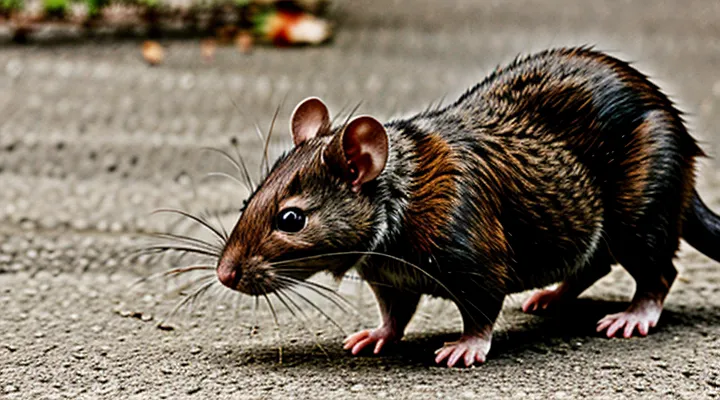
Understanding Red Spots on Rats
Common Characteristics of Red Spots
Red lesions observed on laboratory rats display several consistent features that aid in differential diagnosis and guide therapeutic decisions.
The lesions typically range from 1 mm to 5 mm in diameter, presenting as well‑defined, circular or slightly oval patches. Their coloration varies from bright crimson to deep burgundy, reflecting underlying vascular congestion or hemorrhage. Surface texture is usually smooth, though some lesions exhibit a raised, papular component when inflammation is present.
Distribution patterns differ among etiologies. Sporadic, isolated spots suggest localized trauma or minor infection, whereas clustered arrays on the dorsal thorax, tail base, or ventral abdomen often indicate systemic involvement such as viral exanthema or allergic reaction. Symmetry of lesions—bilateral and mirror‑image—frequently points to immune‑mediated processes.
Temporal evolution offers diagnostic clues. Acute spots appear suddenly, may be accompanied by edema, and can progress to necrosis within 24–48 hours if untreated. Chronic lesions persist beyond a week, develop a scabbed surface, and may leave hyperpigmented scars upon resolution.
Associated clinical signs enhance assessment. Commonly, red patches coexist with pruritus, piloerection, or reduced grooming behavior. In severe cases, systemic signs such as fever, lethargy, or weight loss accompany cutaneous manifestations, indicating a broader pathological impact.
Laboratory evaluation often reveals:
- Hematology: leukocytosis or eosinophilia, depending on infectious versus allergic origin.
- Histopathology: epidermal hyperplasia, dermal edema, and infiltrates of neutrophils, lymphocytes, or mast cells.
- Microbiology: presence of bacterial colonies (e.g., Staphylococcus spp.) or viral antigens (e.g., rat coronavirus) in lesion biopsies.
Recognition of these characteristic parameters enables accurate identification of underlying causes and informs selection of appropriate interventions, ranging from antimicrobial therapy to immunosuppressive agents.
When to Be Concerned About Red Spots
Red spots on rats may appear harmless, but certain characteristics demand immediate veterinary attention.
Key indicators of concern include:
- Lesions larger than 5 mm in diameter or rapidly expanding.
- Multiple spots appearing simultaneously on unrelated body regions.
- Ulceration, necrosis, or discharge from the affected area.
- Persistent swelling, heat, or pain on palpation.
- Accompanying systemic signs such as lethargy, loss of appetite, weight loss, fever, or respiratory distress.
- Spots that persist beyond 48 hours without improvement despite basic hygiene measures.
When any of these criteria are met, prompt evaluation by a qualified veterinarian is essential to identify underlying infections, neoplasia, allergic reactions, or vascular disorders and to initiate appropriate treatment.
Potential Causes of Red Spots
Dermatological Conditions
Parasitic Infestations
Parasitic infestations are a frequent source of erythematous lesions in laboratory and pet rodents. Mites (e.g., Myobia, Radfordia), fleas (Ctenocephalides), lice (Polyplax) and protozoan parasites (e.g., Giardia, Trichomonas) attach to the skin or invade tissues, provoking inflammatory responses that appear as red spots. Infestation intensity correlates with lesion size and distribution; heavy loads often produce coalescent patches on the ears, tail, and ventral abdomen.
Diagnosis relies on direct observation of parasites, skin scrapings examined under microscopy, and, when necessary, molecular assays to identify protozoa. Absence of systemic signs does not exclude infestation; subclinical carriers can maintain the parasite population and perpetuate skin lesions.
Effective control combines chemical, environmental, and management measures:
- Topical acaricides (e.g., selamectin, ivermectin) applied according to species‑specific dosing intervals.
- Insecticidal sprays or dusts (e.g., pyrethroids) targeting fleas and lice on bedding and cage surfaces.
- Oral antiparasitic agents (e.g., fenbendazole) for protozoal infections, administered for the recommended course.
- Routine cage cleaning, bedding replacement, and quarantine of new arrivals to prevent re‑introduction.
Monitoring after treatment includes weekly skin examinations for at least three weeks. Persistent lesions warrant repeat parasitological testing and adjustment of therapeutic protocols. Maintaining strict hygiene and regular prophylactic treatments reduces recurrence and supports rapid resolution of red skin markings caused by parasites.
Mites
Mites are a primary source of erythematous lesions on laboratory and pet rats. Adult mites attach to the host’s skin, feed on blood or tissue fluids, and provoke localized inflammation that appears as small, bright red spots. Infestations often concentrate on the dorsal surface, ears, and tail base, where the skin is thin and vascular.
The most common species involved are Myobia musculi (fur mite) and Radfordia spp. (skin mite). M. musculi resides in the hair shaft, causing irritation and secondary bacterial infection if left untreated. Radfordia penetrates the epidermis, producing papular eruptions that coalesce into larger red areas. Both species complete their life cycle on the host, with eggs, larvae, nymphs, and adults developing within days, allowing rapid population growth under favorable humidity and temperature.
Diagnosis relies on visual inspection and microscopic examination of skin scrapings. Characteristic findings include elongated, translucent bodies with short legs for fur mites, and rounded, heavily sclerotized bodies for skin mites. Laboratory confirmation may involve PCR assays targeting mite-specific DNA.
Effective management includes:
- Topical acaricides: 0.5% ivermectin solution applied to affected areas twice daily for five days.
- Systemic treatment: Oral ivermectin at 200 µg/kg body weight, administered once, repeated after 14 days.
- Environmental control: Thorough cleaning of cages, bedding replacement, and regular disinfection with a 0.1% benzalkonium chloride solution.
- Preventive monitoring: Weekly visual checks and monthly skin scrapings for colonies at risk.
Eliminating mites reduces the incidence of red skin lesions, prevents secondary infections, and improves overall welfare of the rats. Continuous hygiene protocols and routine acaricide administration are essential for long‑term control.
Fleas
Fleas are hematophagous ectoparasites that frequently infest laboratory and pet rats, producing localized erythema where they feed. The mechanical trauma of mouthparts and the injection of salivary antigens trigger inflammation, resulting in small, reddish papules that may coalesce into larger patches.
Key characteristics of flea‑induced lesions:
- Sharp, well‑demarcated red spots at the base of the tail, ears, or ventral abdomen.
- Presence of tiny black specks (feces) or adult insects near the lesions.
- Pruritus leading to scratching and secondary bacterial infection.
Effective control measures focus on eliminating the parasite and managing the skin reaction:
- Environmental sanitation – thorough cleaning of cages, bedding, and surrounding areas; vacuuming carpets and applying residual insecticide sprays to cracks and crevices.
- Chemical treatment of the host – topical flea‑kill products containing fipronil or imidacloprid applied according to manufacturer dosage; oral systemic agents such as selamectin for rapid eradication.
- Supportive care – topical corticosteroid ointments to reduce inflammation; antiseptic wound dressings if secondary infection is evident; monitoring for allergic responses to flea saliva.
Preventive protocols include routine inspection of fur, regular administration of approved flea preventatives, and quarantine of new arrivals before introduction to existing colonies. Consistent implementation reduces recurrence of red cutaneous lesions associated with flea infestation.
Fungal Infections
Fungal infections represent a frequent etiology of erythematous lesions in laboratory rats, affecting experimental outcomes and animal welfare.
Dermatophytes such as Trichophyton mentagrophytes and Microsporum canis, opportunistic yeasts like Candida albicans, and opportunistic molds including Aspergillus fumigatus are the principal agents. Their pathogenicity relies on keratin degradation, tissue invasion, and immune evasion, producing localized inflammation and necrosis.
Typical manifestations comprise well‑defined red patches, scaling, hair loss, and occasional ulceration. Lesions often appear on the dorsal coat, facial region, and footpads, reflecting areas of friction and moisture.
Accurate identification requires a combination of methods:
- Direct microscopic examination of skin scrapings with potassium hydroxide.
- Culture on Sabouraud dextrose agar for species isolation.
- Polymer‑chain reaction assays for rapid confirmation.
- Histopathological analysis to assess depth of invasion.
Therapeutic interventions include systemic and topical antifungal agents. Recommended regimens are:
- Itraconazole – 10 mg kg⁻¹ orally once daily for 14 days.
- Fluconazole – 5 mg kg⁻¹ orally once daily for 10 days, suitable for Candida spp.
- Terbinafine – 30 mg kg⁻¹ orally once daily for 7 days, effective against dermatophytes.
- Topical clotrimazole cream – applied twice daily to affected skin until lesions resolve.
Preventive measures focus on environmental management: maintain humidity below 50 %, provide regular cage cleaning, use HEPA‑filtered ventilation, and enforce quarantine of new arrivals with fungal screening. These practices limit spore dissemination and reduce infection incidence.
Bacterial Infections
Red lesions appearing on laboratory rats often signal underlying bacterial infection. Pathogenic bacteria colonize skin or subcutaneous tissue, provoke inflammation, and produce purulent exudate that manifests as pinpoint or confluent erythema. The most frequently implicated organisms include:
- Staphylococcus aureus: colonizes fur and wounds, releases toxins that damage epidermal cells.
- Streptococcus pyogenes: invades dermal layers, induces rapid swelling and erythema.
- Pseudomonas aeruginosa: thrives in moist environments, generates pigments that accentuate red coloration.
- Clostridium perfringens: produces exotoxins leading to necrotic lesions with surrounding redness.
Clinical assessment should verify the presence of fever, lethargy, and localized swelling. Cytological smears and bacterial culture remain the gold standard for confirming the etiologic agent. Polymerase chain reaction assays may accelerate identification when fastidious organisms are suspected.
Effective therapy relies on targeted antimicrobial agents, supportive care, and environmental management. Recommended measures are:
- Initiate empiric broad‑spectrum antibiotics (e.g., enrofloxacin or amoxicillin‑clavulanate) pending culture results.
- Adjust treatment according to susceptibility profiles; prioritize agents with proven efficacy against the isolated strain.
- Provide analgesia and anti‑inflammatory drugs to reduce pain and edema.
- Maintain dry, clean bedding and improve ventilation to limit bacterial proliferation.
- Monitor lesion progression daily; discontinue therapy only after complete resolution and negative follow‑up cultures.
Prompt diagnosis and appropriate antimicrobial intervention substantially reduce morbidity and prevent the spread of infection within a colony.
Allergic Reactions
Allergic reactions represent a frequent immunologic cause of cutaneous erythema in laboratory rats. Exposure to proteinaceous feed components, environmental dust mites, or topical antiseptics can trigger IgE‑mediated hypersensitivity, leading to vasodilation, edema, and the appearance of discrete red macules. Clinical observation typically reveals lesions confined to the dorsal abdomen, face, or paws, often accompanied by pruritus and mild alopecia.
Pathogenesis involves antigen presentation by dermal dendritic cells, activation of Th2 lymphocytes, and subsequent release of histamine, prostaglandins, and leukotrienes. The resulting vascular permeability produces the characteristic spots, while chronic exposure may induce eosinophilic infiltrates visible on histopathology.
Diagnostic work‑up includes:
- Visual assessment of lesion distribution and morphology.
- Skin scrapings to exclude parasitic infestation.
- Serum IgE quantification or allergen‑specific ELISA when a suspect agent is identified.
- Histological examination for eosinophil predominance.
Therapeutic management focuses on eliminating the offending allergen and suppressing the inflammatory cascade. Practical measures comprise:
- Immediate removal of the identified trigger from diet or housing.
- Administration of antihistamines (e.g., diphenhydramine) at 5–10 mg/kg orally every 12 h for 3–5 days.
- Short‑course corticosteroids (e.g., prednisolone 1 mg/kg subcutaneously) for severe cases, tapered over 5 days.
- Topical barrier creams containing zinc oxide to protect irritated skin.
Preventive strategies involve routine environmental monitoring, use of hypoallergenic feed formulations, and regular cleaning to reduce dust and mite loads. Consistent documentation of any adverse skin reactions allows rapid identification of recurring allergens and supports refinement of husbandry protocols.
Systemic Issues
Nutritional Deficiencies
Nutritional deficiencies can produce erythematous lesions on the skin of laboratory rats, often appearing as isolated or clustered red spots. These manifestations result from insufficient intake of specific vitamins, minerals, and essential fatty acids that maintain dermal integrity and vascular health.
Key deficiencies linked to cutaneous erythema include:
- Vitamin C – impaired collagen synthesis leads to fragile capillaries and hemorrhagic spots.
- Vitamin B₂ (riboflavin) – deficiency disrupts epithelial turnover, causing inflammation and redness.
- Zinc – shortage compromises immune function and skin barrier, promoting microvascular leakage.
- Essential fatty acids (omega‑3, omega‑6) – inadequate levels reduce anti‑inflammatory eicosanoids, increasing susceptibility to dermal irritation.
Effective corrective measures focus on restoring adequate nutrient levels:
- Dietary supplementation – incorporate calibrated amounts of the deficient vitamins and minerals into the feed; use premixed vitamin‑mineral blends to ensure uniform delivery.
- Balanced fat source – add high‑quality fish oil or linseed oil to provide essential fatty acids in physiologically appropriate ratios.
- Monitoring – conduct regular serum analyses for vitamin C, riboflavin, zinc, and fatty‑acid profiles; adjust formulations based on trends.
- Environmental control – maintain optimal temperature and humidity to reduce metabolic stress, which can exacerbate nutrient‑related skin changes.
Prompt identification of the specific deficiency, followed by targeted nutritional correction, typically resolves red skin lesions within two to four weeks and prevents recurrence. Continuous dietary assessment remains essential for long‑term dermal health in rat colonies.
Stress-Related Manifestations
Stress can provoke dermal hemorrhages in laboratory rats, often appearing as localized erythema. Acute psychological pressure activates the hypothalamic‑pituitary‑adrenal axis, elevating corticosterone and catecholamines. Vascular tone shifts toward vasoconstriction, followed by rebound dilation that ruptures capillaries in thin skin regions, producing the characteristic red lesions.
Typical manifestations accompany other stress indicators: rapid respiration, reduced grooming, and altered feeding patterns. Lesions frequently develop on the dorsal neck, tail base, and ventral abdomen, where skin is thin and subcutaneous vessels are superficial. Histological examination reveals extravasated erythrocytes, mild inflammatory infiltrates, and occasional fibrin deposition.
Management focuses on minimizing stressors and supporting vascular integrity:
- Provide environmental enrichment (nesting material, tunnels, chewable objects).
- Implement consistent handling routines; limit restraint duration and frequency.
- Maintain stable ambient conditions (temperature 20‑22 °C, humidity 45‑55 %).
- Apply topical antiseptics only when secondary infection is evident; avoid routine antibiotic use.
- Consider low‑dose anxiolytics (e.g., diazepam) for groups with persistent agitation, monitoring for sedation effects.
Preventive strategies include regular health monitoring, early detection of behavioral changes, and prompt adjustment of husbandry practices. Effective reduction of psychological pressure correlates with decreased incidence of cutaneous redness and improves overall welfare.
Internal Organ Dysfunction
Internal organ dysfunction frequently manifests as cutaneous erythema in laboratory rats, providing a visible indicator of systemic pathology. When hepatic metabolism declines, bilirubin accumulation and vascular congestion produce diffuse red spots that may coalesce into larger patches. Renal impairment leads to fluid overload and hypertension, which increase capillary pressure and result in petechial hemorrhages on the skin. Cardiovascular failure reduces perfusion pressure, causing hypoxic injury to endothelial cells and subsequent erythematous lesions.
Key organ systems associated with dermal redness include:
- Liver: cholestasis, hepatic necrosis, portal hypertension.
- Kidneys: acute tubular necrosis, glomerulonephritis, uremia.
- Heart: congestive failure, arrhythmias, myocardial infarction.
- Gastrointestinal tract: severe inflammation, ulcerative disease, endotoxemia.
Diagnostic evaluation should combine visual assessment with laboratory testing. Serum enzymes (ALT, AST) reveal hepatic injury; blood urea nitrogen and creatinine quantify renal function; cardiac biomarkers (troponin, BNP) indicate myocardial stress. Histopathology of affected organs confirms the underlying pathology and guides therapeutic decisions.
Treatment focuses on restoring organ function and alleviating cutaneous signs. Therapeutic measures comprise:
- Hepatoprotective agents (e.g., silymarin, N‑acetylcysteine) to reduce oxidative damage.
- Renal support, including fluid management, diuretics, and, when necessary, dialysis.
- Cardiovascular stabilization through vasodilators, inotropes, and antihypertensive drugs.
- Anti‑inflammatory therapy (e.g., corticosteroids, NSAIDs) to control systemic inflammation that contributes to vascular leakage.
Resolution of internal organ dysfunction typically leads to regression of red skin lesions. Continuous monitoring of organ-specific parameters ensures early detection of relapse and informs adjustments to the treatment regimen.
Diagnosing Red Spots
Veterinary Examination
A veterinary examination of a rat presenting with cutaneous red lesions begins with a focused history. The practitioner asks about recent dietary changes, cage conditions, exposure to new animals, trauma, and any observed behavioral alterations. Information on previous illnesses or treatments is recorded to identify possible pre‑existing factors.
Physical assessment proceeds with systematic observation of the skin. The clinician notes the number, size, shape, and distribution of the spots, checking for ulceration, discharge, or crusting. Palpation determines consistency, temperature, and the presence of pain or edema. Concurrent examination of mucous membranes, lymph nodes, and respiratory and gastrointestinal systems detects systemic involvement that may influence therapy.
Diagnostic procedures are selected based on the initial findings. Common steps include:
- Skin scrapings for microscopic evaluation of parasites or fungal elements.
- Cytological smears of lesion exudate to identify bacterial or inflammatory cells.
- Culture of swabs when bacterial infection is suspected.
- Complete blood count and serum chemistry to assess immune status and organ function.
- Radiography or ultrasonography if deep tissue involvement is suspected.
Interpretation of the collected data guides treatment planning. Confirmed infectious agents prompt targeted antimicrobial or antifungal therapy, while inflammatory or allergic origins may require corticosteroids or antihistamines. Supportive measures such as wound cleaning, topical antiseptics, and environmental modifications reduce recurrence risk. Ongoing monitoring ensures resolution and adjusts interventions as needed.
Diagnostic Tests
Skin Scrapes
Skin scrapes provide a rapid, minimally invasive method for evaluating the cellular composition of cutaneous lesions in laboratory rats. The technique involves gently scraping the surface of a red lesion with a sterile scalpel blade or curette, transferring the material onto a glass slide, and staining for microscopic examination.
The primary diagnostic value of skin scrapes lies in detecting ectoparasites, fungal elements, and inflammatory cells that contribute to erythematous patches. Microscopic findings guide therapeutic decisions without the need for full‑thickness biopsies.
Key steps for reliable sampling:
- Clean the lesion with sterile saline; avoid antiseptics that may obscure organisms.
- Apply gentle pressure with a disposable blade, collecting a thin layer of epidermal material.
- Immediately place the specimen on a pre‑labeled slide; fix with alcohol or air‑dry, depending on the stain.
- Use appropriate stains (e.g., Wright‑Giemsa for cellular detail, potassium hydroxide for fungal hyphae).
- Examine under 400× magnification; record presence of mites, yeast, bacterial clusters, or neutrophilic infiltrates.
Interpretation of results:
- Presence of Sarcoptes scabiei or Myobia musculi indicates parasitic dermatitis; topical acaricides or systemic ivermectin are indicated.
- Detection of Candida spp. or Trichophyton mentagrophytes warrants antifungal therapy, such as topical miconazole or systemic itraconazole.
- Predominance of neutrophils and bacterial cocci suggests secondary bacterial infection; treatment includes appropriate antibiotics based on culture sensitivity.
- Absence of pathogens with a mixed inflammatory infiltrate may point to allergic or immune‑mediated causes; antihistamines or immunosuppressants can be considered.
Skin scrapes also serve as a monitoring tool during treatment. Repeat sampling at 3‑ to 5‑day intervals confirms pathogen clearance and assesses lesion resolution. The method’s speed and low cost make it suitable for routine screening in research colonies, enabling prompt intervention and minimizing animal discomfort.
Biopsies
Biopsy remains the definitive method for identifying the etiology of cutaneous erythema in laboratory rats. Tissue sampling provides direct observation of cellular architecture, inflammatory infiltrates, vascular changes, and neoplastic cells that cannot be inferred from external examination alone.
When red lesions are present, the following biopsy considerations are essential:
- Selection of site – choose the most representative area, avoiding ulcerated margins that may distort histology.
- Type of specimen – excisional biopsies are preferred for small nodules; incisional or punch biopsies suffice for larger, diffuse patches.
- Anesthesia and asepsis – employ short‑acting inhalant agents or injectable anesthetics; sterilize the skin with iodine or chlorhexidine before incision.
- Fixation – place specimens immediately in 10 % neutral‑buffered formalin; for special stains, reserve portions in fresh frozen medium.
- Labeling – include animal ID, lesion location, and date to prevent mix‑ups during processing.
Histopathological evaluation typically follows a structured algorithm:
- Epidermal assessment – hyperkeratosis, acanthosis, or ulceration indicates chronic irritation or infection.
- Dermal analysis – presence of neutrophilic infiltrates suggests bacterial involvement; eosinophils point to allergic or parasitic causes; lymphoplasmacytic aggregates may reflect viral or autoimmune processes.
- Vascular examination – endothelial proliferation or hemorrhage supports vasculitis or trauma.
- Neoplastic screening – atypical mitoses, pleomorphism, and invasion confirm tumorigenic origin.
Interpretation of biopsy results directly informs therapeutic choices. Bacterial infections are managed with targeted antibiotics; parasitic infestations require antiparasitic agents; immune‑mediated vasculitis may respond to corticosteroids or immunosuppressants; neoplastic lesions often necessitate surgical excision, chemotherapy, or radiotherapy, depending on grade and margins.
Properly executed biopsies reduce diagnostic uncertainty, enable precise treatment planning, and improve welfare outcomes for affected rodents.
Blood Tests
Blood tests provide objective data that differentiate infectious, inflammatory, and hematologic origins of cutaneous erythema in laboratory rats.
Complete blood count (CBC) quantifies leukocyte subpopulations, hemoglobin concentration, and platelet numbers. Elevated neutrophils suggest bacterial sepsis, while lymphocytosis points to viral or parasitic agents. Thrombocytopenia may accompany disseminated intravascular coagulation, a common complication of severe systemic infection.
Serum chemistry panels assess organ function and metabolic disturbances that can manifest as skin lesions. Increased alanine aminotransferase and aspartate aminotransferase indicate hepatic involvement, whereas elevated blood urea nitrogen or creatinine reflect renal impairment that may predispose to vascular leakage.
Specific serologic assays detect antibodies or antigens of known pathogens. Enzyme‑linked immunosorbent assays (ELISA) for Leptospira spp., Rickettsia spp., and Streptobacillus spp. identify exposure histories that correlate with dermal hemorrhages. Polymerase chain reaction (PCR) on serum samples confirms active infection when serology is inconclusive.
Coagulation profiles, including prothrombin time, activated partial thromboplastin time, and fibrinogen levels, uncover clotting abnormalities that contribute to spontaneous bruising. Abnormal results guide the selection of plasma transfusions or anticoagulant therapy.
When blood test results reveal a definitive etiology, treatment can be targeted:
- Antibiotic therapy for bacterial infections (e.g., doxycycline for Rickettsia).
- Antiviral agents or supportive care for viral causes.
- Plasma or platelet transfusions for coagulopathies.
- Anti‑inflammatory drugs if systemic inflammation predominates.
Regular monitoring of CBC and chemistry values during therapy ensures resolution of the underlying condition and prevents recurrence of red lesions.
In summary, hematologic and biochemical analyses are indispensable for diagnosing the cause of dermal erythema in rats and for directing precise therapeutic interventions.
Treatment Approaches for Red Spots
Topical Treatments
Topical therapy is a primary intervention for cutaneous erythema in laboratory rats. Direct application of medicaments targets the affected area, reduces systemic exposure, and accelerates lesion resolution.
Effective agents include:
- Antiseptic solutions (e.g., chlorhexidine 0.05 % or povidone‑iodine 1 %): cleanse the skin, lower bacterial load, and prevent secondary infection. Apply with sterile swabs twice daily, allowing the surface to dry before covering.
- Topical corticosteroids (e.g., hydrocortisone 1 % cream): suppress local inflammation, diminish edema, and limit erythema progression. Use a thin layer once or twice per day for no more than five consecutive days to avoid skin atrophy.
- Broad‑spectrum antibiotic ointments (e.g., bacitracin or mupirocin 2 %): treat bacterial colonization when cultures identify susceptible organisms. Apply a small amount two to three times daily until clinical signs abate.
- Antifungal creams (e.g., clotrimazole 1 %): indicated when fungal pathogens are implicated, such as dermatophytes or Candida spp. Apply twice daily for a minimum of seven days.
- Barrier dressings (e.g., silicone gel sheets or hydrocolloid patches): protect lesions from mechanical irritation and maintain a moist environment conducive to healing. Replace dressings every 24–48 hours.
Selection of a topical product should consider the underlying etiology, lesion severity, and the animal’s overall health status. Prior to treatment, perform a thorough visual inspection and, when necessary, obtain microbiological samples to guide antimicrobial choice. Monitor the site daily for changes in size, color, or discharge; adjust therapy promptly if the condition worsens or if adverse reactions such as ulceration or excessive drying occur.
When multiple agents are required, stagger applications to prevent chemical interaction—apply antiseptic first, allow it to dry, then administer the therapeutic ointment. Avoid occlusive layers that trap excess moisture unless a specific dressing protocol mandates it.
Proper handling techniques, including the use of sterile gloves and instruments, reduce the risk of contaminating the lesion. Documentation of dosage, frequency, and response ensures reproducibility and supports compliance with animal welfare standards.
Oral Medications
Oral pharmacotherapy is a primary option for managing erythematous lesions in laboratory rats when topical treatment is impractical or systemic involvement is suspected. Systemic agents reach the bloodstream rapidly, allowing uniform distribution to affected tissues.
Common oral drugs include:
- Tetracycline-class antibiotics (e.g., doxycycline). Effective against bacterial pathogens such as Streptococcus and Staphylococcus species that may trigger inflammatory skin reactions. Typical dosage ranges from 10 mg/kg to 20 mg/kg once daily for 5–7 days.
- Macrolide antibiotics (e.g., azithromycin). Provide coverage for atypical bacteria and certain Gram‑positive organisms. Recommended dose is 10 mg/kg orally, administered on a 3‑day schedule.
- Antifungal agents (e.g., fluconazole). Indicated when fungal infection contributes to the rash. Standard dosing is 5 mg/kg once daily for 7–14 days.
- Anti‑inflammatory steroids (e.g., prednisolone). Reduce immune‑mediated inflammation that can manifest as red patches. Initial dose of 1–2 mg/kg daily, tapering over 2–3 weeks to prevent adrenal suppression.
- Immunomodulators (e.g., cyclosporine). Reserved for refractory cases linked to autoimmune mechanisms. Starting dose of 5 mg/kg twice daily, with therapeutic drug monitoring to maintain target blood concentrations.
When selecting an oral regimen, consider the following factors:
- Etiology of the lesions—bacterial, fungal, parasitic, or immune‑mediated.
- Age and weight of the animal to calculate accurate dosing.
- Potential drug interactions, especially with concurrent feed additives or anesthetics.
- Duration of therapy required to achieve complete resolution without relapse.
- Monitoring parameters, such as hematology, liver enzymes, and renal function, to detect adverse effects early.
Administration technique influences efficacy. Use calibrated syringes or gavage needles to ensure precise delivery. Palatable formulations (e.g., flavored suspensions) improve compliance in group‑housed colonies.
In cases where oral therapy fails to resolve the rash, escalation to injectable antibiotics or combination therapy may be necessary. Continuous observation of lesion size, color, and crust formation guides treatment adjustments.
Environmental Management
Cage Cleaning and Disinfection
Effective cage hygiene directly influences the incidence of erythematous lesions in laboratory rats. Contaminated bedding, urine, and feces provide a reservoir for pathogens that can breach the skin barrier and produce red spots. Maintaining a clean environment reduces exposure to opportunistic bacteria, fungi, and parasites that commonly cause cutaneous inflammation.
Routine cleaning should follow a standardized sequence:
- Remove all animals and place them in a temporary holding area.
- Discard used bedding and debris; scrub surfaces with warm water and a neutral detergent.
- Rinse thoroughly to eliminate detergent residues.
- Apply an approved disinfectant according to manufacturer specifications.
- Allow the disinfectant to remain in contact for the recommended dwell time.
- Rinse with sterile water, dry, and replace with fresh, low‑dust bedding.
- Return animals to the cage and observe for any skin changes.
Selection of disinfectants must consider efficacy against gram‑negative bacteria, Staphylococcus spp., and dermatophytic fungi. Commonly used agents include 0.5 % (v/v) quaternary ammonium compounds, 1 % sodium hypochlorite, and accelerated hydrogen peroxide formulations. Concentrations should be verified by periodic spore‑challenge tests to ensure potency.
Validation of cleaning protocols involves weekly swab sampling of cage surfaces. Cultures should be plated on non‑selective media and incubated for 48 hours; colony counts must remain below the laboratory’s threshold for acceptable microbial load. Any deviation requires immediate repeat cleaning and review of procedural compliance.
Consistent implementation of these practices minimizes environmental contributors to skin lesions, supporting overall health and experimental reliability.
Diet Modifications
Dietary factors exert a measurable influence on the appearance of erythematous lesions in laboratory rats. Nutrient imbalances, excessive additives, and contaminated feed can trigger inflammatory or vascular responses that manifest as red spots. Adjusting the composition of the chow addresses both preventive and therapeutic objectives.
Key modifications include:
- Elimination of artificial dyes and flavorings that may act as allergens.
- Reduction of high‑fat content to lower systemic inflammation.
- Supplementation with vitamin C, vitamin E, and zinc to support skin integrity and capillary health.
- Introduction of omega‑3 fatty acids (e.g., fish oil) to modulate inflammatory pathways.
- Assurance of clean, pathogen‑free water to prevent secondary infections.
Implementing these changes should be accompanied by regular monitoring of lesion size, distribution, and any accompanying systemic signs. A consistent diet that meets established nutritional standards minimizes recurrence and promotes recovery.
Supportive Care
Supportive care addresses the physiological stress caused by erythematous lesions in laboratory rats and aims to prevent secondary complications while the underlying cause is being treated.
Key components include:
- Fluid replacement – administer isotonic crystalloids subcutaneously or intravenously to correct dehydration and maintain circulatory volume.
- Nutritional support – provide easily digestible, high‑calorie diet or supplemental gels to offset reduced intake.
- Wound management – clean affected skin with sterile saline, apply non‑adherent dressings, and monitor for signs of infection.
- Environmental control – keep housing temperature within the species‑specific comfort range, reduce humidity to limit bacterial growth, and ensure adequate bedding hygiene.
- Analgesia – use short‑acting analgesics such as buprenorphine to alleviate pain that can impair feeding and movement.
- Monitoring – record body weight, temperature, and lesion progression at least twice daily; adjust interventions promptly based on trends.
Implementation of these measures stabilizes the animal, supports immune function, and creates conditions favorable for definitive therapy to resolve the cutaneous condition.
Prevention of Red Spots
Regular Health Checks
Regular health examinations are the most reliable means of early detection of cutaneous lesions in laboratory rodents. During each check, observers should record the presence, size, distribution, and color of any erythematous or purplish markings on the skin. Visual inspection combined with palpation distinguishes superficial hemorrhage from underlying inflammation or infection.
Key elements of a systematic inspection include:
- Examination of the dorsal, ventral, and tail surfaces under adequate lighting.
- Measurement of lesion diameter with a calibrated ruler or digital caliper.
- Documentation of lesion progression through photographic records.
- Assessment of associated signs such as swelling, exudate, or behavioral changes.
Routine scheduling depends on the study design and animal welfare regulations. For colonies with a history of dermatological issues, weekly checks are advisable; otherwise, bi‑weekly examinations provide sufficient surveillance. Any newly identified red spot should trigger immediate evaluation of environmental factors (e.g., bedding, humidity), health status (e.g., hematologic parameters), and potential infectious agents. Prompt intervention—ranging from environmental modification to targeted antimicrobial therapy—reduces the risk of lesion escalation and improves overall colony health.
Proper Hygiene and Environment
Maintaining a clean cage and stable surroundings directly reduces the incidence of dermal lesions in laboratory and pet rodents. Regular removal of waste, replacement of bedding, and disinfection of food dishes eliminate bacterial and fungal reservoirs that can penetrate compromised skin.
Consistent temperature (20‑24 °C) and humidity (40‑60 %) prevent skin drying and secondary irritation, which often precede erythematous patches. Ventilation that circulates fresh air without creating drafts limits moisture buildup and reduces the growth of opportunistic microbes.
Nutritional balance supports cutaneous integrity; diets rich in essential fatty acids, vitamin E, and zinc promote barrier function. Access to clean water prevents dehydration‑induced skin cracking.
Key hygiene practices:
- Clean cage interior weekly; spot‑clean daily to remove soiled bedding and feces.
- Replace bedding material every 2‑3 days; choose low‑dust, absorbent substrates.
- Disinfect feeding accessories with a mild, rodent‑safe sanitizer; rinse thoroughly.
- Monitor ambient temperature and humidity with calibrated devices; adjust HVAC settings as needed.
- Provide enrichment that does not introduce contaminants (e.g., sterilized chew toys).
Implementing these measures creates an environment where skin health is maintained, reducing the likelihood of red, inflamed areas and supporting effective therapeutic outcomes when lesions do appear.
Balanced Nutrition
Balanced nutrition directly influences the integrity of the integumentary system in laboratory rodents. Deficiencies or excesses of specific nutrients can predispose animals to erythematous lesions, while appropriate dietary formulations support skin repair and immune competence.
Protein quality and quantity affect collagen synthesis and tissue regeneration. Adequate levels of essential amino acids, particularly lysine and proline, reduce the incidence of hemorrhagic spots by strengthening vascular walls.
Essential fatty acids, especially omega‑3 and omega‑6, modulate inflammatory pathways. A diet with a balanced n‑6 : n‑3 ratio limits excessive inflammation that often manifests as red cutaneous patches.
Vitamins with antioxidant properties protect dermal cells from oxidative stress. Key micronutrients include:
- Vitamin C: cofactor for collagen cross‑linking, stabilizing capillary structures.
- Vitamin E: lipid‑soluble antioxidant, preserving cell membrane integrity.
- B‑complex vitamins (B2, B6, B12): support metabolic processes involved in skin turnover.
Minerals such as zinc and copper are cofactors for enzymes that remodel extracellular matrix. Sufficient zinc intake improves wound closure, while copper contributes to melanin synthesis and vascular health.
Implementation of a nutritionally complete pellet or gel diet, formulated to meet the species‑specific requirements for these nutrients, reduces the frequency of red skin lesions. When lesions appear, dietary supplementation with the above nutrients, combined with standard veterinary treatment, accelerates recovery and prevents recurrence.
Stress Reduction Techniques
Stress is a recognized factor that can exacerbate cutaneous inflammation in laboratory rats, often manifesting as erythematous lesions. Reducing physiological and psychological stress lowers cortisol levels, improves immune function, and diminishes the severity of skin abnormalities.
- Environmental enrichment: provide nesting material, tunnels, and chewable objects to encourage natural behaviors.
- Consistent handling routine: train staff to use gentle, predictable techniques during cage cleaning and health checks.
- Social housing: maintain compatible groups to prevent isolation‑induced stress, monitoring for aggression.
- Light cycle regulation: enforce a stable 12‑hour light/dark schedule to support circadian rhythms.
- Noise mitigation: install sound‑absorbing barriers and limit sudden loud noises in the animal facility.
Implementation requires documenting enrichment items, recording handling times, and tracking group compositions. Adjustments should be made promptly if any animal shows signs of distress or increased lesion intensity.
Outcome assessment involves periodic visual scoring of skin condition, measurement of serum corticosterone, and correlation with behavioral indicators such as grooming frequency. Consistent application of these stress‑reduction strategies has been shown to decrease the incidence and progression of red cutaneous spots in rats.