
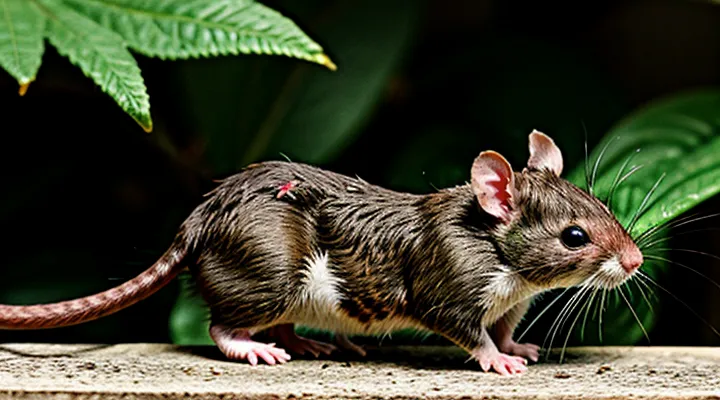
Common Causes of Red Spots
Dermatitis and Skin Irritation
Red lesions on a laboratory rat’s tail frequently signal dermatitis or localized skin irritation. The appearance of these spots may compromise animal welfare and affect experimental outcomes, so prompt identification and intervention are essential.
Common triggers include:
- Mechanical trauma from cage fixtures or handling
- Contact with abrasive bedding or disinfectants
- Parasitic infestation (e.g., mites, ticks)
- Allergic reaction to dietary components or environmental allergens
- Bacterial or fungal infection secondary to skin breach
Visible signs accompany the discoloration: edema, scaling, crust formation, hair loss, and occasional pruritus. Lesions may remain confined to the tail or spread to adjacent lumbar skin, indicating progression.
Diagnostic steps consist of visual assessment, microbiological swabs for bacterial or fungal cultures, microscopic examination for ectoparasites, and, when necessary, histopathology to differentiate between inflammatory and infectious processes. Laboratory values are rarely required unless systemic involvement is suspected.
Therapeutic measures focus on eliminating the underlying cause and supporting skin recovery:
- Remove irritants: replace abrasive bedding, adjust cage design, and discontinue offending chemicals.
- Apply topical agents: antiseptic ointments (e.g., chlorhexidine), antifungal creams, or corticosteroid preparations for inflammatory control.
- Administer systemic therapy when indicated: oral antibiotics for bacterial infection, antiparasitic agents for mite infestation, or antihistamines for allergic responses.
- Maintain hygiene: regular cleaning of cages, gentle handling, and use of non‑irritating grooming tools.
Preventive strategies emphasize environmental management: provide soft, low‑dust bedding, ensure proper cage ventilation, and monitor animals for early signs of irritation. Routine health checks enable rapid response, reducing the likelihood of chronic dermatitis and preserving the integrity of the study population.
Mites and Parasitic Infestations
Mites are frequent ectoparasites that infest laboratory and pet rats, often producing erythematous lesions on the tail. Infestations by Myobia musculi, Ornithonyssus bacoti, and similar species introduce mechanical irritation and secondary bacterial infection, which manifest as discrete red spots that may coalesce into larger inflamed areas.
Typical manifestations include localized redness, papular swelling, hair loss, and persistent scratching. Lesions are usually confined to the distal tail but can extend proximally if the infestation is severe. Secondary dermatitis may appear as crusted exudate or ulceration.
Diagnosis relies on direct observation of mites on the skin surface, followed by skin scrapings or adhesive tape preparations examined under a microscope. Identification of mite morphology confirms the causative agent and guides therapeutic choice.
Effective treatment options comprise:
- Topical acaricides (e.g., selamectin, fipronil) applied to the tail and surrounding skin according to label dosage.
- Systemic ivermectin administered subcutaneously at 0.2 mg/kg, repeated after 7 days to cover the mite life cycle.
- Antibacterial ointments for secondary infection, applied after acaricidal therapy.
Environmental management reduces reinfestation risk. Procedures include thorough cleaning of cages, bedding, and equipment with hot water or disinfectants, regular inspection of animals, and isolation of affected rats until treatment completion. Implementing a routine health‑monitoring schedule detects mite presence early, preventing escalation to severe tail lesions.
Fungal Infections
Fungal infections are a common source of erythematous lesions on the tails of laboratory and pet rats. Dermatophytes such as Trichophyton spp. and Microsporum spp. colonize the keratinized skin, producing inflammation, scaling and localized redness. The infection often begins after minor trauma or exposure to contaminated bedding, allowing spores to penetrate the stratum corneum.
Clinical signs include:
- Well‑defined red patches, sometimes bordered by a thin, dry rim;
- Slight swelling or thickening of the tail skin;
- Presence of fine white or grayish colonies visible under magnification;
- Mild scratching or grooming behavior focused on the tail.
Diagnosis relies on direct microscopic examination of skin scrapings, culture on Sabouraud agar, and, when necessary, histopathology to confirm fungal hyphae. Rapid identification enables targeted therapy and reduces the risk of secondary bacterial infection.
Effective treatment protocols consist of:
- Topical antifungal agents (e.g., 1 % clotrimazole or 2 % miconazole cream) applied twice daily for 7–14 days;
- Systemic therapy with oral itraconazole (5 mg/kg) administered once daily for 14 days in severe or recurrent cases;
- Cleaning of the environment—replace bedding, disinfect cages with a dilute bleach solution, and maintain low humidity to inhibit fungal growth;
- Monitoring for adverse reactions and re‑evaluating lesions after the treatment course; if lesions persist, extend systemic therapy or switch to an alternative antifungal such as terbinafine.
Preventive measures include regular cage sanitation, avoidance of excessive moisture, and routine health checks to detect early skin changes. Early intervention limits lesion expansion and promotes rapid recovery, preserving the rat’s comfort and preventing spread to other animals.
Bacterial Infections
Red bacterial infections are a frequent cause of erythematous lesions on a laboratory rat’s tail. Pathogenic species most often implicated include Staphylococcus aureus, Pseudomonas aeruginosa, and Pasteurella multocida. These organisms invade damaged skin, proliferate in moist environments, and produce localized inflammation that appears as bright red spots, sometimes evolving into ulcerated patches.
Clinical signs accompany the lesions: swelling, heat, occasional purulent discharge, and increased grooming of the affected tail. Systemic involvement may manifest as fever, lethargy, or weight loss, indicating that the infection has progressed beyond the superficial layer.
Diagnostic protocol consists of:
- Visual inspection and measurement of lesion dimensions.
- Collection of swab samples for aerobic culture and sensitivity testing.
- Histopathological examination of biopsy material when deeper tissue involvement is suspected.
Effective treatment relies on targeted antimicrobial therapy. After susceptibility results are obtained, administer one of the following agents at the recommended dosage for rodents:
- Oxacillin or nafcillin for methicillin‑susceptible Staphylococcus.
- Ciprofloxacin or levofloxacin for Pseudomonas infections.
- Enrofloxacin for Pasteurella species.
Adjunctive measures support recovery:
- Clean the tail with sterile saline and apply a non‑adhesive antiseptic dressing.
- Maintain a dry, low‑humidity cage environment to discourage bacterial growth.
- Provide analgesia (e.g., meloxicam) to reduce pain and stress.
Prevention emphasizes hygiene and injury avoidance. Regular cage cleaning, prompt removal of soiled bedding, and careful handling to prevent tail trauma reduce bacterial colonization risk. Routine health monitoring and early isolation of symptomatic animals further limit outbreak potential.
Injuries and Trauma
Red discoloration on a rat’s tail frequently signals injury or trauma. The appearance results from damaged blood vessels, tissue bruising, or localized inflammation.
Typical traumatic sources include:
- Direct impact from cage fixtures or equipment
- Biting or chewing by conspecifics
- Excessive friction against rough surfaces
- Constrained tail positioning that impedes circulation
- Accidental amputation or partial tail loss
When vessels rupture, blood pools beneath the epidermis, producing a vivid red patch. Inflammation amplifies the response, causing swelling and tenderness. Distinguishing trauma‑related spots from infections or neoplasia requires careful assessment.
Diagnostic routine: visual inspection for wound edges, palpation to detect fluid accumulation, and comparison with the opposite tail segment. If the lesion is ulcerated, exudate is present, or the rat exhibits systemic signs, laboratory analysis may be warranted.
Treatment protocol:
- Gently clean the area with sterile saline.
- Apply a broad‑spectrum antiseptic (e.g., chlorhexidine solution).
- Use a non‑adhesive dressing if the spot is open; replace daily.
- Administer analgesic medication appropriate for rodents (e.g., meloxicam) to reduce pain.
- Monitor for swelling, discharge, or changes in coloration; seek veterinary care if condition worsens.
Preventive measures: maintain smooth cage surfaces, provide ample space to avoid tail compression, limit aggressive interactions among housed rats, and inspect tails regularly during routine handling.
Allergic Reactions
Allergic reactions are a frequent cause of erythematous lesions on the caudal extremity of laboratory rats. Contact with allergens such as bedding fibers, cleaning agents, or dietary proteins triggers a type I hypersensitivity response, leading to mast‑cell degranulation and localized vasodilation. The resulting red spots are typically well‑defined, non‑ulcerated, and may be accompanied by mild edema.
Clinical assessment should include:
- Observation of lesion distribution and progression.
- Skin scraping or biopsy to confirm eosinophilic infiltration.
- Serum IgE quantification when systemic involvement is suspected.
Therapeutic measures focus on eliminating the offending allergen and suppressing the inflammatory cascade. First‑line pharmacologic intervention consists of oral antihistamines (e.g., diphenhydramine 10 mg/kg) administered twice daily for five days. If lesions persist, a short course of systemic corticosteroids (e.g., prednisolone 1 mg/kg) may be introduced, followed by a taper to avoid rebound inflammation. Topical soothing agents containing aloe or lanolin can provide additional comfort but do not replace systemic therapy.
Preventive strategies require strict control of environmental variables: replace scented bedding with plain paper, use hypoallergenic feed formulations, and conduct routine cleaning with mild, non‑irritant detergents. Regular monitoring of colony health records enables early detection of recurrent allergic patterns and facilitates timely adjustments to husbandry protocols.
Nutritional Deficiencies
Red discoloration of a rat’s tail frequently reflects an inadequate diet. Insufficient intake of specific nutrients compromises skin integrity and vascular stability, producing localized erythema.
Common dietary deficits associated with tail lesions include:
- Vitamin E deficiency – reduces antioxidant protection, leading to oxidative damage of cutaneous cells.
- Zinc shortage – impairs keratinocyte proliferation and wound healing.
- Essential fatty acid lack – diminishes membrane fluidity, increasing susceptibility to inflammation.
- Low protein levels – limit collagen synthesis, weakening dermal structure.
- Biotin insufficiency – disrupts epidermal metabolism, promoting dermatitis.
When these nutrients are scarce, the epidermis becomes fragile, capillaries leak, and inflammation emerges, manifesting as bright red spots. Laboratory analysis of blood serum, coupled with a dietary review, confirms the deficiency.
Therapeutic measures focus on restoring nutritional balance:
- Incorporate a fortified rodent chow containing adequate vitamin E (≥50 IU/kg), zinc (≥150 ppm), and omega‑3 fatty acids.
- Supplement the diet with a calibrated multivitamin paste delivering biotin (≥1 mg/kg) and high‑quality protein (≥20 % crude protein).
- Monitor lesion regression weekly; adjust supplementation if redness persists beyond two weeks.
- Maintain a clean environment to prevent secondary infection that could obscure treatment outcomes.
Correcting the underlying nutrient gaps typically resolves tail erythema within 7–14 days, restoring normal appearance and preventing recurrence.
Symptoms Accompanying Red Spots
Itching and Scratching
Red lesions on a rat’s tail frequently trigger a pruritic response that drives the animal to scratch the affected area.
The itch sensation originates from activation of peripheral nerve fibers by mediators such as histamine, serotonin, and prostaglandins released during inflammatory processes. Stimulation of these fibers sends signals to the spinal cord and brain, producing the urge to rub or bite the tail.
Common factors that provoke itching and subsequent scratching on a rat’s tail include:
- Ectoparasite infestation (mites, lice)
- Contact dermatitis caused by bedding material or disinfectants
- Dermatophytic fungal infection
- Allergic reaction to food additives or environmental allergens
- Physical trauma leading to ulceration
Persistent scratching can damage the epidermis, create secondary bacterial infections, and worsen the appearance of the red spots. In severe cases, tissue necrosis may develop, compromising tail function.
Effective management combines removal of the underlying cause with measures to reduce the itch. Recommended interventions are:
- Thorough cleaning of the cage and replacement of bedding to eliminate parasites and irritants
- Administration of appropriate antiparasitic agents (e.g., ivermectin) based on veterinary diagnosis
- Topical corticosteroid or calcineurin inhibitor creams to suppress inflammation
- Antifungal preparations for confirmed dermatophyte infection
- Use of soft, protective bandages or collars to limit self‑trauma while treatment takes effect
Monitoring the rat’s behavior after treatment ensures that itching subsides and the red lesions heal without further complication.
Swelling and Inflammation
Swelling and inflammation frequently accompany red lesions on a rat’s tail, indicating an active tissue response to injury or infection.
Bacterial invasion, mechanical trauma, mite infestation, allergic dermatitis, and neoplastic growth are the principal triggers. Each factor initiates a cascade of vascular changes, leukocyte migration, and cytokine release that produces edema, erythema, and pain.
The inflammatory process begins with vasodilation, increasing blood flow to the affected area. Capillary permeability rises, allowing plasma proteins and fluid to enter interstitial spaces, which creates the observable swelling. Infiltrating neutrophils and macrophages attempt to eradicate pathogens but also release enzymes that may exacerbate tissue damage.
Visible signs include localized enlargement, warmth, tenderness on palpation, restricted tail movement, and possible exudate. Systemic manifestations such as fever or lethargy suggest a more severe infection and require immediate attention.
Diagnostic evaluation starts with thorough visual inspection and gentle palpation. Cytological smears from any discharge identify cellular composition and possible pathogens. Bacterial cultures guide antimicrobial selection; imaging (radiography or ultrasound) assesses deeper tissue involvement or bone changes.
Effective management combines anti‑inflammatory and antimicrobial measures, wound hygiene, and, when necessary, surgical intervention.
- Non‑steroidal anti‑inflammatory drugs (e.g., meloxicam) administered at species‑appropriate doses to reduce edema and pain.
- Broad‑spectrum antibiotics (e.g., enrofloxacin) initiated empirically, then adjusted according to culture results.
- Topical antiseptics (chlorhexidine solution) applied after gentle cleaning with sterile saline.
- Warm compresses for 5‑10 minutes, twice daily, to promote circulation and fluid resorption.
- Surgical debridement or excision for necrotic tissue or tumor involvement, performed under anesthesia with aseptic technique.
Supportive care includes adequate nutrition, hydration, and a stress‑free environment to enhance immune function. Monitoring tail circumference and temperature daily allows early detection of treatment failure, prompting escalation of therapy.
Hair Loss and Skin Changes
Red lesions on a rat’s tail frequently coincide with alopecia and alterations of the epidermis. The loss of hair may appear as a well‑defined patch adjacent to the spot or as a diffuse thinning extending beyond the visible margin. Skin changes often include erythema, scaling, crust formation, and, in advanced cases, ulceration.
Typical factors producing both red spots and hair loss are:
- Bacterial infection (e.g., Staphylococcus spp.) causing cellulitis and follicular damage.
- Fungal dermatitis (e.g., Trichophyton spp.) leading to keratin degradation and alopecia.
- Ectoparasite infestation (mites, fleas) that irritate follicles and provoke localized inflammation.
- Mechanical trauma or self‑induced chewing resulting in tissue disruption and hair loss.
- Nutritional deficiencies (especially vitamin A or essential fatty acids) that impair epidermal integrity.
- Systemic diseases (autoimmune disorders, neoplasia) manifesting cutaneous signs on the tail.
Diagnostic work‑up should combine visual inspection with dermatoscopic evaluation, followed by culture or PCR to identify infectious agents, skin biopsy for histopathology, and blood analysis to detect systemic abnormalities. Precise identification of the underlying cause directs effective therapy.
Treatment protocols address the primary insult and support skin regeneration:
- Targeted antibiotics for bacterial involvement, administered systemically or topically according to sensitivity results.
- Antifungal creams or oral agents for confirmed mycotic infection.
- Acaricidal products or insecticidal baths to eradicate ectoparasites.
- Wound cleaning, debridement, and application of antiseptic dressings for traumatic lesions.
- Dietary supplementation with vitamin A, zinc, and omega‑3 fatty acids to restore epidermal health.
- Non‑steroidal anti‑inflammatory drugs or corticosteroids to reduce severe inflammation, applied under veterinary supervision.
Hair regrowth typically follows resolution of the inciting factor; early intervention shortens the recovery period and reduces the risk of permanent scarring. Monitoring for recurrence and maintaining optimal husbandry conditions help prevent future episodes.
Behavioral Changes
Red lesions on a rat’s tail often accompany measurable alterations in everyday activity. Researchers consistently record deviations from baseline patterns when the skin on the tail becomes inflamed or ulcerated.
Observed behavioral shifts include:
- Increased self‑grooming directed at the tail region
- Reduced overall locomotor activity, especially in open‑field tests
- Diminished social engagement, reflected by fewer approaches to cage mates
- Decreased food and water intake, sometimes accompanied by weight loss
These changes stem primarily from nociceptive input generated by the affected tissue. Inflammatory mediators sensitize peripheral nerves, triggering reflexive protective behaviors. Elevated corticosterone levels further suppress exploratory drive and social motivation.
Monitoring the described behaviors provides an early indicator of disease progression and treatment efficacy. Effective management combines topical antiseptics with systemic analgesics to alleviate pain, thereby restoring normal activity levels. Environmental enrichment—such as nesting material and sheltered zones—mitigates stress and supports recovery. Continuous behavioral assessment should accompany any therapeutic regimen to ensure comprehensive resolution of the condition.
Diagnosing the Cause
Veterinary Examination
A veterinary examination is the first step in identifying the origin of erythematous lesions on a rat’s tail. Accurate diagnosis depends on systematic data collection and targeted testing.
- History: record housing conditions, diet, recent injuries, exposure to other animals, and any previous treatments.
- Physical inspection: observe tail skin for color changes, lesion size, distribution, ulceration, and edema; palpate for tenderness or underlying masses.
- Diagnostic sampling: collect skin scrapings for parasite identification, swabs for bacterial culture, impression smears for cytology, and, when necessary, a biopsy for histopathology.
- Laboratory analysis: evaluate complete blood count and serum chemistry to detect systemic involvement or underlying metabolic disorders.
Interpretation of findings guides therapeutic choices. Confirmed bacterial infection warrants topical or systemic antibiotics; ectoparasites require appropriate acaricides; ulcerated or necrotic tissue may need debridement and wound care. Environmental modifications—improved cage hygiene, temperature regulation, and reduced stress—support recovery and prevent recurrence.
Skin Scrapes and Biopsies
Skin scrapes and biopsies constitute essential diagnostic procedures when evaluating erythematous lesions on a rodent’s tail. A skin scrape collects superficial cells by gently rotating a sterile blade across the affected area; the sample is then stained and examined for parasites, bacterial colonies, or inflammatory cell types. A biopsy removes a full‑thickness tissue fragment, preserving architecture for histopathological assessment of neoplastic, granulomatous, or vascular disorders.
The decision to perform a scrape versus a biopsy depends on the suspected etiology. Superficial infections and ectoparasites are usually resolved with scrapes, whereas persistent or atypical lesions require tissue cores to identify deeper pathology. Both techniques must adhere to aseptic technique, appropriate anesthesia, and humane handling to minimize stress and tissue trauma.
Key procedural steps:
- Prepare the rat with inhalational or injectable anesthesia; confirm lack of reflexes.
- Disinfect the tail surface with a sterile antiseptic solution.
- For a scrape: use a sterile scalpel blade, apply gentle pressure, rotate 2–3 times, collect cells on a glass slide, air‑dry, and stain (e.g., Giemsa).
- For a biopsy: employ a 2‑mm punch or scalpel, excise a full‑thickness plug, place the specimen in formalin, and label accurately.
- Apply a pressure bandage or sterile gauze; monitor the animal during recovery.
Interpretation of results guides therapeutic choices. Positive identification of mites, lice, or fungal elements directs targeted antiparasitic or antifungal regimens. Histology revealing vasculitis, neoplasia, or ulcerative dermatitis informs pharmacologic intervention, surgical excision, or supportive care. Negative findings, combined with clinical observation, may suggest idiopathic inflammation, prompting anti‑inflammatory medication and environmental modification.
Post‑procedure care includes daily inspection of the wound, application of topical antimicrobial ointment if indicated, and documentation of healing progress. Prompt removal of sutures or bandages prevents secondary infection. Consistent monitoring ensures that treatment based on scrape or biopsy findings achieves resolution of the red tail lesions.
Blood Tests
Blood analysis provides objective data that help differentiate infectious, inflammatory, or metabolic origins of erythema on a rodent’s tail. When visual inspection suggests vascular or dermal pathology, a complete blood count (CBC) should be obtained to assess leukocyte patterns, anemia, and platelet status. Elevated neutrophils indicate bacterial infection, while lymphocytosis may point to viral involvement. Hemoglobin concentration and hematocrit reveal hemorrhagic or clotting disorders that can manifest as red lesions.
Serum chemistry panels complement the CBC by detecting organ dysfunction that could contribute to tail pathology. Elevated liver enzymes (ALT, AST) suggest systemic toxicity, whereas increased creatinine or BUN may signal renal compromise affecting vascular integrity. Electrolyte imbalances, particularly calcium and phosphorus, influence coagulation cascades and should be monitored.
Targeted serological assays identify specific pathogens when clinical signs are ambiguous. Recommended tests include:
- Enzyme‑linked immunosorbent assay (ELISA) for Rickettsia spp.
- Immunofluorescence assay (IFA) for herpesvirus
- Polymerase chain reaction (PCR) panels for bacterial and fungal DNA
Positive results direct antimicrobial therapy, while negative findings shift focus to non‑infectious causes such as trauma or vasculitis.
Interpretation of laboratory results must be integrated with physical findings and histopathology, if available. Consistent abnormalities guide therapeutic choices: antibiotics for confirmed bacterial infection, antiviral agents for viral detection, or supportive care and anti‑inflammatory drugs for immune‑mediated conditions. Regular re‑evaluation of blood parameters ensures treatment efficacy and detects potential complications.
Treatment Options for Red Spots
Topical Medications
Topical agents are the primary intervention for localized erythema and ulceration on a rodent’s caudal appendage. They deliver active compounds directly to the lesion, minimizing systemic exposure while achieving high local concentrations.
Common categories include:
- Antiseptic ointments (e.g., chlorhexidine, povidone‑iodine). Reduce bacterial load, prevent secondary infection, and promote wound granulation. Apply a thin layer twice daily after gentle cleaning with saline.
- Corticosteroid creams (e.g., hydrocortisone 1 %). Suppress inflammatory mediators, decrease edema, and limit tissue necrosis. Use sparingly, no more than three consecutive days, to avoid skin atrophy.
- Antifungal preparations (e.g., miconazole, clotrimazole). Indicated when dermatophyte or yeast involvement is confirmed by culture or microscopy. Apply to the affected area once or twice daily for a minimum of seven days.
- Barrier gels (e.g., petroleum‑based ointments, silicone sheeting). Protect the wound from mechanical irritation and moisture loss, supporting re‑epithelialization. Reapply after each cleaning session.
Selection criteria:
- Identify the underlying etiology (bacterial, fungal, traumatic, or allergic) through clinical examination and, when possible, laboratory diagnostics.
- Choose an agent whose spectrum matches the identified pathogen or inflammatory process.
- Consider the rat’s age, weight, and any concurrent systemic therapy that might interact with topical drugs.
Application technique:
- Restrain the animal gently to avoid stress.
- Trim fur around the lesion with sterile scissors.
- Clean the surface with isotonic saline; avoid harsh detergents.
- Dispense a pea‑sized amount of medication; spread evenly without excess.
- Allow the area to dry before returning the animal to its cage to prevent ingestion.
Monitoring:
- Inspect the site daily for changes in size, color, or discharge.
- Document response after 48 hours; lack of improvement may require a change in formulation or addition of systemic therapy.
- Watch for adverse reactions such as erythema beyond the original margin, ulceration, or signs of discomfort, which indicate intolerance.
Proper storage of topical products—cool, dark conditions, sealed containers—preserves potency and reduces contamination risk. Compliance with these guidelines maximizes therapeutic outcomes for red lesions on a rat’s tail.
Oral Medications
Oral therapy is a primary option when addressing erythematous lesions on a laboratory rat’s tail. Systemic agents reach the affected tissue through the bloodstream, allowing treatment of both superficial and deeper inflammatory processes.
Effective oral medications include:
- Antibiotics (e.g., enrofloxacin, amoxicillin‑clavulanate) for bacterial infections; dosage typically 10 mg/kg once daily for 5–7 days.
- Antifungals (e.g., itraconazole, fluconazole) for fungal etiologies; dosing ranges from 5 to 10 mg/kg once daily, duration 7–14 days depending on pathogen.
- Anti‑inflammatory drugs (e.g., meloxicam, carprofen) to reduce swelling and pain; meloxicam 1–2 mg/kg once daily, not exceeding five days without veterinary supervision.
- Immunomodulators (e.g., prednisolone) for immune‑mediated dermatitis; initial dose 1–2 mg/kg every 24 hours, tapered according to clinical response.
Selection criteria:
- Identify the underlying cause through culture, histopathology, or PCR before initiating therapy.
- Adjust dose for the animal’s weight, age, and renal or hepatic function.
- Monitor for adverse reactions such as gastrointestinal upset, hepatotoxicity, or altered behavior; intervene promptly if side effects appear.
Therapeutic success depends on accurate diagnosis, appropriate drug choice, and strict adherence to dosing schedules. Regular observation of tail coloration, texture, and ulceration guides treatment duration and informs the need for alternative or adjunctive measures.
Antiparasitic Treatments
Antiparasitic therapy is a primary component of managing erythematous lesions on a rodent’s tail. The lesions commonly arise from ectoparasites such as Notoedres mites, Sarcoptes mites, fleas, and ticks; each agent requires a specific pharmacologic approach.
Systemic agents effective against these parasites include:
- Ivermectin, 0.2 mg/kg subcutaneously, repeated after 7 days.
- Selamectin, 0.2 mg/kg topical application, repeated weekly for three applications.
- Moxidectin, 0.5 mg/kg oral, administered once with a follow‑up dose after 14 days.
- Doramectin, 0.2 mg/kg intramuscularly, administered on day 0 and day 10.
Topical preparations provide direct contact with the affected area and are useful when systemic absorption is limited:
- Permethrin 5 % spray, applied to the tail skin twice daily for three days.
- Pyrethrin‑based shampoos, used for a 10‑minute soak, repeated every 48 hours for a total of three washes.
- Benzyl benzoate 25 % solution, applied once, with a second application after 7 days if lesions persist.
Effective protocols require accurate dosing based on body weight, strict adherence to the treatment schedule, and observation for adverse reactions such as hypersensitivity or neurotoxicity. Monitoring includes daily inspection of the tail for reduction in erythema and the presence of live parasites; complete resolution typically occurs within 10–14 days.
Emerging resistance to macrocyclic lactones necessitates rotation of drug classes and incorporation of environmental control measures: regular cleaning of cages, removal of bedding, and quarantine of newly introduced animals. Combining systemic and topical therapies, when indicated, enhances parasite eradication and accelerates healing of red tail lesions.
Environmental Management
Red lesions appearing on a laboratory rat’s tail often signal problems in the animal’s environment. Poor sanitation, excessive humidity, and abrasive bedding can irritate the skin, leading to inflammation and hemorrhage. Contaminated water sources or chemical residues may also provoke vascular damage, producing the characteristic spots.
Effective environmental management reduces incidence and supports recovery. Key actions include:
- Maintaining cage cleanliness through daily removal of waste and weekly deep cleaning with approved disinfectants.
- Selecting low‑abrasion bedding materials (e.g., paper or corncob) and monitoring moisture levels to keep relative humidity between 40 % and 60 %.
- Providing fresh, uncontaminated drinking water; testing water quality weekly for chlorine, heavy metals, and microbial load.
- Controlling temperature within the recommended range of 20 °C – 24 °C; using calibrated thermostats and avoiding drafts.
- Implementing a regular health‑inspection schedule, documenting any skin abnormalities and correlating them with environmental variables.
When lesions develop, immediate isolation of the affected animal prevents spread of potential pathogens. Topical antiseptics applied under sterile conditions aid wound healing, while systemic antibiotics are reserved for confirmed bacterial infection. Adjustments to the cage environment—such as replacing soiled bedding, reducing humidity, and ensuring proper ventilation—should accompany medical treatment to eliminate the underlying stressors.
Long‑term environmental oversight requires record‑keeping of cage parameters, periodic audits of cleaning protocols, and staff training on best‑practice husbandry. By integrating these measures, facilities can minimize the occurrence of tail‑related skin lesions, improve animal welfare, and enhance the reliability of experimental data.
Dietary Adjustments
Dietary management can influence the appearance of erythematous lesions on a rat’s tail. Nutrient imbalances, especially deficiencies in essential fatty acids and vitamins, often correlate with skin inflammation and compromised vascular integrity. Adjusting the feed composition addresses these underlying factors and supports recovery.
- Increase omega‑3 fatty acid sources (e.g., flaxseed oil, fish oil) to reduce inflammation and improve capillary health.
- Provide a vitamin E supplement (50–100 IU/kg diet) to protect cell membranes from oxidative damage.
- Ensure adequate vitamin C intake (approximately 30 mg/kg feed) to promote collagen synthesis and wound healing.
- Add a balanced multivitamin premix containing B‑complex vitamins to support metabolic processes that affect skin pigmentation.
- Include high‑quality protein (15–20 % of diet) from soy or casein to facilitate tissue repair.
- Offer fresh vegetables rich in antioxidants (broccoli, kale) to enhance immune response.
- Limit foods high in simple sugars or artificial colorants, which can trigger allergic reactions and exacerbate vascular leakage.
Hydration plays a critical role; provide constant access to clean water and consider a mild electrolyte solution during acute flare‑ups. Monitoring feed intake and adjusting portion sizes prevents obesity, a risk factor for circulatory disturbances that may manifest as tail redness. Regular evaluation of the rat’s diet, combined with these targeted modifications, reduces the likelihood of recurring lesions and supports overall dermal health.
Surgical Intervention «in rare cases»
Surgical removal is reserved for a minority of rats whose tail lesions do not respond to medical management or whose pathology threatens tissue viability. Indications include extensive necrosis, deep ulceration penetrating to bone, or persistent hemorrhage despite topical and systemic therapy. Prior to incision, the animal must undergo a complete physical examination, blood work to assess coagulation status, and analgesic pre‑medication to minimize stress.
The operative protocol typically follows these steps:
- Anesthetize with an inhalant agent (isoflurane) or injectable combination (ketamine‑xylazine) appropriate for the animal’s weight.
- Shave and disinfect the tail segment, extending the field at least 1 cm beyond visible margins.
- Excise the affected tissue with a scalpel or microsurgical scissors, preserving healthy margins of at least 2 mm.
- Achieve hemostasis using electrocautery or ligatures; apply a sterile absorbable suture pattern (e.g., simple interrupted) to close the skin.
- Administer a broad‑spectrum antibiotic (e.g., enrofloxacin) and a non‑steroidal anti‑inflammatory drug for postoperative pain control.
Post‑operative monitoring includes daily inspection of the incision site for signs of infection, measurement of tail temperature to ensure perfusion, and provision of a soft bedding surface to prevent pressure injury. Sutures are typically removed after 7–10 days, provided healing is satisfactory. Successful surgery restores tail integrity and prevents systemic spread of infection; however, complications such as dehiscence, osteomyelitis, or chronic pain may arise, necessitating prompt veterinary intervention.
Prevention Strategies
Maintaining Proper Hygiene
Red discoloration on a laboratory rat’s tail often signals bacterial, fungal, or parasitic irritation. Inadequate sanitation creates a moist environment that encourages microbial growth and skin breakdown, making strict hygiene the primary preventive measure.
- Clean cages daily; remove soiled bedding and replace with fresh, absorbent material.
- Disinfect cage surfaces with an approved, non‑toxic sanitizer after each cleaning cycle.
- Provide fresh water in a sealed bottle to avoid contamination; replace it at least every 24 hours.
- Store feed in airtight containers; discard any food that becomes damp or moldy.
- Wear disposable gloves when handling animals; change gloves between cages to prevent cross‑contamination.
Inspect tails each morning for swelling, discoloration, or ulceration. If lesions appear, isolate the affected rat, increase cage cleaning frequency, and apply a topical antiseptic according to veterinary guidance. Persistent or worsening spots require laboratory‑grade culture and targeted antimicrobial therapy.
Consistent implementation of these protocols reduces the incidence of tail lesions, supports overall animal welfare, and minimizes the need for medical intervention.
Regular Cage Cleaning
Regular cleaning of a rat’s enclosure directly influences the occurrence of erythematous lesions on the tail. Accumulated waste, moisture, and bacterial colonies create an environment where skin irritation and infection thrive, leading to the development of red spots.
Key aspects of cage maintenance that prevent tail lesions:
- Remove soiled bedding and droppings daily; replace with fresh, absorbent material.
- Disinfect surfaces with a rodent‑safe sanitizer at least once weekly; rinse thoroughly to avoid residue.
- Ensure proper ventilation to reduce humidity and condensation inside the habitat.
- Inspect water bottles and food dishes for leaks; repair or replace faulty equipment promptly.
If red lesions already appear, immediate steps include isolating the affected animal, cleaning the tail with a sterile saline solution, and applying a topical antiseptic approved for rodents. Monitor the wound for signs of worsening infection and consult a veterinarian for systemic antibiotic therapy when necessary. Consistent cage hygiene remains the most effective preventive measure.
Balanced Nutrition
Balanced nutrition directly influences the integrity of the integumentary system in laboratory rodents. Deficiencies in essential nutrients weaken capillary walls, impair keratin formation, and reduce immune competence, creating an environment where erythematous lesions on the tail are more likely to appear.
Key dietary components that support tail health include:
- Vitamin C: promotes collagen synthesis, stabilizes blood vessels, and accelerates wound repair.
- Vitamin E: acts as an antioxidant, protecting skin cells from oxidative damage.
- Zinc: required for epithelial regeneration and immune function.
- Essential fatty acids (omega‑3 and omega‑6): maintain membrane fluidity, reduce inflammation, and support barrier function.
- High‑quality protein: supplies amino acids necessary for keratin production and tissue remodeling.
Insufficient intake of any of these nutrients can lead to compromised vascular integrity, resulting in localized hemorrhage or inflammation that manifests as red spots on the tail. Conversely, a diet that meets or exceeds recommended levels reduces the incidence of such lesions and facilitates faster recovery when they occur.
When red tail lesions are observed, corrective nutritional measures should accompany any pharmacological or environmental interventions. Adjustments may involve:
- Adding a vitamin C supplement at 200 mg/kg feed.
- Incorporating a vitamin E source delivering 100 IU/kg feed.
- Ensuring zinc content of 80–120 ppm in the diet.
- Including 2–4 % fish oil or flaxseed oil to supply omega‑3 fatty acids.
- Providing a protein level of at least 18 % of total calories.
Monitoring body weight, feed consumption, and lesion progression provides feedback on the efficacy of the nutritional plan. Prompt correction of deficits shortens healing time and minimizes recurrence, reinforcing overall skin resilience in the animal model.
Stress Reduction
Stress is a recognized factor that can aggravate cutaneous lesions on laboratory rodents, including the appearance of erythematous patches on the tail. Elevated cortisol levels disrupt skin barrier integrity, impair wound healing, and increase inflammatory mediator release. Consequently, managing environmental and physiological stress directly supports therapeutic protocols aimed at resolving tail discoloration.
Effective stress mitigation strategies for rats involve:
- Providing nesting material and shelter to promote natural burrowing behavior.
- Maintaining a consistent light‑dark cycle with at least 12 hours of darkness.
- Limiting handling duration and using gentle restraint techniques.
- Ensuring cage enrichment with chewable objects and tunnels to encourage exploration.
- Monitoring temperature and humidity to stay within the species‑specific comfort range (20‑24 °C, 40‑60 % RH).
- Administering low‑dose anxiolytic agents only when behavioral assessments indicate chronic anxiety, following veterinary guidance.
Implementing these measures reduces hypothalamic‑pituitary‑adrenal axis activation, stabilizes immune function, and accelerates re‑epithelialization of affected tail tissue. Regular observation of behavior and tail condition allows rapid adjustment of the stress‑reduction plan, optimizing the overall treatment outcome.
Routine Veterinary Check-ups
Routine veterinary examinations are essential for early detection of tail lesions in laboratory and pet rats. During a standard appointment, the clinician inspects the tail surface, palpates for edema, and records any discoloration. These observations provide baseline data that differentiate new red spots from pre‑existing conditions.
Key components of a regular check‑up include:
- Visual assessment of tail skin for erythema, ulceration, or necrosis.
- Measurement of lesion dimensions with a calibrated ruler.
- Photographic documentation for longitudinal comparison.
- Collection of a small tissue sample when infection or neoplasia is suspected.
- Review of housing, diet, and grooming practices that may contribute to dermatologic issues.
Frequent examinations enable prompt identification of common etiologies such as bacterial infection, trauma, or vascular disorders. Early intervention—antibiotic therapy, wound cleaning, or environmental modification—reduces the risk of lesion progression and systemic complications.
Owners and researchers should schedule examinations at least quarterly, increasing frequency if red spots appear or if the animal exhibits behavioral changes. Consistent monitoring aligns health records with treatment outcomes, ensuring that therapeutic decisions are based on objective evidence rather than anecdotal observation.
When to Seek Veterinary Care
Red spots on a rat’s tail may indicate infection, trauma, or systemic disease. Immediate veterinary assessment is warranted when any of the following occur:
- Rapid expansion of the lesion or development of ulceration.
- Persistent bleeding, discharge, or foul odor from the spot.
- Sudden swelling, heat, or palpable pain in the tail region.
- Signs of systemic illness such as lethargy, loss of appetite, weight loss, or fever.
- Unusual behavior including excessive grooming of the tail, reluctance to move, or abnormal posture.
Even in the absence of these acute signs, a professional evaluation should be considered if the discoloration persists beyond a few days, fails to improve with basic wound care, or if the rat belongs to a breeding colony where disease transmission poses a risk.
Early intervention can prevent complications such as necrosis, bacterial spread, or chronic pain. Veterinarians can perform diagnostic testing, prescribe appropriate antibiotics or anti‑inflammatory medication, and recommend wound‑management protocols tailored to small rodents. Delaying care may result in irreversible tissue damage and reduced quality of life for the animal.