
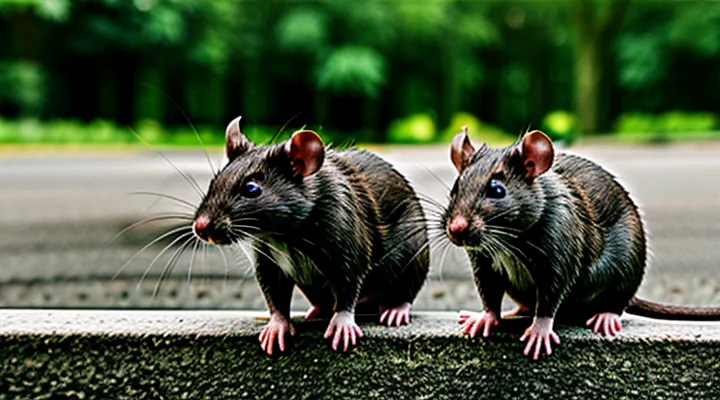
The Nature of Rat Sociality
Why Rats Are Social Creatures
Evolutionary Advantages of Group Living
Group living among rats confers measurable evolutionary benefits that increase individual fitness and population stability. Close proximity enables rapid transmission of alarm signals, allowing members to detect predators sooner than solitary counterparts. This heightened vigilance reduces mortality rates across the colony.
Cooperative foraging expands resource access. When rats explore environments together, they locate food patches more efficiently and share information about safe routes. The collective effort also diminishes the energetic cost per individual, as tasks such as nest construction and maintenance are distributed among several members.
Reproductive success improves through social structures that facilitate mate selection and parental care. Communal nesting sites provide protected environments for offspring, increasing survival odds. Additionally, the presence of related individuals enhances kin selection, promoting altruistic behaviors that benefit genetically similar peers.
Key evolutionary advantages of rat group living:
- Enhanced predator detection and response
- Increased foraging efficiency and reduced energy expenditure
- Improved offspring survival via shared nesting and care
- Strengthened kin selection mechanisms supporting cooperative traits
These advantages illustrate why cohesive rat societies persist across diverse habitats, reinforcing the adaptive value of social cohesion.
Instinctual Drives for Social Interaction
Rats exhibit innate mechanisms that compel them to seek and maintain contact with conspecifics. Genetic programming shapes neural circuits responsible for detecting social cues, ensuring that individuals respond automatically to the presence of others. These circuits integrate olfactory, auditory, and tactile information, triggering approach behaviors without conscious deliberation.
Hormonal systems reinforce the drive for affiliation. Release of oxytocin and vasopressin during close physical interaction strengthens the perception of safety and promotes repeated social engagement. The mesolimbic dopamine pathway is activated by rewarding aspects of group activities, reinforcing the propensity to stay together.
Key instinctual drivers can be summarized as follows:
- Sensory detection: pheromonal signals and ultrasonic vocalizations signal the proximity of group members.
- Neurochemical reinforcement: oxytocin, vasopressin, and dopamine create positive feedback loops for social contact.
- Evolutionary advantage: collective foraging and predator avoidance increase individual survival odds, reinforcing group cohesion across generations.
- Developmental imprinting: early-life exposure to littermates establishes baseline expectations for social interaction, shaping adult behavior.
Empirical studies demonstrate that disruption of any of these mechanisms—through pharmacological blockade or sensory deprivation—results in reduced affiliative behavior, heightened stress responses, and impaired cooperative tasks. The consistency of these findings across laboratory and field observations confirms that instinctual drives constitute the foundational basis for rat social organization.
Forms of Social Behavior in Rats
Cooperative Foraging and Resource Sharing
Cooperative foraging among rats strengthens colony stability. Individuals coordinate movements to locate food patches, reducing search time and exposure to predators. When a resource is found, rats signal peers through ultrasonic vocalizations and tactile cues, prompting rapid congregation at the site.
Resource sharing follows a predictable pattern. Dominant members often access the richest portions first, yet subsequent distribution occurs through reciprocal grooming and food‑transfer behaviors. This reciprocity lowers the risk of starvation for subordinate rats and maintains group cohesion.
Key mechanisms underlying cooperative foraging and sharing include:
- Synchronized exploration driven by pheromone trails
- Immediate recruitment via high‑frequency calls
- Reciprocal food exchange through mouth‑to‑mouth transfer
- Post‑feeding grooming that reinforces social bonds
Empirical studies demonstrate that colonies with efficient sharing exhibit higher reproductive output and lower mortality rates. Disruption of these behaviors leads to increased aggression and fragmented social structures, underscoring their role in the survival of rat populations.
Mutual Grooming and Hygiene
Mutual grooming among rats functions as a primary mechanism for maintaining colony health. Individuals engage in reciprocal licking and nibbling of fur, paws, and facial regions, removing parasites, detritus, and excess secretions. This behavior reduces the incidence of ectoparasite infestations and limits the spread of bacterial colonies on the skin surface.
Grooming exchanges also facilitate the distribution of scent markers. By transferring glandular secretions during close contact, rats reinforce group identity and signal reproductive status. The shared chemical profile stabilizes social hierarchy and minimizes aggressive encounters.
Key outcomes of mutual grooming include:
- Decreased pathogen load across the group
- Enhanced thermoregulation through removal of insulating debris
- Strengthened affiliative bonds that support cooperative foraging and nest building
- Accelerated wound healing owing to the mechanical removal of contaminants
Observational studies demonstrate that rats isolated from grooming partners exhibit higher stress hormone levels and slower recovery from minor injuries. Reintroduction to a grooming network restores physiological markers to baseline within days. Consequently, grooming serves both hygienic and social functions, underpinning the cohesion of rat colonies.
Play Behavior and Social Learning
Play episodes provide rats with a structured environment for acquiring and refining social competencies. During bouts of rough‑and‑tumble interaction, individuals encounter reciprocal aggression, role reversal, and coordinated pursuit, which generate feedback loops that shape future behavior.
Typical play actions include:
- Chasing and pouncing, which test speed and agility.
- Pinning and wrestling, which establish dominance hierarchies without lethal outcomes.
- Object manipulation (e.g., gnawing on tubes), which expands tactile exploration and problem‑solving skills.
Observational learning operates continuously within these sessions. Juvenile rats watch senior conspecifics execute successful escape tactics, then reproduce the movements with high fidelity. Imitation of specific motor patterns spreads through the group, creating a shared repertoire of conflict‑resolution strategies.
Experimental data support these dynamics. Laboratory colonies exposed to enriched play opportunities demonstrate faster acquisition of maze navigation tasks compared with isolates. Neurochemical analyses reveal elevated dopamine release during play, correlating with enhanced synaptic plasticity in the prefrontal cortex, a region implicated in decision‑making and social judgment.
Practical outcomes include reduced aggression, improved group stability, and higher reproductive success. Management protocols that preserve access to communal play arenas promote the natural transmission of adaptive behaviors, reinforcing the social cohesion essential for healthy rat populations.
Impact of Social Structure on Rat Well-being
Benefits of Social Grouping
Reduced Stress and Anxiety
Living in groups markedly lowers cortisol levels in laboratory rats, indicating reduced physiological stress. Cohabitation also diminishes the frequency of self‑grooming bursts that typically signal heightened anxiety. Social proximity triggers the release of oxytocin, a neuropeptide linked to calmness and social bonding, thereby stabilizing affective states.
Empirical studies report that rats housed in pairs or larger colonies exhibit:
- Faster recovery from novel‑environment exposure, measured by shortened latency to resume normal activity.
- Decreased ultrasonic vocalizations associated with distress during isolation periods.
- Lower heart‑rate variability, reflecting a more regulated autonomic response.
These outcomes arise from continuous tactile and olfactory interactions, which reinforce hierarchical stability and predictability within the group. Predictable social structure mitigates the uncertainty that fuels stress responses, allowing individuals to allocate energy toward foraging and growth rather than vigilance.
Consequently, maintaining social groups is a practical strategy for researchers aiming to minimize confounding stress variables in behavioral experiments. It also aligns with welfare guidelines that emphasize the psychological benefits of companionship for rodents.
Enhanced Cognitive Development
Living in stable groups enhances rats’ learning capacity. Cohesive colonies exhibit faster acquisition of maze tasks, superior memory retention, and increased problem‑solving flexibility. Social stability reduces stress hormones, allowing neural circuits to allocate resources to plasticity rather than survival.
Key mechanisms include:
- Elevated oxytocin release during affiliative interactions, which modulates hippocampal synaptic strength.
- Consistent exposure to conspecific cues that sharpen attention networks and improve discrimination of novel stimuli.
- Shared foraging experiences that foster observational learning, decreasing trial‑and‑error cycles.
Experimental data confirm that isolated rats display prolonged latencies in operant conditioning and diminished long‑term potentiation in the dentate gyrus. Reintroduction to familiar groups restores these deficits within days, indicating a reversible relationship between social environment and cognitive performance.
Practical implications extend to laboratory housing standards, where group housing should be prioritized to maintain cognitive integrity and reduce variability in behavioral assays.
Increased Lifespan and Health Outcomes
Group living among rats produces measurable extensions of life expectancy and improvements in physiological condition. Experimental cohorts housed in stable social units display median survival increases of 10‑15 % compared with isolated counterparts. Longevity gains correlate with reduced baseline cortisol, lower incidence of neoplastic lesions, and preservation of cardiac function.
Key health metrics enhanced by communal housing include:
- Immune competence: elevated lymphocyte proliferation and accelerated antibody response to antigens.
- Metabolic stability: steadier glucose regulation, decreased adiposity, and moderated lipid profiles.
- Neurological resilience: higher synaptic plasticity markers, diminished age‑related cognitive decline, and lower prevalence of anxiety‑like behaviors.
These outcomes arise from continuous social interaction, shared thermoregulation, and cooperative grooming, which collectively mitigate stress pathways and promote homeostatic balance. The evidence underscores the necessity of maintaining social structures in laboratory and captive rat populations to achieve optimal health trajectories.
Consequences of Social Isolation
Behavioral Abnormalities
Rats housed in isolation frequently display deviations from normal patterns of activity, communication, and stress regulation. These deviations compromise the validity of experimental outcomes and raise welfare concerns. Maintaining social groups mitigates the emergence of such deviations, thereby preserving physiological stability and behavioral consistency.
Common abnormalities observed in solitary conditions include:
- Decreased exploratory behavior and reduced interaction with novel objects.
- Elevated self‑grooming frequency, often progressing to compulsive patterns.
- Heightened aggression toward conspecifics introduced after a period of isolation.
- Disrupted circadian locomotor rhythms, manifesting as irregular activity peaks.
- Increased ultrasonic vocalizations associated with distress.
These manifestations reflect underlying neuroendocrine dysregulation and indicate that group living is essential for preserving typical rat behavior.
Physiological Stress Responses
Rats display rapid activation of the hypothalamic‑pituitary‑adrenal (HPA) axis when exposed to stressors. Elevated plasma corticosterone, increased adrenocorticotropic hormone (ACTH), and heightened sympathetic output constitute the primary endocrine and autonomic signatures of acute stress.
Key physiological markers include:
- Plasma corticosterone concentration (peak within 30 minutes of stress onset)
- ACTH levels in the portal circulation
- Heart rate and blood pressure elevation measured by telemetry
- Core body temperature rise detectable by implantable probes
- Glycogen depletion in liver and muscle tissue
Social isolation amplifies these responses. Studies report that singly housed rats exhibit corticosterone levels 1.5–2 times higher than those maintained in stable groups. Conversely, stable group composition suppresses baseline HPA activity and accelerates recovery after a stress episode, as reflected in faster normalization of heart rate and hormone concentrations.
The modulation of stress physiology by group cohesion has practical implications. Researchers must control for housing conditions to avoid confounding data on pharmacological or behavioral interventions. Animal welfare protocols that promote stable social structures reduce chronic stress burden, improving the reliability of experimental outcomes.
Impaired Immune Function
Rats thrive in stable groups; disruption of these bonds directly compromises immune competence.
Isolation triggers sustained cortisol release, which suppresses natural killer cell activity and diminishes antibody production. The physiological cascade includes:
- Reduced thymic output
- Lowered cytokine signaling efficiency
- Impaired macrophage phagocytosis
Social deprivation also alters gut microbiota composition, decreasing microbial diversity that normally stimulates mucosal immunity. Reduced allogrooming limits the transfer of beneficial microbes and removes a behavioral mechanism that removes ectoparasites, further weakening defense barriers.
Consequences for laboratory colonies are measurable: increased susceptibility to bacterial and viral challenges, higher morbidity rates, and prolonged recovery periods. Maintaining cohesive rat groups mitigates these risks, stabilizes immune parameters, and improves overall experimental reliability.
Implications for Rat Care and Research
Ethical Considerations in Rat Husbandry
Importance of Group Housing
Rats are inherently social mammals; isolation disrupts natural communication patterns and can lead to abnormal behaviors. Group housing allows individuals to engage in grooming, nesting, and hierarchical interactions that are essential for psychological stability. Research demonstrates that rats housed with conspecifics exhibit lower cortisol levels and fewer stereotypic actions compared to solitary counterparts.
- Reduced stress responses and improved immune function
- Enhanced learning performance in maze and discrimination tasks
- Normal development of reproductive cycles and parental care
- Stabilized social hierarchy minimizes aggression spikes
Effective communal housing requires adequate space, environmental enrichment, and regular health monitoring. Minimum floor area should accommodate multiple nesting sites and foraging opportunities. Enrichment items such as tunnels, chewable objects, and climbing structures support natural exploratory behavior. Compatibility assessments before introduction help prevent chronic conflict, while periodic observation ensures that dominance hierarchies remain balanced and that no individual shows signs of distress.
Social Enrichment Strategies
Social enrichment for laboratory rats hinges on maintaining stable group structures, providing stimuli that mimic natural interactions, and preventing isolation‑induced stress. Cohesive colonies exhibit reduced aggression, improved grooming patterns, and more reliable behavioral data, underscoring the necessity of group‑oriented protocols.
Effective enrichment measures include:
- Companion pairing: House rats in compatible cohorts of at least two individuals; avoid single‑cage housing whenever possible.
- Environmental complexity: Introduce nesting material, tunnels, and chewable objects that encourage cooperative exploration.
- Rotating enrichment items: Change objects on a regular schedule (e.g., weekly) to sustain novelty without disrupting social hierarchies.
- Structured play sessions: Provide brief, supervised periods where groups can interact with larger structures or puzzles that require collective problem‑solving.
- Sensory enrichment: Use olfactory cues such as bedding from other colonies to promote social curiosity while monitoring for heightened territorial responses.
Monitoring protocols should record group composition, hierarchy stability, and individual health markers. Adjustments—such as re‑grouping after aggressive incidents or introducing new enrichment items—must be documented to maintain reproducibility across studies.
Implementing these strategies aligns animal welfare standards with experimental rigor, ensuring that rat colonies remain socially cohesive and behaviorally reliable.
Understanding Social Dynamics in Research
Influence of Social Context on Experimental Results
Researchers have shown that the social environment of laboratory rats markedly alters physiological and behavioral outcomes. When individuals are housed in stable groups, stress markers such as corticosterone decline, while performance on cognitive tasks improves. Conversely, isolation or frequent regrouping elevates anxiety‑related behaviors and disrupts neurochemical balance.
Key mechanisms through which social context shapes experimental data include:
- Social buffering: Presence of conspecifics attenuates acute stress responses, leading to reduced variability in hormonal assays.
- Social hierarchy formation: Dominance structures affect access to resources, influencing body weight trajectories and metabolic measurements.
- Enriched interaction: Group housing promotes exploratory behavior, which can confound locomotor activity baselines if not accounted for.
- Communication cues: Ultrasonic vocalizations and scent marking modulate affective states, thereby impacting pain sensitivity and reward processing.
Experimental designs that ignore these variables risk producing results that are not reproducible across laboratories. Adjustments such as standardizing group size, maintaining consistent cage mates, and documenting hierarchy status enhance data reliability. When isolation is unavoidable, researchers must implement supplementary controls—e.g., environmental enrichment, scheduled social contact—to mitigate confounding effects.
Designing Socially Enriched Research Environments
Designing research environments that foster natural social interactions among laboratory rats enhances data reliability and animal welfare. Structured housing must reflect the species’ hierarchical organization, allowing stable groups to form while providing escape routes for subordinate individuals. Space allocation should exceed minimum legal dimensions, incorporating multiple nesting sites, tunnels, and platforms that encourage cooperative behaviors such as grooming and huddling.
Key components of a socially enriched setting include:
- Group composition: Maintain stable cohorts of compatible ages and sexes; introduce new members only after thorough compatibility assessment.
- Environmental complexity: Install interchangeable objects (e.g., chew blocks, climbing structures) that can be rearranged to stimulate collective exploration.
- Sensory enrichment: Provide shared auditory and olfactory cues, such as recorded conspecific vocalizations and scent markings, to reinforce group cohesion.
- Monitoring infrastructure: Deploy video tracking systems capable of distinguishing individual movements within the group, enabling precise behavioral quantification.
- Stress mitigation: Incorporate refuges that enable voluntary isolation without disrupting overall group stability; ensure these spaces are readily accessible.
Procedural guidelines for implementation:
- Conduct baseline behavioral assessments to identify dominant and subordinate individuals before group formation.
- Establish a rotation schedule for enrichment items, preventing habituation while preserving group dynamics.
- Record social interaction metrics (e.g., frequency of allogrooming, proximity patterns) weekly to detect deviations that may indicate hierarchy disruption.
- Adjust group size and composition in response to observed stress indicators, such as increased aggression or reduced social contact.
By integrating these elements, researchers create environments that mirror natural rat societies, thereby improving the ecological validity of experimental outcomes and complying with ethical standards for animal research.