
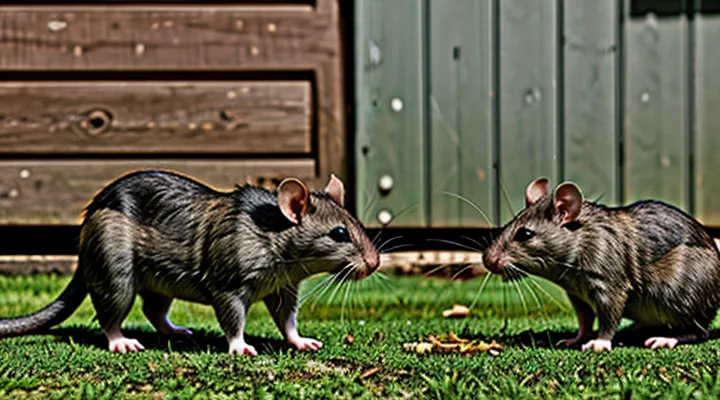
Understanding the Rat Problem
Identifying Rat Infestation
Common Signs of Rats
Rats leave unmistakable evidence that can be detected before damage becomes severe. Recognizing these indicators is essential for any effective yard‑level control effort.
- Dark, pellet‑shaped droppings, typically ¼ to ½ inch long, found near food sources, along walls, or beneath debris.
- Gnaw marks on wood, plastic, or metal, characterized by clean, crescent‑shaped bites approximately ¼ inch deep.
- Freshly chewed holes in insulation, wiring, or stored items, often surrounded by shredded material.
- Visible tracks in dusty or muddy areas, displaying four toes on the front foot and five on the hind foot.
- Small, shallow burrows in soil or under mulch, especially near shelter or water sources.
- Grease or smudge trails along baseboards, cabinets, or fence posts, left by a rat’s oily fur.
- Strong, musky odor, intensifying during warmer months, indicating urine accumulation.
- Nocturnal scratching or scurrying sounds within walls, attics, or under decks.
- Nests constructed from shredded paper, fabric, or plant material, usually located in hidden corners or concealed piles.
Each sign confirms rat activity and should trigger prompt inspection and targeted remediation. Early detection reduces the need for extensive measures and limits health risks associated with rodent infestation.
Types of Rats Found in Yards
Yard environments frequently host several rat species, each displaying distinct behaviors that influence control strategies. Recognizing the specific type present is essential for selecting appropriate eradication measures.
- Norway rat (Rattus norvegicus) – Large, robust body; prefers ground burrows, sewer systems, and dense vegetation. Common signs include extensive gnaw marks on wood, deep runways in soil, and sizable droppings measuring ¼ inch.
- Roof rat (Rattus rattus) – Slender, agile; favors elevated locations such as trees, roof spaces, and fence lines. Indicators consist of thin gnaw trails along beams, small dark droppings about ⅛ inch, and frequent presence in fruiting vines.
- Wood rat (Neotoma spp.) – Medium size; inhabits brush piles, mulch, and fallen logs. Evidence includes nests built from shredded plant material, moderate gnaw activity at ground level, and droppings similar in size to Norway rat but with a smoother texture.
Each species exploits different microhabitats, requiring targeted inspection of ground cover, structural cavities, and vegetation layers to confirm identification and implement effective removal tactics.
Risks Associated with Yard Rats
Health Hazards
Rats living around residential properties pose serious health threats. Their droppings contain pathogens that can survive for weeks, contaminating soil, surfaces, and food supplies. Direct contact with urine or feces may transmit leptospirosis, hantavirus, and salmonellosis, while inhalation of dried droppings can trigger respiratory illnesses such as hypersensitivity pneumonitis.
Rodent bites introduce bacteria like Streptobacillus moniliformis and Rickettsia spp., leading to severe infections if untreated. Parasitic infestations, including fleas and mites, often accompany rat populations, increasing the risk of plague, typhus, and other vector‑borne diseases. Additionally, rats gnaw on electrical wiring, creating fire hazards that indirectly endanger occupants.
Key health hazards include:
- Pathogen exposure: leptospirosis, hantavirus, salmonellosis, Lassa fever.
- Allergic reactions: IgE‑mediated responses to rodent dander and urine proteins.
- Bite‑related infections: streptobacillosis, rat‑bite fever.
- Parasite transmission: fleas, mites, ticks carrying plague, typhus.
- Secondary risks: electrical fires, structural damage leading to mold growth.
Mitigating these dangers requires prompt removal of rodents, sanitation of contaminated areas, and sealing of entry points to prevent re‑infestation. Professional pest control combined with regular yard maintenance reduces exposure and protects human health.
Property Damage
Rats in residential yards inflict significant property damage, affecting structures, utilities, and landscaping. Their gnawing habit compromises wooden beams, insulation, and wiring, creating fire hazards and costly repairs. Burrows undermine foundations and pavement, leading to uneven surfaces and water infiltration. Stored food and waste become contaminated, prompting health inspections and potential fines.
Damage categories include:
- Structural: gnawed joists, damaged roofing, compromised fences.
- Electrical: chewed cords, exposed conductors, increased risk of short circuits.
- Landscape: destroyed plants, eroded soil, exposed roots.
- Sanitary: polluted storage areas, spread of pathogens, foul odors.
Mitigation begins with exclusion. Seal cracks larger than ¼ inch, install metal flashing around doors and vents, and use heavy‑gauge wire mesh on crawl‑space openings. Remove food sources by storing feed in sealed containers, clearing fallen fruit, and maintaining regular trash collection. Eliminate shelter by trimming vegetation, stacking firewood away from structures, and clearing debris.
Control tactics involve:
- Mechanical traps: snap or live‑capture devices placed along high‑traffic routes.
- Rodenticides: bait stations positioned in tamper‑proof containers, monitored for non‑target exposure.
- Professional services: integrated pest‑management programs that combine inspection, baiting, and follow‑up.
After successful removal, conduct a thorough inspection to identify compromised components. Replace gnawed wiring, reinforce weakened joists, and repair eroded ground. Implement a schedule for quarterly checks of entry points and bait stations to prevent reinfestation. Consistent maintenance preserves structural integrity and reduces long‑term expenses.
Prevention Strategies
Eliminating Food Sources
Securing Trash Cans
Rats are attracted to exposed waste; unsecured trash cans provide easy access to food and shelter, directly supporting infestation. Preventing entry points eliminates a primary food source, reducing the likelihood of rodent activity around the property.
To protect trash containers effectively, implement the following measures:
- Choose bins with tight‑fitting lids that lock or snap shut.
- Inspect lids regularly for cracks, warping, or compromised seals; replace damaged parts immediately.
- Position cans on a raised, non‑porous platform to deter rats from climbing or burrowing underneath.
- Install a metal or heavy‑duty latch system that requires deliberate action to open, preventing accidental openings by animals.
- Keep the surrounding area clear of debris, spilled food, and vegetation that could conceal entry points.
- Empty bins frequently, especially in warm weather, to limit food availability.
- Apply a rodent‑deterrent spray or powder around the base of each can, following manufacturer instructions for safety and efficacy.
Consistent application of these practices creates a barrier that denies rats access to waste, supporting long‑term control of rodent populations in the yard.
Managing Pet Food
Effective rodent control in outdoor areas begins with proper pet food handling. Food left outdoors attracts rats, providing a reliable food source that undermines any elimination effort. Managing pet nutrition reduces this risk and supports a sustainable environment.
Store dry kibble in airtight containers made of metal or heavy‑duty plastic. Seal each container after use to prevent scent leakage. Keep containers off the ground, preferably on a raised shelf or bench, to limit rodent access.
Feed pets inside the house whenever possible. If outdoor feeding is unavoidable, limit portions to the exact amount needed for a single meal and remove leftovers within fifteen minutes. Clean the feeding area promptly, sweeping up stray crumbs and wiping surfaces with a mild detergent.
Dispose of pet food waste in sealed bags before placing them in a locked trash bin. Ensure the bin has a tight‑fitting lid and is positioned away from the yard’s perimeter. Regularly service waste containers to eliminate any damage that could allow entry.
Implement a routine inspection schedule:
- Weekly: Verify container seals, inspect feeding zones for debris, and confirm trash bin integrity.
- Bi‑weekly: Rotate storage locations to prevent rats from establishing a predictable pattern.
- Monthly: Conduct a thorough sweep of the yard, removing any spilled food, droppings, or nesting material.
By eliminating accessible pet food, the attraction factor for rats diminishes, allowing traps, baits, and other control measures to work more efficiently. Consistent application of these management practices creates a hostile environment for rodents while maintaining pet health.
Harvesting Garden Produce Promptly
Harvesting garden produce without delay reduces the attraction of yard rodents and limits damage to crops. Freshly ripe fruits and vegetables become vulnerable to gnawing and contamination within hours; prompt removal eliminates a primary food source that sustains an infestation.
Effective timing follows a simple schedule:
- Inspect plants each morning for signs of ripeness.
- Cut or pick produce as soon as it reaches optimal size and color.
- Transport harvest to a sealed storage area or refrigeration unit within 30 minutes.
- Clean tools and containers after each use to prevent residue buildup.
Integrating rapid harvest with rodent control measures enhances overall yard sanitation. Secure compost bins, eliminate standing water, and maintain clear pathways to discourage nesting. By consistently removing edible material, the environment becomes less hospitable to rats, supporting long‑term population reduction.
Removing Shelter and Breeding Sites
Clearing Debris and Clutter
Effective rodent control begins with a clean environment. Accumulated trash, fallen branches, and disorganized items create shelter and food sources that attract rats. Removing these elements reduces habitat suitability and forces the pests to seek alternative locations.
Start by inspecting the entire yard. Identify piles of leaves, wood, garden waste, and any objects that provide cover. Gather all debris and transfer it to a sealed container for disposal. Dispose of the material at a regulated landfill or incineration facility; avoid leaving it near the property.
Next, organize stored items. Stack firewood on a raised platform, away from walls, and keep it covered with a waterproof tarp. Place garden tools, bicycles, and other equipment in a locked shed or garage. Ensure that the storage area has smooth walls and no gaps larger than a quarter inch.
Implement regular maintenance to prevent re‑accumulation:
- Trim vegetation that contacts the house or fence.
- Sweep gutters and remove standing water weekly.
- Sweep patios, decks, and walkways after each storm.
- Schedule monthly removal of compost bins, ensuring they are tightly sealed.
By consistently eliminating debris and clutter, the yard becomes inhospitable to rats, supporting other control measures such as traps and exclusion devices. The result is a safer, healthier outdoor space with reduced rodent activity.
Trimming Vegetation
Trimming vegetation reduces shelter and food sources that attract rodents to residential outdoor spaces. Dense shrubs, overgrown grass, and tangled vines create hidden pathways for rats to travel between sewer lines, compost piles, and the house foundation. By maintaining a clear perimeter, you limit the areas where rodents can hide and nest.
Effective vegetation management includes the following steps:
- Cut back shrubs to a minimum height of 12 inches from the ground, especially along fence lines and building walls.
- Mow lawns regularly, keeping grass no longer than 3 inches.
- Remove dead plant material and fallen leaves that accumulate in corners and under decks.
- Prune tree branches that overhang the roof or walls, preventing rats from using them as bridges.
- Dispose of trimmed debris in sealed containers or away from the property to avoid providing additional food.
Timing matters. Conduct the primary trimming in early spring before rat populations increase, and repeat the process every 4–6 weeks during the warm months. Use sharp shears or powered trimmers to achieve clean cuts, which discourage regrowth and reduce the likelihood of new shelter formation.
Integrating vegetation control with other rodent‑deterrent measures—such as sealing entry points, proper waste storage, and regular inspection of utility lines—creates a comprehensive strategy that limits rat activity and supports long‑term yard sanitation.
Sealing Entry Points to Structures
Sealing entry points is a critical component of any rodent control program. Effective blockage prevents rats from accessing the interior of buildings, reduces the likelihood of nesting, and limits food sources. The process involves systematic inspection, selection of appropriate materials, proper installation, and ongoing verification.
Begin with a thorough survey of the structure. Examine foundations, walls, roofs, vents, utility penetrations, and crawl spaces. Look for gaps larger than ¼ inch, cracks, holes around pipes, and deteriorated flashing. Pay special attention to areas where rodents are observed or where droppings are found.
Choose durable, rodent‑proof materials. Preferred options include:
- Steel wool or copper mesh combined with caulking for irregular openings.
- Cement‑based sealants for cracks in masonry.
- Metal flashing or sheet metal for gaps around vents and eaves.
- Heavy‑duty hardware cloth (¼‑inch mesh) for larger voids.
- Expanding polyurethane foam for non‑structural gaps, applied over a steel wool core to deter chewing.
Install barriers following these steps:
- Clean the area to remove debris and loose material.
- Insert steel wool or mesh into the opening, compressing it to fill the space completely.
- Apply sealant or foam over the filler, shaping it to match the surrounding surface.
- Secure metal flashing or hardware cloth with screws or appropriate fasteners.
- Inspect the seal for gaps or loose edges, reinforcing as needed.
After installation, schedule periodic inspections, especially after severe weather or building renovations. Replace damaged sections immediately to maintain continuous protection. Document all sealed points to track progress and identify recurring problem areas.
By adhering to a systematic sealing protocol, property owners significantly reduce rat ingress, supporting broader pest‑management objectives and protecting structural integrity.
Yard Maintenance Practices
Regular Lawn Care
Regular lawn maintenance reduces shelter and food sources that attract rodents, making the yard less inviting for infestations. Mowing at the recommended height prevents dense grass mats where rats can hide and breed.
Key practices include:
- Mow weekly during growing season, keeping grass no taller than 3 inches.
- Remove leaf litter, clippings, and debris after each cut.
- Trim edges and borders to eliminate thick borders that serve as pathways.
- Apply a balanced fertilizer according to soil test results; over‑fertilization creates lush growth that supports rodent populations.
Aeration and dethatching improve soil health and discourage burrowing. Conduct core aeration twice yearly, followed by overseeding to fill gaps and maintain uniform coverage. Dethatching removes dead material that can conceal nests.
Consistent irrigation schedules avoid standing water, which attracts insects that serve as secondary food for rats. Water early in the morning, allowing the lawn to dry before evening. Monitoring for signs of rodent activity—chewed roots, droppings, or gnaw marks—enables prompt corrective action before problems spread.
Proper Drainage
Proper drainage eliminates the moisture and standing water that attract rats and provide them with easy travel routes. When rainwater pools near foundations, compost piles, or garden beds, it creates a humid environment conducive to rodent activity. By directing water away from these areas, you reduce shelter and food sources, making the yard less hospitable to rats.
Key actions for effective drainage:
- Grade soil so that the surface slopes at least 2 % away from buildings and structures.
- Install French drains or perforated pipe beneath low‑lying spots to collect and channel excess water.
- Maintain clean gutters and downspouts; ensure they discharge at a safe distance from the foundation.
- Use permeable paving materials in walkways and driveways to prevent runoff accumulation.
- Elevate compost bins and refuse containers on platforms or pallets to keep them dry.
Regular inspection is essential. Check for erosion, clogged drains, or water pooling after storms, and address problems immediately. A well‑drained yard removes one of the primary conditions that support rat populations, contributing directly to successful rodent control.
Effective Elimination Methods
Non-Lethal Approaches
Live Trapping and Relocation
Live trapping provides a humane alternative to lethal methods when dealing with rodent intruders in residential yards. The approach involves capturing animals alive, transporting them to a suitable release area, and preventing their return.
Effective implementation requires the following components:
- Trap selection: Choose snap‑free, cage‑type traps made of sturdy wire mesh with a secure door mechanism. Models with a spring‑loaded door and a smooth interior reduce stress on captured rodents.
- Bait choice: Use high‑protein attractants such as peanut butter, dried fish, or canned cat food. Apply a small amount to the trigger plate to ensure consistent activation.
- Placement strategy: Position traps along walls, near burrow entrances, and in concealed corners where activity signs appear. Set traps perpendicular to the wall, with the trigger end facing the anticipated travel path.
- Monitoring routine: Check traps at least twice daily to limit dehydration and injury. Record capture times, locations, and any injuries for future adjustments.
Relocation must comply with local wildlife regulations; many jurisdictions prohibit moving rats beyond a specified distance or into protected habitats. When release is permitted, follow these guidelines:
- Site criteria: Choose an area at least five miles from the original property, offering ample shelter, food sources, and natural predators. Avoid residential zones, farms, and ecological reserves.
- Transport protocol: Use a ventilated container with a secure lid. Cover the container with a cloth to reduce stress during movement.
- Release procedure: Open the container on the ground, allow the animal to exit voluntarily, and withdraw promptly to prevent recapture.
Post‑relocation monitoring should include sealing entry points, removing attractants, and maintaining sanitation to deter reinfestation. Regular inspection of potential harborage sites, combined with prompt removal of debris and proper waste management, reinforces long‑term control without recurring reliance on live traps.
Natural Repellents
Natural repellents provide a chemical or sensory deterrent that discourages rats from entering a garden without relying on poisons or traps. Their effectiveness depends on proper application, concentration, and environmental conditions.
Commonly used natural agents include:
- Peppermint oil diluted in water and sprayed around entry points; the strong menthol scent overwhelms rodent olfactory receptors.
- Citronella or eucalyptus oil mixtures applied to mulch and fence bases; volatile compounds act as irritants.
- Ground pepper, cayenne, or hot chili powder scattered along pathways; capsaicin triggers discomfort upon contact.
- Predator urine (fox, coyote) placed in bait stations; the scent signals danger and prompts avoidance.
- Strongly scented herbs such as mint, rosemary, or lavender planted near vulnerable zones; continuous release of essential oils creates an inhospitable perimeter.
Implementation guidelines:
- Prepare a 10‑15 % essential‑oil solution using a carrier (water, vinegar, or alcohol). Apply weekly, especially after rain.
- Reapply dry powders after each heavy rain or irrigation event to maintain contact concentration.
- Position predator‑urine sachets at least 30 cm above ground level, replace every two weeks to preserve potency.
- Integrate herb borders at least 30 cm wide, trimming regularly to prevent overgrowth that could shelter rodents.
When combined with proper sanitation—removing food sources, sealing cracks, and storing waste securely—natural repellents can significantly reduce rat activity in outdoor spaces.
Lethal Methods
Snap Traps
Snap traps provide rapid, humane termination of rodent activity in outdoor environments. They function by storing kinetic energy in a spring‑loaded bar; when the trigger is activated, the bar strikes the animal’s neck, causing immediate fatal injury.
Effective deployment requires attention to location, bait selection, and safety measures:
- Position traps along established runways, typically within 12‑18 inches of walls, fences, or vegetation where rats travel.
- Place traps perpendicular to the runway, with the trigger end facing the expected direction of approach.
- Use high‑protein baits such as peanut butter, dried fruit, or small pieces of meat; secure bait to the trigger mechanism to prevent premature release.
- Set traps in the evening, when nocturnal activity peaks, and check them each morning.
- Wear gloves when handling traps to avoid transferring scent and to protect against accidental discharge.
- Dispose of captured rodents in sealed containers and follow local regulations for waste disposal.
Maintenance considerations include:
- Inspect springs for corrosion; replace damaged units promptly.
- Store unused traps in a dry, temperature‑controlled environment to preserve tension.
- Rotate trap locations periodically to prevent bait aversion.
Advantages of snap traps:
- Immediate result without reliance on poison.
- Low cost per unit, suitable for large‑scale yard applications.
- Minimal impact on non‑target wildlife when placed correctly.
Limitations:
- Requires regular monitoring to remove dead rodents and reset devices.
- Potential risk of accidental triggering if not secured properly.
Integrating snap traps with complementary methods—such as habitat modification and exclusion—maximizes control efficacy and reduces reinfestation risk.
Electronic Traps
Electronic traps provide a rapid, humane solution for outdoor rat populations. The devices operate by delivering a short, high‑voltage shock that immobilizes the animal within seconds, then releases it into a containment chamber for safe removal. Power sources include rechargeable batteries, solar panels, or mains connections, allowing placement in gardens, alleys, or near waste containers without frequent maintenance.
Key characteristics:
- Immediate incapacitation: Voltage range of 2,000–3,500 V ensures quick neutralization.
- Reusable capture module: Detachable cage can be emptied and reinstalled without exposing handlers to the rodent.
- Adjustable sensitivity: Sensors detect size and weight, reducing false triggers on non‑target species.
- Weather‑resistant housing: IP66 rating protects circuitry from rain, dust, and temperature fluctuations.
- Low operating cost: Once charged, a single unit can process dozens of rodents before battery replacement.
Installation guidelines:
- Position the trap along established runways, such as near burrow entrances, along fence lines, or adjacent to food sources.
- Secure the unit at ground level, ensuring the capture opening aligns with the ground surface to prevent escape.
- Activate the power source and test the shock function according to the manufacturer’s safety checklist before deployment.
- Inspect the containment chamber daily; remove captured rats, disinfect the interior, and reset the trigger mechanism.
- Rotate trap locations every two weeks to cover a broader area and prevent habituation.
Maintenance considerations:
- Clean the sensor surface weekly to remove debris that could interfere with detection.
- Replace battery packs after 300 hours of cumulative operation or when voltage output falls below the specified threshold.
- Conduct a visual inspection of seals and cables quarterly; tighten or replace components showing wear.
Electronic traps combine efficiency with minimal environmental impact, making them suitable for residential yards, commercial properties, and municipal pest‑control programs. Their rapid action, reusable design, and adaptability to various power sources deliver consistent results while reducing labor and chemical exposure.
Baits and Rodenticides
Baits and rodenticides constitute the primary chemical strategy for controlling yard rat populations. Commercial products fall into two categories: anticoagulant formulations that disrupt blood clotting, and non‑anticoagulant agents that cause rapid physiological failure. Anticoagulants include first‑generation compounds (e.g., Warfarin) and second‑generation variants (e.g., Brodifacoum) with higher potency and longer residual activity. Non‑anticoagulants comprise bromethalin, zinc phosphide, and cholecalciferol, each offering distinct modes of action and resistance profiles.
Effective deployment requires adherence to the following practices:
- Position bait stations along established runways, near burrow entrances, and under sheltering objects.
- Use tamper‑resistant containers to prevent access by non‑target wildlife and children.
- Rotate active ingredients every 4–6 weeks to mitigate bait shyness and resistance development.
- Monitor consumption daily; replace depleted units promptly to maintain consistent pressure on the infestation.
- Record placement locations and dates to evaluate treatment coverage and adjust future placements.
Safety considerations dictate that handlers wear disposable gloves, avoid direct skin contact, and wash hands thoroughly after each session. Waste material must be collected in sealed containers and disposed of according to local hazardous waste regulations. Regular inspection of bait stations and prompt removal of dead rodents reduce secondary poisoning risks and support a sustainable control program.
Safety Precautions for Baits
Effective bait use demands strict safety measures. Secure storage prevents accidental exposure. Keep containers sealed, place them in locked cabinets, and label clearly with hazard warnings.
When applying baits outdoors, select locations inaccessible to children and pets. Position stations at least 10 feet from playgrounds, garden beds, and animal feeding areas. Mount devices on elevated surfaces or within tamper‑resistant housings to deter non‑target animals.
Personal protection is mandatory for anyone handling toxic formulations. Wear disposable gloves, eye protection, and, if dust is generated, a mask rated for particulate matter. Wash hands thoroughly after each session and avoid contact with food, drink, or cosmetics until decontamination is complete.
Environmental precautions reduce contamination risk. Do not place baits near water sources, drainage ditches, or storm‑water outlets. If rain threatens bait stations, cover them with waterproof shields or relocate to sheltered spots.
Disposal of unused or expired bait must follow local regulations. Seal waste in double‑layered bags, label as hazardous, and deliver to an approved collection point. Do not discard baits in regular trash or flush them down drains.
Regular inspection ensures ongoing safety. Check stations weekly for damage, spillage, or signs of non‑target species. Replace depleted units promptly, and record all maintenance activities for accountability.
Proper Placement of Baits
Effective bait deployment determines the success of any outdoor rat management program. Position baits where rodents naturally travel, hide, or feed, while keeping them out of reach of children and non‑target animals.
- Place stations along walls, fence lines, and under eaves; rats avoid open spaces and prefer the security of structural edges.
- Install baits near known food sources such as compost piles, pet feeding areas, and trash containers, but maintain a minimum distance of 3 feet to prevent contamination.
- Position stations at ground level or slightly elevated (2–4 inches) on a stable surface; this height matches the typical movement plane of rats.
- Locate baits in damp, sheltered micro‑habitats, including under decks, in crawl spaces, and behind shrubbery, where humidity encourages activity.
- Ensure each station is spaced 10–15 feet apart to cover the entire property without creating overlapping zones that could reduce bait consumption.
Seasonal adjustments enhance results. In warm months, focus on shaded, moist zones; during colder periods, move baits closer to heated structures or burrow entrances where rats seek warmth. Regularly inspect stations for depletion, displacement, or weather damage, and replenish promptly to maintain constant availability.
Professional Pest Control
When to Call an Expert
Rats become a serious problem when their activity extends beyond occasional sightings. Persistent droppings, gnaw marks on structures, audible scurrying at night, and damage to wiring or plumbing indicate that the population has grown beyond what home remedies can control. If these signs appear in multiple locations across the yard, professional intervention is required.
Health hazards also dictate expert involvement. Presence of diseases such as leptospirosis, hantavirus, or salmonella, confirmed by medical advice or local health department alerts, mandates immediate action by a licensed pest‑control specialist. Additionally, municipal regulations in many jurisdictions forbid homeowners from applying certain rodenticides, making a certified operator the only legal option.
Typical situations that justify calling an expert include:
- Evidence of a colony (multiple active burrows, extensive droppings)
- Structural damage to foundations, fences, or utility lines
- Repeated failure of traps, baits, or exclusion methods
- Legal restrictions on the use of toxic substances
- Confirmation of disease risk by health authorities
When any of these conditions are met, contacting a qualified pest‑management professional ensures safe, effective eradication and prevents further loss of property and health.
What to Expect from a Professional Service
A professional rat control provider conducts a thorough site assessment, identifying entry points, nesting sites, and food sources. Inspectors record evidence such as droppings, gnaw marks, and burrow locations, then develop a customized action plan.
The service includes:
- Application of approved rodenticides or traps placed according to safety regulations.
- Installation of physical barriers, such as sealing gaps and reinforcing fences.
- Removal of attractants by advising on waste management and vegetation control.
- Documentation of all actions taken, including product types, placement maps, and dosage amounts.
Clients receive a detailed report outlining findings, treatment methods, and a schedule for follow‑up visits. Follow‑up visits verify elimination success, assess any new activity, and adjust measures if necessary.
Warranty terms are typically offered, guaranteeing re‑treatment at no extra cost if rats reappear within a specified period, provided that recommended sanitation practices are maintained.
Overall, a reputable service delivers measurable results, compliance with environmental standards, and clear communication throughout the eradication process.