
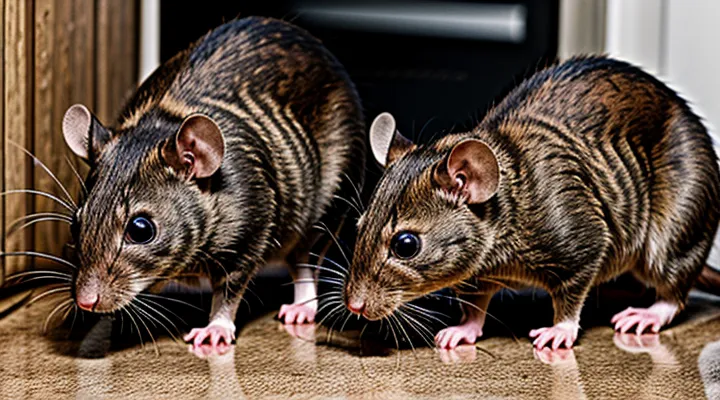
Signs of Rat Infestation
Unexplained Noises
Scuttling in Walls
Rats often travel through concealed pathways, using walls as highways to reach food, water and shelter. The distinctive rustling, scratching or gnawing sounds that echo from interior partitions indicate active movement behind the surface. Identifying the exact location requires systematic inspection: observe entry points such as gaps around pipes, vents and electrical conduits; trace fresh droppings, urine stains or shredded insulation; listen for persistent nocturnal activity with a flashlight directed at wall cavities.
Effective response involves several coordinated actions:
- Seal all exterior openings larger than ¼ inch with steel wool, metal flashing or concrete caulk.
- Install removable access panels at suspected hotspots to allow visual confirmation and trap placement.
- Deploy snap traps or electronic bait stations inside wall voids, positioning them perpendicular to known runways.
- Apply rodent‑resistant insulation and replace damaged sheathing to eliminate nesting material.
- Schedule professional fumigation or ultrasonic deterrent devices if infestation spreads beyond isolated sections.
Monitoring after intervention is essential. Re‑inspect access panels weekly for new signs of activity and maintain a barrier maintenance program to prevent future incursions. Prompt, thorough action limits structural damage, reduces health risks and restores the integrity of the building envelope.
Squeaking Sounds
Squeaking sounds often signal the presence of small rodents within a dwelling. These high‑pitched vocalizations differ from scratching or gnawing noises by their rapid, repetitive quality and are most common during twilight hours when rats and mice communicate with mates or alert conspecifics to danger.
Typical characteristics include:
- Frequency range between 2 kHz and 8 kHz, audible to most adults.
- Duration of 0.2–0.5 seconds per call, repeated in bursts.
- Occurrence near concealed pathways such as wall voids, attic insulation, and crawl‑space openings.
Locating the source requires systematic inspection:
- Silence external distractions; listen from multiple positions within the affected area.
- Follow the sound toward the strongest point, noting walls, ceilings, and floor joists.
- Use a handheld ultrasonic detector to confirm rodent activity when auditory cues are faint.
- Examine nearby entry points for gnaw marks, droppings, or nesting material.
After identification, implement control measures:
- Seal gaps larger than ¼ inch with steel wool and caulking to prevent re‑entry.
- Deploy snap traps or electronic devices directly along identified pathways; position bait near the sound source.
- Apply rodent‑resistant steel mesh to vents and utility openings.
- If infestation persists, contact a licensed pest‑management professional for integrated‑approach treatment.
Timely response to squeaking sounds reduces the risk of structural damage, disease transmission, and further population growth. Continuous monitoring after intervention ensures lasting exclusion.
Visual Evidence
Droppings
Droppings serve as the primary indicator of a rodent intrusion. Fresh specimens appear as small, dark, cylindrical pellets about half an inch long, while older deposits may dry and crumble. Presence of droppings in kitchens, pantries, or hidden corners confirms active foraging activity.
Health hazards stem from pathogens carried on fecal matter. Bacteria such as Salmonella and Leptospira can survive for weeks, contaminating surfaces and food supplies. Inhalation of dried particles may trigger allergic reactions or respiratory issues. Immediate action reduces exposure risk.
Assessment begins with systematic inspection. Identify all accumulation sites, noting quantity, moisture level, and proximity to food storage. Record findings to gauge infestation severity and prioritize treatment zones.
Cleaning protocol:
- Wear disposable gloves and a certified respirator.
- Seal droppings in a plastic bag; avoid sweeping to prevent aerosolization.
- Apply a disinfectant approved for rodent waste (e.g., a 10% bleach solution) to the contaminated area.
- Allow contact time of at least ten minutes before wiping with disposable wipes.
- Dispose of all cleaning materials in sealed containers for removal by licensed waste services.
Prevention focuses on eliminating conditions that attract rodents. Store food in airtight containers, repair structural gaps, and maintain regular sanitation schedules. Installing traps or bait stations in identified pathways complements exclusion efforts and interrupts population growth.
Gnaw Marks
Gnaw marks appear as clean, shallow cuts on wood, plastic, or insulation, typically 2‑6 mm wide and 1‑2 mm deep. The pattern follows the animal’s incisors, producing parallel lines or a single V‑shaped groove.
Identification relies on three criteria: material type, shape of the cut, and location near food sources or entry points. Wood shows smooth, rounded edges; plastic retains a crisp, almost polished finish; insulation fibers are torn and displaced.
Presence of gnaw marks indicates active foraging and potential structural damage. Repeated chewing weakens beams, compromises wiring protection, and creates pathways for additional pests. Early detection prevents costly repairs and reduces health risks associated with rodent droppings.
Recommended actions:
- Inspect all accessible areas weekly, focusing on cabinets, baseboards, and behind appliances.
- Seal identified entry points with steel wool or metal mesh, followed by caulking.
- Replace damaged sections of wood or plastic to eliminate attractive chewing surfaces.
- Install bait stations or traps near the most recent gnaw marks, adhering to local regulations.
- Engage a professional pest‑control service if activity persists after three weeks of intervention.
Tracks and Smudges
Rats leave distinct evidence that confirms their activity inside a dwelling. The most reliable indicators are «tracks» and «smudges», each providing clues about the size of the intruder, the routes used, and the level of infestation.
«Tracks» appear as dark, irregular footprints on dusty surfaces, flooring joints, or near food supplies. Typical dimensions range from 10‑15 mm in length, with five toe marks visible on the front foot and a longer hind foot imprint. Parallel rows suggest established pathways, while intersecting patterns indicate multiple access points.
«Smudges» consist of greasy streaks, urine stains, or fecal deposits. Grease deposits are often found along walls, corners, and behind appliances, appearing as dark, oily lines that attract dust. Urine stains manifest as faint yellowish discolorations that become more pronounced under ultraviolet light. Fresh droppings are soft, dark, and rod‑shaped, whereas older ones dry and crumble.
Identification steps:
- Examine low‑traffic areas for clear footprints; use a flashlight at a low angle to accentuate shadows.
- Apply a blacklight to locate urine marks; the fluorescence confirms rodent urine.
- Collect a sample of droppings with a disposable tool; compare size and shape to known rat feces.
- Record the location of each sign to map probable travel routes.
After confirmation, immediate actions include:
- Seal entry points larger than 6 mm with steel wool, caulk, or metal mesh.
- Remove food sources by storing items in airtight containers and cleaning spills promptly.
- Deploy snap traps or electronic traps along identified routes, positioning them perpendicular to the wall.
- Disinfect smudge‑affected surfaces with a solution containing at least 1 % bleach; wear protective gloves.
- Monitor trap activity for a minimum of three days; adjust placement based on new signs.
Consistent removal of tracks and smudges, combined with structural repairs and sanitation, eliminates the conditions that sustain a rat population.
Odor
Ammonia-like Smell
The presence of an «ammonia-like smell» often indicates active rodent activity. Urine and droppings from rats contain urea, which decomposes into ammonia, producing a sharp odor that can be detected in kitchens, basements, or attics. This scent serves as an early warning sign before visual evidence appears.
Health considerations include irritation of the respiratory tract, exacerbation of asthma, and potential exposure to pathogens carried by rodent waste. Prolonged inhalation may lead to headaches, nausea, and reduced indoor air quality. Immediate mitigation reduces these risks.
Practical steps for the property owner:
- Locate the source by tracing the odor to its strongest point; common areas include hidden nests behind insulation or within wall cavities.
- Seal entry points using steel wool, caulk, or metal flashing to prevent further intrusion.
- Remove food sources and store items in airtight containers to eliminate attractants.
- Deploy traps or professional bait stations near identified hotspots; monitor and replace as needed.
- Conduct thorough cleaning with a disinfectant solution after removal; wear protective gloves and a mask to avoid direct contact with contaminated material.
- Consider a professional pest‑control service for extensive infestations or when structural damage is suspected.
Addressing the «ammonia-like smell» promptly curtails rodent proliferation, safeguards health, and restores a safe indoor environment.
Immediate Steps After Discovery
Identifying Entry Points
Cracks in Foundations
Cracks in a building’s foundation create direct pathways for rodents to access interior spaces. Even hairline fissures can be exploited by rats seeking shelter, water, or food sources. Identifying and sealing these openings is a critical component of any rodent‑prevention strategy.
Detection begins with a systematic visual inspection of the perimeter and interior walls. Look for:
- Horizontal or vertical fissures larger than ¼ inch
- Displaced masonry or uneven settlement signs
- Moisture stains accompanying the crack, which attract rodents
When a crack is confirmed, immediate remediation reduces the risk of infestation. Effective repair methods include:
- Cleaning the fissure of debris and loose material.
- Applying a high‑quality hydraulic cement that expands as it cures, ensuring a tight seal.
- Reinforcing the area with steel mesh or epoxy‑filled polyurethane foam for added durability.
Preventive maintenance further limits rodent entry. Regularly monitor foundation integrity after extreme weather events, and schedule professional assessments at least annually. Seal gaps around utility penetrations, and maintain proper drainage to keep the foundation dry, as moisture encourages both cracking and rodent activity.
By prioritizing the identification and remediation of foundation cracks, property owners significantly diminish the likelihood of rat intrusion, protecting both structural integrity and indoor health.
Gaps Around Pipes
Gaps surrounding utility pipes provide direct routes for rats to infiltrate residential structures. Small openings, often unnoticed during routine maintenance, allow rodents to travel from basements, crawl spaces, or exterior walls into living areas.
Inspection should focus on visible pipe penetrations at foundations, slabs, and exterior walls. Look for cracked sealant, deteriorated foam, or missing metal collars. Use a flashlight to reveal gaps as narrow as a few millimeters.
Sealing measures include:
- Inserting steel wool or copper mesh into the opening, then applying a rodent‑resistant sealant.
- Installing expandable foam designed for pest control, ensuring the foam adheres to pipe surfaces.
- Fitting stainless‑steel pipe collars with a tight gasket, secured with stainless screws.
- Applying a silicone‑based caulk around joints where flexible tubing meets rigid pipe.
Materials must resist gnawing; steel wool, copper mesh, and stainless steel components meet this criterion. Sealants should retain elasticity to accommodate pipe movement without cracking.
Periodic checks, conducted quarterly, verify the integrity of the applied barriers. Replace any compromised material promptly to prevent re‑entry. Maintaining a sealed pipe perimeter reduces the likelihood of rat activity throughout the dwelling.
Damaged Vents
Damaged ventilation ducts create direct pathways for rodents to enter living spaces, compromise indoor air quality, and increase the risk of structural deterioration. Signs of compromised vents include gnaw marks, shredded insulation, droppings near openings, and unusual noises emanating from ductwork.
Typical consequences of vent damage are:
- Uncontrolled airflow, leading to temperature imbalances.
- Accumulation of rodent urine and feces, fostering bacterial growth.
- Reduced efficiency of heating, ventilation, and air‑conditioning (HVAC) systems.
- Attraction of secondary pests such as insects and spiders.
Remediation steps:
- Conduct a visual inspection of all exterior and interior vent covers, noting any holes, loose fittings, or chewed components.
- Seal identified gaps with stainless‑steel mesh or heavy‑duty hardware cloth, securing material with rust‑resistant screws.
- Replace severely corroded or structurally weakened vent sections with new, rodent‑proof units.
- Install protective vent caps equipped with locking mechanisms to deter future entry.
- Perform a thorough cleaning of the duct interior, applying a disinfectant approved for HVAC systems to eliminate contaminants.
Preventive measures focus on maintaining the integrity of the ventilation system. Regular inspections, prompt repair of minor damage, and the use of durable, chew‑resistant materials reduce the likelihood of rodent intrusion. Continuous monitoring of airflow patterns and indoor air quality helps identify emerging issues before they develop into extensive damage.
Securing Food Sources
Airtight Containers
Airtight containers provide a physical barrier that prevents rodents from accessing stored food, reducing the likelihood of attraction and infestation. By eliminating exposed crumbs and odors, they help maintain a hygienic environment and protect pantry supplies from contamination.
Key characteristics of effective containers include:
- Seals that compress uniformly around the lid, creating a pressure‑tight closure.
- Materials such as food‑grade plastic, glass, or stainless steel that resist gnawing.
- Transparent sides for visual inventory without opening.
- Easy‑to‑operate locking mechanisms that do not require excessive force.
When selecting containers, consider the following guidelines:
- Verify that the closure mechanism remains intact after repeated use; compromised seals allow rodent entry.
- Choose sizes that accommodate typical household quantities, avoiding over‑filling that can stress the seal.
- Store containers on elevated shelves, keeping them away from walls and floor level where rats can reach.
- Label each container with the contents and purchase date to facilitate rotation and early detection of spoilage.
Regular maintenance enhances effectiveness. Clean containers with hot, soapy water before refilling, and inspect seals for wear or damage. Replace any compromised units promptly to sustain the protective barrier.
Integrating airtight storage into a broader rodent‑prevention strategy limits food sources, discourages nesting, and supports long‑term control measures.
Cleanliness
Cleanliness directly influences the likelihood of rodent presence in a residence. Food residues, spilled liquids, and clutter create attractive feeding and nesting sites. Prompt removal of crumbs, regular wiping of countertops, and proper storage of pantry items eliminate these resources.
Maintain waste control by sealing trash containers with tight‑fitting lids, placing bins away from entry points, and disposing of garbage at least weekly. Compost piles and pet food dishes should be kept in sealed containers or moved indoors after use.
Inspect and clean potential shelters:
- Under appliances and behind furniture: vacuum or sweep to remove dust, insulation fragments, and debris.
- Basement and crawl spaces: clear stored boxes, keep floors dry, and use dehumidifiers if moisture persists.
- Entryways: sweep door mats, wipe down thresholds, and ensure door sweeps are intact.
Sanitation of water sources is equally critical. Repair leaking pipes, wipe up standing water, and avoid leaving open containers of water on countertops. Regularly clean pet water bowls and change the water daily.
Implement a routine schedule. Daily tasks include wiping surfaces and clearing food waste; weekly tasks cover vacuuming hidden areas and emptying trash; monthly tasks involve deep cleaning of storage rooms and checking for signs of gnawing or droppings. Consistent adherence reduces food availability, removes harborage, and makes the environment hostile to rodents.
Initial Control Measures
Traps
Traps provide a direct means of reducing rodent populations within residential environments. Various designs address different control objectives and safety considerations.
- Snap traps: steel bar mechanism delivers immediate kill; suitable for concealed locations such as wall voids or behind appliances. Bait with high‑protein attractants; check at least twice daily to prevent secondary hazards.
- Live‑capture traps: wire cage with trigger lever; allows relocation of captured animals. Requires compliance with local wildlife regulations and humane release at a distance of at least 5 km from the residence.
- Electronic traps: battery‑powered plates emit a high‑voltage pulse upon entry, resulting in rapid death. Ideal for indoor use where odor or mess must be minimized; replace batteries according to manufacturer specifications.
- Glue boards: adhesive surface captures small rodents; best reserved for secondary infestations in crawl spaces. Dispose of boards with sealed containers to avoid accidental contact.
Placement determines effectiveness. Position traps along established runways: near walls, behind furniture, and at entry points such as gaps around pipes. Align trigger mechanisms perpendicular to the rodent’s path to maximize activation. Avoid locations with high human traffic to reduce accidental triggering.
Maintenance includes regular inspection, prompt removal of captured specimens, and sanitation of the surrounding area. Clean traps with mild detergent to eliminate scent trails that could deter further activity. Replace bait when it becomes stale; a fresh supply sustains attraction.
Safety protocols mandate wearing protective gloves during handling, especially when dealing with snap traps or glue boards. Store traps out of reach of children and pets; label containers containing captured rodents to prevent mishandling.
Integrating traps with complementary measures—sealing entry points, eliminating food sources, and maintaining proper waste management—creates a comprehensive strategy for controlling rodent incursions in homes.
Baits
Effective rodent control relies heavily on the proper use of baits. Selecting the appropriate bait involves understanding the target species, preferred food sources, and the level of infestation. Anticoagulant baits, such as bromadiolone and difenacoum, disrupt blood clotting and cause delayed mortality, allowing the poison to spread through the colony. Non‑anticoagulant options, including zinc phosphide and cholecalciferol, provide rapid action without secondary poisoning risks.
Placement determines success. Bait stations should be positioned along walls, behind appliances, and near known gnawing sites, at a height of 2–4 inches from the floor. Stations must be tamper‑resistant to protect children, pets, and non‑target wildlife. Each station should contain a measured dose—typically 0.5 g for anticoagulants and 0.1 g for zinc phosphide—to ensure lethal intake while minimizing waste.
Monitoring after deployment is essential. Check stations daily for consumption, replenish as needed, and record removal rates. A decline of 70 % or greater in bait uptake within a week often indicates a reduced population. Persistent activity may require additional stations or a switch to an alternative toxin class.
Safety considerations include wearing gloves during handling, storing baits in locked containers, and disposing of unused product according to local regulations. Many jurisdictions mandate labeling that specifies hazardous nature and required precautions; compliance prevents legal penalties and environmental contamination.
In summary, successful baiting combines accurate product choice, strategic placement, diligent monitoring, and strict adherence to safety protocols. Proper execution reduces rodent numbers, limits damage, and supports long‑term household protection.
Long-Term Prevention Strategies
Sealing Entry Points
Using Steel Wool and Caulk
Steel wool creates a physical barrier that rodents cannot gnaw through. When packed tightly into gaps around pipes, vents, and foundation cracks, the fibrous texture resists chewing and forces the animal to seek an alternative route. The material should be inserted while the opening is clean and dry to ensure maximum contact.
Caulk seals the remaining spaces that steel wool does not fill. A silicone‑based sealant adheres to wood, concrete, and metal, providing a flexible, waterproof layer that prevents moisture accumulation and discourages nesting. Apply caulk directly over the steel wool, smoothing it to eliminate air pockets. The combined approach blocks entry points while maintaining structural integrity.
Practical steps:
- Identify all potential entry points: gaps larger than ¼ inch, holes around utility lines, and damaged weather‑stripping.
- Insert steel wool into each opening, compressing it until it fills the space completely.
- Apply a continuous bead of silicone caulk over the steel wool, extending at least ½ inch beyond the perimeter of the filler.
- Smooth the caulk with a putty knife or fingertip to create a seamless seal.
- Inspect the treated areas regularly for signs of displacement or new gaps, repeating the process as needed.
The synergy of steel wool and caulk offers a durable, low‑maintenance solution for preventing rat intrusion. « rodent‑proofing » achieved through this method reduces reliance on traps and chemical deterrents, protecting both the structure and occupants.
Repairing Damaged Areas
Rodent activity often leaves gnawed wood, chewed wiring, and contaminated insulation. Immediate assessment identifies the extent of structural compromise and health hazards.
First, isolate the affected zone. Remove all debris, including droppings and nesting material, and place it in sealed bags for disposal. Clean surfaces with a disinfectant solution approved for household use, allowing adequate contact time before rinsing.
Next, repair structural damage:
- Replace compromised framing members with pressure‑treated lumber of matching dimensions. Secure joints with corrosion‑resistant fasteners.
- Repair or replace damaged electrical wiring following local code requirements; engage a licensed electrician for any conduit work.
- Install new insulation in cavities where original material was chewed or soiled. Choose rodent‑resistant fibers and seal seams with appropriate barrier tape.
- Apply a rodent‑proof sealant to all entry points identified during inspection. Use steel‑wool or copper mesh to fill gaps before sealing, ensuring long‑term exclusion.
After repairs, conduct a final inspection to verify that all compromised elements have been restored and that no new entry routes remain. Document the work performed, including material specifications and dates, for future reference and potential insurance claims.
Maintaining a Clean Environment
Regular Waste Disposal
Effective waste management reduces the attraction of rats to indoor environments. Food residues, organic waste, and improperly sealed containers provide a reliable food source for rodents. Regular removal of such material deprives the pests of sustenance and limits population growth.
Key practices for routine waste disposal:
- Store trash in containers with tight‑fitting lids; inspect seals weekly for damage.
- Transfer waste to external bins no later than once daily in high‑risk areas; increase frequency during warm months.
- Separate compostable material from general waste; keep compost bins outdoors and covered.
- Clean the interior of waste containers with a disinfectant solution at least monthly to eliminate lingering odors.
- Position external bins away from building foundations, ensuring a minimum distance of 3 meters to prevent easy access.
Adhering to these procedures creates an environment where rodents find insufficient food, thereby supporting broader pest‑control measures. Regular audits of waste‑handling protocols help maintain consistency and identify lapses before they encourage infestations.
Decluttering
Clutter creates shelter and pathways that enable rodents to infiltrate residential spaces. Removing unnecessary items eliminates nesting sites, reduces food sources, and facilitates inspection of potential entry points.
Effective decluttering involves the following actions:
- Sort possessions by category; retain only items with a defined purpose or value.
- Store seasonal or rarely used belongings in sealed, elevated containers.
- Dispose of damaged, infested, or expired materials promptly.
- Keep storage areas against walls clear, allowing visual access to floors and corners.
- Maintain regular cleaning routines to prevent accumulation of debris.
Sustained organization requires periodic audits of storage zones, prompt repair of structural gaps, and consistent placement of items in designated locations. By preserving an orderly environment, the likelihood of rodent habitation diminishes markedly.
Professional Pest Control
When to Call an Exterminator
Rats entering a residence signal a need for professional intervention when self‑managed measures fail to contain the problem. Immediate contact with an exterminator is warranted if any of the following conditions are present:
- Evidence of active nesting, such as shredded material, gnaw marks on structural components, or fecal deposits concentrated in walls, attics, or storage areas.
- Repeated sightings despite the use of traps, bait stations, or sealing of obvious entry points.
- Structural damage threatening safety, including compromised insulation, wiring exposed to gnawing, or weakened support beams.
- Presence of disease‑carrying rodents in spaces where food preparation or consumption occurs, raising health concerns for occupants.
Delay increases the likelihood of population growth, property deterioration, and potential health risks. Engaging a licensed pest‑control professional ensures accurate identification, comprehensive treatment plans, and compliance with local regulations governing rodent eradication. Prompt action preserves the integrity of the dwelling and protects the well‑being of its residents.
Follow-Up Actions
After rodents are detected, immediate follow‑up actions prevent re‑infestation and protect health.
- Conduct a thorough inspection of all rooms, attics, and basements. Identify gnaw marks, droppings, and nests to locate activity hotspots.
- Seal entry points with steel wool, caulk, or metal flashing. Focus on gaps around pipes, vents, and foundation cracks.
- Remove food sources. Store pantry items in airtight containers, clean crumbs, and secure garbage cans with tight lids.
- Deploy traps or bait stations according to the identified hotspots. Position devices away from children and pets, and check them daily.
- Schedule a professional pest‑control service for severe cases. Request a detailed report outlining treatment methods and safety precautions.
- Implement a monitoring plan. Place sticky boards or motion‑activated cameras near previous activity zones to verify absence of rodents.
- Document all actions, dates, and observations. Maintain records for future reference and to demonstrate compliance with health regulations.
Continued vigilance, regular maintenance of seals, and prompt waste management constitute the core of an effective post‑infestation strategy. «Rodent control is a continuous process».