
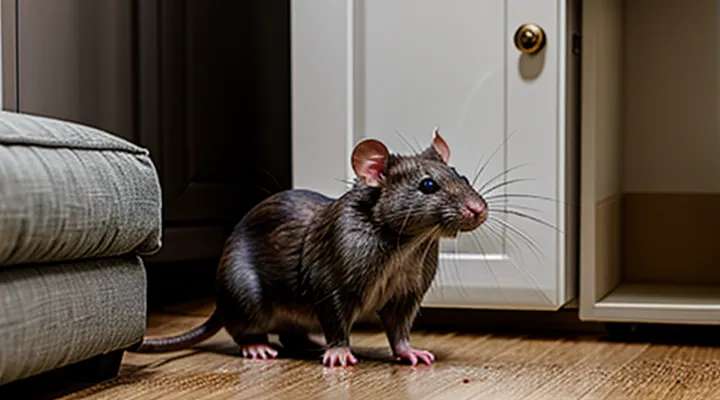
Health Risks Associated with Rats
Disease Transmission Mechanisms
Direct Contact and Bites
Direct contact with domestic rats poses immediate health risks. Bites can puncture skin, introducing oral bacteria such as Streptococcus and Staphylococcus species. These pathogens may cause cellulitis, abscess formation, or systemic infection if untreated. Rat saliva also carries Leptospira bacteria; a single bite can transmit leptospirosis, resulting in fever, renal impairment, and, in severe cases, hemorrhagic complications.
Skin exposure to rat fur, urine, or droppings can trigger allergic reactions. Contact dermatitis appears as redness, itching, and swelling, often progressing to secondary infection when scratched. Repeated handling may sensitize individuals, increasing the likelihood of severe hypersensitivity responses.
The following points summarize the primary hazards associated with direct rat encounters:
- Bacterial infection – puncture wounds introduce skin flora and rat‑specific microbes.
- Leptospirosis transmission – saliva or contaminated wound surfaces serve as vectors.
- Allergic dermatitis – fur and excreta provoke immune reactions.
- Secondary complications – untreated wounds can lead to sepsis or chronic ulceration.
Prompt wound cleaning with antiseptic solution and medical evaluation reduce the probability of serious outcomes. Protective gloves and avoidance of unnecessary handling further limit exposure to these hazards.
Contaminated Food and Water
Rats entering domestic spaces introduce microorganisms directly onto food surfaces and into water supplies. Their fur, saliva, and feces carry bacteria, viruses, and parasites that survive long enough to contaminate consumables. When a rat gnaws on packaging, leaves droppings near pantry items, or drinks from a kitchen tap, pathogens transfer without visible signs, creating a hidden health hazard.
Typical agents found on rat‑contaminated provisions include:
- Salmonella spp. – causes gastrointestinal distress and fever.
- Leptospira interrogans – leads to leptospirosis, presenting with muscle pain and kidney dysfunction.
- Hantavirus – can trigger severe respiratory illness.
- E. coli O157:H7 – produces toxin‑mediated diarrhea and hemolytic–uremic syndrome.
- Giardia duodenalis – results in prolonged diarrheal disease.
Contamination pathways extend beyond direct contact. Rats often urinate or defecate near food storage areas; runoff can infiltrate containers, especially those left open. Water reservoirs, pet bowls, and household faucets become vectors when rats crawl inside plumbing or chew on supply lines, depositing waste that mixes with the fluid.
Health consequences manifest quickly after ingestion. Symptoms range from mild nausea to life‑threatening organ failure, depending on the pathogen load and the victim’s immune status. Children, the elderly, and immunocompromised individuals face heightened risk of severe outcomes.
Detection relies on visual inspection for droppings, gnaw marks, and odor, complemented by laboratory testing of suspect food or water samples. Prompt identification enables targeted sanitation and medical intervention.
Mitigation requires sealing entry points, securing food in airtight containers, and maintaining clean water systems. Regular pest‑control inspections, combined with immediate removal of contaminated items, reduce exposure and prevent recurrence.
Airborne Pathogens
Rats living inside houses generate airborne health threats through the dispersal of contaminated particles. When droppings, urine, or saliva dry, microscopic fragments become suspended in dust and can be inhaled, delivering infectious agents directly to the respiratory system.
Key airborne pathogens associated with indoor rodent activity include:
- Hantavirus – causes Hantavirus Pulmonary Syndrome; infection occurs after inhalation of aerosolized rodent excreta.
- Seoul virus – a hantavirus subtype linked to hemorrhagic fever with renal syndrome; transmitted via airborne particles from infected rats.
- Bacterial endotoxins – released from Gram‑negative bacteria in rodent waste; provoke inflammatory lung responses and exacerbate asthma.
- Allergenic proteins – present in rat urine and dander; become airborne, triggering allergic rhinitis and asthma attacks.
These agents reach occupants through normal household activities such as sweeping, vacuuming, or moving stored items, which disturb settled contaminants. Reducing exposure requires sealing entry points, eliminating food sources, and employing HEPA filtration during cleaning to capture fine particles. Prompt extermination and thorough decontamination limit the concentration of airborne pathogens and protect indoor air quality.
Vector-borne Diseases
Rodent infestations inside residences create a direct pathway for several diseases that rely on an animal carrier to reach humans. When rats occupy kitchens, basements, or attics, they introduce pathogens that can be transmitted through bites, contaminated urine, feces, or ectoparasites such as fleas and mites.
Key vector‑borne illnesses associated with domestic rats include:
- Plague – caused by Yersinia pestis; fleas that feed on infected rats later bite humans, delivering the bacterium.
- Leptospirosis – caused by Leptospira spp.; bacteria survive in rat urine and can enter the body through skin abrasions or mucous membranes.
- Hantavirus pulmonary syndrome – transmitted when aerosolized particles from dried rat urine or droppings are inhaled.
- Lymphocytic choriomeningitis virus (LCMV) – spread by direct contact with contaminated rodent secretions; occasionally carried by mites that move between rodents and people.
- Rat‑bite fever – caused by Streptobacillus moniliformis; the organism enters the bloodstream through bite wounds.
Symptoms vary by disease but often begin with fever, headache, and muscle aches, progressing to respiratory distress, hemorrhage, or renal failure in severe cases. Early identification is critical; laboratory testing confirms the specific pathogen, enabling targeted antimicrobial or supportive therapy.
Effective mitigation strategies focus on eliminating the rodent source and interrupting transmission vectors:
- Seal entry points, install door sweeps, and repair structural cracks.
- Maintain rigorous sanitation: store food in sealed containers, dispose of waste promptly, and keep surfaces dry.
- Deploy traps or professional extermination services to reduce rat populations.
- Control ectoparasites with approved insecticides and regularly treat pets that may carry fleas or mites.
- Use protective equipment (gloves, masks) when cleaning areas contaminated with rodent droppings or urine; disinfect surfaces with a bleach solution (1 part bleach to 9 parts water).
By combining habitat exclusion, sanitation, and vector control, households can substantially lower the risk of acquiring these serious infections.
Specific Diseases Carried by Rats
Leptospirosis
Leptospirosis is a bacterial infection transmitted through the urine of infected rodents, especially house‑bound rats. When rats contaminate water, soil, or food surfaces, the pathogen can enter the human body through cuts, mucous membranes, or ingestion. The disease presents a range of clinical manifestations, from mild flu‑like symptoms to severe organ dysfunction.
Typical signs include:
- Fever and chills
- Headache and muscle aches
- Red eyes (conjunctival suffusion)
- Nausea, vomiting, or diarrhea
- Jaundice, kidney impairment, or pulmonary hemorrhage in advanced cases
Prevention focuses on eliminating rat access to residential areas and reducing exposure to contaminated materials. Effective measures comprise:
- Sealing entry points and maintaining structural integrity
- Storing food in sealed containers and promptly cleaning spills
- Using traps or professional pest control to reduce rodent populations
- Wearing protective gloves when handling potentially contaminated objects
- Ensuring proper sanitation of water sources and drainage systems
Early diagnosis and antibiotic therapy, typically doxycycline or penicillin, improve outcomes and reduce complications. Prompt medical attention is advised for anyone with exposure history and compatible symptoms.
Hantavirus
Hantavirus is a rodent‑borne pathogen that can be transmitted to humans through contact with infected rat urine, droppings, or saliva. In residential settings, aerosolized particles from dried excreta pose the greatest risk, especially during cleaning activities that disturb contaminated surfaces.
Key characteristics of hantavirus infection include:
- Incubation period of 1–5 weeks.
- Early symptoms: fever, muscle aches, dizziness, and abdominal pain.
- Progression to hantavirus pulmonary syndrome (HPS) in severe cases, marked by rapid onset of breathing difficulty, low blood pressure, and potential respiratory failure.
- Mortality rate for HPS ranges from 30% to 40% despite intensive care.
Prevention strategies focus on eliminating exposure:
- Seal entry points to prevent rodent intrusion.
- Maintain a clean environment free of food scraps and clutter that attract rats.
- Use gloves and masks when handling materials that may be contaminated.
- Wet cleaning surfaces before removal to reduce aerosolization of viral particles.
- Dispose of dead rodents promptly with sealed bags and disinfected tools.
If exposure is suspected, seek medical evaluation immediately. Early diagnosis, based on serologic testing and imaging, improves the likelihood of successful treatment with supportive care and antiviral agents.
Salmonellosis
Salmonellosis is a bacterial infection caused by Salmonella species that can be transmitted through contaminated food, water, or surfaces. In residential environments, rodents serve as a reservoir for these pathogens, shedding bacteria in feces, urine, and saliva.
Rats introduce Salmonella into homes by contaminating stored food, kitchen utensils, and countertops. Their droppings can fall onto pantry items, while gnawed packaging creates direct access for the bacteria. Contact with surfaces tainted by rodent excreta provides a common route for ingestion.
Typical manifestations appear 6‑72 hours after exposure and include abdominal cramps, diarrhea, fever, and vomiting. Illness usually resolves within a week, but severe dehydration or bloodstream invasion may require medical intervention.
Children, elderly individuals, and persons with weakened immune systems face heightened risk of complications such as prolonged fever, septicemia, or organ damage.
Effective risk reduction relies on integrated actions:
- Seal entry points, eliminate food sources, and maintain clutter‑free storage areas.
- Deploy traps or professional extermination to remove rodent populations promptly.
- Store dry goods in airtight containers; discard any items showing signs of contamination.
- Clean surfaces with disinfectants after any indication of rodent activity; wear gloves when handling droppings.
- Conduct regular inspections of kitchens, pantries, and waste disposal zones.
Implementing these practices interrupts the transmission chain, lowering the likelihood of salmonellosis outbreaks in domestic settings.
Rat-bite Fever
Rat‑bite fever is a bacterial infection transmitted through contact with infected rats, a common hazard in residential rodent infestations. The disease arises primarily from two pathogens: Streptobacillus moniliformis in North America and Spirillum minus in Asia. Transmission occurs when a rat’s bite, scratch, or contaminated saliva enters human skin, and also through ingestion of food or water tainted by rodent urine or feces.
Typical manifestations develop within 3–10 days after exposure and include:
- Sudden high fever
- Chills and sweating
- Headache and muscle aches
- Red‑purple maculopapular rash, often on the extremities
- Joint pain or arthritis, especially in knees, elbows, and wrists
Severe cases may progress to endocarditis, meningitis, or septicemia, demanding prompt medical attention.
Diagnosis relies on clinical suspicion supported by laboratory testing. Blood cultures identify the causative organism in most patients; polymerase chain reaction assays provide rapid confirmation when cultures are negative. Empirical therapy with high‑dose penicillin G for 7–10 days is standard; doxycycline serves as an alternative for penicillin‑allergic individuals. Early treatment prevents complications and reduces mortality to below 10 %.
Preventive actions focus on eliminating rat access and minimizing contact:
- Seal entry points such as gaps around pipes, doors, and windows.
- Store food in sealed containers; clean up crumbs and spills immediately.
- Use traps or professional pest‑control services to reduce rodent populations.
- Wear thick gloves when handling dead rodents or cleaning contaminated areas; wash hands thoroughly afterward.
Understanding rat‑bite fever’s clinical profile and adhering to strict rodent‑control practices protect household occupants from this potentially serious infection.
Plague (Historical and Modern Context)
Rodent infestations in residential environments have long been linked to plague, a disease caused by the bacterium Yersinia pestis. Historically, the bacterium traveled from wild rodent populations to human settlements through flea vectors that fed on rats. The Black Death (mid‑14th century) exemplifies this transmission route, resulting in mortality rates exceeding 30 % in affected communities. Subsequent outbreaks in Europe and Asia followed similar patterns, confirming rats as primary reservoirs and fleas as essential carriers.
Modern surveillance shows Y. pestis persists in wild and peridomestic rodent species worldwide. Although urban plague cases are rare, occasional human infections arise from exposure to infected fleas or direct contact with sick rats. Key factors influencing contemporary risk include:
- Proximity of domestic spaces to outdoor rodent habitats.
- Presence of flea‑infested rodents within homes or storage areas.
- Inadequate sanitation that supports rodent breeding.
Public health agencies recommend integrated pest management to reduce these hazards. Strategies involve sealing entry points, eliminating food sources, and applying rodent‑specific baits. When infestations are confirmed, professional extermination combined with environmental sanitation lowers the probability of flea‑mediated transmission.
Veterinary and medical research confirms that antibiotic therapy effectively treats plague when administered promptly. Early detection of rodent die‑offs and flea activity serves as an early warning system, enabling rapid response before human cases emerge. Continuous monitoring of rodent populations and flea indices remains essential for preventing resurgence of this historically devastating disease.
Property Damage and Structural Dangers
Chewing and Gnawing Habits
Electrical Wiring Damage and Fire Risk
Rats that invade residential spaces frequently gnaw on insulated copper and aluminum conductors. Their incisors remove protective sheathing, exposing live wires and creating direct contact between conductors that were previously separated. This damage reduces insulation resistance, allowing unintended current flow and increasing the probability of short circuits.
When a short circuit occurs, the resulting surge can generate heat far beyond the design limits of surrounding materials. Overheated insulation may ignite adjacent combustible components such as drywall, wooden framing, or stored items. The combination of exposed wiring and accumulated debris from rodent activity creates a rapid fire propagation pathway.
Typical indicators of wiring compromise include:
- Visible bite marks on cable jackets or conduit.
- Discolored or melted insulation near accessible junction boxes.
- Unexplained tripping of circuit breakers or frequent fuse failures.
- Unusual odors resembling burning plastic or electrical arcing.
Mitigation measures focus on exclusion, inspection, and repair. Seal entry points larger than a quarter inch, install steel mesh barriers around vulnerable conduits, and schedule regular visual examinations of exposed wiring. Replace any damaged sections with fire‑rated cable and verify that circuit protection devices operate correctly. Prompt action after detecting rodent activity prevents electrical failures and reduces the likelihood of residential fire.
Plumbing Damage and Water Leaks
Rats that enter residential plumbing systems cause direct damage that results in water leaks. Their incisors can chew through copper, PVC, and galvanized steel, creating holes that allow pressurized water to escape. When rodents build nests inside drain lines, they obstruct flow, increase pressure, and force water to seek alternative paths, often through walls or flooring.
Typical plumbing impacts
- Chewed sections of supply pipes, producing drips or bursts.
- Blocked waste lines, causing backups and overflow.
- Corrosion accelerated by rodent saliva, weakening pipe walls.
- Nest material lodged in joints, creating micro‑leaks.
- Damage to water‑heater components and shut‑off valves.
Leakage leads to material deterioration, mold growth, and elevated utility bills. Unchecked water loss can compromise structural integrity, damage flooring, and create environments conducive to bacterial proliferation.
Effective control includes sealing entry points, installing metal mesh around vulnerable pipe sections, performing quarterly visual inspections, and employing professional pest‑removal services. Prompt repair of gnawed or blocked sections eliminates leak sources and prevents recurrence.
Structural Integrity Compromise
Rodent activity inside residential buildings directly undermines the stability of structural components. Rats gnaw on wooden joists, floorboards, and studs, creating holes that weaken load‑bearing capacity. Their incisors also bite through insulation, allowing moisture intrusion that accelerates rot and mold growth.
Common pathways of damage include:
- Chewing of timber framing, reducing shear strength.
- Burrowing in drywall and plaster, creating voids that compromise wall integrity.
- Gnawing electrical wiring, increasing fire risk and potential heat damage to surrounding materials.
- Excavating soil beneath foundations, leading to settlement and cracks in concrete slabs.
These impairments raise the probability of partial collapse, inflate repair costs, and diminish property value. Early detection of gnaw marks, sawdust piles, and unexplained noises is essential for preventing extensive degradation.
Effective control measures consist of sealing entry points, installing rodent‑proof barriers, deploying traps, and engaging licensed pest‑management professionals. After eradication, a thorough structural assessment should identify compromised elements, followed by reinforcement or replacement to restore full load‑bearing performance.
Insulation Destruction
Rats gnawing on building insulation compromise thermal efficiency and increase energy consumption. Their incisors cut through fiberglass, foam board, and cellulose, creating gaps that allow heat loss in winter and heat gain in summer. The exposed fibers become airborne, reducing indoor air quality and aggravating respiratory conditions.
Key consequences of insulation damage include:
- Decreased R‑value, leading to higher heating and cooling costs.
- Moisture intrusion through ripped seams, fostering mold growth.
- Attraction of additional pests seeking shelter in compromised cavities.
- Structural weakening where insulation supports wall integrity.
Repair requires removal of damaged material, thorough cleaning of debris, and replacement with pest‑resistant insulation. Sealing entry points and installing rodent‑proof barriers prevent recurrence, preserving the building envelope and maintaining safe indoor environments.
Contamination and Hygiene Issues
Droppings and Urine Contamination
Rat droppings and urine introduce a range of health hazards into residential environments. Each pellet measures 5–10 mm, contains viable pathogens, and can remain infectious for weeks. Urine, a liquid carrier of bacteria and viruses, readily stains fabrics, wood, and wallboard, creating reservoirs that persist despite superficial cleaning.
Key risks associated with rodent excreta:
- Hantavirus – transmitted through inhalation of aerosolized dried droppings or urine; can cause severe respiratory illness.
- Leptospirosis – bacteria present in urine penetrate skin cuts or mucous membranes, leading to fever, kidney damage, and, in extreme cases, organ failure.
- Salmonella and E. coli – contaminate food surfaces, producing gastrointestinal upset and possible hospitalization.
- Allergic reactions – protein fragments in droppings trigger asthma attacks and chronic sinus inflammation.
- Odor and structural decay – ammonia from urine corrodes plaster and wood, accelerating rot and compromising building integrity.
Effective remediation requires a systematic approach:
- Containment – seal off affected rooms, wear disposable gloves, N‑95 respirator, and eye protection.
- Removal – use a vacuum equipped with a HEPA filter to capture fine particles; discard contaminated materials in sealed bags.
- Disinfection – apply a 10 % bleach solution or EPA‑approved rodent‑specific sanitizer to all surfaces; allow a minimum of ten minutes contact time.
- Ventilation – operate exhaust fans and open windows to disperse airborne contaminants.
- Prevention – eliminate food sources, seal entry points larger than ¼ inch, and schedule regular inspections to detect early signs of activity.
Failure to address droppings and urine promptly increases the probability of disease transmission, long‑term indoor air quality degradation, and costly repairs. Comprehensive cleaning, combined with structural exclusion measures, mitigates these dangers and restores a safe living environment.
Nesting Material Accumulation
Rats collect soft debris—shredded paper, fabric scraps, insulation, and dried food residues—to construct nests in concealed areas of a residence. These accumulations create a moist, insulated environment that supports bacterial growth and accelerates decomposition of organic matter. The resulting odor and humidity attract additional pests, including insects and mold spores, which further degrade indoor air quality.
The presence of nesting material also compromises structural integrity. Compacted insulation reduces thermal efficiency, forcing heating systems to work harder and increasing energy consumption. Over time, gnawed wiring hidden within nests can expose conductors, raising the risk of short circuits and fire.
Health hazards stem from the material itself and the pathogens it harbors. Rats transport pathogens on their fur and saliva; when they deposit nesting debris, they introduce bacteria such as Salmonella and Leptospira into the home environment. Inhalation of dust and mold spores released from disturbed nests can trigger respiratory irritation, asthma attacks, and allergic reactions.
Mitigation steps:
- Inspect attics, basements, and wall voids for piles of shredded material.
- Remove debris promptly, using gloves and a sealed bag to contain contaminants.
- Seal entry points to prevent re‑infestation; use steel mesh or cement‑based caulking.
- Install traps or bait stations to reduce the rodent population before nest removal.
- Disinfect affected areas with a diluted bleach solution (1 part bleach to 9 parts water) and allow thorough drying.
Consistent monitoring and immediate removal of nesting material reduce the likelihood of structural damage, fire hazards, and health risks associated with rodent activity inside the house.
Foul Odors
Rats living inside a residence generate strong, unpleasant smells that signal contamination and health hazards. Their urine and feces contain ammonia, uric acid, and pathogens; when deposited in hidden corners, these substances release volatile compounds that permeate fabrics, insulation, and structural wood. Decomposing food residues, dead rodents, and mold thriving on moist droppings intensify the odor profile, creating a sour, putrid, or metallic scent that can linger despite surface cleaning.
Typical sources of foul odors include:
- Fresh urine stains, especially in concealed crawl spaces or behind appliances.
- Accumulated fecal pellets, often found in wall voids, attics, or pantry shelves.
- Decaying carcasses left undiscovered for weeks, producing putrefaction gases.
- Mold growth on damp droppings, emitting musty, earthy aromas.
- Contaminated nesting material such as shredded paper, fabric, or insulation, which absorbs and re‑emits odors.
Prolonged exposure to these smells can trigger respiratory irritation, allergic reactions, and exacerbation of asthma. Ammonia vapors irritate mucous membranes, while bacterial by‑products from droppings increase the risk of leptospirosis, salmonellosis, and hantavirus infection. The presence of odor often indicates extensive infestation, suggesting that structural damage and sanitation failures have already occurred.
Effective control requires immediate removal of contaminated materials, thorough disinfection with EPA‑approved agents, and sealing of entry points to prevent re‑infestation. Professional pest management can locate hidden sources, apply targeted baits, and advise on ventilation improvements to disperse residual odors. Regular inspection of potential nesting sites, combined with prompt waste management, reduces the likelihood of odor recurrence and protects occupants’ health.
Economic Impact and Control Challenges
Financial Costs of Infestation
Repair and Restoration Expenses
Rodent infestations in residential environments generate significant repair and restoration expenses. Burrowing activity compromises structural integrity; gnawed joists, wall studs, and roof supports often require replacement. Electrical wiring damaged by chewing creates fire hazards and demands professional rewiring, which adds labor and material costs.
Water damage frequently follows rodent presence. Urine and feces corrode copper pipes, leading to leaks that saturate insulation, drywall, and flooring. Restoration includes drying, mold remediation, and replacement of affected building components, each contributing to the overall financial burden.
Typical cost categories include:
- Structural repairs (framing, roofing, flooring): $1,500–$10,000 per incident.
- Electrical system remediation (rewiring, outlet replacement): $800–$4,500.
- Plumbing and water‑damage restoration (pipe replacement, drying, mold treatment): $1,200–$7,000.
- Interior finish restoration (drywall, paint, cabinetry): $600–$5,000.
These figures represent average market rates; actual expenses vary with infestation severity, property size, and regional labor costs. Prompt detection and professional extermination limit the extent of damage and reduce the financial impact.
Extermination and Pest Control Fees
Professional rat removal services charge fees that reflect inspection, treatment, and follow‑up actions. An initial assessment typically costs between $50 and $150, depending on the size of the property and the severity of the infestation. The inspection includes identification of entry points, nesting locations, and evidence of activity.
The core extermination expense covers the application of rodenticides, traps, or bait stations. Standard rates range from $200 to $500 for a single‑family home; larger structures may require $800 or more. Fees often include:
- Placement of traps or bait stations
- Sealing of entry gaps
- One‑time treatment application
- Documentation of service performed
Follow‑up visits are billed separately or as part of a service contract. Monthly or quarterly maintenance plans usually cost $70 to $150 per visit and guarantee continuous monitoring, re‑application of control measures, and updated reports.
When comparing quotes, consider:
- Scope of work outlined in the estimate
- Licensing and certification of technicians
- Guarantees or warranties covering re‑infestation
- Any additional charges for emergency or after‑hours service
Transparent pricing eliminates surprise expenses and ensures that the chosen provider addresses both immediate removal and long‑term prevention.
Food Spoilage and Loss
Rats entering residential spaces compromise stored food through direct damage and microbial contamination. Their incisors chew packaging, exposing contents to air, moisture, and insects. Saliva, urine, and feces introduce pathogens such as Salmonella, E. coli, and Listeria, accelerating decay and rendering items unsafe.
Physical intrusion and biochemical contamination create three principal loss mechanisms:
- Packaging breach – torn bags, punctured cans, and shredded containers allow spoilage organisms to colonize.
- Microbial proliferation – rat‑borne bacteria and fungi multiply rapidly in nutrient‑rich environments, producing toxins and off‑odors.
- Waste generation – contaminated products must be discarded, increasing household expenses and contributing to landfill volume.
Financial impact can reach 10–30 % of a family’s monthly food budget, depending on infestation severity and pantry size. Prompt detection, sealed storage, and professional rodent control reduce both spoilage rates and associated costs.
Difficulty of Eradication
Rapid Reproduction Rate
Rats reproduce quickly, allowing a small intrusion to become a severe infestation within weeks. A female can conceive after a single mating, with a gestation period of 21–23 days. Each litter typically contains 6–12 offspring, and a single pair can produce up to 2,000 descendants in a year under favorable conditions.
- Gestation: ~22 days
- Sexual maturity: 5 weeks for females, 6 weeks for males
- Litter size: 6–12 pups
- Potential annual offspring per pair: ~2,000
The rapid population growth intensifies health risks, contaminates food supplies, and accelerates structural damage. Elevated numbers increase the likelihood of pathogen transmission, as more individuals carry bacteria, viruses, and parasites. Food stores become quickly compromised; a single rat can contaminate up to 10 kg of provisions within a few days. Structural components such as insulation, wiring, and wooden framing suffer accelerated wear due to constant gnawing and nesting activity.
Effective management requires early detection and swift intervention. Monitoring for droppings, gnaw marks, and audible activity can identify breeding sites before exponential growth occurs. Prompt placement of traps or bait stations, combined with sealing entry points, prevents new individuals from joining the colony and disrupts the reproductive cycle.
Adaptability and Resilience
Rats thrive in residential environments because they quickly adjust to limited resources, variable temperatures, and human activity. Their ability to locate food sources, even in sealed containers, stems from a highly developed sense of smell and tactile whisker navigation, allowing them to exploit crumbs, pet food, and improperly stored waste.
Key adaptive traits include:
- Rapid breeding cycle – gestation lasts about three weeks, producing large litters that reach maturity within two months.
- Versatile nesting – they construct nests from insulation, fabric, or paper, fitting into wall voids, attics, and crawl spaces.
- Behavioral plasticity – individuals learn to avoid traps, evade predators, and exploit new entry points created by home renovations.
Resilience manifests in survival under adverse conditions. Rats can endure periods of food scarcity by reducing metabolic rates, and they possess strong immune responses that limit disease impact within the colony. Their fur provides insulation against cold, while their dentition continuously grows, enabling them to gnaw through plastic, wood, and thin metal.
These characteristics amplify the hazards associated with indoor rodent infestations. Persistent reproduction increases population density, raising the probability of structural damage, contamination of surfaces with urine and feces, and transmission of pathogens. Effective control measures must address the species’ adaptability and resilience by eliminating entry points, securing food storage, and employing integrated pest‑management strategies that disrupt breeding cycles and limit shelter availability.
Evasion of Traps and Poisons
Rats possess acute sensory systems that enable them to detect and avoid conventional snap traps. Their whiskers sense vibrations, while their keen hearing picks up the faint click of spring mechanisms, prompting them to retreat before contact. Some individuals learn the location of bait stations after a single encounter, reducing trap efficacy over time.
Rodent populations develop biochemical defenses against common anticoagulant rodenticides. Repeated exposure selects for individuals with altered vitamin K metabolism, rendering standard doses ineffective. Enzyme induction can accelerate toxin breakdown, allowing survivors to resume normal activity shortly after ingestion.
Effective control requires tactics that counter these avoidance strategies:
- Use multi-catch traps with concealed entry points; the lack of visible moving parts minimizes detection.
- Rotate bait formulations regularly to prevent resistance build‑up; include non‑anticoagulant options such as bromadiolone‑free products.
- Deploy tamper‑proof stations that limit access to non‑target species while preserving bait freshness.
- Combine mechanical devices with environmental management: seal entry gaps, eliminate food sources, and maintain low clutter to reduce hiding places.
Implementing these measures reduces the likelihood that rats will outmaneuver control efforts and lowers the risk of disease transmission and property damage.
Prevention and Mitigation Strategies
Sealing Entry Points
Inspecting and Repairing Cracks
Cracks in walls, foundations, and flooring provide direct routes for rodents to enter living spaces. Even hairline fissures can accommodate the smallest rats, allowing them to explore interior rooms and establish nests.
Inspecting cracks requires systematic observation:
- Walk around the perimeter, focusing on areas where building materials meet.
- Use a flashlight to reveal hidden fissures behind furniture and appliances.
- Apply a thin probe or a flexible ruler to gauge the width and depth of each opening.
- Document location, dimensions, and surrounding conditions (moisture, pest signs).
Repairing identified cracks eliminates the primary pathway for infestation:
- Clean the opening of debris, dust, and organic material that could attract vermin.
- For gaps wider than ¼ inch, insert steel wool or copper mesh before sealing to deter chewing.
- Apply a high-quality, rodent‑resistant sealant or polyurethane caulk, smoothing it to blend with surrounding surfaces.
- For structural cracks, use epoxy injection or mortar repair, ensuring full penetration and curing according to manufacturer guidelines.
- Re‑paint or finish repaired areas to maintain aesthetic continuity and protect against future deterioration.
Regular re‑inspection, at least biannually, confirms the integrity of repairs and prevents new entry points from developing. Continuous monitoring and prompt remediation form a reliable barrier against rodent intrusion.
Securing Vents and Pipes
Rats can enter homes through unsealed vents and exposed pipework, creating pathways for disease, contamination, and structural damage. Properly securing these openings eliminates a primary access route and reduces the likelihood of infestation.
- Install metal mesh or stainless‑steel screens over all ventilation openings; mesh should have openings no larger than ¼ inch.
- Fit vent covers with tight‑fitting, weather‑resistant flanges that screw or bolt securely to the duct or wall.
- Seal gaps around pipe penetrations using high‑temperature silicone caulk or expanding foam, ensuring the material remains intact under temperature fluctuations.
- Wrap exposed pipe sections with rigid conduit or metal sleeves, overlapping joints and fastening with stainless‑steel clamps.
- Replace deteriorated or rusted vent components promptly; corrosion creates gaps that rats can exploit.
- Conduct regular inspections of vent and pipe seals, especially after extreme weather or construction work, to detect and repair new openings.
By implementing these measures, homeowners create a physical barrier that deters rodents from exploiting ventilation and plumbing systems, thereby limiting health risks and property damage associated with rodent activity.
Maintaining Doors and Windows
Rats exploit any gap in doors or windows to infiltrate living spaces, creating pathways for disease transmission, structural damage, and food contamination.
Regular inspection of all entry points prevents such incursions. Examine door frames, window sills, and surrounding walls for cracks, gaps, or deteriorated seals. Conduct checks after seasonal weather changes, when building materials are most likely to shift.
- Apply weather‑stripping to the perimeter of doors and operable windows.
- Install steel or copper mesh over ventilation openings and attic hatches.
- Use expanding foam or silicone caulk to fill cracks larger than ¼ inch.
- Replace broken or torn window screens promptly.
Maintain hardware integrity by tightening hinges, latches, and locks; replace worn seals that no longer compress fully. Ensure that sliding doors and windows glide smoothly, eliminating spaces that can be pried open by rodents.
Consistent upkeep of doors and windows eliminates primary access routes, reducing the probability of rodent presence and the associated health and property risks.
Sanitation Practices
Proper Food Storage
Rats are attracted to unsecured food sources, making proper storage a primary defense against infestation. Sealed containers prevent rodents from detecting odors and accessing nutrients, reducing the likelihood of population growth within a dwelling.
- Use airtight plastic or glass jars with screw‑top lids for dry goods such as grains, cereals, and pet food.
- Store canned items on lower shelves, away from walls, and keep lids tightly closed after each use.
- Keep refrigerator and freezer doors sealed; inspect gaskets for damage regularly.
- Dispose of waste promptly in bins equipped with tight‑fit lids; clean spills immediately.
- Rotate stock by date, removing expired products that may emit stronger scents.
Maintaining these practices eliminates food cues that draw rodents, limits their ability to establish nests, and supports overall sanitation. Consistent application of secure storage measures directly lowers the risk of health hazards associated with rodent activity.
Waste Management
Effective waste handling reduces the attraction of rodents to residential environments. Improperly stored food scraps, overflowing trash bins, and unsealed compost piles provide a reliable food source, encouraging rats to enter homes and increase the risk of disease transmission, structural damage, and contamination of stored goods.
Key waste‑management practices that limit rodent activity:
- Keep garbage containers tightly closed with fitted lids; replace seals that show wear.
- Empty indoor trash cans daily and store them in a cool, dry area away from food preparation zones.
- Use metal or heavy‑duty plastic bins for outdoor waste; avoid cardboard boxes that can be gnawed.
- Separate organic waste from regular trash; store compost in a sealed, rat‑proof system or place it on a raised platform.
- Remove pet food dishes after each feeding and store dry pet food in airtight containers.
Additional measures reinforce these practices. Regularly sweep floors and vacuum corners to eliminate crumbs. Inspect and repair gaps around utility lines, vents, and door frames that could serve as entry points. Maintain landscaping to keep vegetation trimmed, preventing cover for nocturnal foraging.
By integrating disciplined waste disposal with structural maintenance, homeowners diminish the likelihood of rodent incursions and the associated health and property hazards.
Eliminating Water Sources
Rats require fresh water to survive; any accessible moisture inside a residence encourages their presence and supports population growth. Removing or controlling water sources deprives rodents of a critical resource, thereby reducing the likelihood of infestation and the health risks associated with their activity.
- Fix leaking pipes, faucets, and appliances promptly; even slow drips create a reliable supply.
- Seal gaps around sinks, bathtubs, and showers to prevent condensation from pooling on surfaces.
- Empty pet water dishes nightly and store them in sealed containers when not in use.
- Keep garbage bins tightly covered and dispose of food‑related waste promptly to avoid liquid runoff.
- Store firewood and other combustible materials off the floor and away from walls to eliminate damp shelters.
- Use moisture‑absorbing products, such as silica gel or desiccant packs, in closets and basements where humidity accumulates.
- Inspect and repair roof or foundation cracks that allow rainwater intrusion; apply waterproof sealants where necessary.
Consistently applying these measures eliminates the primary water supply rats exploit, directly diminishing their capacity to thrive within domestic environments.
Professional Pest Control
When to Seek Expert Help
Rats can cause structural damage, contaminate food, and transmit diseases, making timely professional intervention essential.
Seek expert assistance when any of the following conditions appear:
- Visible droppings, gnaw marks, or urine stains in kitchens, storage areas, or near food sources.
- Persistent gnawing noises, especially at night, indicating active nesting.
- Unexplained electrical failures or short circuits, a sign that rodents are chewing wiring.
- Repeated sightings of live or dead rats despite DIY traps or baits.
- Health symptoms such as allergic reactions, respiratory issues, or unexplained fevers among household members.
After contacting a qualified pest‑control service, ensure the provider conducts a thorough inspection, identifies entry points, and implements an integrated management plan that includes sealing gaps, sanitation measures, and safe rodenticide application if necessary. Follow the professional’s post‑treatment recommendations to prevent recurrence.
Integrated Pest Management Approaches
Integrated pest management (IPM) provides a systematic framework for reducing rodent activity in residential settings while minimizing reliance on chemical controls. The approach combines monitoring, exclusion, sanitation, and targeted interventions to address the health and structural risks associated with house rats.
Effective IPM begins with accurate detection. Trained personnel inspect for droppings, gnaw marks, burrows, and active pathways. Data loggers or motion‑activated cameras may augment visual surveys, allowing precise mapping of infestation hotspots.
Exclusion measures form the second pillar. Seal all openings larger than ¼ inch using steel wool, cement, or metal flashing. Reinforce door sweeps, repair cracked foundations, and install rodent‑proof vent covers. These physical barriers prevent entry and limit movement within the dwelling.
Sanitation reduces food and shelter availability. Store dry goods in airtight containers, promptly clean spills, and eliminate clutter that can serve as nesting material. Regular waste removal and proper compost management further diminish attractants.
When monitoring confirms persistent activity, targeted control tactics are employed. Options include:
- Snap traps positioned along walls, behind appliances, and in concealed routes.
- Electronic traps delivering rapid, humane termination.
- Bait stations containing anticoagulant or non‑anticoagulant rodenticides, placed in tamper‑resistant enclosures to protect children and pets.
- Biological deterrents such as predator urine or ultrasonic devices, used as supplementary measures.
All interventions are documented, with trap counts and bait consumption recorded to assess efficacy. Adjustments follow a feedback loop: if activity declines, maintenance of exclusion and sanitation continues; if numbers persist, trap density or bait placement is increased.
Integrated pest management thus delivers a balanced, evidence‑based strategy that mitigates the health hazards—disease transmission, allergic reactions, and structural damage—posed by indoor rodents while preserving occupant safety and environmental integrity.