
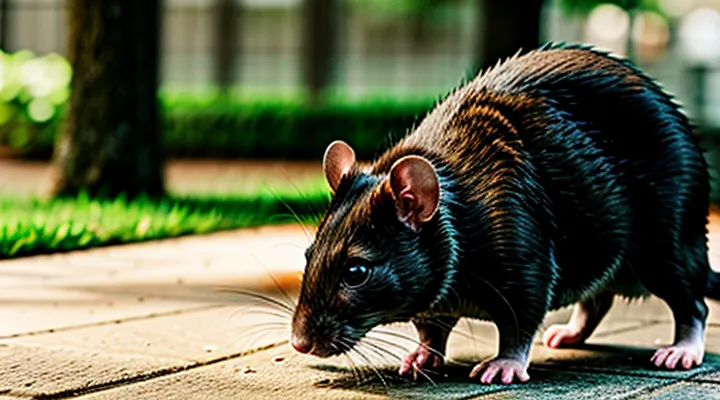
Understanding Pet Rats
Why Choose Rats as Pets?
Rats make excellent companions for several practical reasons. Their small size fits comfortably in apartments, eliminating the need for extensive living space. Their short lifespan, typically two to three years, offers owners a manageable commitment compared to larger mammals.
Rats display high intelligence; they can learn simple tricks, navigate mazes, and respond to name cues. This cognitive ability facilitates interactive enrichment and strengthens the human‑animal bond. Their social nature encourages group housing, which reduces loneliness and promotes natural behaviors.
Health considerations further support rat ownership. They are low‑maintenance regarding grooming, produce minimal odor when cared for properly, and are less likely to trigger severe allergies than cats or dogs. Regular veterinary check‑ups and a balanced diet ensure robust health.
Key advantages summarized:
- Compact footprint suitable for limited indoor environments
- Short, predictable lifespan aligns with varying owner circumstances
- Advanced problem‑solving skills enable training and mental stimulation
- Social dynamics allow for multi‑rat households, enhancing welfare
- Minimal grooming requirements and lower allergenic potential
These factors collectively position rats as practical, intelligent, and adaptable pets for individuals seeking a responsible yet rewarding animal companion.
Rat Breeds and Characteristics
Common Pet Rat Varieties
Pet rats are available in several distinct varieties, each characterized by coat texture, color pattern, and ear placement. Recognizing these differences helps owners anticipate grooming needs, health considerations, and temperament tendencies.
- Standard (or wild‑type) rats – short, smooth fur; colors include black, brown, and white; robust health and easy grooming.
- Hooded rats – a solid-colored body with a contrasting “hood” covering the head and shoulders; require occasional coat inspection to prevent matting.
- Blazed rats – a stripe of color runs from the nose across the forehead to the back; coat care identical to standard rats.
- Rex rats – curly, plush fur; higher grooming frequency to avoid tangles and maintain skin health.
- Dumbo rats – enlarged, low‑set ears; ear cleaning is essential to prevent wax buildup.
- Hairless (or “nude”) rats – minimal fur; skin must be kept moisturized and protected from drafts.
- Satin rats – glossy, sleek coat; minimal grooming but regular skin checks for dryness.
- Mouth‑Mark (or “rattee”) rats – dark markings on the face and ears; no special care beyond standard recommendations.
Selecting a variety influences enclosure setup, temperature regulation, and handling practices. For example, hairless rats thrive in warmer environments, while rex and satin types benefit from low‑humidity conditions to preserve coat integrity. Understanding these traits enables owners to tailor nutrition, enrichment, and veterinary monitoring, ultimately supporting the well‑being of their pet rats.
Temperament and Social Behavior
Pet rats exhibit a calm, inquisitive temperament that makes them suitable companions. They are naturally curious, exploring surroundings with whisker‑guided navigation and a propensity for gentle nibbling. Their intelligence allows rapid learning of simple commands, such as coming when called or navigating a maze, provided consistent positive reinforcement.
- Quick adaptation to routine feeding times
- Low‑noise vocalizations used to signal contentment or alert to disturbance
- Preference for short, regular handling sessions to build trust
Social behavior in rats is highly structured. They form hierarchical groups, establishing dominance through subtle posturing, scent marking, and brief chases. Cohesion is maintained by mutual grooming, which reduces stress and reinforces bonds. When housed together, rats communicate with ultrasonic calls and tactile signals, coordinating activities such as foraging and nest building.
- Pairing compatible individuals minimizes aggression
- Introducing new rats requires gradual scent exchange and supervised interactions
- Providing enrichment objects encourages cooperative play and reduces territorial disputes
Understanding these characteristics enables owners to create environments that satisfy natural instincts, promote well‑being, and prevent behavioral problems.
Preparing for Your Pet Rat
Essential Supplies
Cage Requirements
A suitable cage is essential for the health and well‑being of a pet rat. The enclosure must provide enough space for movement, exercise, and enrichment. Minimum dimensions of 18 inches wide, 12 inches deep, and 12 inches tall are recommended for a single adult; larger cages are required for multiple rats to prevent crowding.
Material choice influences durability and hygiene. Wire cages with a solid base allow easy cleaning and proper ventilation, while plastic cages often lack adequate airflow and can retain odors. Stainless‑steel or coated wire reduces rust and chemical leaching.
Ventilation should permit at least six air changes per hour, preventing moisture buildup and respiratory issues. Mesh panels must have openings no larger than ¼ inch to prevent escape while allowing airflow.
Flooring must be solid and non‑absorbent. Wire floors cause foot injuries; instead, use a solid base covered with a thin layer of aspen shavings, paper bedding, or hemp. Bedding should be changed weekly, with spot cleaning of soiled areas daily.
Safety features include:
- Secure latch mechanisms that cannot be opened by curious rodents.
- Rounded corners and smooth edges to avoid injuries.
- Absence of toxic paints, plastics, or metal coatings.
- Stable placement on a level surface to prevent tipping.
Accessories such as climbing ropes, platforms, and hideouts should be attached securely and cleaned regularly. Toys must be made of chew‑safe materials; avoid painted wood or plastic that can splinter.
Location matters for temperature and stress. Place the cage in a quiet area away from direct sunlight, drafts, and loud appliances. Ambient temperature should remain between 65 °F and 75 °F (18 °C–24 °C) with humidity around 50 % to reduce respiratory risk.
Regular maintenance includes weekly deep cleaning, removal of all bedding, washing surfaces with mild, unscented detergent, and thorough rinsing. Inspect the cage for rust, loose wires, or broken parts before each refill.
By adhering to these specifications, owners create an environment that supports natural behaviors, minimizes health hazards, and simplifies ongoing care.
Substrate and Bedding
Choosing the right substrate directly affects a rat’s health and comfort. An absorbent, dust‑free material prevents skin irritation, respiratory problems, and keeps the enclosure hygienic. Safe options include paper‑based bedding, aspen shavings, and untreated coconut fiber. Avoid pine or cedar, whose aromatic oils can damage respiratory tissue.
Key characteristics for an effective substrate:
- High absorbency to control moisture and odor.
- Low dust production to protect delicate airways.
- Non‑toxic, free from chemicals or fragrances.
- Ability to be changed easily without excessive labor.
Paper‑based products, such as shredded newspaper or commercial paper bedding, meet all criteria. They are inexpensive, biodegradable, and allow quick spot cleaning. Aspen shavings provide a natural feel and good ventilation; they should be seasoned and free of sap. Coconut fiber offers excellent moisture retention but may require more frequent changes to prevent mold growth.
Depth matters. A layer of 1–2 inches allows rats to burrow, satisfying their instinctual behavior, while still permitting efficient waste removal. Excessive depth traps waste and creates anaerobic zones, increasing the risk of bacterial overgrowth.
Maintenance routine:
- Spot‑clean daily by removing soiled portions and replacing with fresh material.
- Perform a full substrate change weekly for paper bedding, bi‑weekly for wood shavings, and every 3–4 days for coconut fiber if humidity rises.
- Wash the cage with mild, unscented soap and rinse thoroughly before adding fresh substrate.
Monitoring the substrate’s condition is essential. Signs of deterioration include strong ammonia odor, visible clumping, or a damp, sticky texture. Prompt replacement restores a healthy environment and reduces the likelihood of skin infections and respiratory distress.
Food Bowls and Water Bottles
Choosing the right feeding equipment directly affects a rat’s health and hygiene. A shallow, wide bowl made of stainless steel or high‑grade ceramic prevents tipping and resists bacterial growth. The bowl should hold 1–2 ounces of dry food, allowing easy access without excessive spillage. Avoid plastic containers, which can develop scratches that harbor microbes.
- Material: stainless steel > ceramic > BPA‑free plastic
- Diameter: at least 4 cm, depth no more than 2 cm
- Surface: smooth, non‑porous, dishwasher‑safe
Placement matters. Position the bowl on a stable surface away from the cage’s climbing structures to reduce contamination. Clean the bowl after each feeding session with hot, soapy water, then rinse thoroughly before reuse.
Water bottles must deliver a constant, clean supply. Squeeze‑type bottles with stainless steel or glass reservoirs eliminate plastic leaching. The drinking tube should be 3–4 mm in diameter to accommodate a rat’s small mouth while preventing clogging. Replace the bottle every two weeks, or sooner if cloudiness appears.
- Bottle type: sipper (squeeze) > gravity‑feed
- Reservoir material: stainless steel > glass > BPA‑free plastic
- Tube length: 5–7 cm, flexible, easy to clean
Regular maintenance includes flushing the tube with warm water, inspecting for wear, and sterilizing the reservoir with a dilute vinegar solution. Secure the bottle to the cage using a metal clip to avoid accidental detachment.
Integrating appropriately sized, material‑safe bowls and reliable water bottles creates a stable feeding environment, supporting optimal growth, digestion, and overall well‑being for pet rats.
Enrichment Toys
Enrichment toys keep pet rats mentally stimulated and physically active, reducing boredom‑related behaviors such as excessive gnawing or repetitive pacing. Providing varied objects encourages natural foraging, climbing, and problem‑solving instincts.
Effective toys share several characteristics:
- Made of safe, non‑toxic materials (e.g., untreated wood, food‑grade plastics).
- Small enough to fit in a rat’s mouth but sturdy enough to withstand chewing.
- Offer multiple ways to interact: tunnels, ladders, chew blocks, puzzle feeders.
Common options include:
- Wooden tunnels and tubes that mimic burrows.
- Rope or sisal bridges for climbing.
- Puzzle dispensers that release treats when manipulated.
- Chewable blocks of compressed hay or cardboard.
Rotate items every one to two weeks to maintain novelty. Remove any broken pieces promptly to prevent ingestion of sharp fragments. Clean reusable toys with hot water and mild detergent; avoid scented cleaners that could deter the animals.
When selecting or crafting toys, consider the rat’s size, age, and dental health. Younger rats may need softer materials, while adults can handle denser chewables. A balanced assortment of tactile, climbing, and problem‑solving toys supports overall well‑being and promotes a more engaged, healthier companion.
Rat-Proofing Your Home
When keeping rats as companions, the living environment must prevent accidental injury and escape. Secure the enclosure on a stable, non‑slippery surface away from high‑traffic areas. Use a heavy base or attach the cage to a wall with brackets to eliminate tipping.
- Seal all gaps larger than ¼ inch in walls, floors, and cabinets. Apply steel wool or silicone caulk to openings around pipes, vents, and electrical outlets.
- Cover exposed wiring with protective tubing or conduit to stop chewing.
- Store food, treats, and bedding in airtight containers; avoid leaving loose pellets on countertops.
- Remove small objects such as paper clips, rubber bands, and stray threads that can be ingested.
- Keep houseplants out of reach or choose non‑toxic varieties; many common indoor plants contain compounds harmful to rodents.
- Install child‑proof locks on drawers and cabinets that hold cleaning supplies, detergents, or chemicals.
- Ensure windows have secure screens; reinforce any mesh that could be pulled through.
Regularly inspect the home for wear. Replace frayed cords, repair damaged caulk, and check that cage doors latch firmly. Maintaining these barriers reduces the risk of injury, prevents escape, and creates a safe space for pet rats to thrive.
Daily Care and Nutrition
Diet for Pet Rats
Commercial Rat Food
Commercial rat food is formulated to meet the specific dietary requirements of pet rats, delivering a balanced mix of protein, fat, fiber, vitamins, and minerals. High‑quality products contain at least 18 % protein from animal or plant sources, a moderate fat level (3–5 %) to support energy needs, and sufficient fiber (4–6 %) to promote digestive health. Essential nutrients such as vitamin E, B‑complex vitamins, calcium, and phosphorus are added in ratios that prevent deficiencies and skeletal problems.
When choosing a commercial diet, consider the following criteria:
- Ingredient list: prioritize whole grains, legumes, and named protein sources; avoid products with excessive filler (e.g., corn, soy) and artificial additives.
- Nutrient profile: verify that protein, fat, and fiber percentages align with the guidelines above; confirm the presence of balanced calcium‑phosphorus ratios (approximately 1:1).
- Palatability: select foods that rats readily accept, as poor intake can lead to weight loss and health decline.
- Brand reputation: opt for manufacturers with documented quality control, transparent sourcing, and third‑party testing.
Feeding recommendations:
- Offer a measured portion twice daily, typically 1–2 grams per 100 g of body weight, adjusting for age, activity level, and reproductive status.
- Provide fresh water alongside the dry diet; replace water daily to prevent contamination.
- Supplement with occasional fresh vegetables (e.g., carrots, broccoli) and a small amount of fruit; limit treats to less than 5 % of total caloric intake.
Storage practices preserve nutrient integrity:
- Keep the product in an airtight container, protected from light, heat, and moisture.
- Discard any feed that shows signs of mold, clumping, or off‑odors.
Regular monitoring of body condition, coat quality, and stool consistency helps verify that the commercial diet meets individual needs. If signs of deficiency or excess appear, adjust the feed type or supplement accordingly, and consult a veterinarian experienced in small‑animal nutrition.
Fresh Foods and Treats
Fresh foods provide essential nutrients that complement a quality rat diet. Offer small portions of vegetables such as carrots, broccoli, spinach, and bell peppers. Include fruits like apple (seed‑free), banana, blueberries, and melon. Provide occasional protein sources such as boiled egg, cooked chicken breast, or plain tofu. All items must be washed thoroughly and served at room temperature.
- Carrots, shredded
- Broccoli florets
- Spinach leaves (moderate amount)
- Bell pepper strips
- Apple slices (core removed)
- Banana chunks
- Blueberries
- Cantaloupe cubes
- Boiled egg, finely chopped
- Cooked chicken breast, unseasoned
- Plain tofu, diced
Avoid foods that can cause digestive upset or toxicity. Exclude citrus fruits, onions, garlic, raw potatoes, and anything containing added salt, sugar, or artificial sweeteners. Do not feed processed snacks, chocolate, caffeine, or dairy products that are not low‑fat and plain.
- Citrus (orange, lemon, lime)
- Onion and garlic
- Raw potato or green potato skins
- Salted or sugary snacks
- Chocolate, caffeine, nicotine
- High‑fat dairy (cheese, whole milk)
Treats should not exceed 5 % of total caloric intake. Offer fresh items two to three times per week, rotating varieties to prevent boredom and ensure balanced nutrition. Store perishables in airtight containers in the refrigerator and discard any food that becomes soggy or moldy within 24 hours. Monitor rats for changes in stool or behavior after introducing new foods; adjust the menu promptly if adverse reactions appear.
Foods to Avoid
Pet rats require a diet that mirrors their natural omnivorous habits. Certain foods pose health risks and must be excluded from their daily meals.
- Sugary treats (candy, soda, jam) – cause rapid blood‑sugar spikes and dental decay.
- Citrus fruits (oranges, lemons, grapefruits) – high acidity irritates stomach lining.
- Raw potatoes and raw sweet potatoes – contain solanine, a toxic compound.
- Processed snacks (chips, crackers, salty pretzels) – excess salt and additives strain kidneys.
- High‑fat items (fried foods, fatty meats) – lead to obesity and liver problems.
- Dairy products (milk, cheese, yogurt) – many rats lack lactase, resulting in digestive upset.
- Chocolate and cocoa – contain theobromine, which is poisonous to rodents.
- Caffeine‑containing beverages (coffee, tea, energy drinks) – stimulate heart rate and may cause arrhythmias.
- Alcohol – depresses central nervous system and can be fatal even in small amounts.
- Toxic plants (avocado, rhubarb leaves, nightshade family) – cause organ damage or death.
Eliminate these items from the feeding regimen to maintain optimal health and longevity in pet rats.
Feeding Schedule and Portions
Feeding pet rats requires a consistent timetable and precise portion control to maintain optimal health.
- Morning (7 – 9 a.m.): Offer 1 ½ – 2 tsp of high‑quality rat pellets.
- Midday (12 – 1 p.m.): Provide a small handful of fresh vegetables such as kale, carrots, or broccoli.
- Evening (5 – 7 p.m.): Supply another 1 ½ – 2 tsp of pellets and a fresh water bottle refill.
Portion guidelines:
- Pellets: 1 ½ – 2 tsp per feeding, divided into two daily servings.
- Fresh produce: ¼ cup total per day, split between midday and evening.
- Treats: Limit to no more than 5 % of total caloric intake; examples include small pieces of fruit or a single piece of dried mealworm.
Adjust portions based on body condition score. A lean rat may need an additional ¼ tsp of pellets, while an overweight individual should have the lower end of the range. Record weekly weight and modify the schedule accordingly. Maintain clean feeding dishes to prevent contamination and ensure fresh water is always available.
Water Availability
Providing fresh, clean water at all times is essential for the health of domesticated rats. Rats consume approximately 10‑15 ml of water per 100 g of body weight each day; an adult weighing 250 g typically drinks 25‑40 ml. Ensure the daily supply meets or exceeds this range, adjusting for temperature and activity level.
- Use a sipper bottle with a stainless‑steel or BPA‑free plastic tubing. Replace the bottle nightly to prevent bacterial growth.
- Clean the bottle, tubing, and nozzle with hot, soapy water at least once a week; rinse thoroughly before refilling.
- Inspect the nozzle for cracks or blockages before each refill. A smooth, unrestricted flow encourages regular drinking.
- Position the bottle at a height that allows the rat to reach the nozzle comfortably without stretching or straining.
- Keep the water source away from food dishes to avoid contamination from spilled food particles.
Monitor hydration by observing skin elasticity, eye clarity, and urine concentration. Dark, concentrated urine, sunken eyes, or reduced skin turgor indicate dehydration and require immediate water provision and veterinary assessment. Maintaining consistent water availability supports renal function, digestion, and overall vitality in pet rats.
Health and Hygiene
Common Rat Health Issues
Respiratory Problems
Respiratory infections are a leading health concern for domesticated rats. Symptoms include sneezing, nasal discharge, audible wheezing, labored breathing, and reduced activity. Rapid identification prevents progression to pneumonia, which can be fatal if untreated.
Common pathogens are Mycoplasma pulmonis, Streptococcus spp., and viral agents such as Sendai virus. Overcrowding, high humidity, poor ventilation, and dusty bedding create conditions favorable for these organisms. Dust‑free substrates, regular cage cleaning, and maintaining ambient humidity between 40‑60 % reduce exposure.
Preventive measures:
- Provide a well‑ventilated enclosure with at least 15 cubic feet of airflow per rat.
- Use low‑dust bedding (paper‑based or aspen shavings) and change it weekly.
- Keep cage temperature stable, avoiding drafts and extreme heat.
- Quarantine new arrivals for a minimum of two weeks, monitoring for cough or nasal signs.
- Limit stress by providing enrichment and consistent handling routines.
If respiratory signs appear, isolate the affected rat and consult a veterinarian experienced with rodents. Diagnostic steps typically involve a physical exam, nasal swab for bacterial culture, and chest radiography. Treatment protocols may include:
- Antibiotics targeting Mycoplasma (e.g., doxycycline) or other bacterial agents, administered according to veterinary dosing guidelines.
- Supportive care such as humidified air, warmed fluids, and nutritional supplementation.
- Follow‑up examinations to confirm resolution and adjust medication duration.
Owners should maintain a health log documenting symptom onset, treatments, and outcomes. Early detection combined with stringent environmental control markedly improves recovery rates and overall longevity of pet rats.
Skin Conditions
Rats are prone to several dermatological problems that can compromise health and comfort. Recognizing symptoms early and applying preventive measures are essential components of responsible rat ownership.
Common skin conditions include:
- Mite infestation – intense scratching, hair loss, crusty patches.
- Dermatitis – redness, swelling, occasional ulceration, often triggered by irritants or allergies.
- Fungal infection (ringworm) – circular lesions with hair loss and scaly borders.
- Dry, flaky skin – dull coat, small white flakes, usually linked to low humidity or nutritional deficiency.
- Traumatic wounds – abrasions or bites that become inflamed if not cleaned promptly.
Prevention strategies:
- Maintain cage humidity between 45‑55 % to discourage mite proliferation and skin desiccation.
- Provide a balanced diet rich in essential fatty acids (e.g., omega‑3) to support epidermal integrity.
- Clean bedding weekly; replace soiled material promptly to limit bacterial growth.
- Use dust‑free, absorbent substrate to reduce irritation from particulate matter.
- Conduct routine health checks, inspecting the fur, ears, and ventral surface for abnormalities.
Treatment guidelines:
- Mites – apply a veterinarian‑approved topical acaricide; repeat dosage after 7 days to break the life cycle.
- Dermatitis – identify and eliminate the irritant; administer anti‑inflammatory medication as prescribed; keep the affected area clean and dry.
- Fungal infection – initiate antifungal therapy (e.g., terbinafine) under professional supervision; disinfect cage accessories to prevent recurrence.
- Dry skin – increase ambient humidity, supplement diet with omega‑3 sources, and apply a gentle, veterinary‑approved moisturizer if needed.
- Wounds – clean with sterile saline, apply a broad‑spectrum antiseptic, and monitor for signs of infection; seek veterinary care for deep or non‑healing lesions.
Regular veterinary consultations, combined with diligent husbandry, reduce the incidence of skin disorders and promote optimal well‑being for pet rats.
Tumors
Tumors in pet rats can be benign growths, such as lipomas, or malignant neoplasms, including mammary adenocarcinomas and sarcomas. Incidence rises with age; rats older than twelve months show the highest frequency.
Observable indicators include:
- Swelling or lumps under the skin, especially on the back, flank, or abdomen
- Rapid weight loss despite normal food intake
- Reduced activity or reluctance to move
- Unexplained bleeding from the mouth, ears, or genital area
- Changes in coat condition, such as thinning or loss over a localized region
Veterinary assessment should begin with a thorough physical examination, followed by imaging techniques like radiography or ultrasound to determine tumor size and location. Fine‑needle aspiration or biopsy provides cytological confirmation and informs prognosis.
Treatment options depend on tumor type and stage:
- Surgical excision offers the best chance of cure for localized, accessible masses.
- Chemotherapy protocols, often a combination of cyclophosphamide and doxorubicin, are reserved for aggressive or metastatic disease.
- Palliative care, including analgesics and anti‑inflammatory drugs, maintains comfort when curative measures are impractical.
Preventive measures focus on early detection and environmental management. Regular health checks, weekly palpation of the body surface, and maintaining a low‑stress environment reduce tumor development risk. Dietary balance, avoiding excessive fat and providing antioxidants through fresh vegetables, supports overall cellular health.
Consistent monitoring, prompt veterinary intervention at the first sign of abnormal growth, and adherence to recommended treatment regimes increase survival prospects and preserve quality of life for rat companions.
Veterinary Care
Finding an Exotic Vet
When keeping pet rats, routine veterinary care differs from that of common domestic animals; specialists trained in exotic mammals possess the knowledge to diagnose and treat rodent-specific conditions, administer appropriate vaccinations, and advise on nutrition and environmental enrichment.
- Search professional directories of exotic animal veterinarians maintained by veterinary colleges or specialty societies.
- Verify credentials by confirming board certification in small animal or exotic practice and reviewing continuing‑education records related to rodents.
- Contact local animal shelters or rat‑keeping clubs for referrals to practitioners with proven experience.
- Assess clinic facilities: separate examination rooms, appropriate cage handling equipment, and access to diagnostic tools such as radiography and laboratory testing tailored to small mammals.
- Inquire about emergency coverage, appointment availability, and cost structure for routine exams, parasite control, and surgical procedures.
- Schedule an initial consultation to evaluate the veterinarian’s communication style, willingness to discuss preventive care, and familiarity with common rat health issues such as respiratory infections, dental problems, and skin conditions.
Regular Check-ups
Regular veterinary examinations are essential for maintaining the health of domesticated rats. A typical schedule includes an initial assessment shortly after acquisition, followed by semi‑annual visits for mature animals and quarterly checks for juveniles or rats with known health issues.
During each appointment, the veterinarian should:
- Measure body weight and compare it to age‑appropriate standards.
- Inspect fur, skin, and ears for lesions, mites, or fungal growth.
- Examine teeth for overgrowth, misalignment, or sharp edges that could cause oral injury.
- Palpate the abdomen to detect tumors, organ enlargement, or impaction.
- Evaluate respiratory sounds to identify infections or chronic conditions.
- Review diet, housing, and enrichment practices to ensure they meet nutritional and behavioral needs.
- Update vaccination status if local regulations or veterinary recommendations require it.
Owners should keep a written log of weight, appetite, stool consistency, and any observed behavioral changes. Promptly reporting deviations to the veterinarian reduces the risk of severe illness and shortens recovery time. Consistent check‑ups also enable early detection of common rat ailments such as respiratory infections, pituitary tumors, and dental disease, thereby extending the animal’s lifespan and enhancing its quality of life.
Recognizing Illness
Rats can develop a range of health problems that may be subtle at first. Early detection relies on vigilant observation of behavior, physical condition, and routine measurements.
Typical indicators of disease include:
- Reduced activity, reluctance to explore, or prolonged hiding.
- Loss of appetite, decreased water intake, or sudden weight loss.
- Abnormal grooming, such as excessive scratching or neglect of coat.
- Nasal or ocular discharge, sneezing, or watery eyes.
- Respiratory sounds like wheezing, rattling, or labored breathing.
- Diarrhea, loose stools, or blood in feces.
- Unusual posture, tremors, or loss of coordination.
- Swelling, lumps, or skin lesions that change in size or appearance.
Regularly record body weight and compare it to the rat’s baseline; a decline of more than 5 % within a week warrants veterinary consultation. Check the environment for drafts, temperature extremes, and humidity levels, as these factors can exacerbate respiratory infections.
If any sign persists for more than 24 hours or worsens rapidly, contact a qualified small‑animal veterinarian experienced with rodents. Prompt treatment improves outcomes and reduces the risk of complications.
Grooming and Handling
Nail Trimming
Proper nail maintenance prevents injury and promotes mobility in pet rats. Overgrown claws can snag fur, cause painful breaks, and interfere with climbing. Regular inspection identifies the need for trimming before problems develop.
- Prepare a quiet area and restrain the rat gently but securely.
- Use a small animal nail clipper or human nail scissors with a fine tip.
- Locate the transparent nail tip; avoid the dark, vascular portion (the quick).
- Clip only the clear tip, removing no more than 1 mm at a time.
- Apply a tiny amount of styptic powder if bleeding occurs.
Trim once every 4–6 weeks, adjusting frequency for younger rats with faster growth. After trimming, observe the paws for signs of swelling or infection and keep the enclosure clean to reduce debris that may catch claws. Consistent care maintains healthy locomotion and reduces the risk of trauma.
Bathing (If Necessary)
Bathing rats should be considered a corrective measure rather than a routine activity. Excessive moisture can damage the delicate fur and skin, so water exposure is limited to situations where it is truly required.
Bathing becomes necessary when a rat’s coat is soiled with substances that cannot be removed by spot cleaning, when a strong odor persists despite regular grooming, or after exposure to toxic chemicals. Healthy animals with clean cages rarely need a full bath.
Preparation includes gathering lukewarm water (approximately 30 °C), a mild rodent‑safe shampoo, a soft towel, and a secure, shallow container. The bathing area must be free of drafts and surfaces that could cause slipping.
Procedure
- Fill the container with enough water to submerge the rat’s hindquarters while keeping the head above water.
- Gently place the rat in the water, allowing it to acclimate for a few seconds.
- Apply a few drops of shampoo, lather lightly, and massage the coat to loosen debris.
- Rinse thoroughly with clean lukewarm water, ensuring no residue remains.
- Transfer the rat to the towel, wrap loosely, and pat dry until moisture is removed.
After bathing, keep the rat in a warm, draft‑free environment until the coat is completely dry. Monitor for signs of stress or respiratory discomfort, and provide fresh bedding and water immediately.
Common errors include using hot water, applying human shampoos, fully immersing the head, and leaving the animal wet for extended periods. Avoiding these mistakes protects the rat’s skin barrier and reduces the risk of hypothermia.
Safe Handling Techniques
When interacting with a pet rat, proper grip and support prevent injury to both animal and handler. Position the rat on a flat surface, allow it to explore briefly, then gently scoop it from behind the shoulders, cradling the torso with one hand while the other supports the hindquarters. Avoid grasping by the tail or limbs, which can cause stress and damage. Keep movements slow and deliberate to reduce sudden reflexes.
Key practices for safe handling include:
- Wash hands before and after contact to minimize pathogen transmission.
- Use a clean, dry towel or a small cage lid as a temporary platform when moving the rat between enclosures.
- Limit handling sessions to 10‑15 minutes initially, extending duration as the rat becomes accustomed to human presence.
- Observe the rat’s body language; flattened ears, rapid breathing, or attempts to escape indicate discomfort and require immediate cessation of handling.
- Store nails trimmed and avoid jewelry that could snag on fur.
Regular reinforcement of these techniques builds trust, enhances the rat’s well‑being, and ensures a low‑risk environment for routine care activities such as health checks, grooming, and enrichment.
Socialization and Training
The Importance of Companionship
Housing Multiple Rats
Proper housing for a group of rats requires space, enrichment, and a stable environment. A cage sized at least 2 sq ft per rat prevents overcrowding and reduces stress. Use a multi‑level enclosure with solid flooring; wire floors cause injuries. Provide a secure lid to protect against escape and predators.
Key elements for a successful multi‑rat habitat:
- Dimensions: Minimum 24 in × 12 in × 12 in per animal; larger cages improve air circulation.
- Materials: Stainless‑steel or heavy‑gauge wire mesh for sides; acrylic or polycarbonate for the top.
- Bedding: Absorbent, dust‑free substrate such as paper‑based pellets; replace weekly to control odor.
- Hideaways: At least one closed hide per rat, made of untreated wood or PVC; additional tunnels encourage natural exploration.
- Chew items: Untreated wooden blocks, mineral chews, and safe toys to maintain dental health.
- Water and food stations: Sipper bottles with stainless‑steel tubes; hanging food bowls prevent contamination.
- Cleaning schedule: Spot clean daily; deep clean monthly with mild, non‑toxic disinfectant, then rinse thoroughly.
Maintain a consistent temperature between 65 °F and 75 °F and keep humidity below 60 %. Position the cage away from direct sunlight, drafts, and loud appliances. Monitoring group dynamics daily helps identify aggression early; if conflicts arise, rearrange hideaways or consider separate housing. Properly configured housing supports the social nature of rats, promotes health, and reduces the risk of disease.
Introducing New Rats
When a new rat joins an existing group, careful preparation reduces stress and prevents disease.
- Isolate the newcomer in a separate cage for at least two weeks. Observe eating, drinking, and stool for signs of illness.
- Provide clean bedding, fresh water, and a balanced diet identical to that of resident rats.
- Clean all accessories (toys, hideouts) with mild, unscented detergent and rinse thoroughly.
After the quarantine period, begin visual contact through a solid barrier. Allow the rats to sniff each other for several short sessions, extending the time gradually.
Introduce the new rat to the main enclosure only when both parties show calm behavior. Use a neutral, spacious area free of dominant territories. Supervise the first 30 minutes closely; intervene if aggressive biting or prolonged chasing occurs.
Maintain consistent feeding schedules and offer multiple food stations to reduce competition. Monitor weight, coat condition, and social interactions daily for at least three weeks. Adjust group composition promptly if persistent aggression or health issues arise.
By following isolation, gradual exposure, and vigilant observation, the integration of a new rat becomes a smooth process that supports the well‑being of the entire colony.
Basic Training
Litter Training
Litter training is a fundamental skill for any pet rat, reducing mess and supporting health monitoring. Properly trained rats use a designated area consistently, allowing owners to maintain a clean habitat and detect abnormal waste patterns promptly.
Select a low‑dust, absorbent substrate such as paper‑based pellets or aspen shavings. Place a shallow, sturdy tray in the corner where rats naturally explore, ensuring easy access from all cageside openings. Avoid cedar or pine bedding, which emit volatile compounds harmful to rodents.
- Provide a small amount of fresh food near the tray to encourage proximity.
- Observe natural elimination behavior; rats typically squat on soft surfaces.
- When a rat uses the tray, reward with a brief treat or gentle praise.
- Limit access to alternative surfaces by temporarily covering them with a smooth, non‑absorbent material.
- Gradually increase the size of the tray as the rat becomes accustomed to the location.
- Maintain a consistent cleaning schedule: remove soiled litter daily, replace with fresh substrate weekly.
Regularly inspect the tray for clumping, odor, or moisture buildup. Replace litter promptly if it becomes saturated, as damp conditions can lead to respiratory issues. If a rat reverts to inappropriate spots, reassess tray placement, ensure the substrate remains appealing, and reinforce positive reinforcement during each correct use.
Name Recognition
Pet rats can learn to respond to a specific word or phrase, allowing owners to call them for feeding, handling, or health checks. Recognizing a name reduces stress during interactions, supports routine training, and helps monitor individual health when multiple rats share a cage.
Effective name training follows a simple, repeatable pattern:
- Choose a short, distinct word (one or two syllables) that differs from everyday sounds in the household.
- Pair the word with a positive reward—small pieces of fresh fruit, vegetable, or a favorite treat—immediately after the rat looks toward the caller.
- Deliver the cue several times a day, maintaining consistent tone and volume.
- Gradually increase the distance between the caller and the rat while keeping the reward timing precise.
- After consistent responses, reduce treat frequency, offering praise or a brief petting session instead.
Signs of successful name recognition include:
- Turning the head or moving toward the source of the cue within a few seconds.
- Approaching the caller’s hand without hesitation.
- Distinguishing the chosen word from other spoken sounds in the environment.
If a rat shows little response, adjust the cue’s clarity, ensure the reward is highly motivating, and limit distractions during training sessions. Consistency and short, focused practice periods—five minutes, three times daily—produce reliable results.
Trick Training
Trick training adds mental stimulation and strengthens the bond between a rat and its caretaker. Consistent, reward‑based sessions encourage problem‑solving abilities and promote healthy activity levels.
Before beginning, ensure the cage is secure, the floor is clear of hazards, and the rat is comfortable with handling. Use small, high‑value treats such as bits of fruit, seed, or commercially prepared rat snacks. Deliver each reward immediately after the desired behavior to reinforce the connection.
Basic tricks can be introduced with the following sequence:
- Target touch – Hold a fingertip or a cue stick; reward the rat when it contacts the tip with its nose.
- Spin – Guide the rat in a circular motion using a treat, then release the cue once the rotation is complete.
- Come when called – Call the rat’s name from a short distance; reward the approach.
- Fetch – Place a lightweight object within reach; encourage the rat to pick it up and bring it to you, rewarding each successful transfer.
- Climb ladder – Position a short ladder or ramp; coax the rat upward with a treat, then reward at the top.
Progress to more complex actions only after the rat reliably performs the preceding step. Keep sessions brief—five to ten minutes—to maintain focus. If a rat loses interest, pause and resume later with a lower difficulty level. Vary rewards to prevent habituation, and always monitor for signs of stress such as excessive grooming or refusal to eat. Consistent, patient practice yields reliable performance and contributes to overall well‑being.
Playtime and Exercise
Pet rats require regular play and physical activity to maintain muscular health, mental stimulation, and proper weight management. Short, frequent sessions are more effective than occasional long periods because rats have high energy bursts and short attention spans.
- Provide chew‑safe toys such as wooden blocks, untreated pine branches, and paper tubes.
- Offer tunnels, ladders, and climbing structures to encourage vertical movement.
- Rotate items weekly to prevent habituation and keep interest high.
- Include puzzle feeders that require manipulation to release treats, promoting problem‑solving skills.
Exercise should occur on a secure, escape‑proof surface. A solid‑bottomed enclosure with non‑slippery flooring allows natural running and climbing. Include a running wheel sized for the rat’s length (minimum 12 inches in diameter) to prevent spinal strain. Supervise wheel use initially to ensure proper alignment and prevent injuries.
Outdoor play can be introduced in a rat‑proofed enclosure or a secure playpen. Provide shaded areas, fresh bedding, and a water source. Limit sessions to 15–20 minutes, monitoring for signs of stress such as excessive grooming or freezing.
Safety measures include inspecting toys for splinters, removing small detachable parts, and cleaning all equipment regularly to prevent bacterial buildup. Always handle rats gently during play to avoid accidental bites or tail injuries. Consistent, varied activity sessions support a healthy, contented pet rat.
Creating a Stimulating Environment
Cage Enrichment
Tunnels and Hammocks
Rats thrive when provided with vertical and horizontal enrichment that mimics their natural burrowing and climbing instincts. Tunnels and hammocks serve as essential elements of a stimulating enclosure, promoting exercise, stress reduction, and social interaction.
Tunnels should be made from chew‑safe materials such as untreated wood, acrylic, or sturdy fabric. They must be large enough for an adult rat to pass comfortably—minimum internal diameter of 2.5 cm and length of 30 cm or more. Placement at varying heights encourages exploration and provides privacy for nesting.
Hammocks offer a suspended resting surface that relieves pressure on joints and distributes weight evenly. Ideal hammocks are constructed from breathable mesh or fleece, securely anchored to the cage top, and positioned away from food and water sources to prevent contamination. Regular inspection for wear prevents accidental injury.
Key considerations for integrating tunnels and hammocks:
- Ensure all components are free of toxic coatings or loose threads.
- Clean removable parts weekly with mild, unscented soap and rinse thoroughly.
- Rotate tunnel configurations periodically to maintain novelty.
- Observe each rat’s preference; some may favor enclosed tunnels, others prefer open hammocks.
Properly installed and maintained, these structures contribute to a well‑balanced environment that supports the physical and mental health of pet rats.
Chewing Toys
Chewing toys are indispensable for maintaining dental health in pet rats. Continuous tooth growth requires regular abrasion; appropriate toys provide the necessary wear while offering mental stimulation.
Select materials that are non‑toxic, durable, and sized for a rat’s mouth. Preferred options include:
- Untreated hardwood blocks (e.g., apple, maple, willow)
- Natural fiber ropes or braids without synthetic dyes
- Safe mineral chews formulated for rodents
- Small, solid chew sticks made from compressed vegetable fibers
Inspect each item before introduction. Look for splinters, loose fragments, or excessive wear that could cause injury. Replace toys promptly when they become frayed or break apart.
Integrate chew toys into the cage environment by distributing them at various levels. This encourages exploration and prevents monopolization of a single resource. Rotate the selection weekly to sustain interest and reduce habituation.
Cleaning procedures depend on the material. Wash wooden blocks with mild, unscented soap and rinse thoroughly; dry completely before reuse. Ropes and fiber toys can be sterilized in hot water (above 70 °C) for 10 minutes, then air‑dry. Discard mineral chews after the recommended usage period indicated by the manufacturer.
Monitor the rat’s interaction with each toy. Consistent gnawing indicates adequate dental wear; lack of engagement may signal boredom or an unsuitable texture. Adjust the offering accordingly to ensure optimal oral health and enrichment.
Puzzle Feeders
Puzzle feeders provide essential enrichment for domesticated rats, encouraging natural foraging behavior while delivering food.
Benefits include:
- Enhanced mental stimulation, reducing boredom‑related behaviors.
- Controlled eating speed, decreasing the risk of overeating.
- Promotion of dental wear through chewing activity, supporting oral health.
When selecting a feeder, consider:
- Dimensions that accommodate the animal’s size without allowing escape.
- Durable, non‑toxic materials such as untreated wood, food‑grade plastic, or stainless steel.
- Adjustable difficulty settings to match the rat’s proficiency and to allow progression.
- Secure construction without sharp edges or loose parts that could cause injury.
Effective use requires consistent routine:
- Introduce the device gradually, starting with simple puzzles and increasing complexity as competence develops.
- Observe each session to ensure the rat can access food without frustration or hazard.
- Clean thoroughly after each use, removing residue and disinfecting according to manufacturer guidelines.
Integrating puzzle feeders into daily care supports a well‑balanced environment, fostering health and behavioral stability in pet rats.
Out-of-Cage Time
Supervised Play Areas
Supervised play areas provide rats with the physical and mental stimulation needed for healthy development while keeping them safe from hazards. A secure enclosure should be larger than the cage, allowing ample room for climbing, tunneling, and exploration. Transparent walls or a sturdy mesh prevent escape and enable constant observation.
Key elements for an effective supervised space include:
- Escape-proof construction: Use metal or reinforced acrylic panels; avoid flimsy plastic that can be chewed through.
- Non‑toxic flooring: Offer solid wood, untreated plywood, or sealed tile; eliminate loose fibers or treated materials that rats might ingest.
- Enrichment structures: Install climbing ladders, branches, tunnels, and chewable toys made from safe hardwoods or untreated corncob.
- Secure entry points: Fit latch‑locked doors or zippered openings that close automatically when the session ends.
- Easy cleaning: Choose surfaces that can be wiped down with mild soap and water; avoid porous materials that retain debris.
During each session, maintain direct visual contact. Limit playtime to 30–45 minutes to prevent exhaustion, and monitor for signs of stress such as excessive grooming, vocalization, or aggression. Replace any damaged accessories immediately to preserve a safe environment.
Regular rotation of toys and rearrangement of the layout prevents habituation, encouraging continual curiosity and activity. Cleaning the area after each use removes urine and feces, reducing the risk of disease transmission. By adhering to these specifications, owners ensure that supervised play periods contribute positively to the overall well‑being of their pet rats.
Interaction with Owners
Interaction with owners determines a rat’s emotional stability and willingness to cooperate with handling. Frequent, gentle contact reduces fear, encourages trust, and facilitates routine procedures such as health checks and cage cleaning. Begin with short sessions, gradually extending duration as the animal shows comfort.
Proper handling technique prevents injury and reinforces positive association. Support the rat’s body with both hands, avoid squeezing, and keep movements smooth. Allow the rat to explore the palm before lifting; this respects its natural curiosity and minimizes stress.
Effective communication relies on consistent cues. Use a distinct, soft vocal tone when calling the rat, and pair the sound with a hand signal. Repetition creates recognition, enabling the owner to guide the rat toward desired behaviors, such as returning to the cage or accepting a treat.
Key practices for owner‑rat interaction:
- Schedule daily handling periods of 5‑10 minutes.
- Offer treats only after calm behavior to reinforce composure.
- Observe body language: flattened ears, rapid breathing, or sudden freezing indicate discomfort.
- Rotate enrichment items weekly to maintain engagement and prevent habituation.
Advanced Rat Care
Breeding Considerations (If Applicable)
When breeding rats, prioritize genetic health, environmental stability, and responsible population management. Select breeding pairs with no history of hereditary disorders, such as respiratory or dental issues, and verify that both individuals exhibit normal growth, activity, and temperament. Maintain a consistent temperature (20‑22 °C) and humidity (45‑55 %) to reduce stress on pregnant females and newborns.
Key practices include:
- Health screening: Perform veterinary examinations before pairing; test for common pathogens and parasites.
- Age limits: Begin breeding after the female reaches 4 months and cease after 12 months; male rats remain fertile longer but should retire by 18 months to avoid age‑related decline.
- Nutrition: Provide a high‑protein diet (18‑20 % protein) with adequate calcium and vitamin D; supplement lactating females with calcium-rich foods and ensure constant access to fresh water.
- Housing: Use a spacious, well‑ventilated cage with separate nesting area; line the nest with soft, absorbent material to protect fragile pups.
- Litter management: Expect 6‑12 pups per litter; monitor weight gain daily, and separate pups from the mother after weaning (3‑4 weeks) to prevent aggression.
- Record‑keeping: Document pairings, birth dates, litter sizes, and any health issues to track genetic trends and make informed breeding decisions.
If breeding is not intended, sterilization prevents accidental litters and contributes to overall population control.
Senior Rat Care
Dietary Adjustments
Proper rat nutrition requires regular assessment of dietary composition and adjustments to match growth stage, activity level, and health status. Adult rats thrive on a balanced mix of commercially formulated pellets, fresh vegetables, and occasional protein sources. Juvenile rats need higher protein percentages to support rapid development, while senior rats benefit from increased fiber and reduced fat to aid digestion.
Key components of an optimal diet:
- High‑quality rat pellets as the staple (minimum 18% protein, low in added sugars).
- Fresh leafy greens (e.g., kale, spinach, romaine) introduced daily in small portions.
- Limited fruits (apple, berries) for enrichment; remove seeds and cores.
- Protein supplements such as cooked egg, low‑fat cheese, or mealworms, offered 2–3 times per week.
- Fresh water available at all times; replace daily to prevent contamination.
Adjustments should follow observable indicators. Reduced body condition or weight loss signals the need for increased caloric density, while obesity or sluggishness warrants portion reduction and higher fiber intake. Introduce new foods gradually, monitoring for digestive upset or allergic reactions. Regular veterinary check‑ups confirm that nutrient levels remain appropriate and allow for tailored supplementation when deficiencies arise.
Mobility Support
Pet rats require environments that allow free movement without strain. Solid flooring combined with low‑profile ramps prevents slipping and supports natural climbing behavior. Ramps should have a gentle incline, preferably no steeper than 15 degrees, and be covered with textured material to enhance traction.
Elevated platforms add vertical space, encouraging exploration while reducing the risk of falls. Securely attach platforms to the cage walls using metal brackets; avoid plastic clips that can break under weight. Ensure the distance between platform edges and cage walls is at least two inches to give rats room to maneuver.
Exercise wheels must be appropriately sized. A wheel diameter of 12 cm or larger accommodates the rat’s stride and eliminates the need for excessive arching of the spine. Wheels should rotate freely on metal axles and lack solid rungs that could trap paws.
Handling procedures also affect mobility. Support the rat’s hindquarters with one hand while gently guiding the front with the other. Avoid lifting by the tail, which can cause spinal injury. When transporting, use a shallow, padded container with a non‑slippery surface.
Key measures for mobility support:
- Install low‑angle, textured ramps.
- Provide sturdy, elevated platforms with safe clearance.
- Choose wheels ≥12 cm in diameter, metal‑axled, rungs‑free.
- Practice proper handling: support hindquarters, avoid tail lifts.
- Use transport containers with padded, non‑slippery bases.
Regularly inspect all accessories for wear or damage. Replace cracked ramps, loose platform brackets, or worn wheels promptly to maintain a safe, mobile environment for pet rats.
Increased Veterinary Attention
Rats require regular veterinary oversight to maintain health and prevent disease. Routine examinations enable early detection of common issues such as respiratory infections, dental overgrowth, and skin conditions. Veterinarians can assess weight, coat quality, and behavior, providing objective data that owners may overlook.
Key components of enhanced veterinary care include:
- Annual physical exam – comprehensive check of organ systems, dental evaluation, and vaccination status where applicable.
- Quarterly health reviews – focused on weight monitoring, grooming assessment, and early signs of illness.
- Prompt consultation – immediate appointment if the rat shows signs of lethargy, nasal discharge, abnormal grooming, or changes in eating habits.
- Specialist referral – access to exotic‑animal practitioners for complex cases, such as chronic respiratory disease or reproductive disorders.
Preventive measures supported by veterinary involvement:
- Nutritional counseling to balance protein, fiber, and vitamin intake.
- Environmental recommendations for cage size, bedding, and enrichment that reduce stress and injury risk.
- Parasite control protocols tailored to small rodents.
Owners who integrate systematic veterinary visits reduce emergency interventions and extend the lifespan of their pets. Consistent professional monitoring aligns daily husbandry with evidence‑based health standards.
Emergency Preparedness
Pet rats require a clear emergency plan to survive unexpected events. The plan must address transportation, essential supplies, and immediate care actions.
- Portable carrier with secure ventilation and a secure lid
- Fresh water in spill‑proof containers
- Small portion of high‑calorie pellets or soft food
- Bedding material for temporary enclosure
- Heat source (e.g., battery‑powered heating pad) for cold‑weather incidents
During a power outage, keep the carrier insulated with towels and place it near a warm, draft‑free area. Provide water and food every few hours; monitor temperature to prevent hypothermia. In flood or fire scenarios, move the carrier to higher ground or an exterior door, then transport the rats to a pre‑identified safe location such as a friend’s home or a pet‑friendly shelter.
Create a written checklist that includes contact numbers for a veterinarian, local animal rescue, and an emergency shelter. Review the checklist quarterly, practice a short evacuation drill, and replace expired food or water supplies promptly.
By maintaining a ready‑to‑use carrier, stocked kit, and regularly rehearsed procedure, rat owners can protect their pets from the most common emergencies.