
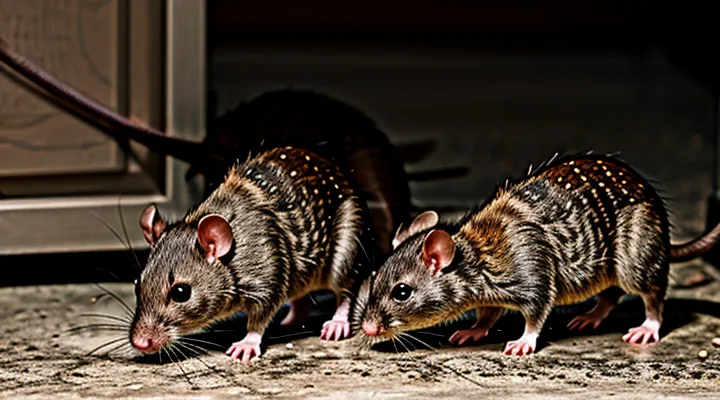
Understanding Rat Predation on Cockroaches
The Opportunistic Nature of Rats
Rats exhibit a highly opportunistic feeding strategy that enables them to exploit a wide range of prey, including insects such as cockroaches. Their dentition, strong jaw muscles, and keen sense of smell allow rapid detection and capture of mobile arthropods. When cockroach populations surge in urban environments, rats increase predation rates, reducing pest numbers and accessing a protein‑rich resource.
Key aspects of rat opportunism include:
- Flexibility in diet: rodents shift from grains to animal protein when availability changes.
- Rapid learning: individuals remember successful hunting techniques and apply them to similar prey.
- Spatial adaptability: rats exploit cluttered habitats where cockroaches hide, using tunnels and crevices for ambush.
These behaviors reflect an evolutionary advantage. By integrating insect predation into their repertoire, rats maintain energy balance during periods of scarce conventional food sources. The interaction between rats and cockroaches therefore illustrates a natural, adaptive response to fluctuating resource landscapes.
Dietary Habits of Rats
Omnivorous Diet Explained
Rats are classified as omnivores, meaning they obtain nutrients from both animal and plant sources. Their digestive system processes a wide range of foods, from grains and fruits to insects and carrion. This flexibility allows rats to thrive in diverse environments where food availability fluctuates.
In urban and rural settings, cockroaches represent a readily accessible protein source. Rats capture, kill, and consume cockroaches without specialized hunting adaptations; the behavior aligns with their opportunistic feeding strategy. Ingested insects supply essential amino acids, lipids, and micronutrients that complement the carbohydrate‑rich plant matter in the rat’s diet.
Key components of a typical rat diet include:
- Seeds, grains, and cereals – primary carbohydrate sources.
- Fruits and vegetables – provide vitamins and fiber.
- Insects (e.g., cockroaches, beetles) – deliver high‑quality protein and fats.
- Small vertebrates or carrion – occasional sources of additional protein and minerals.
The inclusion of insects such as cockroaches does not represent a specialized predatory niche but rather reflects the species’ generalist foraging behavior, which contributes to its ecological success and population resilience.
Protein Sources for Rats
Rats obtain protein through diverse dietary options that reflect their opportunistic foraging habits. In natural settings, insects such as cockroaches contribute a reliable protein supply; their exoskeletons contain chitin, while the soft tissues provide essential amino acids. This protein source aligns with the rodents’ predatory tendencies and supports growth, reproduction, and maintenance of muscle tissue.
Additional protein sources commonly incorporated into captive rat nutrition include:
- Commercial rodent pellets formulated with soy, fish, or meat meal; these products deliver balanced amino acid profiles and consistent nutrient density.
- Live or frozen insects (e.g., mealworms, crickets, waxworms); these mimic wild prey and stimulate natural hunting behavior.
- Cooked lean meats such as chicken breast or turkey; these foods supply high‑quality protein without excessive fat when offered in moderation.
- Dairy products like low‑fat cottage cheese or plain yogurt; these provide casein and whey proteins, though lactose tolerance varies among individuals.
- Plant‑based proteins derived from legumes (lentils, peas) and grains (quinoa, barley); these complement animal sources and add fiber.
When selecting protein for rats, consider digestibility, amino acid composition, and the risk of overloading the diet with fat or sodium. Regular inclusion of insect protein, whether from live cockroaches or alternative arthropods, reinforces the species’ innate feeding patterns while delivering the nutrients required for optimal physiological performance.
Factors Influencing Rat-Cockroach Interactions
Habitat Overlap
Rats and cockroaches frequently occupy the same micro‑environments, creating conditions for direct interaction. Urban sewers, basements, kitchen corners, waste piles, and grain storage facilities provide the moisture, shelter, and food residues that attract both species. Temperature ranges between 20 °C and 30 °C sustain the metabolic activity of each, while abundant organic debris supplies a continuous energy source.
- Sewer tunnels: dark, humid, abundant in discarded food; rats patrol continuously, cockroaches hide in crevices.
- Residential basements: low light, damp walls; rats use tunnels for movement, cockroaches exploit cracks for refuge.
- Kitchen waste areas: high nutrient concentration; rats forage openly, cockroaches emerge at night to feed.
- Agricultural storage: grain kernels, straw bedding; rats burrow to access bulk food, cockroaches occupy surface layers.
Overlap increases encounter frequency, allowing rats to capture cockroaches opportunistically. Rat dentition and strong forepaws enable the handling of hard‑bodied insects, while their nocturnal foraging aligns with cockroach activity cycles. Consequently, rat predation can suppress local cockroach numbers, especially where alternative protein sources are scarce. The shared habitat thus functions as a focal point for natural predator‑prey dynamics between these two omnivorous mammals and insects.
Prey Availability
Rats that hunt cockroaches rely on the spatial and temporal distribution of these insects to sustain their predatory activities. Urban and suburban environments often provide dense cockroach populations due to abundant food waste, moisture, and shelter, creating a reliable food source for opportunistic rodents.
Variability in prey abundance influences rat foraging patterns. When cockroach densities rise, rats increase hunting frequency and reduce travel distances between feeding sites. Conversely, low insect numbers prompt rats to expand their diet to include alternative arthropods, seeds, or anthropogenic waste.
Key factors that determine cockroach availability for rats include:
- Habitat clutter: cluttered interiors and cluttered debris piles protect cockroaches and facilitate encounters with rats.
- Moisture levels: high humidity supports cockroach breeding, indirectly boosting rat predation opportunities.
- Seasonal temperature shifts: warm months accelerate cockroach reproduction, leading to peak prey density that aligns with heightened rat activity.
- Human waste management: irregular garbage disposal generates food residues that sustain cockroach colonies, consequently sustaining rat populations.
Understanding these determinants clarifies how fluctuations in cockroach numbers drive rat predatory behavior, affect rodent population dynamics, and shape the ecological interactions within human‑dominated habitats.
Nutritional Benefits for Rats
Rats regularly capture and consume cockroaches, a habit that supplies a range of nutrients rarely found in standard laboratory diets.
- Protein: Cockroach muscle tissue contains high‑quality animal protein, providing essential amino acids that support growth, tissue repair, and enzymatic activity.
- Lipids: The insect’s fat stores are rich in polyunsaturated fatty acids, contributing to energy balance and cellular membrane integrity.
- Calcium and phosphorus: Exoskeletal minerals aid skeletal development and metabolic signaling.
- Vitamins: B‑complex vitamins present in cockroach hemolymph facilitate carbohydrate metabolism and nerve function.
Micronutrients such as iron, zinc, and magnesium appear in concentrations that meet or exceed the requirements of adult rats, enhancing hematopoiesis and immune competence.
The chitinous exoskeleton introduces dietary fiber that resists digestion in the stomach but is fermented by gut bacteria. Fermentation produces short‑chain fatty acids, which improve intestinal health, modulate microbiota composition, and may increase nutrient absorption efficiency.
In research settings, supplementing rat feed with a modest proportion of cockroach material can reduce the need for synthetic additives, lower feed costs, and produce physiological parameters more comparable to wild populations.
Observing the Behavior
Documented Instances
Documented observations confirm that rats occasionally prey on cockroaches when both species share urban or agricultural environments. Field studies in densely populated neighborhoods reported rats capturing and consuming cockroaches within sewers and garbage disposals, noting a clear pattern of opportunistic feeding. Laboratory experiments replicated these interactions, demonstrating that brown rats (Rattus norvegicus) will actively hunt and ingest cockroach larvae when alternative food sources are limited.
Key instances include:
- A 2017 survey of waste‑management facilities in New York City recorded 42 instances of rat‑cockroach predation over a six‑month period, identified through video monitoring and gut‑content analysis.
- Research conducted in a grain storage complex in Kansas documented 15 cases where captured rats contained identifiable cockroach exoskeleton fragments, confirming ingestion during the harvest season.
- A 2020 study in a tropical research station in Malaysia observed nocturnal rats entering insect breeding chambers, resulting in the direct consumption of adult cockroaches, as verified by direct observation and fecal examination.
These records illustrate that rat predation on cockroaches, while not the primary dietary habit, occurs regularly under conditions of resource scarcity or high insect density. The documented cases provide empirical evidence for the ecological interaction between these two pest species.
Environmental Triggers
Rats occasionally prey on cockroaches when environmental conditions favor opportunistic feeding. Food scarcity, high ambient temperatures, and elevated humidity create situations where cockroach populations increase and become readily available to foraging rodents.
- Low availability of typical rodent foods (grains, seeds, waste) pushes rats toward alternative protein sources.
- Temperatures above 25 °C accelerate cockroach activity, raising encounter rates.
- Relative humidity above 60 % supports cockroach survival, expanding their presence in damp areas where rats seek shelter.
- Seasonal shifts that reduce natural prey (e.g., autumn) correspond with heightened rat‑cockroach interactions.
- Overcrowded waste sites concentrate both species, increasing predation opportunities.
These triggers often act together; for example, warm, humid conditions coupled with limited conventional food supply amplify rat predation on cockroaches. Understanding the combined effect of temperature, moisture, food availability, and waste density assists in predicting when rodent predation on cockroaches will intensify, informing targeted pest‑control strategies.
Ecological Implications
Pest Control Dynamics
Rats commonly prey on cockroaches, creating a direct predator‑prey relationship that influences urban pest populations. This interaction reduces cockroach numbers in areas where rat activity is high, altering the balance of infestation levels.
The predation effect depends on several factors:
- Rat density: higher rat concentrations increase cockroach mortality rates.
- Cockroach species: some species exhibit stronger avoidance behaviors, limiting predation success.
- Habitat conditions: cluttered environments provide concealment for cockroaches, reducing encounter frequency.
- Seasonal temperature fluctuations: warmer periods accelerate rat metabolism, leading to increased hunting activity.
From a pest‑management perspective, rat predation introduces both benefits and complications. Benefits include natural suppression of cockroach colonies, potentially lowering chemical pesticide usage. Complications arise because rats themselves are disease vectors and cause structural damage; their population growth can offset any gains from reduced cockroach presence.
Integrated pest management (IPM) strategies must weigh these dynamics. Effective IPM protocols incorporate:
- Monitoring of both rat and cockroach activity using traps and visual surveys.
- Habitat modification to limit shelter for cockroaches while simultaneously reducing rat harborage.
- Targeted control measures that address rat populations without disrupting the incidental cockroach predation, such as selective baiting or exclusion techniques.
Understanding the reciprocal impact of rat predation on cockroach infestations enables precise allocation of resources, minimizes reliance on broad‑spectrum chemicals, and supports sustainable urban pest control.
Food Chain Connections
Rats regularly capture and consume cockroaches, creating a direct predator‑prey link that integrates two abundant urban and rural species. This interaction transfers biomass from the invertebrate tier to the mammalian tier, contributing to the flow of energy across trophic levels.
The consumption of cockroaches by rats influences the broader food web in several ways:
- Reduces cockroach populations, limiting competition for organic waste and decreasing the prevalence of disease vectors associated with cockroaches.
- Provides rats with protein and nutrients that support reproduction and survival, thereby affecting rat population dynamics.
- Alters the availability of cockroach biomass for secondary predators such as birds, reptiles, and larger mammals that may also feed on cockroaches.
- Impacts decomposition rates, as fewer cockroaches can slow the breakdown of organic material, indirectly affecting nutrient cycling.
These connections illustrate how a single predatory behavior integrates multiple ecological processes, linking nutrient acquisition, population regulation, and energy distribution within the ecosystem.
Prevention and Control Measures
Reducing Cockroach Populations
Rats naturally prey on cockroaches, directly decreasing infestation levels. Their foraging behavior targets adult insects and nymphs, interrupting reproductive cycles and limiting colony expansion.
Effective management of cockroach populations can incorporate the following strategies:
- Preserve habitats that support rat activity, such as low‑lying debris piles and concealed entry points.
- Reduce alternative food sources for rats to encourage predation on cockroaches.
- Implement structural modifications that facilitate rat movement while maintaining sanitary conditions.
- Monitor rat density regularly to ensure predation pressure remains sufficient without causing secondary pest issues.
Integrating these measures leverages an existing ecological interaction, providing a biologically based approach to cockroach control.
Deterring Rats from Habitats
Rats naturally hunt cockroaches, but their presence in residential or commercial structures poses health and safety risks. Effective rat deterrence focuses on eliminating access, reducing attractants, and creating hostile conditions within potential habitats.
- Seal entry points: Install steel wool, metal flashing, or cement around gaps larger than ¼ inch.
- Remove food sources: Store waste in sealed containers, clean spills promptly, and keep pet feed off the floor.
- Control water availability: Repair leaky pipes, empty standing water, and use moisture‑absorbing materials in basements.
- Deploy physical barriers: Place rat‑proof screens on vents, use heavy‑duty door sweeps, and install concrete or metal floor grates in crawl spaces.
- Apply repellents judiciously: Use rodent‑specific ultrasonic devices, botanical oils (e.g., peppermint, eucalyptus), or approved chemical deterrents according to label instructions.
Regular inspection identifies new ingress routes and signs of activity. Integrate habitat modification with continuous sanitation to sustain low rat populations and minimize the likelihood of rodents exploiting environments where cockroach predation occurs.