
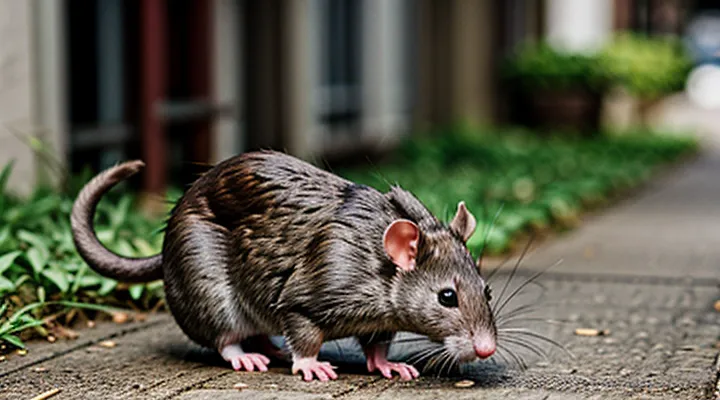
Understanding Rabies
What is Rabies?
Rabies is an acute, neurotropic viral disease that affects mammals, including humans. The causative agent, rabies virus, belongs to the Lyssavirus genus and is transmitted primarily through the saliva of infected animals during bites or scratches.
Key characteristics of rabies:
- Enveloped, single‑stranded RNA virus with a bullet‑shaped morphology.
- Incubation period varies from weeks to months, depending on the site of entry and viral load.
- Once clinical signs appear, the disease progresses rapidly to paralysis, coma, and death, with a near‑100 % fatality rate in untreated cases.
Clinical presentation follows a predictable pattern:
- Prodromal phase: fever, headache, and localized pain or paresthesia at the wound site.
- Furious form: hyperactivity, agitation, hydrophobia, and hypersalivation.
- Paralytic form: muscle weakness, progressive paralysis, and eventual respiratory failure.
Diagnosis relies on detection of viral antigens in saliva, skin biopsies, or cerebrospinal fluid, complemented by serological testing for rabies‑specific antibodies.
Post‑exposure prophylaxis (PEP) constitutes the sole effective intervention after potential exposure. PEP combines thorough wound cleansing, administration of rabies immune globulin, and a series of rabies‑vaccinated injections according to recognized schedules.
Understanding rabies fundamentals is essential for evaluating the public‑health threat posed by rodent vectors and implementing appropriate preventive measures.
How Rabies Spreads
Transmission Routes
Rats infected with rabies can transmit the virus to humans through several well‑documented pathways. Direct exposure to infected saliva is the most efficient route; a bite or scratch that breaks the skin allows viral particles to enter peripheral nerves and travel to the central nervous system. Even without a puncture wound, extensive licking of an open wound or mucous membrane can result in infection if the animal’s saliva contains viable virus.
Secondary transmission occurs when contaminated objects act as fomites. Rat saliva, urine, or feces deposited on surfaces such as food containers, bedding, or equipment can retain infectious virus for hours under favorable conditions. Contact with these surfaces followed by hand‑to‑mouth or hand‑to‑eye actions creates a plausible, though less common, exposure scenario.
Aerosolized virus presents a risk in enclosed, poorly ventilated environments where large numbers of rats are present. Inhalation of fine droplets generated by coughing, sneezing, or vigorous grooming may introduce the pathogen to the respiratory mucosa, especially during outbreaks among dense rodent populations.
Preventive measures focus on interrupting each pathway:
- Eliminate biting incidents through secure housing and humane trapping.
- Use protective gloves and thorough hand‑washing after handling rodents or cleaning contaminated areas.
- Disinfect surfaces with agents proven effective against rabies virus (e.g., 10 % bleach solution) promptly after exposure.
- Ensure adequate ventilation in facilities with high rodent density to reduce aerosol accumulation.
Understanding these transmission routes enables targeted interventions that markedly lower the likelihood of human rabies cases linked to rodent reservoirs.
Stages of Infection
Rats infected with the rabies virus progress through a defined sequence of pathological stages, each affecting the likelihood of transmission to humans and the effectiveness of control measures.
The first stage, incubation, lasts from a few weeks to several months depending on the virus dose and the site of entry. During this period the animal shows no clinical signs, yet viral replication occurs in peripheral nerves, making early detection impossible.
The second stage, the prodromal phase, is brief (1–3 days) and characterized by subtle behavioral changes such as irritability, reduced grooming, or temporary loss of appetite. Viral particles begin to spread toward the central nervous system, increasing the risk of shedding in saliva.
The third stage divides into two clinical forms:
- Furious form – marked by aggression, hypersensitivity to stimuli, excessive salivation, and frequent biting. Saliva contains high concentrations of the virus, representing the primary source of human exposure.
- Paralytic form – dominated by progressive muscle weakness, paralysis of the facial muscles, and eventual respiratory failure. Although less aggressive, the paralytic variant still produces infectious saliva and can transmit the virus through close contact.
The final stage, terminal disease, culminates in coma and death within 2–10 days after symptom onset. At this point, the viral load in the central nervous system peaks, and the animal’s behavior no longer influences transmission risk.
Understanding these stages informs preventive actions: early removal of dead or visibly ill rats, vaccination of domestic animals that may encounter rodents, and public education on avoiding bites or scratches. Prompt post‑exposure prophylaxis for humans exposed during the prodromal or clinical phases remains the most reliable safeguard against rabies.
Rats and Rabies Transmission
Prevalence of Rabies in Rat Populations
Historical Data and Studies
Historical records trace the involvement of rats in rabies transmission to the early twentieth century. Early surveillance in urban ports documented sporadic rabid rat specimens, often discovered during routine pest control operations. These reports prompted investigations into rodent susceptibility and the potential for human exposure.
Epidemiological studies from the 1930s to the 1970s quantified infection rates among captured rats. Findings indicated a prevalence of rabies virus antigen in 0.2–0.5 % of sampled populations, with higher incidence in areas where stray dogs and feral cats were abundant. Comparative analyses demonstrated that rat-associated cases represented a minority of overall human rabies incidents, yet they highlighted a viable zoonotic pathway in densely populated districts.
Key research milestones include:
- 1947 laboratory experiments confirming that rats can develop symptomatic rabies after intracerebral inoculation, establishing a biological basis for transmission.
- 1965 field surveys linking rat bites to documented human rabies cases in Southeast Asian slums, reinforcing the need for targeted public health interventions.
- 1992 molecular typing that identified rabies virus strains isolated from rats as identical to those circulating in local canine reservoirs, suggesting spillover rather than independent maintenance.
Prevention strategies derived from historical evidence emphasize integrated pest management, vaccination of domestic animals, and public education on avoiding rat bites. Control programs that reduced rodent populations in conjunction with canine vaccination campaigns correlated with a measurable decline in rat-associated rabies reports during the late 1990s. Continuous monitoring of rodent infection patterns remains essential for early detection of emerging risks.
Geographic Variations
Rats infected with rabies are not uniformly distributed; incidence clusters in specific climatic zones and urban settings. In tropical and subtropical regions, high rodent density, abundant food waste, and limited veterinary infrastructure create conditions for sustained viral circulation. Temperate zones report sporadic cases, often linked to wildlife spillover events rather than endemic rat populations.
Key geographic patterns include:
- Southeast Asia and the Indian subcontinent – dense human settlements, poor waste management, and frequent contact between rats and stray dogs facilitate virus transmission.
- Sub‑Saharan Africa – limited access to rabies vaccination for domestic animals increases exposure risk for commensal rodents.
- South America’s Amazon basin – rainforest fragmentation brings rats into closer contact with wildlife reservoirs, raising local infection rates.
- Urban centers in Eastern Europe – structured pest control reduces prevalence, yet isolated outbreaks occur near illegal wildlife trade routes.
Surveillance data reveal that regions with robust rabies control programs for dogs and cats show lower rat‑associated human cases. Conversely, areas lacking coordinated vaccination campaigns report higher rodent‑linked incidents, underscoring the need for region‑specific monitoring.
Effective prevention must align with local epidemiology: enhance waste management, implement community‑based rodent control, and integrate rat testing into existing rabies surveillance networks. Tailoring interventions to the identified geographic hotspots reduces human exposure and supports broader rabies elimination goals.
Mechanisms of Transmission from Rats to Humans
Bites and Scratches
Rats can transmit rabies through direct wounds such as bites and scratches. The virus enters the bloodstream when saliva or nervous tissue contacts broken skin, making any puncture from a rodent a potential infection route. Clinical rabies in rats is rare, yet documented cases confirm that the virus can be present in their salivary glands, especially in areas where wildlife rabies is endemic.
Prompt wound care reduces transmission risk. Immediate actions include:
- Irrigate the injury with copious water and mild soap for at least 15 seconds.
- Apply an antiseptic solution (e.g., povidone‑iodine) after cleaning.
- Seek medical evaluation within 24 hours for rabies post‑exposure prophylaxis assessment.
Preventive strategies focus on minimizing contact and protecting skin integrity. Use thick‑gloved hand protection when handling rodents, avoid feeding or attracting wild rats near residential areas, and secure trash containers to deter infestation. Regular inspection of homes and workplaces for signs of rat activity enables early intervention, decreasing the likelihood of bite or scratch incidents.
Other Potential Routes
Rats infected with rabies can expose humans through mechanisms other than direct bites. Contact with contaminated saliva, blood, or neural tissue during handling or butchering creates a pathway for viral entry via abraded skin or mucous membranes. Scratches inflicted by a rat’s claws may introduce virus particles present on the animal’s fur or claws, especially if the rat has recently bitten another host.
- Mucosal exposure – rinsing eyes, nose, or mouth after touching a rat’s mouth secretions.
- Indirect contact – touching surfaces, cages, or equipment stained with infected saliva or blood, then handling the face without proper hand hygiene.
- Aerosol transmission – inhalation of virus‑laden droplets in enclosed, poorly ventilated areas where large numbers of rats are housed.
- Organ or tissue transplantation – receipt of rat‑derived grafts or biologics contaminated with rabies virus.
- Laboratory accidents – accidental puncture or splash during specimen processing.
Recognizing these alternative routes informs protective measures such as personal protective equipment, rigorous disinfection protocols, and immediate medical evaluation after any potential exposure.
Factors Influencing Rat-Human Transmission Risk
Population Density
Population density directly affects the frequency of encounters between rodents and humans, thereby shaping the probability of rabies spillover. High-density urban environments concentrate food sources, shelter, and waste, creating habitats where rat colonies thrive. Close proximity of rat populations to residential areas increases the number of bites or scratches that can transmit the virus, especially where sanitation is inadequate.
In densely populated neighborhoods, several factors amplify risk:
- Limited space forces rodents to share alleys, basements, and sewers with inhabitants.
- Overcrowded housing reduces barriers that separate people from infested zones.
- Elevated waste generation supplies a steady food supply, sustaining larger rat numbers.
Preventive strategies must account for these density-driven dynamics. Effective measures include:
- Implementing rigorous waste management to remove attractants.
- Sealing entry points in buildings to limit rodent ingress.
- Conducting regular rodent surveillance and population control in high‑density districts.
- Providing community education on safe handling of rodents and immediate reporting of bite incidents.
Data from metropolitan health agencies reveal a correlation between census block population counts and reported rabies exposures, underscoring the need for targeted interventions where human and rat populations intersect most intensely. Reducing rodent density in these zones lowers the overall transmission potential and protects public health.
Environmental Conditions
Environmental factors shape the likelihood that rodent populations will harbor rabies virus and transmit it to people. Warm temperatures accelerate viral replication within infected hosts, extending the period during which rats remain infectious. High humidity supports the survival of the virus in contaminated surfaces, increasing indirect exposure risk for humans handling food or waste.
Urban settings with dense refuse accumulation create abundant food sources, promoting larger rat colonies and more frequent human‑rat interactions. Poor sanitation, inadequate waste management, and cluttered storage areas provide shelter and breeding sites, sustaining high population densities that facilitate virus circulation.
Seasonal variations influence rat behavior and movement. During colder months, rodents seek heated indoor environments, raising the probability of contact with occupants. In spring and summer, breeding peaks expand colony size, elevating the number of potential carriers.
Key environmental conditions affecting transmission risk:
- Temperature above 20 °C (68 °F) – enhances viral activity.
- Relative humidity above 60 % – prolongs virus viability on surfaces.
- Accumulated organic waste – supplies food and nesting material.
- Structural deficiencies (cracks, gaps) – allow rodent ingress into homes and workplaces.
- Seasonal breeding cycles – increase population turnover and carrier prevalence.
Mitigation relies on environmental control. Implementing regular waste removal, sealing entry points, maintaining indoor temperatures below the optimal range for viral persistence, and ensuring dry, well‑ventilated storage areas reduce rat density and limit virus survival. These measures directly lower the probability of human exposure to rabies through rodent vectors.
Human Behavior
Human activities that attract or sustain rodent populations directly increase the probability of rabies transmission. Improper waste management, storage of food in unsecured containers, and neglect of building maintenance create habitats where rats thrive and come into contact with people.
- Feeding wildlife or leaving garbage exposed
- Allowing clutter in basements, attics, or storage areas
- Using open sewage or standing water as a water source
- Handling dead or injured rodents without protection
These behaviors facilitate bites, scratches, or indirect contact with contaminated saliva, which are the primary pathways for virus entry.
Preventive measures focus on modifying conduct to eliminate attractants and reduce exposure risk.
- Secure all food supplies in sealed containers
- Dispose of waste in sealed bins and remove it regularly
- Seal entry points such as cracks, vents, and gaps in walls
- Conduct routine inspections and pest‑control treatments in residential and occupational settings
- Wear gloves and protective clothing when handling rodents or cleaning infested areas
- Seek immediate medical evaluation after any rat bite or scratch; post‑exposure prophylaxis is effective when administered promptly
Adopting these practices lowers the incidence of human‑rat encounters and consequently diminishes the threat of rabies infection.
Risks to Humans
Symptoms of Rabies in Humans
Early Symptoms
Rats can transmit rabies through bites or contaminated saliva, making prompt identification of the disease’s initial stage critical for human health.
During the prodromal phase, typically lasting 2‑10 days after exposure, patients experience nonspecific signs that may be mistaken for common viral illnesses. Early manifestations include:
- Fever ranging from 38 °C to 40 °C
- Headache of moderate intensity
- Generalized fatigue and malaise
- Pain or paresthesia at the wound site, often described as burning or itching
- Irritability or mild anxiety
- Nausea or loss of appetite
These symptoms precede the more characteristic neurological disturbances such as hydrophobia, aerophobia, and paralysis. Because the early window is brief, any individual bitten or scratched by a rat should seek post‑exposure prophylaxis immediately, even if only mild prodromal signs are present. Timely intervention can prevent progression to fatal encephalitis.
Advanced Symptoms
Rabies transmitted by rodents can progress to a severe neurological stage after the initial prodromal period. At this point, patients exhibit a constellation of signs that differentiate rabies from other encephalitides.
- Hyperactivity or agitation alternating with periods of profound lethargy.
- Dysphagia accompanied by involuntary spasms of the throat muscles, producing a characteristic fear of water (hydrophobia) and difficulty swallowing.
- Excessive salivation and frothing due to impaired control of the salivary glands.
- Generalized seizures, often refractory to standard antiepileptic therapy.
- Autonomic instability manifested as irregular heart rate, hypertension, and hyperthermia.
- Respiratory failure resulting from paralysis of the diaphragm and intercostal muscles.
These advanced manifestations typically appear 5–10 days after the onset of initial symptoms and correlate with viral invasion of the brainstem and limbic structures. Early recognition of this pattern is essential for supportive care, as no curative antiviral treatment exists once the disease reaches this stage. Prompt isolation, intensive monitoring, and management of airway, cardiovascular, and metabolic complications constitute the primary clinical response.
Diagnosis and Treatment of Rabies
Diagnostic Methods
Diagnostic approaches for confirming rabies infection in rodent populations focus on laboratory analyses of neural tissue, saliva, and blood specimens. Accurate detection relies on proper sample collection, preservation, and adherence to biosafety protocols to prevent laboratory exposure.
Key techniques include:
- Direct Fluorescent Antibody Test (dFA): Gold‑standard assay performed on fresh brain tissue. Fluorescently labeled antibodies bind rabies antigens, producing a characteristic pattern under microscopy. Rapid results and high specificity make it the primary confirmatory test.
- Reverse Transcription Polymerase Chain Reaction (RT‑PCR): Amplifies viral RNA from brain homogenates, saliva, or cerebrospinal fluid. Provides high sensitivity, especially in early infection stages when antigen levels are low. Quantitative RT‑PCR can estimate viral load.
- Virus Isolation in Cell Culture: Inoculation of susceptible cell lines (e.g., mouse neuroblastoma) with brain extracts. Cytopathic effects and subsequent dFA verification confirm viable virus presence. Although time‑consuming, it supplies isolates for epidemiological typing.
- Serological Assays: Detection of rabies‑specific antibodies in serum using enzyme‑linked immunosorbent assay (ELISA) or rapid fluorescent focus inhibition test (RFFIT). Useful for surveillance and assessing immune response in exposed rodents, but not definitive for acute infection.
Interpretation of results must consider the anatomical site of sampling, post‑mortem interval, and the animal’s clinical history. Combining dFA with molecular methods enhances diagnostic confidence, supports timely public‑health interventions, and informs risk assessments for human exposure.
Post-Exposure Prophylaxis «PEP»
Post‑exposure prophylaxis (PEP) is the only proven method to prevent rabies after a potentially infectious bite from a rodent, including rats that may carry the virus. Immediate wound cleansing with soap and running water for at least 15 minutes reduces viral load and is a prerequisite for successful prophylaxis.
PEP consists of two components:
- Rabies immunoglobulin (RIG) administered once, infiltrated around the wound site, and the remainder injected intramuscularly.
- A series of rabies vaccine doses given intramuscularly on days 0, 3, 7, 14, and 28 (or a shortened schedule of four doses for certain modern vaccine formulations).
Key considerations for rat‑related exposures:
- RIG is indicated only when the bite is from an animal that is not vaccinated against rabies and when the exposure is classified as category III (single or multiple transdermal bites, scratches, or mucous membrane contact).
- Vaccine type (cell‑culture or purified chick embryo) should be selected according to national guidelines; both achieve seroconversion rates above 95 % when administered on schedule.
- Delays beyond 24 hours increase the risk of viral propagation; prophylaxis should start as soon as possible after the incident.
- Documentation of the animal’s health status, location, and circumstances of the bite is required for public‑health surveillance.
Follow‑up includes:
- Verification of the full vaccine series completion.
- Assessment of wound healing and any adverse reactions to RIG or vaccine.
- Reporting of the case to local health authorities for epidemiological tracking.
When applied correctly, PEP eliminates the likelihood of rabies development, even in regions where rodent‑borne transmission is documented.
Prognosis
Rats infected with the rabies virus can transmit the disease to humans through bites, scratches, or contaminated saliva. Once the virus reaches the central nervous system, clinical signs appear rapidly, typically within 10–14 days after exposure. The disease progresses from prodromal symptoms—fever, headache, and malaise—to neurological manifestations such as agitation, hydrophobia, and paralysis. Without immediate post‑exposure prophylaxis, the condition is almost invariably fatal, with mortality approaching 100 %.
Prognostic outcomes depend on several variables:
- Time to treatment – administration of rabies immunoglobulin and vaccine within 24 hours markedly improves survival chances; delays beyond 48 hours reduce efficacy.
- Location of exposure – bites on the face or neck shorten the incubation period and worsen prognosis because the virus reaches the brain more quickly.
- Viral load – deeper, multiple puncture wounds introduce higher amounts of virus, increasing the likelihood of severe disease.
- Host health status – immunocompromised individuals exhibit reduced response to prophylactic regimens, leading to poorer outcomes.
When post‑exposure prophylaxis is completed according to recommended schedules, the probability of disease development drops to less than 1 %. Successful treatment results in full recovery without neurological sequelae. In contrast, cases that progress to symptomatic rabies exhibit rapid deterioration, leading to coma and death within days.
Effective prevention—environmental control of rodent populations, public education on avoiding contact, and prompt medical intervention after exposure—remains the primary strategy for improving prognosis and reducing mortality associated with rat‑borne rabies.
Public Health Impact
Disease Burden
Rats that harbor the rabies virus impose a measurable disease burden on public health systems. Human cases linked to rodent exposure remain rare, yet each incident incurs high medical costs, extensive post‑exposure prophylaxis, and potential loss of life. The burden can be quantified in three principal dimensions:
- Morbidity and mortality: Confirmed rabies infections following rat bites result in fatal outcomes without timely immunization; even non‑fatal exposures require multiple vaccine doses and immunoglobulin administration.
- Economic impact: Direct expenses include emergency department visits, vaccine series, and laboratory diagnostics; indirect costs encompass lost productivity, travel for treatment, and long‑term disability support.
- Surveillance and control expenditures: Monitoring rodent populations, conducting wildlife vaccination campaigns, and implementing community education programs demand sustained funding.
Geographic hotspots with dense urban rat colonies report higher incidence of animal‑to‑human contacts, elevating local healthcare demand. Seasonal fluctuations in rodent activity correspond with spikes in reported bites, amplifying short‑term resource strain. Accurate assessment of these factors enables health authorities to allocate resources, prioritize high‑risk areas, and evaluate the cost‑effectiveness of preventive interventions.
Economic Impact
Rats infected with the rabies virus impose substantial financial burdens on public health systems, agricultural sectors, and municipal services. Direct medical expenses include emergency treatment, post‑exposure prophylaxis, and hospitalization for bite victims. Indirect costs arise from lost work days, reduced productivity, and long‑term disability among affected individuals.
- Healthcare expenditures: average post‑exposure vaccination series exceeds $1,200 per patient; hospitalization costs add $3,500–$7,000 per case.
- Veterinary losses: rabies transmission to livestock can trigger culling, compensation payouts, and market price declines, often amounting to millions of dollars in regions with dense rodent populations.
- Control program funding: rodent surveillance, bait distribution, and public education campaigns require annual budgets ranging from $500,000 to several million dollars, depending on urban density.
- Property damage: gnawing behavior leads to repairs of infrastructure, electrical wiring, and food storage facilities, generating additional repair costs.
- Tourism impact: outbreaks linked to rodent‑borne rabies deter visitors, reducing revenue for hospitality businesses and local economies.
Economic analysis demonstrates that preventive measures—such as systematic rodent control, vaccination of high‑risk groups, and rapid response protocols—yield a favorable cost‑benefit ratio. Investment in these strategies reduces the frequency of human exposures and limits downstream financial losses across multiple sectors.
Prevention and Control
Preventing Rat Bites
Rodent Control Strategies
Effective rodent management reduces the likelihood of rabies exposure transmitted by rats. Removing food sources, sealing entry points, and maintaining clean waste storage eliminate attractants that support rodent populations. Regular inspection of buildings and surrounding areas identifies infestations before they expand.
Control methods include:
- Mechanical traps placed along walls and near known activity zones; check and reset daily.
- Rodenticides applied according to integrated pest management guidelines; use bait stations to limit non‑target exposure.
- Biological agents such as predatory birds or feral cat colonies, deployed where appropriate, to suppress numbers naturally.
- Habitat modification, including vegetation trimming and removal of debris, to reduce shelter opportunities.
Monitoring programs track trap success rates, bait consumption, and sightings, allowing adjustments to tactics. Coordinated efforts among public health agencies, pest‑control professionals, and property owners ensure that rodent density remains below thresholds associated with rabies transmission risk.
Personal Protective Measures
When handling rats that may harbor rabies, personal protection is essential to prevent virus transmission. Effective measures focus on barrier methods, hygiene practices, and post‑exposure protocols.
- Wear disposable gloves made of nitrile or latex whenever contact with live or dead rodents is possible. Replace gloves immediately if torn or contaminated.
- Use a face shield or safety goggles to protect mucous membranes from saliva, blood, or aerosolized secretions during capture, necropsy, or cleaning of cages.
- Don a fluid‑resistant laboratory coat or disposable gown; secure closures to avoid skin exposure.
- Employ a fitted N95 respirator or higher‑efficiency mask when working in enclosed spaces with poor ventilation or when aerosol generation cannot be avoided.
- Perform hand washing with soap and water for at least 20 seconds after glove removal; follow with an alcohol‑based hand rub if hands are not visibly soiled.
- Disinfect surfaces, cages, and equipment with a validated rabies virus inactivator (e.g., 10 % bleach solution) after each use.
- Store personal protective equipment in a designated clean area; discard single‑use items in biohazard containers.
- Maintain up‑to‑date rabies vaccination for personnel at risk; record immunization dates and booster requirements.
- Document any bite, scratch, or mucosal exposure immediately; initiate wound cleansing with copious irrigation and seek medical evaluation for post‑exposure prophylaxis without delay.
Adherence to these protocols reduces the likelihood of infection during routine rodent handling and aligns with occupational health standards for zoonotic disease prevention.
Rabies Vaccination
Human Rabies Vaccine
Rats can transmit rabies through bites or contaminated saliva, creating a direct threat to public health. Immunization of people at risk remains the most reliable barrier against infection.
Human rabies vaccine is available in two formulations: a purified chick embryo cell (PCECV) and a purified Vero cell (PVRV) product. Both require a series of intramuscular injections for optimal protection.
- Pre‑exposure prophylaxis (PrEP): three doses on days 0, 7, and 21 or 28; recommended for laboratory workers, wildlife handlers, and individuals living in areas with high rat populations.
- Post‑exposure prophylaxis (PEP): immediate wound cleansing, followed by a dose of rabies immune globulin (RIG) at the wound site and four vaccine doses on days 0, 3, 7, and 14; applicable to any person exposed to a potentially infected rat.
The vaccines induce neutralizing antibodies detectable within 7‑10 days after the initial dose. Adverse reactions are generally mild, limited to soreness at the injection site, transient fever, or headache. No serious safety concerns have emerged in large‑scale surveillance.
Effective rabies control combines vaccination with rodent‑population management, public education on bite avoidance, and prompt medical evaluation after exposure. The human vaccine thus serves as a critical component of an integrated strategy to reduce disease incidence from rat‑borne rabies.
Pet Vaccination «Cats, Dogs»
Rodents can transmit rabies to domestic animals, creating a direct pathway for the disease to reach people. Vaccinating cats and dogs interrupts this pathway and reduces the likelihood of human exposure.
Vaccination protocol for dogs
- Initial dose at 12 weeks of age
- Booster administered one year after the first dose
- Subsequent boosters every 1–3 years, depending on vaccine type and local regulations
Vaccination protocol for cats
- First dose at 12 weeks of age
- Booster given one year later
- Follow‑up boosters at intervals of 1–3 years, aligned with veterinary guidance
Additional preventive actions
- Secure food storage and waste disposal to deter rodent activity in pet areas
- Maintain regular rodent control programs in homes and surrounding yards
- Keep pets on leashes or in enclosed spaces to limit contact with wild rodents
Consistent immunization of companion animals, combined with effective rodent management, forms a dual barrier that protects both pets and humans from rabies transmission.
Community-Based Prevention Programs
Public Education
Public education provides the most direct means of reducing human exposure to rabies transmitted by urban rodents. Accurate information empowers communities to recognize hazards, adopt protective behaviors, and support control programs.
Effective outreach targets residents of high‑density housing, municipal workers, school personnel, and pet owners. Each group requires tailored content reflecting daily interaction with rodent populations and local health resources.
Key messages must include:
- Rats can harbor the rabies virus and transmit it through bites or contaminated saliva.
- Early signs of rodent‑associated rabies infection in humans are fever, headache, and neurological disturbances.
- Immediate medical evaluation and post‑exposure prophylaxis are critical after any rat bite or scratch.
- Preventive actions encompass sealing entry points, maintaining clean waste storage, and avoiding direct contact with wild rodents.
- Reporting suspected rodent infestations to local health authorities accelerates response efforts.
Delivery channels should combine printed flyers, community workshops, social‑media alerts, and radio announcements. Visual aids illustrating bite prevention and symptom recognition increase retention. Partnerships with schools and neighborhood associations expand reach and credibility.
Program success requires systematic monitoring: track participation rates, assess knowledge retention through brief surveys, and record any reported rodent‑related incidents. Data inform adjustments to messaging frequency, language, and distribution methods, ensuring sustained public vigilance against rabies risk.
Surveillance Systems
Surveillance of rodent populations provides the primary mechanism for detecting rabies infection in urban and peri‑urban environments. Continuous monitoring generates actionable data that guide public‑health responses and reduce the probability of human exposure.
Key elements of an effective monitoring program include:
- Systematic trapping in high‑risk zones to obtain representative samples.
- Laboratory confirmation using direct fluorescent antibody testing or molecular assays.
- Geographic information system (GIS) integration to map positive findings and identify hotspots.
- Real‑time data transmission to central health authorities for rapid decision‑making.
Standard operating procedures require that captured rodents be euthanized humanely, brain tissue collected within 24 hours, and diagnostic results reported to the surveillance hub within 48 hours. Quality control measures, such as duplicate testing and proficiency testing of laboratories, maintain diagnostic accuracy.
Early detection through these networks enables targeted rodent control, vaccination of domestic animals in adjacent areas, and public advisories that focus resources where the risk of transmission is greatest. The resulting reduction in rabies incidence among humans reflects the direct impact of a well‑coordinated surveillance infrastructure.
Response to Suspected Rat Bites
Immediate Actions
If a rat suspected of carrying the rabies virus bites, scratches, or otherwise contacts a person, swift response is essential to prevent infection.
First, secure the animal. Place the rat in a sturdy container, label it, and contact local animal‑control or public‑health officials for safe handling and testing. Do not attempt to euthanize or release the animal.
Second, treat any wounds immediately. Rinse the area with running water for at least 15 minutes, using soap if available. Apply an antiseptic solution and cover with a clean dressing.
Third, obtain medical evaluation without delay. A healthcare professional will assess the need for post‑exposure prophylaxis (PEP), which may include rabies immunoglobulin and a series of vaccines. Provide the animal‑control report and any details about the exposure.
Fourth, document the incident. Record the date, time, location, description of the rat, and circumstances of contact. This information assists epidemiological tracking and legal reporting.
- Immediate isolation of the animal and notification of authorities.
- Thorough wound irrigation and antiseptic application.
- Prompt medical consultation for possible PEP.
- Detailed incident reporting for public‑health records.
These actions reduce the risk of rabies transmission and facilitate appropriate public‑health response.
Medical Consultation
Medical consultation for individuals exposed to rodent‑associated rabies should begin with a thorough exposure assessment. Clinicians must determine whether the patient had a bite, scratch, or mucosal contact with a rat, and document the circumstances, including the animal’s health status and any observable signs of illness.
If exposure is confirmed, the following actions are required:
- Immediate wound cleansing with soap and running water for at least 15 minutes.
- Administration of a rabies‑virus‑neutralizing immunoglobulin (RIG) around the wound site, provided the patient has not been previously vaccinated.
- Initiation of the rabies vaccine series according to the approved schedule (day 0, 3, 7, 14, and 28).
The consultation also includes patient education about symptom onset, which typically appears 1–3 months after exposure, and the necessity of completing the vaccine regimen. Documentation of consent, vaccine lot numbers, and follow‑up appointments must be recorded in the medical record.
Follow‑up visits focus on monitoring for adverse reactions, confirming vaccine compliance, and reassessing the wound. If the animal is captured, laboratory testing for rabies virus should be arranged; results influence the continuation or cessation of post‑exposure prophylaxis. In the absence of laboratory confirmation, the default protocol remains full prophylaxis to eliminate the risk of fatal encephalitis.