
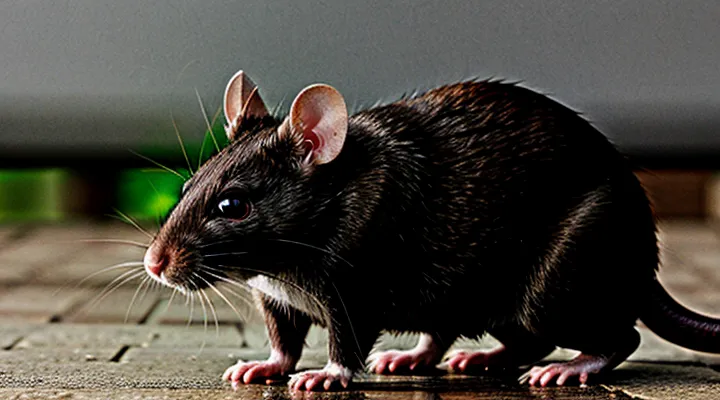
What Causes Red Eyes in Rats?
Genetics and Pigmentation
Albino Rats and Red Eyes
Albino rats lack pigment in skin, fur, and eyes, resulting in a pink or reddish hue of the ocular tissue. The absence of melanin allows blood vessels in the retina and choroid to become visible, producing the characteristic red eye appearance.
Red eyes in albino rats indicate:
- Dilated blood vessels visible through the translucent sclera
- Increased sensitivity to bright light due to reduced ocular protection
- Potential for corneal irritation if exposed to harsh environments
Genetically, albinism follows an autosomal recessive inheritance pattern; two carrier parents can produce albino offspring with a 25 % probability per litter. The condition does not affect overall health, but the lack of melanin may predispose the animal to vision problems and heightened stress under intense illumination.
Proper husbandry mitigates adverse effects: provide low‑intensity lighting, avoid direct glare, and monitor ocular health during routine examinations. Early detection of corneal lesions or cataracts enables timely veterinary intervention, preserving the rat’s visual function and welfare.
Ruby-Eyed Rats
Ruby‑eyed rats are a distinct phenotype within the broader category of rodents that display abnormal ocular coloration. The condition results from a mutation affecting melanin synthesis in the iris, producing a deep ruby hue that often accompanies a reduction in retinal pigment. This genetic alteration can be inherited as an autosomal recessive trait, meaning that both parents must carry the allele for offspring to express the trait.
The presence of ruby‑colored eyes frequently signals underlying health concerns. Common indicators include:
- Dilated pupils that fail to constrict in bright light
- Increased sensitivity to glare and reduced visual acuity
- Persistent ocular discharge or crusting around the eyelids
- Unusual behavior such as reluctance to explore brightly lit areas
These signs usually emerge shortly after weaning, as the melanin deficiency becomes apparent. In some cases, ruby‑eyed rats develop secondary infections due to compromised corneal protection. Veterinary assessment should focus on evaluating tear production, checking for bacterial colonization, and confirming the genetic basis through pedigree analysis.
Management strategies emphasize preventive care. Regular cleaning of the ocular area reduces the risk of infection, while controlled lighting environments minimize stress on the visual system. Nutritional supplementation with antioxidants may support retinal health, though evidence for efficacy remains limited. Breeders are advised to avoid pairing two carriers of the ruby‑eye allele to prevent propagation of the trait in future litters.
Medical Conditions
Porphyrin Staining (Chromodacryorrhea)
Porphyrin staining, also known as chromodacryorrhea, manifests as reddish‑brown secretions around the eyes, nose, and fur of laboratory rats. The discoloration results from the excretion of porphyrin pigments in the Harderian gland’s tear fluid, which becomes visible when the gland is overstimulated or compromised.
Common triggers include:
- Environmental stressors such as overcrowding, temperature extremes, or inadequate ventilation.
- Physiological disturbances like dehydration, malnutrition, or systemic infection.
- Exposure to toxic substances, including certain chemicals, heavy metals, and mycotoxins.
- Painful or irritating ocular conditions, for example corneal abrasions or conjunctivitis.
The presence of porphyrin staining often coincides with the appearance of red or blood‑tinged eyes. Visible signs encompass:
- Darkened fur surrounding the peri‑orbital area.
- Wet, crusted discharge accumulating at the corners of the eyes.
- Increased grooming behavior directed at the face.
- Potential secondary skin irritation or alopecia due to persistent moisture.
Interpretation of chromodacryorrhea requires differentiation from true hemorrhage. Porphyrin pigments fluoresce under ultraviolet light, providing a diagnostic tool to confirm the source of the coloration.
Management strategies focus on eliminating the underlying cause:
- Optimize housing conditions: maintain appropriate temperature (20‑24 °C), humidity (45‑55 %), and space per animal.
- Ensure constant access to clean water and balanced nutrition.
- Conduct routine health monitoring to detect infections early.
- Remove or mitigate exposure to identified toxins.
- Treat ocular injuries promptly with sterile ophthalmic solutions and, if necessary, antibiotics.
Regular observation of the peri‑orbital region allows early detection of chromodacryorrhea, supporting rapid intervention and reducing the risk of chronic stress or disease progression in affected rodents.
Causes of Porphyrin Overproduction
Red‑eye discoloration in laboratory rats frequently results from excess porphyrin secretion by the Harderian gland. Overproduction of porphyrin reflects physiological disturbances that can be identified and managed.
Key factors that stimulate porphyrin overproduction include:
- Acute or chronic stress, such as handling, overcrowding, or environmental noise.
- Hormonal imbalances, particularly elevated glucocorticoids or reproductive hormones.
- Infectious agents (e.g., Mycoplasma pulmonis, viral pathogens) that irritate ocular tissues.
- Nutritional deficiencies, notably insufficient vitamin A, B‑complex vitamins, or trace minerals.
- Suboptimal housing conditions: high humidity, poor ventilation, or exposure to bright light.
- Genetic predisposition in certain strains that exhibit heightened Harderian gland activity.
Recognition of these causes enables targeted interventions—environmental enrichment, dietary supplementation, disease screening, and stress reduction—to mitigate porphyrin excess and restore normal ocular appearance.
Differentiating Porphyrin from Blood
Red‑eyed rats often display a reddish discharge around the eyes, which can originate from porphyrin secretion or from hemorrhage. Identifying the source is essential for appropriate treatment and for distinguishing ocular irritation from systemic disease.
Porphyrin appears as a dark‑red, oily film that dries to a brownish crust. It is produced by the Harderian gland and is most intense after exposure to bright light or stress. Blood presents as bright red, fluid, and clots quickly when exposed to air. Visual inspection can separate the two, but confirmation may require simple laboratory techniques.
- Color and texture: Porphyrin is brown‑red, matte, and sticky; blood is vivid red, glossy, and fluid.
- Reaction to light: Porphyrin fluoresces under ultraviolet illumination; blood does not.
- Clotting: Blood forms a clot within minutes; porphyrin remains uncoagulated.
- Chemical test: Adding a few drops of dilute sodium hydroxide turns porphyrin pink‑purple, while blood turns brown.
- Microscopic examination: Blood contains erythrocytes; porphyrin shows no cellular components.
Accurate differentiation guides veterinary intervention, preventing unnecessary anticoagulant therapy when porphyrin is the cause and prompting prompt investigation of trauma or infection when blood is present.
Eye Infections and Injuries
Rats develop red eyes primarily due to ocular infections or trauma. Both conditions produce inflammation, discharge, and visual impairment, which may indicate underlying health problems.
Common infectious agents include:
- Bacterial pathogens such as Staphylococcus spp. and Pseudomonas spp.
- Viral agents like Sendai virus and rat coronavirus.
- Fungal organisms including Candida spp. and Aspergillus spp.
Typical signs of infection are:
- Swelling of the eyelids (blepharitis).
- Purulent or mucoid discharge.
- Crusting around the cornea.
- Excessive rubbing of the eyes with forepaws.
Injuries that lead to red eyes comprise:
- Corneal scratches from cage bars or bedding.
- Penetrating wounds from aggressive encounters.
- Foreign bodies lodged on the ocular surface.
Clinical presentation of trauma often includes:
- Immediate tearing and blood staining.
- Visible lacerations or ulcerations on the cornea.
- Reduced pupil size (miosis) due to pain.
Diagnosis requires ophthalmic examination with a slit‑lamp or portable ophthalmoscope, followed by microbial culture when discharge is present. Treatment protocols differ:
- Bacterial infections: topical broad‑spectrum antibiotics applied 2–4 times daily.
- Viral infections: supportive care, isolation, and monitoring for secondary bacterial complications.
- Fungal infections: antifungal eye drops combined with systemic therapy if invasive.
- Traumatic lesions: saline irrigation, topical antibiotics, and, when necessary, surgical suturing of corneal lacerations.
Preventive measures focus on maintaining clean housing, providing chewable enrichment to reduce self‑inflicted damage, and regular health checks to catch early ocular changes. Prompt intervention limits progression to chronic keratitis or permanent vision loss.
Conjunctivitis
Conjunctivitis, commonly called pink eye, is a frequent cause of ocular redness in laboratory and pet rats. The condition results from inflammation of the conjunctival membrane, often triggered by bacterial, viral, or allergic agents. Infected rodents typically exhibit watery discharge, swelling of the eyelid margins, and a noticeable crust forming around the eye. Persistent rubbing of the eye with forepaws may accompany the irritation.
Key clinical manifestations include:
- Bilateral or unilateral redness of the sclera
- Muco‑purulent or serous ocular discharge
- Swelling of the conjunctival tissue
- Frequent eye‑rubbing behavior
- Reduced visual acuity observable as altered navigation patterns
Diagnosis relies on visual inspection, culture of discharge when bacterial infection is suspected, and, if necessary, cytological analysis to identify allergens or parasites. Treatment protocols depend on the underlying cause: topical antibiotics for bacterial forms, antiviral agents for viral etiologies, and antihistamine or corticosteroid drops for allergic reactions. Supportive care—regular cleaning of the eye area and isolation of affected individuals—reduces secondary spread within a colony.
Prognosis is favorable with prompt intervention; untreated conjunctivitis can progress to corneal ulceration, secondary infection, or permanent vision loss. Regular health monitoring and environmental hygiene are essential to prevent recurrence.
Corneal Ulcers
Corneal ulcers represent a painful breach of the corneal epithelium that frequently accompanies the appearance of red eyes in rats. The ulceration disrupts the protective barrier, allowing bacterial invasion and exacerbating ocular inflammation.
- Traumatic injury from cage fixtures, bedding, or handling
- Chemical irritation from disinfectants, aerosols, or spilled substances
- Chronic dry eye resulting from inadequate humidity or tear production
- Infectious agents such as Pseudomonas, Staphylococcus, or fungal spores
- Underlying systemic diseases that impair healing, e.g., diabetes or immune deficiency
Visible indicators of a corneal ulcer include:
- Localized opacity or white spot on the cornea
- Excessive tearing or mucoid discharge
- Conjunctival hyperemia extending beyond the limbus
- Blepharospasm or frequent blinking
- Reduced visual response or reluctance to explore
Prompt evaluation involves slit‑lamp examination or fluorescein staining to delineate the lesion. Treatment protocols typically combine topical antimicrobial therapy, cycloplegic agents to reduce pain, and lubricants to support epithelial regeneration. Severe cases may require systemic antibiotics or surgical debridement. Early intervention shortens recovery and prevents permanent scarring that could impair vision.
Trauma to the Eye
Traumatic injury to the ocular structures is a direct cause of erythema and hemorrhage in the peri‑ocular region of rats. Mechanical impact, puncture wounds, or blunt force can rupture conjunctival vessels, damage the cornea, or disrupt intra‑ocular pressure, leading to a visible reddening of the eye. The injury may arise from cage mishandling, aggressive interactions, or accidental contact with sharp objects.
Typical manifestations of ocular trauma in rats include:
- Conjunctival hyperemia or swelling
- Corneal opacity or ulceration
- Excessive tearing or discharge
- Pupillary dilation or asymmetry
- Behavioral signs such as head tilting, reduced grooming, or avoidance of light
Prompt veterinary assessment is essential. Diagnosis relies on visual inspection, slit‑lamp examination, and, when necessary, fluorescein staining to identify corneal defects. Treatment protocols generally involve topical antibiotics, anti‑inflammatory agents, and protective eye patches, with analgesics administered to manage pain. Early intervention reduces the risk of secondary infection and permanent visual impairment.
Tumors
Tumors are a frequent underlying factor when rats develop unusually red or blood‑shot eyes. Malignant growths in the orbital region, nasal cavity, or brain can increase vascular pressure, causing congestion of the retinal and conjunctival vessels. Benign neoplasms that obstruct tear drainage also lead to a persistent reddish hue.
Typical manifestations associated with tumor‑induced ocular redness include:
- Persistent dilation of the superficial blood vessels in the eye
- Excessive tearing or discharge that does not resolve with routine cleaning
- Swelling around the orbit or facial region
- Reduced vision or reluctance to navigate familiar environments
- Weight loss or decreased activity, reflecting systemic impact of the growth
Diagnostic evaluation should involve a thorough physical examination, followed by imaging techniques such as radiography or computed tomography to locate the mass. Histopathological analysis of biopsy samples confirms tumor type and guides treatment decisions.
Therapeutic options range from surgical removal of localized growths to chemotherapy or radiation for invasive cancers. Early detection improves prognosis, as intervention before extensive metastasis reduces the likelihood of irreversible ocular damage and systemic decline.
Glaucoma
Glaucoma in rodents is a progressive optic neuropathy characterized by elevated intra‑ocular pressure that damages the retinal ganglion cells and optic nerve head. In rats, sustained pressure increase frequently produces a vivid erythema of the sclera and conjunctiva, giving the eyes a striking red appearance. The condition may develop secondary to congenital malformations, traumatic injury, or age‑related degeneration of the trabecular meshwork.
Typical manifestations include:
- Persistent redness of the ocular surface
- Dilated, sluggish pupil response to light
- Cloudy cornea or corneal edema
- Reduced visual behavior, such as diminished tracking of moving objects
- Increased tear production and frequent blinking
Diagnosis relies on tonometry to measure intra‑ocular pressure, gonioscopic assessment of the anterior chamber angle, and ophthalmoscopic evaluation of optic nerve cupping. Management strategies combine pharmacologic reduction of pressure—often with topical carbonic anhydrase inhibitors or β‑blockers—and surgical interventions, such as trabeculectomy, when medical therapy fails. Early detection and prompt treatment are essential to preserve visual function and prevent irreversible optic nerve damage.
Recognizing the Signs of Red Eyes in Rats
Visual Appearance
Bright Red vs. Dull Red
Rats displaying red eyes may show two distinct colorations that signal different underlying conditions. Bright, vivid red indicates a high concentration of blood flow to the ocular surface, often resulting from acute inflammation, severe infection, or trauma that disrupts the protective tear film. The intense hue usually accompanies swelling, discharge, and rapid onset of discomfort. Dull, muted red suggests chronic or mild vascular congestion, which can arise from prolonged exposure to irritants, low‑grade infections, or metabolic disorders such as anemia. This shade frequently appears with subtle changes in behavior, reduced activity, and occasional crusting around the eye.
Key distinctions:
- Brightness: Sharp, intense red → acute pathology; muted, flat red → chronic or mild issue.
- Associated symptoms: Swelling, watery or purulent discharge, pain → bright red; slight tearing, minor crusting, gradual lethargy → dull red.
- Typical causes: Bacterial or viral conjunctivitis, eye injury, sudden hypoxia → bright red; environmental irritants, nutritional deficiencies, low‑grade infections → dull red.
- Urgency of intervention: Immediate veterinary assessment recommended for bright red; monitoring and supportive care may suffice for dull red, but professional evaluation remains advisable.
Accurate identification of eye coloration assists in prioritizing diagnostic tests and treatment plans, ensuring timely care for affected rodents.
Unilateral vs. Bilateral Redness
Red discoloration of the ocular surface in rats signals underlying pathology and guides clinical decisions. Distinguishing whether the redness affects one eye (unilateral) or both eyes (bilateral) narrows the differential diagnosis and influences treatment priorities.
Unilateral redness usually originates from localized factors. Common causes include traumatic injury, corneal ulceration, bacterial or fungal keratitis, and the presence of a foreign object. Affected eyes often display excessive tearing, clouded cornea, and visible inflammatory vessels confined to the affected side. Pain responses, such as blinking or head tilting toward the injured eye, further indicate a focal problem.
Bilateral redness typically reflects systemic or bilateral ocular conditions. Primary contributors are infectious agents that spread through the bloodstream (e.g., Mycoplasma spp.), hypertension‑induced vascular congestion, hereditary pigment disorders, and severe anemia. Both eyes exhibit uniform hyperemia, mild to moderate swelling of the conjunctiva, and may lack overt pain. Systemic signs—lethargy, weight loss, or respiratory distress—often accompany the ocular manifestation.
Accurate assessment requires systematic observation and targeted diagnostics. Steps include:
- Visual inspection for discharge, corneal opacity, and pupil size.
- Fluorescein staining to detect epithelial defects.
- Tonometry to evaluate intra‑ocular pressure.
- Blood work (CBC, chemistry) to identify systemic disease.
- Microbial cultures when infection is suspected.
Treatment strategies align with the underlying cause. Localized lesions demand antimicrobial eye drops, anti‑inflammatory agents, and, if necessary, surgical removal of foreign material. Bilateral conditions may require systemic antibiotics, antihypertensive medication, or corrective breeding practices for hereditary issues. Continuous monitoring of ocular appearance and overall health ensures timely intervention and reduces the risk of permanent visual impairment.
Associated Symptoms
Swelling and Discharge
Rats with red‑eye symptoms often present swelling and discharge as primary clinical indicators. Swelling may appear around the eyelids, periorbital region, or on the face, while discharge can be watery, mucoid, or purulent, varying in color from clear to yellow‑green.
Common causes of these manifestations include:
- Bacterial or viral infections – conjunctivitis, keratitis, or systemic septicemia frequently produce localized edema and ocular exudate.
- Trauma – scratches, bites, or blunt force damage to the eye or surrounding tissue trigger inflammatory swelling and fluid accumulation.
- Allergic reactions – exposure to dust, bedding material, or dietary allergens can cause histamine‑mediated edema and serous discharge.
- Dental or sinus disease – abscesses in the maxillary teeth or nasal passages may extend to the orbital area, resulting in swelling and pus‑like discharge.
- Systemic illnesses – conditions such as leptospirosis or hemorrhagic fever produce generalized edema and mucosal secretions, often accompanied by red eyes.
Key signs to monitor:
- Location and extent of swelling – uniform puffiness suggests inflammation; localized bulging may indicate an abscess or tumor.
- Consistency of discharge – thin and clear points to irritation or allergy; thick, colored fluid signals infection.
- Behavioral changes – rubbing the face, reduced grooming, or loss of appetite often accompany ocular discomfort.
- Temperature and weight – fever or weight loss reinforces the likelihood of systemic involvement.
Prompt veterinary assessment is essential. Diagnosis typically involves ocular swabs for culture, radiographs to detect underlying dental or sinus pathology, and blood work to identify systemic disease. Early intervention with appropriate antimicrobial therapy, anti‑inflammatory treatment, or allergen avoidance reduces the risk of permanent ocular damage and improves overall prognosis.
Squinting and Light Sensitivity
Squinting and light sensitivity frequently accompany the red‑eyed condition in rats, signaling ocular irritation or pathology. The behaviors reflect an attempt to reduce glare and protect compromised ocular tissues.
- Viral agents such as adenovirus or Sendai virus provoke inflammation that narrows the palpebral fissure and heightens photophobia.
- Bacterial conjunctivitis, often caused by Staphylococcus spp., produces purulent discharge and painful light exposure.
- Physical trauma to the cornea or eyelid disrupts the tear film, leading to persistent squinting.
- Excessive ambient illumination or ultraviolet exposure irritates the corneal epithelium, triggering aversion to bright light.
- Genetic factors that predispose to vascular abnormalities may increase susceptibility to ocular discomfort.
Clinically, squinting indicates acute discomfort, while heightened light sensitivity suggests involvement of the cornea, anterior chamber, or retinal structures. Persistent signs warrant immediate veterinary assessment to prevent secondary complications such as corneal ulceration or intra‑ocular pressure elevation.
Diagnostic protocol typically includes:
- Visual inspection of the eye for discharge, redness, and corneal opacity.
- Fluorescein staining to detect epithelial defects.
- Tonometry to evaluate intra‑ocular pressure.
- Cytological or microbiological sampling of discharge for pathogen identification.
Therapeutic measures focus on alleviating pain, controlling infection, and protecting the ocular surface:
- Topical ophthalmic antibiotics for bacterial involvement.
- Antiviral agents or supportive care for viral etiologies.
- Lubricating eye drops or ointments to restore tear film stability.
- Environmental modification to reduce glare and UV exposure.
- Analgesics administered systemically or locally to relieve discomfort.
Prompt recognition of squinting and photophobia in red‑eyed rats enables targeted treatment, reduces the risk of progressive ocular damage, and improves overall health outcomes.
Changes in Behavior
Rats exhibiting ocular redness often show distinct shifts in daily activity and interaction patterns. These shifts provide practical clues for diagnosing underlying health issues.
- Increased aggression toward cage mates or handlers
- Reduced exploration of novel objects or environments
- Frequent grooming of the eyes and surrounding fur, sometimes leading to hair loss
- Decreased food and water intake, apparent through slower weight gain or loss
- Abnormal sleeping cycles, such as prolonged inactivity during typical active periods
The behavioral changes stem from physiological stressors that trigger the ocular condition. Infectious agents (e.g., respiratory viruses) provoke inflammation, which can cause discomfort and alter pain perception. Genetic mutations affecting pigment production may disrupt visual processing, leading to disorientation and hesitancy. Environmental irritants, such as poor ventilation or high ammonia levels, irritate the conjunctiva, prompting protective behaviors like excessive grooming and avoidance of bright areas.
Caretakers should monitor the listed behaviors alongside visual signs. Early detection of aggression, reduced exploration, or altered feeding patterns warrants veterinary assessment, even if eye redness appears mild. Prompt intervention can prevent progression to more severe systemic disease.
Lethargy and Reduced Appetite
Lethargy and reduced appetite frequently accompany the red‑eyed rat condition. Affected rodents display slowed movements, reluctance to explore, and prolonged periods of inactivity. Food intake drops noticeably; pellets are left untouched, and water consumption may decline. These behavioral changes often precede or coincide with ocular redness, indicating systemic involvement.
Potential contributors to lethargy and appetite loss include:
- Respiratory infections that impair oxygen exchange and cause fatigue.
- Chronic stress from overcrowding, poor ventilation, or abrupt environmental shifts.
- Nutritional deficiencies, particularly low vitamin A or inadequate protein.
- Parasitic infestations, such as mites or intestinal worms, that drain energy reserves.
- Toxic exposures, including ammonia buildup, heavy metals, or contaminated feed.
Prompt veterinary assessment is essential. Diagnostic steps should involve physical examination, complete blood count, and ocular swabs to identify infectious agents. Treatment plans typically combine antimicrobial therapy, environmental remediation, and supportive nutrition to restore activity levels and normal feeding behavior.
Rubbing Eyes
Rats that frequently rub their eyes often exhibit redness, swelling, or discharge. The behavior typically signals an underlying problem that requires immediate attention.
Common triggers for eye rubbing in red‑eyed rodents include:
- Bacterial or viral conjunctivitis
- Allergic reactions to bedding, food, or environmental irritants
- Foreign bodies such as dust, hair, or debris lodged on the cornea
- Dry eye syndrome caused by inadequate humidity or systemic disease
- Trauma from cages, handling, or aggressive conspecifics
Accompanying signs help differentiate the cause:
- Clear or watery discharge suggests mild irritation or allergy
- Purulent, yellow‑green discharge points to bacterial infection
- Swelling of the eyelids or periorbital area indicates inflammation or trauma
- Excessive tearing combined with crust formation often accompanies dry eye conditions
Prompt intervention reduces the risk of permanent damage. Veterinary assessment should include ocular swabs for culture, examination of the tear film, and evaluation of the living environment. Treatment may involve topical antibiotics, anti‑inflammatory drops, antihistamines, or adjustments in cage hygiene and humidity levels. Monitoring the frequency of rubbing and any changes in ocular appearance provides a reliable gauge of recovery.
When to Seek Veterinary Care
Urgent Signs
Rats that develop pronounced red coloration around the eyes may experience rapid health deterioration that requires immediate veterinary attention. Recognizing critical indicators can prevent irreversible damage and improve survival prospects.
- Sudden swelling of the orbital region, especially if accompanied by pain or reluctance to eat.
- Bleeding or discharge that changes from clear to cloudy, blood‑tinged, or pus‑filled.
- Marked lethargy, inability to move normally, or collapse after brief activity.
- Severe respiratory distress, such as rapid, shallow breathing or audible wheezing.
- Uncontrolled bleeding from the nasal passages or mouth, suggesting internal hemorrhage.
- Noticeable fever, measured by a temperature exceeding the normal range for rodents (approximately 38.5 °C/101.3 °F).
Presence of any of these signs warrants emergency veterinary evaluation to diagnose underlying causes, initiate appropriate treatment, and mitigate the risk of fatal outcomes.
Routine Check-ups
Routine examinations are essential for early identification of ocular abnormalities in rats, particularly the development of reddish eye coloration that may signal health issues.
A comprehensive check‑up should include:
- Visual inspection of both eyes for color changes, swelling, or discharge.
- Assessment of pupil size and symmetry under normal lighting.
- Palpation of the orbital region to detect pain or fluid accumulation.
- Evaluation of the animal’s behavior for signs of visual impairment, such as bumping into objects or reduced activity.
- Recording of body weight and overall condition to correlate systemic factors with eye health.
Veterinarians recommend performing these assessments at least once every three months for healthy adult rats and monthly for juveniles or individuals with a history of eye problems. Additional examinations are warranted after any stressful event, environmental change, or observed alteration in eye appearance.
If any of the listed observations reveal persistent redness, excessive tearing, cloudiness, or behavioral changes, immediate veterinary consultation is required to determine underlying causes and initiate appropriate treatment.
Prevention and Management
Maintaining a Clean Environment
A clean environment reduces the likelihood that rats develop ocular irritation and inflammation, conditions that often manifest as red eyes. Accumulated food debris, waste, and clutter provide both a food source and nesting material, encouraging rat activity and increasing exposure to pathogens that can affect the eyes.
Effective sanitation includes the following actions:
- Remove spilled food and water promptly; damp residues attract rats and support bacterial growth.
- Store all consumables in sealed containers to eliminate scent trails.
- Empty trash bins daily and keep lids tightly closed.
- Sweep and mop floors regularly, paying special attention to corners and under appliances where debris collects.
- Clean ventilation ducts and air filters to prevent dust accumulation that can irritate rat eyes.
Routine inspections help identify early signs of infestation. Look for droppings, gnaw marks, and urine stains; these indicators often precede the appearance of red-eyed rodents. Promptly addressing these signs with thorough cleaning interrupts the cycle of contamination and reduces stress on the animal’s ocular tissues.
Maintaining hygiene also limits the spread of parasites and viruses known to cause conjunctivitis and other eye disorders in rats. By controlling environmental factors, owners create conditions that support healthy vision and overall well‑being.
Nutritional Considerations
Red‑eyed rats often exhibit ocular inflammation that can be aggravated by dietary deficiencies. Adequate nutrition supports vascular health, reduces oxidative stress, and promotes tissue repair, thereby mitigating the severity of the symptom.
- Vitamin A: essential for retinal integrity; deficiency increases susceptibility to conjunctival irritation. Provide 15,000–20,000 IU/kg of feed.
- Vitamin C: antioxidant that stabilizes capillary walls; supplement at 200 mg/kg to counteract oxidative damage.
- Omega‑3 fatty acids: eicosapentaenoic and docosahexaenoic acids improve membrane fluidity and reduce inflammation; include fish oil or algal oil to reach 1 % of diet weight.
- Zinc: cofactor for enzymes involved in wound healing; maintain levels of 100 ppm in the diet.
- Calcium and magnesium: balance electrolyte homeostasis, preventing vasodilation that can exacerbate redness; target 0.8 % calcium and 0.2 % magnesium.
Feeding practices should avoid high‑salt or excessive carbohydrate formulations that promote fluid retention and vascular engorgement. Fresh water must be available at all times; stagnant or contaminated sources increase the risk of ocular infection. Grain‑based pellets enriched with the listed nutrients provide a reliable baseline, while occasional fresh vegetables (e.g., kale, carrots) supply additional antioxidants.
Regular assessment of body condition and ocular appearance enables timely dietary adjustments. If laboratory analysis reveals suboptimal micronutrient status, targeted supplementation—preferably via fortified feed rather than oral drops—ensures consistent intake. Monitoring weight, coat quality, and eye clarity over a two‑week period confirms the effectiveness of nutritional interventions.
Regular Health Monitoring
Regular health monitoring provides the most reliable means of detecting early manifestations of the red‑eyed condition in rats. Consistent observation of ocular appearance, behavior, and physiological parameters allows caretakers to distinguish between transient irritation and underlying pathology that may require intervention.
Key elements of an effective monitoring program include:
- Daily visual inspection of both eyes for discoloration, swelling, or discharge.
- Weekly measurement of body weight and food intake to identify subtle declines.
- Bi‑weekly assessment of activity levels, grooming habits, and respiratory signs.
- Monthly recording of environmental factors such as humidity, lighting, and cage cleanliness, which can influence ocular health.
When abnormalities appear, prompt diagnostic steps should follow. Veterinary examination, slit‑lamp evaluation, and fluorescein staining confirm corneal integrity and detect ulceration. Laboratory analysis of blood samples can reveal systemic infections or inflammatory markers associated with the condition.
Documentation of all observations creates a longitudinal health profile. Trend analysis highlights patterns that may correlate with environmental changes, diet adjustments, or breeding cycles. This evidence‑based approach enables timely therapeutic decisions and reduces the risk of progression to severe ocular damage.