
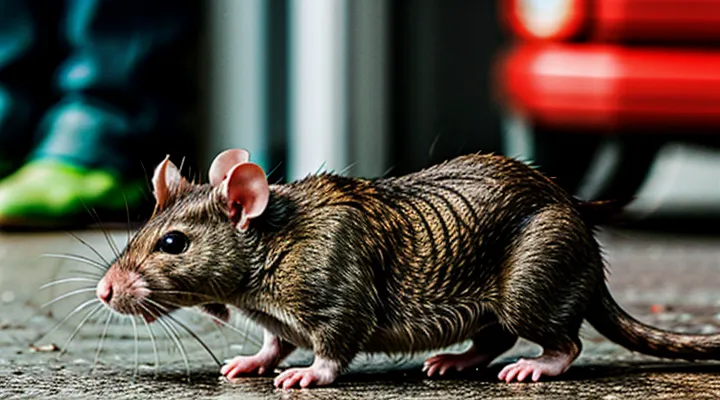
Understanding a «Rat Tsunami»
Defining «Rat Tsunami»
What Constitutes a Massive Infestation
A massive rat infestation is defined by measurable thresholds that distinguish it from ordinary pest presence. The following criteria are commonly used by public‑health agencies, urban planners, and pest‑control professionals:
- Population density: More than 1,000 rats per 1,000 square meters in an urban block, or a comparable ratio in other environments.
- Geographic spread: Presence in at least three contiguous neighborhoods, districts, or equivalent zones within a 5‑kilometer radius.
- Reproductive pressure: Breeding cycles producing at least 10,000 new individuals per month, overwhelming natural predation and control efforts.
- Structural damage: Observable gnawing of building foundations, electrical wiring, and water pipes in over 30 % of inspected structures.
- Public‑health impact: Documented increase in rat‑borne diseases (e.g., leptospirosis, hantavirus) affecting more than 5 % of the local population.
- Economic cost: Direct expenses exceeding $100,000 per month for containment, sanitation, and property repairs.
When these parameters intersect, the situation escalates beyond routine pest management and requires coordinated emergency response, extensive trapping programs, and community‑wide sanitation initiatives.
Factors Contributing to Rapid Rodent Population Growth
Rapid rodent population expansion results from a convergence of ecological, biological, and human‑driven conditions. Favorable climate patterns, abundant food sources, and reduced predation create an environment where breeding cycles accelerate and mortality declines.
Key contributors include:
- Mild temperatures and extended warm seasons – accelerate reproductive rates, allowing multiple litters per year.
- Abundant, unsecured waste – provides constant nutrition, eliminating the need for foraging over large distances.
- Urban infrastructure gaps – cracks, gaps, and unsealed utility entrances serve as nesting sites and protect colonies from exposure.
- Reduced natural predators – urban pest control, habitat fragmentation, and pesticide use diminish predator populations, lowering mortality.
- High reproductive potential of species – short gestation periods and large litter sizes enable exponential growth when conditions are optimal.
- Human population density – increases the quantity of food waste and creates more shelter opportunities, directly supporting larger rodent communities.
These factors interact synergistically, producing a feedback loop in which each element reinforces the others, leading to the swift escalation of rodent numbers observed during large‑scale infestations.
Identifying the Signs of a Large-Scale Infestation
Visual Sightings and Rodent Activity
Visual sightings provide the most immediate evidence of a rat surge. Individuals report clusters of movement along baseboards, sudden flashes of dark silhouettes in low‑light areas, and rapid scurrying across open floors. These observations often precede structural damage, making early detection essential for containment.
Key indicators of rodent activity include:
- Droppings concentrated near food sources or waste containers.
- Gnaw marks on wood, plastic, and wiring, typically at a height of 6–12 inches.
- Grease or urine stains along walls, especially in concealed corners.
- Nests built from shredded paper, insulation, or fabric, identifiable by compact, irregular piles.
Behavioral patterns reveal the infestation’s scope. Rats travel in groups during foraging, leaving parallel tracks that intersect at feeding stations. Nighttime activity spikes, with increased visibility of whisker‑sensitive movement along illuminated pathways. Tracking these rhythms helps predict peak periods and allocate resources accordingly.
Effective response relies on documenting each visual cue, mapping its location, and correlating sightings with environmental factors such as temperature and food availability. Systematic recording supports targeted bait placement, barrier installation, and professional assessment, ultimately reducing the infestation’s impact.
Droppings and Urine Pillars
Droppings and urine pillars are the most visible indicators of a heavy rodent outbreak. Fresh feces appear as small, dark pellets, while accumulated urine forms hardened, crusty columns on surfaces. Both substances contain pathogens that can survive for weeks, posing serious health hazards to occupants and pets.
Key concerns include:
- Disease transmission: Salmonella, Hantavirus, and Leptospira thrive in rodent waste. Direct contact or inhalation of aerosolized particles can lead to infection.
- Structural damage: Acidic urine corrodes metal, degrades wood, and stains concrete, weakening foundations over time.
- Odor persistence: Volatile compounds released from decomposing waste create lingering smells that attract additional rodents.
Effective response requires immediate containment and thorough remediation. Wear disposable gloves and a respirator, then vacuum or sweep loose droppings into sealed bags. Apply an enzyme‑based cleaner to dissolve urine residues, followed by a disinfectant approved for pathogen elimination. After cleaning, seal entry points, install bait stations, and schedule regular inspections to prevent re‑accumulation.
Gnaw Marks and Damage
Rats in large numbers leave distinctive gnaw marks that signal imminent structural compromise. Identifying these signs early prevents escalation.
Typical gnaw patterns include:
- Clean, crescent-shaped bites on hardwood framing, often spaced 1–2 inches apart.
- Shredded insulation fibers exposing wiring.
- Rounded gouges on plastic pipe sleeves and conduit.
- Severed electrical cords with frayed ends.
Each pattern reflects the animal’s need to enlarge pathways, test material strength, or access food sources. The resulting damage poses several hazards:
- Weakened load‑bearing members increase collapse risk.
- Exposed wiring creates short‑circuit and fire potential.
- Compromised plumbing leaks, fostering mold growth and further pest attraction.
- Contaminated surfaces spread disease agents carried by saliva and urine.
Effective response begins with a systematic inspection. Survey all accessible areas, record gnaw depth, orientation, and material type. Prioritize locations where damage intersects critical systems such as electrical panels, water lines, and structural supports.
Repair actions should follow a hierarchy:
- Replace or reinforce compromised structural elements with rodent‑proof materials (e.g., steel plates, reinforced concrete).
- Install metal conduit or hard‑plastic sleeves over vulnerable wiring.
- Seal entry points using steel wool, cement, or hardware cloth larger than ¼ in.
- Apply chew‑resistant coatings to exposed surfaces.
Document repairs and schedule periodic re‑inspection to verify that gnaw marks do not reappear, ensuring long‑term integrity of the facility.
Unusual Noises and Odors
Unusual sounds and smells often precede visible damage during a large‑scale rodent outbreak. Recognizing these cues enables swift intervention before populations expand.
Rats generate characteristic noises that differ from ordinary household sounds. Typical auditory signs include:
- Persistent scratching on walls, ceilings, or insulation.
- High‑pitched squeaks emitted during nocturnal activity.
- Rapid, repetitive gnawing on wood or plastic components.
Odor indicators arise from waste accumulation, urine marking, and carcass decay. Common scents to monitor are:
- Sharp, ammonia‑like smell from concentrated urine.
- Foul, oily odor produced by decomposing bodies.
- Musky, greasy aroma linked to large numbers of droppings.
Effective response to these indicators involves three coordinated actions:
- Conduct a systematic inspection of concealed spaces (attics, crawl spaces, wall cavities) to locate sound sources and odor hotspots.
- Deploy targeted trapping or baiting in identified zones, using snap traps or tamper‑resistant stations to minimize non‑target exposure.
- Implement sanitation measures: remove contaminated materials, seal entry points, and install air filtration to reduce lingering smells.
Continuous monitoring of acoustic and olfactory changes confirms the success of control efforts and signals any resurgence that requires immediate attention.
Immediate Actions and Safety Measures
Prioritizing Human and Pet Safety
Health Risks Associated with Rodents
Massive rat invasions create immediate public‑health concerns. Rodents serve as reservoirs and vectors for a range of pathogens that can cause severe illness in humans.
Key diseases transmitted by rats include:
- Leptospirosis – bacterial infection spread through contaminated urine; symptoms range from fever to kidney failure.
- Hantavirus pulmonary syndrome – inhalation of aerosolized rodent droppings leads to rapid respiratory distress.
- Salmonellosis – ingestion of food tainted by feces or urine; results in gastro‑intestinal inflammation.
- Typhus – louse‑borne bacteria carried by rats; produces high fever and rash.
- Rat‑borne plague – Yersinia pestis carried by fleas; can progress to pneumonic form if untreated.
Transmission pathways are direct contact with urine, feces, or saliva; inhalation of dust containing dried excreta; and bites from ectoparasites such as fleas and mites. Children, the elderly, and immunocompromised individuals face heightened risk because of weaker defenses and increased exposure in densely populated areas.
Mitigation strategies focus on three priorities:
- Environmental control – seal entry points, remove food sources, and maintain clean waste management to reduce rodent shelter.
- Personal protection – wear gloves and masks when cleaning contaminated areas; wash hands thoroughly after contact with potential sources.
- Medical preparedness – ensure timely diagnosis and administration of antibiotics for bacterial infections; provide vaccination where available (e.g., for leptospirosis in high‑risk regions).
Effective response to a large‑scale rat outbreak hinges on coordinated sanitation, surveillance, and health‑care measures that limit pathogen spread and protect vulnerable populations.
Preventing Disease Transmission
The sudden surge of rodents across urban areas creates a heightened risk of pathogen spread. Direct contact with contaminated fur, saliva, urine, or feces transfers bacteria, viruses, and parasites to humans and pets. Implementing strict hygiene and control measures interrupts this chain.
- Isolate affected zones; restrict entry until decontamination is complete.
- Wear disposable gloves and N95‑type respirators when handling trapped or dead animals.
- Disinfect surfaces with EPA‑approved solutions (e.g., 0.1 % sodium hypochlorite) within 24 hours of exposure.
- Launder clothing and bedding at ≥60 °C; discard items that cannot be sanitized.
- Educate residents on hand‑washing protocols: wash with soap for at least 20 seconds after any contact with rodents or contaminated objects.
Vector control reduces the reservoir of disease agents. Deploy integrated pest management: bait stations with anticoagulant rodenticides, snap traps, and exclusion techniques (seal entry points, install metal flashing). Monitor trap success daily; adjust placement based on activity patterns.
Vaccination and prophylaxis protect vulnerable populations. Verify tetanus immunization, administer hepatitis A vaccine where indicated, and consider rabies post‑exposure prophylaxis for bites or scratches. Health authorities should maintain a registry of exposed individuals to facilitate rapid treatment.
Rapid reporting accelerates response. Establish a hotline for residents to alert officials about sightings, bites, or illness symptoms. Centralized data enable targeted interventions, resource allocation, and epidemiological analysis.
By combining containment, personal protection, environmental sanitation, and medical preparedness, communities can significantly lower the probability of disease transmission during a large‑scale rodent outbreak.
Securing Food and Water Sources
Rats overwhelmed an area, contaminating stored provisions and contaminating water supplies. Immediate isolation of food stores prevents rodents from accessing nutrients and reproducing further. Seal containers with metal lids, reinforce gaps with steel mesh, and relocate perishables to elevated, rodent‑proof cabinets.
To protect water, install fine‑mesh screens on all inlet pipes and cover open barrels with tamper‑resistant lids. Disinfect existing reservoirs with a chlorine solution at a concentration of 50 mg/L for at least 30 minutes, then rinse thoroughly. Regularly test for bacterial indicators to verify safety.
Key actions:
- Conduct a perimeter sweep for entry points; patch holes larger than ½ inch.
- Transfer dry goods to sealed, airtight containers made of metal or heavy‑wall plastic.
- Elevate food storage at least 2 feet above floor level, away from walls.
- Fit all faucets and drains with stainless‑steel screens; replace damaged fittings.
- Rotate supplies weekly, discarding any items showing signs of gnawing or contamination.
- Store water in containers with screw‑top caps; add a commercial water preservative according to manufacturer instructions.
Monitoring continues after implementation. Record any new signs of rodent activity, adjust barriers, and replenish disinfectant supplies promptly. Maintaining these controls limits the spread of disease and preserves essential nutrition during the crisis.
Assessing the Infestation's Scope
Locating Entry Points
Identifying how rats enter a building is the first defensive measure against a large‑scale rodent invasion. Begin with a systematic exterior sweep. Walk the perimeter, examine foundation cracks, gaps around doors, windows, and vent covers. Measure each opening; any space larger than ¼ inch permits entry.
Inside the structure, focus on points where utilities penetrate walls. Inspect pipe sleeves, electrical conduit, and HVAC ducts for missing seals or deteriorated caulking. Remove any loose material and replace with steel wool or copper mesh, then apply a durable sealant.
Look for tell‑tale signs of activity. Fresh gnaw marks on wood, plastic, or metal indicate recent use. Accumulated droppings, urine stains, and greasy tracks along walls pinpoint travel routes and reveal hidden entry locations. Use a flashlight at night; rat eyes reflect light, confirming active pathways.
Create a checklist to verify all potential breaches:
- Foundation cracks wider than ¼ inch
- Unsealed gaps around doors and windows
- Openings around vent covers and exhaust fans
- Uncapped utility penetrations (water, gas, electric)
- Damaged or missing weather stripping
- Gaps under crawl‑space doors or floor joists
- Holes in siding, brick, or stucco
Once each item is addressed, conduct a follow‑up inspection after a week to ensure repairs remain intact. Continuous monitoring prevents re‑entry and limits the spread of the infestation.
Mapping High-Activity Areas
Effective control of a city‑wide rodent surge begins with precise identification of zones where activity peaks. Accurate maps reveal where populations concentrate, enabling targeted interventions and optimal allocation of resources.
Data collection should draw from multiple streams:
- Traps and sighting logs recorded by pest‑control teams.
- Waste‑management reports indicating high refuse accumulation.
- Utility records of pipe leaks and water‑damage incidents.
- Citizen‑submitted geotagged photos or mobile‑app alerts.
Integrating these inputs into a geographic information system (GIS) creates layered visualizations. Analysts assign weighted scores to each data type, then generate heat‑map overlays that highlight hotspots. The resulting raster or vector layers guide decisions such as:
- Placement of bait stations at the periphery of the densest clusters.
- Scheduling of intensified sanitation crews in adjacent districts.
- Prioritization of infrastructure repairs where water sources attract rodents.
- Allocation of surveillance drones to monitor real‑time movement patterns.
Validation occurs through periodic field checks: compare predicted hotspot boundaries with actual trap captures. Adjust weighting factors accordingly to refine predictive accuracy. Continuous updates ensure the map reflects shifting activity as control measures take effect.
By maintaining an up‑to‑date spatial model, municipal authorities can respond swiftly, minimize spread, and reduce the overall impact of the infestation.
Eradication Strategies for Mass Infestations
Non-Lethal Approaches
Trapping and Relocation (Limited Scope)
Effective control of a widespread rodent surge often requires a focused trapping and relocation program. This approach targets a confined area, minimizes disruption to surrounding ecosystems, and complies with wildlife regulations.
Select traps designed for capture without injury. Preferred models include multi‑catch live traps and single‑catch cage traps equipped with secure locking mechanisms. Ensure traps are constructed of durable material to withstand repeated use and weather exposure.
Bait choice directly influences capture rates. Use high‑protein attractants such as peanut butter, canned fish, or commercially formulated rodent lures. Apply bait to the trap’s trigger plate, avoiding excess that could discourage entry.
Strategic placement maximizes efficiency:
- Position traps along known runways, wall voids, and near food sources.
- Space devices 10–15 feet apart to cover overlapping territories.
- Install traps at ground level or in concealed recesses where rodents seek shelter.
Monitor traps at consistent intervals, preferably every 4–6 hours during peak activity periods (dusk and pre‑dawn). Promptly remove captured individuals to prevent stress and potential disease transmission.
Relocation protocol:
- Verify legal permission for transport and release in the designated area.
- Transport each animal in a ventilated, secure container minimizing handling.
- Release at a minimum distance of 2 miles from the capture site, preferably in a habitat offering ample cover and food.
- Record species, sex, weight, and release coordinates for future population assessments.
Document all actions in a logbook, noting trap locations, dates, capture numbers, and any mortality. Regular analysis of this data guides adjustments to trap density, bait type, and release sites, ensuring the limited‑scope program remains effective and humane.
Habitat Modification and Exclusion
Effective control of a large‑scale rat outbreak begins with altering the environment that supports rodent populations. Eliminating shelter, food, and water sources reduces reproductive capacity and discourages colonization. Immediate actions include securing structural gaps, removing clutter, and managing waste to deny rats access to essential resources.
Key habitat‑modification measures:
- Seal cracks, gaps, and utility openings with steel wool, concrete, or metal flashing.
- Install tight‑fitting door sweeps and window screens.
- Elevate storage containers and keep them closed.
- Remove standing water, fix leaks, and maintain proper drainage.
- Store compost and garbage in rat‑resistant containers with secure lids.
Exclusion techniques complement habitat changes by creating physical barriers that prevent entry and movement. Deploy metal mesh or hardware cloth around vents and crawl spaces, install perimeter fencing with buried skirts, and use reinforced doors on entry points. Combine exclusion with strategically placed snap traps or electronic devices to intercept any rats that manage to breach defenses. Continuous monitoring and prompt repair of any new openings sustain long‑term protection against future infestations.
Chemical Control Methods
Rodenticides: Types and Application
Rodenticides provide the most direct chemical response when a rat population overwhelms an area. Their effectiveness depends on selecting the appropriate class, preparing the bait correctly, and applying it under controlled conditions.
- Anticoagulants – prevent blood clotting; first‑generation compounds (warfarin, chlorophacinone) require multiple feedings, while second‑generation agents (bromadiolone, difenacoum) act after a single ingestion.
- Neurotoxins – bromethalin disrupts mitochondrial function, leading to rapid mortality.
- Calcium‑disruptors – cholecalciferol induces lethal hypercalcemia after a single dose.
- Metal phosphides – zinc phosphide releases phosphine gas in the stomach, effective against resistant rodents.
Application guidelines:
- Deploy bait within tamper‑resistant stations placed along walls, near burrows, and in concealed pathways.
- Use the manufacturer‑specified concentration; excess bait raises non‑target risk without improving kill rates.
- Schedule placement during low‑activity periods (dusk to early morning) to maximize consumption.
- Monitor stations daily, remove uneaten bait, and record mortality to adjust dosage and prevent resistance buildup.
- Implement secondary containment (gloves, sealed containers) and post‑application signage to protect humans and pets.
Integrating rodenticides with habitat modification—sealing entry points, eliminating food sources, and maintaining sanitation—reduces reinfestation pressure. Rotating active ingredients every few months mitigates resistance development and sustains long‑term control during a widespread rat outbreak.
Safety Precautions for Chemical Use
When confronting a large‑scale rodent outbreak, chemical treatments pose significant hazards. Proper protective measures prevent injury, environmental contamination, and unintended exposure to non‑target organisms.
- Wear chemical‑resistant gloves, goggles, and a full‑face respirator equipped with appropriate cartridges.
- Verify that ventilation is adequate; employ exhaust fans or open doors to maintain airflow.
- Store pesticides in clearly labeled, sealed containers away from food, water, and living areas.
- Follow the manufacturer’s dilution ratios precisely; use calibrated measuring devices.
- Apply chemicals only to targeted zones, avoiding drift onto adjacent surfaces or wildlife habitats.
- After application, restrict access to treated areas for the recommended re‑entry interval.
- Dispose of unused product and contaminated equipment according to local hazardous waste regulations.
- Keep a Material Safety Data Sheet (MSDS) for each chemical on hand; review it before use.
Regularly inspect personal protective equipment for damage, replace compromised items immediately, and conduct routine training sessions to reinforce safe handling protocols. Adhering to these steps minimizes risk while allowing effective control of the infestation.
Professional Pest Control Intervention
Professional pest control teams address large‑scale rodent invasions through a systematic process that minimizes health risks and property damage. The approach begins with a thorough site inspection to identify entry points, nesting locations, and population density. Technicians document findings with photographs and measurements, establishing a baseline for treatment efficacy.
Next, a control plan is crafted based on species behavior, building layout, and regulatory requirements. Core elements include:
- Exclusion: Seal gaps larger than ¼ in., install door sweeps, and repair damaged utilities to prevent re‑entry.
- Sanitation: Remove food sources, secure waste containers, and eliminate standing water that attracts rodents.
- Population reduction: Deploy bait stations, traps, and, where appropriate, targeted rodenticides following label instructions and safety protocols.
- Monitoring: Place detection devices at strategic points, record captures, and adjust tactics according to real‑time data.
All chemicals used comply with local environmental standards, and technicians wear personal protective equipment to safeguard themselves and occupants. After initial treatment, follow‑up visits verify that activity has declined to acceptable levels. Final reports summarize actions taken, outcomes measured, and recommendations for long‑term prevention, providing property owners with a clear roadmap to maintain a rodent‑free environment.
Integrated Pest Management (IPM) for Large-Scale Problems
Combining Multiple Control Tactics
Effective management of a large‑scale rodent invasion demands the simultaneous deployment of several control methods. Isolating a single technique rarely achieves lasting suppression; integration maximizes impact, reduces resistance, and limits collateral damage.
- Environmental sanitation: Remove food sources, secure waste containers, and eliminate clutter that offers shelter. Regular inspections identify newly created harborage sites.
- Exclusion measures: Install rodent‑proof barriers such as steel mesh, sealed door sweeps, and concrete foundations. Repair gaps in walls, floors, and ventilation ducts promptly.
- Population reduction: Apply a calibrated baiting program using anticoagulant or non‑anticoagulant poisons, ensuring placement follows regulatory safety guidelines. Complement baiting with snap traps in high‑traffic corridors.
- Biological agents: Introduce predator species (e.g., barn owls, feral cats) or employ rodent‑specific pathogens where legally permissible, to exert natural pressure on the population.
- Monitoring and data collection: Deploy motion‑activated cameras, tracking plates, and periodic rodent counts to assess efficacy. Adjust tactics based on trend analysis.
Integrating these tactics creates a feedback loop: sanitation limits reinfestation, exclusion prevents entry, reduction lowers numbers, biological agents sustain pressure, and monitoring validates progress. Coordination among pest‑control professionals, property managers, and local authorities ensures consistent application and rapid response to emerging hotspots. This layered strategy delivers durable control over extensive rat infestations.
Long-Term Solutions and Monitoring
Effective long‑term management of a large‑scale rat outbreak requires coordinated structural, ecological, and technological interventions. Permanent barriers such as sealed utility access points, reinforced sewer covers, and rat‑proof waste containers eliminate primary entry routes. Urban planning must incorporate green spaces designed to deter rodent nesting, while building codes should mandate regular inspection of foundations and drainage systems.
Sustainable population control relies on integrated pest‑management (IPM) practices. Biological agents, including predatory birds and rodent‑specific pathogens, reduce breeding capacity without chemical dependence. Targeted bait stations, deployed according to scientific density maps, provide precise mortality while minimizing non‑target exposure. Community education programs reinforce proper waste handling and discourage practices that attract rodents.
Continuous monitoring underpins all preventive measures. A layered surveillance framework includes:
- Automated sensor networks that detect movement and temperature anomalies in high‑risk zones.
- Geographic information system (GIS) dashboards updating infestation hotspots in real time.
- Monthly field audits conducted by certified technicians, recording trap counts, bait efficacy, and structural breaches.
- Centralized reporting portal allowing residents to submit sightings, supporting rapid response teams.
Data collected from these sources feed predictive models that forecast population surges, guide resource allocation, and evaluate intervention outcomes. Regular review cycles, scheduled quarterly, ensure that strategies adapt to evolving rodent behavior and urban development patterns.
Post-Infestation Recovery and Prevention
Cleaning and Sanitization
Disposing of Carcasses Safely
When a large‑scale rodent outbreak overwhelms a community, the rapid and secure removal of dead animals becomes a public‑health priority. Mishandling carcasses can spread disease, attract predators, and contaminate water sources. Follow these procedures to eliminate hazards and comply with health regulations.
- Wear disposable gloves, a waterproof apron, and a face shield before handling any carcass.
- Place each dead rat in a heavy‑duty, sealable plastic bag; double‑bag for added protection.
- Add an absorbent material (e.g., cat litter or sawdust) to the bag to contain fluids and reduce odor.
- Seal the bag tightly, then label it with the collection date and location.
- Store sealed bags in a refrigerated environment (4 °C or lower) if disposal will be delayed beyond 24 hours.
- Transfer bags to a licensed waste‑management service that accepts animal remains, or deliver them to a municipal incineration facility following local ordinances.
- Disinfect all tools, containers, and work surfaces with a 1 % bleach solution or an EPA‑approved disinfectant after each use.
- Dispose of personal protective equipment in accordance with hazardous‑waste guidelines; avoid reusing gloves or aprons.
Document each step, including dates, personnel involved, and disposal receipts. Maintaining accurate records supports regulatory compliance and facilitates traceability in case of an outbreak investigation.
Decontamination of Affected Areas
Effective decontamination begins with a rapid assessment of infestation density, contamination type, and environmental risk. Teams should map affected zones, record rodent droppings, urine stains, and any biohazardous material, then prioritize areas based on human exposure potential.
Containment measures must isolate contaminated spaces before cleaning. Deploy physical barriers, negative‑pressure ventilation, and sealed entry points to prevent rodent movement and aerosol spread. Personnel require disposable protective suits, gloves, and respirators certified for particulate and microbial hazards.
The cleaning phase follows a strict protocol:
- Remove all organic debris using industrial vacuums equipped with HEPA filters.
- Apply enzymatic detergents to break down proteinaceous residues.
- Disinfect surfaces with EPA‑registered rodent‑specific biocides, maintaining contact time as specified on product labels.
- Rinse and dry treated areas to eliminate chemical residues that could attract pests.
Post‑cleaning verification includes swab testing for rodent allergens and pathogen markers, followed by visual inspection for residual waste. Documentation of results supports regulatory compliance and informs future prevention strategies. Continuous monitoring, combined with regular sanitation cycles, reduces the likelihood of re‑infestation and protects public health.
Repairing Damage Caused by Rodents
Assess the extent of rodent damage before beginning repairs. Inspect walls, floors, ceilings, and insulation for gnaw marks, droppings, and nesting material. Document compromised structural elements, exposed wiring, and contaminated surfaces.
- Remove all debris, droppings, and nesting material; dispose of in sealed bags.
- Disinfect affected areas with a rodent‑approved sanitizer; allow proper drying time.
- Replace gnawed insulation, drywall, or sheathing; secure new material with appropriate fasteners.
- Repair or replace damaged wiring; verify continuity and compliance with electrical codes.
- Seal entry points using steel wool, metal flashing, or cement‑based caulk; reinforce with hardware cloth where necessary.
- Apply rodent‑resistant materials such as wire‑mesh sheathing or metal studs in vulnerable zones.
After structural repairs, restore finishes. Re‑skim plaster, repaint, or install new flooring as required. Conduct a final inspection to confirm that all repairs meet safety standards and that no residual contamination remains.
Implement preventive measures to protect repaired structures. Install traps or electronic deterrents, maintain regular sanitation, and schedule periodic inspections to detect early signs of recurrence.
Implementing Long-Term Prevention Measures
Sealing Entry Points Permanently
Rats exploit any gap that provides shelter, food, or a route to the interior. Permanent sealing eliminates the pathway, preventing new individuals from entering and reducing the size of an existing colony.
Begin with a thorough inspection. Walk the building’s perimeter, examine foundation cracks, utility penetrations, vent openings, door thresholds, and roof eaves. Mark each opening that exceeds a quarter‑inch in diameter.
Apply a layered barrier to each marked point:
- Insert steel wool or copper mesh into the gap; these materials resist chewing.
- Cover the filler with a high‑quality, rodent‑proof sealant such as silicone or polyurethane caulk.
- For larger cracks, embed expanding foam designed for pest control, then trim excess and coat with concrete or metal flashing.
- Secure vent covers with heavy‑gauge hardware cloth, fastening with stainless‑steel screws.
- Install door sweeps and weather stripping that fully contact the floor and frame.
Select materials that withstand weather, moisture, and gnawing. Stainless steel, galvanized metal, and rigid polyurethane provide long‑term durability. Avoid soft caulks or wood shims that rats can gnaw through.
After sealing, conduct a pressure test or smoke test to confirm no air movement through the treated areas. Schedule periodic visual checks, especially after severe weather, to detect new damage.
When gaps exceed structural limits or involve complex systems (plumbing, electrical), engage a licensed contractor. Professional installation guarantees proper anchoring, compliance with building codes, and reduces the risk of future breaches.
Maintaining Sanitation and Waste Management
Effective sanitation and waste control are the first line of defense against a widespread rodent surge. Reducing food sources and eliminating shelter break the breeding cycle and limit population growth.
Key actions include:
- Secure all trash containers with tight‑fitting lids; replace damaged bins promptly.
- Position waste receptacles away from building entrances and high‑traffic zones.
- Implement daily collection schedules that prevent overflow and odor buildup.
- Conduct routine inspections of dumpsters, alleyways, and loading docks for spills or debris.
- Install sealed entry points on walls, floors, and utility openings to block rodent access.
Cleaning protocols must target areas where rats seek water and nesting material. Use disinfectants that remain effective in high‑traffic environments, and schedule deep cleaning of kitchens, storage rooms, and waste handling equipment at least weekly. Remove standing water and repair leaks immediately; moisture attracts rodents and supports disease vectors.
Waste management policies should mandate segregation of organic matter from general refuse. Compost piles require covered, aerated containers to deter foraging. Training staff on proper disposal techniques reduces accidental feeding and improves overall compliance.
Monitoring systems—such as motion‑activated cameras, bait station checks, and rodent activity logs—provide data for rapid response. Documenting infestation hotspots enables targeted sanitation upgrades and informs future prevention strategies.
Regular Inspections and Monitoring
Regular inspections form the backbone of any effective response to a large‑scale rodent outbreak. Conducting systematic visual surveys, trap checks, and sanitation audits at predetermined intervals reveals early signs of population growth, breach points, and environmental conditions that favor breeding.
Key elements of an inspection schedule include:
- Weekly visual walkthroughs of storage areas, waste zones, and entry points.
- Bi‑weekly trap inventory, placement verification, and catch count analysis.
- Monthly assessment of food handling practices, waste disposal efficiency, and structural integrity.
- Quarterly review of pest‑control records, pesticide efficacy, and compliance with local regulations.
Monitoring complements inspections by providing continuous data streams. Motion‑activated cameras, infrared sensors, and digital rodent activity counters capture movement patterns without human presence. Centralized software aggregates counts, timestamps, and location tags, enabling trend analysis and predictive modeling.
Consistent implementation of inspections and monitoring reduces infestation spread, shortens response time, and informs resource allocation. The combined approach delivers measurable reductions in rodent sightings, damage reports, and associated health risks.
Community-Wide Prevention Efforts
Effective community-wide prevention requires coordinated actions that address the source, spread, and public awareness of a large‑scale rodent outbreak. Municipal agencies must establish a central command center to collect real‑time data on infestation hotspots, allocate resources, and synchronize response teams. Legal frameworks should mandate property owners to maintain sanitation standards, with penalties for non‑compliance enforced uniformly across neighborhoods.
Key measures include:
- Regular inspection tours by certified pest‑control officers, focusing on waste management sites, sewer systems, and abandoned structures.
- Community education campaigns delivering clear instructions on waste segregation, proper storage of food waste, and immediate reporting of rodent sightings.
- Deployment of environmentally safe bait stations and traps in identified high‑risk zones, monitored weekly for efficacy.
- Creation of a public reporting app that logs sightings, timestamps, and GPS coordinates, feeding data directly to the command center.
Sustained success depends on transparent communication between local government, private contractors, and residents. Quarterly public meetings present progress reports, adjust strategies based on emerging patterns, and reinforce collective responsibility for maintaining a rodent‑free environment.