
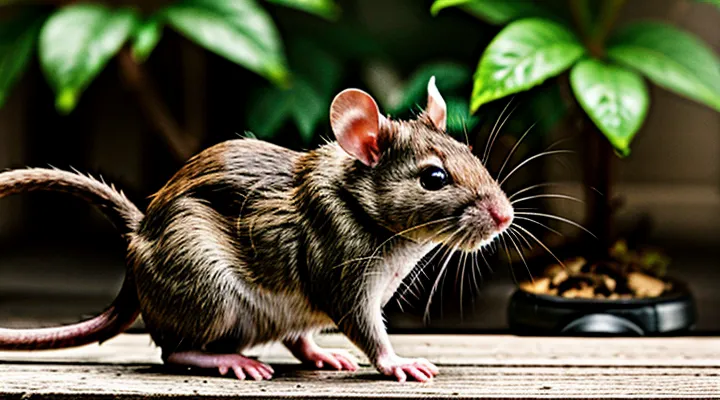
Understanding Rat Behavior and Sound Repellents
Why Rats Squeak
Types of Rat Vocalizations
Understanding rat vocalizations is essential for selecting an acoustic deterrent that targets the frequencies rats actually use. Rats communicate across a wide acoustic spectrum, and each vocal type serves a specific behavioral function.
- Ultrasonic squeaks (20–80 kHz): Short, high‑frequency calls emitted during distress, predator avoidance, or social isolation. These sounds are inaudible to humans but readily detected by rodent auditory systems.
- Mid‑frequency chirps (5–15 kHz): Longer, tonal notes produced during courtship, pair bonding, or exploratory behavior. They often accompany gentle movements and indicate low‑stress conditions.
- Low‑frequency squeals (1–4 kHz): Loud, broadband emissions generated in aggressive encounters, territorial disputes, or severe pain. Their intensity can provoke heightened alertness in conspecifics.
- Teeth chattering (up to 10 kHz): Rapid, rhythmic clicks associated with agitation, dominance displays, or warning signals. The pattern differs from pure squeals and conveys a persistent threat.
Effective sound repellents must generate frequencies that overlap with distress and aggression calls while remaining uncomfortable for rodents. Devices calibrated to emit broadband noise covering 20–30 kHz disrupt ultrasonic squeaks, whereas pulsed tones around 10 kHz interfere with teeth‑chattering patterns. Incorporating variable intervals prevents habituation, ensuring sustained deterrent efficacy. Selecting a system that matches these vocal profiles maximizes the likelihood of deterring rat activity without affecting non‑target species.
Interpreting Rat Sounds
Rats emit vocalizations that convey distinct states. High‑frequency squeals appear when an individual feels threatened or experiences pain. Low‑frequency chirps often accompany social bonding, such as mother‑pup interactions. Ultrasonic clicks are associated with exploratory activity and territorial marking.
Each sound type correlates with a specific behavior. Distress calls trigger heightened alertness in nearby rats, potentially leading to increased movement. Aggressive chirps precede confrontations and may attract rivals. Mating calls occur during breeding cycles and cluster in specific times of day.
Understanding these signals guides the selection and timing of acoustic deterrents. A device that emits frequencies overlapping distress calls can amplify perceived threat, prompting rats to vacate an area. Conversely, frequencies matching exploratory clicks may be ignored, rendering the repellent ineffective. Volume levels must exceed the natural call amplitude without causing undue noise pollution.
Practical steps for implementing a sound‑based repellent:
- Record ambient rat vocalizations to identify dominant frequencies.
- Choose a repellent that produces tones at least 10 dB louder than the recorded calls and within the 4–8 kHz range for distress, 1–3 kHz for aggression, or 20–30 kHz for ultrasonic activity.
- Schedule activation during peak vocal periods identified in the recording (e.g., dusk for mating calls).
- Monitor rat activity for at least 48 hours; adjust frequency or volume if activity persists.
- Maintain device hygiene to prevent signal degradation, ensuring consistent output.
Accurate interpretation of rat sounds enables targeted acoustic intervention, increasing the likelihood of successful deterrence.
How Sound Repellents Work
Ultrasonic Technology Explained
Ultrasonic repellent devices generate sound waves beyond the audible range of humans, typically between 20 kHz and 70 kHz. These frequencies exploit the acute hearing of rodents, causing discomfort that encourages them to vacate the area.
The core mechanism relies on rapid oscillation of a piezoelectric transducer. Electrical input forces the crystal to expand and contract, producing pressure variations in the air. The resulting acoustic pressure peaks and troughs form a high‑frequency waveform that propagates through the environment. Rodents detect these waves with their specialized cochlear structures, which are tuned to frequencies far above those perceivable by people.
Key parameters that determine device performance:
- Frequency band – higher frequencies (≈40–60 kHz) affect smaller species; lower bands (≈20–30 kHz) reach larger rodents.
- Intensity (dB SPL) – sufficient sound pressure level is required to elicit an avoidance response without causing damage to surrounding electronics.
- Coverage area – the effective radius depends on transducer power, enclosure design, and obstacles that reflect or absorb sound.
- Modulation pattern – varying pulse intervals prevents habituation, maintaining deterrent efficacy over time.
When applying ultrasonic technology to control squeaking rats, follow these practical steps:
- Position the unit at ground level where rodent activity is highest, avoiding placement behind solid furniture that blocks wave transmission.
- Ensure continuous power supply; most models operate on AC adapters, but battery‑backed units offer flexibility for temporary setups.
- Activate a timer or motion sensor if available; intermittent operation conserves energy and reduces the chance of desensitization.
- Verify that pets such as cats or dogs are not adversely affected; some animals can perceive frequencies up to 50 kHz and may experience stress.
Safety considerations include confirming compliance with regional electromagnetic emission standards and keeping devices away from water sources to prevent short circuits. Regular maintenance—cleaning the transducer surface and checking for debris—preserves acoustic output.
Overall, ultrasonic repellents provide a non‑chemical, low‑maintenance approach to discourage rodent presence by exploiting the species’ heightened auditory sensitivity. Proper selection of frequency, intensity, and placement maximizes deterrent impact while minimizing unintended effects on the surrounding environment.
Sonic Technology Explained
Sonic deterrents rely on precisely engineered sound waves that target the auditory sensitivity of rodents. Devices emit ultrasonic frequencies typically between 20 kHz and 65 kHz, a range beyond human hearing but well within the hearing threshold of rats and mice. The emitted tones exploit the animals’ startle reflex, causing discomfort and prompting them to vacate the treated area.
The technology incorporates several core components:
- Frequency generator – produces stable waveforms at selectable pitches to match species‑specific hearing peaks.
- Amplifier circuit – boosts signal strength to ensure coverage across the intended space.
- Transducer array – converts electrical signals into acoustic energy, often arranged in directional patterns to minimize spillover.
- Power management – supplies continuous operation while protecting against overheating and voltage spikes.
Effectiveness depends on three variables: frequency accuracy, sound pressure level, and exposure duration. Calibration tools allow users to adjust output until the measured decibel level reaches the optimal range of 80–100 dB SPL at the target distance. Continuous exposure for 30‑60 seconds per activation cycle typically yields immediate behavioral response; extended schedules maintain long‑term deterrence.
Safety considerations include:
- Human exposure – devices operate above the audible threshold, eliminating audible disturbance for occupants.
- Pet compatibility – some companion animals detect ultrasonic tones; placement should avoid direct line of sight to avoid stress.
- Environmental impact – ultrasonic waves do not persist after transmission, preventing ecological accumulation.
Installation guidelines recommend mounting transducers on walls or ceilings at heights of 2–3 meters, oriented toward entry points such as gaps, vents, or crawl spaces. Spacing devices no more than 3 meters apart ensures overlapping fields, eliminating blind spots where rodents could hide.
In practice, sonic repellents complement physical barriers and sanitation measures. When integrated into a comprehensive rodent‑control program, acoustic technology provides a non‑chemical, low‑maintenance solution for suppressing squeaking behavior and reducing infestation risk.
Limitations of Sound Repellents
Sound‑based deterrents for rodent vocalizations operate within a narrow frequency band. Devices typically emit tones between 12 and 20 kHz, a range that overlaps with human hearing for some individuals and may cause discomfort. The limited spectrum reduces effectiveness against rats that produce squeaks at lower or higher frequencies, or that adapt their vocalizations to avoid detection.
Habituation presents a persistent challenge. Repeated exposure to the same acoustic pattern leads to desensitization; rodents eventually ignore the stimulus. Counteracting habituation requires periodic alteration of frequency, amplitude, or modulation, which complicates device programming and increases maintenance demands.
Environmental factors diminish performance. Background noise from traffic, machinery, or household appliances can mask repellent tones, lowering the signal‑to‑noise ratio. Physical barriers such as walls, insulation, and clutter restrict propagation, creating dead zones where the sound fails to reach target animals.
Coverage area remains constrained. Most portable units protect only a single room or a limited radius of 5–10 m. Scaling protection across larger structures necessitates multiple synchronized devices, raising costs and power consumption.
Regulatory and health considerations limit deployment. Certain jurisdictions restrict ultrasonic emissions above specific levels to protect pets and occupants. Prolonged exposure may affect hearing in small mammals and, in rare cases, cause headaches or tinnitus in humans.
Reliability issues affect long‑term use. Batteries deplete, speakers degrade, and electronic components can fail without visible signs. Regular inspection and replacement are essential to maintain efficacy.
In practice, sound repellents should be integrated with complementary methods—physical exclusion, sanitation, and trapping—to achieve consistent control of rodent vocal activity.
Implementing a Sound Repellent Strategy
Choosing the Right Device
Factors to Consider
When deploying an acoustic deterrent to silence rodent vocalizations, several variables determine effectiveness and safety.
First, frequency range matters. Devices must emit sounds within the ultrasonic spectrum that rats can hear but humans cannot, typically between 20 kHz and 50 kHz. Selecting a model with adjustable frequency ensures adaptation to local rat populations that may exhibit differing hearing thresholds.
Second, intensity level influences deterrence. Sound pressure should exceed the species’ discomfort threshold, commonly 80–90 dB SPL at the source, while remaining below levels that could damage nearby electronics or cause discomfort to pets.
Third, coverage area dictates placement strategy. Manufacturer specifications for radius, often expressed in meters, guide the number of units required to blanket the target zone without creating blind spots.
Fourth, power source affects reliability. Battery‑operated units provide flexibility in hard‑to‑reach locations but demand regular maintenance; mains‑powered devices offer continuous operation but require safe wiring and surge protection.
Fifth, environmental conditions impact performance. Temperature, humidity, and ambient noise can attenuate ultrasonic waves; selecting weather‑rated enclosures and positioning emitters away from reflective surfaces mitigates signal loss.
Sixth, legal compliance must be verified. Local regulations may restrict ultrasonic emissions in residential areas or near wildlife habitats; consult relevant statutes before installation.
Seventh, monitoring and adjustment are essential. Periodic observation of rat activity, combined with sound level meter readings, confirms that the deterrent maintains the intended acoustic profile.
Consider these factors systematically to achieve consistent suppression of rat squeaking while minimizing unintended consequences.
Indoor vs. Outdoor Use
Sound‑based deterrents for rodents can be deployed inside a building or in open environments, but each setting imposes distinct technical requirements. Indoor units must operate within confined spaces where sound reflections amplify the signal, allowing lower output levels to achieve the desired effect. Devices designed for interior use typically feature adjustable volume controls, a compact housing that fits under furniture or on wall mounts, and an electrical plug compatible with standard outlets. They often include safety certifications such as UL or CE to prevent interference with household electronics and to ensure that emitted frequencies do not exceed limits for human exposure.
Outdoor applications encounter uncontrolled acoustics, variable weather, and larger target zones. External models therefore employ higher‑power transducers, weather‑sealed enclosures, and solar or battery power options to maintain operation when grid power is unavailable. Frequency modulation may be broader to compensate for ambient noise from traffic, wind, or wildlife. Installation guidelines recommend mounting at a height that maximizes line‑of‑sight to potential entry points, securing the unit to a stable structure, and positioning it away from rain‑collecting surfaces.
Key contrasts can be summarized:
- Power output: Indoor – 80 dB max; Outdoor – up to 120 dB.
- Enclosure: Indoor – plastic, non‑water‑resistant; Outdoor – IP65‑rated, UV‑stabilized.
- Power source: Indoor – mains electricity; Outdoor – solar panel, rechargeable battery, or mains with surge protection.
- Coverage radius: Indoor – 10–15 m, limited by walls; Outdoor – 30–50 m, unrestricted line‑of‑sight.
Effective deployment depends on matching the device’s specifications to the environment. Indoor placement benefits from proximity to nesting sites such as wall voids, while outdoor placement should target pathways, burrow entrances, and perimeters. Regular inspection of outdoor units for debris, corrosion, or battery depletion ensures continuous performance. Indoor units require periodic cleaning of speaker grills to prevent dust accumulation that could diminish acoustic output.
Optimal Placement for Effectiveness
Strategic Positioning Tips
Effective deployment of an acoustic deterrent requires precise placement to maximize coverage while minimizing interference with human activity. Position the device near entry points such as gaps under doors, vent openings, and utility line penetrations. Elevate the unit to a height of 2–3 feet, ensuring the speaker faces the interior of the space rather than outward, which directs the high‑frequency signal toward rodent pathways.
Maintain a clear line of sight between the emitter and target zones. Obstacles like furniture, insulation, or dense wiring can attenuate the sound wave, reducing efficacy. If a room contains multiple obstacles, install additional units at intervals of no more than 6 feet to create overlapping fields.
Consider environmental factors that affect sound propagation. Warm, humid conditions can dampen ultrasonic frequencies; in such settings, increase the output level or select a model with adjustable frequency ranges. Conversely, dry, cold air allows longer travel distances, permitting wider spacing between devices.
Key positioning guidelines:
- Locate devices within 12 inches of known gnawing sites.
- Align speakers toward interior walls, avoiding direct exposure to exterior surfaces.
- Secure units to prevent displacement by pets or cleaning activities.
- Use a power source with uninterrupted supply; backup batteries are advisable for areas prone to outages.
- Conduct periodic checks for dust accumulation on speaker grills; clean with a soft brush to preserve acoustic output.
By adhering to these placement principles, the acoustic repellent operates at optimal intensity, disrupting rodent communication and deterring further intrusion.
Avoiding Obstacles
Effective deployment of acoustic deterrents requires careful planning to prevent physical and acoustic obstacles that diminish performance. Identify structural elements—walls, furniture, insulation—that can absorb or reflect sound waves. Position devices at least one meter away from dense materials; use mounting brackets to elevate units above floor coverings that may dampen output.
Assess environmental variables that interfere with signal propagation. Humidity, temperature fluctuations, and ventilation systems can alter frequency transmission. Install units in stable microclimates, away from direct airflow vents, and verify that temperature remains within the manufacturer’s operating range.
Maintain clear pathways for sound to travel. Remove clutter that creates echo chambers or dead zones. When obstacles cannot be eliminated, supplement primary emitters with secondary units to overlap coverage zones, ensuring continuous exposure to the deterrent frequency.
Implement routine inspections. Verify that cables are intact, connectors are secure, and no new objects have been introduced into the acoustic field. Document placement coordinates and any adjustments made, enabling swift remediation of emerging barriers.
Integrating with Other Pest Control Methods
Complementary Approaches
Effective control of rodent vocalizations using acoustic deterrents benefits from additional measures that reinforce the sound barrier and reduce attractants.
Sealing structural gaps eliminates pathways that allow rats to enter and emit squeaks. Apply steel wool, caulk, or metal mesh to openings around pipes, vents, and foundation cracks.
Maintain a clean environment to deprive rodents of food and shelter. Store waste in sealed containers, remove spilled grain promptly, and keep debris away from building perimeters.
Deploy physical traps in conjunction with sound devices. Snap traps or electronic catchers positioned near known activity zones provide immediate removal while the acoustic system discourages new entrants.
Introduce natural predators or their scent cues. Installing owl boxes, encouraging barn owls, or placing commercially available predator urine can heighten stress levels in the rodent population, complementing the auditory disturbance.
Implement ultrasonic emitters that operate at frequencies beyond human hearing but within the rodent range. Place units in concealed locations to create overlapping sound fields, ensuring no blind spots where rats could communicate undisturbed.
Coordinate all tactics through a systematic monitoring plan. Record squeak frequency, trap captures, and signs of entry daily. Adjust sealant applications, reposition traps, or recalibrate ultrasonic output based on observed trends.
Integrating these complementary actions with an acoustic deterrent produces a multi‑layered defense that reduces rat vocalizations more reliably than sound alone.
When to Seek Professional Help
When the squeaking deterrent fails to reduce rodent activity after several days of consistent use, professional assistance becomes necessary. Persistent noise, repeated entry points, or evidence of infestation beyond a single nesting site indicate that a specialist’s assessment is required.
Typical indicators for contacting an expert include:
- No measurable decline in audible squeaks despite correct device placement and power settings.
- Observation of rats in multiple rooms or levels, suggesting a widespread problem.
- Damage to structural elements, wiring, or food storage areas caused by ongoing gnawing.
- Allergic reactions or respiratory issues among occupants linked to rodent droppings or urine.
- Inability to safely access or maintain the repellent equipment due to cramped or hazardous conditions.
A qualified pest‑control professional can perform a comprehensive inspection, identify hidden entry routes, and recommend integrated solutions that combine acoustic devices with sealing, trapping, or chemical treatments. They also ensure compliance with local health regulations and provide documentation for landlords or insurers when required.
If any of the above conditions are present, scheduling an evaluation promptly minimizes health risks, property damage, and the likelihood of the problem escalating. Immediate action prevents the need for more invasive measures later.
Maximizing Repellent Efficacy
Maintaining Your Device
Regular Checks
When an acoustic deterrent is installed to suppress rodent vocalizations, systematic monitoring determines whether the device continues to perform as intended.
Schedule inspections at intervals that match the environment’s risk level. High‑traffic areas require weekly reviews; lower‑traffic zones can be checked bi‑weekly or monthly. Adjust the timetable if new activity is detected.
Key elements to examine during each visit:
- Power source integrity (battery charge, wiring connections, fuse condition).
- Speaker output (volume level, frequency range, audible tone quality).
- Placement accuracy (device orientation, distance from entry points, obstruction clearance).
- Physical condition (signs of tampering, moisture damage, pest interference).
- Ambient noise levels (background sounds that may mask the deterrent).
Record observations in a log that includes date, inspector name, measured parameters, and corrective actions taken. Consistent documentation creates a baseline for trend analysis and supports rapid response to performance declines.
If any parameter falls outside acceptable limits, recalibrate the unit, replace components, or relocate the device to restore optimal coverage. Regular checks thus preserve the deterrent’s efficacy and prevent the resurgence of unwanted rodent sounds.
Troubleshooting Common Issues
Using an ultrasonic deterrent to silence rat squeaking often encounters predictable problems. Identifying the cause quickly restores effectiveness.
- Verify power source. Replace depleted batteries or reconnect a loose power cord. Devices stop emitting when voltage drops below the manufacturer’s threshold.
- Measure frequency output. Most rodents respond to 20‑30 kHz; a malfunctioning transducer may produce lower tones that rats ignore. Use a calibrated sound meter or a smartphone app capable of detecting ultrasonic ranges.
- Assess coverage area. Walls, furniture, and insulation attenuate sound. Relocate the unit to a central point in the infested zone, or add supplemental emitters to eliminate dead spots.
- Check for ambient noise interference. Loud mechanical equipment or other ultrasonic devices can mask the repellent signal. Reduce competing sources or shift the device’s frequency if adjustable.
- Inspect for physical damage. Cracked housing, clogged speaker grills, or moisture ingress impair performance. Clean the grille, dry any moisture, and replace damaged units.
- Confirm proper installation height. Positioning the emitter 12‑18 inches above the floor aligns the sound field with rat pathways. Adjust height if rats continue to vocalize.
If the above steps fail, consult the manufacturer’s technical support for firmware updates or warranty replacement. Regular maintenance—cleaning the speaker surface and testing battery health—prevents recurrence.
Environmental Modifications
Eliminating Food Sources
Eliminating food sources is essential for maximizing the effectiveness of acoustic deterrents against rodents. When rats cannot locate sustenance, the auditory stimulus becomes a decisive factor in preventing infestation.
- Store pantry items in sealed, rodent‑proof containers; metal or heavy‑walled plastic with tight‑locking lids block access.
- Remove leftover crumbs and spills immediately; clean surfaces with a detergent solution to eliminate scent traces.
- Place trash cans with lids that close securely; empty them daily to avoid accumulation.
- Keep pet food in airtight containers and feed only the amount required for each meal; discard uneaten portions promptly.
- Inspect outdoor areas for fallen fruit, birdseed, or compost; cover or relocate these materials to deter foraging.
Regular inspection of storage areas helps identify hidden food deposits. Identifying and sealing entry points prevents rats from reaching concealed caches. Combined with a properly calibrated sound emitter, a strict food‑elimination protocol reduces the likelihood of habituation and sustains long‑term control.
Sealing Entry Points
Sealing entry points is a critical step when employing acoustic deterrents against rodent squeaking. Gaps around foundations, pipes, vents, and door frames provide direct access for rats; eliminating these pathways forces the animals to remain in exposed areas where sound repellent devices can operate effectively.
Identify and seal all potential openings:
- Inspect exterior walls, basement walls, and crawl spaces for cracks larger than ¼ inch. Fill with expanding polyurethane foam or cement‑based sealant.
- Examine utility penetrations, such as water, gas, and electrical lines. Wrap with steel wool, then cover with metal mesh or caulk.
- Check door sweeps and window screens for wear. Replace damaged sections and install tight‑fitting thresholds.
- Locate gaps around HVAC ducts, chimney flues, and vent covers. Use metal flashing or hardware cloth to close openings securely.
- Survey attic and roof eaves for holes around soffits and roof vents. Apply metal flashing or sealant strips as needed.
After sealing, verify integrity by conducting a smoke test: release a small amount of non‑toxic smoke near suspected areas and observe any escape routes. Re‑seal any leaks detected.
Combine sealed structures with a properly positioned sound repellent unit. Place the device near the remaining open spaces where rodents might travel, ensuring the acoustic frequency covers the entire sealed zone. Continuous operation and regular inspection of seals maintain the effectiveness of the deterrent system.
Assessing Repellent Performance
Signs of Success
Effective acoustic deterrents produce measurable outcomes. When the device functions correctly, the following indicators appear:
- Squeak frequency drops by at least 70 % within the first 24 hours.
- No new audible squeaks are detected during the night‑time monitoring period.
- Rats cease entering the treated zone, as confirmed by motion‑sensor logs.
- Absence of fresh droppings and gnaw marks in the previously infested area.
- Decline in visual sightings reported by occupants or inspection staff.
These metrics confirm that the sound‑based repellent is achieving its intended effect and that rodent activity is being suppressed. Continuous observation for at least one week ensures stability of the results before declaring full success.
When to Adjust Your Approach
Effective acoustic deterrence for rodents requires periodic reassessment. Initial deployment should follow a clear observation period, typically 48‑72 hours, to gauge response. If squeaking persists beyond this window, modify the treatment.
Key indicators for adjustment:
- No reduction in activity after the observation period.
- Escalating noise levels indicating habituation.
- Shifts in feeding locations suggesting avoidance of the primary zone.
- Environmental changes such as new food sources or structural alterations.
When any of these signs appear, implement one or more of the following actions:
- Increase the frequency or amplitude of the emitted tones.
- Relocate the speaker array to cover newly identified hotspots.
- Alternate the sound pattern to prevent acclimation.
- Combine acoustic devices with complementary methods, such as sealing entry points or deploying bait stations.
Continuous monitoring remains essential. Record daily activity levels, adjust parameters promptly, and document outcomes to refine the strategy over time. This systematic approach ensures the sound-based deterrent remains effective throughout the infestation lifecycle.