
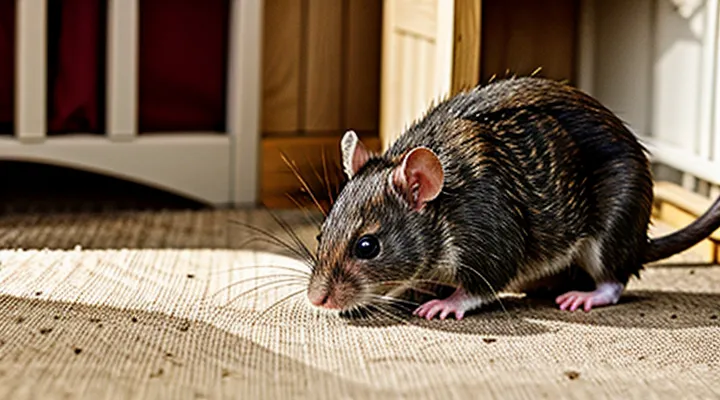
Understanding Rescued Rats' Needs
Initial Assessment and Veterinary Care
Health Check-up Priorities
A thorough health examination is essential for every rodent admitted to a rescue facility. Early detection of disease, injury, or nutritional deficiency prevents the spread of illness and supports successful rehabilitation.
- Physical inspection of coat, eyes, ears, and limbs to identify wounds, parasites, or abnormalities.
- Measurement of body weight and calculation of body condition score to establish a baseline for monitoring.
- Dental evaluation to detect overgrown incisors, malocclusion, or oral lesions that can impair feeding.
- Screening for common parasites (ectoparasites, endoparasites, mites) through fecal analysis and skin examination.
- Assessment of vaccination status and administration of appropriate immunizations when indicated.
- Evaluation of respiratory function, noting any discharge, sneezing, or labored breathing.
- Observation of behavior for signs of stress, aggression, or lethargy that may indicate underlying health issues.
Each priority should be recorded in an individual health file, with follow‑up examinations scheduled according to the findings. Prompt treatment of identified problems, combined with preventive care, maximizes the likelihood of recovery and eventual adoption.
Quarantine Protocols
Quarantine isolates newly admitted rodents from the resident population, preventing transmission of parasites, bacterial infections, and viral agents. The isolation area must be physically separate, equipped with dedicated ventilation, and maintained at a temperature suitable for the species (typically 20‑24 °C). All handling equipment should be exclusive to the quarantine zone and disinfected after each use.
- Assign each animal an individual cage or a barrier‑separated enclosure to avoid direct contact.
- Provide clean bedding, food, and water daily; replace waste material at least every 24 hours.
- Conduct a comprehensive health assessment within 24 hours of arrival, including external examination, weight measurement, and fecal analysis for parasites.
- Implement a minimum quarantine duration of 30 days; extend the period if clinical signs appear or diagnostic tests return positive results.
- Perform weekly physical examinations and repeat fecal, respiratory, and blood screenings to detect emerging conditions.
Documentation must record entry date, identification number, health findings, treatment administered, and date of release. Release criteria require: no observable illness, negative diagnostic results for common pathogens, and a stable weight gain trajectory. Animals meeting these standards may be transferred to the general population under supervised conditions.
Adherence to the outlined protocol reduces outbreak risk, supports animal welfare, and facilitates the long‑term success of a rodent rescue operation. «The quarantine period shall not be less than 30 days» reflects the consensus of veterinary guidelines for small‑mammal shelters.
Psychological Well-being
Stress Reduction Techniques
Rescued rodents experience heightened stress due to unfamiliar surroundings, handling, and social disruption. Chronic stress impairs immune function, reduces appetite, and can lead to stereotypic behaviors, jeopardizing recovery and long‑term health.
Effective stress reduction begins with environmental control. Provide a quiet, temperature‑stable enclosure with ample bedding that mimics natural substrate. Ensure cages are positioned away from loud equipment, bright lights, and high‑traffic zones. Maintain a consistent light‑dark cycle of approximately 12 hours each to support circadian rhythms.
Handling techniques must minimize threat perception. Approach cages slowly, allowing animals to observe movement before contact. Use gentle, low‑profile grips that support the torso without constricting limbs. Conduct brief handling sessions—no longer than two minutes—followed by a calm return to the enclosure.
Enrichment strategies alleviate boredom and promote natural foraging. Incorporate:
- Nesting material such as shredded paper or cotton.
- Chewing blocks made from safe, untreated wood.
- Puzzle feeders that require manipulation to access food.
- Rotating objects to prevent habituation.
Social considerations differ by species and individual temperament. Group housing benefits highly social species, provided space per animal meets welfare standards and aggression is monitored. For solitary individuals, provide visual barriers and scent cues from conspecifics to simulate social presence without forced interaction.
Regular health assessments detect stress‑related conditions early. Record body weight, coat condition, and activity levels at least weekly. Laboratory analysis of corticosterone metabolites in feces offers a non‑invasive indicator of physiological stress, enabling timely intervention.
Socialization and Bonding
Rescued rodents require deliberate interaction to develop confidence and cooperative behavior. Structured exposure to human presence and safe handling gradually reduces fear responses and encourages curiosity.
Key actions for effective socialization include:
- Consistent, brief handling sessions each day, lasting 2–5 minutes.
- Gentle restraint using both hands, supporting the body to prevent injury.
- Introduction of a neutral scent, such as a clean cloth, to associate the caretaker’s odor with safety.
- Provision of enrichment items (tunnels, chew sticks) during interaction to create positive associations.
Bonding progresses through predictable routines that reinforce trust. Recommended practices are:
- Offering favorite treats directly from the hand to link food with the caretaker’s proximity.
- Allowing the rat to explore the caretaker’s lap or arm without forced contact, observing voluntary climbing behavior.
- Engaging in quiet vocalizations or soft sounds, which rodents often interpret as reassurance.
- Maintaining a stable environment—consistent lighting, temperature, and cage arrangement—to prevent stress that undermines attachment.
Successful bonding is evident when the animal approaches voluntarily, exhibits relaxed posture, and engages in grooming or play with companions. Persistent avoidance, excessive hiding, or aggressive biting indicate the need for slower progression and additional enrichment. Continuous observation ensures that socialization remains aligned with the individual’s temperament and health status.
Setting Up the Ideal Habitat
Cage Requirements
Size and Ventilation
Adequate enclosure dimensions prevent stress, injury, and territorial disputes among rescued rodents. A minimum floor area of 0.5 square feet per adult rat provides sufficient space for exploration, nesting, and exercise; larger cages improve welfare, especially for groups. Height should allow vertical movement, with at least 12 inches of clearance. Multi‑level setups increase usable area without expanding footprint, but each level must include secure ramps and non‑slippery surfaces.
Key size guidelines:
- Single adult: minimum 24 × 12 inches floor space.
- Pair: minimum 30 × 18 inches.
- Group of four or more: minimum 36 × 24 inches, plus additional 6 inches of floor per extra rat.
- Cage height: 12–16 inches, adjustable for climbing structures.
Ventilation maintains air quality, reduces ammonia build‑up, and protects respiratory health. Continuous airflow should exchange the entire cage volume at least ten times per hour; this can be achieved with passive vents or low‑speed fans positioned to avoid direct drafts on the animals. Mesh panels must have openings no larger than 1 mm to prevent escape while allowing gas exchange. Regular cleaning schedules complement ventilation by removing waste and damp bedding that generate harmful gases.
Ventilation best practices:
- Install vent holes on opposite walls to create cross‑flow.
- Use filtered fans set on low speed to circulate air without causing turbulence.
- Verify mesh integrity weekly; replace damaged sections promptly.
- Monitor humidity, keeping it between 40 % and 60 % to inhibit mold growth.
Substrate and Bedding Materials
A suitable substrate creates a clean, dry environment that supports the respiratory health and natural behaviors of rescued rodents.
Selection criteria include absorbency, low dust production, non‑toxicity, and the ability to be gnawed safely.
Recommended options:
- Paper‑based bedding (e.g., shredded paper, kiln‑dried pulp) – high absorbency, minimal dust, easy to replace.
- Aspen shavings – low aromatic oils, moderate chewability, good ventilation.
- Coconut fiber (coir) – excellent moisture control, natural texture, biodegradable.
- Hemp bedding – sturdy, low dust, resistant to mold formation.
Materials to avoid:
- Cedar or pine shavings – contain volatile oils that irritate the respiratory system.
- Clay‑based cat litter – high dust, potential for ingestion of clumping agents.
- Scented or chemically treated substrates – may cause allergic reactions.
Maintenance guidelines:
- Provide a bedding depth of 2–3 cm to allow burrowing while preventing excess moisture buildup.
- Replace the entire substrate weekly, or sooner if soiled, to limit bacterial growth.
- Spot‑clean daily by removing droppings and wet spots; use mild, unscented disinfectant when fully changing the bedding.
Safety considerations:
- Inspect bedding for mold, mildew, or foreign objects each cleaning cycle.
- Monitor rodents for signs of ingestion; replace any material that becomes excessively chewed or compacted.
Implementing these practices ensures a hygienic, enriching floor covering that meets the physiological needs of rescued rodents.
Enrichment and Play
Toys and Chewing Materials
Enrichment through appropriate toys and chewing supplies is essential for the physical health and mental stimulation of rescued rodents. Proper selection prevents dental problems, encourages natural foraging behavior, and reduces stress‑induced aggression.
Typical enrichment items include:
- Wooden blocks or tunnels untreated with chemicals;
- Cardboard rolls and tubes sized to allow passage;
- Plastic balls with smooth surfaces that roll without sharp edges;
- Puzzle feeders that dispense treats when manipulated.
Chewing materials must meet two criteria: durability and safety. Hard‑wood branches such as apple, pear, or willow provide long‑lasting chew surfaces while remaining non‑toxic. Soft‑wood options like pine should be avoided due to aromatic oils that can irritate respiratory passages. Mineral chews formulated for small mammals supply calcium and help maintain enamel integrity.
Routine rotation of toys extends interest and mimics the changing environment of wild habitats. Replace worn items promptly to avoid splintering or ingestion of small fragments. Clean reusable toys with mild, unscented soap and rinse thoroughly before returning them to the enclosure.
Providing a varied selection of chewable and interactive objects supports optimal welfare and promotes natural behaviors in a shelter setting.
Tunnels and Hiding Spots
Tunnels give rescued rats a sense of security by mimicking natural burrows. They reduce stress, encourage exercise, and support normal exploratory behavior.
Hiding spots offer private areas where rats can retreat when they feel threatened. Placement near the bottom of the cage, away from high‑traffic zones, maximizes their usefulness.
- Use untreated wood, cardboard tubes, or PVC pipes for tunnels; avoid materials that shed fibers or contain chemicals.
- Provide at least one enclosed hide, such as a small wooden box with a single entrance, or a folded fabric shelter.
- Ensure all structures are large enough for an adult rat to pass through without squeezing, typically a minimum diameter of 2 cm.
- Clean tunnels and hides weekly; replace any that become soiled or damaged.
- Arrange tunnels in a network that connects multiple hides, allowing continuous movement throughout the enclosure.
Regular assessment of tunnel integrity and hide condition prevents injury and maintains a stimulating environment for the rodents.
Diet and Nutrition
Essential Food Groups
Proper nutrition underpins the health of rescued rats in a shelter setting. Balanced diets prevent deficiencies, support growth, and sustain immune function.
- «Protein» sources: commercial rodent pellets, cooked eggs, lean meat; supply amino acids for tissue repair.
- «Carbohydrates» sources: whole grains, oats, barley; provide readily available energy.
- «Fats» sources: small amounts of vegetable oil, nuts (unsalted, unseasoned); deliver essential fatty acids for skin and coat condition.
- «Vitamins and minerals» sources: fortified pellets, leafy greens, fortified water additives; ensure metabolic pathways operate efficiently.
- «Fiber» sources: hay, shredded paper, safe vegetable matter; promote gastrointestinal motility.
- «Water» – fresh, clean supply available at all times; critical for hydration and nutrient transport.
Portion sizes should align with the animal’s age, weight, and activity level. Regular monitoring of body condition guides adjustments. Eliminate sugary treats and high‑salt foods to avoid metabolic disorders.
Fresh Water Access
Fresh water must be available at all times for rescued rodents. Dehydration can develop rapidly, especially in warm environments or when animals are stressed from transport.
Key practices for water provision include:
- Use sturdy, chew‑resistant containers with narrow openings to reduce spillage and contamination.
- Fill containers with filtered or boiled‑then‑cooled water to remove chlorine and pathogens.
- Position bottles or bowls at a height that allows easy access for both juvenile and adult rodents without encouraging climbing hazards.
- Replace water daily; increase frequency during hot weather or when humidity is low.
Cleaning protocols require thorough rinsing with hot water, followed by a mild, animal‑safe disinfectant. Rinse again to eliminate residue before refilling. Schedule deep cleaning of containers weekly, and inspect for cracks or wear that could harbor bacteria.
Regular monitoring involves checking water clarity, odor, and temperature. Ideal temperature ranges from 18 °C to 22 °C; water that is too cold may deter intake, while warmth can accelerate bacterial growth. Record observations in a log to identify patterns and adjust maintenance routines promptly.
Daily Care and Routine
Handling and Interaction
Building Trust
Building trust with rescued rodents begins with predictable interaction. Consistent daily routines reduce anxiety and signal safety. Gentle handling, avoiding sudden movements, allows the animal to associate human presence with calm experiences.
Key practices for establishing trust include:
- Approaching the enclosure from the side rather than from above, minimizing perceived threat.
- Offering food from the hand at the same time each day, reinforcing a positive association.
- Allowing the rodent to retreat to a hideaway when it chooses, respecting natural avoidance behavior.
- Using soft, low‑volume vocalizations while maintaining a relaxed posture, supporting auditory familiarity.
A secure, enriched environment contributes to confidence. Provide multiple hiding spots, chewable materials, and stable temperature to meet physiological needs. Cleanliness and regular health checks prevent discomfort that could undermine trust.
Progress is evident when the animal voluntarily approaches the caretaker, accepts treats directly from the hand, or exhibits grooming behavior near the enclosure. Monitoring these indicators guides adjustments to handling techniques, ensuring the relationship remains steady and mutually beneficial.
Gentle Handling Techniques
Gentle handling minimizes stress and injury in rescued rodents. Approach each animal from the side, allowing visual contact before reaching out. Extend a hand slowly, palm down, and let the rat sniff before contact. Grasp the forepaws with thumb and forefinger, supporting the torso with the remaining fingers; avoid any pressure on the tail. If a rat resists, pause and allow a brief retreat before attempting again.
Key practices for safe handling:
- Use a small, clean cup or tunnel to transport rodents without direct hand contact when possible.
- Keep handling sessions under five minutes, especially for new arrivals.
- Maintain a quiet environment; eliminate sudden noises and bright lights during interaction.
- Observe body language: flattened ears, rapid breathing, or attempts to escape indicate heightened stress.
- Wear clean, powder‑free gloves if skin irritation is a concern, but ensure the gloves are smooth to prevent accidental scratches.
- Wash hands before and after each handling episode to reduce disease transmission.
Training staff in these techniques improves overall welfare and reduces the likelihood of bites or fractures. Consistent application creates a predictable routine, enabling rodents to adapt more quickly to the shelter environment.
Hygiene and Cleaning
Cage Cleaning Schedule
A consistent cleaning routine prevents disease, controls odor, and supports the well‑being of rescued rodents.
Daily duties include removing uneaten food, discarding soiled bedding, and wiping visible droppings with a mild, unscented disinfectant. Fresh water bottles must be inspected and refilled each day.
Weekly procedures require a complete bedding change, thorough scrubbing of all cage surfaces, and replacement of enrichment items that have become soiled. The following checklist ensures completeness:
- Remove all accessories and place them in a separate container.
- Empty remaining bedding into a sealed bag.
- Wash cage walls, bars, and platforms with hot water and a non‑abrasive detergent.
- Rinse thoroughly to eliminate residue.
- Disinfect with a rodent‑safe solution, allowing the recommended contact time.
- Rinse again and dry before reassembly.
- Re‑add fresh, absorbent bedding and reposition cleaned accessories.
Monthly tasks focus on deep sanitation of hard‑to‑reach areas. Disassemble the cage, soak all components in a diluted bleach solution (1 % concentration) for ten minutes, then rinse and air‑dry. Inspect structural integrity; replace cracked bars or worn locks.
Quarterly reviews assess overall hygiene standards. Conduct a full inventory of cleaning supplies, verify expiration dates, and adjust the schedule based on observed wear patterns or seasonal temperature changes. Maintaining this regimented plan safeguards health and promotes a stable environment for all rescued rodents.
Spot Cleaning and Odor Control
Spot cleaning keeps a rat shelter hygienic and limits odor buildup. Daily removal of droppings, food scraps, and wet bedding prevents bacterial growth and unpleasant smells. Use disposable gloves, a small scoop, and a damp cloth to wipe surfaces. Discard waste in a sealed bag and replace soiled bedding with fresh, absorbent material.
Effective odor control relies on ventilation, absorbent substrates, and neutralizing agents. Follow these steps:
- Install a continuous airflow system; position intake vents near the ceiling and exhaust near the floor to promote upward circulation.
- Choose bedding with high absorbency, such as paper pulp or kiln‑dried wood shavings, and change it at least twice weekly.
- Apply a pet‑safe enzymatic spray to cage interiors after each thorough cleaning; the enzymes break down urine proteins that cause odor.
- Place activated charcoal pouches in the shelter’s storage area; replace them monthly to maintain adsorption capacity.
- Monitor humidity levels; keep relative humidity between 40 % and 60 % to reduce mold and odor formation.
Regular spot cleaning combined with proper ventilation and absorbent materials maintains a pleasant environment for rescued rodents and staff alike.
Monitoring for Health Issues
Recognizing Common Ailments
Recognizing health issues early prevents suffering and reduces mortality among rescued rodents. Common ailments present with distinct external signs that can be assessed during routine handling.
- Respiratory distress: rapid breathing, nasal discharge, audible wheezing, or labored chest movements.
- Dermatitis: reddened, scaly, or ulcerated skin; excessive scratching or hair loss in localized areas.
- Gastrointestinal upset: loose stool, presence of blood or mucus, reduced food intake, and weight loss.
- Dental problems: overgrown incisors, misaligned teeth, difficulty chewing, or drooling.
- Parasitic infestation: visible ticks, fleas, or mites; excessive grooming; crusty fur near the tail base.
- Eye abnormalities: cloudiness, discharge, or swelling around the orbit.
Observation protocols include daily visual checks, monitoring of food and water consumption, and recording of weight changes. Any deviation from normal behavior or appearance warrants veterinary evaluation. Prompt treatment based on accurate diagnosis improves recovery prospects and supports the overall wellbeing of the shelter population.
When to Seek Veterinary Attention
Recognizing the need for professional medical care is essential for the health of rescued rats. Prompt veterinary attention can prevent complications and improve recovery chances.
Signs that warrant immediate evaluation include:
- Labored or noisy breathing, wheezing, or persistent coughing
- Bleeding that does not stop within a few minutes, especially from the mouth, nose, or any wound
- Sudden loss of appetite lasting more than 24 hours
- Noticeable weight loss or failure to gain weight after a period of stable intake
- Diarrhea, blood in stool, or severe constipation
- Excessive or abnormal discharge from eyes, nose, or ears
- Swelling, redness, or heat around a body part, indicating infection or inflammation
- Lethargy, unresponsiveness, or inability to move normally
- Persistent trembling, seizures, or other neurological abnormalities
Even in the absence of acute signs, a routine health check by a small‑animal veterinarian at least once every six months is advisable. Early detection of dental overgrowth, skin parasites, or metabolic disorders reduces the need for emergency care.
When arranging veterinary care, select a practitioner experienced with exotic rodents. Provide a detailed history, including recent diet changes, environmental conditions, and any observed symptoms. Accurate information enables targeted diagnostics and effective treatment.
Timely professional intervention protects the welfare of rescued rodents and supports successful long‑term care.