
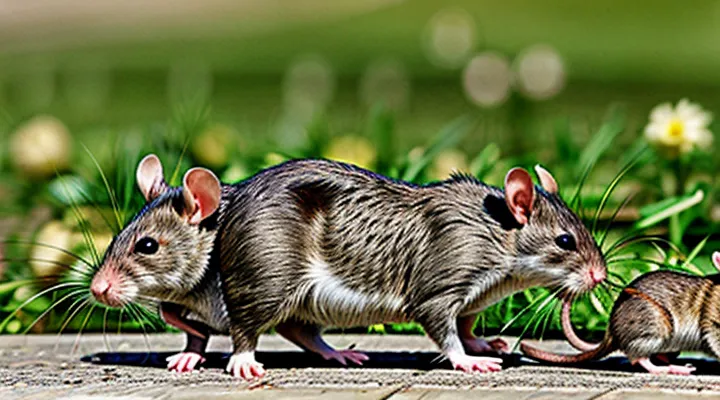
The Reproductive Cycle of Rats
Female Reproductive Biology
Estrous Cycle Phases
The estrous cycle in laboratory rats consists of four sequential phases, each characterized by distinct hormonal profiles and reproductive tract changes that dictate the timing of mating and fertilization.
- Proestrus – lasts 12–14 hours; rising estradiol levels stimulate growth of ovarian follicles and thickening of the vaginal epithelium; females display increased locomotor activity and may emit pheromonal cues that attract males.
- Estrus – the brief fertile window of 8–12 hours; peak luteinizing hormone (LH) surge triggers ovulation; vaginal cytology shows predominance of cornified epithelial cells; females exhibit lordosis behavior in response to male mounting.
- Metestrus – spans 12–14 hours; progesterone begins to rise as the corpus luteum forms; vaginal smears reveal a mixture of cornified and leukocyte cells; uterine glands secrete secretions that prepare the endometrium for potential implantation.
- Diestrus – lasts 48–72 hours, the longest phase; progesterone remains elevated, maintaining uterine quiescence; cytology shows predominance of leukocytes; if fertilization did not occur, luteolysis ensues and the cycle restarts with a new proestrus.
Accurate identification of these phases through vaginal lavage and cytological assessment enables precise scheduling of breeding pairs, optimization of experimental timelines, and reliable interpretation of reproductive outcomes in rat studies.
Ovulation and Fertility Windows
Ovulation in laboratory rats occurs once per estrous cycle, typically during the proestrus phase. The surge of luteinizing hormone (LH) triggers the release of mature oocytes from the ovarian follicles. This hormonal peak appears approximately 12–14 hours before the onset of estrus, which marks the period when the female is receptive to mating.
The fertility window aligns with the interval when sperm can encounter viable oocytes. Because rats have a short gestation and rapid sperm transport, fertilization is possible for roughly 4–6 hours after ovulation. Mating that takes place during the late proestrus or early estrus maximizes the chance of successful conception.
Key characteristics of the ovulatory and fertile periods:
- LH surge: peaks 12–14 h before estrus, initiates ovulation.
- Ovulation timing: occurs at the transition from proestrus to estrus.
- Fertile span: 4–6 h post‑ovulation, extending slightly into early estrus.
- Sperm viability: remains functional in the female reproductive tract for up to 12 h, but fertilization efficiency declines after the initial fertile window.
- Hormonal indicators: rising estradiol levels precede the LH surge, providing a physiological marker for cycle monitoring.
Accurate identification of these phases enables precise scheduling of breeding experiments and improves reproductive outcome predictability.
Male Reproductive Biology
Testicular Development and Function
Testicular development in laboratory rats follows a well‑defined postnatal trajectory. The gonads become visible at birth, but spermatogenic activity does not commence until the prepubertal phase. Between days 10 and 15, Leydig cells differentiate and begin producing testosterone, a hormone essential for the onset of puberty. By post‑natal day 30, Sertoli cells achieve full complement, establishing the structural framework required for germ cell support. Complete maturation of the seminiferous epithelium, characterized by the appearance of elongated spermatids, typically occurs around 45–55 days of age, coinciding with the first estrous cycles in females.
The adult rat testis performs several discrete functions:
- Synthesis of testosterone by Leydig cells, regulating secondary sexual characteristics and libido.
- Production of inhibin B by Sertoli cells, providing feedback to the pituitary to modulate follicle‑stimulating hormone (FSH) secretion.
- Generation of spermatozoa through spermatogenesis, a process that proceeds in defined stages within the seminiferous tubules.
- Secretion of fluid and proteins that form the seminal plasma, facilitating sperm motility and survival.
Disruption of any developmental milestone—such as delayed Leydig cell differentiation or insufficient Sertoli cell proliferation—impairs sperm output and alters hormonal balance, directly affecting the reproductive efficiency of male rats. Continuous monitoring of testicular weight, hormone concentrations, and histological architecture provides reliable indicators of functional status throughout the reproductive lifespan.
Sperm Production and Maturation
Sperm production in male rats occurs continuously within the seminiferous tubules of the testes. Spermatogonia undergo mitotic division, producing primary spermatocytes that enter meiosis I to become secondary spermatocytes, which then complete meiosis II and generate haploid spermatids. Spermatids differentiate through spermiogenesis, acquiring a streamlined shape, flagellum, and acrosome. This process is regulated by intratesticular testosterone and follicle‑stimulating hormone, which sustain Sertoli cell function and germ cell progression.
Maturation proceeds as sperm move from the testis into the epididymis. In the caput region, sperm acquire motility precursors and begin plasma membrane remodeling. The corpus epididymis supports further protein acquisition, enhancing the ability to navigate the female reproductive tract. The cauda epididymis stores mature sperm, which exhibit full motility and capacitation potential. Epididymal secretions provide antioxidants, lipids, and enzymes essential for membrane stability and DNA integrity.
Key physiological features of rat spermatogenesis and epididymal maturation include:
- Daily sperm output averaging 50–70 million per testis.
- Cycle of the seminiferous epithelium lasting approximately 12 days, with overlapping stages ensuring constant production.
- Epididymal transit time of 4–6 days, during which motility parameters increase from <5 % to >80 % progressive motility.
- Presence of epididymal proteins such as β‑defensins and annexins that modulate sperm surface charge and fertilization competence.
Overall, the coordinated sequence of germ cell development, hormonal regulation, and epididymal processing yields a population of sperm capable of successful fertilization under normal physiological conditions.
Mating Behavior and Conception
Courtship and Pheromones
Rats initiate mating through a series of stereotyped actions that begin with male investigation of a receptive female. The male approaches, makes prolonged nasal contact, and engages in flank rubbing and genital licking. These tactile and olfactory examinations precede mounting attempts, which occur only after the female exhibits lordosis and a raised tail.
Chemical communication underlies the entire process. Female rats release volatile and non‑volatile pheromones that signal estrus status. Detection occurs primarily via the vomeronasal organ, triggering neural pathways that increase male arousal and orient the male toward the female. Key pheromonal compounds include estradiol‑derived metabolites and specific fatty acid derivatives that elicit increased sniffing and approach behavior.
The courtship sequence typically follows these steps:
- Female enters estrus, displaying a receptive posture.
- Male detects pheromonal cues, intensifies sniffing, and produces ultrasonic vocalizations.
- Male performs flank and genital grooming, assessing female receptivity.
- Successful assessment leads to mounting; failure results in disengagement and renewed investigation.
Pheromonal signaling synchronizes the timing of these behaviors, ensuring that mating attempts coincide with the narrow window of female fertility.
Copulation Process
Rats mate during the female’s estrus phase, which typically lasts 12–14 hours and occurs once every four to five days. The male detects pheromonal cues and initiates pursuit, leading to a brief courtship that consists of sniffing, whisker contact, and rapid locomotion toward the receptive female.
The copulatory sequence proceeds as follows:
- Mounting: The male climbs onto the female’s back, securing his grip with forepaws on the shoulders and hind limbs on the hips.
- Intromission: The male inserts the penis into the vaginal canal, delivering sperm. This phase lasts 5–10 seconds per intromission.
- Ejaculation: Sperm release occurs during the final intromission, after which the male disengages and retreats.
Typical copulation lasts 30–60 seconds, with the male often repeating the intromission–ejaculation cycle three to five times before disengagement. Hormonal surges of testosterone in the male and estrogen in the female synchronize the behavior, ensuring that mating aligns with the optimal window for fertilization.
Fertilization
Fertilization in rats occurs shortly after ovulation, which follows the proestrus phase of the estrous cycle. Ovulation peaks approximately 10–12 hours after the onset of estrus, creating a narrow window during which ova are available for sperm entry.
Mating typically takes place during the dark phase when females exhibit lordosis behavior. The male deposits sperm into the vaginal canal; sperm ascend through the cervix and uterus, reaching the oviductal ampulla within 30–45 minutes. In the ampulla, capacitated sperm encounter the ovulated oocyte.
Key physiological events:
- Capacitation: biochemical modifications in the female tract that render sperm competent for fertilization.
- Acrosome reaction: triggered by zona pellucida binding, releasing enzymes that digest the zona matrix.
- Zygote formation: fusion of sperm and oocyte membranes in the ampulla, followed by the formation of the male and female pronuclei.
The fertilization window closes about 4–6 hours after ovulation; beyond this period, the oocyte undergoes cortical granule exocytosis, preventing additional sperm entry. A single oocyte is typically fertilized, and polyspermy is blocked by rapid zona hardening.
Successful fertilization depends on synchronized timing of estrus, male ejaculation, and sperm viability. Disruption of any component—delayed mating, reduced sperm motility, or abnormal oocyte release—significantly lowers conception rates.
Pregnancy and Gestation
Duration of Pregnancy
The gestation period for laboratory rats averages 22 days, ranging from 20 to 24 days depending on strain, maternal age, and environmental conditions. Pregnant females typically exhibit a predictable pattern of weight gain, abdominal enlargement, and behavioral changes that allow reliable detection of conception within a few days after mating.
Key factors influencing gestation length:
- Strain differences: Inbred lines such as Wistar and Sprague‑Dawley show slight variations, with Wistar averages around 21.5 days and Sprague‑Dawley near 22.5 days.
- Maternal age: Younger females (8–10 weeks) tend toward the lower end of the range, while older breeders (over 6 months) may experience modest extensions.
- Nutrition and housing: Adequate protein intake and stable temperature (20–24 °C) support the standard gestation timeline; stressors can delay parturition by 1–2 days.
- Litter size: Larger litters may slightly prolong gestation due to increased fetal development demands.
Monitoring methods:
- Palpation: Gentle abdominal palpation from day 12 onward confirms fetal presence.
- Ultrasound: Non‑invasive imaging provides precise dating from day 14.
- Body weight tracking: Incremental gains of 2–3 g per day after day 10 correlate with advancing pregnancy.
Accurate knowledge of the gestation window is essential for scheduling breeding programs, optimizing weaning dates, and ensuring compliance with animal welfare protocols.
Fetal Development Stages
Pregnancy in rats progresses through a series of well‑defined fetal phases that can be identified by morphological and physiological criteria. The gestation period lasts approximately 21–23 days, during which embryonic structures undergo rapid transformation leading to a viable neonate.
- Days 0–5 (Pre‑implantation and implantation): Fertilized ova travel through the oviduct, undergo cleavage, and reach the blastocyst stage by day 4. Implantation in the uterine wall occurs around day 5, initiating maternal‑fetal exchange.
- Days 6–10 (Organogenesis initiation): The primitive streak forms, and the three germ layers differentiate. Early heartbeats are detectable by day 7, and limb buds appear by day 9.
- Days 11–15 (Organ development): Major organ systems mature; the neural tube closes, lungs develop bronchioles, and the skeletal system ossifies. By day 14, fetal movements become observable.
- Days 16–21 (Fetal growth and preparation for birth): Rapid weight gain occurs, hair follicles produce lanugo, and the respiratory system prepares for air breathing. The placenta reaches maximal efficiency, and the fetus assumes a curled position for parturition.
Throughout these intervals, specific developmental milestones correspond to distinct physiological changes, enabling precise timing of experimental interventions or veterinary assessments. Understanding the chronology of rat fetal development is essential for research involving developmental toxicology, genetics, and reproductive health.
Maternal Care During Gestation
Maternal care during gestation in rats begins shortly after conception and continues until parturition. Hormonal shifts, particularly elevated progesterone and prolactin, trigger physiological changes that prepare the dam for offspring support. The uterine environment provides constant nutrient transfer via the placenta, with glucose, amino acids, and fatty acids supplied in proportion to fetal growth stages.
During the mid‑gestation period, dams increase nest‑building activity. Typical behaviors include gathering shredded paper, cotton, or wood shavings and arranging them into a compact, insulated structure. This behavior reduces heat loss and creates a stable microclimate for the soon‑to‑be born pups.
Nutritional demands rise markedly. A standard gestating rat requires a diet containing at least 20 % protein, supplemented with additional vitamins and minerals such as calcium, phosphorus, and vitamin E. Failure to meet these requirements leads to reduced litter size and lower pup viability.
Stress exposure directly affects maternal investment. Studies show that chronic noise, crowding, or handling elevate corticosterone levels, which correlate with decreased nest quality and altered pup development. Minimizing environmental disturbances therefore supports optimal maternal performance.
Post‑gestational preparation includes frequent grooming of the abdomen and perineal region. This grooming maintains hygiene, reduces infection risk, and stimulates uterine contractions that facilitate delivery. The dam also exhibits increased periods of rest, conserving energy for the imminent birth process.
Key aspects of maternal care during rat gestation:
- Hormone‑driven physiological adaptation
- Construction of a thermally stable nest
- High‑protein, micronutrient‑rich diet
- Reduction of environmental stressors
- Regular abdominal grooming and rest
These elements collectively ensure that the dam provides a conducive environment for fetal development and successful parturition.
Parturition and Offspring Care
Birthing Process
The birthing phase in rats follows a gestation period of 21–23 days, after which a female typically delivers a litter ranging from six to twelve pups. Contractions begin with the abdomen tightening and the tail turning outward, accompanied by vocalizations and increased nesting activity. The female assumes a crouched posture, and each pup emerges head‑first, coated in amniotic fluid that the mother promptly removes with her paws.
During delivery, the mother’s milk lines become visible as the nipples enlarge and produce a milky secretion. The pups are born hairless, blind, and dependent on the dam for warmth and nutrition. Within minutes, the mother clears the birth canal, cleans each offspring, and initiates the first nursing bout.
Key observations during the birthing process:
- Abdominal contractions occurring at regular intervals (approximately every 2–5 minutes)
- Tail elevation and outward rotation
- Vocalizations indicating distress or effort
- Rapid cleaning of each pup by the dam
- Initiation of nursing within the first hour
Post‑birth care includes:
- Maintaining a quiet, temperature‑controlled environment (approximately 30 °C)
- Providing soft bedding for the dam to build a nest
- Monitoring for retained placentas or excessive bleeding
- Ensuring the dam has unrestricted access to food and water to support milk production
Successful completion of these steps results in high pup survival rates and establishes the foundation for subsequent reproductive cycles.
Litter Size and Characteristics
Rats produce relatively large litters compared with most laboratory mammals. Average litter size ranges from six to twelve pups; extremes of three to twenty have been recorded in outbred populations. Size is influenced by maternal age, parity, nutritional status, strain genetics, and housing conditions. Younger primiparous females typically deliver fewer offspring, while experienced multiparous females reach the upper end of the range. Adequate protein and caloric intake during gestation correlates with increased pup numbers, whereas stressors such as overcrowding or temperature fluctuations reduce litter size.
Key characteristics of rat litters include:
- Sex ratio: Approximately 1:1 male to female distribution, with minor fluctuations among strains.
- Birth weight: Newborns weigh 1.5–2.5 g; weight correlates with litter size, larger litters often produce lighter pups.
- Altricial state: Pups are born hairless, blind, and thermally dependent; they acquire fur and open eyes by days 10–12.
- Developmental milestones: Righting reflex appears within 1–2 days, ear unfolding by day 3, and solid food intake begins at 3 weeks.
- Survival rate: Neonatal mortality averages 5–10 % under optimal conditions; causes include maternal neglect, cannibalism, and environmental stress.
Variations in litter composition affect experimental outcomes. Researchers must record litter size, sex distribution, and individual pup weights to control for intra‑litter variability. Adjusting breeding protocols—such as selecting optimal breeding age and ensuring consistent nutrition—helps standardize litter parameters, enhancing reproducibility in studies of rat reproductive physiology.
Postnatal Development of Pups
Nursing and Weaning
After a litter is born, the dam provides continuous milk for the first ten to twelve days. Milk production rises sharply on day three, peaks around day six, and declines as the pups begin to explore solid food. During this period the young rats gain weight rapidly, with average daily gains of 0.8–1.2 g. The dam remains in the nest, limiting movement to protect the offspring and to maintain a stable temperature. Pups exhibit reflexive suckling; any interruption in the dam’s access to water or high‑quality protein reduces milk output and can delay growth.
Weaning commences around day fourteen and is generally complete by day twenty‑one. The transition is marked by:
- Increased consumption of solid chow introduced in the cage.
- Reduced suckling frequency and shorter nursing bouts.
- Development of incisors capable of gnawing dry food.
- Independent locomotion and exploration outside the nest.
Successful weaning requires a gradual introduction of nutritionally balanced pellets, ensuring that the emerging diet supplies adequate protein (18‑20 % of calories) and essential fatty acids. Monitoring body weight and coat condition during this phase helps identify any nutritional deficiencies early, allowing timely dietary adjustments.
Parental Involvement
Female rats initiate nest construction within hours of giving birth, gathering shredded paper, cloth, or bedding to form a shallow depression that shields newborns from temperature fluctuations and predators. The mother curls around the litter, providing warmth through her body heat and stimulating pup respiration by occasional nudges. Milk secretion begins shortly after parturition, delivering antibodies and nutrients essential for rapid growth; pups typically nurse every two to three hours during the first week.
Maternal care persists until weaning, which occurs around 21 days of age. At this stage, the dam reduces nursing frequency, encourages exploratory behavior, and gradually withdraws from the nest. This transition promotes independence and prepares juveniles for social integration within the colony.
Paternal involvement is minimal. Male rats do not participate in nest building, nursing, or grooming of offspring. Their primary contribution consists of providing genetic material; after mating, males usually disengage from the breeding environment, limiting direct influence on pup development.
Factors Influencing Reproduction
Environmental Conditions
Temperature and Humidity
Temperature directly influences the estrous cycle length in laboratory and wild rats. Ambient temperatures between 20 °C and 24 °C produce the shortest cycle, typically 4–5 days, and the highest conception rates. Temperatures above 28 °C extend the cycle, delay ovulation, and reduce litter size. Conversely, temperatures below 15 °C suppress estrus onset, leading to prolonged anestrus periods and lower mating success.
Humidity interacts with temperature to affect sperm viability and uterine environment. Relative humidity of 50–60 % maintains optimal seminal fluid viscosity, supporting motile sperm. When humidity falls below 30 %, dehydration of the reproductive tract reduces sperm motility and increases embryonic mortality. Excessive humidity (above 80 %) promotes fungal growth in nesting material, raising the risk of uterine infections that impair fertility.
Key environmental parameters for successful breeding:
- Ambient temperature: 20 °C–24 °C (optimal); >28 °C (adverse); <15 °C (inhibitory)
- Relative humidity: 50 %–60 % (optimal); <30 % (dehydration risk); >80 % (infection risk)
- Consistent monitoring: daily recording of temperature and humidity to detect deviations promptly
- Environmental control: use of climate‑controlled rooms or incubators to maintain target ranges throughout gestation and lactation.
Light Cycles
Light exposure governs the timing of reproductive activity in laboratory and wild rats. Photoperiod length is detected by retinal photoreceptors, transmitted to the suprachiasmatic nucleus, and relayed to the hypothalamic‑pituitary‑gonadal axis. Short days (≤10 h light) suppress luteinizing hormone surges, prolong the diestrus phase, and reduce litter size. Long days (≥14 h light) accelerate the onset of estrus, increase ovulation frequency, and elevate sperm production in males.
Key physiological responses to altered photoperiods include:
- Melatonin secretion patterns that inversely follow light duration, modulating gonadotropin‑releasing hormone release.
- Adjustments in circulating prolactin levels, which influence mammary development and maternal behavior.
- Shifts in testicular weight and seminiferous tubule activity, reflecting changes in spermatogenic efficiency.
Experimental protocols that manipulate light cycles typically maintain a consistent intensity (≈150 lux) and use abrupt transitions at dawn and dusk to avoid confounding variables. Continuous light (24 h) eliminates rhythmic melatonin release, leading to persistent estrus and elevated fertility rates, but may also cause stress‑related endocrine disturbances.
In field populations, seasonal variations in daylight dictate breeding peaks. During spring and early summer, increasing day length triggers synchronized estrus across colonies, ensuring maximal offspring survival when food resources are abundant. Conversely, decreasing daylight in autumn initiates a reproductive pause, conserving energy for overwintering.
Understanding photoperiodic regulation enables precise control of breeding schedules in research facilities and informs ecological assessments of rat population dynamics.
Nutritional Status
Nutrient availability directly influences the timing of sexual maturity in laboratory and wild rats. Adequate caloric intake accelerates the onset of the first estrus, whereas restricted diets delay puberty by several days to weeks. Protein deficiency reduces gonadotropin secretion, leading to prolonged anestrus periods and lower ovulation rates.
Energy balance modulates the estrous cycle length. Rats with excess energy reserves exhibit cycles of 4‑5 days, while those under negative energy balance extend cycles to 6‑7 days or become acyclic. Fat stores affect leptin levels, which act on the hypothalamus to stimulate luteinizing hormone release; insufficient leptin suppresses luteinizing hormone pulses and impairs ovulation.
Key nutritional factors and their reproductive consequences:
- Protein: Minimum 18 % dietary protein sustains normal follicular development; below this threshold, follicle count and oocyte quality decline.
- Essential fatty acids: Omega‑3 enrichment improves embryo implantation rates; omega‑6 excess correlates with higher embryonic loss.
- Vitamins A, D, E: Deficiencies diminish uterine receptivity and reduce litter size; supplementation restores normal implantation efficiency.
- Minerals (zinc, selenium): Adequate levels support sperm motility and testosterone synthesis; deficiencies lower male fertility indices.
Maternal nutrition during gestation determines litter outcomes. Energy‑dense diets increase litter size but may raise pup mortality if maternal weight gain exceeds 20 % of baseline. Balanced micronutrient supply ensures proper placental development and prevents intra‑uterine growth restriction.
Post‑weaning nutrition affects subsequent reproductive cycles. Rats returning to a high‑quality diet after weaning recover estrous cyclicity within 48 hours, whereas continued low‑nutrient intake prolongs anovulation for up to two weeks.
In summary, caloric adequacy, protein quality, essential fatty acids, vitamins, and minerals collectively regulate the initiation, frequency, and success of rat reproductive events. Precise dietary formulation is essential for predictable breeding schedules and optimal litter performance.
Social Dynamics
Dominance Hierarchies
Dominance hierarchies organize social interactions among laboratory and wild rats, establishing a predictable order of access to mates, resources, and nesting sites. The alpha male typically monopolizes estrous females, while subordinate males experience reduced mating opportunities. Female rats in higher ranks encounter less aggression and obtain priority access to preferred nesting environments, which can influence the timing of their estrous cycles.
The hierarchy exerts physiological effects through hormonal pathways. Elevated testosterone in dominant males correlates with increased libido and sperm production, whereas subordinate males often display suppressed luteinizing hormone release. In females, dominance status modulates corticosterone levels; lower stress hormones in high‑ranking females support regular ovulation, while chronic stress in lower‑ranking individuals can delay or inhibit estrus.
Key outcomes of hierarchical structure on reproductive events:
- Dominant males achieve the majority of copulations during the peak breeding season.
- Subordinate males contribute minimally to litters, limiting genetic diversity within a colony.
- High‑ranking females produce litters earlier in the breeding cycle compared with lower‑ranking counterparts.
- Stress‑induced hormonal suppression in subordinates can extend inter‑birth intervals.
Management of rat colonies for research or breeding programs should consider hierarchy manipulation—such as group composition or environmental enrichment—to optimize reproductive efficiency and reduce variability in experimental outcomes.
Population Density
Population density directly shapes the reproductive cycle of rats. In crowded environments, females reach sexual maturity earlier, often by two weeks of age, because increased social stimuli accelerate hormonal development. Males experience heightened testosterone production when surrounded by rivals, leading to more frequent mounting attempts.
High density also modifies mating frequency. Rats in dense colonies mate every 24–36 hours, whereas solitary individuals may extend intervals to 48 hours or more. This pattern results from continuous presence of estrous females and competition among males, which together raise the probability of successful copulation.
Consequences for offspring output include:
- Larger litter sizes (average 10–12 pups) in dense populations, driven by enhanced uterine capacity and maternal investment.
- Shortened gestation intervals, with females returning to estrus within a few days after delivering.
- Increased juvenile survival, as communal nesting provides thermoregulation and shared vigilance.
Conversely, low‑density settings suppress these effects. Delayed sexual maturation, reduced mating frequency, smaller litters, and longer weaning periods are typical. The relationship between crowding and reproductive parameters is mediated by pheromonal cues, stress hormone regulation, and resource availability, creating a feedback loop that sustains population growth when conditions permit.
Genetic Factors
Genetic regulation determines the timing of sexual maturation in rats. Mutations or polymorphisms in the Kiss1 gene alter the release of gonadotropin‑releasing hormone, advancing or delaying the onset of puberty. Variants of the GnRH receptor (Gnrhr) modulate the sensitivity of pituitary cells to this signal, influencing the first estrus in females and the emergence of sperm production in males.
Key genes control the progression of the estrous cycle and spermatogenesis. Estrogen receptor α (Esr1) and progesterone receptor (Pgr) coordinate uterine receptivity and luteal function; loss‑of‑function alleles extend the diestrus phase. In males, the transcription factor Sox9 and the meiotic regulator Dmc1 affect Sertoli cell differentiation and chromosome pairing, respectively, thereby shaping sperm output.
Heritable factors affect litter characteristics. The prolactin gene (Prl) and its receptor (Prlr) influence mammary development and milk production, which correlate with pup survival rates. Polymorphisms in the insulin‑like growth factor 2 (Igf2) locus associate with increased birth weight and larger litter sizes. Variants in the oxytocin receptor (Oxtr) modulate maternal behavior, indirectly impacting offspring viability.
Although environmental cues such as photoperiod and nutrition can modify reproductive outcomes, the underlying genetic architecture sets the baseline parameters. Breeding programs that select for favorable alleles in the aforementioned genes achieve predictable changes in reproductive timing, litter size, and offspring health.
Age and Reproductive Lifespan
Rats reach sexual maturity rapidly, with females typically entering estrus between 5 and 6 weeks of age and males becoming fertile shortly thereafter. The onset of reproductive capability is influenced by strain, nutrition, and environmental conditions; laboratory strains often mature at the earlier end of this range, while wild populations may require slightly more time.
The reproductive lifespan of a female rat extends from first estrus to the onset of senescence, averaging 12 to 18 months under standard laboratory conditions. During this interval, a female can produce 5 to 7 litters, each containing 6 to 12 offspring on average. Male rats remain fertile for a comparable period, though spermatogenic efficiency declines after approximately 14 months, reducing litter size and conception rates.
Key milestones in the rat reproductive timeline:
- 5–6 weeks: First estrus in females; onset of sperm production in males.
- 2–3 months: Peak fertility; optimal conception rates and litter sizes.
- 12–14 months: Beginning of reproductive decline; hormonal cycles lengthen, and sperm quality deteriorates.
- 18–24 months: Near cessation of reproductive activity; increased incidence of anovulatory cycles and infertility.
Environmental stressors, such as overcrowding or inadequate diet, can accelerate reproductive aging, shortening the effective fertile window. Conversely, optimal husbandry practices—consistent lighting, balanced nutrition, and minimal stress—support the full expression of the species’ reproductive potential.
Reproductive Strategies and Success
High Reproductive Rate
Rats exhibit a markedly high reproductive capacity that enables rapid population expansion under favorable conditions. Sexual maturity is reached at 5–6 weeks for females and 6–8 weeks for males, allowing breeding cycles to commence shortly after weaning. A single estrus can occur within 24 hours of parturition, and females may become pregnant again within 48 hours, eliminating any significant inter‑litter interval.
Gestation lasts approximately 21–23 days, after which a litter of 6–12 pups is typical; litters of up to 20 individuals have been recorded in optimal environments. Neonates achieve independence by 3 weeks, and the mother can produce up to 7–10 litters per year in temperate climates.
Key factors contributing to the elevated reproductive output include:
- Short gestational period (≈ 3 weeks)
- Immediate postpartum estrus
- High litter size (average 8–10)
- Early sexual maturation (≈ 6 weeks)
- Multiple breeding cycles annually (up to 10)
These biological attributes collectively drive the species’ ability to colonize new habitats and maintain dense populations when resources are abundant.
Adaptation to Various Environments
Rats sustain populations by tailoring reproductive cycles to the conditions of their surroundings. Temperature fluctuations compress or extend the estrous interval, allowing breeding to continue during warm periods while delaying it when heat stress threatens offspring viability. Food availability directly influences litter size; abundant resources trigger larger broods, whereas scarcity leads to reduced numbers that conserve maternal energy.
Hormonal regulation adjusts to crowding and social hierarchy. Dominant individuals experience elevated gonadotropin release, resulting in more frequent ovulation, while subordinate rats exhibit suppressed cycles, limiting competition for limited nesting sites. Seasonal cues, such as photoperiod changes, shift the timing of mating peaks, ensuring that weaning coincides with periods of maximal food supply.
Behavioral adaptations reinforce physiological changes:
- Selection of concealed, insulated nests that buffer temperature extremes.
- Synchronization of mating events within colonies to overwhelm predators and increase the likelihood of at least some pups surviving.
- Flexible weaning schedules that respond to parental condition and offspring growth rates.
These mechanisms collectively enable rats to reproduce efficiently across urban alleys, agricultural fields, arid deserts, and temperate forests, ensuring species persistence despite diverse environmental pressures.
Survival of Offspring
Survival of rat offspring hinges on a combination of physiological, behavioral, and environmental factors that operate from birth through weaning. Immediately after delivery, pups rely on the mother’s ability to maintain a stable nest temperature; inadequate thermoregulation leads to rapid mortality. Maternal grooming and nipple stimulation trigger the release of prolactin, which sustains milk production and reinforces the pup’s physiological readiness for growth.
Litter size directly influences competition for milk and space. Large litters increase the probability that some individuals will receive insufficient nourishment, while small litters allow each pup to obtain a larger share of resources. The mother’s parity and health status further modulate milk quality and quantity, affecting weight gain trajectories that correlate with survival odds.
External conditions shape outcomes as well. Access to clean water, low pathogen load, and minimal exposure to toxic substances reduce disease incidence. Predation pressure, either from domestic cats or avian species, is mitigated by the mother’s concealment strategies and the timing of nest relocation. Seasonal temperature fluctuations dictate the duration of nest attendance; colder periods demand prolonged maternal presence, whereas milder climates permit earlier independence.
Key determinants of offspring viability can be summarized:
- Thermal regulation: Consistent nest warmth during the first two weeks.
- Nutritional provision: Adequate milk supply linked to maternal health and litter size.
- Hygiene: Low bacterial and parasitic burden within the nesting environment.
- Maternal behavior: Frequency of grooming, nipple stimulation, and protective actions.
- Environmental stability: Minimal exposure to predators, toxins, and extreme weather.
Weaning marks the transition to autonomous feeding. Successful weaning requires gradual introduction of solid food, sufficient littermate interaction to develop foraging skills, and continued maternal oversight to prevent cannibalism. Pups that achieve appropriate weight gain by the weaning stage exhibit markedly higher post‑weaning survival rates, confirming the critical nature of early developmental support.
Reproductive Challenges and Health
Infertility Issues
Infertility in laboratory and colony rats disrupts breeding schedules and compromises experimental reliability. Genetic defects, chromosomal abnormalities, and inbreeding depression frequently produce sterile phenotypes. Hormonal imbalances, such as insufficient luteinizing hormone or prolactin, impede ovulation and sperm maturation. Environmental stressors—including temperature extremes, inadequate lighting cycles, and high population density—suppress gonadal function.
Common diagnostic measures include:
- Vaginal cytology to verify estrous stage and detect anovulation.
- Serum hormone assays for luteinizing hormone, follicle‑stimulating hormone, and testosterone levels.
- Semen analysis assessing concentration, motility, and morphology.
- Karyotyping to identify chromosomal deletions or translocations.
Management strategies focus on prevention and remediation. Outcrossing with genetically diverse lines reduces inbreeding effects. Nutritional supplementation with essential fatty acids and vitamin E supports endocrine health. Controlled lighting (12 h light/12 h dark) stabilizes circadian rhythms, promoting normal reproductive cycles. Pharmacological interventions, such as gonadotropin‑releasing hormone analogs, can restore ovulatory activity in hormonally deficient females.
Failure to address infertility leads to extended generation intervals, increased animal usage, and elevated costs. Systematic monitoring and targeted corrective actions maintain reproductive efficiency and uphold the integrity of rat‑based research programs.
Reproductive Health Disorders
Rats exhibit rapid reproductive cycles, allowing multiple litters per year. Disorders that disrupt these cycles compromise fertility, offspring viability, and population dynamics.
Common reproductive health disorders in laboratory and wild rats include:
- Uterine infections: Bacterial colonization leads to endometritis, reducing implantation success and increasing embryonic loss.
- Ovarian cysts: Fluid‑filled structures impair ovulation, resulting in irregular estrous intervals and reduced litter size.
- Testicular degeneration: Degenerative changes in seminiferous tubules lower sperm production, causing subfertility or infertility.
- Hormonal imbalances: Elevated prolactin or disrupted luteinizing hormone release alter estrous timing and suppress ovulation.
- Neoplastic growths: Tumors of the reproductive tract, such as mammary adenocarcinomas, interfere with normal tissue function and can be transmissible in breeding colonies.
Diagnosis relies on necropsy, histopathology, and serum hormone assays. Management strategies involve antimicrobial therapy for infections, surgical removal of cysts or tumors, and environmental controls that minimize stressors known to affect endocrine regulation. Regular health monitoring in breeding programs reduces the incidence of these disorders and sustains reproductive efficiency.
Impact of Stress on Reproduction
Stress profoundly modifies reproductive physiology in laboratory rats. Activation of the hypothalamic‑pituitary‑adrenal (HPA) axis elevates corticosterone, which suppresses gonadotropin‑releasing hormone (GnRH) secretion, leading to reduced luteinizing hormone (LH) and follicle‑stimulating hormone (FSH) release. The downstream effect is a delayed or irregular estrous cycle, diminished ovulation rates, and lower progesterone concentrations.
Corticosterone also interferes with the hypothalamic‑pituitary‑gonadal (HPG) feedback loop. Elevated glucocorticoids diminish the sensitivity of pituitary gonadotropes to GnRH, while simultaneously enhancing the inhibitory action of estradiol on LH surge generation. This dual inhibition compromises the timing of sexual receptivity and mating behavior.
In male rats, chronic stress reduces testicular weight, impairs spermatogenesis, and lowers sperm motility. The mechanisms include:
- Direct glucocorticoid toxicity to Sertoli and Leydig cells.
- Decreased testosterone synthesis due to suppressed LH pulses.
- Oxidative stress leading to DNA fragmentation in spermatozoa.
Acute stressors produce transient reproductive suppression, often reversible within a few days after stress cessation. Chronic exposure, however, can cause lasting alterations in endocrine set points, resulting in persistent subfertility.
Mitigation strategies such as environmental enrichment, handling habituation, and controlled lighting mitigate HPA activation and preserve reproductive output. Implementing these measures in breeding colonies stabilizes estrous cyclicity and sustains sperm quality, thereby enhancing overall breeding efficiency.