
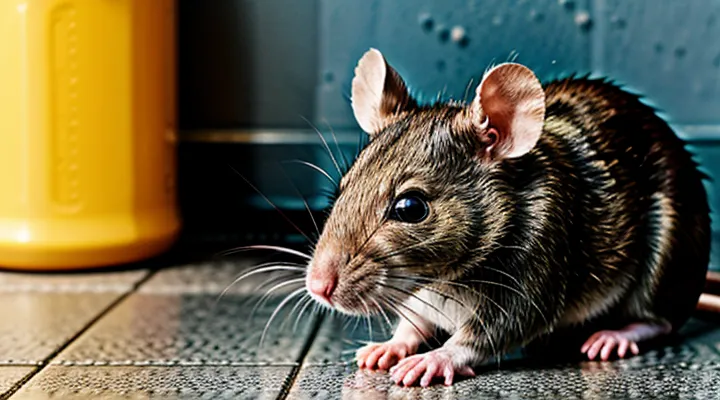
Understanding Rat Poison
Types of Rat Poisons
Anticoagulants
Anticoagulant rodenticides interfere with the blood‑clotting cascade, causing fatal internal bleeding in rodents after a single or multiple exposures. The most common compounds belong to two groups: first‑generation agents such as warfarin, chlorophacinone, and diphacinone, which require several feedings to be lethal; and second‑generation agents including brodifacoum, bromadiolone, difenacoum, and difethialone, which act after one or two meals and persist longer in the environment.
When selecting a product that relies on anticoagulants, consider the following criteria:
- Active ingredient potency – Second‑generation compounds deliver rapid mortality but have higher secondary‑poisoning risk. First‑generation agents present a lower residual hazard.
- Regulatory classification – Products listed as restricted use or requiring a license indicate stricter safety controls.
- Label instructions – Clear dosage guidance, target species specificity, and explicit warnings about non‑target animals are essential.
- Formulation type – Pellets, blocks, or bait stations affect accessibility for unintended wildlife; sealed stations reduce accidental ingestion.
- Degradation profile – Short‑acting anticoagulants degrade faster in soil and water, limiting long‑term contamination.
Safety measures extend beyond product choice. Store the bait in a locked container, keep it out of reach of children and pets, and place it in tamper‑resistant stations at least 2 m from food preparation areas. Monitor for signs of exposure, such as lethargy, bruising, or blood‑tinged urine, and have vitamin K1 therapy readily available for emergency treatment.
If the risk to non‑target species is unacceptable, evaluate alternative mechanisms—such as zinc phosphide, bromethalin, or mechanical traps—that do not rely on blood‑clotting inhibition. Balancing efficacy with environmental and household safety hinges on a thorough assessment of anticoagulant properties, regulatory status, and implementation practices.
Non-anticoagulants
Non‑anticoagulant rodenticides provide an alternative to vitamin‑K antagonists for controlling rodent infestations. They act by disrupting cellular processes, causing rapid mortality without affecting blood clotting pathways.
Common active ingredients include:
- Bromadiolone (second‑generation anticoagulant, listed for comparison only)
- Brodifacoum (high‑potency anticoagulant, not a non‑anticoagulant)
- Bromethalin – uncouples oxidative phosphorylation, leading to cerebral edema
- Cholecalciferol – hyper‑calcemia induced by excess vitamin D
- Zinc phosphide – releases phosphine gas when ingested, causing cellular respiration failure
Safety assessment should focus on the following criteria:
- Target specificity – compounds that are ineffective against non‑target species reduce accidental poisoning.
- Environmental persistence – low soil and water solubility limits secondary exposure.
- Toxicity profile – acute toxicity measured by LD₅₀ values; higher LD₅₀ indicates lower risk to humans and pets.
- Regulatory status – products listed by EPA or local authorities as approved for residential use meet established safety standards.
- Application format – bait stations with tamper‑resistant designs minimize unintended contact.
When selecting a non‑anticoagulant product, verify that the label provides clear dosage instructions, storage requirements, and disposal procedures. Prefer formulations that incorporate child‑proof packaging and clear hazard warnings. Conduct a risk assessment of the treatment area to ensure that wildlife corridors and water sources are not exposed. Regular monitoring after deployment helps confirm efficacy and detect any signs of non‑target exposure.
Baits vs. Concentrates
When evaluating rodent control options, the choice between ready‑made baits and liquid concentrates determines exposure risk, application flexibility, and waste management.
Ready‑made baits contain a fixed amount of active ingredient encased in a palatable matrix. The sealed format limits accidental handling, reduces the likelihood of spillage, and simplifies placement in confined areas. Because the dose is pre‑determined, overdosing is rare, and the product can be stored in child‑proof containers without additional preparation steps.
Liquid concentrates require dilution before use. This allows precise adjustment of concentration for specific infestation levels or target species, and enables treatment of large spaces with fewer units. However, mixing introduces handling hazards, demands accurate measurement tools, and creates residual solution that may be more easily accessed by non‑target animals. Proper labeling, secondary containment, and thorough cleaning of equipment are essential to mitigate these risks.
Key safety considerations:
- Packaging integrity – sealed baits vs. refillable containers for concentrates.
- User expertise – minimal for baits; requires measurement skills for concentrates.
- Risk of secondary poisoning – lower with baits; higher with liquid residues.
- Storage requirements – both need secure, temperature‑controlled locations, but concentrates often need additional labeling after mixing.
- Environmental impact – baits generate less runoff; concentrates may require careful disposal of excess solution.
Select the format that aligns with the intended setting: confined indoor environments favor sealed baits, while expansive outdoor zones or situations demanding dosage customization may justify the controlled use of concentrates, provided that strict mixing protocols are observed.
How Rat Poisons Work
Primary and Secondary Poisoning
Primary poisoning occurs when a rodent consumes the toxic bait directly. The dose delivered by the product must be sufficient to cause rapid mortality in the target species while remaining below the threshold that would endanger non‑target animals that might encounter the bait unintentionally.
Secondary poisoning arises when a predator or scavenger ingests a poisoned rodent. Toxicants that persist in the carcass and resist metabolic breakdown pose the greatest risk to birds of prey, domestic cats, and dogs. The severity of secondary effects depends on the chemical’s bioaccumulation potential and the amount of contaminated tissue consumed.
When evaluating a rodenticide for safety, consider the following criteria:
- Active ingredient classification (anticoagulant versus non‑anticoagulant)
- Acute LD₅₀ values for rodents and for common non‑target species
- Reported cases of secondary mortality in wildlife monitoring programs
- Formulation design that limits exposure (e.g., tamper‑resistant packaging, bait stations)
- Degradation rate in the environment and within animal tissues
Choosing a product that minimizes both primary and secondary hazards involves selecting compounds with low secondary toxicity, employing secure baiting methods, and restricting access to pets and wildlife. Regularly inspect bait stations, remove uneaten bait promptly, and follow label instructions regarding dosage and placement to reduce unintended exposure.
Risks to Non-Target Animals
Rodent control products pose significant hazards to animals that are not the intended targets. Secondary poisoning occurs when predators, scavengers, or domestic pets consume poisoned rodents, leading to lethal or sublethal effects. Many anticoagulant rodenticides persist in the bloodstream of dead rodents, remaining toxic for weeks and exposing birds of prey, foxes, and other carnivores that feed on them.
Accidental ingestion by non‑target species is common in environments where bait is left unsecured. Pets may chew exposed pellets, while wildlife can mistake bait for natural food sources. Acute toxicity manifests as internal bleeding, weakness, and death, while chronic exposure can cause organ damage and reproductive failure.
Environmental dispersion extends risk beyond immediate contact. Runoff from bait stations can transport active ingredients into water bodies, affecting fish, amphibians, and aquatic invertebrates. Soil contamination may persist, posing long‑term threats to burrowing mammals and insects that interact with the contaminated ground.
Key risk factors include:
- Use of second‑generation anticoagulants with prolonged half‑lives.
- Placement of bait in accessible areas without barriers.
- Lack of monitoring for non‑target mortality after deployment.
- Failure to follow label restrictions on dosage and application frequency.
Mitigating these risks requires selecting products with reduced toxicity to wildlife, employing tamper‑proof bait stations, and implementing regular surveillance of local fauna to detect unintended impacts promptly.
Environmental Impact
When evaluating rodent control agents, the environmental footprint of the formulation must be a primary consideration. Toxic compounds that persist in soil or water can affect birds, mammals, and aquatic organisms beyond the intended target. Anticoagulant baits, especially second‑generation types, often have half‑lives extending weeks to months, creating a prolonged exposure risk for scavengers that consume dead rodents or uneaten pellets.
Key environmental concerns include:
- Secondary poisoning – predators or pets ingesting poisoned prey may suffer lethal or sub‑lethal effects.
- Runoff contamination – precipitation can transport active ingredients into streams, impairing fish and invertebrate populations.
- Soil accumulation – repeated applications may lead to detectable residues, altering microbial activity and nutrient cycles.
- Bioaccumulation – certain chemicals can concentrate up the food chain, magnifying toxicity in apex species.
Regulatory frameworks such as the U.S. EPA’s Anticoagulant Rodenticide Product Standard and the EU’s Biocidal Products Regulation impose limits on toxicity, environmental persistence, and labeling requirements. Products that meet these standards typically provide data on LD₅₀ values, degradation rates, and recommended disposal methods, enabling informed risk assessment.
Choosing a formulation with lower toxicity to non‑target species, rapid environmental degradation, and clear guidance on placement (e.g., tamper‑proof stations away from water sources) reduces ecological impact while maintaining efficacy against rodents.
Factors to Consider When Choosing a Safe Product
Assessing the Infestation
Location and Severity
When evaluating a rodent control product, the place where it will be deployed determines the formulation that is permissible. Indoor environments demand anticoagulant baits that lack secondary‑toxicity indicators, because accidental ingestion by children or domestic animals carries a higher risk. Outdoor settings permit larger‑dose blocks or granular pellets, provided they are placed in tamper‑proof stations that prevent non‑target exposure.
The intensity of the rodent problem influences the amount of active ingredient that can be applied safely. A light infestation may be managed with a single low‑dose bait station; a severe outbreak often requires multiple stations spaced evenly across the affected area. Increasing the number of stations raises the total toxin load, which in turn elevates the probability of unintended contact. Therefore, the severity level should dictate a proportional, but not excessive, increase in bait quantity.
Key considerations for safe selection:
- Placement type – indoor vs. outdoor, concealed vs. exposed.
- Infestation grade – light, moderate, severe; determines station count.
- Target species specificity – products formulated for rats reduce risk to other wildlife.
- Secondary‑poisoning potential – low‑risk formulations for environments with pets or children.
- Regulatory limits – maximum allowable active ingredient per square meter.
Aligning the product’s characteristics with both the physical location and the infestation severity ensures effective control while minimizing hazards to humans, pets, and non‑target wildlife.
Presence of Children and Pets
When children or pets share a home, the choice of rodent control product must eliminate accidental exposure. Look for formulations that are specifically labeled as low‑risk for non‑target species. Verify that the active ingredient is registered with regulatory agencies for limited toxicity to mammals, and that the product includes child‑proof packaging.
Key safety criteria include:
- Physical barriers – place bait stations out of reach, using locked containers or wall‑mounted units positioned at least 18 inches above floor level.
- Clear labeling – choose products with prominent warnings and dosage instructions, ensuring that caregivers can follow directions without ambiguity.
- Reduced toxicity – prefer anticoagulant compounds with a short half‑life in the bloodstream, or non‑anticoagulant agents that cause rapid rodent death without lingering residues.
- Environmental stability – select baits that degrade when exposed to moisture or sunlight, limiting long‑term presence on surfaces where children or pets might crawl.
Before purchase, confirm that the manufacturer provides a Material Safety Data Sheet (MSDS) detailing acute toxicity values (LD50) for rodents, dogs, cats, and humans. Compare these figures; a higher LD50 for mammals indicates lower risk. Additionally, ensure that the product’s usage instructions specify indoor versus outdoor application, as indoor use demands stricter containment.
Implement a monitoring routine: inspect bait stations daily, replace depleted units promptly, and remove any stray pellets found in accessible areas. Maintain a record of placement locations to avoid accidental relocation during cleaning or home renovations.
By adhering to these guidelines, households with vulnerable occupants can control rodent populations while minimizing the chance of unintended poisoning.
Wildlife Considerations
When selecting a rodent control product, assess the potential impact on non‑target wildlife. Evaluate whether the active ingredient is known to affect birds, mammals, or amphibians that may encounter the bait directly or through scavenging.
Risk factors include:
- Toxicity profile – Choose compounds with low secondary‑poisoning potential; anticoagulants such as diphacinone are less hazardous to predators than first‑generation agents.
- Formulation type – Pellet baits reduce accidental ingestion by larger animals compared to liquid or gel formulations that can be spread unintentionally.
- Placement strategy – Install bait stations that restrict access to rodents while excluding birds and larger mammals; lock‑box designs are effective.
- Environmental persistence – Prefer products that degrade rapidly in soil and water, limiting exposure to foraging wildlife.
Implement these practices:
- Conduct a site survey to identify resident species and their feeding habits.
- Use tamper‑resistant containers approved for wildlife‑safe applications.
- Apply the minimal effective dose and limit bait density to reduce surplus.
- Monitor bait stations regularly for signs of non‑target consumption and adjust placement accordingly.
Compliance with local wildlife protection regulations and documentation of bait use support responsible pest management while safeguarding surrounding ecosystems.
Key Safety Features
Child-Resistant Packaging
When selecting an anticoagulant or bait for rodent control, the presence of child‑resistant packaging directly reduces accidental ingestion by minors. This safety measure is mandated in many jurisdictions and serves as a primary barrier between hazardous material and unintended users.
Regulatory bodies such as the Consumer Product Safety Commission (CPSC) and the Environmental Protection Agency (EPA) define specific performance criteria for these containers. A product must pass a standardized test that demonstrates a child under five years old cannot open the package within a set time frame, while an adult can access the contents without excessive difficulty.
Key characteristics to evaluate include:
- Locking mechanism – double‑action closures, push‑and‑turn caps, or squeeze‑and‑pull designs that require coordinated hand movements.
- Tamper‑evident features – seals or bands that reveal any prior opening.
- Material durability – rigid plastics or metal that resist deformation under pressure.
- Label clarity – prominent warnings, dosage instructions, and storage guidelines positioned on the outer shell.
Consumers should verify the packaging label for certification symbols (e.g., “CPSC‑approved”) and review the product’s safety data sheet for compliance details. Storing the bait in a locked cabinet further enhances protection, especially in households with young children or pets. Selecting a formulation that combines effective rodent control with verified child‑resistant containment aligns safety with efficacy.
Antidotes and Emergency Information
When a rodent control product containing anticoagulant compounds is ingested, immediate medical intervention hinges on the availability of specific antidotes and clear emergency guidelines. The primary reversal agent is vitamin K1 (phytonadione), administered orally or intravenously depending on the severity of exposure. Dosage ranges from 2.5 mg for minor ingestion to 10 mg or more for substantial intake; repeated dosing may be required until coagulation parameters normalize.
Additional supportive measures include:
- Activated charcoal to limit gastrointestinal absorption, given within one hour of ingestion.
- Fresh frozen plasma or prothrombin complex concentrate to provide clotting factors quickly in cases of severe coagulopathy.
- Intravenous fluids to maintain circulatory volume and promote renal excretion of the toxin.
Emergency responders should follow a structured protocol:
- Identify the product label, noting active ingredients, concentration, and estimated amount consumed.
- Contact the local poison control center, providing the patient’s age, weight, and time of exposure.
- Initiate decontamination, removing contaminated clothing and washing skin with soap and water.
- Monitor vital signs, especially signs of bleeding such as bruising, hematuria, or gastrointestinal hemorrhage.
- Arrange transport to a medical facility equipped for laboratory assessment of coagulation status (PT/INR) and for administration of antidotes.
Documentation of the incident, including the product’s batch number and safety data sheet, facilitates accurate treatment and future risk mitigation. Prompt application of the outlined antidotes and adherence to emergency procedures significantly reduce morbidity and mortality associated with accidental rodenticide exposure.
Less Toxic Alternatives
When rodent control is required, selecting products with reduced toxicity lowers risks to children, pets, and non‑target wildlife. Safer formulations rely on mechanisms that deter or incapacitate rats without causing systemic poisoning, allowing more controlled application and easier cleanup.
- Anticoagulant‑free baits containing vitamin B12 or zinc phosphide, which cause rapid stomach irritation rather than blood clotting.
- Mechanical traps such as snap, electronic, or multi‑catch devices that eliminate rodents without chemicals.
- Natural repellents based on peppermint oil, capsicum extract, or predator urine, providing deterrence through scent or taste.
- Low‑dose rodenticides formulated with cholecalciferol (vitamin D3), which require higher consumption for lethal effect and present a narrower margin of accidental poisoning.
Choosing a less toxic option involves confirming product registration, reviewing label instructions, and matching the method to the environment (indoor vs. outdoor, presence of children or pets). Proper placement and regular monitoring ensure effectiveness while maintaining safety standards.
Regulatory Compliance and Labels
EPA Registration
EPA registration confirms that a rodenticide meets federal safety standards. The registration number appears on the product label and can be cross‑checked in the EPA’s online database. A valid registration indicates that the active ingredient, formulation, and labeling have been evaluated for toxicity, environmental impact, and efficacy.
When selecting a rat control product, verify the following:
- EPA registration number (e.g., “EPA Reg. No. 123‑456”) listed prominently on the container.
- Active ingredient name and concentration.
- Specific usage instructions, including target species, application method, and required protective equipment.
- First‑aid and disposal guidelines mandated by the agency.
Products lacking a registration number or containing incomplete label information should be rejected. Unregistered formulations have not undergone the EPA’s risk assessment, increasing the likelihood of accidental poisoning of non‑target animals or humans.
Consult the EPA’s public registry before purchase. The database provides current status, any recent label amendments, and notices of cancellation. Keeping records of the registration number for each product ensures compliance with local regulations and supports safe, effective rodent control.
Understanding Warning Labels
When evaluating rodent control products, the information printed on the container is the primary source of safety guidance. Labels disclose the active ingredient, concentration, and toxicological classification. They also specify target species, permissible application sites, and environmental restrictions. Ignoring any of these elements increases the risk of accidental poisoning or ineffective control.
Key components of a warning label include:
- Active ingredient and potency – identifies the chemical and its strength; higher concentrations require stricter handling.
- Hazard symbols – standardized pictograms (e.g., skull‑and‑crossbones, exclamation mark) convey acute toxicity, skin irritation, or carcinogenic potential.
- First‑aid instructions – precise steps for ingestion, inhalation, or dermal exposure, often accompanied by emergency contact numbers.
- Protective equipment requirements – mandatory use of gloves, goggles, or respirators, expressed in clear, measurable terms.
- Storage and disposal directives – temperature limits, child‑proof containers, and procedures for hazardous waste collection.
Interpretation demands attention to dosage limits and application methods. Labels will state maximum allowable amounts per square meter or per feeding station; exceeding these limits nullifies safety assurances. Directions for bait placement clarify where non‑target animals are unlikely to encounter the product, such as interior wall voids or sealed trap stations.
Compliance with label warnings is legally binding. Failure to follow stated precautions can result in regulatory penalties and civil liability. Verify that the label is current; expiration dates indicate loss of efficacy and potential degradation of safety data. When in doubt, contact the manufacturer for clarification before use.
Proper Storage and Disposal
Proper storage of rodent bait prevents accidental exposure and maintains product efficacy. Keep containers tightly sealed, label them clearly, and store them in a locked cabinet away from food, water, and children’s reach. Temperature‑controlled environments extend shelf life; avoid extreme heat or humidity.
When disposing of unused or expired poison, follow these steps:
- Wear disposable gloves and protective eyewear.
- Place the remaining bait in its original, sealed container.
- Transfer the container to a heavy‑duty, puncture‑resistant bag.
- Mark the bag with “hazardous waste – rodenticide.”
- Contact a licensed hazardous‑waste disposal service or follow local authority guidelines for chemical disposal.
- Do not place bait in regular trash, recycling, or compost bins.
Spill response requires immediate containment. Absorb the material with an inert absorbent, such as vermiculite, then place the absorbent and contaminated surface material in a sealed, labeled container for hazardous‑waste collection. Clean the area with soap and water after removal.
Record all storage locations, inventory changes, and disposal actions in a log. The log supports regulatory compliance and helps track product lifespan, reducing the risk of unintentional poisoning.
Minimizing Risks During Use
Safe Application Techniques
Bait Station Placement
Proper placement of bait stations determines both effectiveness and safety when using rodent anticoagulants. Install stations at least 12 inches off the ground to prevent accidental contact by children and pets. Position them along walls, behind appliances, and near known rodent pathways; rats rarely cross open spaces and prefer routes that follow edges.
Select locations that limit exposure to non‑target wildlife. Use sealed, tamper‑resistant stations and place them in concealed areas such as under sinks, inside cabinets, or within utility closets. Avoid placement near food preparation surfaces, garbage bins, or pet feeding zones.
Key placement guidelines:
- Mount stations at a height of 12–18 inches.
- Locate within 2–3 feet of entry points, burrows, or droppings.
- Ensure stations are affixed to a solid surface to prevent tipping.
- Keep a minimum of 10 feet between stations and any food storage or serving area.
- Regularly inspect for damage or displacement and adjust as needed.
Avoiding Direct Contact
When handling rodent control agents, preventing skin and mucous‑membrane exposure is essential for personal safety. Direct contact can cause acute toxicity, irritant reactions, or delayed systemic effects. The most reliable protection strategy begins with personal protective equipment (PPE) that fully isolates the user from the product.
- Wear chemically resistant gloves (nitrile or neoprene) that extend beyond the wrist; replace them immediately if punctured or contaminated.
- Use a disposable sleeve or a full‑length protective gown to shield arms and torso; ensure seams are sealed.
- Apply safety goggles or a face shield to block splashes from reaching eyes.
- If the formulation generates vapors, employ a respirator with appropriate cartridges or work in a well‑ventilated area.
- Store the poison in its original, sealed container; keep containers upright and away from direct handling.
- When transferring product, use a funnel or pump to avoid spills; clean any accidental residue with a neutralizing solution before disposal.
Adhering to these measures eliminates the primary route of exposure and significantly reduces the risk of accidental poisoning while selecting an effective rodent control solution.
Monitoring and Replenishment
Effective use of rodent control agents depends on continuous observation of bait activity and timely replacement of depleted portions. Monitoring begins immediately after placement; visual checks should occur at intervals that reflect the product’s expected consumption rate, typically every 24–48 hours in high‑infestation zones and every 72 hours where activity is lower. During each inspection, record the number of intact bait stations, signs of tampering, and any evidence of non‑target exposure.
When observations indicate a reduction of bait mass below 25 percent of the original load, replenish the station to maintain lethal dosage levels. Replenishment procedures include:
- Removing spent or contaminated bait to prevent secondary poisoning.
- Cleaning the station with a neutral detergent, rinsing, and drying thoroughly.
- Refilling with fresh, manufacturer‑approved product, ensuring the dosage conforms to label instructions.
- Securing the station to deter accidental access by children or pets.
Document each replenishment event with date, location, and quantity added. This log supports compliance with regulatory requirements and facilitates trend analysis, allowing adjustments to placement density or product selection if bait consumption consistently exceeds expectations.
Regular monitoring coupled with systematic replenishment safeguards efficacy while minimizing environmental and health risks associated with rodent control efforts.
Post-Application Safety Measures
Cleaning Up Deceased Rodents
When a rodent succumbs to a poison, the cleanup must protect human health, prevent secondary poisoning, and comply with waste regulations.
Wear disposable gloves, a face mask, and eye protection before entering the area. Ensure adequate ventilation; open windows or use a fan to disperse airborne particles.
Collect the carcass with a dedicated tool—such as a disposable scoop or a sealed container—without touching it directly. Place the animal in a heavy‑duty plastic bag, seal the bag, and then place it in a second bag for double containment.
Dispose of the sealed bags according to local hazardous‑waste guidelines. If municipal services accept poisoned wildlife, hand the bags to the designated collection point; otherwise, arrange for a licensed disposal contractor. Do not discard in regular trash or compost bins.
After removal, decontaminate the area:
- Spray a EPA‑approved disinfectant on surfaces that contacted the rodent or poison.
- Wipe down tools with the same solution, then rinse and dry.
- Remove and discard protective gear safely; wash hands thoroughly with soap for at least 20 seconds.
Document the incident, noting the product used, location, and disposal method, to maintain a record for future pest‑management decisions.
Preventing Reinfestation
Choosing a rodenticide that minimizes health risks is only part of an effective control strategy. Once a product eliminates the current infestation, the same environment often invites new intruders if preventive measures are ignored.
Key actions to stop a repeat invasion include:
- Seal entry points: Inspect foundations, walls, and utility openings; install steel wool or metal flashing in gaps larger than ¼ inch.
- Remove attractants: Store food in airtight containers, clean spills promptly, and manage garbage with sealed bins.
- Maintain landscape: Trim vegetation away from structures, keep compost piles distant, and eliminate standing water that attracts rodents.
- Implement monitoring: Place snap traps or electronic sensors in high‑traffic zones; review catches weekly to detect early activity.
- Rotate control methods: Alternate between anticoagulant and non‑anticoagulant formulations according to label guidelines, reducing the chance of resistance development.
Regularly reviewing these steps and adjusting them to changes in building use or surrounding habitat ensures that a single safe product does not become a temporary fix but part of a lasting pest‑management program.
Educating Household Members
Effective communication about rodent control products protects families and minimizes accidental exposure. Begin by clearly identifying the active ingredient in each formulation. Explain that anticoagulant compounds, such as bromadiolone or difenacoum, require careful handling because they can cause internal bleeding if ingested. Contrast these with non‑anticoagulant options, like bromethalin, which affect the nervous system and present different risks. Provide concise labels for each type, highlighting toxicity level, target species, and required protective equipment.
Present the following essential points to every household member:
- Store the product in a locked cabinet out of reach of children and pets.
- Keep the original container sealed; never transfer poison to unlabeled containers.
- Use bait stations that prevent direct contact and limit access to non‑target animals.
- Dispose of unused bait according to local hazardous‑waste guidelines.
- Record the date of purchase, expiration, and placement locations for future reference.
Train all occupants on emergency procedures. Specify that ingestion symptoms may include coughing, vomiting, blood in stool, or neurological signs. Instruct them to call emergency services immediately and provide the product’s safety data sheet to medical personnel. Emphasize that prompt reporting improves treatment outcomes.
Regularly review safety practices during household meetings. Update the information when new products enter the market or when regulations change. Consistent reinforcement ensures that every resident understands the risks and follows proper handling protocols, thereby maintaining a secure environment while addressing rodent infestations.
Emergency Procedures
Recognizing Poisoning Symptoms
When using anticoagulant rodenticides, early identification of toxic exposure prevents serious outcomes. Symptoms appear within minutes to several days, depending on the compound and dose.
Common clinical signs include:
- Bleeding from gums, nose, or injection sites
- Blood in urine or feces, indicating internal hemorrhage
- Weakness, lethargy, or collapse
- Rapid breathing and increased heart rate
- Pale or bluish mucous membranes
- Swelling or bruising without trauma
- Unexplained abdominal pain or vomiting
Neurological manifestations may arise with non‑anticoagulant poisons:
- Tremors, seizures, or uncontrolled movements
- Disorientation or loss of coordination
- Excessive salivation or drooling
In pets, observe for:
- Unusual licking of the mouth or paws
- Reluctance to eat or drink
- Sudden change in behavior or aggression
Human exposure often presents as:
- Nausea, abdominal cramps, or diarrhea
- Headache, dizziness, or confusion
- Unexplained bruising or prolonged bleeding after minor injuries
Prompt veterinary or medical assessment is essential. Provide the product name, concentration, and estimated amount ingested. Early administration of vitamin K1 antidote, activated charcoal, or specific supportive care improves prognosis. Continuous monitoring for delayed bleeding is required for at least 48 hours after initial presentation.
Contacting Poison Control
When a person or pet is exposed to rodenticide, immediate contact with a poison‑control center can prevent serious health consequences. The service operates 24 hours a day, staffed by trained medical professionals who assess the situation, recommend first‑aid measures, and arrange emergency care if needed.
Before dialing, gather the following details:
- Product name and brand, including any active ingredients listed on the label.
- Concentration of the toxic component (e.g., anticoagulant, bromethalin, zinc phosphide).
- Quantity ingested, inhaled, or applied to the skin.
- Time elapsed since exposure.
- Victim’s age, weight, and medical history (especially liver or kidney conditions).
- Current symptoms, such as vomiting, bleeding, lethargy, or neurological signs.
During the call, provide the information succinctly. The operator will confirm the severity, advise whether to induce vomiting, administer activated charcoal, or seek immediate transport to an emergency department. Follow the instructions precisely; deviation can reduce the effectiveness of treatment.
After the call, retain the poison‑control reference number and any written guidance. Report the incident to local health authorities if required, and store the remaining product securely to prevent future accidents.
Veterinary Care for Pets
Veterinarians provide essential expertise for owners who need to manage rodent hazards while protecting cats, dogs, and other companion animals. Professional assessment identifies the specific vulnerabilities of each pet, including size, metabolic rate, and existing medical conditions, allowing recommendations that minimize the chance of accidental ingestion.
Risk of secondary poisoning arises when a pet consumes a poisoned rodent or contacts contaminated surfaces. Toxic agents vary in potency and persistence; some formulations emit odorless powders, while others use anticoagulant baits that remain active for weeks. Understanding these differences prevents inadvertent exposure.
Veterinary evaluation includes: confirming the pet’s species and weight class; reviewing recent vaccinations and chronic illnesses; inspecting the home layout for potential access points; and selecting a product whose active ingredient matches the identified risk profile.
- Choose baits labeled “pet‑safe” or with low secondary toxicity.
- Store the product in secured containers out of reach.
- Place bait stations in locations inaccessible to pets, such as behind appliances or in sealed boxes.
- Monitor the area regularly for signs of tampering or spillage.
- Keep emergency contact information for the veterinary clinic and poison control hotline readily available.
Following a veterinarian’s guidance ensures that rodent control measures address the infestation effectively while preserving the health of household pets. Ongoing communication with the clinic allows rapid response if exposure is suspected, reducing the likelihood of severe outcomes.
Alternatives to Chemical Rat Poison
Integrated Pest Management (IPM)
Sanitation and Exclusion
Effective rodent control begins with sanitation and exclusion before any poison is applied. Clean environments remove food sources that attract rats, reducing the amount of bait required and limiting exposure to non‑target animals.
Key sanitation actions include:
- Removing spilled grain, pet food, and garbage from floors and storage areas.
- Storing waste in sealed containers and disposing of it regularly.
- Repairing leaks and eliminating standing water that provides hydration for rodents.
Exclusion measures create physical barriers that prevent entry. Prioritize the following steps:
- Seal cracks and gaps larger than ¼ inch in walls, foundations, and around utility penetrations.
- Install door sweeps and weather stripping on all exterior doors.
- Fit mesh screens over vents, chimneys, and crawl‑space openings.
- Maintain a clear perimeter by trimming vegetation and removing debris that could serve as shelter.
When a safe rodenticide is selected, its placement should align with the established sanitation and exclusion framework. Bait stations placed in sealed, tamper‑resistant containers further limit access by children, pets, and wildlife, reinforcing the overall safety strategy.
Trapping Methods
Trapping offers a non‑chemical alternative for managing rat infestations while reducing the risk of accidental poison exposure. Effective trap deployment requires understanding the devices available, selecting appropriate models, and following strict safety protocols.
- Snap traps: spring‑loaded mechanisms that deliver an instantaneous kill; suitable for indoor and outdoor use where quick results are needed.
- Electronic traps: battery‑powered units that emit a high‑voltage shock; provide humane, rapid termination and simplify cleanup.
- Live‑capture cages: enclosed chambers that confine the animal alive; appropriate when relocation or further assessment is required, but demand careful handling to avoid stress and disease transmission.
Safety measures include positioning traps away from children’s play areas, securing bait to prevent spillage, and using tamper‑proof designs that limit pet access. After capture, dispose of dead rodents in sealed bags and follow local waste regulations; live‑capture cages must be emptied promptly, and captured rats should be euthanized according to humane standards.
When choosing a trap, evaluate the target species’ size, typical activity pathways, and the environment (e.g., cluttered basement versus open alley). Verify that the product complies with regional pest‑control guidelines and that the manufacturer provides clear instructions for use and maintenance.
Regular inspection ensures traps remain functional: check spring tension, battery charge, and bait freshness at least weekly. Replace damaged units immediately to maintain efficacy and prevent unintended injuries. Consistent monitoring, combined with proper placement, maximizes capture rates and supports a safe, poison‑free rodent management strategy.
Natural Predators
When evaluating rodent control options, consider the impact of natural predators on product safety. Predatory species can reduce rat populations, limiting the need for chemical interventions and lowering the risk of accidental poisoning to non‑target animals and humans.
Key natural predators include:
- Barn owls (Tyto alba) – effective nocturnal hunters that locate rodents by sound and vision.
- Red‑tailed hawks (Buteo jamaicensis) – daytime raptors that capture rats in open fields and urban parks.
- Ferrets (Mustela putorius furo) – domesticated carnivores trained to chase and kill rats in confined spaces.
- Domestic cats (Felis catus) – adaptable hunters that patrol indoor and outdoor environments.
- Snakes such as the common garter snake (Thamnophis sirtalis) – small constrictors that prey on young rats.
Integrating these predators into a pest‑management plan involves:
- Providing suitable habitats (nesting boxes for owls, perches for hawks, safe shelters for ferrets).
- Ensuring legal compliance and humane treatment of wildlife.
- Monitoring predator activity to gauge effectiveness and adjust chemical use accordingly.
By prioritizing biological control agents, the reliance on toxic rodenticides diminishes, resulting in a safer environment for residents, pets, and wildlife.
Humane Rodent Control
Live Traps
Live traps provide a non‑chemical option for controlling rats when safety is a priority. They capture rodents unharmed, allowing removal without exposing humans, pets, or wildlife to toxic substances.
When selecting a live trap, evaluate the following characteristics:
- Size compatible with target species; a trap too small will injure a rat, while one too large reduces capture efficiency.
- Secure locking mechanism that prevents escape once the animal is inside.
- Durable construction resistant to rust and chewing, ensuring long‑term reliability.
- Easy‑to‑clean interior, facilitating sanitation and minimizing disease risk.
- Transparent or vented design that allows quick visual checks without opening the trap.
Place traps along established runways, near food sources, and in concealed locations to increase capture rates. Check traps frequently, at least twice daily, to avoid prolonged confinement that can cause stress or injury.
After capture, transport the animal using gloves and a sealed container, then release it at least one mile from the property, following local wildlife regulations. Clean the trap with a mild disinfectant before reuse to prevent scent marking that could deter future catches.
Repellents
Repellents serve as a non‑lethal option for managing rodent activity, decreasing reliance on toxic baits and limiting exposure for children, pets, and wildlife.
When evaluating repellent products, focus on the following attributes:
- Active ingredient – choose compounds approved by regulatory agencies for rodent deterrence (e.g., peppermint oil, capsaicin, or synthetic predator‑urine formulations).
- Certification – verify registration with the Environmental Protection Agency or equivalent authority, confirming safety testing and label compliance.
- Target specificity – select formulas that affect rodents without harming beneficial insects, birds, or mammals.
- Application method – prefer products that allow precise placement (sprays, granules, or electronic devices) to avoid unnecessary dispersion.
- Persistence – consider duration of effectiveness; longer‑lasting repellents reduce re‑application frequency and limit cumulative chemical load.
Integrating repellents with bait stations creates a layered approach: repellents deter entry, while strategically positioned baits address any remaining infestation. Regular monitoring of activity signs (droppings, gnaw marks) informs adjustments to placement or concentration.
Adhering to these criteria ensures that the chosen deterrent aligns with safety objectives while complementing the overall strategy for selecting a secure rodent control solution.
Professional Pest Control Services
Professional pest‑control operators bring expertise that simplifies the selection of rodent‑control chemicals while protecting occupants and pets. Their training includes identification of the most appropriate active ingredient, assessment of dosage requirements, and verification that the product complies with local regulations. This knowledge reduces the likelihood of accidental exposure and ensures effective eradication.
When evaluating a rat‑control formulation, professionals consider:
- Toxicity level relative to non‑target species.
- Formulation type (e.g., bait blocks, pellets, liquid) and its suitability for the infestation environment.
- Stability under temperature and humidity conditions present in the property.
- Availability of tamper‑resistant packaging to limit unauthorized handling.
- Documentation of safety data sheets and compliance with EPA or equivalent authority.
By conducting a site‑specific risk analysis, pest‑control specialists can recommend products that balance potency against safety. They also implement placement strategies that limit access by children and pets, such as concealed bait stations or targeted indoor applications. Follow‑up monitoring confirms that the chosen solution continues to perform without creating secondary hazards.
Engaging a licensed service provider eliminates guesswork, provides accountability through written contracts, and offers a record of product use for future reference. This systematic approach aligns with best practices for managing rodent problems while adhering to health‑protective standards.