
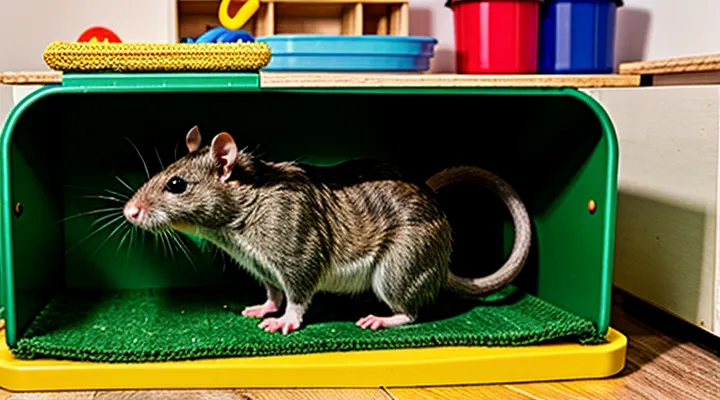
Why a Rat Playpen Is Essential
Benefits of a Playpen for Rats
«Physical Exercise»
Physical exercise is a critical component of a well‑designed rodent activity enclosure. Regular movement supports cardiovascular health, muscle tone, and cognitive stimulation for pet rats. An enclosure that encourages running, climbing, and manipulation reduces stress and promotes natural behaviors.
Effective exercise elements include:
- Running tracks: Horizontal or inclined tubes with smooth interior surfaces allow continuous locomotion without risk of injury. Length should exceed the animal’s stride to prevent repetitive motion patterns.
- Climbing structures: Rungs, ladders, and angled platforms constructed from untreated wood or safe plastics provide vertical challenges. Spacing between rungs must accommodate the rat’s paws while preventing entrapment.
- Tunneling systems: Interconnected PVC or acrylic tubes create a maze‑like environment. Junctions should be rounded to avoid sharp corners, and openings must be large enough for easy passage.
- Manipulable objects: Small wooden blocks, chewable toys, and textured balls stimulate forelimb coordination. Items should be free of toxic finishes and securely anchored to prevent rolling hazards.
Safety measures are non‑negotiable. All materials must be non‑porous, chemically inert, and free of splinters. Support brackets should be anchored to the enclosure frame, eliminating wobble. Regular inspection for wear, loose fittings, or contamination ensures the play area remains secure.
Integrating these exercise features within a confined, predator‑free space yields a balanced environment where rodents can engage in vigorous activity while remaining protected from external threats. The result is a healthier, more active pet that exhibits natural exploratory behavior.
«Mental Stimulation»
Mental stimulation keeps rats active, reduces stress, and prevents the development of stereotypic behaviors. A well‑designed enclosure should incorporate varied challenges that engage the animal’s problem‑solving abilities and natural curiosity.
- Puzzle tubes with interchangeable caps force the rodent to manipulate objects to access food.
- Ladder systems arranged at different angles encourage climbing and route planning.
- Foraging stations that hide treats under removable layers promote digging and scent tracking.
- Rotating wooden blocks with embedded tunnels create new pathways each week, forcing the rat to re‑map its environment.
- Interactive toys that emit gentle sounds when moved stimulate auditory perception while requiring tactile interaction.
Rotating these elements every few days prevents habituation and ensures continuous cognitive engagement. Materials must be non‑toxic, chew‑resistant, and easy to clean to maintain hygiene without compromising the challenge. Monitoring the rat’s interaction time provides feedback; increased exploration indicates effective mental enrichment, while avoidance suggests the need for adjustment. Implementing these strategies creates a dynamic, safe play area that supports both physical health and cognitive development.
«Safe Exploration»
Creating a space where rodents can explore without risk requires careful selection of enclosure dimensions, materials, and monitoring practices. The enclosure must be large enough to permit natural locomotion, with a minimum floor area of 30 × 30 cm per animal and a height that allows vertical movement. Transparent or semi‑transparent walls enable visual supervision while preventing accidental escapes.
Key elements for safe exploration include:
- Secure, chew‑resistant panels (e.g., polycarbonate or reinforced acrylic) that eliminate gaps larger than 2 mm.
- A solid base of non‑slip substrate, such as untreated wood shavings or paper bedding, to prevent foot injuries.
- Rounded corners and smooth edges on all internal structures to avoid puncture wounds.
- Escape‑proof doors equipped with latch mechanisms tested regularly for integrity.
- Continuous observation through a clear view panel or camera system to detect stress or injury promptly.
Enrichment items must be vetted for toxicity and durability. Provide chewable toys made from untreated hardwood, tunnels with smooth interiors, and climbing platforms anchored securely to the enclosure walls. Rotate objects weekly to stimulate curiosity while maintaining a predictable safety baseline. Regular cleaning with mild, rodent‑safe disinfectants preserves hygiene without compromising the structural integrity of the play area.
Risks of Not Having a Playpen
«Boredom and Destructive Behavior»
Boredom drives rodents to gnaw, tunnel, and chew objects not intended for destruction, compromising health and property. Recognizing the link between idle time and harmful habits is essential when constructing a secure enclosure for rats.
Typical manifestations of insufficient stimulation include persistent chewing of cage bars, excessive digging in bedding, and aggression toward cage mates. These behaviors indicate a deficit in mental and physical engagement and often precede dental wear, fur loss, and stress‑related illness.
Effective mitigation relies on integrating enrichment directly into the play area. Items should be safe, varied, and regularly refreshed:
- chew‑able wooden blocks or untreated branches
- tunnels and climbing platforms made from solid plastic or metal mesh
- foraging puzzles that conceal seeds or treats
- textured bedding that encourages digging without excessive displacement
- interactive toys such as rolling balls or hanging ropes
Rotating these elements every one to two weeks prevents habituation and sustains curiosity. Continuous observation allows prompt adjustment of the environment, ensuring that the enclosure remains both safe and mentally stimulating for its occupants.
«Safety Hazards Outside a Controlled Environment»
When a rodent enclosure is placed near a household or garden, uncontrolled surroundings introduce risks that can compromise the safety of the animals. Identifying and eliminating these external dangers is essential before the play area is installed.
Typical hazards outside a controlled space include:
- Predatory animals such as cats, dogs, birds of prey, and snakes.
- Toxic substances: cleaning agents, pesticides, antifreeze, heavy‑metal residues, and mold.
- Electrical components: exposed wiring, outlet plugs, and low‑voltage devices that rodents may chew.
- Temperature extremes: direct sunlight, drafts, and proximity to heating elements or cold vents.
- Small objects: beads, strings, rubber bands, and loose hardware that can be ingested or cause entanglement.
- Escape routes: gaps under doors, open windows, and unsecured vents that allow rodents to leave the designated area.
Mitigation measures should be applied systematically: seal all openings larger than the animal’s head diameter; install mesh barriers with a ¼‑inch opening to block predators and prevent chewing through wires; keep chemicals in locked cabinets away from the enclosure; position the playpen away from direct sunlight and drafts, using insulated panels if needed; conduct a thorough sweep for loose items before each use; and verify that the surrounding floor is smooth and free of debris that could trap paws. Regular inspections confirm that no new hazards have emerged as the environment changes.
Designing Your Rat Playpen
Choosing the Right Location
«Factors to Consider for Placement»
When positioning a rodent activity enclosure, prioritize stability, accessibility, and environmental control. Choose a surface that can support the playpen’s weight without wobbling; a sturdy table or low shelf works best. Ensure the area is easily reachable for routine cleaning and for the owner to observe the animals, but keep it out of high‑traffic zones to reduce accidental knocks.
Consider ventilation and temperature. Place the enclosure where natural airflow is sufficient, avoiding direct drafts that could chill the rodents. If the room experiences temperature fluctuations, position the playpen away from windows or heating vents to maintain a consistent ambient range of 18‑24 °C (64‑75 °F).
Lighting should be bright enough for visual inspection yet not overly harsh. Indirect sunlight or a low‑intensity lamp provides adequate illumination without overheating the enclosure. Avoid direct sun exposure, which can raise interior temperatures and create glare.
Safety from other pets and children is essential. Locate the playpen on a high, stable platform or behind a secure barrier to prevent cats, dogs, or curious toddlers from reaching in. Ensure that cords, wires, or decorative items are out of reach to eliminate choking hazards.
Maintain cleanliness by selecting a spot near a sink or waste container, facilitating prompt removal of bedding, droppings, and spilled food. A nearby power outlet can support any supplemental heating or lighting equipment, but cords should be concealed to avoid chewing.
Finally, assess noise levels. Position the enclosure away from loud appliances, televisions, or speakers that could stress the rodents. A quieter environment promotes natural exploration and reduces stress‑induced behaviors.
«Areas to Avoid»
When designing a rodent playpen, identify locations that compromise safety. Avoid placing the enclosure near sources of extreme temperature, such as direct sunlight, radiators, or drafty windows, because rodents cannot regulate body heat effectively. Keep the play area away from electrical cords and appliances; chewing can cause short circuits, fires, or toxic exposure. Do not install the pen on surfaces treated with chemicals, such as freshly painted floors, pesticide‑treated wood, or cleaning agents that may release harmful fumes. Eliminate access to small gaps behind furniture, baseboards, or cracks in walls, which allow escape or entry of predators. Refrain from using materials that shed fibers or contain toxic dyes, including certain fabrics, loose carpeting, or low‑grade plastics.
Key hazards to exclude:
- Open windows without secure screens
- Loose wires or cords within reach
- Sharp edges, broken glass, or metal fragments
- Toxic plants or decorative items containing essential oils
- Heavy objects that could collapse under a curious rat
Selecting a location free from these risks ensures the playpen fulfills its purpose as a secure, stimulating environment for small mammals.
Selecting Materials and Enclosure Types
«DIY Options»
Creating a rat playpen with a do‑it‑yourself approach allows complete control over safety, durability, and cost. Select materials that resist chewing, are easy to clean, and provide clear boundaries. Common choices include acrylic sheets, polycarbonate panels, and untreated hardwood. Ensure all edges are sanded smooth to prevent injuries, and use non‑toxic adhesives or silicone sealants for assembly.
When constructing the enclosure, follow these steps:
- Measure the intended floor area; a minimum of 2 sq ft per rat prevents overcrowding.
- Cut acrylic or polycarbonate panels to match the measured dimensions, adding a 1‑inch overlap for joints.
- Drill ventilation holes spaced no more than ¼ inch apart; cover each opening with fine stainless‑steel mesh to block escape.
- Secure panels with corner brackets and stainless‑steel screws, tightening evenly to avoid gaps.
- Apply a thin bead of pet‑safe silicone along seams, allowing 24 hours to cure before introducing the animal.
Additional enhancements improve enrichment and hygiene. Install a removable tray beneath the floor for easy waste removal, and attach climbing ropes or wooden perches using stainless‑steel hardware. For portable setups, incorporate a hinged lid with a lockable latch, ensuring a secure seal while allowing quick access for cleaning.
«Pre-Made Playpens»
Pre‑manufactured playpens provide an immediately usable enclosure for pet rodents, eliminating the need for custom assembly. They typically feature interlocking panels, secure latches, and a transparent front that allows observation without disturbance.
Key advantages include:
- Rapid deployment – panels snap together, creating a functional space within minutes.
- Structural integrity – engineered joints resist gnawing and escape attempts.
- Standardized dimensions – sizes correspond to common cage footprints, ensuring compatibility with existing accessories.
- Material safety – food‑grade plastics or untreated wood prevent toxic exposure.
When selecting a ready‑made playpen, evaluate the following criteria:
- Panel thickness – at least 0.25 in (6 mm) to withstand chewing.
- Locking mechanism – double‑locking latches reduce accidental openings.
- Ventilation – mesh sections must balance airflow with predator protection.
- Ease of cleaning – smooth interior surfaces and removable panels simplify disinfection.
- Portability – lightweight construction and optional carrying case support relocation.
Installation follows a straightforward sequence: lay out the base panel, attach side panels using the provided connectors, secure the front window, and verify latch engagement on each corner. After assembly, place bedding, hideouts, and enrichment items inside the enclosure. Regular inspection of joints and mesh integrity prevents wear‑related failures.
Maintenance routine: remove debris weekly, disinfect all surfaces with a rodent‑safe sanitizer, and replace any damaged panel promptly. Consistent upkeep preserves the enclosure’s protective function and extends its service life.
«Safe Materials to Use»
A secure enclosure for rats requires materials that resist chewing, are non‑toxic, and withstand humidity.
- Untreated hardwood such as maple or birch provides durability and does not release harmful chemicals.
- Solid acrylic or polycarbonate panels offer clear visibility, are easy to clean, and resist gnawing.
- Stainless‑steel mesh with a gauge of 1 mm or finer prevents escape while avoiding rust.
- Ceramic or glazed earthenware bowls serve as water and food containers without leaching.
- Non‑toxic, water‑based paints or sealants protect wood surfaces; verify that the product is labeled safe for pets.
Materials to exclude include pressure‑treated lumber, pine or cedar (contain natural oils toxic to rodents), PVC sheets (may contain phthalates), and any fabric with loose threads that can be ingested.
All selected components should be free of sharp edges, easy to disinfect, and compatible with the enclosure’s ventilation system.
«Materials to Avoid»
When constructing a play area for rats, select only safe, non‑toxic components. Certain substances pose acute or chronic health risks and must be excluded from any enclosure.
- Soft woods such as pine, cedar, or fir; their aromatic oils can irritate respiratory passages and damage fur.
- Pressed cardboard or corrugated paper containing glues, inks, or dyes; chemical residues may cause gastrointestinal upset.
- Plastics with a high density polyethylene (HDPE) or polyvinyl chloride (PVC) composition; these can leach phthalates, lead, or other heavy metals.
- Painted or varnished surfaces not specifically labeled as pet‑safe; solvents and pigments are hazardous if chewed.
- Foam products, including upholstery foam and memory foam; they crumble into small particles that can be ingested or create blockages.
- Metal wire with sharp edges or uncoated finishes; sharp points can puncture skin, and untreated metals may corrode, exposing rats to rust and metal ions.
- Fabrics treated with flame retardants, stain‑resistant finishes, or anti‑static chemicals; these additives are often toxic when gnawed.
- Adhesive tapes, glues, and rubber bands; ingestion can cause intestinal obstruction or poisoning.
Eliminate these materials from the construction plan. Replace them with untreated hardwood blocks, solid acrylic panels, stainless‑steel mesh, and unscented natural fibers. The resulting environment minimizes health hazards while providing a durable, engaging space for rodent activity.
Ensuring Security and Escape Prevention
«Height and Walls»
When designing a play area for rats, the vertical dimension and barrier construction determine both safety and usability. A wall that is too low allows escape, while an excessively tall barrier may restrict airflow and create stress. Aim for a height that exceeds the animal’s standing reach by at least 10 cm; most adult rats can stand 8–10 cm tall, so a 20 cm wall provides a comfortable margin.
Material selection influences durability and cleaning. Rigid plastics, acrylic sheets, or untreated hardwood resist gnawing and can be securely fastened. When using wood, sand the surface smooth and apply a non‑toxic sealant to prevent splinters. Metal mesh offers visibility but must be reinforced with a solid frame to avoid deformation under pressure.
Key construction guidelines:
- Secure attachment: Anchor each panel to the frame with stainless‑steel screws; avoid adhesives that degrade with humidity.
- Overlap joints: Overlap wall edges by at least 5 cm and seal with pet‑safe silicone to eliminate gaps.
- Ventilation slots: Incorporate openings no larger than 5 mm at the top of the wall; this maintains airflow without compromising security.
- Access points: Install a hinged door with a latch that cannot be opened by a rat’s teeth; a double‑locking mechanism adds redundancy.
Regular inspection is essential. Check for chew marks, loose fittings, or warping weekly. Replace compromised sections promptly to preserve the enclosure’s integrity. By adhering to these specifications, the vertical enclosure becomes a reliable, safe environment that encourages natural play behaviors while preventing accidental escapes.
«Covering the Top»
A solid top covering transforms a rodent play area from an open space into a controlled environment, preventing escape and protecting against external hazards.
Materials must be durable, non‑toxic, and easy to clean. Common choices include:
- Acrylic sheets, thickness ¼ inch or greater, for visibility and impact resistance.
- Polycarbonate panels, ⅜ inch thick, offering superior strength and shatter protection.
- Stainless‑steel mesh, 1 mm wire gauge, when airflow is a priority.
The selected panel should be cut to the exact dimensions of the enclosure’s opening. Secure the edges with stainless‑steel brackets and self‑drilling screws, tightening each fastener to eliminate gaps. Use a rubber gasket between the panel and the frame to cushion vibrations and seal small openings.
Ventilation remains essential; integrate a filtered vent or a removable grille at one corner of the top. The vent must allow fresh air while maintaining a barrier against predators and debris. Position the vent opposite the main access door to promote airflow across the entire area.
Regular inspection ensures continued safety. Check for cracks, loose screws, or worn gaskets weekly. Replace damaged components promptly, and clean the surface with a mild, rodent‑safe disinfectant to prevent bacterial buildup.
By following these guidelines, the top of a rat playpen becomes a reliable, hygienic barrier that supports active play while safeguarding the animals inside.
«Secure Latches and Gaps»
Secure latches prevent accidental escape and protect against predators. Choose hardware that locks with a single hand motion and resists chewing. Stainless‑steel or hardened brass hinges and locks provide durability and corrosion resistance. Install latches at the top and bottom of each access panel to eliminate one‑sided openings.
Identify all potential gaps in the enclosure frame. Measure each opening; any space larger than ¼ inch (6 mm) allows a rat to squeeze through. Seal gaps with:
- Flexible silicone caulk for irregular seams.
- Heavy‑duty acrylic mesh for ventilation slots.
- Trimmed acrylic or polycarbonate panels for larger openings.
Regularly inspect latch mechanisms for wear. Replace stripped screws or rusted components immediately. Test each latch by applying pressure equivalent to a rat’s bite force (approximately 5 N) to confirm resistance.
When constructing the playpen, maintain a continuous barrier around the perimeter. Overlap adjoining panels by at least 1 inch (2.5 cm) and secure the overlap with locking brackets. Verify that the final assembly forms a sealed enclosure before introducing the rodents.
Furnishing and Enriching the Playpen
Essential Playpen Accessories
«Hideouts and Tunnels»
Hideouts and tunnels form the core of a rat playpen’s enrichment system. Construct structures from solid‑grade wood or acrylic, ensuring all edges are sanded smooth to prevent injuries. Use non‑toxic, chew‑resistant materials such as untreated pine, bamboo, or PET plastic. Seal joints with pet‑safe silicone to eliminate gaps where small limbs could become trapped.
Design dimensions to accommodate adult rats comfortably. A minimum tunnel diameter of 3 inches (7.5 cm) allows free movement while preventing escape. Lengths of 12–18 inches (30–45 cm) create a sense of exploration without overwhelming the animal. Hideouts should provide a closed interior space of at least 4 inches (10 cm) in each direction, offering a secure retreat for rest and nesting.
Placement within the enclosure influences both safety and stimulation. Position tunnels to intersect with climbing platforms, feeding stations, and water sources, forming a network that encourages natural foraging behavior. Anchor hideouts to the base or walls to avoid wobbling, and space them at least 2 inches (5 cm) apart to facilitate cleaning.
Maintenance considerations include removable sections for regular inspection. Design modular components that detach without tools, allowing thorough washing with mild, unscented detergent. Replace worn sections promptly to maintain structural integrity and prevent health hazards.
«Climbing Structures»
Designing climbing structures for a rodent play area demands careful selection of materials, dimensions, and placement to ensure safety while encouraging natural behaviors. Solid wood blocks, untreated bamboo poles, and reinforced plastic ladders provide sturdy surfaces that resist gnawing and support weight. All components should be free of splinters, sharp edges, and toxic finishes; sanding smooth surfaces and applying pet‑safe, non‑volatile sealants eliminates hazards.
The vertical height of each element must respect the average jump distance of a domestic rat, typically 6–8 inches (15–20 cm). A tiered system of platforms spaced at 4–6 inches (10–15 cm) encourages gradual ascent and reduces the risk of falls. Secure attachment to the enclosure walls or base using stainless‑steel brackets prevents wobbling and deters escape attempts.
Key considerations for safe climbing installations include:
- Load capacity: Verify that each structure can bear at least twice the weight of the heaviest rat in the enclosure.
- Anchoring: Use rust‑proof hardware and lock nuts to maintain stability over time.
- Surface texture: Incorporate natural bark or rope coils to enhance grip without causing abrasions.
- Cleanability: Choose components that can be disassembled for routine washing and inspection.
Position climbing elements near enrichment zones—such as tunnels, chew toys, and foraging stations—to create a dynamic environment that promotes exercise and mental stimulation. Regularly inspect joints, fasteners, and surface wear; replace any compromised parts promptly to preserve a hazard‑free play space.
«Chew Toys»
Chew toys are essential items for a rat enclosure designed to encourage natural gnawing behavior and protect cage components. They satisfy the animal’s instinctive need to wear down continuously growing incisors while offering mental stimulation.
Effective chew toys meet several safety criteria:
- Made from untreated, non‑toxic wood, solid mineral blocks, or safe plastics.
- Size large enough to prevent accidental ingestion but small enough for easy handling.
- Free of sharp edges, splinters, or loose fibers that could cause injury.
- Resistant to rapid deterioration to avoid frequent replacement.
Placement of chew toys should consider accessibility and cleanliness. Distribute them at various heights and corners of the play area to promote exploration. Inspect toys daily for wear; replace any that show cracks or fragments. Rotate selections weekly to maintain interest and prevent habituation.
Integrating appropriate chew toys into a well‑structured rat playpen enhances durability, reduces destructive chewing of the enclosure, and supports overall rodent health.
«Food and Water Sources»
Providing reliable nutrition and hydration within a rodent play area is essential for health and activity. Food stations should be positioned away from high‑traffic zones to prevent accidental spills that could attract pests or create slip hazards. Use sturdy, chew‑resistant containers with secure lids; stainless steel bowls are preferable because they resist gnawing and are easy to sanitize. Place fresh, species‑appropriate pellets or seed mixes in shallow dishes to allow easy access while minimizing waste accumulation.
Water delivery must remain constant and uncontaminated. Opt for gravity‑fed bottle systems equipped with metal or reinforced plastic nipples that resist chewing. Position bottles at a height that encourages natural drinking posture and reduces spillage onto bedding. Inspect connections daily for leaks and replace bottles promptly if signs of wear appear. Maintain a schedule for cleaning all feeding and watering equipment with mild, non‑toxic detergent, followed by thorough rinsing.
Key considerations for managing food and water sources:
- Separate feeding area from play structures to limit debris on toys.
- Use chew‑proof materials for containers and bottles.
- Ensure dishes are stable on the substrate to prevent tipping.
- Rotate fresh food daily; discard uneaten portions after 24 hours.
- Monitor water level continuously; refill before depletion.
- Conduct weekly deep cleaning of all accessories to prevent bacterial growth.
Implementing these practices creates a hygienic, safe environment that supports rodents’ physiological needs while preserving the integrity of the play space.
Enrichment Ideas for Mental Stimulation
«Foraging Toys»
Foraging toys provide mental stimulation and encourage natural hunting behaviors while rats explore a confined play area. By hiding food or treats inside durable, chew‑resistant containers, the toys transform a simple enclosure into an interactive foraging zone.
Effective foraging toys share several characteristics:
- Non‑toxic materials such as untreated wood, solid plastic, or stainless steel.
- Tight seals that prevent accidental spillage but can be opened with a rat’s paws or teeth.
- Modular design allowing placement at various heights and angles.
- Easy disassembly for routine cleaning and inspection.
Installation should consider safety and accessibility. Position toys near the perimeter to motivate movement across the entire space, but keep them away from sharp edges or loose wires. Rotate toy locations weekly to maintain novelty and reduce habituation.
Maintenance involves weekly washing with mild soap, thorough drying, and inspection for cracks or wear. Replace any damaged components immediately to avoid injury. Regularly vary the hidden food items—seeds, dried insects, or small pieces of fruit—to sustain interest and promote diverse foraging techniques.
«Puzzle Feeders»
Puzzle feeders integrate mental stimulation with nutrition, turning a simple feeding routine into an interactive challenge that fits naturally inside a rodent enclosure designed for safe play. By requiring the animal to manipulate levers, roll balls, or navigate mazes to access food, these devices encourage problem‑solving skills while preventing boredom.
Key design criteria for selecting or building a puzzle feeder include:
- Material safety – food‑grade plastic, untreated wood, or stainless steel that resists gnawing and cannot release toxins.
- Size compatibility – openings large enough for a rat’s paws but small enough to avoid accidental ingestion of components.
- Adjustable difficulty – interchangeable barriers, variable compartment depth, or removable locks that allow progressive challenges as the animal’s abilities improve.
- Secure attachment – built‑in clips or brackets that anchor the feeder to the playpen frame, preventing displacement during vigorous activity.
Placement within the enclosure should consider both enrichment and hazard avoidance. Install the feeder at a moderate height to encourage climbing, but keep it away from wiring, water dishes, or loose bedding that could obstruct movement. Positioning near a corner offers a natural retreat, reducing stress while the rat works through the puzzle.
Maintenance routines are straightforward. Clean the feeder after each use with warm, mild soap and rinse thoroughly to eliminate residue. Inspect moving parts weekly for wear, replace cracked components, and rotate the device’s orientation to maintain novelty.
Incorporating puzzle feeders into a rodent play area elevates the environment from a simple safe zone to a dynamic learning space, supporting physical health, cognitive development, and sustained engagement.
«Sensory Items»
Sensory items enrich a rodent play area by stimulating the natural curiosity of rats and encouraging healthy exploration. Proper selection and placement of these elements create a varied environment that supports mental and physical development.
- Textured surfaces – sandpaper strips, natural bark, and woven hemp provide tactile contrast. Secure each piece to the enclosure frame to prevent displacement.
- Aromatic objects – dried lavender buds, cedar shavings, and fresh herbs introduce gentle scents. Rotate items weekly to avoid habituation and monitor for adverse reactions.
- Auditory enrichments – low‑volume recordings of rustling leaves or soft crickets add background noise. Use battery‑operated speakers placed outside the cage to keep wiring out of reach.
- Visual stimuli – colored plexiglass panels, mirrored tiles, and hanging ribbons create focal points. Ensure all materials are non‑toxic and free of sharp edges.
- Interactive puzzles – small PVC tubes, wooden mazes, and treat‑dispensing balls challenge problem‑solving abilities. Position puzzles at varying heights to promote climbing.
When integrating sensory items, maintain a balance between novelty and stability. Excessive changes can cause stress; introduce one new element at a time and observe the rats’ response for at least 48 hours. Regular cleaning of reusable items prevents bacterial buildup and preserves the safety of the habitat.
Maintaining Cleanliness and Hygiene
«Daily Spot Cleaning»
Daily spot cleaning keeps a rodent enclosure hygienic and reduces the risk of illness. Remove any visible waste, droppings, or spilled food before it hardens. Use a small, dedicated scoop or tweezers to collect debris without disturbing the animals’ bedding.
- Discard waste in a sealed container to prevent odor buildup.
- Wipe surfaces with a pet‑safe, unscented disinfectant; allow a brief contact time (30–60 seconds) before rinsing with clean water.
- Replace soiled bedding patches with fresh material, matching the substrate type already in use.
Cleaning should occur at the same time each day to establish a routine that the rodents can anticipate. Perform the procedure while the playpen is empty; temporarily relocate the rats to a secure holding cage with food and water. After cleaning, inspect tunnels, ladders, and toys for damage, repairing or removing compromised items immediately.
Consistent spot cleaning complements weekly deep cleaning, maintaining a safe environment for active play and minimizing the accumulation of harmful bacteria.
«Regular Deep Cleaning»
Regular deep cleaning preserves hygiene and prevents disease spread in a rodent play area. Perform the procedure at least once a month, or more often if the enclosure houses multiple animals or experiences frequent messes.
Before cleaning, remove all accessories, food dishes, and bedding. Place rodents in a secure temporary habitat with fresh water and food. Dispose of used bedding and any visibly soiled items.
Deep‑cleaning steps
- Scrub all surfaces with a mild, animal‑safe detergent. Use a brush to reach corners, bars, and latch mechanisms.
- Rinse thoroughly with warm water to eliminate residue.
- Apply a veterinary‑approved disinfectant; follow manufacturer’s contact time before wiping.
- Flush tunnels, wheels, and chew toys with running water; soak durable items in the disinfectant solution for the recommended duration.
- Allow every component to air‑dry completely. Moisture encourages bacterial growth.
Reassemble the enclosure only after all parts are dry. Replace bedding with fresh, absorbent material. Conduct a visual inspection for cracks, rust, or loose fittings before returning the rodents. Record the cleaning date and any observations to maintain a consistent schedule.
«Safe Cleaning Products»
When maintaining a rodent play area, choose cleaning agents that pose no toxicity risk to small mammals. Opt for products formulated without ammonia, bleach, phenols, or strong fragrances, as these chemicals can irritate a rat’s respiratory system and skin.
Effective options include:
- Unscented white vinegar diluted 1:1 with water – neutralizes odors and removes light grime.
- Diluted hydrogen peroxide (3 % solution, mixed 1:4 with water) – eliminates mold and bacterial growth without leaving harmful residues.
- Food‑grade enzymatic cleaners – break down organic stains while remaining safe for ingestion if contact occurs.
- Mild, unscented dish soap (e.g., a few drops per liter of warm water) – suitable for washing removable bedding and toys.
Apply the chosen solution with a soft cloth or spray bottle, ensuring the surface remains damp for 1–2 minutes before wiping clean. Rinse thoroughly with water to eliminate any lingering agent, then allow the area to air‑dry completely before reintroducing the animals.
Avoid commercial floor cleaners, scented disinfectants, and aerosol sprays, as they often contain volatile organic compounds that can accumulate in confined spaces. Store all cleaning supplies out of reach, clearly labeled, and in sealed containers to prevent accidental exposure. Regular cleaning—once weekly for general maintenance and after any spills—keeps the environment hygienic while preserving the health of the rodents.
Introducing Your Rats to the Playpen
Gradual Introduction Techniques
«First Exposure»
Introducing a new rat to a playpen requires careful preparation to prevent stress and injury. The enclosure should be thoroughly cleaned, free of sharp edges, and equipped with secure barriers that cannot be chewed through. Place the playpen on a stable surface away from loud noises and high traffic areas to create a predictable environment.
During the initial encounter, limit the session to five‑ten minutes. Allow the rodent to explore at its own pace, monitoring for signs of fear such as rapid breathing or freezing. Provide a single familiar object, like a favorite chew toy, to encourage curiosity without overwhelming the animal.
Key actions for a successful first exposure:
- Verify that all openings are no larger than the rat’s head width.
- Position a shallow water dish and a small hide box inside the enclosure.
- Keep hands out of the playpen; observe from a short distance.
- End the session promptly if the rat exhibits persistent avoidance behavior.
After the first visit, clean the playpen, replace any chewed material, and schedule subsequent short sessions, gradually extending the duration as confidence builds. Consistent, low‑stress introductions establish a safe play area that supports natural exploratory behavior.
«Supervised Sessions»
Supervised sessions constitute the core method for ensuring that a rat play area remains safe while encouraging natural exploration. Direct observation during each session allows the caretaker to intervene instantly if a rodent encounters hazardous objects, aggressive behavior, or signs of stress. The presence of an attentive human also discourages destructive chewing that could compromise enclosure integrity.
Key advantages of supervised play include:
- Immediate correction of unsafe actions, preventing injuries before they occur.
- Real‑time assessment of environmental enrichment, confirming that toys and tunnels meet the animals’ needs.
- Opportunity to record behavioral patterns, facilitating adjustments to the playpen layout.
- Strengthening the bond between caretaker and rodents, which reduces anxiety and promotes healthier activity levels.
Implementing effective supervised sessions follows a straightforward routine:
- Prepare the playpen by removing loose cords, exposed wires, and any small parts that could be swallowed.
- Place a secure, non‑slip mat on the floor to prevent slipping and to protect paws.
- Introduce a limited set of toys, rotating them every few days to maintain novelty without overwhelming the rats.
- Position yourself at a safe distance, maintaining clear sightlines across the entire enclosure.
- Observe for at least 15 minutes, noting any signs of aggression, excessive grooming, or attempts to escape.
- Intervene promptly if a rat attempts to gnaw on the enclosure walls or exhibits signs of distress; replace the offending item with a safer alternative.
- Document observations in a log, highlighting successful interactions and any required modifications.
Consistent supervision not only safeguards the rodents but also provides the data needed to refine the play environment continually. By adhering to this protocol, caretakers create a controlled yet stimulating space where rats can engage in healthy play without undue risk.
Maximizing Playpen Time
«Scheduling Playtime»
Establish a consistent playtime routine to keep rats active, reduce stress, and maintain the integrity of the enclosure. Regular intervals prevent overcrowding of toys and allow the caretaker to monitor behavior and enclosure condition.
- Choose a daily schedule that aligns with the rats’ natural activity peaks, typically early evening and late afternoon.
- Allocate 15–30 minutes per session, adjusting duration based on the animals’ energy levels and the size of the play area.
- Rotate the timing by no more than 30 minutes each week to avoid habituation while preserving predictability.
- Record each session in a log, noting start and end times, observed interactions, and any signs of fatigue or aggression.
Use a timer or automated lighting system to signal the start and end of each play period. Consistent cues reinforce the routine and simplify supervision. Periodic review of the log enables adjustments to session length or frequency, ensuring the playpen remains a safe, stimulating environment for the rodents.
«Interacting with Your Rats»
A well‑designed playpen provides a controlled environment where direct interaction with pet rats can occur safely and effectively. The enclosed space limits escape risk while offering enough room for exploration, allowing owners to engage with their rodents without compromising security.
Interaction supports cognitive development and strengthens the human‑rat bond. Regular contact reduces anxiety, encourages natural foraging behavior, and promotes physical health by motivating movement.
Practical ways to interact within the playpen include:
- Hand‑taming sessions lasting 5–10 minutes, performed twice daily.
- Offering puzzle feeders that require manipulation to release treats.
- Introducing tunnels, climbing ladders, and chewable toys for self‑directed play.
- Gentle vocal encouragement to reinforce positive responses.
- Structured “search” games where small food items are hidden for the rat to locate.
Safety measures are essential. Supervise all activities to prevent injury, keep the enclosure free of sharp edges, and clean surfaces regularly to avoid disease transmission. Avoid sudden movements or loud noises that could startle the animals.
Consistent, low‑stress interaction inside a secure play area cultivates confidence, enhances wellbeing, and maximizes the benefits of a dedicated rodent play space.
Troubleshooting Common Playpen Issues
«Chewing on the Playpen Itself»
Rats instinctively gnaw to keep teeth at a functional length, and a playpen becomes a natural target. When the enclosure is constructed from soft or untreated wood, plastic, or thin wire, the animal can quickly create holes, compromising containment and exposing the pet to injury or escape.
Key considerations to prevent destructive chewing:
- Choose materials rated for small‑animal use: stainless‑steel mesh (¼‑inch openings), powder‑coated metal bars, or high‑density polyethylene panels.
- Apply a non‑toxic, chew‑resistant coating to wooden components; avoid untreated lumber that releases splinters.
- Incorporate chew toys, wooden blocks, and mineral chews inside the pen to satisfy the gnawing drive.
- Inspect joints and corners weekly; reinforce any signs of wear with pet‑safe epoxy or additional mesh.
- Limit the pen’s exposure to direct sunlight; UV degradation can soften plastics, making them easier to bite.
Monitoring chewing behavior provides early warning of material fatigue. Replace worn sections promptly and rotate enrichment items to maintain interest. By selecting durable substrates and providing adequate gnawing outlets, the enclosure remains secure while accommodating the rat’s natural chewing habit.
«Reluctance to Play»
Rats often exhibit hesitation when introduced to a new enclosure, even if the structure meets safety standards. This reluctance can stem from unfamiliar scents, inadequate hiding spots, or perceived exposure to predators. Recognizing the behavior early prevents stress and encourages natural exploration.
Typical indicators of play avoidance include:
- Frequent retreat to corners or tunnels
- Minimal interaction with toys or climbing elements
- Elevated vocalizations or aggressive grooming
- Preference for staying close to the cage door
Three primary factors influence the lack of engagement:
- Environmental stressors – bright lights, loud noises, or drafts create a sense of danger that discourages activity.
- Insufficient shelter – without secure burrows or opaque covers, rats feel vulnerable and limit movement.
- Improper social setup – solitary housing or mismatched companions can reduce confidence in a shared play area.
To mitigate reluctance, follow these steps:
- Place familiar bedding and shredded paper in multiple concealed zones before adding enrichment items.
- Introduce one toy at a time, allowing the rat to investigate without pressure.
- Maintain a consistent light cycle and keep the play zone away from high‑traffic areas.
- Observe interactions for a minimum of 24 hours; adjust the layout if the animal continues to avoid specific sections.
Monitoring progress and making incremental modifications ensures the enclosure transitions from a source of anxiety to a stimulating environment where rodents willingly engage in play.
«Potty Training in the Playpen»
Establish a designated elimination zone within the enclosure. Place a shallow, absorbent tray or a piece of newspaper at one corner, away from food and bedding. Rats quickly associate a consistent location with toileting when it is clearly separate from other activities.
Introduce the zone gradually. Allow the animal to explore the area for several minutes each day, rewarding any attempt to use the surface with a brief treat. Reinforcement should be immediate and limited to avoid overfeeding.
Maintain cleanliness. Remove waste from the tray at least twice daily, replace the absorbent material weekly, and clean the tray with mild, unscented soap. A sanitary environment reduces the likelihood of accidents elsewhere in the playpen.
Monitor patterns. Record the times when the rat typically eliminates, then schedule short supervised sessions in the designated zone during those periods. Consistency reinforces the behavior.
Adjust environmental cues if needed. Adding a small piece of untreated wood or a textured mat beneath the tray can provide a tactile signal that differentiates the potty area from the rest of the space.
Typical protocol:
- Set up the elimination zone with appropriate substrate.
- Observe and note the rat’s natural toileting times.
- Conduct brief, focused sessions in the zone during those times, offering a treat for correct use.
- Clean the zone regularly to maintain hygiene.
- Gradually extend the duration of unsupervised time as the rat demonstrates reliable use.
Successful training results in a cleaner enclosure, reduced odor, and a healthier habitat for rodent play.