
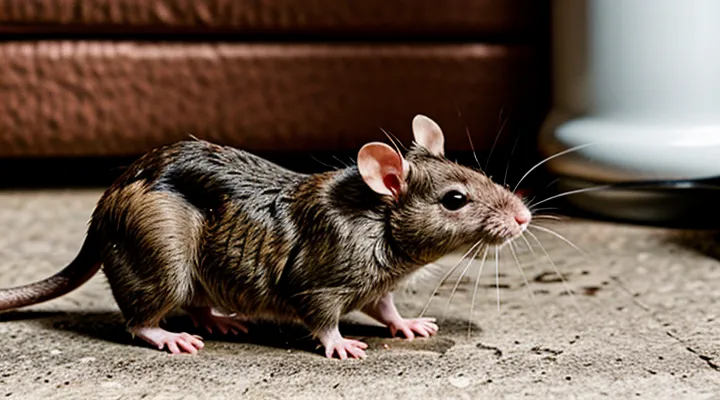
Immediate Actions: What to Do First
Assessing the Situation
Checking for Responsiveness
When a rat appears motionless and its breathing is labored, the first priority is to determine whether it is conscious. Rapid assessment guides subsequent rescue measures and prevents waste of time on an unresponsive animal.
Observe the rat’s eyes, ears, and whiskers for any sign of movement. A flicker of the eyelids, a twitch of the ears, or a subtle shift in whisker position indicates some level of awareness. If none of these are present, proceed to tactile stimulation.
Apply a gentle but firm pinch to the base of the tail or lightly press the hind limbs. A responsive rat will exhibit a reflexive jerk, vocalization, or an attempt to escape the pressure. Absence of any reaction suggests a deeper neurological compromise.
Listen for audible breaths. Count the rhythm for ten seconds; a regular, audible pattern confirms respiratory function even if the animal remains still. Irregular or silent breathing requires immediate airway support.
Document the findings—responsive, partially responsive, or unresponsive—before moving to advanced interventions such as oxygen supplementation or cardiopulmonary massage. This systematic check ensures that emergency care proceeds on a factual basis rather than speculation.
Observing Breathing Patterns
When a rat lies still while its chest rises rapidly, precise observation of the breathing pattern becomes the first diagnostic tool. The observer should focus on the rhythm, depth, and symmetry of thoracic movements. Irregular intervals, shallow breaths, or one‑sided expansion indicate respiratory distress or neurological impairment.
Key visual cues include:
- Rate: Count breaths over 15 seconds and multiply by four. A healthy adult rat breathes 70–150 breaths per minute; rates above this range suggest acute stress.
- Depth: Notice whether the abdomen and rib cage inflate fully. Shallow, rapid breaths often precede respiratory failure.
- Symmetry: Compare left and right thoracic walls. Unequal expansion may point to obstruction or lung collapse.
- Audible sounds: Listen for wheezing, crackles, or gurgling. These noises signal airway blockage or fluid accumulation.
- Color of mucous membranes: Observe the gingiva or inner ear. Pale or bluish tones accompany inadequate oxygenation.
Documenting these parameters allows rapid assessment of the rat’s condition and guides immediate interventions such as clearing the airway, providing supplemental oxygen, or initiating gentle ventilation. Continuous monitoring throughout rescue efforts ensures that any deterioration is detected promptly, enabling timely escalation of care.
Identifying Other Symptoms
When a rat shows no movement and labored breathing, additional clinical signs often indicate the severity and possible cause of the emergency. Recognizing these signs promptly guides immediate intervention and informs veterinary consultation.
- Pale or bluish gums, indicating inadequate oxygenation
- Cool extremities or a rapid drop in body temperature, suggesting shock
- Unusual posture such as arching of the back, trembling, or rigid limbs
- Seizure activity or uncontrolled twitching
- Excessive drooling or foamy saliva, a sign of respiratory distress
- Abnormal heart rate: either markedly rapid or faint pulse detectable at the femoral artery
- Discharge from eyes, nose, or ears, which may accompany infection or toxin exposure
- Lack of response to gentle tactile stimulation, confirming deep unconsciousness
Documenting each observation, including onset time and progression, provides essential data for emergency treatment decisions. Immediate actions—such as maintaining body heat, providing gentle ventilation, and contacting a qualified veterinarian—should follow the detection of any of these symptoms.
Creating a Safe and Calm Environment
Minimizing Stressors
When a rat becomes immobile and exhibits labored breathing, any additional stress can accelerate physiological decline. Immediate reduction of external stressors creates a more favorable environment for emergency intervention.
Typical stressors include loud noises, abrupt movements, extreme temperatures, bright lighting, overcrowded cages, and strong odors from cleaning agents or food. Each factor triggers sympathetic activation, raising heart rate and respiratory effort, which impairs oxygen delivery.
Effective measures:
- Transfer the animal to a quiet, low‑light area away from other rodents.
- Maintain ambient temperature between 20 °C and 24 °C; avoid drafts and overheating.
- Use soft, gloved hands for handling; support the body without restraint.
- Limit exposure to scented chemicals; clean surfaces with unscented, non‑toxic agents.
- Provide fresh, humidified air to ease breathing effort.
Implementing these actions lowers cortisol release, stabilizes respiration, and increases the probability of successful resuscitation. Continuous monitoring of heart rate and oxygen saturation remains essential throughout the emergency response.
Ensuring Proper Ventilation
A rat that is immobile and showing signs of labored breathing requires immediate attention to airway patency and gas exchange. Inadequate ventilation rapidly leads to hypoxia, cardiac arrest, and irreversible tissue damage.
Effective ventilation restores oxygen levels, removes carbon dioxide, and stabilizes circulatory function. The animal’s small size and high metabolic rate demand precise control of tidal volume and respiratory rate.
- Verify that the airway is clear; remove obstructions, excess secretions, or foreign material using gentle suction.
- Position the rat in a semi‑upright stance (approximately 30‑45°) to facilitate diaphragmatic movement and prevent aspiration.
- Apply a small‑volume, low‑pressure ventilator or manually deliver breaths with a calibrated syringe; deliver 0.2–0.3 mL per breath at 80–120 breaths per minute.
- Monitor chest rise and auscultate for breath sounds; adjust volume if chest expansion is insufficient or excessive.
- Measure end‑tidal CO₂ or arterial blood gases when possible; aim for PaCO₂ < 45 mm Hg and SpO₂ > 90 %.
- Maintain ambient temperature between 28 °C and 30 °C to prevent hypothermia, which can impair respiratory drive.
Continuous observation of respiratory pattern, heart rate, and reflexes determines whether ventilation adjustments are required. If the rat fails to respond to manual support within a few minutes, consider advanced interventions such as intubation or mechanical ventilation with a small‑animal respirator. Prompt correction of ventilation deficits is the cornerstone of emergency care for a rat in severe respiratory distress.
Maintaining Optimal Temperature
When a rat becomes immobile and shows labored breathing, body‑temperature disruption often accelerates deterioration. Rapid identification of thermal imbalance and immediate correction are essential components of emergency care.
Rats maintain homeostasis within a narrow ambient range. Temperatures below 18 °C (64 °F) slow metabolism, depress heart rate, and can cause hypothermia. Temperatures above 27 °C (81 °F) increase metabolic demand, risk hyperthermia, and worsen respiratory distress. The target environment for an adult laboratory rat is 20–24 °C (68–75 °F) with relative humidity of 40–60 %.
Assessing the current thermal condition
- Feel the animal’s ear or hind foot; cool surfaces indicate hypothermia, warm surfaces suggest hyperthermia.
- Use a digital rectal thermometer designed for small mammals; insert gently 1 cm and record the reading.
- Compare the measured value with the optimal range of 36.5–38 °C (97.7–100.4 °F) for core temperature.
Correcting temperature deviations
- For hypothermia: place the rat on a pre‑warmed heating pad set to low, cover with a lightweight blanket, and monitor core temperature every 5 minutes until it reaches 36.5 °C.
- For hyperthermia: move the rat to a cool, well‑ventilated area, apply a cool (not cold) damp cloth to the torso, and use a fan on low speed. Do not submerge the animal in water.
- Maintain a stable ambient temperature by adjusting room thermostats or using portable incubators calibrated to the target range.
Ongoing monitoring
- Re‑measure core temperature at 10‑minute intervals during intervention.
- Observe respiratory rate; normalization often follows temperature correction.
- If temperature fails to stabilize within 30 minutes or the rat’s condition worsens, seek veterinary assistance without delay.
Potential Causes and Underlying Issues
Respiratory Problems
Upper Respiratory Infections (URIs)
Rats that become immobile and exhibit labored breathing often suffer from acute upper respiratory infections. These infections involve the nasal passages, sinuses, larynx, and trachea, and can quickly compromise oxygen intake.
Typical clinical signs include:
- Sudden cessation of movement or reluctance to explore
- Rapid, shallow breaths with audible wheezing
- Nasal discharge, sometimes crusted or blood‑tinged
- Reduced appetite and weight loss
- Elevated body temperature
Pathogens most frequently implicated are Mycoplasma pulmonis, Streptococcus pneumoniae, and various viral agents. The infection triggers inflammation of the mucosal lining, leading to airway obstruction and increased respiratory effort.
Immediate intervention should follow these steps:
- Transfer the animal to a quiet, low‑stress environment.
- Provide supplemental oxygen via a small‑volume chamber or mask.
- Administer a broad‑spectrum antibiotic (e.g., enrofloxacin) after confirming bacterial involvement.
- If a viral component is suspected, consider supportive care and antiviral agents where appropriate.
- Monitor temperature, respiratory rate, and hydration status at least every hour for the first six hours.
Prognosis improves markedly when treatment begins within the first 12 hours of symptom onset. Delayed care often results in irreversible damage to the respiratory epithelium and may lead to fatal respiratory failure. Regular health screening and proper ventilation in housing reduce the incidence of upper respiratory infections and help prevent emergency situations.
Lower Respiratory Diseases
When a rat is immobile and shows labored breathing, lower respiratory disease is a primary concern. The condition includes bronchitis, pneumonia, and pulmonary edema, all of which impair airflow in the bronchi and alveoli. Infected or inflamed tissue reduces oxygen exchange, leading to rapid fatigue and collapse.
Typical signs accompany lower respiratory involvement: audible wheezing, nasal discharge, coughing, and a noticeable increase in respiratory effort. The rat may adopt a hunched posture, hold its head low, and display cyanotic gums. Temperature may drop below normal, indicating systemic shock.
Immediate actions should focus on stabilizing respiration and preventing further deterioration:
- Place the rat in a warm, quiet environment to reduce stress.
- Administer supplemental oxygen using a small animal mask or a sealed chamber with a controlled flow.
- Keep the airway clear; gently clear nasal passages with a soft, damp cotton swab if blockage is visible.
- Monitor heart rate and temperature; initiate fluid therapy with a sterile isotonic solution if hypothermia or shock is evident.
- Contact a veterinary professional without delay; provide details of symptoms, recent exposures, and any treatments already applied.
Definitive care requires veterinary assessment. Diagnostic steps include thoracic radiographs, bronchoalveolar lavage, and microbial cultures to identify bacterial, viral, or fungal agents. Targeted antimicrobial or antifungal therapy, anti‑inflammatory medication, and supportive care such as nebulization may be prescribed based on findings. Early intervention dramatically improves survival odds for rats suffering from lower respiratory disease.
Allergic Reactions
When a rodent becomes immobile and shows labored breathing, an allergic reaction can be a critical cause that demands immediate attention. Recognizing the signs of anaphylaxis in a rat is essential for rapid intervention.
Typical manifestations include sudden swelling of the face, ears, or limbs; hives or reddened skin; excessive drooling; and rapid, shallow respiration. In severe cases, the animal may lose consciousness or exhibit cyanosis of the mucous membranes. These symptoms often follow exposure to a new food, bedding material, cleaning agent, or insect bite.
First‑aid measures must be executed without delay:
- Call a veterinarian or an emergency animal clinic while preparing an epinephrine injector appropriate for small mammals.
- Administer a subcutaneous dose of epinephrine (0.01 mg/kg) if the product is available and you are trained to use it.
- Provide supplemental oxygen through a small mask or a pet oxygen cage to alleviate hypoxia.
- Keep the rat warm and positioned on its side to maintain airway patency.
- Monitor heart rate and respiratory pattern every minute; be ready to perform cardiopulmonary resuscitation if cardiac arrest occurs.
If epinephrine is unavailable, antihistamines (e.g., diphenhydramine 1 mg/kg intramuscularly) can be given as a temporary measure, but they do not replace epinephrine in life‑threatening reactions. Intravenous fluids (20 ml/kg lactated Ringer’s solution) help maintain circulatory volume and support blood pressure.
After stabilizing the animal, transport it to a veterinary professional for comprehensive evaluation. Diagnostic tests may include serum tryptase levels, allergen skin testing, and imaging to rule out concurrent respiratory obstruction. Long‑term management involves identifying and eliminating the allergen, establishing a hypoallergenic environment, and maintaining an emergency medication kit.
Understanding the rapid progression of allergic responses and implementing decisive emergency actions can prevent irreversible damage and increase the likelihood of survival for a rat experiencing severe respiratory distress.
Cardiovascular Concerns
Heart Conditions
A rat that is motionless and breathing with difficulty often signals a cardiac emergency. Rapid identification of heart‑related causes can prevent irreversible damage.
Common cardiac disorders in rodents include myocardial infarction, dilated cardiomyopathy, arrhythmias, and congestive heart failure. Each condition may produce sudden collapse, weak or absent pulse, cyanotic mucous membranes, and abnormal heart sounds.
When cardiac distress is suspected, immediate measures are required:
- Verify the presence of a palpable femoral pulse; absence indicates severe compromise.
- Position the animal on a warm, flat surface to prevent hypothermia.
- Provide supplemental oxygen via a small mask or chamber to alleviate hypoxia.
- Keep the airway clear; gently open the nostrils and monitor for mucus obstruction.
- Contact a veterinary professional without delay and arrange rapid transport.
Prompt assessment and stabilization increase the likelihood of survival until professional care is obtained.
Circulatory Issues
A rat that is immobile and exhibiting labored breathing may be experiencing circulatory failure. When blood flow is compromised, oxygen delivery to tissues drops sharply, leading to rapid fatigue, loss of motor control, and respiratory distress. Immediate assessment of the cardiovascular system is essential to prevent irreversible damage.
Key indicators of circulatory problems include:
- Pale or grayish mucous membranes
- Weak or absent peripheral pulse (e.g., at the tail base)
- Cool extremities
- Sudden collapse or inability to right itself
Emergency actions:
- Warm the animal gently to promote vasodilation and improve blood flow.
- Apply light pressure to the chest, mimicking cardiac massage, for 10–15 seconds while monitoring response.
- Administer a small volume of sterile saline (0.5 ml) subcutaneously to support blood volume, if a trained professional is available.
- Transfer the rat to a veterinary clinic without delay; provide detailed observations of symptoms and any interventions performed.
Prompt recognition and intervention can restore circulation, alleviate respiratory strain, and increase the likelihood of survival.
Neurological Distress
Strokes
Strokes occur when blood flow to the brain is interrupted or a vessel ruptures, causing rapid loss of neurological function. In rodents, a stroke can manifest as sudden paralysis, loss of coordination, or an inability to move, often accompanied by irregular breathing patterns.
Key indicators of a cerebral vascular event in a rat include:
- Immediate cessation of purposeful movement
- Asymmetrical limb weakness or drooping
- Uncontrolled head tilt or circling
- Labored, shallow breathing or apnea
- Unresponsiveness to tactile stimuli
Prompt intervention is critical. Immediate steps:
- Place the animal in a quiet, temperature‑controlled environment to reduce stress.
- Ensure airway patency; if breathing is compromised, provide gentle ventilation with a small‑volume syringe.
- Contact a veterinary professional experienced in small‑animal neurology without delay.
- If instructed, administer an approved thrombolytic agent within the therapeutic window (typically under 4 hours from onset) to restore perfusion.
- Record the time of symptom onset, observed signs, and any administered treatments for accurate diagnosis and follow‑up care.
Long‑term management may involve neuroprotective medications, physiotherapy to restore motor function, and regular monitoring of cardiovascular health to prevent recurrence. Early detection and rapid response significantly improve survival and functional recovery in rodent stroke emergencies.
Seizures
A seizure in a rodent can present as sudden loss of muscular control, rigid posture, and irregular breathing patterns that may be mistaken for a lack of movement and heavy respiration. Twitching of the limbs, facial muscle clonus, and a brief period of unconsciousness often accompany the event. Respiratory effort may become shallow or irregular, and the animal may remain motionless for several seconds to minutes after the convulsion ends.
When a rat exhibits these signs, immediate action is required. Remove potential hazards, place the animal on a soft, non‑slippery surface, and keep the environment quiet to reduce stimulation. Do not attempt to restrain the head or open the mouth; instead, monitor for the duration of the convulsive activity and note any changes in breathing. If the episode lasts longer than two minutes, or if breathing does not normalize within a short recovery period, contact a veterinarian without delay.
- Observe and time the seizure episode.
- Ensure a safe, calm environment.
- Keep the rat’s body temperature stable.
- Do not administer food, water, or medication until professional advice is received.
- Seek veterinary care promptly for diagnosis and treatment planning.
Prompt veterinary assessment can identify underlying causes such as metabolic imbalance, toxin exposure, or neurological disease, and enable targeted therapy to prevent recurrence and improve survival prospects.
Brain Trauma
A rat that is immobile and showing labored breathing may be suffering from acute brain trauma. Brain injury in rodents can result from blunt force, fall, or bite, and quickly compromises neurological function, respiratory control, and cardiovascular stability.
Signs indicating cerebral damage include:
- Loss of righting reflex or inability to right itself
- Unresponsiveness to tactile or auditory stimuli
- Abnormal pupil size or asymmetry
- Rapid, shallow respiration or apnea
- Muscle rigidity or flaccidity in limbs
Immediate priorities focus on preserving life while minimizing secondary brain injury:
- Stabilize airway – Position the animal to keep the airway open; if necessary, gently clear nasal passages and provide supplemental oxygen via a small mask.
- Control breathing – Monitor respiratory rate; if apnea occurs, initiate gentle ventilation with a calibrated syringe or small animal ventilator.
- Maintain circulation – Apply light pressure to a peripheral vein (e.g., tail) to assess pulse; if hypotension is evident, administer isotonic saline (10 ml/kg) subcutaneously.
- Prevent hypothermia – Place the rat on a warm surface (37 °C) and cover with a lightweight blanket.
- Assess neurological status – Perform a rapid reflex test (blink, paw pinch) and record findings for later veterinary evaluation.
- Transport to a veterinarian – Package the animal in a breathable container with a heating pad; ensure rapid delivery to an emergency clinic equipped for small‑animal neurosurgery.
Long‑term considerations after stabilization include imaging (CT or MRI) to locate intracranial bleeding, surgical decompression if hematoma is present, and administration of neuroprotective agents such as mannitol or hypertonic saline. Prognosis depends on injury severity, time to intervention, and the animal’s baseline health. Prompt, systematic emergency care markedly improves survival chances and reduces permanent neurological deficits.
Other Medical Conditions
Pain and Discomfort
A rat that is immobile and breathing heavily is likely experiencing significant pain and discomfort. Indicators include a rigid posture, clenched jaws, vocalizations, rapid shallow breaths, and a reluctance to move even when gently handled. These signs suggest tissue injury, respiratory distress, or internal inflammation that requires immediate attention.
Pain in rodents triggers a cascade of physiological responses: increased heart rate, elevated blood pressure, and the release of stress hormones. The respiratory effort intensifies as the animal attempts to compensate for reduced oxygen intake, which can further aggravate tissue damage. Recognizing these mechanisms helps differentiate between mild stress and a life‑threatening condition.
Emergency actions
- Place the rat in a quiet, warm area to reduce stress.
- Gently support the body without forcing movement; avoid handling the abdomen.
- Apply a low‑dose analgesic approved for rodents, following veterinary dosage guidelines.
- Administer supplemental oxygen if available, using a small mask or chamber.
- Contact a veterinarian immediately; provide details of observed signs and any interventions already performed.
Poisoning
When a rat shows severe lethargy and labored breathing, toxic exposure is a common emergency cause. Rapid identification of poison type and immediate intervention can prevent irreversible damage.
Typical rodent poisons include anticoagulants, neurotoxins, metal salts, and organophosphates. Each class produces distinct clinical signs:
- Anticoagulants: internal bleeding, pale mucous membranes, weak pulse.
- Neurotoxins (e.g., bromethalin): tremors, seizures, inability to coordinate movement.
- Metal salts (zinc, copper): vomiting, diarrhea, abdominal pain.
- Organophosphates: excessive salivation, pinpoint pupils, muscle fasciculations.
First‑aid actions must be performed without delay:
- Isolate the animal from other pets to avoid secondary exposure.
- Record the time of symptom onset and any observed substances or bait.
- Contact a veterinarian or an animal poison control center immediately; provide details of suspected toxin.
- If the toxin is known and an appropriate antidote exists (e.g., vitamin K1 for anticoagulants, atropine for organophosphates), administer only under professional guidance.
- Maintain the rat’s airway: keep the head elevated, clear any obstruction, and monitor breathing frequency.
- Prevent hypothermia by placing the animal on a warm surface, but avoid overheating.
- Transport the rat in a secure, ventilated container to the veterinary clinic as quickly as possible.
Diagnostic confirmation usually involves blood work to assess clotting time, acetylcholinesterase activity, and electrolyte balance. Imaging may be required to detect internal hemorrhage or organ damage. Treatment protocols combine antidotes, supportive fluid therapy, and oxygen supplementation.
Prompt, accurate response to suspected poisoning dramatically improves survival odds for a rat experiencing immobility and respiratory distress.
Tumor Growth
A rat that is immobile and showing labored breathing may be experiencing rapid tumor expansion. Tumor growth in rodents can compress thoracic structures, obstruct airways, and impair neurological function, leading to the observed clinical signs. The progression often accelerates within hours, demanding immediate assessment.
Critical steps for emergency intervention include:
- Stabilize the airway with supplemental oxygen or a small‑volume mask.
- Perform a quick physical examination to locate palpable masses and assess neurologic reflexes.
- Initiate analgesia and anti‑inflammatory medication to reduce discomfort and edema.
- Arrange for urgent imaging (e.g., ultrasound or micro‑CT) to determine tumor size and location.
- Contact a veterinary specialist for surgical or palliative options; time-sensitive decisions improve survival prospects.
Monitoring should continue every 15 minutes, recording respiratory rate, heart rhythm, and responsiveness. Rapid escalation to intensive care protocols is warranted if the rat’s condition deteriorates.
Organ Failure
When a laboratory rat becomes immobile and exhibits labored breathing, rapid assessment for organ failure is critical. Failure of the cardiovascular, respiratory, hepatic, or renal systems can produce the observed signs and quickly progress to irreversible damage if untreated.
Key physiological indicators of organ failure include:
- Sudden drop in arterial blood pressure or heart rate irregularities.
- Persistent hypoxia despite supplemental oxygen, reflected by cyanosis or decreased blood oxygen saturation.
- Elevated serum enzymes (ALT, AST) suggesting hepatic injury.
- Accumulation of blood urea nitrogen and creatinine indicating renal compromise.
- Metabolic acidosis manifested by low blood pH and high lactate levels.
Immediate interventions should focus on stabilizing vital functions:
- Administer intravenous crystalloid fluids to restore circulatory volume and improve perfusion.
- Provide supplemental oxygen via a mask or chamber; consider mechanical ventilation if spontaneous breathing remains insufficient.
- Initiate drug therapy targeted at the affected organ—vasopressors for circulatory collapse, hepatoprotective agents for liver injury, diuretics or dialysis for renal failure.
- Monitor core temperature, glucose, and electrolyte balance continuously; correct abnormalities promptly.
- Document all observations and treatments for post‑mortem analysis if the animal does not survive.
Prompt, systematic treatment based on these parameters maximizes the chance of recovery and minimizes the risk of secondary complications.
Emergency Care at Home
Supportive Care Measures
Hydration Techniques
When a rat becomes immobile and exhibits labored breathing, rapid restoration of fluid balance can prevent shock and improve survival chances. Dehydration often develops silently; early intervention focuses on delivering isotonic fluids directly to the circulatory system or gastrointestinal tract.
Effective hydration methods
-
Oral administration
- Offer small volumes (0.5 mL) of warmed, sterile 0.9 % saline or electrolyte solution using a pipette.
- Allow the rat to drink voluntarily; repeat every 15 minutes until the tongue returns to normal moisture.
-
Syringe feeding
- Use a 1 mL tuberculin syringe without a needle.
- Gently insert the tip into the side of the mouth, avoiding the palate.
- Deliver 0.1–0.2 mL of sterile isotonic solution per minute.
-
Subcutaneous injection
-
Intraperitoneal infusion (advanced)
- Reserve for severe cases where other routes fail.
- Use a 27‑gauge needle, inject 0.2–0.4 mL per 100 g body weight of warmed isotonic fluid.
- Monitor for abdominal distention; discontinue if signs of discomfort arise.
Dosage considerations
- Calculate fluid volume based on the rat’s weight (average adult weight ≈ 250 g).
- Aim for a total replacement of 5–10 mL/kg over the first two hours.
- Adjust volume according to skin turgor, mucous membrane moisture, and urinary output.
Monitoring
- Check respiration rate every 5 minutes; a reduction toward normal (70–120 breaths/min) indicates improvement.
- Assess capillary refill time; restoration to ≤ 2 seconds suggests adequate perfusion.
- Observe for signs of overhydration: puffiness, rapid weight gain, or respiratory distress.
Prompt, precise fluid delivery combined with continuous observation constitutes the core of emergency care for a rat experiencing immobility and heavy breathing.
Nutritional Support
When a rat is immobile and breathing with difficulty, the emergency response must include rapid assessment of energy reserves and immediate provision of nutrients to prevent hypoglycemia and support metabolic demands.
First, evaluate the animal’s body condition. Look for loss of subcutaneous fat, muscle wasting, and dehydration. Record weight and compare it with baseline data if available. This information guides the volume and concentration of nutritional support required.
Fluid therapy should address both hydration and caloric needs. Administer an isotonic solution (e.g., lactated Ringer’s) supplemented with 5 % dextrose. Deliver 10 ml/kg subcutaneously or intravenously, adjusting the rate according to cardiovascular status and respiratory effort.
Enteral feeding is preferred when the gastrointestinal tract remains functional. Options include:
- Oral gavage with a commercially prepared rodent formula (approximately 150 kcal/100 ml). Deliver 1 ml per 10 g body weight every 4 hours.
- Nasogastric tube placement for continuous infusion of a balanced liquid diet (e.g., 1.5 kcal/ml). Set the pump to 0.5 ml/hour, increasing gradually as tolerance improves.
- Soft, high‑calorie food paste (e.g., fortified rodent mash) offered in small, frequent portions if the rat can swallow voluntarily.
If the stomach is compromised, parenteral nutrition may be necessary. Use a sterile, balanced amino‑acid and lipid emulsion solution (e.g., 20 % glucose, 10 % amino acids, 10 % lipids) administered via a central line at 2 ml/kg/hour, monitoring blood glucose every 30 minutes.
Continuous monitoring is essential. Check blood glucose, electrolytes, and urine output at least every 4 hours. Observe for signs of aspiration, abdominal distension, or intolerance such as vomiting. Adjust nutrient composition and delivery rate based on these parameters until the rat stabilizes and regains normal activity.
Providing Warmth
When a small rodent becomes immobile and exhibits labored breathing, rapid intervention is required to prevent hypothermia and further physiological decline. Maintaining body temperature supports circulatory function, improves oxygen delivery, and stabilizes metabolic processes.
Effective methods to supply warmth include:
- External heat sources: Place a low‑intensity heating pad beneath a thin towel, ensuring the surface temperature does not exceed 30 °C to avoid burns.
- Warm water bottles: Fill a sealed plastic bottle with warm (not hot) water, wrap it in a cloth, and position it near the animal’s torso, keeping a small air gap for gentle heat transfer.
- Incubator or brooder: If available, set the device to a constant temperature of 28–30 °C and monitor continuously with a thermometer.
During heating, observe the rodent’s skin and fur for signs of overheating, such as reddening or rapid respiration. Adjust the heat source promptly if temperature rises above the safe range. Combine warmth with minimal handling to reduce stress while continuing other emergency measures.
First Aid for Specific Symptoms
Clearing Airways
When a rat is motionless and shows signs of labored breathing, the first priority is to secure an open airway. Obstruction may result from mucus, blood, foreign material, or a collapsed trachea, and rapid intervention can prevent fatal hypoxia.
Begin by gently positioning the animal on its back with the head slightly elevated. Examine the oral cavity with a bright light and a fine pair of tweezers. Remove any visible debris, blood clots, or mucus using a soft, sterile swab. If secretions are thick, apply a few drops of sterile saline to loosen them before suction.
- Hold the rat’s jaw gently with one hand, avoiding excessive pressure on the skull.
- Insert a small, flexible catheter (e.g., a 24‑gauge feeding tube) into the mouth, directing it toward the larynx.
- Attach a manual suction device to the catheter and apply brief, controlled suction to extract hidden material.
- If the airway remains blocked, perform a careful, single blind finger sweep, using the tip of a gloved finger to dislodge compacted matter.
- After clearing, rinse the throat with a sterile saline flush to ensure residual particles are removed.
Once the airway is confirmed patent, monitor respiratory rate, chest movement, and pulse. Provide supplemental oxygen with a small mask or a flow‑through chamber if breathing remains shallow. Observe for at least ten minutes; if the rat does not regain spontaneous movement or if breathing deteriorates, prepare for advanced resuscitation or veterinary transport.
Addressing Shock
A rat that is immobile and breathing with difficulty signals a critical condition that often involves circulatory shock. Shock occurs when blood flow to tissues drops sharply, depriving cells of oxygen and nutrients. In small rodents, rapid loss of perfusion can lead to organ failure within minutes.
Immediate measures focus on stabilizing circulation and preventing further decline:
- Place the animal on a warm, insulated surface to counter hypothermia.
- Keep the airway clear; gently open the mouth and ensure no obstruction.
- Apply gentle pressure to the femoral pulse to assess heart rate and rhythm.
- Administer oxygen via a small mask or a syringe‑driven flow if available.
- Initiate fluid resuscitation with sterile isotonic solution (e.g., 0.9 % saline) using a 30‑gauge catheter inserted into the tail vein or retro‑orbital sinus. Deliver 10 ml/kg over 5‑10 minutes, then reassess.
After stabilization, arrange rapid transport to a veterinary facility. Provide the receiving clinic with a summary of the interventions, observed pulse and respiratory rates, and the volume of fluids administered. Continuous monitoring during transport is essential; adjust fluid rates if the rat shows signs of improvement or deterioration.
Seeking Professional Veterinary Help
When to Contact a Veterinarian
Recognizing Critical Signs
When a rodent becomes motionless while exhibiting labored respiration, immediate assessment of vital indicators is essential. Failure to identify critical signs promptly can lead to irreversible damage or death.
Key observations include:
- Absence of spontaneous movement for more than a few seconds.
- Rapid, shallow breaths accompanied by audible wheezing or rattling.
- Visible cyanosis around the nose, ears, or tail tip.
- Unresponsive pupils that remain dilated despite light exposure.
- Lack of response to gentle tactile stimulation.
Additional parameters to monitor:
- Body temperature dropping below normal range (approximately 37 °C/99 °F).
- Elevated heart rate detectable through a faint pulse at the femoral artery.
- Presence of mucus or blood in the nasal passages.
If any of these signs appear, initiate emergency intervention without delay. Stabilize the animal’s airway, provide supplemental oxygen, and contact a qualified veterinarian immediately.
Understanding Urgency Levels
When a rodent shows no movement and labored breathing, rapid assessment determines the required response. Evaluate the situation against defined urgency levels to allocate resources and actions appropriately.
- Immediate (life‑threatening) – No pulse or reflexes, severe respiratory distress, signs of shock. Initiate resuscitation, oxygen delivery, and emergency veterinary transport within minutes.
- High (critical but stable) – Weak pulse, shallow breathing, reduced responsiveness. Provide supplemental oxygen, warm the animal, and arrange veterinary care within the hour.
- Moderate (serious but not acute) – Mild respiratory effort, slight lethargy, normal pulse. Monitor closely, keep the rat warm, and schedule veterinary evaluation within a few hours.
- Low (non‑urgent) – Normal breathing, alert, occasional inactivity. Observe for changes, ensure a comfortable environment, and arrange routine health check within 24 hours.
Each level hinges on observable physiological markers: respiratory rate, pulse quality, reflex presence, and behavior. Matching the rat’s condition to the appropriate tier guides timely intervention and maximizes survival prospects.
Preparing for the Vet Visit
Gathering Information
When a rat is immobile and shows signs of labored respiration, the first priority is to collect accurate data that will guide emergency intervention. Precise information reduces uncertainty and enables rapid decision‑making.
Observe the animal directly. Note the position of the body, whether the rat is upright, prone, or curled. Record the depth and rate of breathing, any audible wheezing, and the presence of nasal discharge or foam. Check the skin for color changes—pale, cyanotic, or mottled areas indicate oxygen deficiency.
Assess the environment. Identify recent alterations such as new bedding, cleaning agents, or food items. Document temperature, humidity, and ventilation quality. Look for potential toxins: spilled chemicals, pesticides, or spoiled food. Record the time elapsed since the rat was last seen active.
Gather the animal’s background. Compile the rat’s age, species (e.g., Norway, fancy), known health conditions, and any recent medical treatments. Note previous episodes of respiratory distress or injuries. If the rat is part of a colony, determine whether others exhibit similar symptoms.
Collect physical evidence. Take photographs of the rat’s posture and any visible lesions. Use a digital timer to measure breathing intervals. If available, record heart rate with a small animal stethoscope. Preserve any suspect substances in sealed containers for later analysis.
Summarize the data in a concise report:
- Condition: immobility, breathing difficulty, observable signs.
- Environment: recent changes, possible contaminants.
- History: age, health background, recent treatments.
- Measurements: breathing rate, heart rate, skin coloration.
- Evidence: photos, samples, timestamps.
This structured information equips veterinary professionals to diagnose the cause—whether respiratory infection, toxic exposure, or cardiac failure—and to administer appropriate emergency care without delay.
Safe Transporting of Your Rat
When a rat shows signs of severe respiratory distress, rapid and secure transport to veterinary care becomes a priority. The animal must be moved with minimal additional stress while preserving airway patency and body temperature.
First, select a carrier that fits the rat snugly yet allows free movement of limbs. Use a ventilated plastic or metal cage with a secure latch; avoid soft bedding that can shift and obstruct breathing. Place a clean towel or paper towel at the bottom to absorb secretions without creating a damp environment.
Second, stabilize the rat before placement in the carrier. Gently hold the animal behind the shoulders with one hand, supporting the torso with the other. Do not apply pressure to the abdomen or chest. If the rat is unconscious, keep the head slightly elevated to aid airflow.
Steps for safe transport:
- Prepare carrier in advance; ensure lid closes tightly and ventilation holes are unobstructed.
- Cover the carrier with a lightweight blanket to reduce visual stimuli and maintain warmth.
- Place the rat inside using the two‑hand support technique; move quickly but smoothly.
- Seal the carrier, then place it in a padded bag or box to protect against jolts.
- Drive at moderate speed, avoiding sudden stops or sharp turns; keep the vehicle interior quiet.
Finally, monitor the rat en route. Watch for changes in breathing pattern, coloration of the ears and tail, and any signs of shock. If breathing worsens, gently massage the chest to stimulate airflow while maintaining the carrier’s stability. Upon arrival at the clinic, hand the carrier directly to veterinary staff, providing a brief summary of observed symptoms and actions taken.
What to Expect at the Clinic
Diagnostic Procedures
When a rat shows no movement and exhibits labored breathing, rapid assessment determines the cause and guides emergency intervention.
First, confirm the animal’s responsiveness by gently stimulating the whiskers and forepaws. Observe for any reflexive twitch or slight movement; absence indicates severe compromise. Simultaneously, listen to the respiratory sounds with a stethoscope, noting rate, rhythm, and presence of wheezes or crackles.
Second, evaluate vital parameters. Measure heart rate by palpating the femoral pulse or using a small animal ECG probe. Record body temperature with a fine‑tip thermometer; hypothermia or hyperthermia can exacerbate respiratory distress. Inspect the oral cavity for mucus, blood, or obstruction, and examine the nasal passages for discharge or blockage.
Third, employ diagnostic tools appropriate for small mammals:
- Portable pulse oximeter with a neonatal sensor to obtain oxygen saturation.
- Capnograph or handheld CO₂ monitor to assess ventilation efficiency.
- Radiographic imaging (lateral and ventrodorsal views) to identify thoracic abnormalities such as pneumothorax, pulmonary edema, or foreign bodies.
- Ultrasound of the thorax for real‑time evaluation of pleural fluid and cardiac motion.
Fourth, interpret findings. Low oxygen saturation (<90 %), elevated CO₂, and abnormal lung fields on radiographs suggest respiratory failure requiring supplemental oxygen and possibly assisted ventilation. Cardiac arrhythmias or bradycardia demand immediate pharmacologic support. Evidence of obstruction mandates gentle clearance or endotracheal intubation.
Finally, based on diagnostic outcomes, implement targeted therapy: oxygen delivery, fluid therapy, analgesia, or emergency surgical intervention if structural damage is identified. Continuous monitoring of vitals throughout treatment ensures timely adjustments and improves survival prospects.
Treatment Options
When a rodent is motionless and exhibiting rapid, shallow breaths, immediate intervention is essential to prevent irreversible damage. First, secure the animal in a quiet, warm environment to reduce stress and conserve energy. Monitor temperature with a digital thermometer; maintain a surface temperature of 30‑32 °C using a heating pad set to low heat or a warm water bottle wrapped in a towel. Avoid overheating, which can exacerbate respiratory distress.
Stabilization measures include:
- Airway clearance – Gently clear nasal passages with a saline‑soaked swab; inspect for obstructions such as mucus, debris, or foreign bodies.
- Oxygen supplementation – Deliver 100 % oxygen via a small mask or a flow‑through chamber; flow rates of 1–2 L/min are sufficient for a typical laboratory rat.
- Fluid support – Administer warmed sterile isotonic solution (e.g., Lactated Ringer’s) subcutaneously at 10 ml/kg to address potential hypovolemia.
- Analgesia and sedation – If the animal is agitated, provide a short‑acting analgesic such as buprenorphine (0.05 mg/kg, subcutaneously) and consider a low‑dose sedative to facilitate handling.
- Temperature regulation – If hypothermia is suspected, apply a heating blanket; if hyperthermia is present, use a cool, damp cloth to lower surface temperature gradually.
After stabilization, arrange prompt veterinary assessment. A professional may perform:
- Diagnostic imaging – Radiographs or ultrasound to identify thoracic or abdominal pathology.
- Blood analysis – Complete blood count and chemistry panel to detect infection, metabolic imbalance, or organ failure.
- Targeted therapy – Antibiotics for bacterial infection, bronchodilators for airway constriction, or diuretics for fluid overload, administered according to test results.
If the condition deteriorates despite these measures—evidenced by worsening cyanosis, loss of consciousness, or absence of detectable pulse—euthanasia may be considered in accordance with institutional animal welfare guidelines.
Prognosis Discussion
A rodent that is motionless and exhibiting labored breathing signals a life‑threatening condition requiring swift intervention. The prognosis hinges on the underlying cause, the speed of treatment, and the animal’s physiological reserve.
Key determinants include:
- Presence of airway obstruction or pulmonary edema
- Cardiovascular collapse or shock
- Exposure to toxins or severe trauma
- Duration of hypoxia before assistance
- Age and overall health status of the animal
If the underlying problem is identified and corrected within minutes—such as clearing an airway blockage, administering oxygen, or delivering antidotes—survival rates improve markedly, and recovery may occur within hours to days. Persistent hypoxia exceeding several minutes typically leads to irreversible neuronal damage, decreasing the likelihood of full recovery.
When circulatory failure accompanies respiratory distress, the short‑term outlook becomes guarded. Immediate fluid therapy, vasopressor support, and cardiac monitoring can stabilize the patient, but the risk of multi‑organ failure remains high. Successful stabilization often translates into a moderate to poor prognosis, depending on organ function preservation.
Long‑term expectations depend on residual organ damage. Animals that regain normal respiration and circulation but suffer neurological deficits may experience reduced mobility and altered behavior. Those with minimal residual injury can return to baseline activity within a week, provided supportive care continues. Persistent deficits or recurrent respiratory problems indicate a poor long‑term prognosis and may necessitate euthanasia to prevent undue suffering.
Prevention and Long-Term Care
Maintaining a Healthy Environment
Cage Cleaning and Hygiene
When a rat shows signs of immobility and labored breathing, the immediate environment can influence recovery. Contaminants, ammonia buildup, and clutter in the cage create respiratory stress and hinder medical intervention. Clean the enclosure promptly to reduce irritants and provide a stable setting for treatment.
- Remove the rat and place it in a temporary, ventilated container.
- Discard all soiled bedding; replace with fresh, low‑dust material.
- Wash the cage with warm water and a mild, non‑toxic detergent; rinse thoroughly.
- Rinse all accessories (water bottle, food dish, toys) with hot water; sterilize with a diluted bleach solution (1 % concentration) and rinse again.
- Dry the cage completely before reassembly; ensure adequate airflow by positioning the cage away from direct drafts and heat sources.
After cleaning, monitor the rat’s breathing while delivering emergency care. A sanitized habitat lowers the risk of secondary complications and supports the animal’s physiological stability during rescue efforts.
Air Quality Management
A rat that is motionless and struggling to breathe requires immediate attention to the surrounding air. Poor ventilation, high carbon dioxide, low oxygen, or airborne toxins can quickly worsen the condition. Correcting the air environment is a critical component of emergency care.
First, assess the room for sources of smoke, chemicals, or dust. Eliminate any active combustion devices, close windows that let in polluted outdoor air, and turn off aerosol dispensers. Replace contaminated air with fresh, filtered oxygen. Use a portable oxygen concentrator or a medical‑grade cylinder to deliver a flow rate of 1–2 L min⁻¹ directly to the animal’s nose or a sealed chamber.
Second, establish continuous monitoring. A calibrated gas analyzer should track oxygen, carbon dioxide, and volatile organic compounds. Maintain oxygen levels above 21 % and keep carbon dioxide below 5 %. Record values every minute and adjust ventilation accordingly.
Third, control temperature and humidity. Keep the environment between 20 °C and 24 °C with relative humidity of 40–60 %. Use a humidifier or dehumidifier as needed, because extreme conditions increase respiratory stress.
Emergency air‑quality actions
- Remove all potential irritants and contaminants from the area.
- Position the rat in a sealed enclosure equipped with an inlet for supplemental oxygen.
- Connect an oxygen delivery system, verify flow rate, and ensure the mask fits securely.
- Activate a portable air purifier with a HEPA filter to capture particulates.
- Initiate real‑time gas monitoring; adjust ventilation if oxygen drops below 21 % or CO₂ rises above 5 %.
- Maintain ambient temperature and humidity within the specified range.
Finally, document the interventions, monitor the rat’s respiratory rate and effort, and be prepared to provide advanced care if the condition does not improve within a few minutes. Proper air‑quality management can stabilize the animal and prevent irreversible damage.
Appropriate Bedding
When a rat becomes immobile and exhibits labored breathing, the surface it rests on can affect recovery speed and comfort. A stable, warm, and absorbent base reduces stress and prevents additional respiratory irritation.
- Use a thin layer of paper bedding (e.g., plain, non‑perfumed tissue) that wicks moisture away without shedding fibers into the airway.
- Provide a small, soft nest made from untreated cotton squares or fleece strips; these materials retain heat while allowing easy cleaning.
- Avoid wood shavings, especially pine or cedar, because volatile oils may worsen breathing difficulty.
- Ensure the bedding is free of dust; excessive particulate matter can trigger coughing or nasal blockage.
- Maintain a temperature of 75‑80 °F (24‑27 °C) in the immediate area; supplemental heating pads should be placed under, not directly on, the bedding to prevent burns.
Replace the bedding promptly if it becomes soiled, as urine and feces increase ammonia levels, which further compromise respiratory function. Position the rat on its back or side, depending on its natural preference, to keep the airway open while the bedding supports the body without restricting movement.
Nutritional Best Practices
Balanced Diet
When a rat becomes immobile and shows labored breathing, immediate attention focuses on stabilizing respiration and circulation. Nutrition contributes to tissue repair, immune function, and energy supply, influencing the animal’s capacity to recover from acute stress.
A balanced diet for an emergency situation should contain:
- Protein sources (e.g., lean meat, boiled egg, soy) that provide essential amino acids for muscle maintenance and wound healing.
- Easily digestible carbohydrates (e.g., cooked rice, oatmeal) that deliver rapid energy without overloading the gastrointestinal tract.
- Moderate fat content (e.g., small amounts of vegetable oil) to support caloric needs and cellular membrane integrity.
Micronutrients that support respiratory and circulatory health include:
- Vitamin C for antioxidant protection and collagen synthesis.
- Vitamin E to reduce oxidative damage in lung tissue.
- B‑complex vitamins (B1, B2, B6, B12) that facilitate metabolic processes and nerve function.
- Minerals such as calcium, magnesium, and potassium to maintain electrolyte balance and muscle contractility.
During the emergency phase, feed small, frequent portions of the recommended foods at room temperature. Avoid raw or high‑fiber items that could cause gastrointestinal upset. Provide fresh water continuously, and monitor intake; a decline may signal worsening condition. Adjust the diet based on the rat’s response, gradually reintroducing regular chow once breathing stabilizes and activity resumes.
Supplementation
When a rat becomes immobile and exhibits labored breathing, rapid intervention is critical. Nutritional and pharmacological supplements can support oxygen delivery, stabilize metabolism, and reduce stress‑induced complications.
- Oxygen‑carrying agents: Administer a small dose of intravenous hemoglobin solution or perfluorocarbon emulsion to enhance tissue oxygenation. Dose: 0.5 ml/kg, repeat every 30 minutes if needed.
- Electrolyte balance: Provide a balanced electrolyte solution (e.g., lactated Ringer’s) at 10 ml/kg subcutaneously to counteract dehydration and maintain cardiac function.
- Glucose supplementation: Deliver 5 % dextrose intravenously at 2 ml/kg to prevent hypoglycemia, which can worsen respiratory effort.
- Antioxidant support: Inject a short course of vitamin C (50 mg/kg) to mitigate oxidative stress associated with hypoxia.
- Bronchodilators: Use inhaled albuterol (0.5 mg/kg) via a nebulizer to relax airway smooth muscle and improve airflow.
Monitoring should include pulse oximetry, heart rate, and capillary refill time. Adjust supplement volumes based on real‑time measurements; excessive fluid can precipitate pulmonary edema. Immediate cessation of supplementation is required if signs of fluid overload appear.
In emergencies, combine supplements with gentle warming, a quiet environment, and minimal handling to reduce metabolic demand while the rat stabilizes.
Regular Health Checks
Behavioral Monitoring
Behavioral monitoring provides the quickest indication of a rat’s physiological state when it becomes immobile and exhibits labored breathing. Direct observation of posture, responsiveness to stimuli, and respiratory effort allows responders to assess severity without delay.
Key observations include:
- Body position: Flat, limp, or curled posture suggests loss of muscle tone.
- Reaction to touch: Absence of movement or vocalization after gentle probing indicates diminished neural activity.
- Breathing pattern: Rapid, shallow breaths or audible wheezing signal respiratory compromise.
- Eye appearance: Cloudy or sunken eyes reflect dehydration or hypoxia.
Interpretation of these signs guides immediate intervention. A limp body with no response and shallow breathing requires urgent oxygen supplementation and gentle warm compresses to stimulate circulation. Persistent unresponsiveness after 30 seconds of observation warrants humane euthanasia following institutional protocols. Continuous re‑evaluation every minute ensures that any change in behavior triggers the appropriate escalation of care.
Physical Examinations
When a rodent shows no movement and labored breathing, the first response must be a systematic physical examination. The examiner should act quickly, maintain a calm environment, and use a gentle but firm approach to avoid additional stress.
- Airway: Open the mouth, observe the tongue and throat for obstruction, clear any visible debris with sterile forceps or a saline‑soaked swab.
- Respiration: Count breaths for one full minute, note depth and effort, feel for chest wall movement, listen for abnormal sounds with a pediatric stethoscope.
- Circulation: Locate the femoral pulse, record heart rate, assess capillary refill by pressing the hind‑limb pads; prolonged refill indicates shock.
- Temperature: Measure rectal temperature with a calibrated probe; hypothermia or hyperthermia can exacerbate respiratory distress.
- Mucous membranes: Examine the color of the gingiva; pale or cyanotic membranes reveal inadequate oxygenation.
- Neurological status: Apply a gentle toe pinch, observe reflexes, check for righting response; loss of reflexes suggests severe hypoxia or central nervous system compromise.
- Injuries and wounds: Inspect the body for trauma, bleeding, or foreign bodies that could impair breathing or circulation.
Document each finding immediately, noting deviations from normal ranges. If any parameter falls outside safe limits—such as respiratory rate > 80 breaths per minute, heart rate < 180 beats per minute, or mucous membranes turning blue—initiate emergency interventions (oxygen supplementation, fluid therapy, analgesia) while preparing for transport to a veterinary facility. The thoroughness of this examination directly influences the likelihood of successful stabilization.
Stress Reduction Strategies
Social Interaction
When a rat exhibits immobility and labored breathing, immediate social coordination determines the outcome. The first responder must assess the animal’s condition, then alert a qualified veterinarian or animal rescue service without delay. Clear, concise communication of the observed symptoms—absence of movement, rapid shallow breaths, cyanotic gums—enables the expert to prepare appropriate interventions before arrival.
Effective teamwork requires assigning distinct roles: one person maintains a calm environment to reduce stress, another gathers essential information (time of onset, recent handling, possible toxins), and a third prepares emergency equipment such as oxygen delivery devices and warming pads. Documenting observations in a written log ensures continuity if additional personnel join the effort.
If professional assistance is unavailable, the group should follow established emergency protocols:
- Place the rat in a quiet, temperature‑controlled area.
- Administer supplemental oxygen via a small mask, monitoring respiratory rate.
- Gently apply a warm, moist compress to the thorax to ease breathing effort.
- Avoid excessive handling that could exacerbate stress or injury.
After stabilization, the group must arrange transport to a veterinary facility, providing the caretaker’s contact details and a summary of interventions performed. Post‑event debriefing allows participants to evaluate response effectiveness, identify gaps, and update emergency plans for future incidents.
Enrichment Activities
When a rat becomes immobile and shows signs of labored breathing, immediate environmental enrichment can mitigate stress and support recovery. Enrichment should be introduced carefully to avoid aggravating respiratory effort while providing sensory stimulation and a sense of safety.
- Offer a warm, draft‑free enclosure with soft bedding that does not obstruct airflow.
- Place a low‑profile hideaway near the rat’s current location; the structure should be easy to enter and exit without requiring extensive movement.
- Supply a small amount of familiar, easily digestible food (e.g., a few pieces of softened fruit) to encourage gentle oral activity without increasing metabolic demand.
- Introduce a gentle, low‑frequency sound (soft white noise) to mask sudden noises that could trigger panic.
- Provide a light, non‑intrusive scent (a dab of diluted lavender or chamomile) to promote calmness while ensuring the odor does not irritate the respiratory passages.
These targeted enrichment actions address both physiological needs and psychological comfort, creating conditions that improve the likelihood of stabilization while professional veterinary care is obtained.